Attractions and Places To See around Futeau - Top 14
Best attractions and places to see around Futeau include natural landscapes and historical sites within the Meuse department of France. Futeau is nestled within the expansive Forest of Argonne, offering a tranquil setting for outdoor activities. The region provides a mix of cultural heritage and natural beauty, with several notable landmarks within a reasonable distance. Visitors can explore sites ranging from WWI historical museums to modern chapels.
Best attractions and places to see around Futeau
- The most popular attractions is…
Last updated: May 20, 2026
Saint-Rouin Hermitage
Highlight • Structure
Translated by Google •
Tip by

Ravin du Génie Open-Air World War I Museum
Highlight • Historical Site
Translated by Google •
Tip by

Sign up now to discover places like this
Get recommendations on the best single tracks, peaks, & plenty of other exciting outdoor places.
Sign up for free
Sainte Menehould - Our Lady of the Castle
Highlight • Other
Translated by Google •
Tip by

Cimetière de la forestière
Highlight • Historical Site
Translated by Google •
Tip by
Sainte Menehould military cemetery
Highlight • Other
Translated by Google •
Tip by
Sign up for free to discover even more attractions around Futeau.
Sign up for free
Already have an account?
Start today with a free account
Your next adventure awaits.
Login or Signup




Tips from the Community

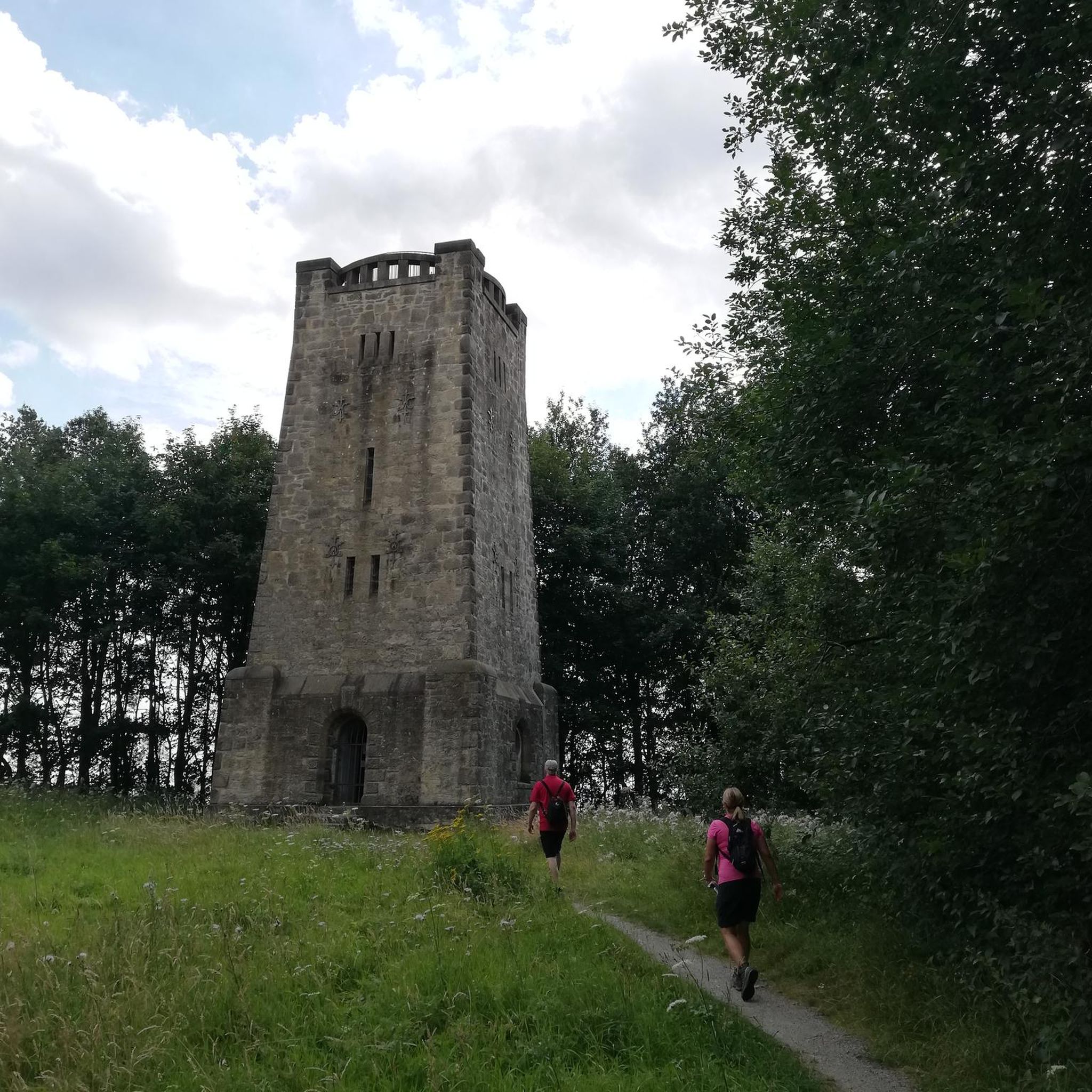
Ravin du Génie: Located in the woods of Lachalade, less than 1.2 km from the front line, this ravine was an important logistical camp for the French engineers during WWI. Soldiers found rest there, and equipment was stored for mine warfare in the Argonne. Today it is an open-air museum with the remains of barracks, warehouses and trenches – a tangible reminder of daily life behind the front. Free access with information panels.
7
0

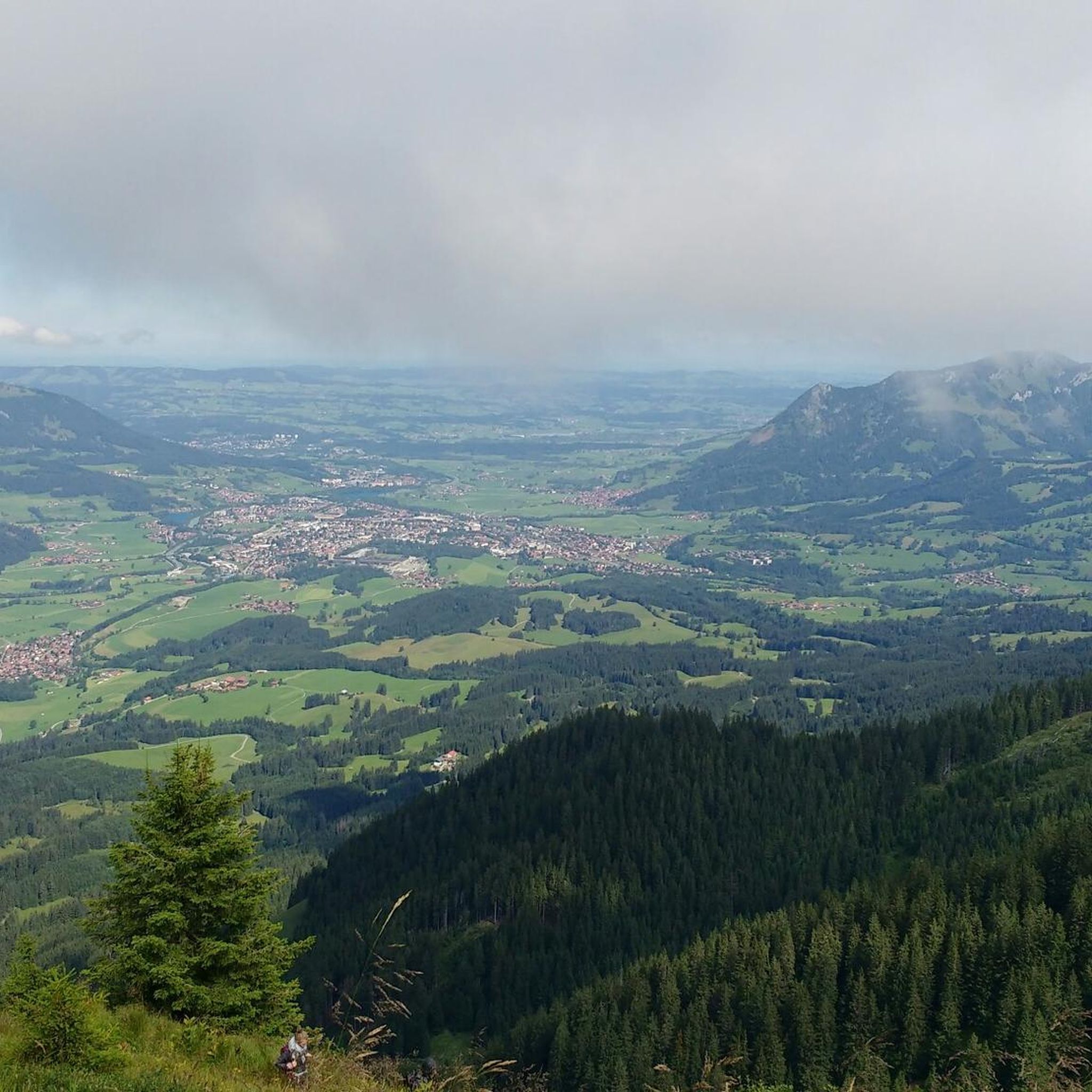
Great view of the city and walk through the old cemetery
0
1

The Hermitage of Saint-Rouin is a modern chapel built on the site of an ancient hermitage where Saint-Rouin, founder of the Beaulieu-en-Argonne abbey, lived in the 7th century. The chapel, designed by the architect and Dominican friar L.-B. Rayssiguier, is a striking example of concrete architecture with geometric shapes and colorful stained glass windows. You can admire the minimalist interior and the altar made of sandstone blocks, as well as the 17th century altarpiece of the Assumption located in the enclosure. The Hermitage of Saint-Rouin is a place of pilgrimage and celebration every year on September 17, the feast day of Saint-Rouin. You can also enjoy the natural beauty of the surrounding forest and the panoramic views from the hilltop. The Hermitage of Saint-Rouin is a hidden gem that will inspire you with its history and art.
3
2
The Forester Cemetery is dedicated to soldiers who died during the First World War. Located in the heart of the Argonne forest, this cemetery is home to 2,000 tombs, including ten of Garibaldians. The particularity of this place is that each grave is decorated with a hydrangea bush, creating a colorful contrast with the greenery of the forest. You can also explore the nearby sites of Haute Chevauchée, such as the Ossuary Monument, the Génie Ravine and the Kaiser Tunnel, where you can learn more about the battles that took place in the region. A hike in the surrounding area is sure to immerse you in the history and beauty of Argonne.
3
1

Built between 1954 and 1961, the Saint-Rouin hermitage was erected in the heart of the Argonne forest according to plans drawn up by Father Rayssiguier, Dominican, disciple of Le Corbusier and co-author of the Vence chapel. For further information, contact the Association "Les Amis de Saint-Rouin".
1
0

As a memorial to the many war dead, such places - usually referred to as "war graves" or "honorary cemeteries" - are still very important today. "Now, Lord, let your servant go in peace, as you said." However, the many people buried here were by no means divorced in peace, but became victims of the war and an inhuman tyranny. The most important and everlasting function of the soldiers' or honorary cemeteries or war cemeteries is therefore to commemorate this and to remind each generation anew to preserve peace over the long term.
3
0

The three-nave Gothic church dates from the 13th century and was rebuilt in the 15th and 18th centuries. It fits harmoniously with the medieval upper town of Sainte Menehould.
2
0
5700 soldiers who died in the hospitals of Sainte Menehould during the First World War are buried here.
4
0
Frequently Asked Questions
What historical sites can I explore near Futeau?
The area around Futeau is rich in history, particularly related to World War I. You can visit the Ravin du Génie Open-Air World War I Museum, which was an important logistical camp for French engineers. Another significant site is the Cimetière de la forestière, a cemetery dedicated to WWI soldiers, notable for its hydrangea-decorated graves. The Sainte Menehould military cemetery also commemorates the many war dead from the First World War.
Are there any religious or architectural landmarks worth visiting?
Yes, the Saint-Rouin Hermitage is a modern chapel built on the site of an ancient hermitage, featuring striking concrete architecture with geometric shapes and colorful stained glass windows. It's a place of pilgrimage and offers panoramic views. Additionally, in Sainte-Menehould, you can see Our Lady of the Castle, a three-nave Gothic church dating from the 13th century, which provides great views of the city.
What kind of outdoor activities can I do around Futeau?
Futeau is nestled within the expansive Forest of Argonne, offering numerous opportunities for outdoor activities. You can explore various cycling routes, including touring, road cycling, and gravel biking. For example, there are routes like the 'Saint-Rouin Hermitage – Sainte-Menehould loop' for touring bikes, or the 'Foret d'Argonne – Clermont-en-Argonne loop' for road cycling. Gravel bikers might enjoy the 'Battle d'Argonne 14-18' route. You can find more details on these activities in the dedicated guides for Cycling around Futeau, Road Cycling Routes around Futeau, and Gravel biking around Futeau.
Are there family-friendly attractions or activities in the Futeau area?
The Cimetière de la forestière is noted as family-friendly, offering a poignant historical experience in a natural setting. For more active options, the region research mentions a 'Parcours santé' (fitness trail) near Sainte-Menehould and 'Couleurs Aventure', an outdoor activity or adventure park also near Sainte-Menehould, which could be suitable for families.
What natural features define the Futeau region?
The Futeau region is primarily defined by the vast Forest of Argonne. This significant natural feature provides a tranquil setting and is known for its natural beauty, offering a key environmental heritage site for exploration and outdoor pursuits.
What do visitors enjoy most about the attractions around Futeau?
Visitors particularly appreciate the blend of historical significance and natural beauty. The open-air museums like Ravin du Génie offer a tangible reminder of WWI history, while the Saint-Rouin Hermitage is admired for its unique architecture and serene forest setting. The community has shared 7 photos and given 10 upvotes to the attractions, highlighting their appeal.
Are there any hidden gems or less-known spots to discover?
The Saint-Rouin Hermitage is often described as a hidden gem. It's a modern chapel with unique architecture, built on an ancient site, offering both historical depth and artistic interest within the surrounding forest.
What is the best time of year to visit Futeau for outdoor activities?
While specific seasonal data isn't provided, the Forest of Argonne and its outdoor activities are generally best enjoyed during spring, summer, and early autumn when the weather is mild and the forest is lush. This allows for comfortable cycling and exploration of historical sites.
Where can I find accommodation or places to eat near Futeau?
For accommodation, the Camping Pierre Cochenet is located directly in Futeau. In nearby Sainte-Menehould, approximately 7-8 km from Futeau, you might find options like L'Aquarelle and Domaine de La Grelette, which could offer dining or lodging, though their specific services are not detailed.
Are there any specific WWI sites besides Ravin du Génie?
Yes, beyond the Ravin du Génie Open-Air World War I Museum, the region has several other significant WWI sites. Vauquois Hill, about 15 km from Futeau, is an important historical building and site. The Haute-Chevauchée Ossuary, located near Lachalade, is another site of historical significance related to the war.
Can I find easy hiking trails around Futeau?
While specific easy hiking trails are not detailed in the provided data, the expansive Forest of Argonne offers a tranquil setting for walks. Given the presence of a 'Parcours santé' (fitness trail) nearby, it's likely there are accessible paths suitable for leisurely strolls, especially within the forest itself.

Get inspired with the komoot mobile app


Explore more
Still not found the Highlight you’re looking for? See guides of the top attractions in other regions:
