Attractions and Places To See around Rigny-Saint-Martin - Top 20
Best attractions and places to see around Rigny-Saint-Martin offer a glimpse into local heritage and natural beauty. This tranquil rural commune in France's Grand Est region is traversed by streams like the Aroffe, part of the watershed divide between the Rhine and Meuse basins. Visitors can explore historical landmarks and natural features, providing a diverse range of experiences. The area is known for its cultural sites and serene landscapes, making it ideal for those seeking quiet exploration.
Best attractions and…
Last updated: July 15, 2026
Saint Stephen's Cathedral, Toul
Highlight • Religious Site
Translated by Google •
Tip by

Toul Cathedral
Highlight • Religious Site
Translated by Google •
Tip by

Sign up now to discover places like this
Get recommendations on the best single tracks, peaks, & plenty of other exciting outdoor places.
Sign up for free
Lourdes Grotto
Highlight • Gorge
Translated by Google •
Tip by

Vaucouleurs
Highlight • Settlement
Translated by Google •
Tip by

Vauban Fortifications, Toul
Highlight • Other
Translated by Google •
Tip by
Sign up for free to discover even more attractions around Rigny-Saint-Martin.
Sign up for free
Already have an account?
Start today with a free account
Your next adventure awaits.
Login or Signup


Tips from the Community

We particularly enjoyed the history of the town, situated on the Meuse River. The beautiful town hall was built in 1847/48 on the site of a monastery in the Italian Renaissance style. In front of the town hall stands the gigantic equestrian statue of Joan of Arc, revered by the French. This cast-iron monument weighs 2.5 tons. Joan is said to have conquered the city. There is also a Joan of Arc Museum in the town.
1
0

The cult of the Virgin is ancient in Lorraine, particularly on the Hill of Sion. The apparitions of Lourdes after those of La Salette mark the souls of a very Christianized population in the countryside. Pilgrimages to Lourdes gained momentum in the 1880s. In 1883, there were 1,600 pilgrims from Lorraine. The momentum was given. The idea naturally came to evoke or reproduce the Massabielle cave. https://www.bruley.mairie54.fr/fr/la-replique-de-la-grotte-de-lourdes.html
4
0
One of Vauban's designs for the town of Toul consisted of demolishing the already existing fortifications and enlarging the surface of the town by inserting all the nearby suburbs within a single bastioned enclosure. This project was chosen by the king and work began on May 12, 1700, but, contrary to Vauban's wishes, inside the city and not outside. The work progressed only slowly, the city having lost all interest after the signing of the peace treaties. The ramparts and parapet were completed in 1722. In the first half of the 1740s, the canal locks were completed and the only complete peninsula was completed. But the work stopped there and the project was not completed. [https://sites-vauban.org/ressources/site-vauban/toul] An aerial view allows you to clearly see the contours of the fortifications, and you can also easily walk around them.
4
0
Toul Cathedral celebrated its 800th anniversary in 2021 (although it was not completed until after 1500). The monumental building dominates the cityscape from afar?
5
0

The fortification of Toul goes back to a plan by Vauban from 1697. However, the fortification was never completed.
2
0

The town hall building
3
2

Impressive Gothic cathedral of Toul, which houses one of the largest cloisters in France! It was stripped of its statues during the French Revolution but kept its superb. Also worth seeing: its two cloisters and the adjoining garden, very pleasant for taking a break in the shade.
5
0

Vaucouleurs takes its name from this part of the Meuse river, called Val des Couleurs. This Joan of Arc town (dedicated to Joan of Arc) was located a few kilometers from the front during the First World War. Today, it is a charming village with many streams and beautiful forests.
2
0
Frequently Asked Questions
What historical landmarks can I explore around Rigny-Saint-Martin?
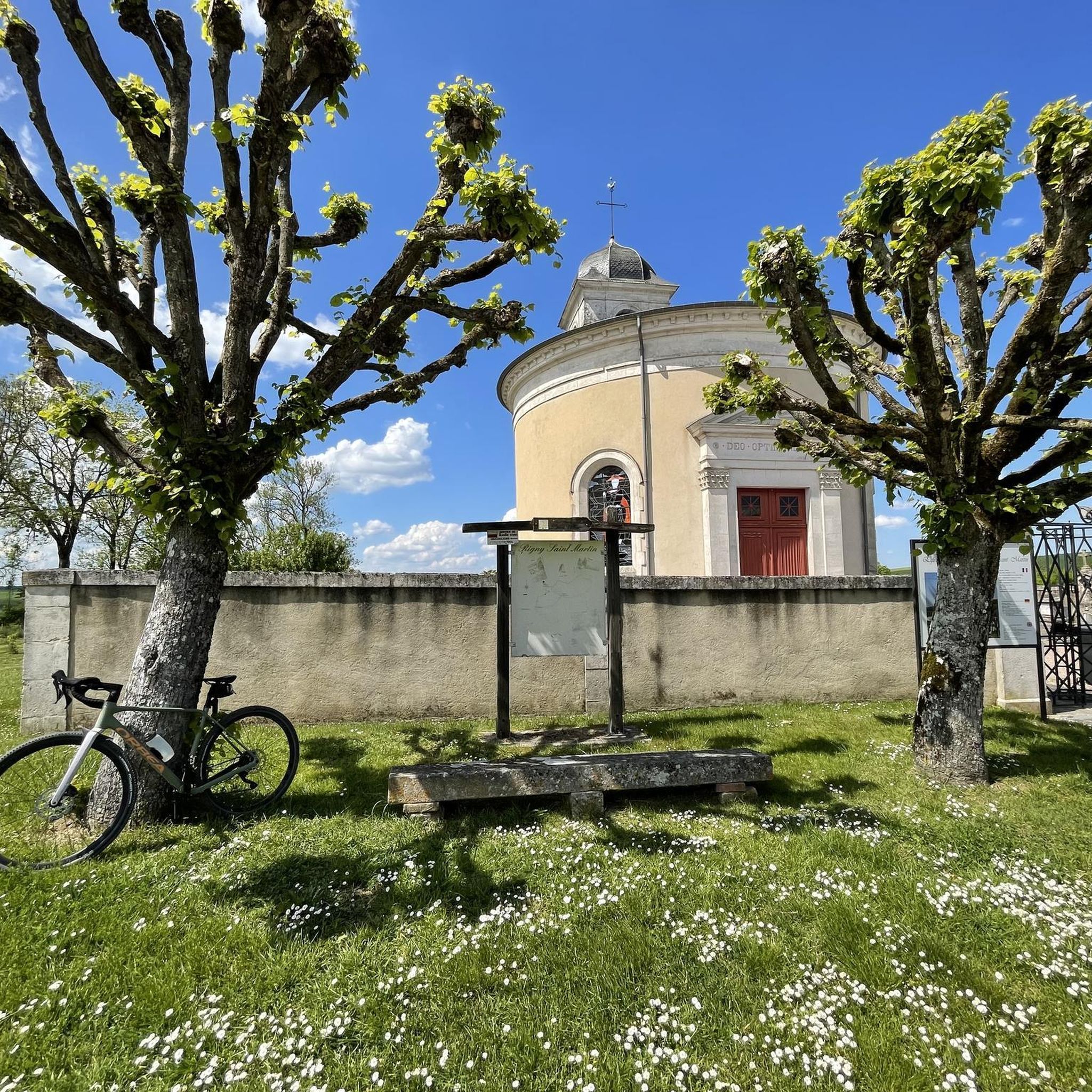
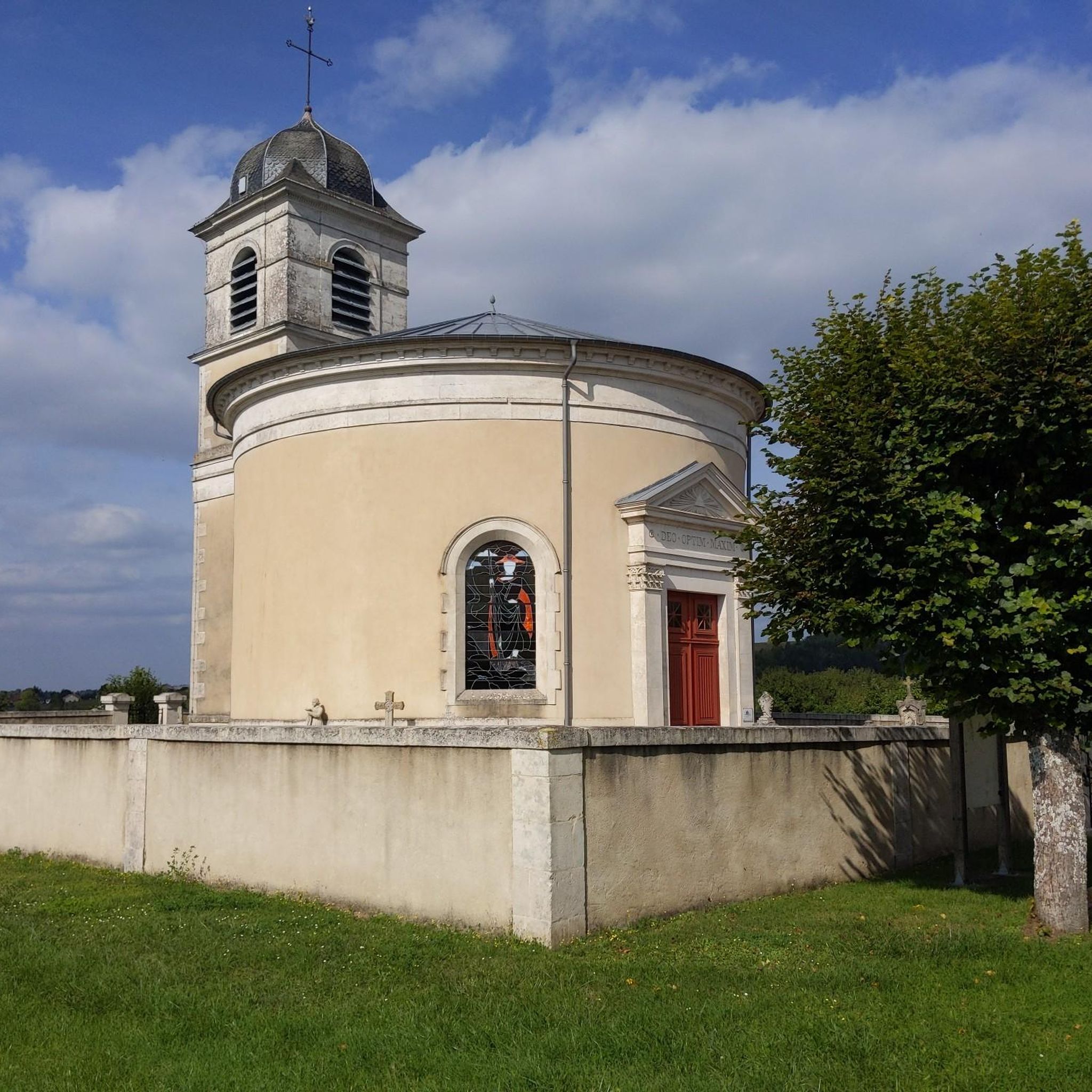
The region is rich in history. You can visit the 19th-century Saint-Martin Church and the poignant War Memorial in Rigny-Saint-Martin itself. Further afield, explore the impressive Saint Stephen's Cathedral, Toul, known for its flamboyant Gothic style and one of France's largest cloisters. Also, the Vauban Fortifications, Toul offer insight into 17th-century military architecture.
Are there any natural features or scenic spots to visit near Rigny-Saint-Martin?
Yes, Rigny-Saint-Martin is traversed by the Aroffe and Saint-Fiacre Streams, which are part of the Rhine and Meuse watershed divide. The Wood of Domgermain is another natural site of interest for appreciating the local environment. You can also visit the Lourdes Grotto, a gorge featuring a replica of the Massabielle cave, which is a unique natural and spiritual site.
What kind of outdoor activities can I do around Rigny-Saint-Martin?
The area offers various outdoor activities. You can find numerous routes for hiking, gravel biking, and cycling. For example, explore hiking trails like the 'Au Pays de Jeanne d'Arc Trail' or easier loops such as 'Baguette Vending Machine – Choloy-Ménillot loop'. Cyclists can enjoy routes like 'La Meuse à vélo: de Vaucouleurs à Verdun'. You can find more details and routes on the dedicated guides for hiking, gravel biking, and cycling around Rigny-Saint-Martin.
Are there family-friendly attractions or activities in the Rigny-Saint-Martin area?
While Rigny-Saint-Martin itself is a tranquil rural commune, the nearby town of Vaucouleurs offers historical interest, particularly its connection to Joan of Arc, which can be engaging for families. Exploring the natural streams and woods, or taking an easy walk on one of the many trails, can also be enjoyable family activities.
What is the significance of Vaucouleurs in the region?
Vaucouleurs is historically significant, especially due to its strong association with Joan of Arc. It was from Vaucouleurs that Joan of Arc began her mission. The town features a gigantic equestrian statue of Joan of Arc and a museum dedicated to her. Its beautiful town hall, built in Italian Renaissance style, is also a notable sight.
Where can I find historical religious sites in the vicinity?
Beyond the local Saint-Martin Church, you can visit the historic Saint-Fiacre Chapel, dating back to the 16th century, located in the Wood of Saint-Fiacre. The grand Toul Cathedral is another must-see, known for its beautiful Gothic architecture and wonderful cloister. The Lourdes Grotto also serves as a significant site of veneration.
What do visitors particularly enjoy about the attractions near Rigny-Saint-Martin?
Visitors frequently appreciate the historical depth and architectural beauty of sites like Saint Stephen's Cathedral, Toul, noting its magnificent flamboyant Gothic facade and impressive cloisters. The historical significance of Vaucouleurs, particularly its Joan of Arc connection, is also a highlight for many. The tranquil rural setting and natural streams offer a peaceful escape.
Are there any easy walking trails suitable for beginners or casual strolls?
Yes, there are several easy walking trails. For instance, the 'Baguette Vending Machine – Choloy-Ménillot loop' and 'View of Choloy-Ménillot – Val de Passey Railway loop' are both rated as easy. The 'Le Gros Chêne loop from Blénod-lès-Toul' is another easy option. These trails provide a gentle way to experience the local landscape. More options can be found in the hiking guide.
What is the 'Entrevue des Quatre-Vaux' site?
The 'Entrevue des Quatre-Vaux' is a historic location within Rigny's parish, situated in the forest between Vaucouleurs and Toul. It marks the site of a significant meeting between a king and an emperor in 1299, offering a glimpse into medieval history.
Can I find any unique cultural elements like roadside crosses in the area?
Yes, Rigny-Saint-Martin is home to traditional 'Crosses of Chemin' (roadside crosses) which can be found along the paths and roads of the commune. These crosses are a common cultural feature in rural France and offer a glimpse into local heritage and traditions.
What is the best time of year to visit Rigny-Saint-Martin for sightseeing and outdoor activities?
The spring and summer months typically offer the most pleasant weather for exploring the historical sites and enjoying outdoor activities like hiking and cycling. The natural features, such as the streams and woods, are particularly vibrant during these seasons. However, the tranquil rural setting can be appreciated year-round for a quiet escape.
Most popular routes around Rigny-Saint-Martin

Get inspired with the komoot mobile app


Explore more
Still not found the Highlight you’re looking for? See guides of the top attractions in other regions:
