The best running trails around Verneuil-Grand
4.5
(58)
2,999
runners
251
runs
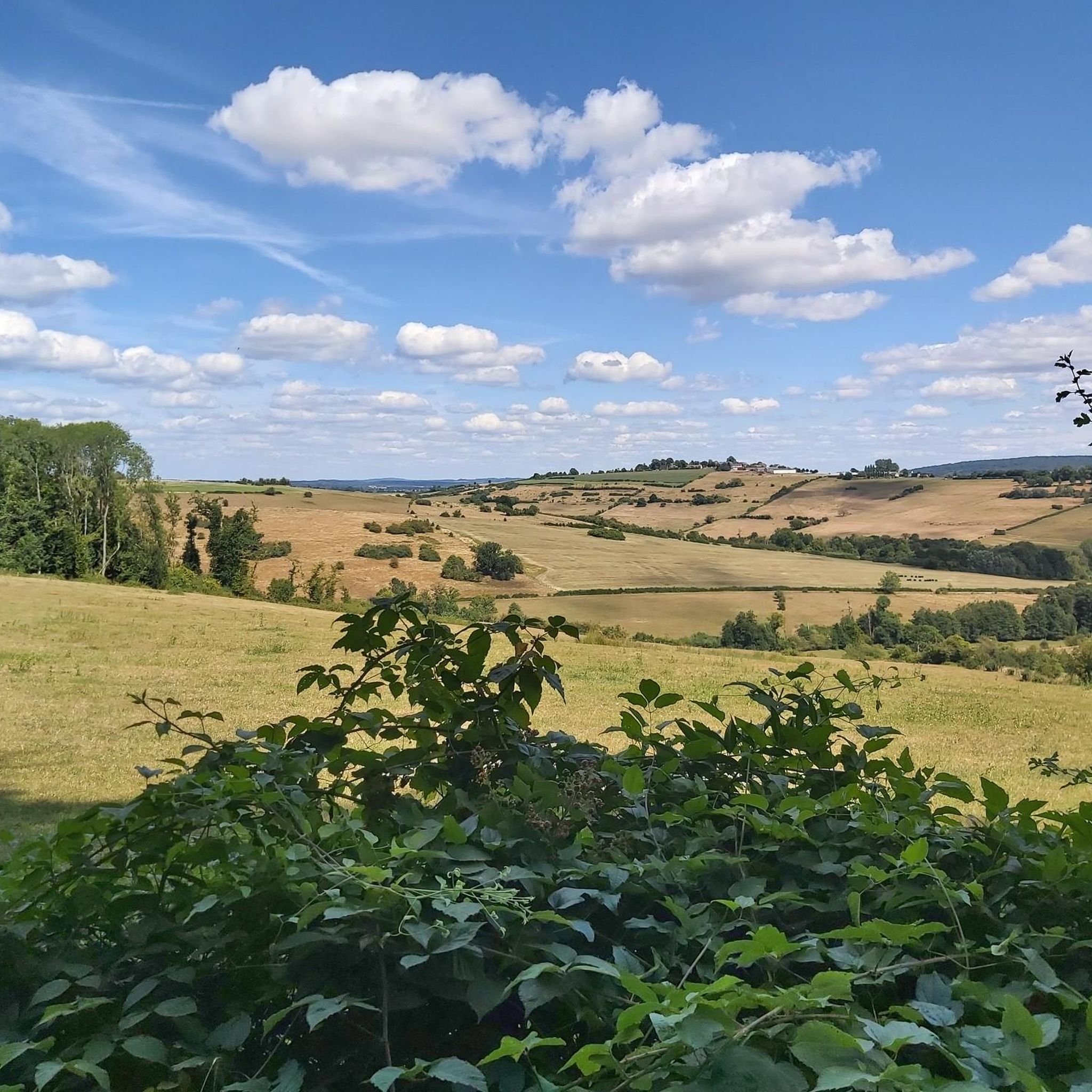
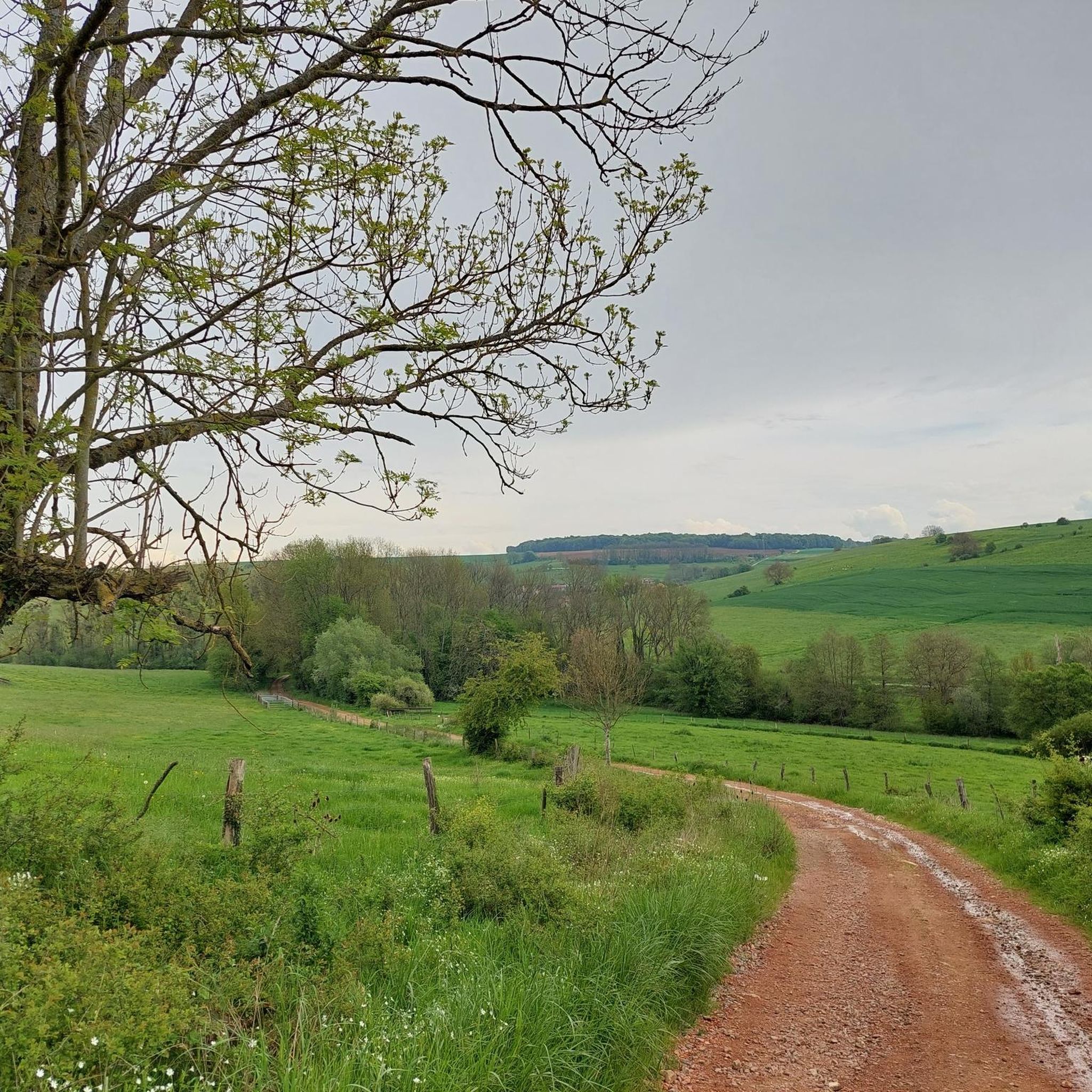
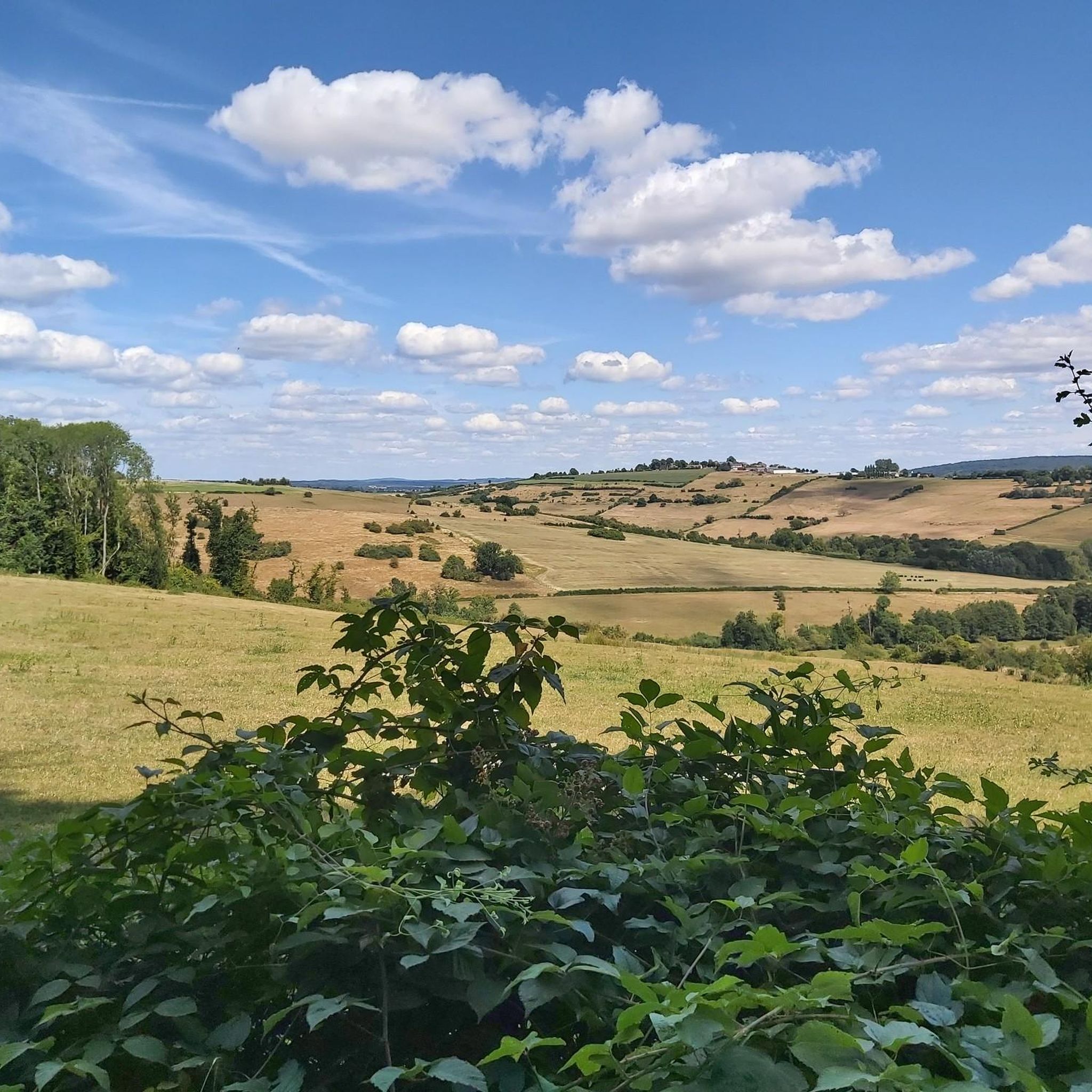
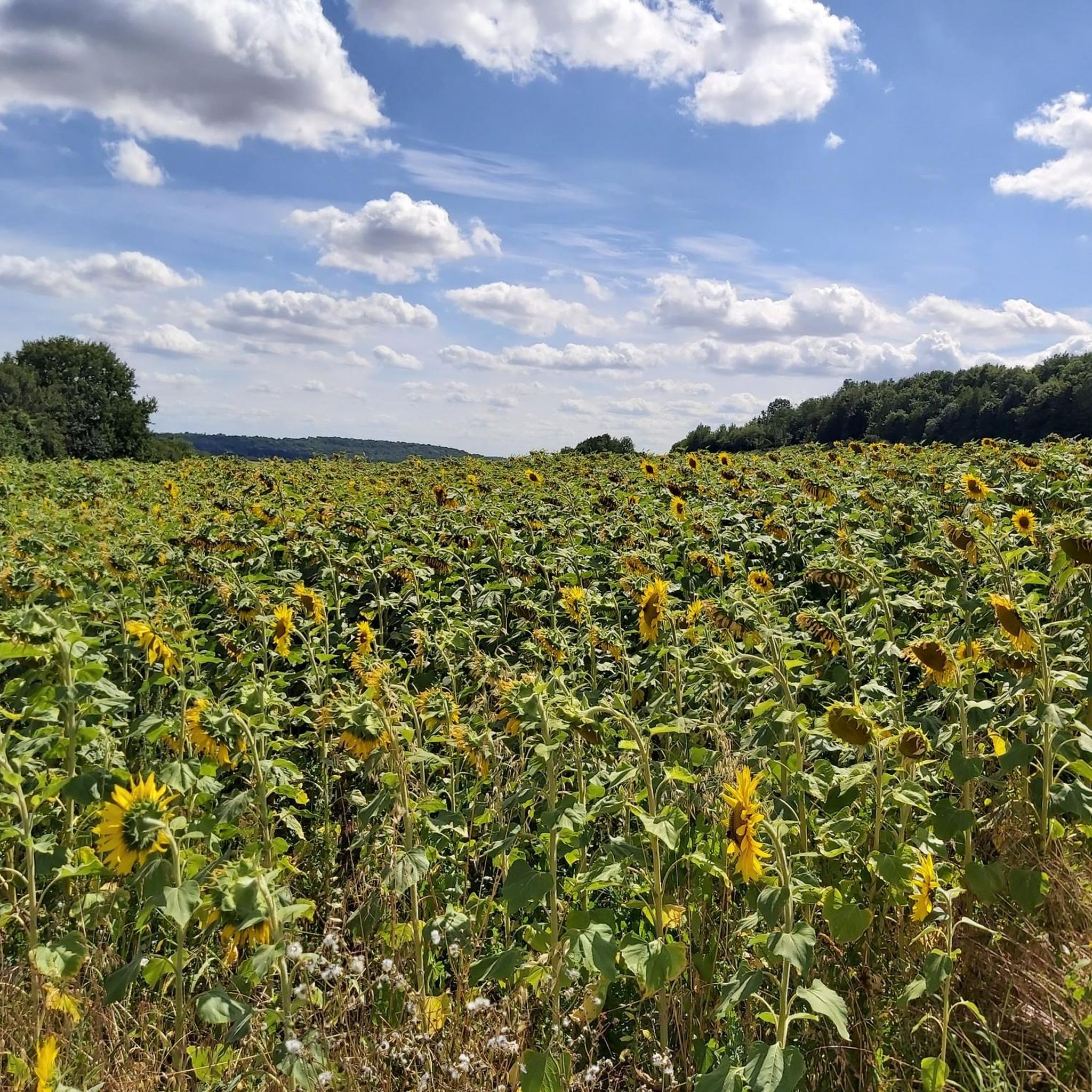
Jogging routes around Verneuil-Grand traverse a landscape characterized by rolling hills, agricultural fields, and river valleys. The region offers a mix of open countryside and forested sections, providing varied terrain for runners. Elevation changes are generally moderate, making many routes accessible for different fitness levels. The area's natural features include views of the Gaume Countryside and the Thonne Valley.
Best jogging routes around Verneuil-Grand
- The most popular jogging route is View of the Gaume Countryside loop from Couvreux, a…
Last updated: November 19, 2026
8
runners
5.09km
00:33
100m
100m
Moderate run. Good fitness required. Mostly paved surfaces.
8
runners
8.99km
01:00
120m
120m
Moderate run. Good fitness required. Mostly paved surfaces.

6
runners
Moderate run. Good fitness required. Mostly paved surfaces.
5
runners
6.17km
00:39
90m
90m
Moderate run. Good fitness required. Mostly paved surfaces.
4.5
(2)
7
runners
21.5km
02:18
270m
280m
Hard run. Very good fitness required. Mostly paved surfaces.
Get access to more routes and recommendations from other explorers.
Already have an account?
Our route recommendations are based on thousands of hikes, rides, and runs completed by other people on komoot.
Start today with a free account
Your next adventure awaits.

Tips from the Community

The remains of Montquintin Castle stand on a ridge overlooking the Ton valley. The once feudal castle was built on the orders of Louis II, Count of Chiny. After a turbulent history, the castle fell victim to a fire in 1869. Since then, it has stood as a ruin high above the Ton river valley.
0
0

The ruins of this ancient feudal castle are impressive. They dominate the Ton valley and are currently the subject of a program of archaeological excavations.
0
0
This ancient feudal castle is now a ruin, but it has retained its undeniable charm. Located on a hill overlooking the Ton valley, it is the subject of a restoration program and archaeological excavations.
0
0

The Saint-Martin de Montmédy church is the church of the Saint-Martin parish in the upper town of Montmédy. The church we see today is not the first to be built on this location. Indeed, a sanctuary surrounded by a cemetery would have been present in the upper part of Montmédy as early as the 11th century. Its origins are rather vague, but historians are certain that from 1156 there was a religious building on the site of the current church2. This monument was quite small and had a single, quite slender tower. According to several old plans of Montmédy, researchers can confirm that it occupied approximately the location between the interior pillars of the current building3. In the 18th century, when Vauban strengthened the fortifications, the rear of the church was shortened to allow the widening of the adjacent rampart. The current church was built on the foundations of a more modest church that probably dates from the 12th century.
0
0

The Saint-Martin church in Montmédy is a majestic church which dominates the Montmédy citadel. You can admire its symmetrical facade with two square towers, its richly decorated altar with a half-canopy, and its statue of the Virgin and Child dating from the 14th century. You can also enjoy the sound of the restored organ, which dates from the late 17th century and had not been played for almost a century. The church is also a cultural space which hosts exhibitions, conferences and concerts. It is a mecca for hiking that will impress you with its beauty and charm.
2
0

Built between 1753 and 1757, the Saint-Martin church dominates the ramparts of the citadel of Montmédy, renovated by Vauban. This stone building is located on the site of an ancient shrine of which only the chapel of Malandry remains. Bulky, ideal for the large military site it is next to. The classical architecture is specific to the churches of fortified towns, highlighting two imposing square bell towers, as well as a style of remarkable finesse that invites visits. The bronze bell cast in 1558 is one of fifty in the Meuse dating from before the Revolution. On the facade, the remains of the coat of arms of Albert de Meuldre, abbot of Orval, hammered during the Revolution, are a reminder that the church was largely financed by the powerful Cistercian abbey. Inside the nave there is always a canopy above the choir. You can also admire a 17th century painting of Flemish inspiration, depicting the adoration of the shepherds in Bethlehem, and a statue: Virgin and Child from the 14th century. The organ with specific technical details was restored by an association and inaugurated in October 2013. The instrument had not sounded for 97 years!
3
0

You can take a good break at the French/Belgian border. The bank is a bit in the shade and you can watch the hustle and bustle on the fields.
4
0
Frequently Asked Questions
How many running routes are available around Verneuil-Grand?
There are over 200 running routes in the Verneuil-Grand area, offering a diverse range of options for all fitness levels. This includes 26 easy routes, 159 moderate routes, and 24 more challenging trails.
Are there easy jogging routes suitable for beginners in Verneuil-Grand?
Yes, Verneuil-Grand offers 26 easy jogging routes perfect for beginners or those looking for a relaxed run. These trails typically feature gentle ascents and traverse the region's characteristic rolling hills and open countryside.
Where can I find more challenging or longer running trails near Verneuil-Grand?
For those seeking a greater challenge, there are 24 difficult running trails around Verneuil-Grand. A good option for a longer run is the Château-fort de Montquintin loop from Velosnes, which covers over 10 kilometers with moderate elevation changes.
What do other runners enjoy the most about jogging in Verneuil-Grand?
The running routes in Verneuil-Grand are highly rated by the komoot community, with an average score of 4.5 stars from over 40 reviews. Runners often praise the varied terrain, the scenic views of the Gaume Countryside and Thonne Valley, and the accessibility of routes for different abilities.
Are there any circular running routes in the Verneuil-Grand area?
Yes, many of the running routes around Verneuil-Grand are circular, offering convenient starting and ending points. For example, the popular View of the Gaume Countryside loop from Couvreux is a 5.1 km circular trail, and the Running loop from Montmédy is a 7.3 km loop.
What kind of scenery can I expect on the running trails around Verneuil-Grand?
The running trails in Verneuil-Grand offer diverse scenery, characterized by rolling hills, agricultural fields, and river valleys. You'll find a mix of open countryside and forested sections, with notable views such as those along the View of the Thonne Valley – Border loop from Thonne-la-Long.
Are there any interesting landmarks or natural attractions along the running routes?
Yes, you can discover several interesting landmarks and natural attractions. For instance, you might encounter the Ruins of Montquintin Castle or the historic Naisse Mill. Natural highlights include the serene Rabais Valley Lake and various viewpoints like the View of the Belgian-French Border.
Are the running routes around Verneuil-Grand suitable for families?
Many of the easier and moderate routes are suitable for families, especially those with older children. The terrain is generally moderate with gentle elevation changes, making it accessible. We recommend checking individual route details for specific suitability, but trails like the Lavoir loop from Villécloye offer a pleasant experience.
Are dogs allowed on the running trails in Verneuil-Grand?
Generally, dogs are welcome on most outdoor trails in the Verneuil-Grand region, especially in rural and forested areas. However, it's always advisable to keep them on a leash, particularly near agricultural fields or in areas with wildlife, and to check local regulations for specific routes or nature reserves.
Is there parking available near the starting points of the running routes?
Yes, many of the running routes in Verneuil-Grand have designated parking areas near their starting points, especially in or near villages like Couvreux, Montmédy, Thonne-la-Long, and Velosnes. It's recommended to check the specific route details on komoot for precise parking information.
What is the best time of year for running in Verneuil-Grand?
The Verneuil-Grand region is enjoyable for running throughout much of the year. Spring and autumn offer pleasant temperatures and beautiful scenery with changing foliage. Summer is also popular, though it's best to run in the mornings or evenings to avoid the midday heat. Winter running is possible, but some trails might be muddy or icy depending on conditions.
Are there any running routes with viewpoints or scenic overlooks?
Absolutely. The region is known for its scenic beauty. Routes like the View of the Gaume Countryside loop from Couvreux and the View of the Thonne Valley – Border loop from Thonne-la-Long are specifically highlighted for their panoramic vistas of the surrounding landscape.
Most popular routes around Verneuil-Grand
Most popular attractions around Verneuil-Grand

Get inspired with the komoot mobile app


Explore more
Browse the best Running Trails & Routes in other regions.
