Attractions and Places To See around Chauvency-Le-Château - Top 20
Best attractions and places to see around Chauvency-Le-Château include historical sites and natural landscapes in the Meuse department of the Grand Est region. The area is historically significant, notably for the 1285 Chauvency Tournament and the presence of the Château de Chauvency. It is drained by the Chiers and Loison rivers, offering a serene natural environment. Visitors can explore a mix of historical landmarks and scenic viewpoints.
Best attractions and places to see around Chauvency-Le-Château
- The most popular attractions is…
Last updated: May 21, 2026
View of the Abbey's castle
Highlight • Viewpoint
Translated by Google •
Tip by

Orval Abbey
Highlight • Religious Site
Translated by Google •
Tip by

Sign up now to discover places like this
Get recommendations on the best single tracks, peaks, & plenty of other exciting outdoor places.
Sign up for free
Basilica of Our Lady of Avioth
Highlight • Religious Site
Tip by

Citadel of Montmédy
Highlight • Settlement
Translated by Google •
Tip by

Mont Saint-Walfroy
Highlight • Viewpoint
Translated by Google •
Tip by

Sign up for free to discover even more attractions around Chauvency-Le-Château.
Sign up for free
Already have an account?
Start today with a free account
Your next adventure awaits.
Login or Signup
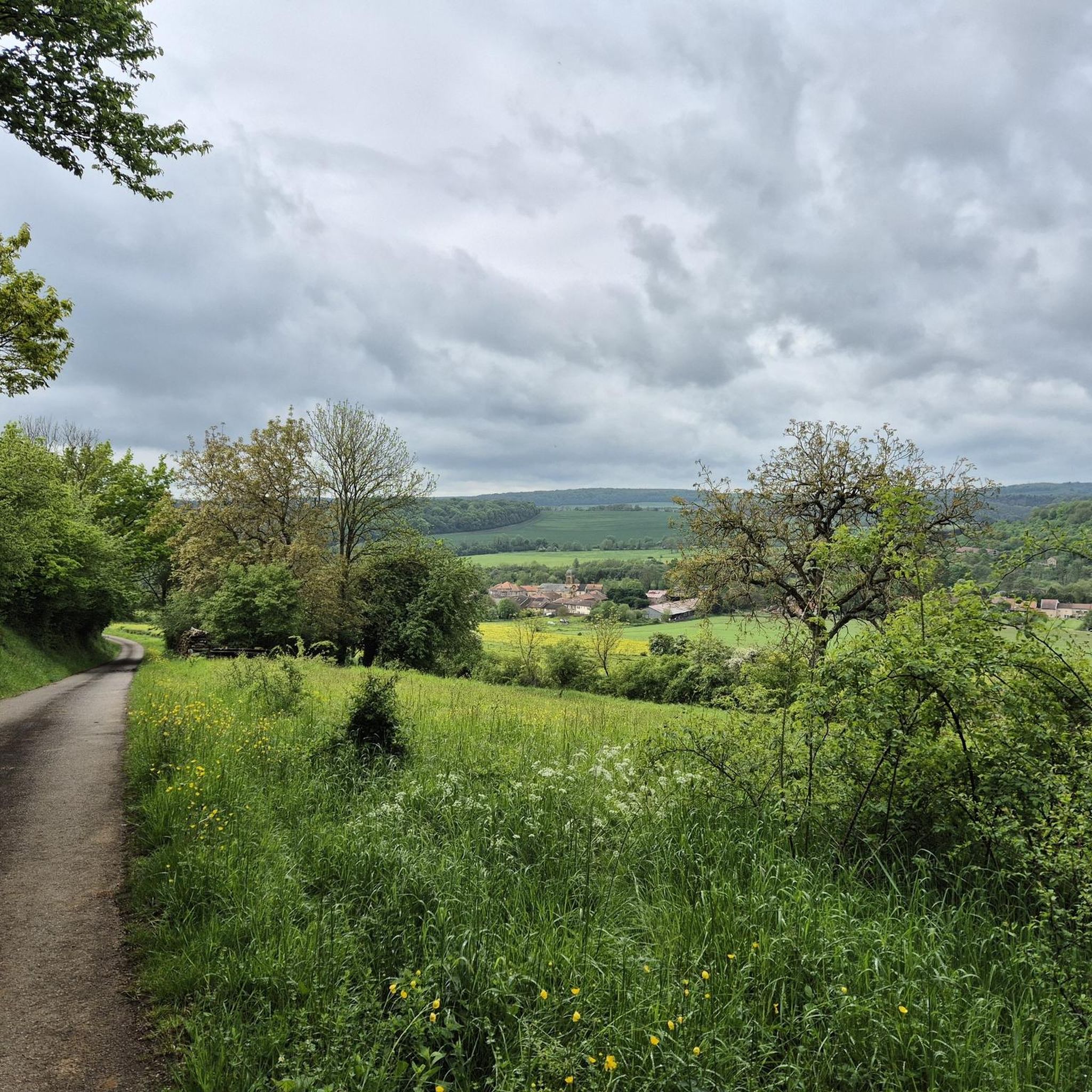

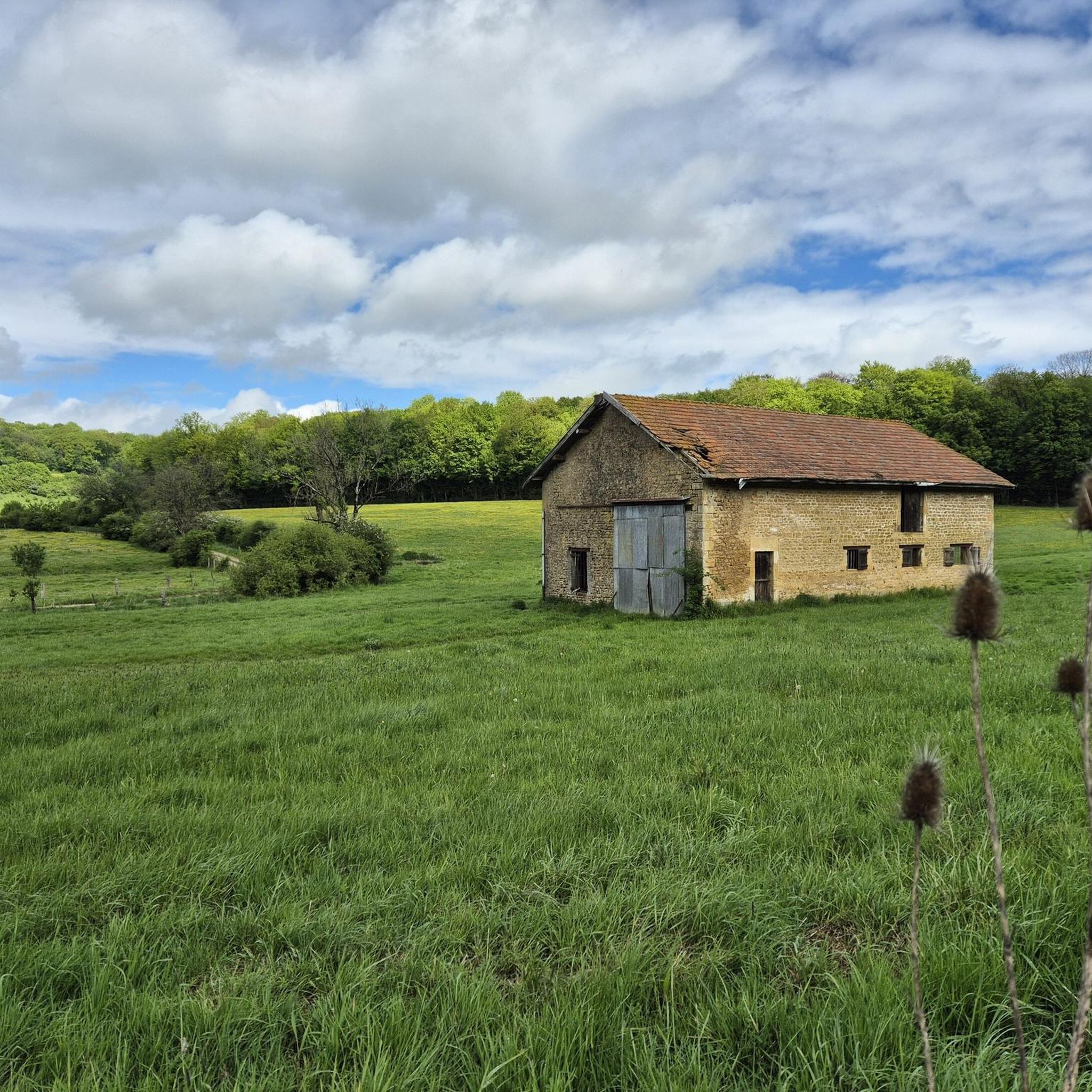
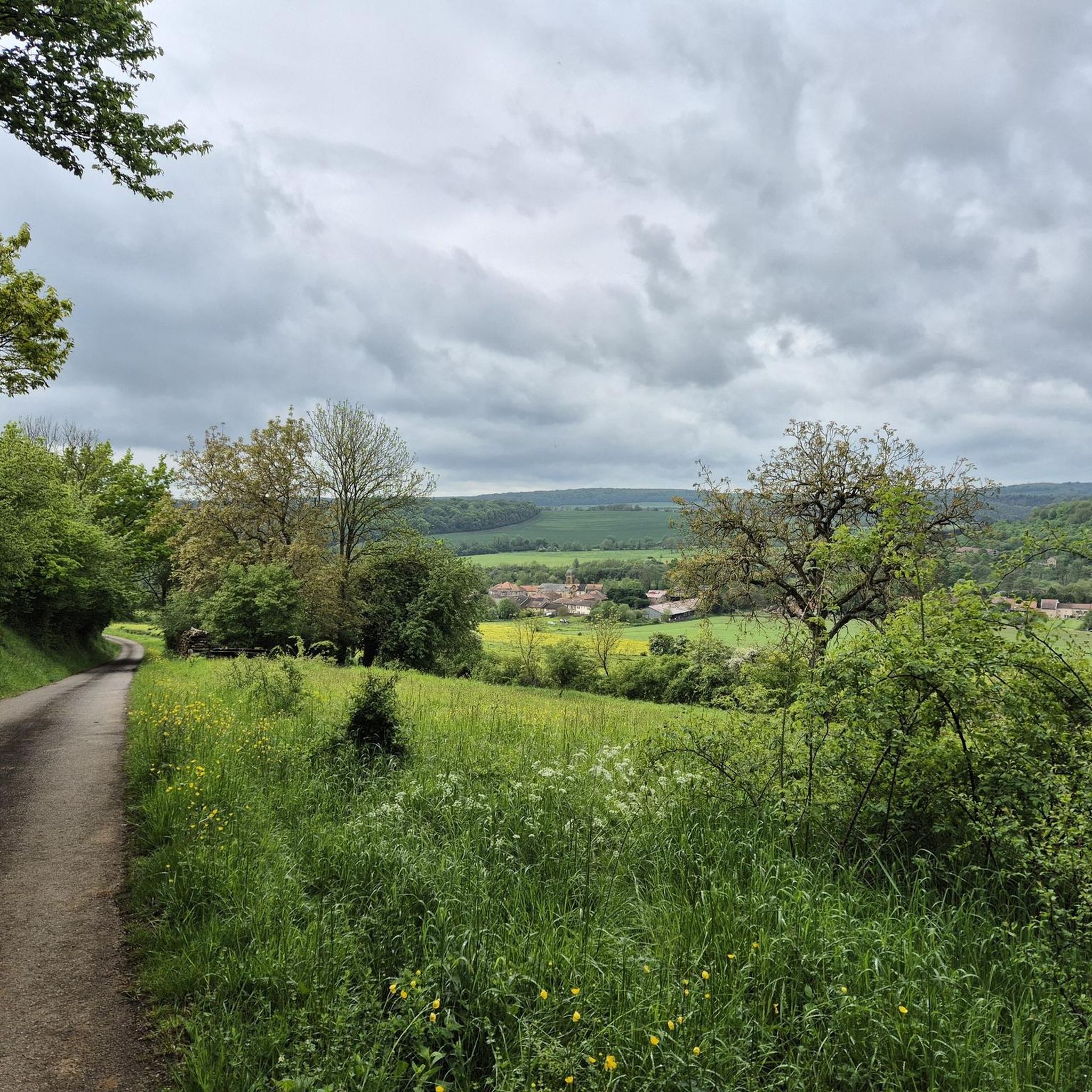
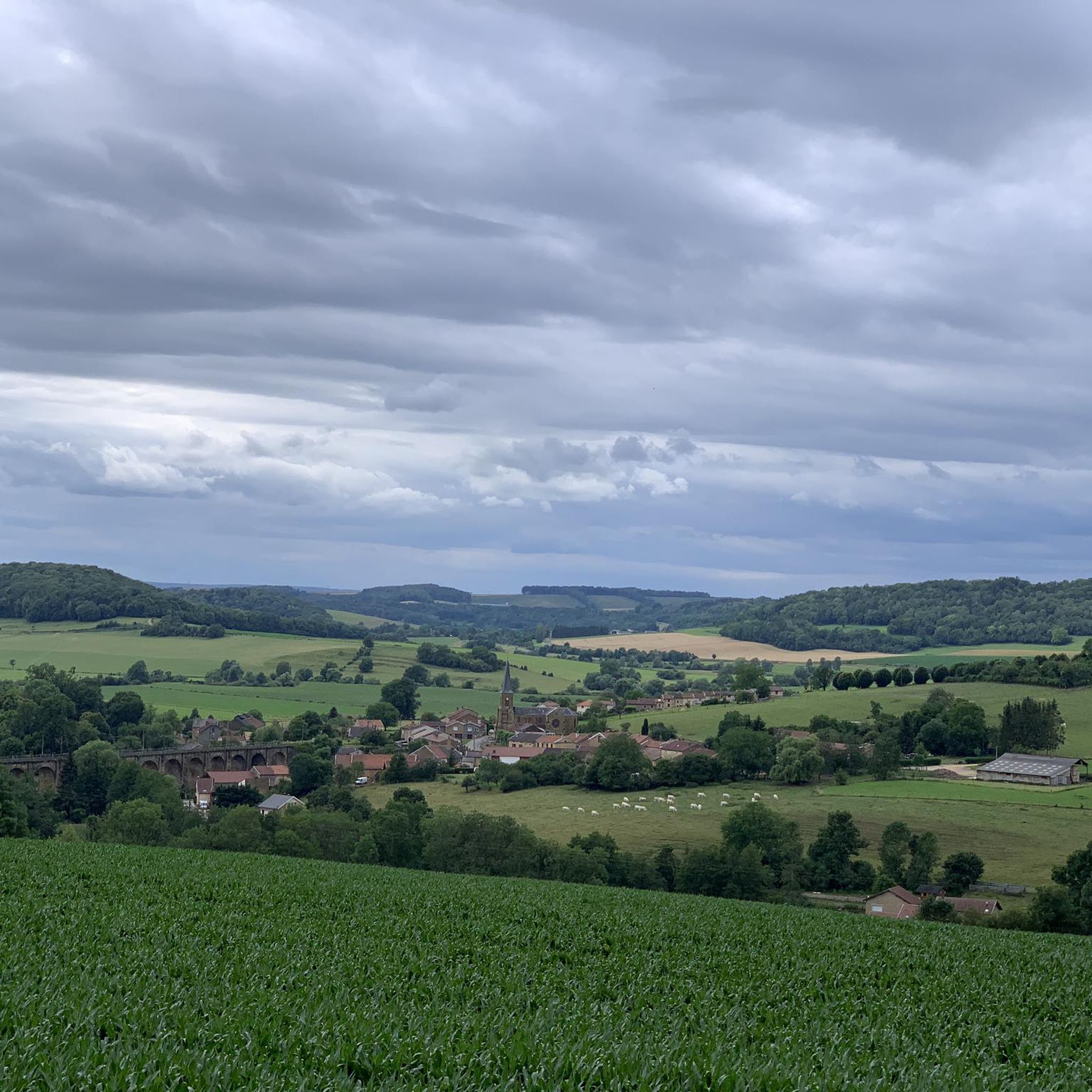

Tips from the Community

You can walk all the way around the ramparts. We found it unique and impressive. The museum was also interesting.
0
0

The current castle is very recent. It was built in 1960 at the request of the owners, the Otreppe de Bouvette family, based on plans by architect Emile Godin. The previous castle was severely damaged in both world wars and fell into disrepair.
10
0
Over a period of 22 years, from 1926 to 1948, a completely new abbey was built based on a design by architect Henri Vaes. This was primarily the work of Ghent native Albert-Marie Van der Cruyssen, who became the first abbot in 1936. On August 20, 1929, the foundation stone was laid in the presence of Prince Leopold and Cardinal Van Roey. The new abbey was completed in 1948. On June 5, 1939, the abbey church was consecrated and elevated to Basilica Minor by Pope Pius XII. On September 8, 1948, the abbey church and the completed cloister were solemnly consecrated by Cardinal Micara, who served as Apostolic Nuncio to Belgium from 1923 to 1946 and subsequently became Prefect of the Congregation for Rites. To finance the major construction projects, which by then had already cost tens of millions of Belgian francs, various fundraising activities were initiated. For example, special postage stamps with a surcharge were issued by the Belgian government. The cheese factory (1931) and the brewery (1932) were established to generate the necessary funds, and laypeople were employed from the outset. After the construction work was completed, these proceeds were used for social and charitable purposes. (Wikipedia)
12
0

Built in the 14th century, the Avioth Basilica is distinguished by its rich Gothic-style decorations. It is also called the Cathedral of the Fields because of its natural setting.
0
0

Magnificent citadel to visit absolutely!
0
0

A visit to the abbey is worthwhile. You should allow yourself about an hour and a half. Not far away there is a brasserie where you can try the cheese and beer.
6
0
Orval Abbey is a monastery of the Trappist Order (Cistercians of the Strict Observance) located in the municipality of Florenville in southern Belgium, near the French border. The name derives from the Basque ar(an) and French val (both meaning valley). The folk etymological interpretation of the French or (as golden valley) gave rise to a legend according to which a Countess Matilda (in some versions Matilda of Tuscany) lost her golden ring in the valley, which was then returned to her by a fish. She founded the monastery in gratitude. The Matilda Fountain can be visited in the ruins of the old monastery. (Wikipedia) Orval is a Trappist beer that has been brewed since 1932 in the Cistercian Abbey of Notre-Dame d'Orval in the Belgian province of Luxembourg. The bottle label and beer mat depict a trout with a golden ring in its mouth, illustrating the legend of the abbey's founding.
5
0
It's worth taking a short stop to try the abbey beer.
5
0
Frequently Asked Questions
What historical sites can I explore near Chauvency-le-Château?
The region is rich in history. You can visit the Basilica of Our Lady of Avioth, a Gothic religious building and significant pilgrimage site. Another notable historical landmark is the Orval Abbey, a legendary place combining history, culture, and spirituality, where the famous Trappist beer is still brewed. The village of Chauvency-le-Château itself is known for the historical Château de Chauvency, site of the 1285 tournament, and the Saint-Amand Church, built in 1858.
Are there any family-friendly attractions around Chauvency-le-Château?
Yes, several attractions are suitable for families. The View of the Abbey's castle offers a picturesque scene with the Château d’Orval reflected in a pond, often with swans and ducks, which can be enjoyable for children. The Basilica of Our Lady of Avioth and Orval Abbey are also listed as family-friendly, offering cultural and historical insights.
Where can I find scenic viewpoints in the area?
For stunning views, head to the View of the Abbey's castle, where you can admire the Château d’Orval reflected in a tranquil pond. Another excellent spot is Mont Saint-Walfroy, which offers panoramic views of the Meuse valley and surrounding forests from its summit.
What outdoor activities are available near Chauvency-le-Château?
The area offers various outdoor activities, particularly cycling and running. You can find numerous MTB trails, including moderate loops like the 'Bois Communal loop from Chauvency-Saint-Hubert'. For gravel biking, there are routes such as the 'Villers-devant-Orval village – View of the Abbey's castle loop'. Runners can explore running trails, including a moderate loop around Mont Saint Walfroy.
Are there any notable religious sites to visit?
Absolutely. The Basilica of Our Lady of Avioth, also known as 'the Cathedral of the Fields,' is a magnificent Gothic structure and a significant pilgrimage destination. The Orval Abbey is another important religious site with a rich spiritual history. In Chauvency-le-Château itself, the Saint-Amand Church is a central religious landmark.
What natural features characterize the area around Chauvency-le-Château?
Chauvency-le-Château is nestled within the Meuse river basin and is drained by the Chiers and Loison rivers, along with the Bouillon stream. The Chiers River, in particular, provides a serene natural backdrop. You can also find picturesque lakes, such as the pond reflecting the Château d’Orval near the View of the Abbey's castle.
What is the significance of the Château de Chauvency?
The Château de Chauvency, built at the end of the 11th century on an island in the Chiers River, is historically significant as the site of the legendary Chauvency Tournament of 1285. This grand event gathered over 500 knights from across Europe and was chronicled by the trouvère Jacques Bretel. While the castle itself is not open to visitors, its historical importance to the region is immense.
Can I visit the Orval Abbey and taste its famous beer?
Yes, Orval Abbey is a legendary place combining history, culture, and spirituality. The famous Orval Trappist beer is still brewed here according to the original recipe. The abbey was largely rebuilt between 1926 and 1948, and visitors can explore its grounds and learn about its traditions.
What is the Citadel of Montmédy and what can I see there?
The Citadel of Montmédy is a well-preserved military fortress with a rich history, improved by Vauban. From this high point, you get a great view of the entire area. You can explore the fortifications, visit the Fortress Museum which describes the development of defense systems, and a museum dedicated to painter Jules Bastien-Lepage.
What do visitors particularly enjoy about the attractions near Chauvency-le-Château?
Visitors appreciate the blend of historical significance and natural beauty. The picturesque views, such as those from the View of the Abbey's castle, and the rich history of sites like the Basilica of Our Lady of Avioth and Orval Abbey are highly rated. The community has shared over 95 photos and given more than 400 upvotes for the attractions in the area, highlighting their appeal.
Are there any challenging trails for experienced hikers or cyclists?
While many routes are moderate, some longer and more challenging options exist. For gravel biking, routes like the 'Mouzon – The Meuse loop from Stenay' cover a significant distance and are rated as difficult. For running, the 'Basilique d'Avioth – Basilica of Our Lady of Avioth loop from Montmédy' is a longer, more challenging option.
Most popular routes around Chauvency-Le-Château

Get inspired with the komoot mobile app


Explore more
Still not found the Highlight you’re looking for? See guides of the top attractions in other regions:
