Attractions and Places To See around Damvillers - Top 20
Best attractions and places to see around Damvillers include historical sites and natural landscapes in the Meuse department of France. This region offers a blend of cultural heritage and outdoor exploration opportunities. Visitors can discover villages with Renaissance architecture, significant religious buildings, and scenic paths along waterways. The area provides diverse options for those interested in history and gentle outdoor activities.
Best attractions and places to see around Damvillers
- The most popular attractions is Saint-Nicolas Church of Marville, a…
Last updated: May 21, 2026
Beautiful castle, church and ancient fortifications
Highlight • Castle
Translated by Google •
Tip by

Marville Renaissance Village
Highlight • Historical Site
Translated by Google •
Tip by

Sign up now to discover places like this
Get recommendations on the best single tracks, peaks, & plenty of other exciting outdoor places.
Sign up for free
Saint-Nicolas Church of Marville
Highlight • Religious Site
Translated by Google •
Tip by

Ruins of Église Saint-Michel
Highlight • Historical Site
Translated by Google •
Tip by

Cycle path along the Meuse Canal
Highlight (Segment) • Cycleway
Translated by Google •
Tip by
Sign up for free to discover even more attractions around Damvillers.
Sign up for free
Already have an account?
Start today with a free account
Your next adventure awaits.
Login or Signup



Tips from the Community

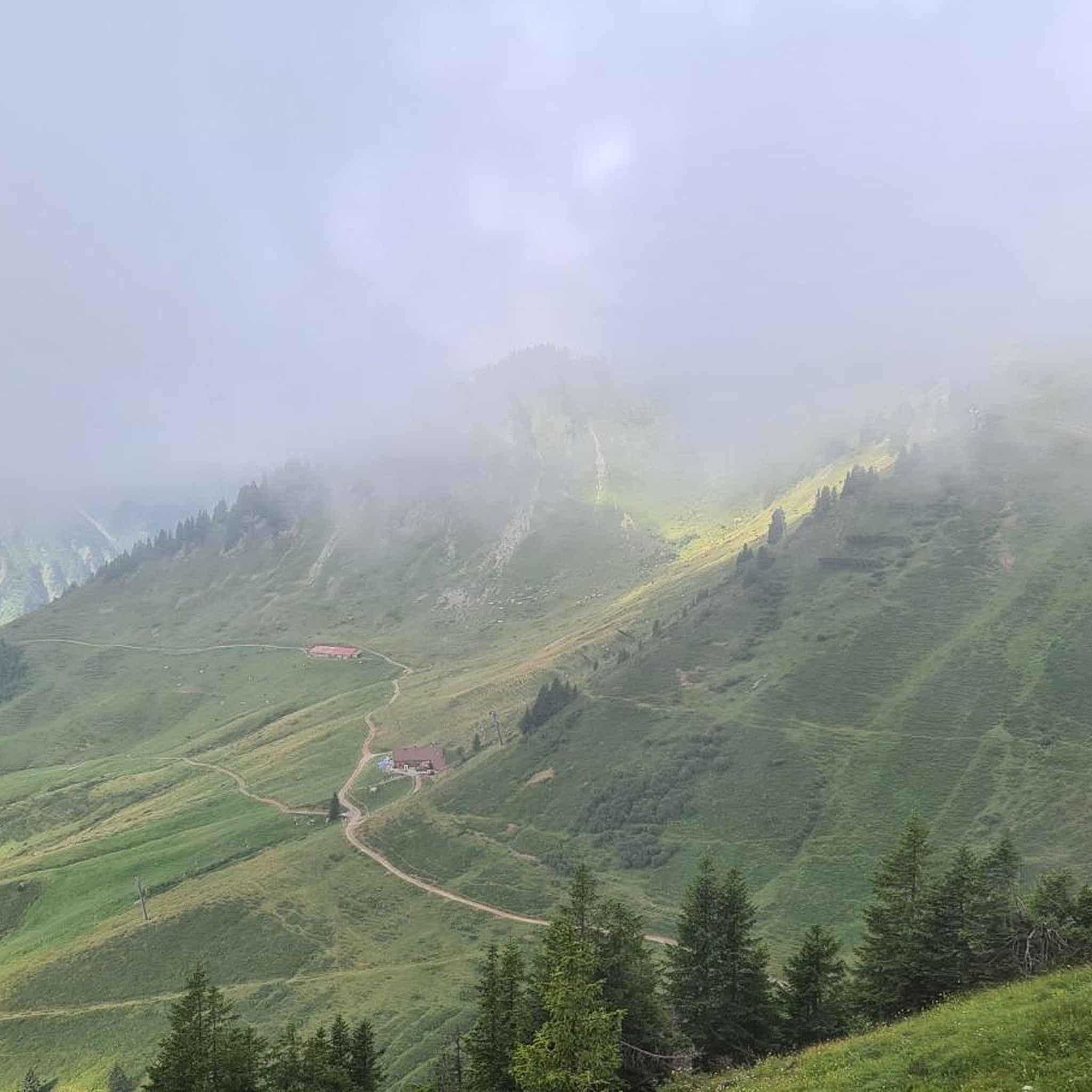
Nice gravel along the Maas side. You will find here now and then a bank and now and then a lock. Also striking how much higher the water of the canal is compared to the water of the stream.
5
1

The Maas Canal, with its pleasant relaxing gravel strips, is the guideline for enjoying a peaceful landscape.
5
1
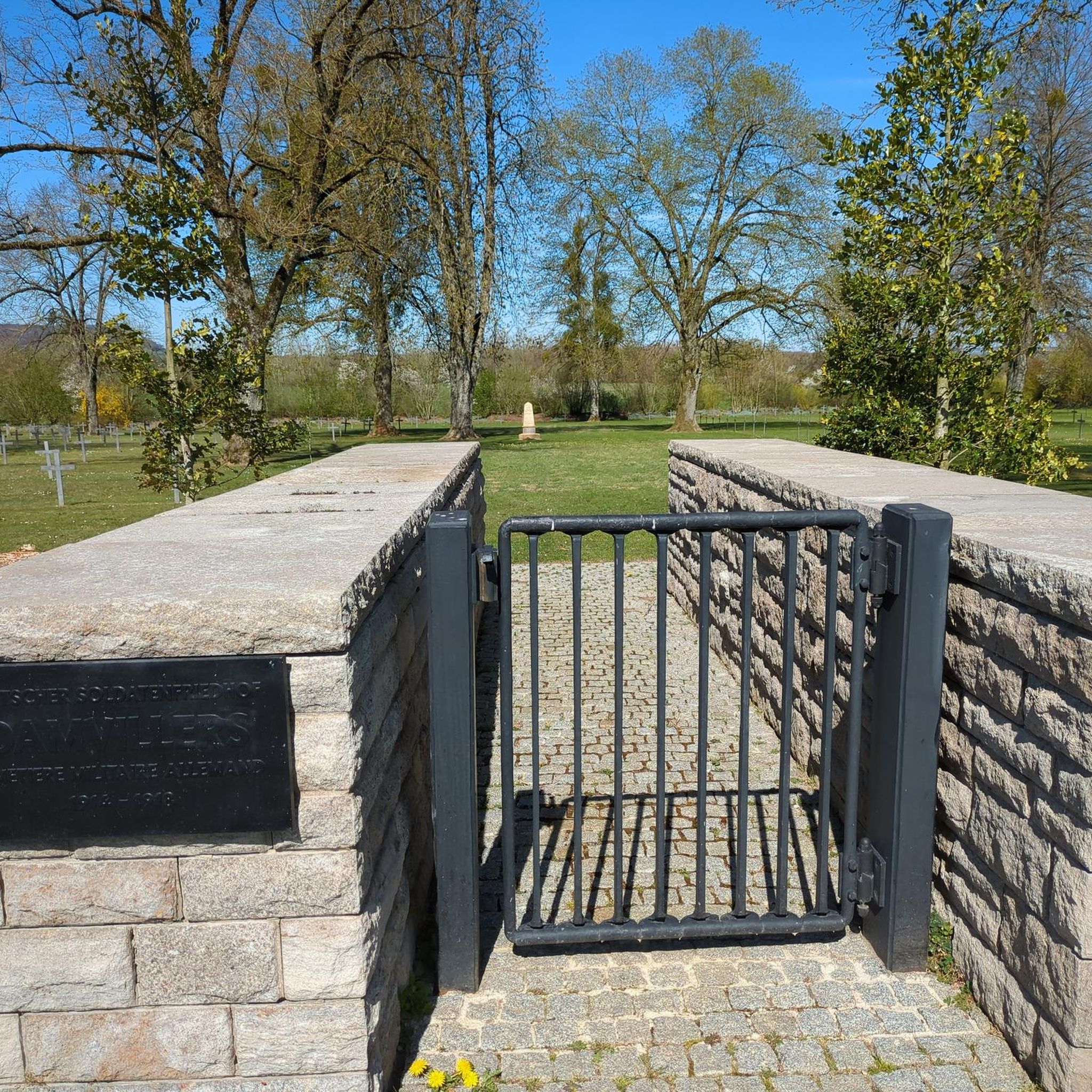
Ornes was a real city, larger than the other destroyed villages, but which eventually found itself, after the First World War, on the same site, or almost, under their stones. In the course of its history, its lord's castle suffered the same fate, when it was taken in February 1653 and then destroyed by the Catholic troops of Lorraine, while he, like his ancestors since 1563, vigorously defended Protestantism. As early as 1587, a very bloody battle took place between his troops and the Catholic troops of the Duke of Lorraine. In the mid-19th century, the city had 1,367 inhabitants, but in 1914 the number of inhabitants fell again to 750. This was mainly due to the rural exodus, which provided labour for the large industrial centres that were growing rapidly at the end of the 19th century. However, this city has an industrial textile and processing factory that is well suited to local agricultural production and textiles from the neighbouring Woëvre plain. But its geographical location, close to the border with the annexed Moselle and then on the front that had been stabilised after the Battle of the Marne, was not favourable for the area. In the event of an enemy offensive, the area would quickly find itself on the front line. For this reason, on 25 August 1914, the population was asked to leave the village. But not everyone left, at their own risk, because the bombardments and German patrols in the village became increasingly intense. In September 1914, two children were killed by shrapnel. In October 1914, several villagers who were about to leave were taken prisoner by the Germans... In 1915 and until February 1916, French troops held the village where units were positioned, in the second line opposite the front, at the beginning of the great German offensive. But from 21 to 24 February, the German advance was so strong that the village of Ornes was taken by their infantry on 24 February 1916, after heavy bombardments that destroyed all the houses and buildings in the village. It was not until 23 August 1917 that the area was retaken by our soldiers. At the end of the war, the area was classified as a 'red zone' and could never be rebuilt. Source: Tourism Verdun
3
0

Marville is a charming village dating back to the 12th century. You can explore its medieval streets, admire its Renaissance architecture, and visit the impressive Saint-Hilaire cemetery, which contains over 40,000 graves from different eras. You can also appreciate the natural beauty of the surrounding countryside, with its rolling hills, vineyards, and forests. Whether you're looking for a short stroll or a challenging adventure, Marville has something for everyone.
3
0
Louppy-sur-Loison is a small village in the Meuse, in the Grand Est region. It has a number of interesting sights that you can visit, such as: Louppy-sur-Loison Castle: This is one of the largest Renaissance castles in Lorraine. It was built in the 16th century by the De Louppy family, who had ties to the Dukes of Lorraine. The castle has a beautiful facade, a courtyard, a chapel and a park. You can visit the castle by appointment or during special events. The Church of Saint-Martin: This church dates from the 12th century and has a Gothic style. It has a remarkable portal, a bell tower and an organ. Inside you can admire frescoes, statues and stained glass windows. The Old Mill: This is an old water mill that was formerly used to grind grain. It is located on the banks of the Loison and has a wooden wheel. It is now a private residence, but you can still see it from the outside.
7
0

What makes Marville special is that some of the houses in the Spanish Renaissance style were built when the city was part of the Spanish Netherlands in the 16th century.
4
0

The village of Marville is characterized by a particular architecture, namely its Renaissance facades, its fortifications and posterns. In the 16th century, the village experienced a prosperous period. The most beautiful facades of the village are born from the establishment of noble, bourgeois or business families attracted by this prosperity. A remarkable 13th-16th century Gothic church deserves a break with its very rich interior. see https://torgny.be/1677/dans-les-environs-marville/
3
0
Frequently Asked Questions
What historical sites can I visit around Damvillers?
The region around Damvillers is rich in history. You can explore the Marville Renaissance Village, known for its 16th-century Spanish Renaissance architecture. Another significant site is the Saint-Nicolas Church of Marville, a charming village with medieval streets and an impressive cemetery. Additionally, the Beautiful castle, church and ancient fortifications in Louppy-sur-Loison offer a glimpse into Lorraine's history, featuring one of the largest Renaissance castles in the region.
Are there any family-friendly activities or attractions near Damvillers?
Yes, several attractions are suitable for families. The Marville Renaissance Village is a great place to wander through historical streets and admire unique architecture. The Saint-Nicolas Church of Marville and its surrounding village also offer an engaging historical experience for all ages.
What outdoor activities can I do around Damvillers?
Damvillers offers various outdoor activities, particularly cycling and hiking. You can enjoy a peaceful ride along the Cycle path along the Meuse Canal, which features relaxing gravel strips and scenic natural surroundings. For more structured routes, explore the many options for cycling around Damvillers or discover hiking trails in the area.
Are there easy hiking trails for beginners near Damvillers?
Yes, there are several easy hiking options. For instance, the 'Saint-Michel Chapel - Ornes – Ruins of Église Saint-Michel loop from Ornes' is an easy 6.6 km trail. You can find more details and other routes on the hiking around Damvillers guide page.
Can I find circular walks around Damvillers?
Yes, many of the hiking and cycling routes around Damvillers are designed as loops. For example, the 'Bezonvaux – Ruins of Église Saint-Michel loop from Ornes' is a moderate 11.1 km hike. You can explore various circular options by checking the hiking and cycling guides for the region.
What is the best time of year to visit Damvillers for outdoor activities?
The region is generally pleasant for outdoor activities from spring through autumn. The Cycle path along the Meuse Canal is particularly enjoyable in milder weather. While specific winter conditions can vary, many historical sites remain accessible year-round.
Are there any hidden gems or less-known attractions around Damvillers?
While not entirely hidden, the Beautiful castle, church and ancient fortifications in Louppy-sur-Loison, with its impressive Renaissance castle, offers a less crowded yet equally rewarding historical experience compared to more prominent sites. The Ruins of Église Saint-Michel near Ornes also provide a poignant historical insight into a village destroyed during WWI.
What kind of natural landscapes can I expect to see around Damvillers?
The area is characterized by peaceful natural surroundings, particularly along waterways. The Cycle path along the Meuse Canal offers views of the canal and its pleasant gravel strips, providing a relaxing route through the landscape. The wider region features rolling hills and forests, typical of the Meuse department.
What are the running trail options near Damvillers?
For runners, there are several moderate to difficult trails available. Examples include the 'Running loop from Lissey' (9.5 km, moderate) and 'La forêt de Mangiennes loop from Mangiennes' (10.5 km, moderate). You can find a comprehensive list of routes on the Running Trails around Damvillers guide page.
How long does it typically take to visit the main attractions?
The duration can vary. For instance, exploring the Marville Renaissance Village and the Saint-Nicolas Church of Marville could take a few hours, allowing time to wander the streets and appreciate the architecture. A leisurely cycle along a section of the Meuse Canal path could also be a half-day activity, depending on the distance you choose to cover.
Are there any religious buildings of note in the Damvillers area?
Yes, the Saint-Nicolas Church of Marville is a prominent religious building in a charming medieval village. Additionally, the Beautiful castle, church and ancient fortifications in Louppy-sur-Loison includes the Gothic-style Church of Saint-Martin, dating from the 12th century. The Ruins of Église Saint-Michel near Ornes also stand as a historical religious site.

Get inspired with the komoot mobile app


Explore more
Still not found the Highlight you’re looking for? See guides of the top attractions in other regions:
