Attractions and Places To See around Rupt-Aux-Nonains - Top 20
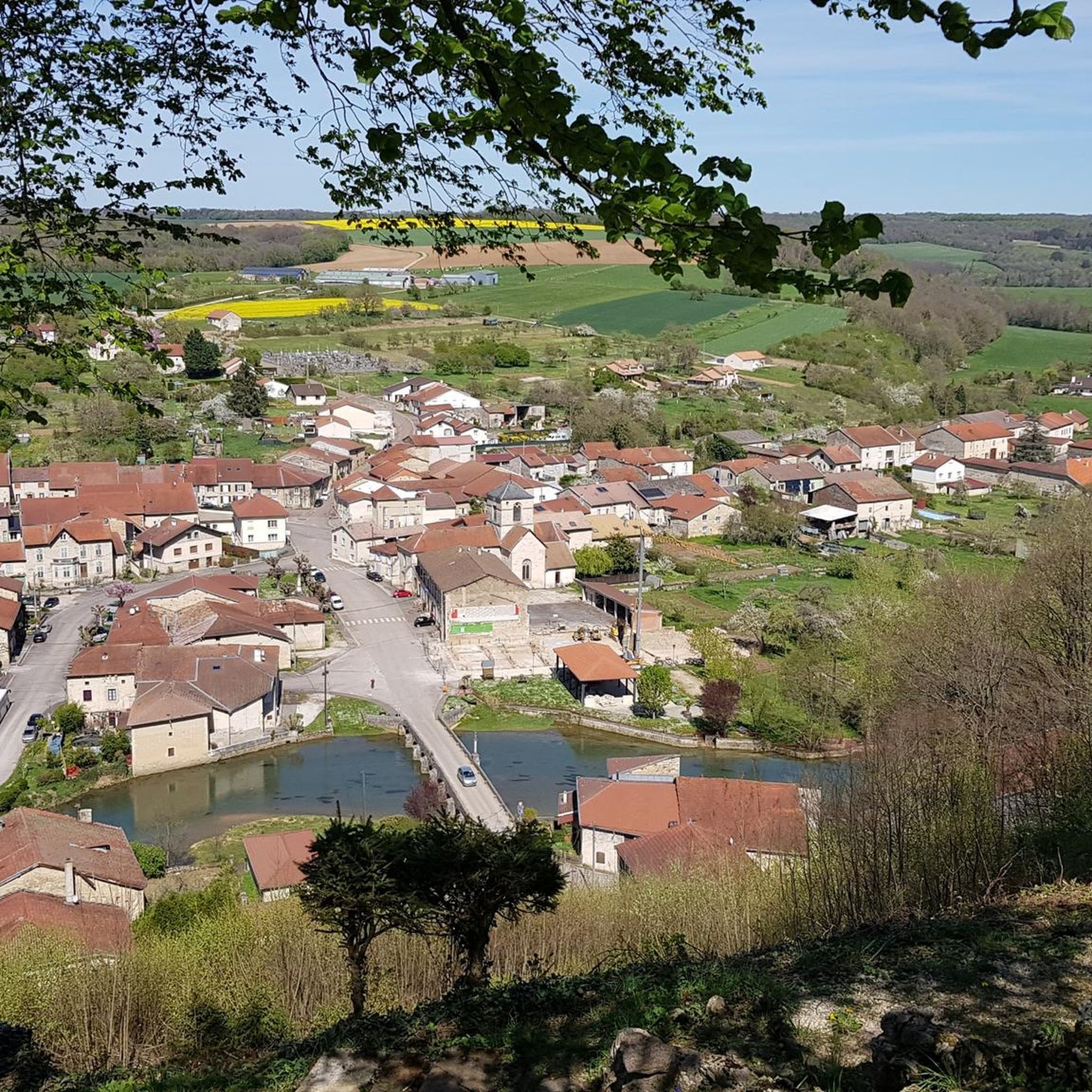
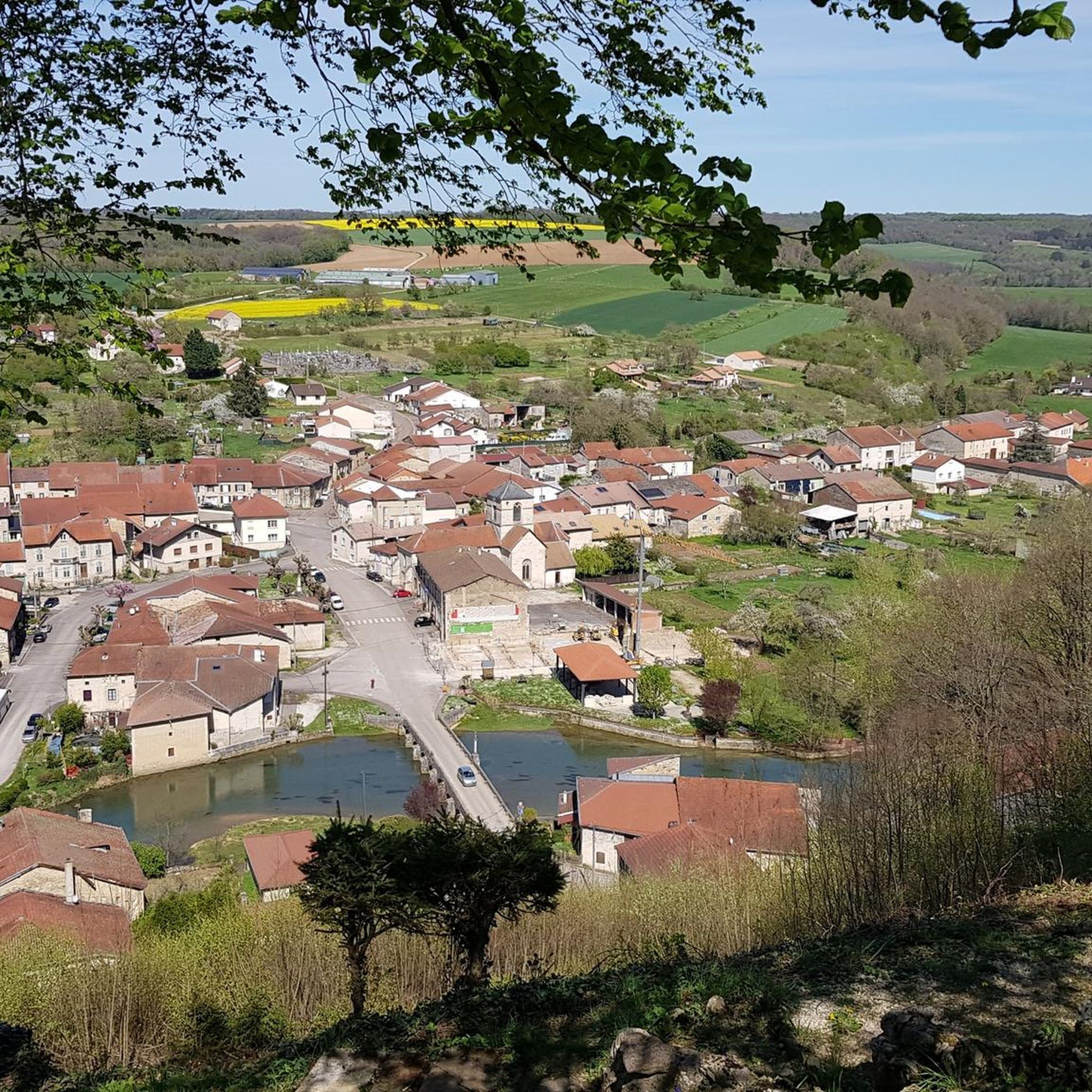
Best attractions and places to see around Rupt-Aux-Nonains, a village situated in the Saulx valley, offers a blend of historical landmarks and natural features. The area is characterized by the Saulx river flowing through it, along with several ponds and the Canal d'Amenée. Visitors can explore historical structures such as the Pont sur la Saulx and the Church of Saint-Pierre-et-Saint-Paul, which showcase the region's heritage. The landscape provides opportunities to observe water management systems and enjoy the local environment.
Best…
Last updated: May 11, 2026
Saint-Jean Church of Bar-le-Duc
Highlight • Religious Site
Translated by Google •
Tip by

Canal d'Amenée
Highlight (Segment) • Cycleway
Translated by Google •
Tip by

Sign up now to discover places like this
Get recommendations on the best single tracks, peaks, & plenty of other exciting outdoor places.
Sign up for free
Ruins of the Abbey of Trois-Fontaines
Highlight • Historical Site
Translated by Google •
Tip by

Bar-le-Duc
Highlight • Other
Translated by Google •
Tip by

Bar-le-Duc Upper Town Renaissance Quarter
Highlight • Historical Site
Translated by Google •
Tip by

Sign up for free to discover even more attractions around Rupt-Aux-Nonains.
Sign up for free
Already have an account?
Start today with a free account
Your next adventure awaits.
Login or Signup



Tips from the Community

A beautiful church and definitely worth a visit.
1
1

very beautiful place in the center of an equally pretty village
0
0

The church of Saint-Jean, in Bar-le-Duc, is a neo-Byzantine style building with references to the neo-Romanesque style. It was built in two phases, between the 19th and 20th centuries. Since the mid-19th century, the parish of Notre-Dame had an "annex" in the Brasseries district. The idea of transforming it into a church came in 1869. The following year the project was entrusted to the architect Charles Demoget. The result, a neo-Gothic building, was controversial and Demoget was removed from office, making way for Ernest Birglin who designed a new building in neo-Byzantine style. But it was only in 1875, after the creation of a fourth parish under the name of Saint-Jean, that construction of the church began. The first phase of the works lasted until 1880, but only the apse, the choir and the transept were erected. In 1933 the architect Royer opened the second phase of work, with the construction of the nave which lasted until 1939. The façade, however, remained partially unfinished.
2
0

Of the Trois-Fontaines abbey founded in 1118, today only ruins remain. The Friends of the Trois-Fontaines sites association is responsible for their restoration, even if the remains belong to a private owner. The abbey church is located in a pretty park which invites you to take a walk.
2
0

What a beautiful old town! Such pretty houses and charming corners. A walk is very worthwhile! But why is there so much empty here?!? Why doesn't anyone want to live here?
1
0

The Abbey of Trois-Fontaines is a former Cistercian monastery founded in 1118. It has the most fabulous ruins. Meer info on https://www.abbayedetroisfontaines.com/
1
0

Beautiful church in Bar-le-Duc
2
1

The picturesque ruins are located in a beautiful park. The whole complex is privately owned, but was freely accessible during our visit, which surprised us very much. We loved this amazing place.
2
1
Frequently Asked Questions
What historical landmarks can I explore in Rupt-Aux-Nonains?
Rupt-Aux-Nonains is rich in history. You can visit the ancient Pont sur la Saulx, a stone bridge from 1557 that is a classified historical monument. The village also features a lavoir (public wash house), a war memorial, and a covered market (halle couverte). An 18th-century castle is situated along the Saulx river. Nearby, don't miss the Bar-le-Duc Upper Town Renaissance Quarter, known for its well-preserved architecture.
Are there any significant religious sites to visit in the area?
Yes, the Church of Saint-Pierre-et-Saint-Paul in Rupt-Aux-Nonains is a prominent historical monument, originally a 12th-century Romanesque chapel. It houses an 18th-century oil painting, 'Adoration des Bergers,' also listed as a historical monument. Another significant religious site is the Saint-Jean Church of Bar-le-Duc, a neo-Byzantine and neo-Romanesque style building constructed between the 19th and 20th centuries.
What natural features define the landscape around Rupt-Aux-Nonains?
The village is nestled in the picturesque Saulx valley, with the Saulx river flowing directly through it. The Ornel river also originates in the commune. The area is dotted with several ponds, including the Étang de la Carpière, Étang des Moines, and Étang Franchot. The Canal d'Amenée is another key feature, linking the Saulx to the vast Lac du Der, one of Europe's largest artificial lakes.
Can I go cycling or hiking near Rupt-Aux-Nonains?
Absolutely! The region offers various routes for cycling and hiking. A scenic cycling path runs along the Canal d'Amenée. For more structured routes, you can explore road cycling options like the 'Lisle Castle – Ville-sur-Saulx Castle loop from Rupt-aux-Nonains' or mountain biking trails such as the 'Saracen cave loop from Saint-Dizier'. Find detailed routes in the Road Cycling Routes around Rupt-Aux-Nonains and MTB Trails around Rupt-Aux-Nonains guides.
Are there family-friendly attractions or activities in the area?
Yes, several attractions are suitable for families. The Saint-Jean Church of Bar-le-Duc and the Bar-le-Duc Upper Town Renaissance Quarter are listed as family-friendly. The picturesque ruins of the Abbey of Trois-Fontaines, set within a beautiful park, also invite family exploration. The cycling path along the Canal d'Amenée offers a gentle outdoor activity for all ages.
What kind of outdoor activities are available besides cycling and hiking?
Beyond cycling and hiking, you can enjoy horse riding at the Centre Équestre le Ranch Baudonvilliers, located about 8 km away. Canoeing and kayaking are available in Ancerville, approximately 10 km from the village, on the Marne river. Golf enthusiasts can visit the Golf Club Combles en Barrois, also around 10 km away.
What is the best time of year to visit Rupt-Aux-Nonains for outdoor activities?
The region's climate is generally pleasant for outdoor activities from spring through early autumn. The water level of Lac du Der, connected by the Canal d'Amenée, reaches its highest in June, which can be a good time to observe the water management systems. For general outdoor pursuits, the milder temperatures of late spring and early autumn are often ideal.
Are there any unique water features or canals to explore?
The most notable water feature is the Canal d'Amenée, which connects the Saulx river to the massive Lac du Der. This canal is crucial for regulating water levels and protecting the Marne valley from flooding. A cycling path along the canal provides an excellent opportunity to observe this impressive water management system and the surrounding natural beauty.
What do visitors particularly enjoy about the historical sites around Rupt-Aux-Nonains?
Visitors frequently praise the well-preserved architecture and charming atmosphere of sites like the Bar-le-Duc Upper Town Renaissance Quarter. The Ruins of the Abbey of Trois-Fontaines are particularly loved for their picturesque setting within a beautiful park, offering a unique blend of history and natural beauty that invites peaceful walks and exploration.
Are there any notable ruins or ancient sites in the vicinity?
Yes, the Ruins of the Abbey of Trois-Fontaines are a significant ancient site. This former Cistercian monastery, founded in 1118, now consists of impressive ruins located within a beautiful park, offering a glimpse into the region's medieval past. The village of Rupt-Aux-Nonains itself has Roman origins, with evidence of a discovery of 1,500 Roman coins in 1825.
Where can I find information about running trails around Rupt-Aux-Nonains?
For those interested in running, there are several trails available. You can find options like the 'Running loop from Haironville' or the 'Château de la Forge loop from Haironville'. More detailed information and routes can be found in the Running Trails around Rupt-Aux-Nonains guide.
What is Bar-le-Duc and why is it recommended to visit?
Bar-le-Duc is a Renaissance town situated in a valley, surrounded by vineyards and forests. It's highly recommended for its historical charm, especially its Upper Town Renaissance Quarter with beautiful, well-preserved buildings. The Ornains river flows through the town, crossed by many bridges, adding to its picturesque appeal. It's also known for its culinary specialty, currant jam, traditionally pitted by hand.
Most popular routes around Rupt-Aux-Nonains

Get inspired with the komoot mobile app


Explore more
Still not found the Highlight you’re looking for? See guides of the top attractions in other regions:
