The best running trails around Naives-Rosières
5.0
(7)
888
runners
104
runs
Jogging around Naives-Rosières offers varied terrain, with elevations ranging from 205 meters to 347 meters, providing diverse running routes. The commune features several forested areas, including "La Hoche" and the woods of "la Fouchère," which offer shaded paths. Meadows and ponds also characterize the landscape, adding to the scenic beauty for runners. This mix of natural features provides options for different jogging preferences.
Best jogging routes around Naives-Rosières
- The most popular jogging route is The Ornain – Bar-le-Duc loop from Bar-le-Duc, a 6.5 miles (10.4 km) trail that takes 1 hour 7 minutes to complete, offering views along the Ornain river.
- Another top favourite among local runners is Marbeaumont Castle – The Ornain loop from Bar-le-Duc, a moderate 4.5 miles (7.2 km) path. This route features gentle elevation changes and passes by Marbeaumont Castle.
- Local runners also love the Bar-le-Duc – The Ornain loop from Bar-le-Duc, a 10.9 miles (17.5 km) trail leading through riverine landscapes, often completed in about 1 hour 50 minutes.
- Jogging around Naives-Rosières is defined by varied elevation, forested areas, and scenic meadows, offering a tranquil escape. The network of running routes provides options for different ability levels, from easy jogs to more challenging runs.
- The routes in Naives-Rosières are highly rated by the komoot community with an average score of 5.0 stars from 4 reviews. More than 700 runners have used komoot to explore Naives-Rosières's varied terrain.
Last updated: November 23, 2026
40
runners
10.4km
01:07
30m
30m
Moderate run. Good fitness required. Mostly paved surfaces.
34
runners
16.3km
01:46
60m
60m
Hard run. Very good fitness required. Mostly paved surfaces.

5.0
(1)
28
runners
23.1km
02:51
490m
490m
Hard run. Very good fitness required. Mostly paved surfaces.
28
runners
7.22km
00:46
20m
20m
Moderate run. Good fitness required. Mostly paved surfaces.
16
runners
17.5km
01:50
50m
50m
Hard run. Very good fitness required. Mostly paved surfaces.
Get access to more routes and recommendations from other explorers.
Already have an account?
Our route recommendations are based on thousands of hikes, rides, and runs completed by other people on komoot.
Start today with a free account
Your next adventure awaits.
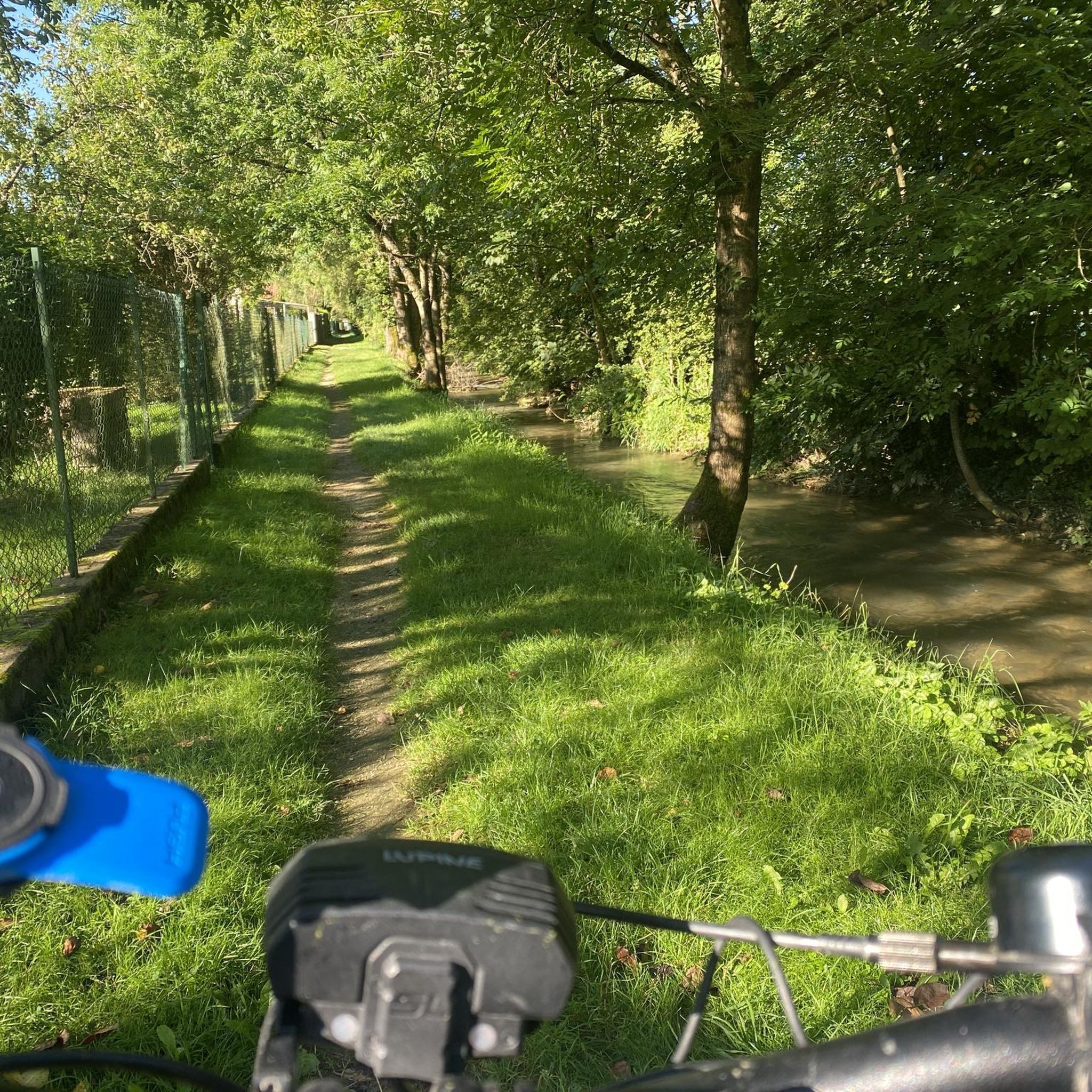
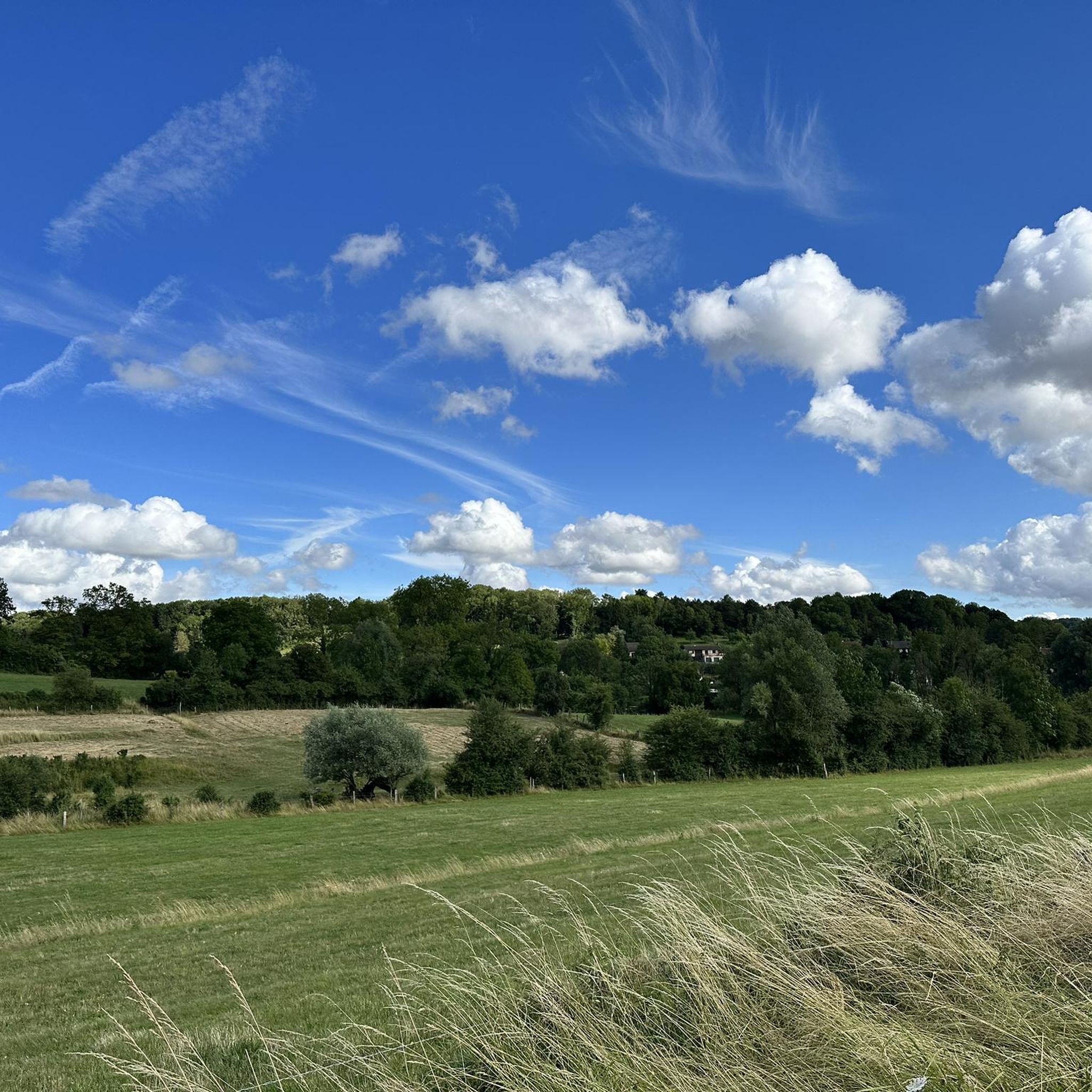
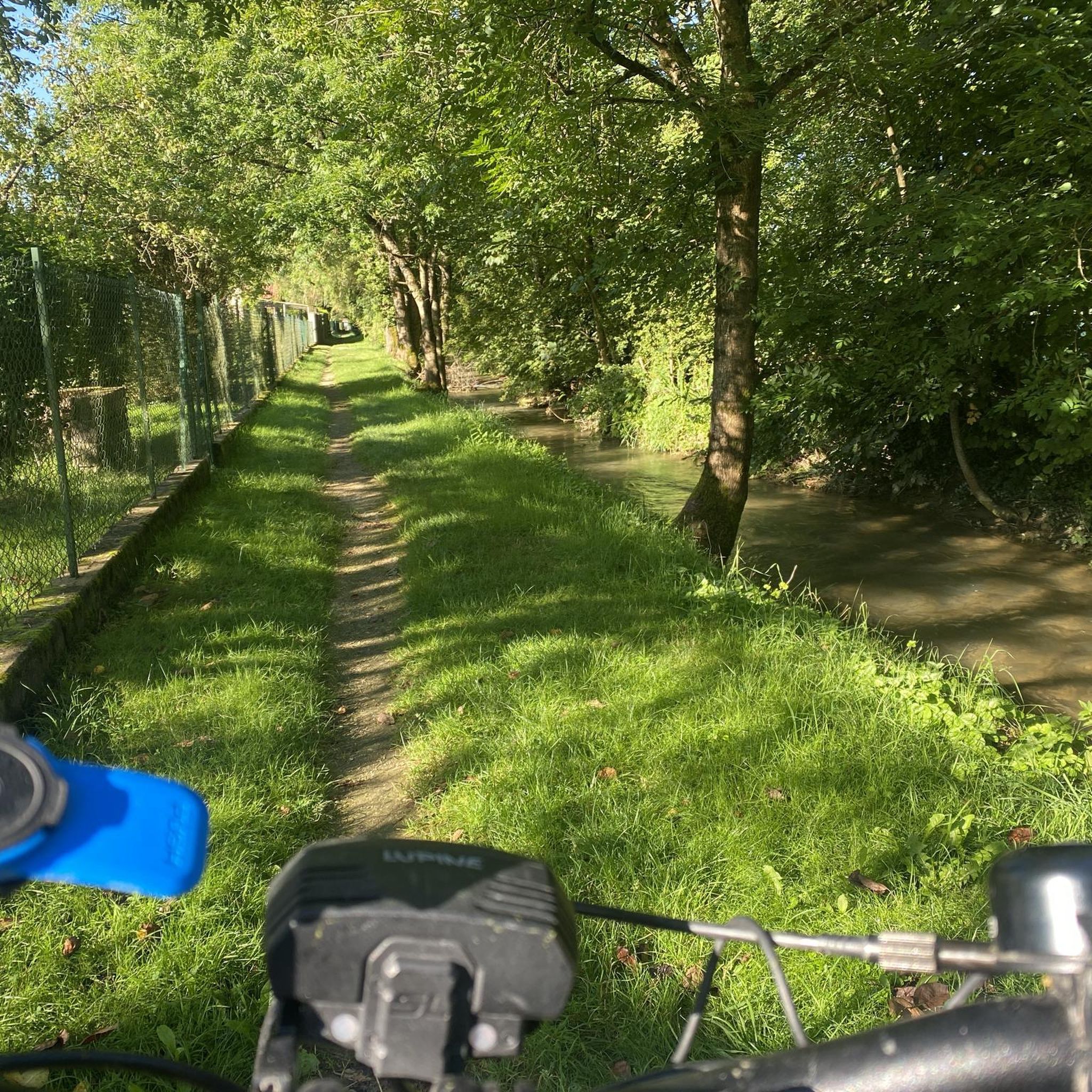


Tips from the Community

A beautiful church and definitely worth a visit.
1
1

The monument commemorates to Pierre and Ernest Michaux, the inventors of the velocipede.
1
0


The church of Saint-Jean, in Bar-le-Duc, is a building in the neo-Byzantine style with references to the neo-Romanesque style. It was built in two phases, between the 19th and 20th centuries. From the mid-19th century, the parish of Notre-Dame had an “annex” in the Brasseries district. The idea of transforming it into a church came about in 1869. The following year, the project was entrusted to the architect Charles Demoget. The result, a neo-Gothic building, was controversial, and Demoget was removed from the task, leaving his place to Ernest Birglin, who designed a new building in the neo-Byzantine style. But it was only in 1875, after the creation of a fourth parish under the name of Saint-Jean, that the construction of the church began. The first phase of the work lasted until 1880, but only the apse, choir, and transept were erected. In 1933, the architect Royer opened the second phase of work, with the construction of the nave which lasted until 1939. However, the facade remained partially unfinished.
2
0

Built from 1903 to 1905 by the Varin-Bernier banking family, the castle, whose exterior architecture and interior decoration mix all styles, represents an example of the historicism and eclecticism in vogue at that time. The building is surrounded by an English-style park.
1
0

Beautiful castle in Bar-le-Duc
2
0
Nice spot for some nice photos.
2
0
Beautiful church in Bar-le-Duc
2
1
Frequently Asked Questions
How many running routes are available in Naives-Rosières?
There are over 110 running routes around Naives-Rosières, offering a wide variety of options for different preferences and fitness levels.
What kind of terrain can I expect on jogging routes in Naives-Rosières?
Jogging routes in Naives-Rosières feature a varied terrain, with elevations ranging from 205 meters to 347 meters. You'll find paths winding through shaded forests like "La Hoche" and the woods of "la Fouchère," as well as open meadows and scenic areas with ponds and streams. This mix provides options from flatter paths to more challenging inclines.
Are there running routes suitable for beginners or easy jogs?
Yes, Naives-Rosières offers 13 easy running routes. An example is the Marne–Rhine Canal Crossing loop from Bar-le-Duc, which is 4.5 km long with minimal elevation changes, perfect for a gentle run.
What about more challenging running trails for experienced runners?
For those seeking a more rigorous workout, there are 22 difficult running routes available. A challenging option is the Saint John Church – Meuse Department loop from Bar-le-Duc, which covers 17.4 km with significant elevation gain.
What do other runners say about the trails in Naives-Rosières?
The running routes in Naives-Rosières are highly rated by the komoot community, with an average score of 5.0 stars from 4 reviews. Over 700 runners have explored the area using komoot, often praising the varied terrain and tranquil natural escape offered by the forests and meadows.
Are there any circular running routes in the area?
Many of the running routes around Naives-Rosières are designed as loops, allowing you to start and finish in the same location. Examples include The Ornain – Bar-le-Duc loop from Bar-le-Duc and the Marbeaumont Castle – The Ornain loop from Bar-le-Duc.
Can I bring my dog on the running trails in Naives-Rosières?
While specific regulations for dogs on trails can vary, generally, most natural trails in the Naives-Rosières area are dog-friendly, especially those through forests and meadows. It's always recommended to keep your dog on a leash and clean up after them to ensure a pleasant experience for everyone.
Are there family-friendly jogging paths in Naives-Rosières?
Yes, the easier and shorter routes, particularly those through flatter sections of forests and meadows, are well-suited for families. These paths offer a pleasant environment for a jog or a walk with children, allowing everyone to enjoy the natural beauty.
What natural features or landscapes will I encounter while running?
You'll experience a rich variety of natural features, including dense woodlands like "La Hoche" and the woods of "la Fouchère," expansive meadows, and tranquil ponds and streams such as the Naveton. The undulating landscape also provides scenic views across the region.
Are there any historical or interesting landmarks to see along the running routes?
Yes, several routes pass by interesting points. For instance, the Marbeaumont Castle – The Ornain loop from Bar-le-Duc takes you past Marbeaumont Castle. The region is also close to Bar-le-Duc, which features historical sites like the Saint-Jean Church of Bar-le-Duc and the Bar-le-Duc Upper Town Renaissance Quarter.
Is parking available near the running trails in Naives-Rosières?
While specific parking areas for every trail are not always marked, you can generally find parking in Naives-Rosières village or at designated starting points for popular routes. Many routes also begin near Bar-le-Duc, where more extensive parking options are available.
How can I get to the running trails using public transport?
Naives-Rosières is located approximately 5 km from Bar-le-Duc, which serves as a regional hub. Public transport options, such as local bus services, may connect Bar-le-Duc to Naives-Rosières, providing access to the trailheads. It's advisable to check local transport schedules for the most current information.
What is the best time of year for jogging in Naives-Rosières?
Spring and autumn generally offer the most pleasant conditions for jogging in Naives-Rosières, with mild temperatures and beautiful scenery as nature awakens or changes colors. Summer can also be enjoyable, especially on shaded forest trails, while winter runs are possible but may require appropriate gear for colder or potentially icy conditions.
Most popular routes around Naives-Rosières
Most popular attractions around Naives-Rosières

Get inspired with the komoot mobile app


Explore more
Browse the best Running Trails & Routes in other regions.
