Attractions and Places To See around Bois-Héroult - Top 20
Attractions and places to see around Bois-Héroult, a village in Seine-Maritime, encompass historical landmarks and natural features. The area is known for its historical significance, with origins linked to Viking heritage, and its natural beauty, including ancient parks. Visitors can explore sites that combine local culture with historical narratives.
Best attractions and places to see around Bois-Héroult
- The most popular attractions is Railroads from Dieppe to Forges Les Eaux, a cycle way that offers a long, relatively flat route.…
Last updated: May 11, 2026
Blainville-Crevon Castle
Highlight • Castle
Translated by Google •
Tip by

Carved Wooden Porch of the Saint-Sulpice Church in Ry
Highlight • Monument
Translated by Google •
Tip by

Sign up now to discover places like this
Get recommendations on the best single tracks, peaks, & plenty of other exciting outdoor places.
Sign up for free
Andelle Ponds
Highlight • Lake
Translated by Google •
Tip by

Domaine de Forges and Historic Thermal Quarter
Highlight • Historical Site
The Buchy Market Halls
Highlight • Monument
Translated by Google •
Tip by
Sign up for free to discover even more attractions around Bois-Héroult.
Sign up for free
Already have an account?
Start today with a free account
Your next adventure awaits.
Login or Signup
Tips from the Community

This natural area located in Forges-les-Eaux is organized around the ponds of the Andelle, formed by two rivers: the Andelle to the east and the Chevrette to the west. All around extends the Bois de l’Épinay, remarkable for the great diversity of tree species it shelters. You can walk there, observe the birds, picnic and take a quiet break enjoying the rustling of the many leaves.
1
0

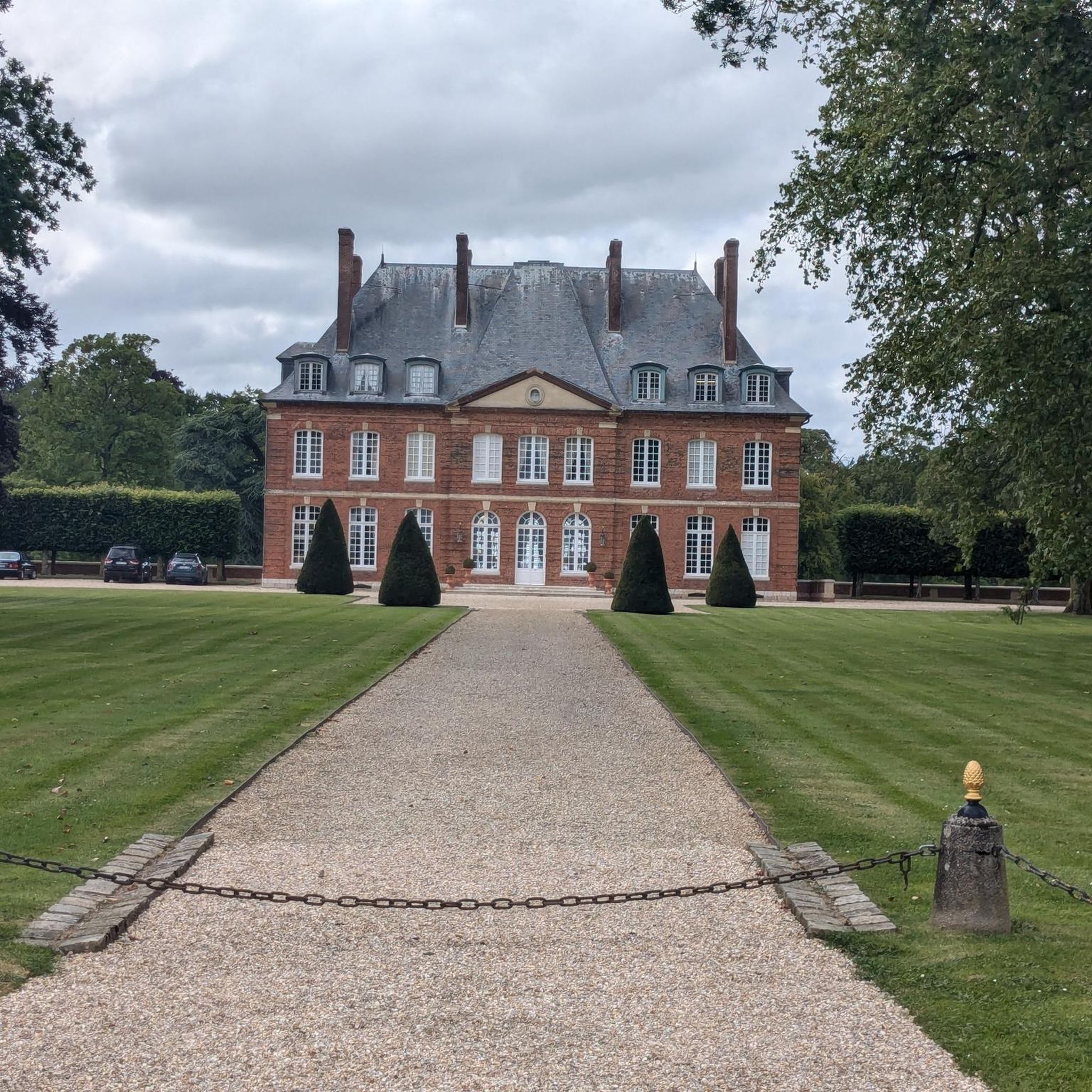
This part of the city was developed from the 16th century with the discovery of ferruginous springs in the current Casino park. It was in 1573 that Nicolas de Moy, Grand Master of Water and Forestry, discovered the presence of ferruginous springs. They were made famous from 1633 with the arrival of King Louis XIII, Queen Anne of Austria and Cardinal Richelieu. The spa was thus born! The springs named Reinette, Royale and Cardinal were thus exploited for their property and their medicinal virtues until the 1980s. @OT Forges les Eaux
0
0
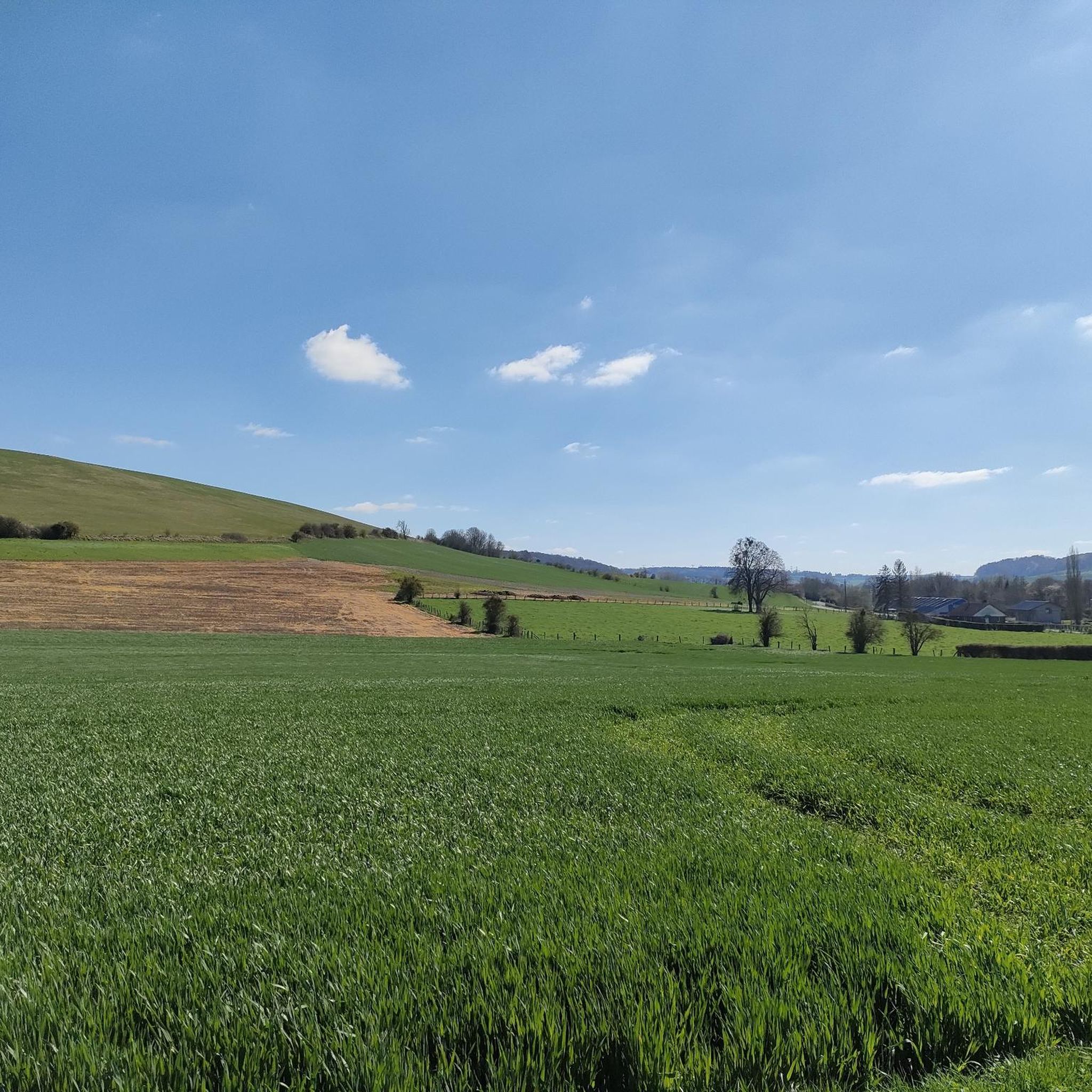
These artificial lakes were built in the late 1980s on a peat marsh. They are spread over two levels and separated by an earth dike, valves allow the water level to be controlled. They are fed by the Andelle river which has its source upstream. The wild ponds (to the North) were deliberately left in their natural state to allow birds to nest, while The Bird Mirror (to the South) was the subject of landscaping and ornamental development with consolidation of the banks. . @OT Forges les Eaux
0
0

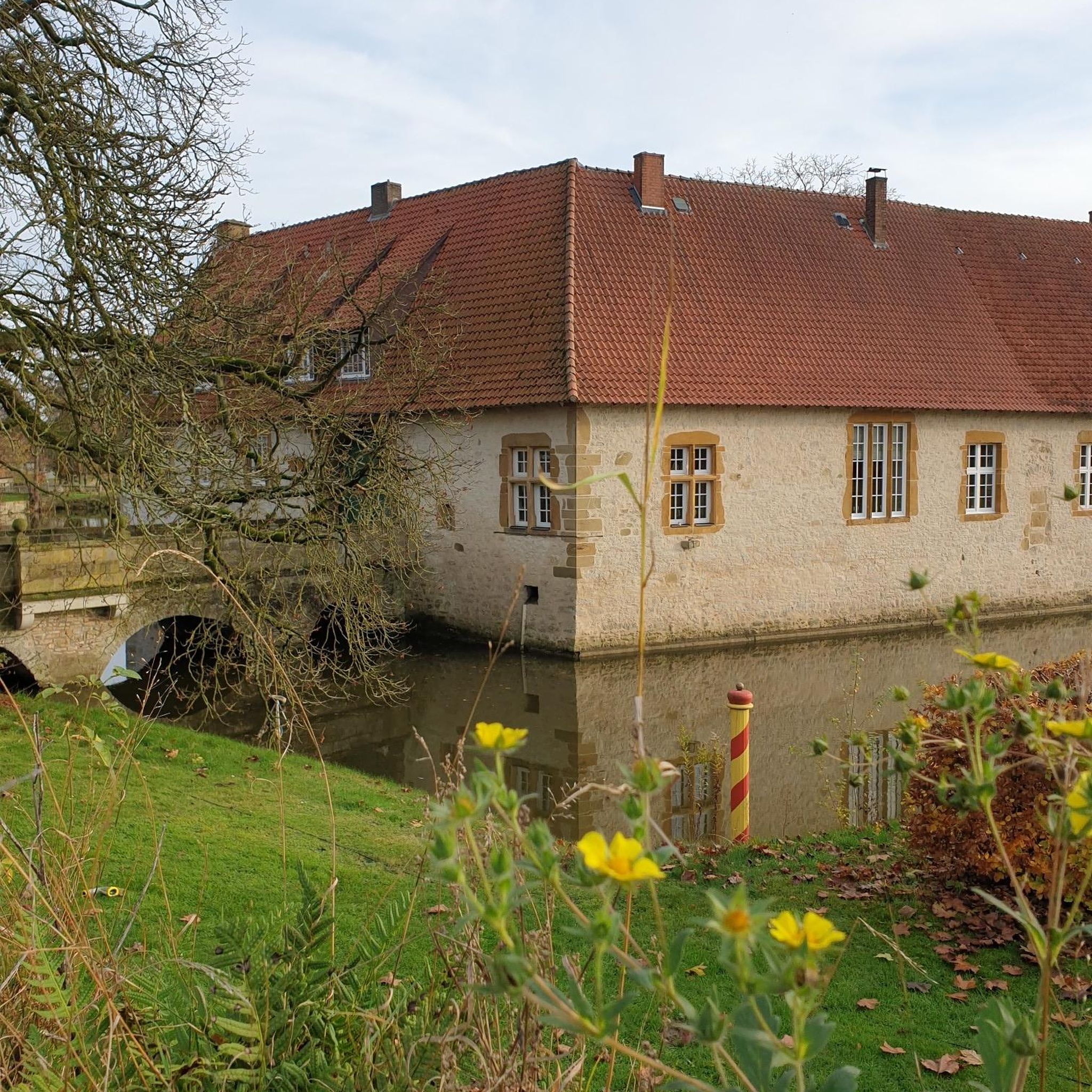
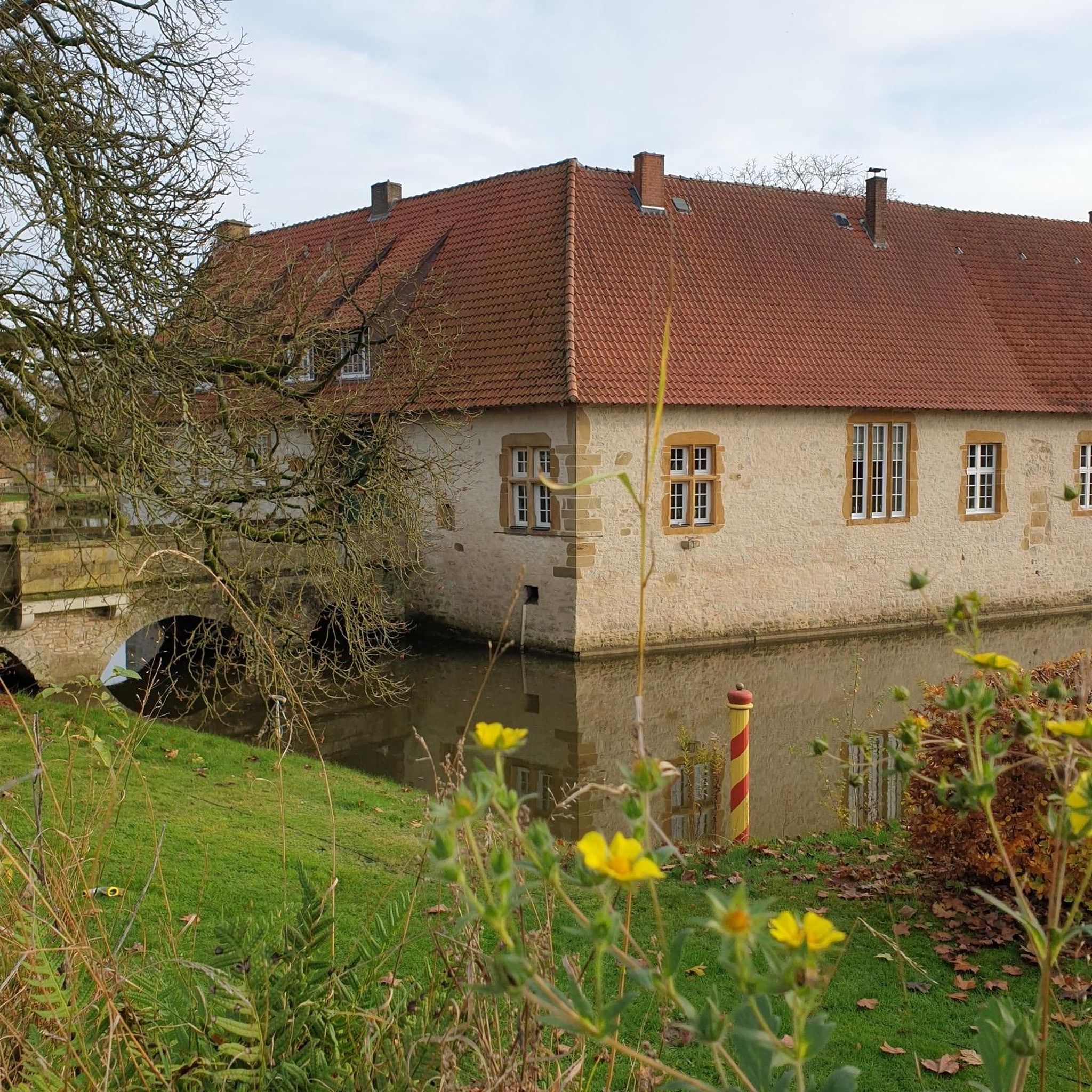
Blainville-Crevon Castle is a site where five different castles were built and destroyed over the centuries. You will be able to discover the ruins of the medieval fortress, admire the magnificent staircase and the underground cellars, and learn the history of the place from the passionate volunteers who have been excavating and restoring it since 1967. The castle is open on Wednesdays and Saturdays, and you You can also enjoy the cultural events that take place there, such as the Archéo Jazz festival.
2
0

this porch is one of the most finely and richly decorated in the region, even in France. It is a true work of art whose ornaments bear witness to the social, military and religious history of the Renaissance.
0
0

The Saint-Sulpice church in Ry underwent several developments from the 12th to the 19th century. These successive embellishments testify to the importance of the village, which had no less than 600 inhabitants in the 13th century. The most remarkable arrangement is undoubtedly the 16th century carved oak porch, listed MH and inspired by the Italian Renaissance. It forms an ensemble richly decorated with biblical figures, plant elements and imaginary or warlike animal representations. An overturned boat hull vault, characteristic of Norman architecture, covers it. Remarkably well preserved, this porch is one of the most finely and richly decorated in the region, if not in France. Beyond its primary function of shelter, this porch is a true work of art, the ornaments of which bear witness to the social, military and religious history of the Renaissance.
1
0
The two halls which surround the current town hall were probably built before 1679. That, located along the road from Rouen to Forges, has the particularity of having stalls and hooks, hence its name "butchers hall". Owned by Bois-Guilbert until 1779, then by the Blosseville family, the halls were alienated to the town around 1830. Their granaries were used until the abolition of privileges to store tithes (wheat, oats, barley, rye ...). Every Monday, according to a very old tradition, Buchy hosts a picturesque farmer's market in its halls which is reminiscent of those of Flaubert's time. They are classified as historical monuments.
0
0
A photo break to admire the work of the volunteers! A castle Loaded with stories that emerges from the ground ... Built on a feudal mound of the eleventh century, many times destroyed, rebuilt and improved, then abandoned and buried, it was not until 1967 that it resurfaces thanks to the efforts of volunteers. Since then, he has experienced a new life thanks to the Archéo Jazz festival. Having become an international cultural event, the Archéo Jazz takes place every year in the heart of the site and attracts an increasingly enthusiastic audience. This castle and other nearby places can also be visited by appointment. You will find full explanations and information on the site below dedicated to this castle. http://www.chateau-blainville-76.com/accueil.html
0
0
Frequently Asked Questions
What historical sites can I visit in Bois-Héroult and its surroundings?
Bois-Héroult is rich in history. You can explore the Blainville-Crevon Castle, a site with ruins of a medieval fortress that has seen multiple constructions and destructions over centuries. The village also features the historic Church of Our Lady of the Nativity, dating back to 1488, and ancient cemetery tombs. Nearby, you can admire the intricately Carved Wooden Porch of the Saint-Sulpice Church in Ry, a remarkable example of 16th-century Renaissance art.
Are there any literary connections to the Bois-Héroult area?
Yes, for literature enthusiasts, the area around Bois-Héroult offers the opportunity to explore the territory by following in the footsteps of Gustave Flaubert and his famous novel "Madame Bovary," as the region served as inspiration for his work.
What natural features are notable around Bois-Héroult?
The most significant natural feature is the park surrounding the Château de Bois-Héroult. This park boasts impressive centennial trees, including cedars, sequoias, and beeches, some over 200 years old. Its design and perspectives are exceptional, having been rehabilitated to respect its 18th-century plans.
Can I visit the Château de Bois-Héroult?
The Château de Bois-Héroult is a historic landmark. While it hosts public events, meetings, and seminars, its park is generally open to the public from June to September on specific days and hours. The park features ancient trees, a rose garden, and is listed in the inventory of historical monuments.
What outdoor activities can I do near Bois-Héroult?
The area around Bois-Héroult offers various outdoor activities. You can enjoy cycling on the Railroads from Dieppe to Forges Les Eaux, a long and relatively flat cycle path. For more adventurous cycling, explore the MTB Trails around Bois-Héroult or the Road Cycling Routes around Bois-Héroult. There are also several Running Trails around Bois-Héroult for joggers.
Are there family-friendly attractions around Bois-Héroult?
Yes, several attractions are suitable for families. The Blainville-Crevon Castle offers an engaging historical experience. The Railroads from Dieppe to Forges Les Eaux provide a safe and enjoyable cycling route for all ages. Additionally, the Buchy Market Halls, with their traditional farmer's market, offer a glimpse into local culture that can be interesting for families.
What is the best time to visit Bois-Héroult?
The park of the Château de Bois-Héroult is generally open to the public from June to September, making summer and early autumn ideal for enjoying its natural beauty. These months also offer pleasant weather for outdoor activities like cycling and running on the nearby trails.
Where can I find local markets or unique cultural experiences?
You can visit The Buchy Market Halls, which have been in use since before 1679. Every Monday, Buchy hosts a picturesque farmer's market there, reminiscent of Flaubert's time, offering a unique cultural experience and local produce.
What is the origin of the name Bois-Héroult?
The name Bois-Héroult (Boscum Heroldi) originates from a gentleman named Harold or Herold, who was of Viking descent. This reflects the village's deep historical roots and its connection to the region's Viking heritage.
Are there any ancient roads or communication routes near Bois-Héroult?
Historically, Bois-Héroult was a crucial communication node. The ancient "Hunting-tides" road, a 160 km straight route, passed through the area, facilitating the swift delivery of fresh seafood to Les Halles in Paris. An ancient Roman road from Amiens to Rouen also ran nearby, with its plot still visible after the castle park.
What is the Domaine de Forges and Historic Thermal Quarter?
The Domaine de Forges and Historic Thermal Quarter developed from the 16th century with the discovery of ferruginous springs. These springs gained fame in 1633 with visits from King Louis XIII, Queen Anne of Austria, and Cardinal Richelieu, leading to the establishment of a spa that operated until the 1980s.
Are there any religious sites of interest in the area?
Besides the Church of Our Lady of the Nativity in Bois-Héroult, there is also a sanctuary dedicated to Saint Blaise at the edge of the commune, extending into Bosc-Bordel. This sanctuary is traditionally believed to cure whooping cough.

Get inspired with the komoot mobile app


Explore more
Still not found the Highlight you’re looking for? See guides of the top attractions in other regions:
