Attractions and Places To See around Haussez - Top 20
Best attractions and places to see around Haussez include historical sites, natural features, and cycling routes. This farming village, situated by the banks of the Epte river in the Pays de Bray, offers several points of interest for visitors. The landscape is characterized by its location on the edge of the "Boutonnière du Pays de Bray," providing a mix of historical and natural exploration opportunities.
Best attractions and places to see around Haussez
- The most popular attractions is Avenue Verte…
Last updated: May 10, 2026
Andelle Ponds
Highlight • Lake
Translated by Google •
Tip by

Domaine de Forges and Historic Thermal Quarter
Highlight • Historical Site
Sign up now to discover places like this
Get recommendations on the best single tracks, peaks, & plenty of other exciting outdoor places.
Sign up for free
Forges-les-Eaux
Highlight • Settlement
Tip by

Gournay-en-Bray
Highlight • Religious Site
Translated by Google •
Tip by

Avenue Verte
Highlight (Segment) • Cycleway
Translated by Google •
Tip by

Sign up for free to discover even more attractions around Haussez.
Sign up for free
Already have an account?
Start today with a free account
Your next adventure awaits.
Login or Signup


Tips from the Community

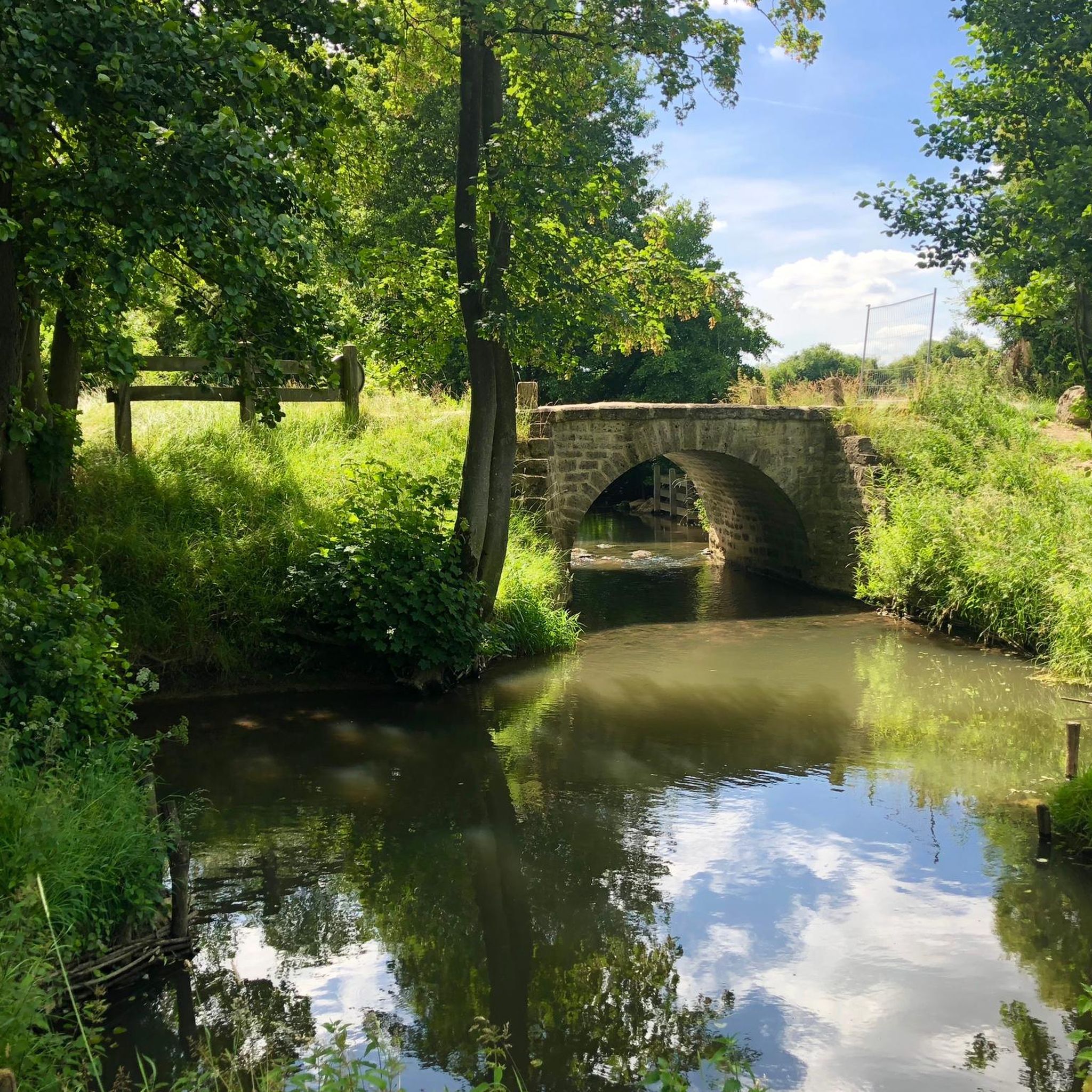
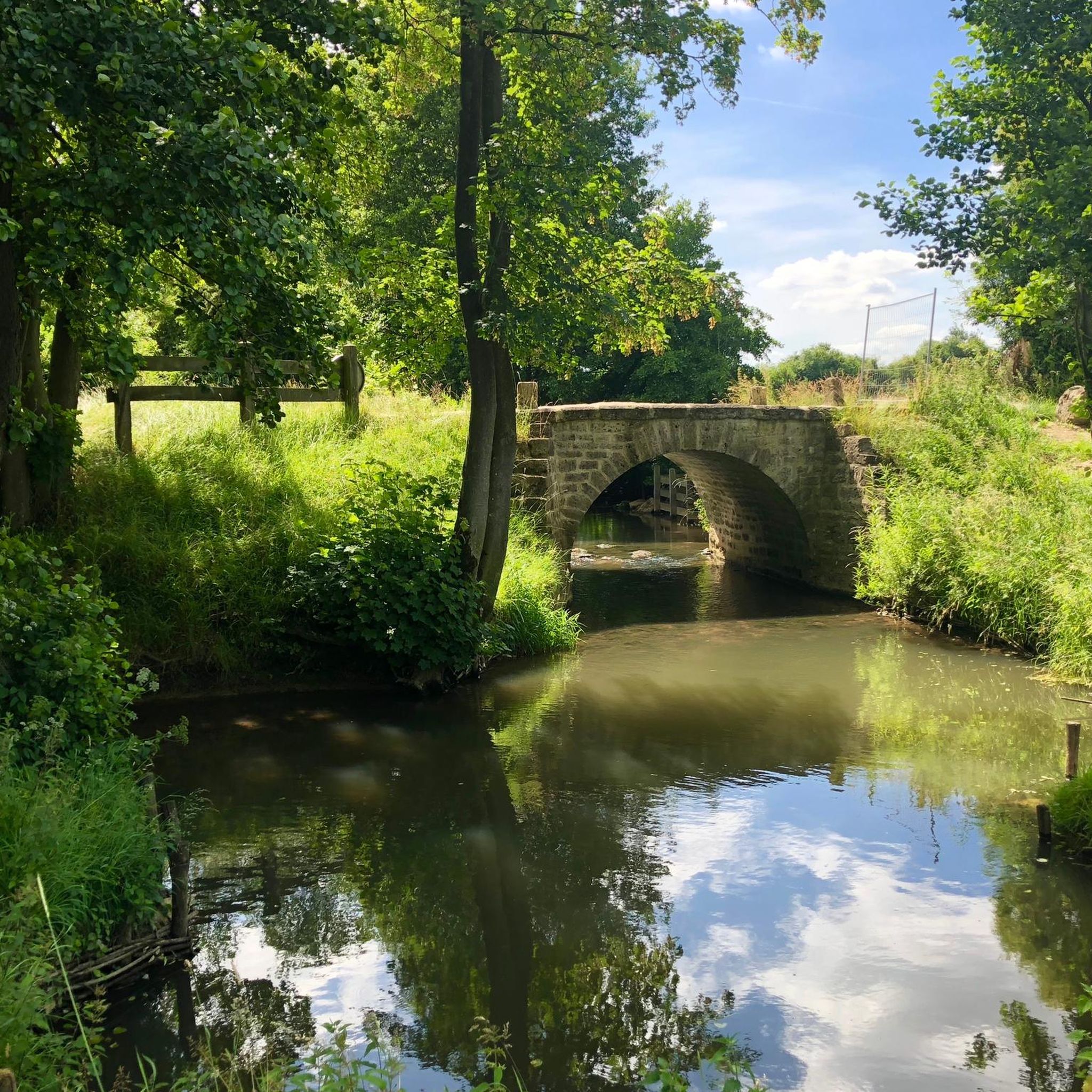
This natural area located in Forges-les-Eaux is organized around the ponds of the Andelle, formed by two rivers: the Andelle to the east and the Chevrette to the west. All around extends the Bois de l’Épinay, remarkable for the great diversity of tree species it shelters. You can walk there, observe the birds, picnic and take a quiet break enjoying the rustling of the many leaves.
1
0

This part of the city was developed from the 16th century with the discovery of ferruginous springs in the current Casino park. It was in 1573 that Nicolas de Moy, Grand Master of Water and Forestry, discovered the presence of ferruginous springs. They were made famous from 1633 with the arrival of King Louis XIII, Queen Anne of Austria and Cardinal Richelieu. The spa was thus born! The springs named Reinette, Royale and Cardinal were thus exploited for their property and their medicinal virtues until the 1980s. @OT Forges les Eaux
0
0
These artificial lakes were built in the late 1980s on a peat marsh. They are spread over two levels and separated by an earth dike, valves allow the water level to be controlled. They are fed by the Andelle river which has its source upstream. The wild ponds (to the North) were deliberately left in their natural state to allow birds to nest, while The Bird Mirror (to the South) was the subject of landscaping and ornamental development with consolidation of the banks. . @OT Forges les Eaux
0
0

This track, up to Forges-les-Eaux, pleasantly monotonous, has a perfect surface.
2
0

I recovered the green avenue from Forges-Les -Eaux to Dieppe and it is magnificent. The green avenue passes through the fields and passes over the old railway line. The old stations still present serve as homes or points of interest for a gourmet break.
2
0


Camping in Forges-les-Eaux, good quality and on the cheap side. Else, the route was scenic enough
2
2

A picturesque small town in Normandy, Gournay en Bray has a beautiful centre of timber-framed buildings dating back to the 16th century. At the heart of the town stands St. Hildevert college, built in the 12th century. The church is known for its Romanesque capitals. The town also has many great restaurants and cafes to take a break and fuel up on French patisseries.
1
0
Frequently Asked Questions
What historical sites can I explore within Haussez village?
Haussez itself offers several historical points of interest. You can visit the 12th-century Church of St. Martin, known for its porch with fossil-embedded stone columns. In the hamlet of Courcelles-Rançon, there's the Church of St. Pierre with its distinctive herringbone masonry. Additionally, the village features an Old Wash House in the communal square and "La Croix de pierre" (Stone Cross) in the hamlet of Hausseline, one of the oldest calvaries in the region.
Are there any natural attractions to visit near Haussez?
Yes, Haussez is situated by the banks of the Epte River, which shapes the local landscape. You can also explore the Source de la Chevrette, a unique ferruginous spring near Forges-les-Eaux, where the water has a curious rusty color due to dissolved iron oxides. The area is also on the edge of the "Boutonnière du Pays de Bray," offering varied natural scenery.
What cycling opportunities are available around Haussez?
The region is excellent for cycling. A major highlight is the Avenue Verte, a cycleway following an old railway line, known for passing through fields and offering scenic views. A popular section is the Avenue Verte London–Paris: Forges-les-Eaux to Neufchâtel-en-Bray, which is a secure path with a smooth surface and regular resting points. For more routes, you can explore various cycling routes around Haussez, including options for touring and road cycling.
Can I find family-friendly activities or attractions in the Haussez area?
Yes, several attractions around Haussez are considered family-friendly. The Avenue Verte cycleway is suitable for families, offering a safe and pleasant ride. The town of Forges-les-Eaux, with its historical significance and charming streets, is also a good option for a family outing. Additionally, the Domaine de Forges and Historic Thermal Quarter provides an interesting historical context that can be engaging for all ages.
What is the significance of Forges-les-Eaux in the region?
Forges-les-Eaux is a settlement with rich historical significance, known for its past as a center for iron manufacturing and a spa town. Its Historic Thermal Quarter developed from the 16th century with the discovery of ferruginous springs. These springs gained fame in 1633 with visits from King Louis XIII, Queen Anne of Austria, and Cardinal Richelieu, establishing Forges-les-Eaux as a prominent spa destination until the 1980s.
Are there hiking trails suitable for different skill levels near Haussez?
Yes, there are various hiking trails available. For example, you can find easy routes like the 7.5 km "Andelle Ponds – Etang de la Chevrette loop from Forges-les-Eaux" or moderate options such as the 13 km "Source de la Chevrette – Andelle Ponds loop from Forges-les-Eaux." You can explore more options and their difficulty levels on the hiking guide for Haussez.
What do visitors particularly enjoy about the attractions around Haussez?
Visitors appreciate the scenic beauty and the well-maintained routes. The Avenue Verte is often praised for its magnificent passage through fields and its smooth surface, making it ideal for cycling. The charming French streets and historical significance of Forges-les-Eaux also receive positive feedback, offering a pleasant experience for exploring and taking a break.
When is the best time of year to visit Haussez for outdoor activities?
The Pays de Bray region, where Haussez is located, generally offers pleasant conditions for outdoor activities from spring through early autumn (April to October). During these months, the weather is typically mild, making it ideal for cycling on the Avenue Verte, hiking along the Epte River, and exploring the historical sites without the extremes of winter or intense summer heat.
Who was Baron d'Haussez and what is his connection to the village?
Baron d'Haussez was a significant historical figure connected to the village. Although he never resided in the commune himself, he was the son of the local lord and served as a King's counselor. He is historically notable for signing the July Ordinances of 1830, an act that ultimately led to a revolution and the fall of the Bourbon dynasty in France.
Are there any traces of old water mills in Haussez?
Historically, three water mills were installed along the Epte River in Haussez. While they are no longer operational, some traces of these old structures can still be found, offering a glimpse into the village's industrial past and its reliance on the river for power.
What kind of landscape characterizes the Haussez area?
The landscape around Haussez is primarily characterized by its location on the edge of the "Boutonnière du Pays de Bray" and its proximity to the Epte River. This geological feature creates a varied terrain, often featuring rolling hills, agricultural fields, and riverine environments, providing a mix of open spaces and natural waterways.
Where can I find information about the local geology, such as the ferruginous springs?
You can learn about the local geology, particularly the ferruginous springs, at sites like the Source de la Chevrette. Information boards there explain how rainwater infiltrates sandy layers, dissolving and carrying away ferric oxides, which gives the water its distinctive rusty color and acidic properties. This geological process is typical of the Brayonne buttonhole region.

Get inspired with the komoot mobile app


Explore more
Still not found the Highlight you’re looking for? See guides of the top attractions in other regions:
