Attractions and Places To See around Coublanc - Top 20
Attractions and places to see around Coublanc, a commune in the Saône-et-Loire department of France, encompass a variety of historical sites, natural features, and cultural experiences. The region offers natural elevations like Mount Dun and Col du Pavillon, providing views and historical context. Its proximity to areas such as Charlieu adds cultural depth with medieval heritage and Romanesque architecture. The area presents diverse opportunities for exploration, from historical landmarks to scenic natural spots.
Best attractions and places to see around Coublanc
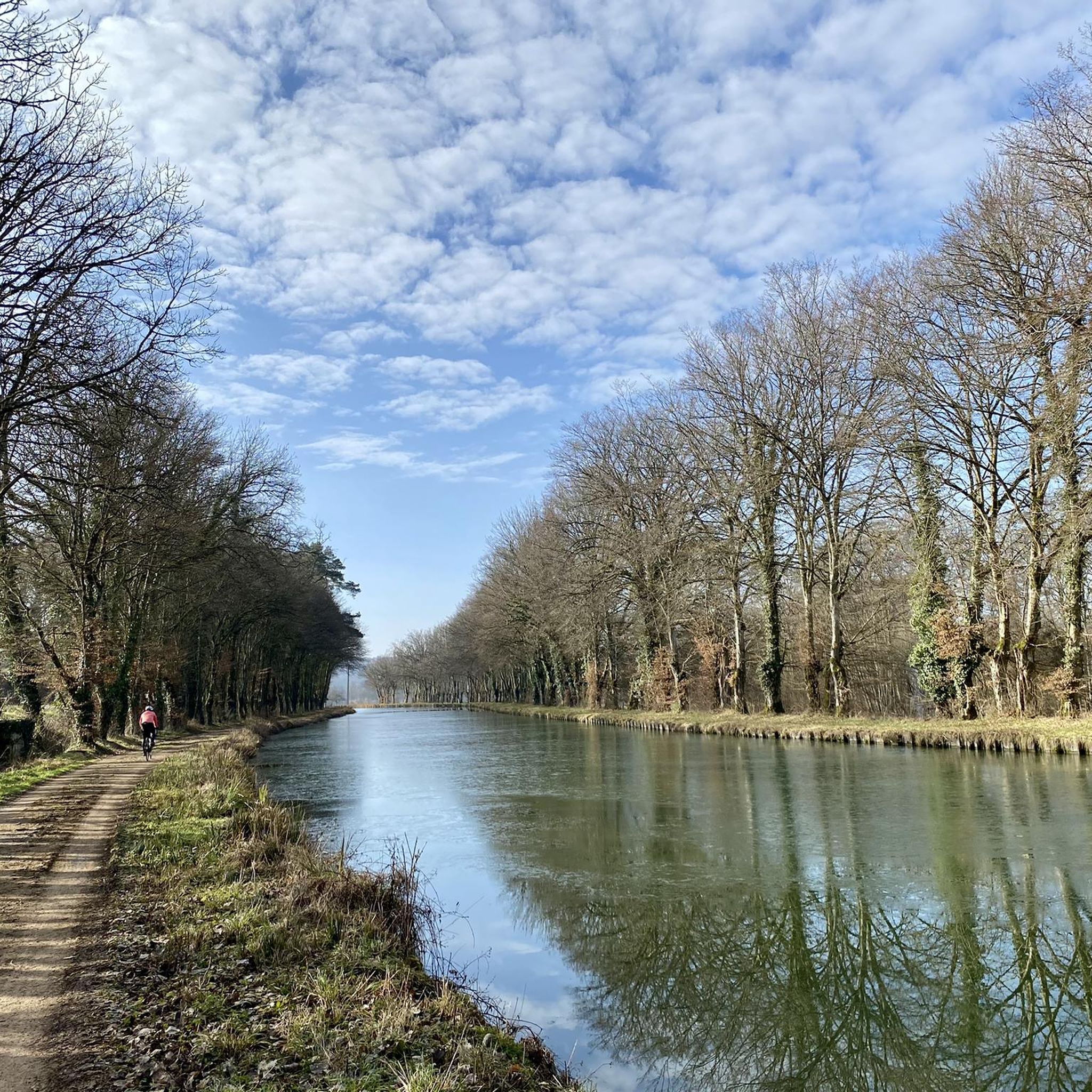
- The most popular attractions is Canal between Champagne and Burgundy, a river that extends over 224 kilometers, connecting the navigable networks of the Seine and the Rhône. It features numerous locks and houses along its course.
- Another must-see spot is Lac de Villegusien, a lake built as a reservoir on the Vingeanne river. This lake has an area of 1.99 km² and is located in the municipalities of Villegusien-le-Lac and Longeau-Percey.
- Visitors also love Château du Pailly, a castle that was extensively remodeled in the 16th century in the Renaissance style. It features rich Renaissance decorations, both exterior and interior, and moats on two sides.
- Coublanc is known for its historical sites, natural landscapes, and cultural heritage. The area offers a variety of attractions to see and explore, including castles, lakes, and canals.
- The attractions around Coublanc are appreciated by the komoot community, with 49 upvotes and 15 photos shared by visitors.
Last updated: May 17, 2026
Canal between Champagne and Burgundy
Highlight • River
Translated by Google •
Tip by

Lac de Villegusien
Highlight • Lake
Translated by Google •
Tip by
Sign up now to discover places like this
Get recommendations on the best single tracks, peaks, & plenty of other exciting outdoor places.
Sign up for free
Château du Pailly
Highlight • Castle
Translated by Google •
Tip by

Chalindrey
Highlight • Other
Translated by Google •
Tip by

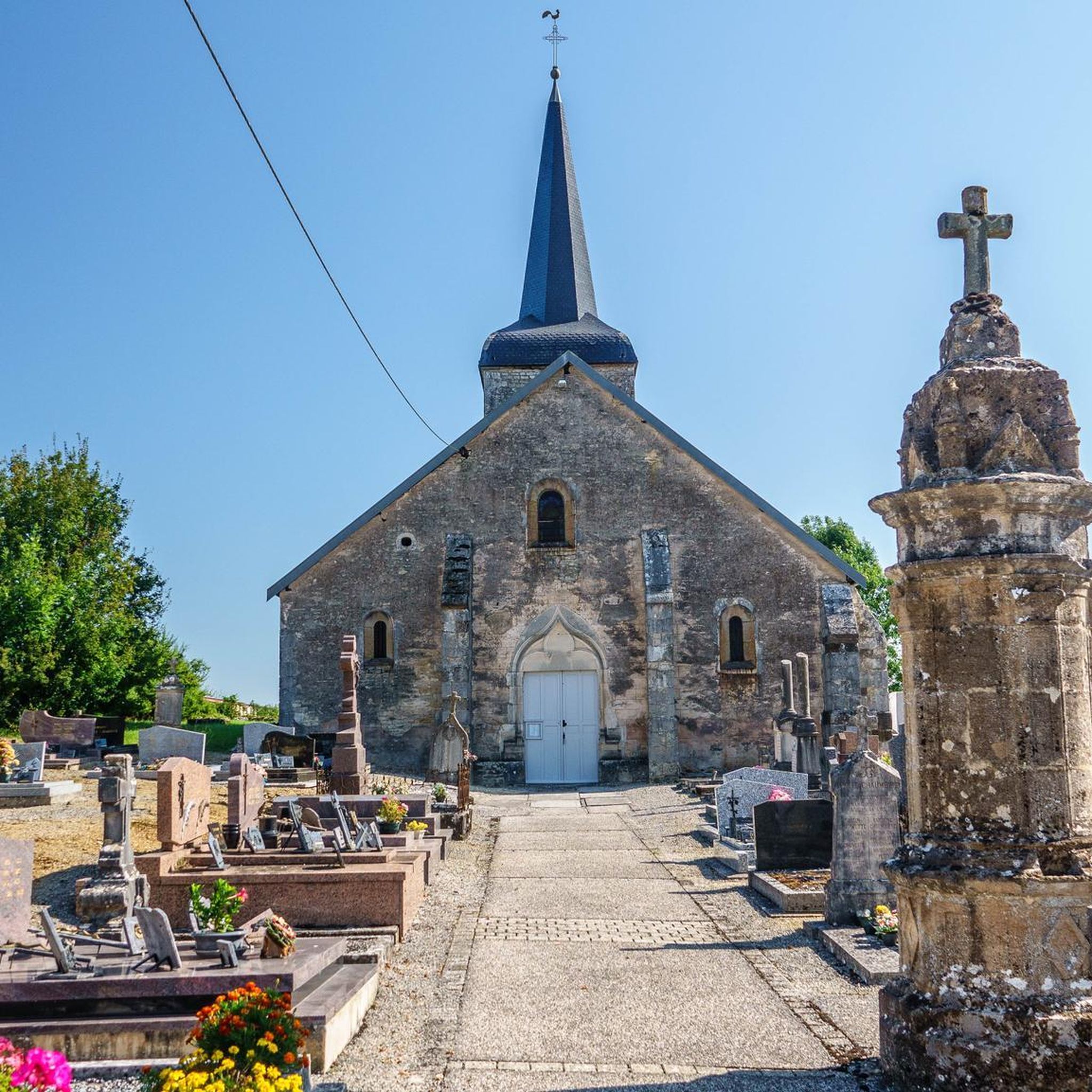
Coublanc, Saint-Pierre Church
Highlight • Religious Site
Translated by Google •
Tip by
Sign up for free to discover even more attractions around Coublanc.
Sign up for free
Already have an account?
Start today with a free account
Your next adventure awaits.
Login or Signup

Tips from the Community

This medieval castle was extensively remodeled in the 16th century in the Renaissance style and has been undergoing restoration for about twenty years. The moats still remain on two of the four sides, the latter being delimited by round towers where the cannon openings can still be seen. The castle boasts rich Renaissance decorations, both exterior and interior. These are sculpted (Burgundian cabbages, columns with Corinthian capitals, friezes, gargoyles, draperies, etc.) or painted (puttis, animals, or floral motifs on the ceilings). There is even a spiral staircase. The gardens, with a French-style section, an English-style section, and a conservatory orchard, are also charming. The castle can be visited throughout the spring and summer.
0
0

The church of St. Peter and St. Paul was built in the twelfth century. It had a dual use: parish and priory, since it depended on the Benedictine abbey of Bèze, in Burgundy. The choir and the nave are from the twelfth century, the sacristy from the sixteenth century, the interior decorations from the early eighteenth century; The restoration began in the nineteenth century. The interior of the church is protected. Nothing is known about the lantern of the dead, which stands in the cemetery (?) , except that it was made in 1537 and was classified as a historical monument on February 23, 1965. It is the monumental cross that is protected.
9
1
Église Saint-Gengoulf is a historic church in Chalindrey, dedicated to Saint Gengoulf, whose relics are kept in Langres. The church was built in the 16th century on the site of an old chapel belonging to the castle of the lords of Chalindrey. The church was later restored in the 18th century, when the bell tower was added. The church has five altars, one of which contains the body of Saint Vitalis, a gift from Pope Pius VI. The church also has some interesting architectural elements, such as the Gothic windows, the dovecote and the organ.
8
1
Chalindrey is a commune in the Haute-Marne department in north-eastern France. It has a population of about 2,400 and is part of the arrondissement of Langres. It is also an important railway junction, with a station called Culmont-Chalindrey. The town was almost completely destroyed by war in the 15th and 17th centuries, but has some historical sites, such as the church of Saint-Gengoulf, the Petit Château and the dovecote. Chalindrey is located on the Plateau de Langres, on the banks of the Resaigne River, a tributary of the Salon. The climate is oceanic altéré, with cold winters and mild summers.
8
1

Guided tour and beer, pilates class, shows and refreshment bar
0
0

Take a detour every now and then to switch the scenery
2
0

A very nice way. The numerous locks and the associated houses of the smugglers are particularly worth seeing.
3
1

Opened to traffic in 1907, the canal between Champagne and Burgundy (formerly the Marne-Saône canal) extends over 224 kilometers between Vitry-le-François and Marcilly-sur-Saône. It provides the river connection between the navigable networks of the Seine and the Rhône. It required major works: fixed bridges, swing bridges, footbridges, aqueduct, but also tunnels and artificial lakes for its water supply. He requested the digging of a 4,821 meter tunnel (fourth river tunnel in France) which passes some 50 meters under the church of Balesmes as well as the construction of the 4 lakes of the Pays de Langres. The landscapes crossed as well as its calm make it one of the most beautiful canals in France.
5
1
Frequently Asked Questions
What natural features and viewpoints can I explore near Coublanc?
You can discover several natural features and scenic viewpoints. Mount Dun offers magnificent views and has historical significance. The Col du Pavillon, at 755 meters, provides unobstructed vistas of the western slope. Additionally, the Lac de Villegusien is a beautiful reservoir lake, and the Canal between Champagne and Burgundy offers picturesque landscapes along its 224-kilometer course.
What historical castles are there to visit near Coublanc?
The region boasts several historic castles. The Château du Pailly, extensively remodeled in the 16th century, features rich Renaissance decorations and beautiful gardens. Other notable castles include the Castle of La Clayette (about 13.5km away), the Castle of Drée (around 16.5km away), and the Château de Chauffailles (approximately 5.7km from Coublanc).
Are there any significant religious or cultural sites in Coublanc or nearby?
Yes, Coublanc and its surroundings are rich in cultural heritage. In Coublanc, you can visit the Saint-Pierre Church, dating back to the twelfth century. Nearby, the medieval town of Charlieu (about 8km away) is home to a remarkable Benedictine abbey, the Saint-Philibert church, the Musee de la Soierie (Silk Museum), and a hospital museum. The Chapel of Fatima also offers amazing views from its tower.
Are there family-friendly attractions around Coublanc?
Absolutely. The Lac de Villegusien is a great spot for families. The Château du Pailly offers guided tours and events that can be engaging for all ages. Additionally, the Le Jardin de Zéphyr and Les Jardins du Château de Drée provide pleasant outdoor spaces for family strolls.
What outdoor activities, such as hiking or cycling, can I do near Coublanc?
The area around Coublanc is excellent for outdoor enthusiasts. You can find numerous hiking trails, including easy and moderate options like the 'Virgin of Leffond – The Wolf's Cabin loop' or the 'Beach at Lac de Villegusien – Lake Villegusien loop'. For cyclists, there are various road cycling and touring bicycle routes, ranging from easy to difficult, such as the 'Crossing of the Saôlon loop' or the 'Henri IV Gate – Porte des Terreaux loop'. You can explore more options on the Hiking around Coublanc, Road Cycling Routes around Coublanc, and Cycling around Coublanc guide pages.
Are there easy hiking trails suitable for beginners near Coublanc?
Yes, there are several easy hiking trails perfect for beginners. For instance, the 'Virgin of Leffond – The Wolf's Cabin loop from Leffond' is an easy 5 km route, and the 'Beach at Lac de Villegusien – Lake Villegusien loop from Villegusien-le-Lac' is another easy option at just over 4.5 km. You can find more details and other routes on the Hiking around Coublanc guide page.
What do visitors particularly enjoy about the attractions around Coublanc?
Visitors often appreciate the blend of historical sites and natural beauty. The Canal between Champagne and Burgundy is praised for its calm and picturesque landscapes, especially in winter. The Château du Pailly is loved for its rich Renaissance decorations and ongoing restoration efforts, while the Lac de Villegusien is simply described as a very beautiful lake.
When is the best time to visit the attractions around Coublanc?
The region offers beauty throughout the year. While the Canal between Champagne and Burgundy is described as 'magnificent in winter,' it is also expected to be beautiful in summer. Many castles and gardens, like the Château du Pailly, are open for visits throughout the spring and summer, making these seasons ideal for exploring historical sites and enjoying outdoor activities.
Are there any unique or lesser-known attractions worth visiting near Coublanc?
Beyond the main highlights, consider visiting the Blue Cross and Picnic Area for a relaxing stop with forest views. The medieval town of Charlieu, with its well-preserved old houses and vibrant markets on Wednesdays and Saturdays, offers a charming local experience. The Le Jardin de Zéphyr is also a remarkable garden worth exploring.
What is the <a href="https://www.komoot.com/highlight/2044633" target="_blank" rel="noopener">Canal between Champagne and Burgundy</a> like?
This canal, opened in 1907, stretches over 224 kilometers, connecting the navigable networks of the Seine and the Rhône. It's known for its calm waters and picturesque landscapes, featuring numerous locks, swing bridges, footbridges, and even a 4,821-meter tunnel. It's considered one of the most beautiful canals in France, with varying conditions along its mostly tarred portions, making it suitable for cycling and leisurely exploration.
What can I expect when visiting <a href="https://www.komoot.com/highlight/1171246" target="_blank" rel="noopener">Lac de Villegusien</a>?
The Lac de Villegusien is a beautiful reservoir lake in Haute-Marne, covering an area of 1.99 km². It was built on the Vingeanne river and is located in the municipalities of Villegusien-le-Lac and Longeau-Percey. It's a serene spot, ideal for relaxation and enjoying the natural surroundings.
What is special about <a href="https://www.komoot.com/highlight/6839928" target="_blank" rel="noopener">Château du Pailly</a>?
The Château du Pailly is a medieval castle that underwent extensive remodeling in the 16th century in the Renaissance style. It's renowned for its rich Renaissance decorations, both exterior and interior, including sculpted details, Corinthian capitals, and painted motifs. The castle also features moats on two sides and charming gardens with French-style, English-style, and conservatory orchard sections. It offers guided tours and various events.

Get inspired with the komoot mobile app


Explore more
Still not found the Highlight you’re looking for? See guides of the top attractions in other regions:
