Attractions and Places To See around Thorey - Top 10
Attractions and places to see around Thorey are found within the broader Burgundy-Franche-Comté region, offering a blend of historical landmarks, cultural sites, and natural landscapes. This area is known for its rich heritage, including significant castles and historic waterways. Visitors can explore a variety of sites, from medieval towns to Renaissance architecture. The region provides diverse opportunities for those interested in history, culture, and outdoor exploration.
Best attractions and places to see around Thorey
- The most popular attractions is Château…
Last updated: May 26, 2026
Towpath of the Canal de Bourgogne
Highlight (Segment) • Trail
Translated by Google •
Tip by

Château de Tanlay
Highlight • Castle
the first of the films "Angélique Marquise des anges" by Bernard Borderie, with Michèle Mercier, Robert Hossein, and Jean Rochefort is …
Translated by Google •
Tip by

Sign up now to discover places like this
Get recommendations on the best single tracks, peaks, & plenty of other exciting outdoor places.
Sign up for free
Hôtel-Dieu de Tonnerre
Highlight • Historical Site
The Hôtel-Dieu was donated by Margaret of Burgundy and built from …
Translated by Google •
Tip by

Tonnerre
Highlight • Settlement
Translated by Google •
Tip by

Lock 85 - Lezinnes
Highlight • Other
Translated by Google •
Tip by

Sign up for free to discover even more attractions around Thorey.
Sign up for free
Already have an account?
Start today with a free account
Your next adventure awaits.
Login or Signup


Tips from the Community

Magnificent Exterior Trompe l'oeil Gallery
0
0

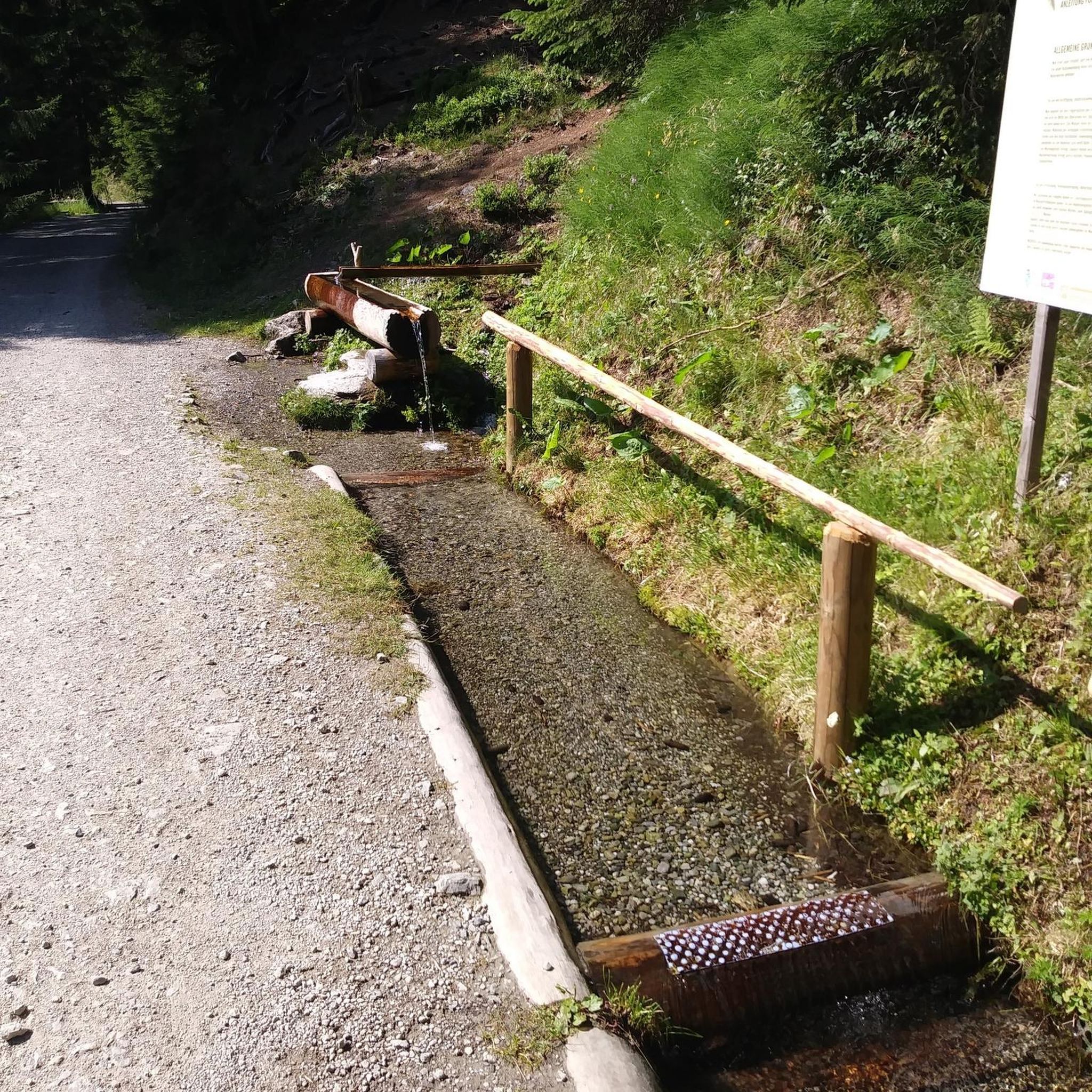
A "chemin de halage", in German "treidelpfad", which runs alongside the waterway right next to the bed of the river or canal, was an indispensable part of the transport infrastructure in earlier times. Before ships could move using motor power, horses ran along the bank and pulled the ship against the current. This was called "treideln", and that is how the "treidelpfad" got its name. Where these paths directly on the bank have been preserved, they are now popular with hikers and cyclists.
1
0

Set up for the section of the canal opened to traffic in 1832 (from Pont-de-Pany to Tonnerre). Located on the right bank, the lock keeper's house is built of coated rubble stones, with mechanical tiles. A lean-to extension extends the right side of the roof of the house. Extremely remodeled, the house today opens through a semi-circular door, in the extension.
1
0

The Hotel Dieu is the work of Marguerite de Bourgogne. it is the longest medieval hospital in Europe. It was built in the XIII century.
0
1

The Hôtel-Dieu de Tonnerre is a former hospital establishment founded in 1293 by Marguerite de Bourgogne, Countess of Tonnerre and Queen of Jerusalem. This exceptional historical monument has welcomed the sick and needy for centuries, who come to receive free care for the body, but also for the soul: services are celebrated every day in the chapel located at the end of the Sick Room, in a manner so that everyone can attend from their bed. Opening times: https://www.hoteldieu-tonnerre.com/tarifs-heures
2
0

I highly recommend the visit (10€/adult) - very well preserved and well explained, you escape to an other time.
2
1

The Hôtel-Dieu in Tonnerre is a medieval hospital. The building has been protected as a monument historique since 1862. The Hôtel-Dieu was donated by Margaret of Burgundy and built from 1293 to 1295. The facility, known as the Hôpital Notre-Dame des Fontenilles, had space for 40 patients, although significantly more people were later accommodated. Marguerite de Bourgogne had a residential wing built next to it, called Le château (the castle), where she herself lived as a widow. Her body was buried in the chapel of the Hôtel-Dieu in 1308. https://de.m.wikipedia.org/wiki/H%C3%B4tel-Dieu_(Tonnerre)
6
0

Tonnerre is a small village with character nicknamed "La petite Venise bourguignonne". To see among others: the perpetual waters of the mysterious Fosse Dionne, the Saint-Pierre Church, the Hôtel Dieu and its garden of medicinal plants, the vineyard hillsides producing in particular Bourgogne Epineuil.
2
1
Frequently Asked Questions
What historical sites can I visit around Thorey?
The region around Thorey is rich in history. You can explore the impressive Château de Tanlay, a Renaissance castle known for its frescoes. Another significant historical site is Hôtel-Dieu de Tonnerre, a medieval hospital founded in the 13th century. Additionally, the town of Tonnerre itself offers a historic center with sites like the Fosse Dionne and Saint-Pierre Church.
Are there any family-friendly attractions near Thorey?
Yes, several attractions around Thorey are suitable for families. The Château de Tanlay offers a fascinating glimpse into Renaissance architecture and history. The Towpath of the Canal de Bourgogne is also family-friendly, perfect for leisurely walks or bike rides alongside historic locks.
Where can I find scenic walking or cycling paths around Thorey?
The Towpath of the Canal de Bourgogne provides excellent scenic paths for both walking and cycling. This historic waterway features preserved locks and lock keeper houses, making it a popular choice for outdoor enthusiasts. You can find various cycling routes in the area, including those that pass by the Château de Tanlay. For more cycling options, explore the Cycling around Thorey guide.
What are the best places to experience the local culture and heritage?
To experience local culture and heritage, visit the town of Tonnerre, known as 'La petite Venise bourguignonne,' with its historic center and the medieval Hôtel-Dieu. Further afield, the village of Noyers-sur-Serein, recognized as one of France's 'Most Beautiful Villages,' offers charming half-timbered houses and a riverside setting. The Cistercian Abbaye de Fontenay, a UNESCO World Heritage site, also provides a deep dive into the region's monastic history.
Are there opportunities for outdoor activities like running or mountain biking?
Yes, the area around Thorey offers various outdoor activities. The Canal de Bourgogne towpath is ideal for running and cycling. For more structured routes, you can find numerous running trails, including loops around the Château de Tanlay, in the Running Trails around Thorey guide. Mountain biking enthusiasts can explore trails that connect various points of interest, detailed in the MTB Trails around Thorey guide.
What do visitors particularly enjoy about the attractions near Thorey?
Visitors frequently praise the architectural beauty and historical significance of sites like the Château de Tanlay, noting its magnificent exterior, trompe l'oeil gallery, and rich interior. The Hôtel-Dieu de Tonnerre is highly recommended for its well-preserved state and insightful explanations, offering a journey back in time. The peaceful and scenic environment of the Canal de Bourgogne towpath is also a favorite for leisurely outdoor activities.
Can I explore Renaissance architecture in the Thorey area?
Absolutely. The most prominent example of Renaissance architecture is the Château de Tanlay, renowned for its frescoes, interior decoration, and specific architectural details like the pyramids on the access bridge and the nymphaeum, which are steeped in the Italian Renaissance. Another notable Renaissance castle nearby is the Château d'Ancy-le-Franc.
Are there any unique natural features or waterways to see?
Yes, the region features the historic Canal de Bourgogne, a significant waterway connecting the Yonne with the Saône, offering picturesque views and a glimpse into historical transport infrastructure. In Tonnerre, you can also discover the mysterious Fosse Dionne, a natural spring with perpetual waters.
What is the significance of the Canal de Bourgogne in this region?
The Canal de Bourgogne is a historic shipping channel that connects the Yonne and Saône rivers, linking the Atlantic and the Mediterranean. Its towpaths, or 'chemins de halage,' were historically used by horses to pull boats and are now popular routes for hikers and cyclists. Along the canal, you can still see preserved historic locks and lock keeper houses, such as Lock 85 - Lezinnes.
Are there any specific towns or villages worth visiting for their charm?
Beyond the main attractions, the town of Tonnerre, nicknamed 'La petite Venise bourguignonne,' is charming with its historic center. A bit further, Noyers-sur-Serein is celebrated as one of France's 'Most Beautiful Villages,' known for its well-preserved medieval character and half-timbered houses.
Can I find any Cistercian abbeys in the vicinity?
Yes, the region is home to significant Cistercian abbeys. The Abbaye de Fontenay, a UNESCO World Heritage site, is located within reach and offers beautiful architecture and gardens. The Abbaye de Pontigny is another important Cistercian site in the area.

Get inspired with the komoot mobile app


Explore more
Still not found the Highlight you’re looking for? See guides of the top attractions in other regions:
