Attractions and Places To See around Castellare-Di-Casinca - Top 20
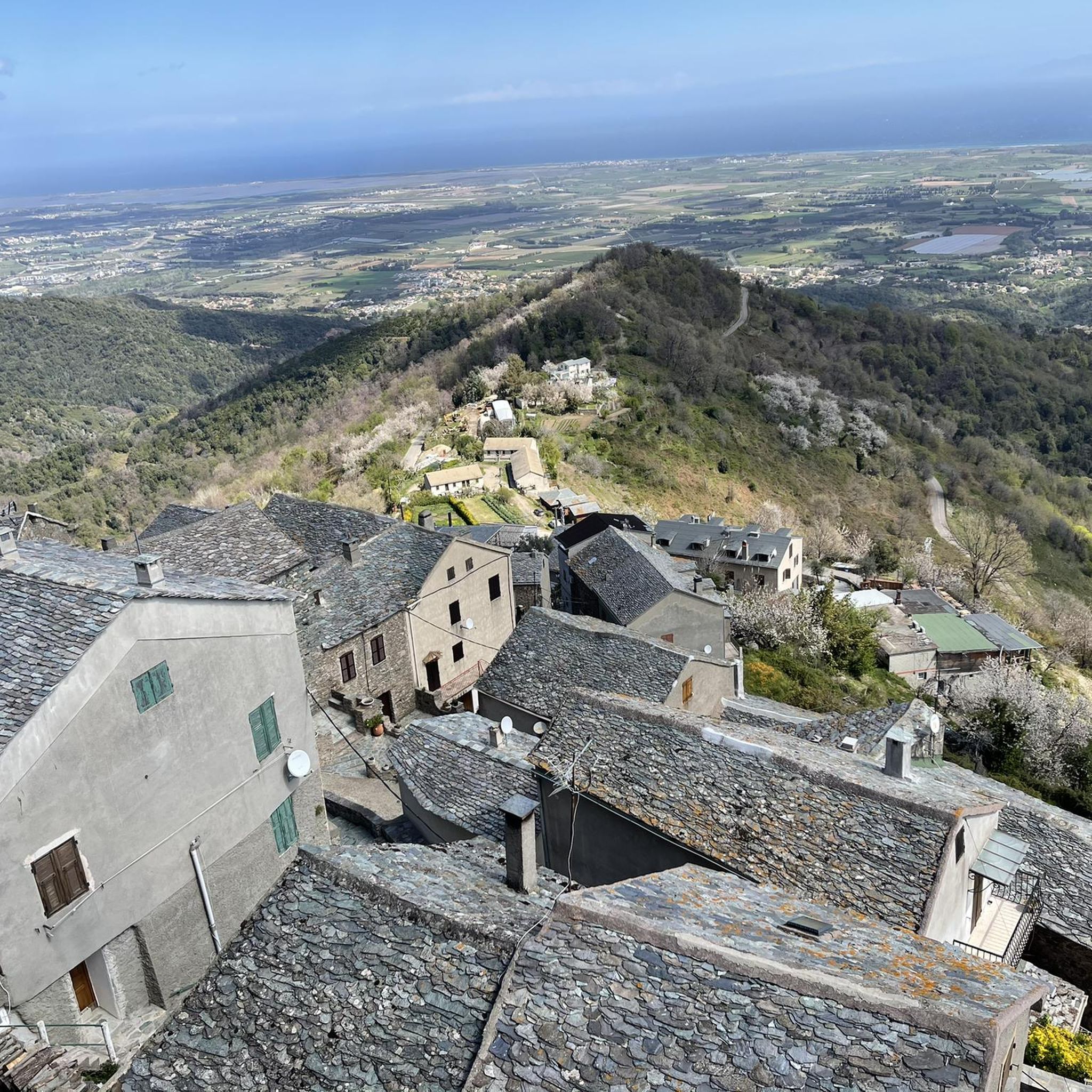
Best attractions and places to see around Castellare-Di-Casinca include historical landmarks, natural beauty, and cultural experiences. Situated on a rocky spur, the village offers panoramic views of the surrounding plain, the Bastia region, and the Biguglia pond. Known as "the Orchard of Corsica," the area is rich in fruit trees, particularly cherry and chestnut. The village's medieval core features narrow, stone-paved streets and houses built of irregular stone.
Best attractions and places to see around Castellare-Di-Casinca
- The most popular attractions…
Last updated: May 21, 2026
Church San Nicolu
Highlight • Other
Translated by Google •
Tip by

U ponte à l'infernu
Highlight • Other
Translated by Google •
Tip by

Sign up now to discover places like this
Get recommendations on the best single tracks, peaks, & plenty of other exciting outdoor places.
Sign up for free
San Mamilianu Chapel
Highlight • Religious Site
Translated by Google •
Tip by

Stream crossing at the Ruisseau de Canapajo
Highlight • River
You can easily cross it by bike. It's best to dismount and walk across.
Translated by Google •
Tip by

Scenic Road Between Ginestreto and Coccola
Highlight (Segment) • Trail
Translated by Google •
Tip by

Sign up for free to discover even more attractions around Castellare-Di-Casinca.
Sign up for free
Already have an account?
Start today with a free account
Your next adventure awaits.
Login or Signup
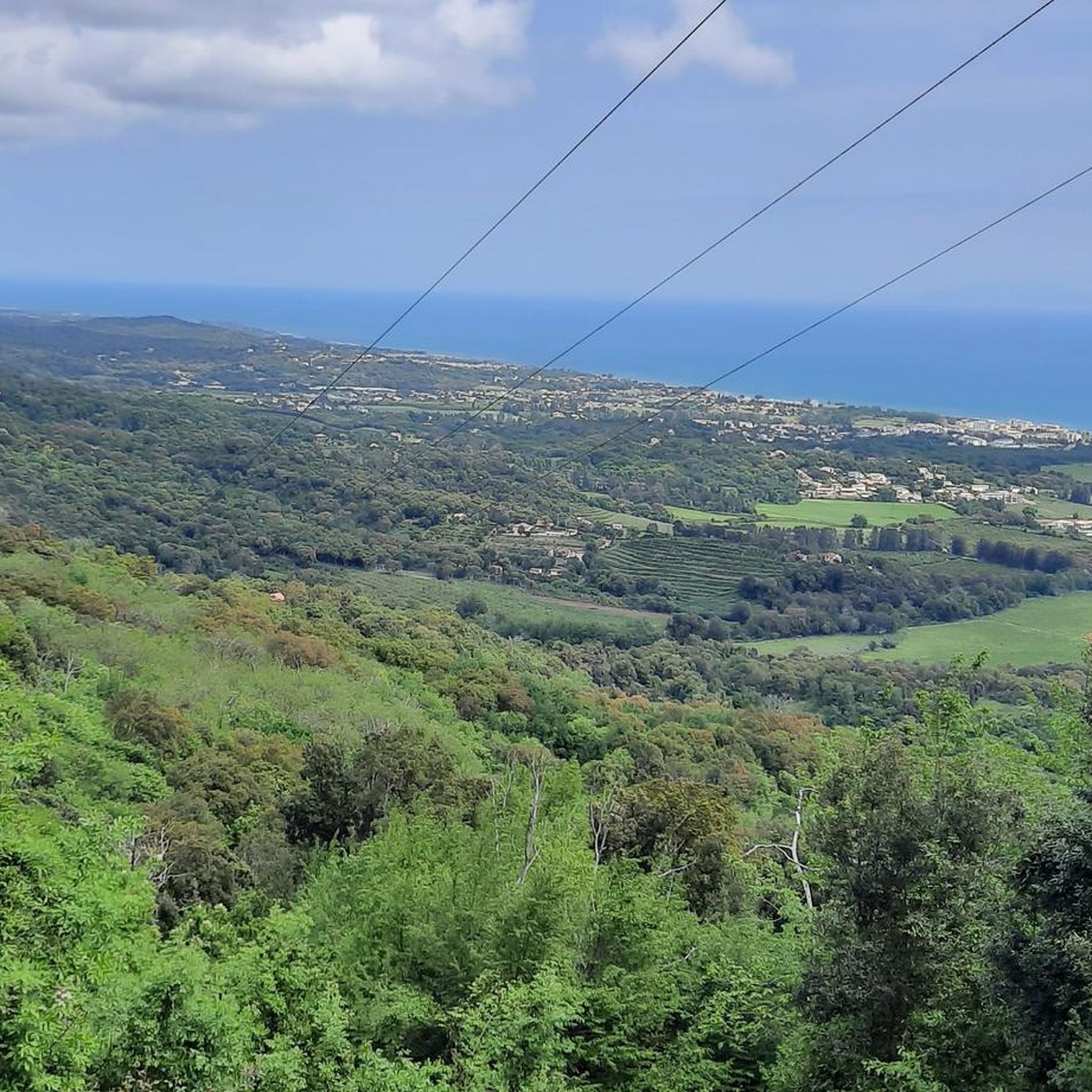
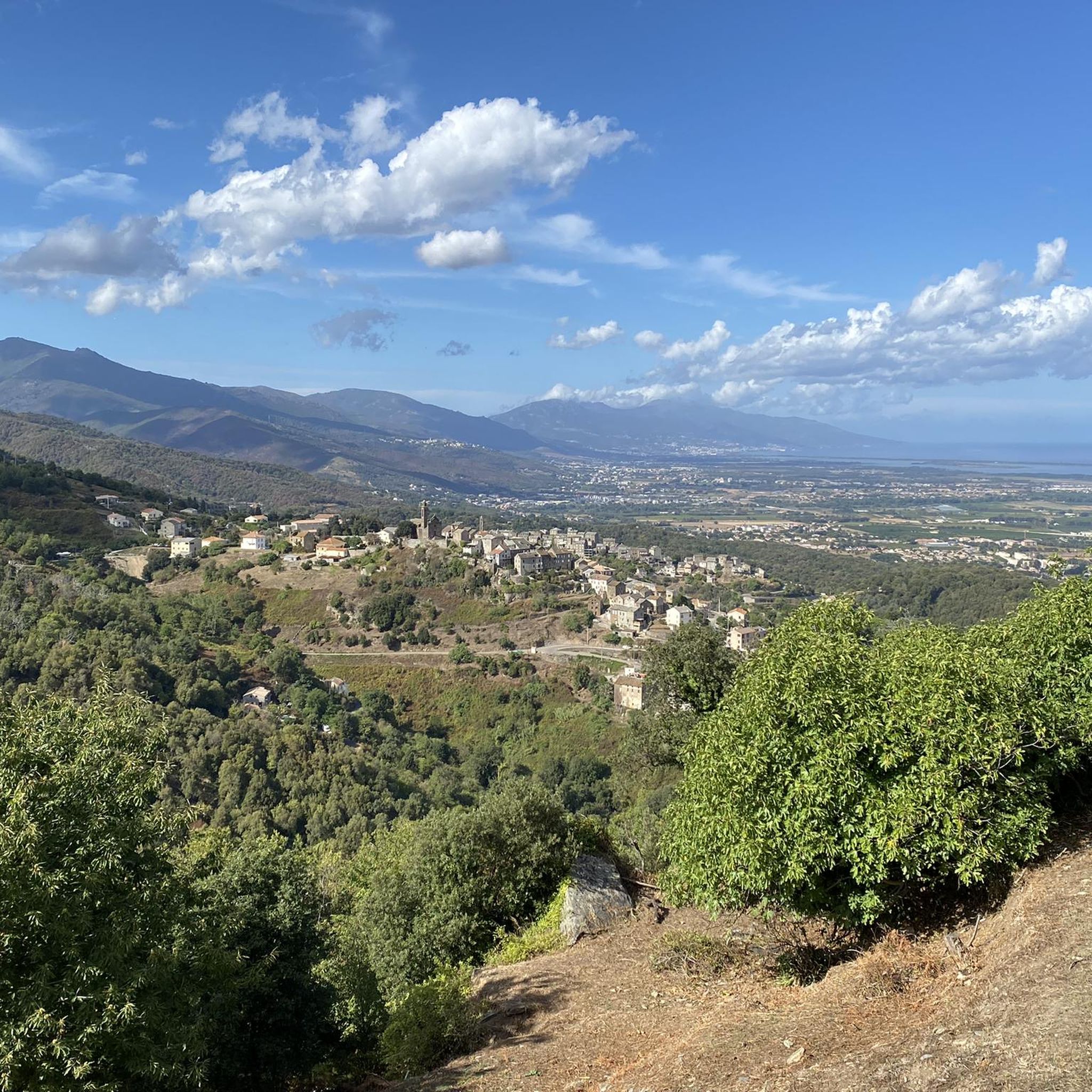
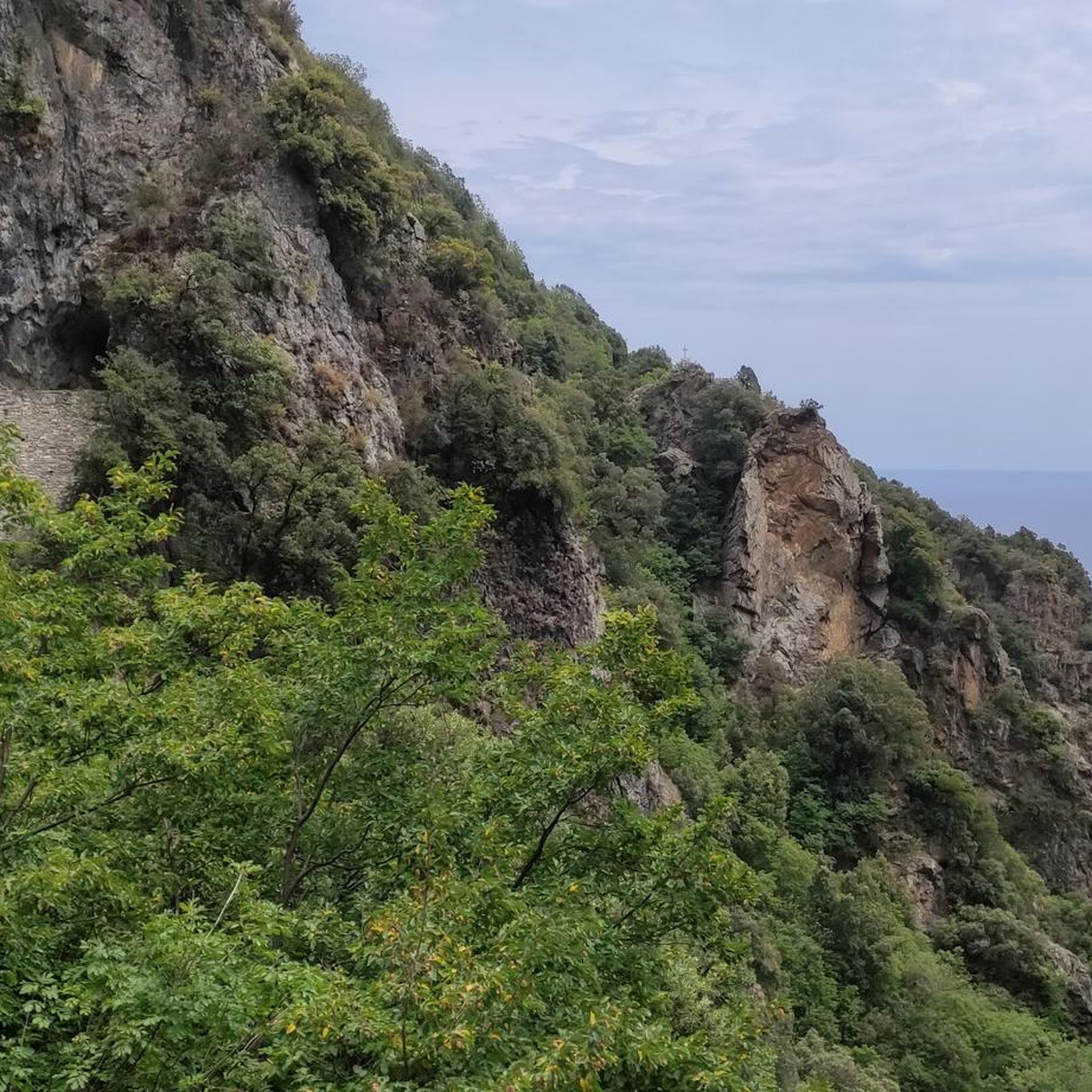
Tips from the Community

I confirm it's a good alternative to the national road which is very dangerous: bridge and anti-cycling facilities 😩😩😫 Crossed in August and September completely dry🚴♀️🚴🏻♂️🚴♀️🚴🏻♂️
0
0

The church was begun at the beginning of the seventeenth century and completed in 1717. In 1740, embellishment works were carried out. The wall paintings were painted by Luigi Pollero in 1810. The main façade consists of two levels delimited by cornices and surmounted by a triangular pediment with three acroteria. On the first level, on either side of the portal, there are two niches that house the statues of Saint Nicholas and Saint Peter. The church ends in a semicircular apse. The bell tower rises at the junction of the apse and the right side façade. It has five floors that end in a dome surmounted by a cross. The interior consists of a nave and five richly decorated side chapels. On either side of the altar there are caryatid angels. Building dating from the first quarter of the 17th century (?), mentioned in the report of the pastoral visit of Msgr. Marliani, Bishop of Mariana and Accia, in 1646. It was restored in 1686 with the collaboration of master masons Lorenzo Chiglione and Giovanni Filippi. Rebuilt in 1717 and 1740. Main door dating from 1766. Painted decoration (investigated in the Palissy database) carried out by the painter Luigi Polleri in 1810, as shown by the date on the inside of the building. Restored in 1896.
1
0

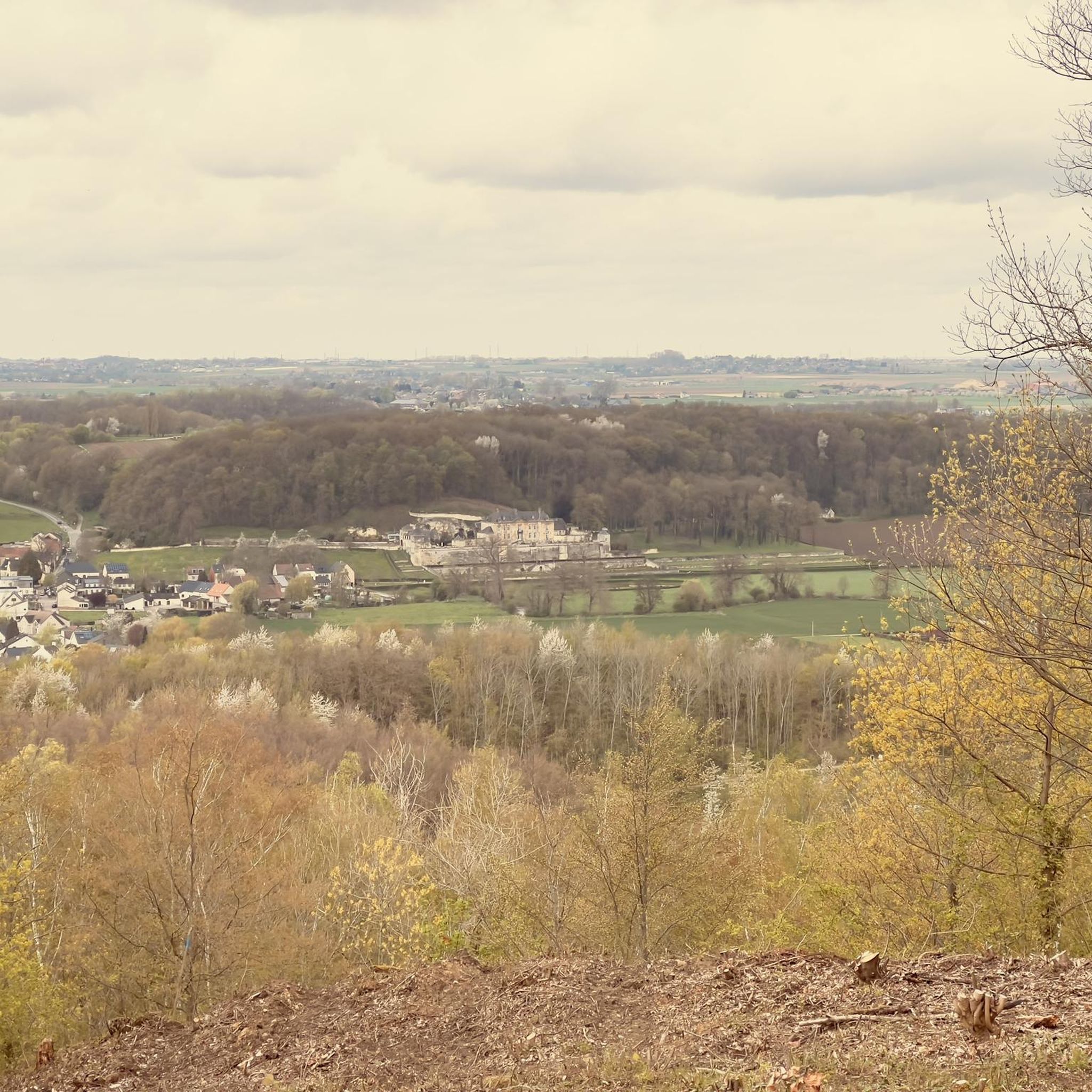
Great place very pretty with a beautiful inn at the top of the fiuminale circuit with a really nice innkeeper and very good homemade cheese and a magnificent view
0
2

Unfortunately closed but on the left are a few stone benches to pause in the midday sun shade.
0
0

This is where the access to the hiking trails begins. Opposite below the bridge is a pool for bathing.
0
0

Fantastic mountain road between Ginestreto and Coccola. The road quality between Ginestreto and the Pont de l'Enfer is rather poor but okay with the racer, while the section between the bridge and Coccola has great fairly new asphalt. Really great views and one or the other animal encounter make the route a real highlight.
0
0
Crossable depending on the season. I crossed the creek for the first time at the end of June and was still balancing over individual stones sticking out of the water. In mid-July I was already able to walk through it without any problems and climbing. In any case, a nice alternative to not having to cross the main road. Accessible on the south side via a short gravel section.
0
0

Here is a small stream. He's very refreshing. You can easily cross it by bike. It's best to dismount and walk across.
0
0
Frequently Asked Questions
What historical and cultural sites can I explore in Castellare-Di-Casinca?
Castellare-Di-Casinca is rich in history. You can visit the pre-Romanesque Eglise de San Pancraziu, dating back to the 9th-11th centuries, known for its unique three apses. The village also features the 17th-century Church San Nicolu with its ornate interior and statues. Don't miss the medieval village architecture with its narrow, stone-paved streets and a 15th-century tower-house. The San Mamilianu Chapel, located on a mountaintop, also offers a glimpse into the region's past.
Are there any natural attractions or scenic viewpoints in the area?
Yes, Castellare-Di-Casinca offers stunning natural beauty. The village itself provides panoramic views of the surrounding plain, the Bastia region, and the Biguglia pond. On clear days, you might even see the Tuscan archipelago. The region is known as "the Orchard of Corsica" due to its abundant cherry and chestnut trees. For scenic drives, consider the Scenic Road Between Ginestreto and Coccola, which offers great views and opportunities for animal encounters.
What outdoor activities are available near Castellare-Di-Casinca?
The area around Castellare-Di-Casinca is ideal for outdoor enthusiasts. You can find numerous hiking trails, including local paths like Castellare-Penta and Castellare-Fulelli, and access to the longer "Mare a Mare Nord" hiking path. The U ponte à l'infernu serves as an access point for hiking trails and even offers donkey rentals for excursions. For more detailed routes, explore the hiking routes around Castellare-Di-Casinca, which include options like Monte Sant'Angelo.
Are there family-friendly activities or attractions in Castellare-Di-Casinca?
Families will enjoy the unique experience of renting donkeys for a hike from U ponte à l'infernu. This old arch bridge also has a bathing pump nearby, perfect for a refreshing stop. Exploring the medieval village's narrow streets and discovering its fountains can also be an engaging activity for children.
Where can I go cycling or mountain biking around Castellare-Di-Casinca?
Cyclists and mountain bikers have several options. The Scenic Road Between Ginestreto and Coccola offers fantastic views, with sections of newly paved asphalt. For more dedicated routes, you can find various cycling tours and MTB trails around Castellare-Di-Casinca, ranging from moderate to difficult, such as the "Pause mit Ausblick" MTB loop.
What is the significance of the Eglise de San Pancraziu?
The Eglise de San Pancraziu is a significant historical monument in Castellare-Di-Casinca, dating back to between the 9th and 11th centuries. It is notable for being one of the few churches in Corsica to possess three apses, each dedicated to a different patron saint: Santa Maria, San Ghjuvanbattista, and San Pancraziu. It also houses a 19th-century polychrome wooden statue of Saint Pancras.
Can I find any art or cultural exhibitions in the village?
Yes, the village hosts the Ferrara Art Gallery, which serves as a venue for artistic encounters, showcasing paintings and sculptures. This provides a cultural insight into the local art scene within the historic setting of Castellare-Di-Casinca.
What is the best way to experience the medieval charm of Castellare-Di-Casinca?
The best way to experience the medieval charm is by simply walking through the old village. Its core is characterized by narrow streets artistically paved with local stones and houses built of irregular stone with blue slate roofs. The circular plan, fortified houses, and ancestral homes nestled on the hillside offer a true glimpse into its rich history and traditions.
Are there any unique local events or fairs in Castellare-Di-Casinca?
Yes, the village hosts the annual San Brancà Agro-Pastoral Fair in May. This fair provides a cultural insight into the region's agricultural heritage and is a great opportunity to experience local traditions and products.
What is the Stream crossing at the Ruisseau de Canapajo like?
The Stream crossing at the Ruisseau de Canapajo is a small, refreshing stream that can be crossed by bike or on foot. It's often seen as a pleasant alternative to the main road, especially for cyclists. Depending on the season, you might balance on stones or simply walk through the shallow water, making it a nice, natural stop.
What do visitors particularly enjoy about the attractions around Castellare-Di-Casinca?
Visitors appreciate the blend of historical landmarks, natural beauty, and the tranquility of the area. Highlights like U ponte à l'infernu are popular for their access to hiking trails and unique activities like donkey rentals. The panoramic views from the village and places like San Mamilianu Chapel are also highly rated for their scenic beauty and peaceful atmosphere.
Are there other picturesque villages to visit nearby?
Yes, the nearby classified village of Penta-di-Casinca is highly recommended. Perched at 400 meters, it is known for its exceptional views, traditional stone slab architecture, and a beautiful Baroque church, offering a charming and picturesque experience.
Most popular routes around Castellare-Di-Casinca

Get inspired with the komoot mobile app


Explore more
Still not found the Highlight you’re looking for? See guides of the top attractions in other regions:
