Top 4 Castles around Douville-Sur-Andelle
Best castles around Douville-Sur-Andelle are situated in a region rich with historical significance, characterized by its natural landscapes. The area offers a glimpse into centuries of history, featuring both ancient fortified castle ruins and more preserved structures. These sites provide insights into medieval architecture and significant historical events. Exploring the castles around Douville-Sur-Andelle connects visitors with the cultural heritage of the region.
Best castles around Douville-Sur-Andelle
- The most popular castles is Radepont Castle, a castle that was rebuilt at…
Last updated: May 27, 2026
Radepont Castle
Highlight • Castle
Translated by Google •
Tip by

Bonnemare Castle
Highlight • Castle
Translated by Google •
Tip by
Sign up now to discover places like this
Get recommendations on the best single tracks, peaks, & plenty of other exciting outdoor places.
Sign up for free
Canteloup Castle
Highlight • Castle
Translated by Google •
Tip by
Buspins Castle
Highlight • Castle
Translated by Google •
Tip by
Start today with a free account
Your next adventure awaits.
Login or Signup


Tips from the Community

The Château de Bonnemare is a 16th century castle which presents a rare and harmonious ensemble including a round chapel, a kitchen with a rotisserie designed by Leonardo da Vinci, a farm with a forge and a cider house. You can discover the 22 hectare park which surrounds the castle and admire the poplar avenue, the orchard and the pond. You can also stay in one of the guest rooms or gîtes which offer a charming and authentic experience of French heritage.
2
0
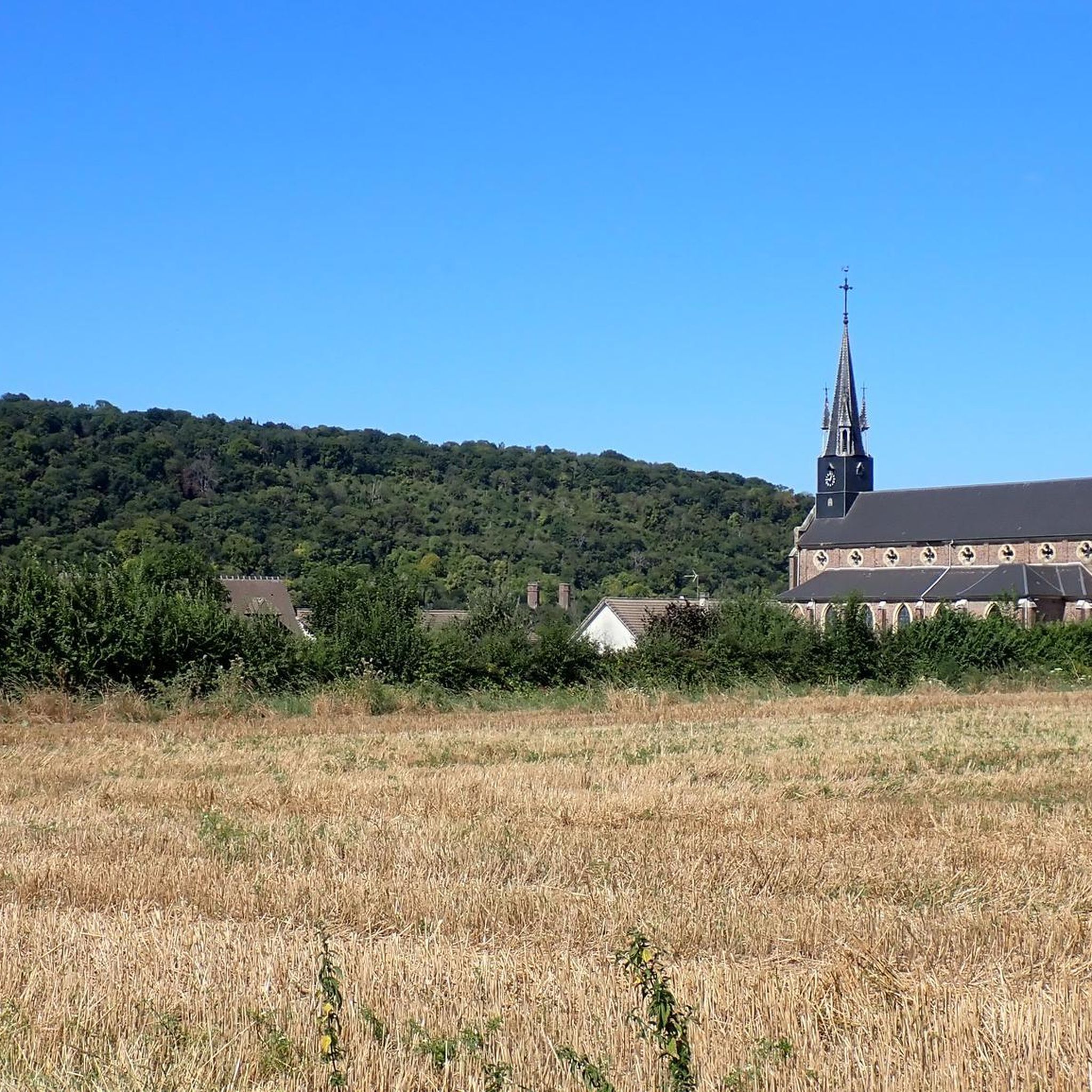
The Château de Radepont is a superb castle rebuilt at the beginning of the 20th century in a neo-Louis XIII style. It is located near the Seine. The castle has a beautiful facade with brick and stone decorations, a slate roof and a large water wheel. You'll spot it when the trees break and the house comes into view from the main road.
2
0
If you like history and architecture, you might want to visit the Chateau des Buspins, a 17th century castle that was once part of a large agricultural estate belonging to the famous automobile manufacturer Louis Renault. You can admire the elegant brick and stone facade of the castle and explore the park and the garden of the castle, which extend over 6 hectares and are laid out in the French style. You can also see the dovecote, a dovecote which was used to house the pigeons. Don't miss this opportunity to discover a historic and charming site in Normandy.
3
0
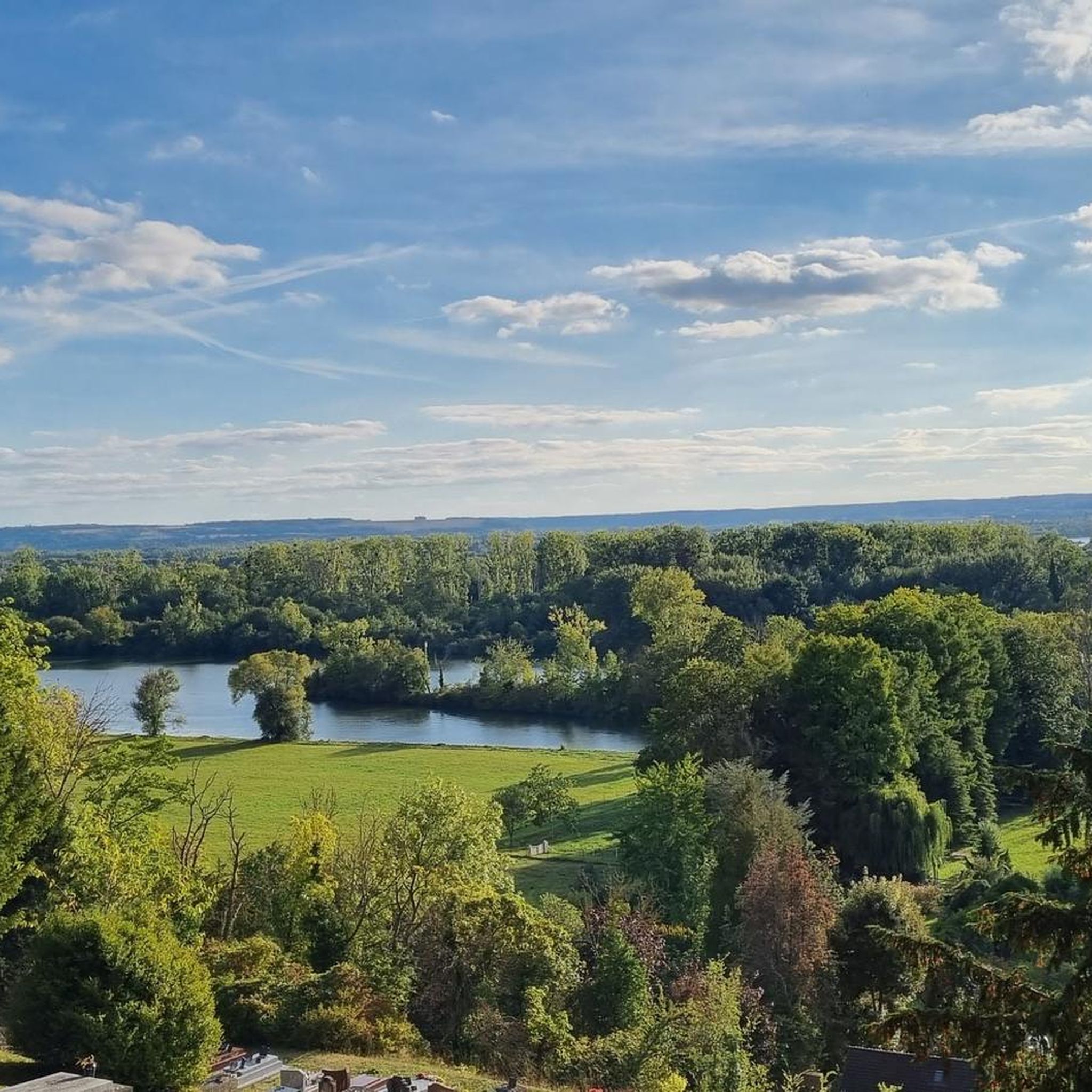
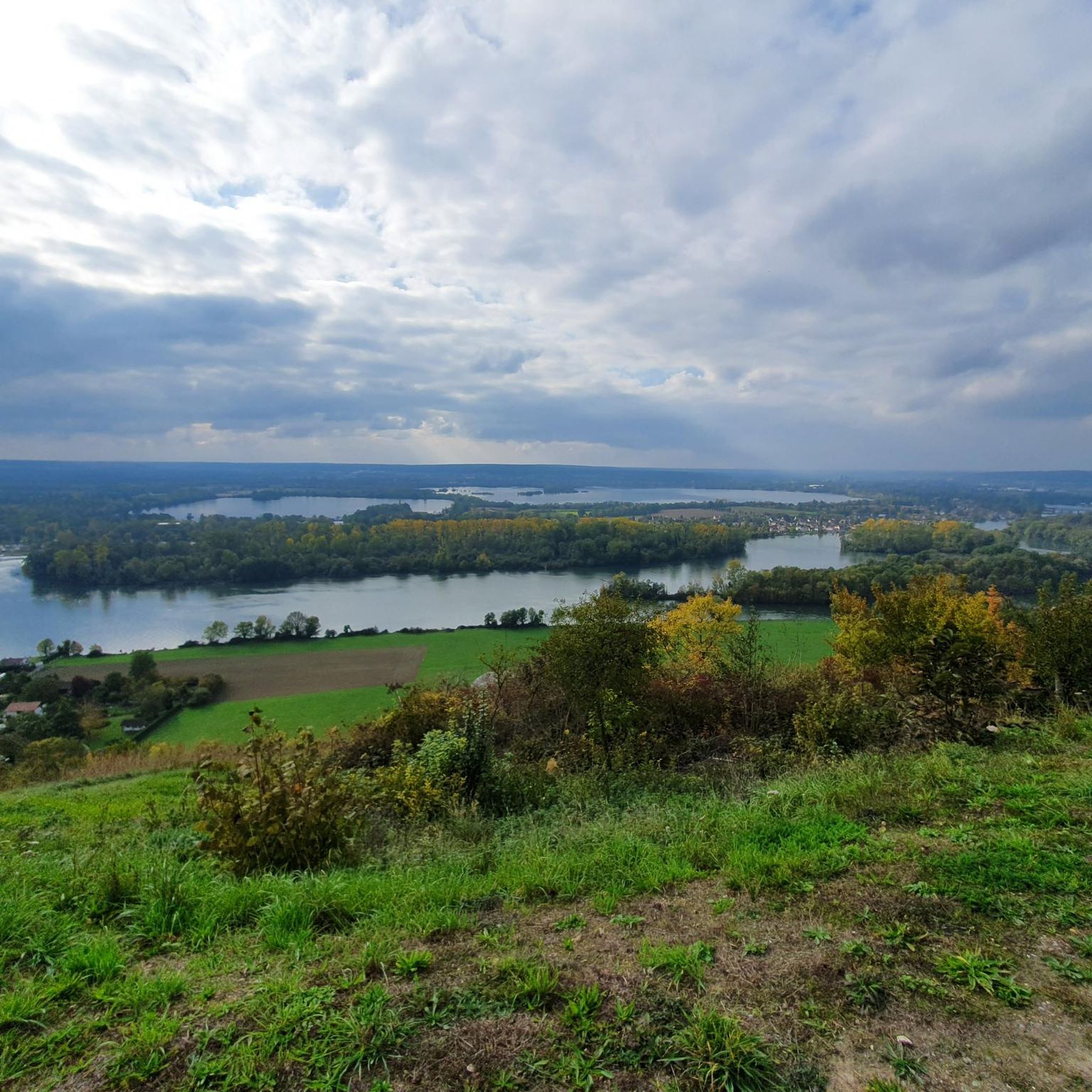
The Château de Canteloup is a 17th century castle located in a magnificent landscape, between the Seine and the Côte des Deux Amants, a hill which offers a breathtaking view of the valley. You can visit the ground floor of the castle and its park, or follow the paths that lead to the top of the hill, where you will discover the legend of the two lovers who died there.
3
0

Small castle at the end of a tree-lined alley, pleasant and breaks the monotony of the surrounding fields.
0
0

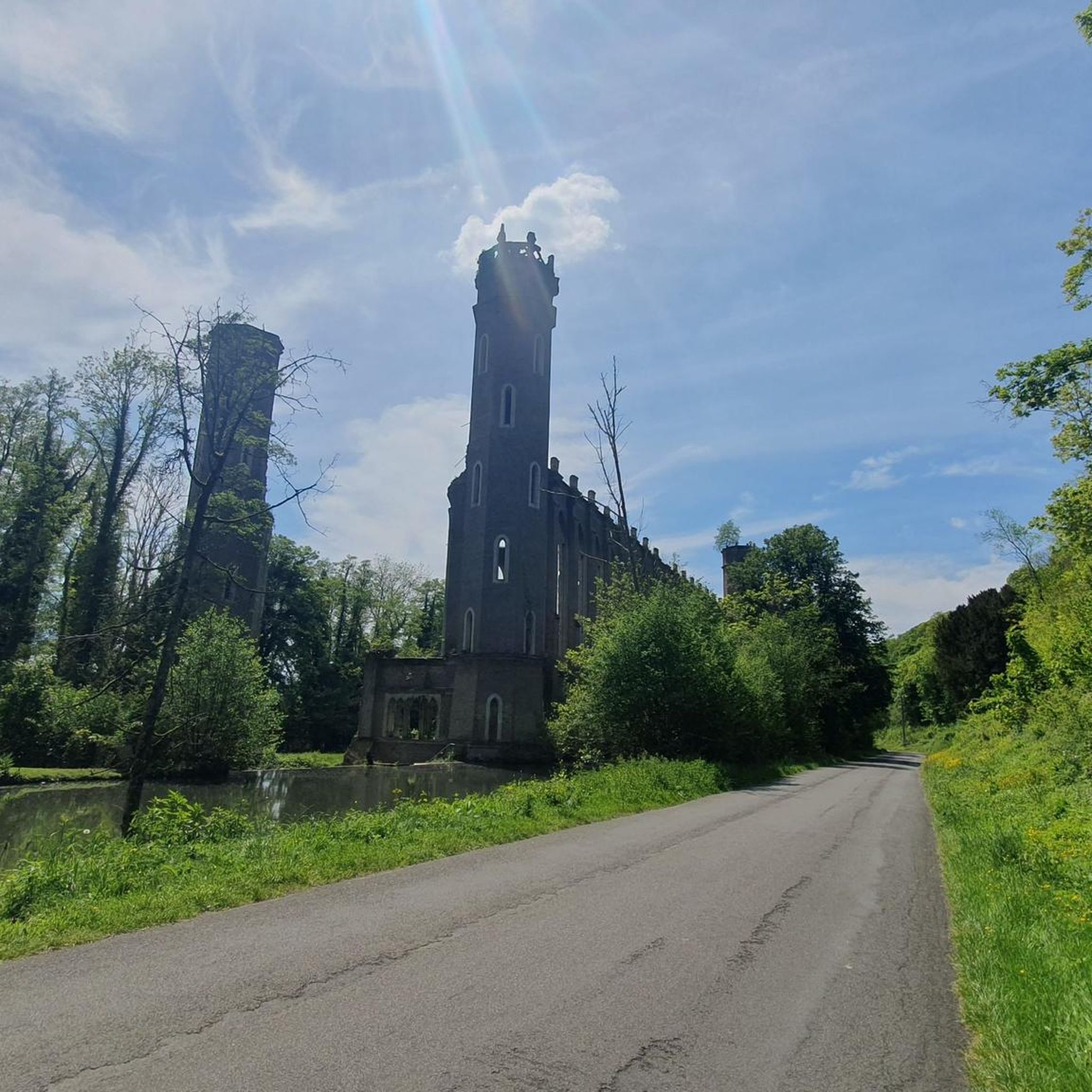
The current castle is located near the site of a medieval fortification erected in 1194 during the time of Richard the Lionheart, Duke of Normandy and King of England. This fortified castle was destroyed in 1218 by the French following the conquest of Normandy by Philippe Auguste. We can still observe some vestiges in the park of the current construction. Likewise, from the previous neo-classical castle, only an 18th century chapel dedicated to Saint Bernard remains. Aimé-Louis du Bosc sold the estate in 1844 to Baron Levavasseur, a captain of industry who had the large neo-Gothic-style spinning mill built today in ruins and who acquired the Gothic Abbey of Fontaine-Guérard, both located in the same commune. The whole building was completely rebuilt from the end of the 19th century until the beginning of the 20th century in neo-Louis XIII style. The Parisian architect Duchesne, then the Rouen architect Lacire, were the prime contractors of the new castle. Construction continued mainly after the latter's death, when his son succeeded him. Several buyers succeeded one another until 1937, when the last owner Fernand Colombel, without an heir, bequeathed his estate to the Salvation Army. In 1952, the Salvation Army created a recovery and assistance center through work which had the particularity of accommodating several hundred relegated on parole, and this until the abolition of the additional penalty of relegation in 19702. In 2013, the Salvation Army sold its estate to a private Russian owner.
0
0
Nicolas Leconte, lord of Draqueville bought in 1555 an old medieval manor, which would have been inhabited by Raoul de Bonnemare, hero of the lai des Deux-Amants de Marie de France. Advisor to the Parliament of Normandy in 1570, he built the current castle, as well as the châtelet of entry, the chapel and the farm buildings. Bonnemare Castle is made up of a main building, a châtelet and a chapel of Renaissance architecture dating from the 16th century. There are also elements from the barnyard, the main courtyard and the fence from this period.
0
0
Frequently Asked Questions
What types of castles can I explore in the Douville-sur-Andelle area?
The region offers a mix of historical sites, from ancient fortified castle ruins to more recently rebuilt structures. You can find vestiges of medieval fortifications like the Château de Douville and the Radepont Castle, which was rebuilt in a neo-Louis XIII style near the site of a 12th-century fortification. There are also 16th-century castles like Bonnemare Castle and 17th-century estates such as Canteloup Castle and Buspins Castle.
Are there any significant historical ruins to visit in Douville-sur-Andelle?
Yes, the area is rich in historical ruins. The Château de Douville, though largely in ruins, offers vestiges of its 12th-century keep and fortified walls, showcasing its role in the Hundred Years' War. Similarly, the Château de Logempré (also known as Château de Malemaison or Château de Gabrielle) has visible ruins, deeply intertwined with French royal history and King Henri IV.
What outdoor activities can I do near the castles in Douville-sur-Andelle?
The region around Douville-sur-Andelle is excellent for outdoor activities. You can find numerous hiking trails, including routes like the 'Castle of the Two Lovers loop' or the 'Levavasseur Spinning Mill loop'. There are also MTB trails and running trails that allow you to explore the natural landscapes surrounding these historical sites.
Are there hiking trails that incorporate castle visits?
Yes, several hiking routes in the area allow you to combine nature with history. For example, the 'Canteloup Castle – Castle of the Two Lovers loop from Pont-Saint-Pierre' is a more difficult 18.7 km hike that takes you past historical sites and offers scenic views. You can find more options in the hiking guide for Douville-sur-Andelle.
What is the best time of year to visit the castles in Douville-sur-Andelle?
The best time to visit is generally during spring (April-June) and autumn (September-October) when the weather is mild and the natural surroundings are particularly beautiful. These seasons are ideal for exploring the castle grounds and nearby trails. While some sites may be accessible in winter, certain areas might be less pleasant for outdoor exploration due to colder weather or limited access.
Are the castles in Douville-sur-Andelle family-friendly?
Many of the castles and their surrounding parks can be enjoyed by families. For instance, Bonnemare Castle features a 22-hectare park with an orchard and pond, offering space for children to explore. Exploring the ruins of Château de Douville can also be an engaging historical adventure for older children.
Can I bring my dog to the castles in the Douville-sur-Andelle area?
While specific dog policies vary by castle, many outdoor areas and parks surrounding the castles, such as the 22-hectare park at Bonnemare Castle or the grounds of Canteloup Castle, are often dog-friendly, usually requiring dogs to be on a leash. It's always best to check the specific rules of each site before your visit.
Are there natural features or viewpoints near the castles?
Yes, the region offers beautiful natural landscapes. Canteloup Castle is located between the Seine and the Côte des Deux Amants, a hill offering breathtaking views of the valley. The park surrounding Bonnemare Castle also features a poplar avenue, orchard, and pond. The ruins of Château de Logempré can be glimpsed from Rue Fontaine Guérard, offering a unique perspective.
Is there parking available at the castles?
Parking availability varies by castle. For many of the more accessible sites like Radepont Castle, Bonnemare Castle, Canteloup Castle, and Buspins Castle, visitor parking is typically available on-site or nearby. For ruins or less developed sites, you might need to park in a nearby village and walk.
How long does it typically take to visit a castle in this region?
The duration of a visit depends on the castle. For extensive sites like Bonnemare Castle with its large park, you might spend 2-3 hours. For ruins like Château de Douville or Château de Logempré, a visit might be shorter, around 1-2 hours, focusing on exploring the vestiges and imagining their past. If you combine a visit with a hike, plan for a longer excursion.
What are some lesser-known or unique castles to discover?
Beyond the more prominent sites, the region holds hidden gems. The Château de Logempré, though largely covered by vegetation, is unique for its strong association with King Henri IV and Gabrielle d'Estrées. The private Château des Hiboux also offers exterior vestiges and a rich history tied to powerful lords from the 13th century, providing a glimpse into the area's medieval past.
What do visitors enjoy most about the castles around Douville-sur-Andelle?
Visitors appreciate the blend of history and natural beauty. The architectural details of castles like Radepont Castle and the rare harmonious ensemble of Bonnemare Castle are often highlighted. The peaceful parks, like the 6-hectare French-style garden at Buspins Castle, and the scenic viewpoints, such as those near Canteloup Castle, also receive positive feedback.
Most popular routes around Douville-Sur-Andelle
Most popular attractions around Douville-Sur-Andelle

Get inspired with the komoot mobile app


Explore more
Looking for the best castles somewhere else? Discover other guides around Douville-Sur-Andelle:
