Attractions and Places To See around Ogliastro - Top 20
Best attractions and places to see around Ogliastro include a mix of natural landscapes, historical sites, and panoramic viewpoints. The region features coastal areas with beaches and unique rock formations, alongside hill towns with historic architecture. Ogliastro is situated within a diverse natural environment, offering varied exploration opportunities.
Best attractions and places to see around Ogliastro
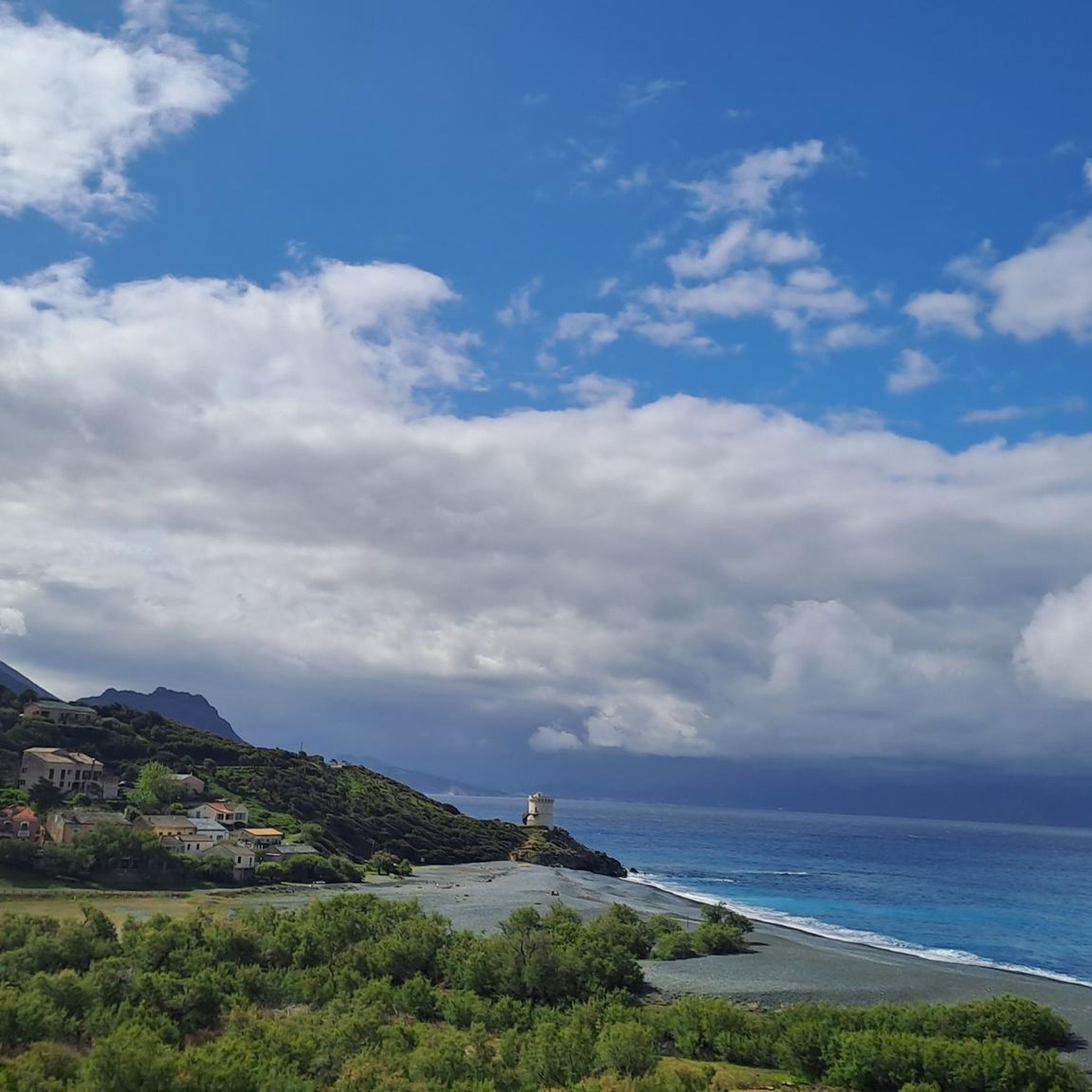
- The most popular attractions is View of Nonza, a viewpoint that offers a remarkable panorama of the large beach below. This location provides…
Last updated: August 2, 2026
View of Nonza
Highlight • Other
Translated by Google •
Tip by

Old arch bridge in the Pietracorbara river
Highlight • Other
Translated by Google •
Tip by

Sign up now to discover places like this
Get recommendations on the best single tracks, peaks, & plenty of other exciting outdoor places.
Sign up for free
Coastal Path
Highlight (Segment) • Trail
Translated by Google •
Tip by

Asbestos Mine of Canari
Highlight • Monument
Showing Translation
Tip by

View of Nonza Beach
Highlight • Beach
Translated by Google •
Tip by

Sign up for free to discover even more attractions around Ogliastro.
Sign up for free
Already have an account?
Start today with a free account
Your next adventure awaits.
Login or Signup
Tips from the Community

pretty here, very pretty
2
0


I can definitely recommend the sentier du littoral but even if it seems easy to ride at the beginning, the last third is almost entirely a carrying section and cycling is not prohibited here for no reason.
0
0

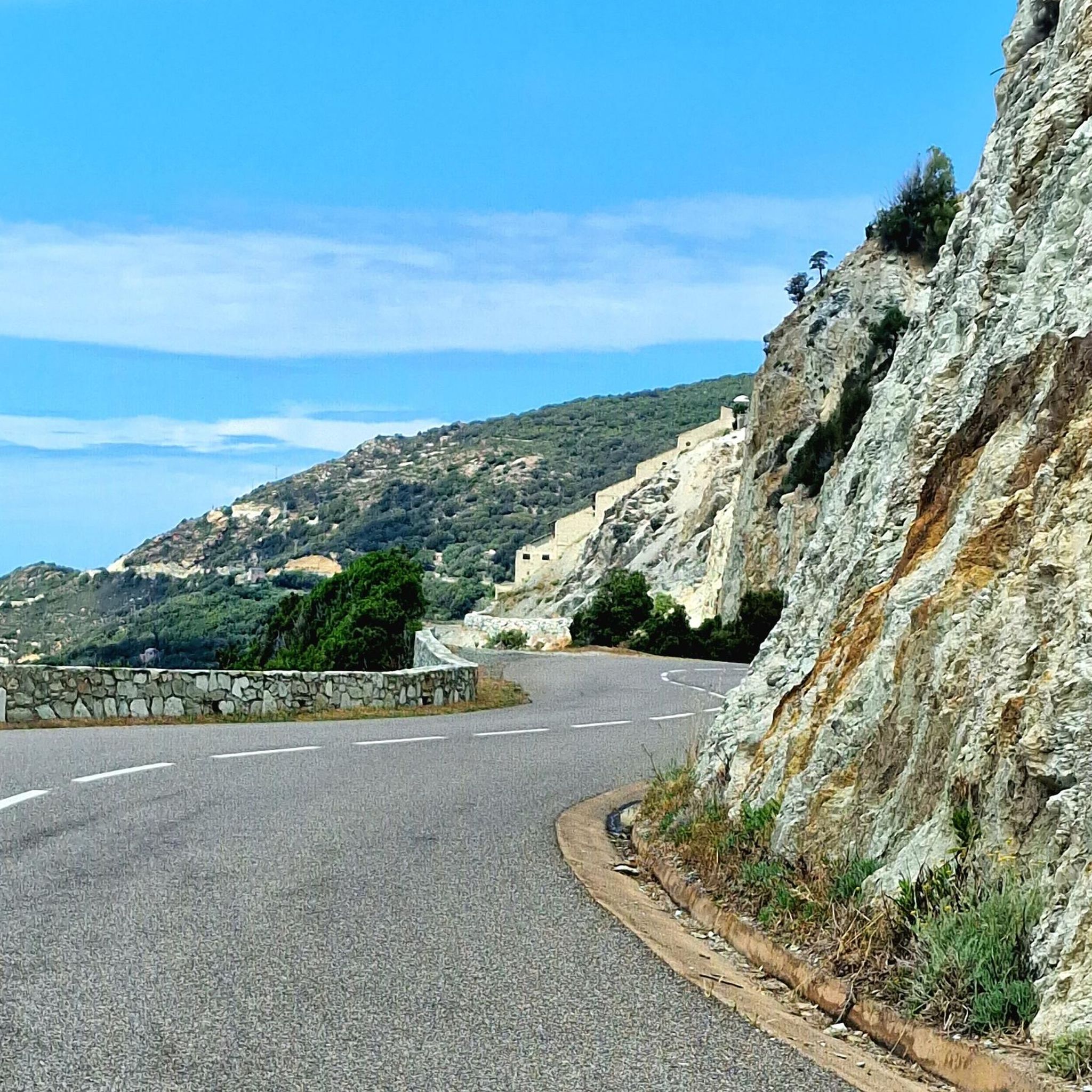
Doomed to eternity: In one of the most beautiful spots in Corsica, the ruins of the Canari asbestos mine remind us of man's obsession with making things possible. By Karl Spurzem and Loris Poidvin It is one of the most beautiful, if not the most beautiful, coastal road in the Mediterranean. From Centuri in the north to Saint-Florent, the tightly winding Corniche runs along the west coast of Cap Corse. On the right, deep below, the inky blue of the sea, on the left the Mediterranean palette of marble-grey rock, the silver of the olives, the matte emerald green of the maquis. Add to that the warm wind, the scent of wild thyme - paradise seems to lie behind every bend. But the dream journey ends abruptly. Between Canelle and Ogliastro, a huge concrete structure suddenly crouches on the rock that drops steeply into the sea - thrown down, it looks like a juggernaut, surreal, like a shattered spaceship or a dead prehistoric creature. It is the Canari mine, the largest open-cast asbestos mine in Europe in the middle of the 20th century. From the street, only the factory building can be seen. It rises up the rock in terraces, windows with broken glass, roofs full of holes, only the facade facing the street is covered with tarpaulins. Scattered signs prohibit entry to the ruins or warn of health risks. The signs do not say why. It takes some imagination, but this ruin was the pride of Corsican industry for two decades and its product was the source of wealth that the eternally poor island had never known before. Because half the post-war world was hungry for asbestos. The mine began operations in 1946. It was owned by the Société Minière de l’Amiante, its main shareholder Eternit, an Austrian-German-Belgian group that was founded in the 1920s and became a global company with asbestos. His successful product, fiber cement, was considered a miracle material. If asbestos didn't exist, it would have to be invented. The silicate minerals found in some rocks around the world, which crystallize in thread-like forms, can be processed into industrially usable fibers, which is why they are called mountain flax. They are incredibly strong, non-flammable, acid and weather-resistant, have outstanding insulating properties, can be easily mixed with other materials and can even be spun. With countless applications - in the shipyard, construction and automotive industries, in the electrical and textile industries - asbestos has become indispensable. If asbestos didn't exist, millions of people would have led longer, healthier lives. Its fibers are so fine that they are "alveolar-permeable", reaching the most delicate branches of the bronchi up to the alveoli, the lung sacs, where they cause terrible damage. They cause chronic inflammation, which leads to abestosis, a pathological change in the lung tissue, which in turn leads to lung cancer and, particularly often, mesotheliomas, which are malignant tumors of the peritoneum. The devilish thing about asbestosis is its enormous latency: it takes between ten and 60 years for the cancer to break out. By then it is often too late for a curative therapy - and the cause is usually not identified. The risks of asbestos dust have long been known. Asbestosis was first described in 1906, lung cancer as a result of asbestos exposure was recognized as an occupational disease in 1943, and it has been officially classified as carcinogenic since 1970. Individual countries banned asbestos earlier, but it took until 2005 for the EU to ban its use - the result of aggressive lobbying by producers, who in many countries achieved years of delays in classifying it as a hazardous substance. Asbestos is still mined and processed in emerging countries. This is an excerpt from the text. You can read the entire article in mare No. 152. Subscribers can also read it here in the mare archive - https://www.mare.de/archive/login.
0
1

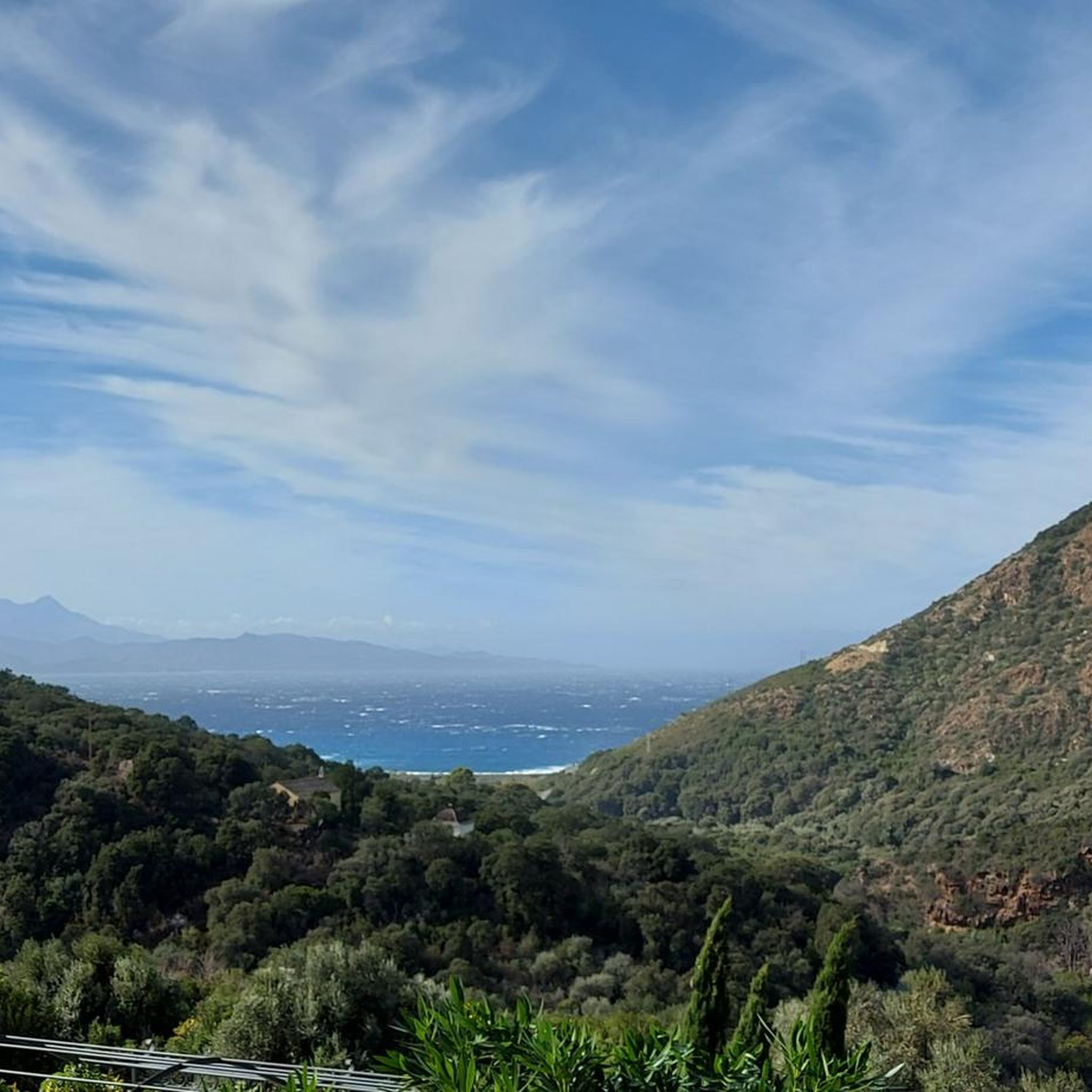
The beach of Nonza is an absolute highlight due to its special coloring. It can be reached via a steep descent. Alternatively, it is possible to climb to the watchtower in Nonza and enjoy a fantastic view of the beach.
0
0

Superb little village of Nonza with its view of the sea, the large black sand beach and the houses with colorful facades. Stop at the Café de la Tour for lunch, the terrace, the plates and the boss are tip top.
0
0
Frequently Asked Questions
What are the most popular viewpoints around Ogliastro?
Visitors highly recommend the View of Nonza, which offers a remarkable panorama of the large black pebble beach below and the town. Another excellent spot is Monte Stello, the second highest peak in Cap Corse, providing extensive views of the Cap and the Mediterranean Sea. The historic Watchtower from 1760 also offers fantastic views of Nonza Beach.
Are there any historic sites or landmarks to explore in the Ogliastro area?
Yes, the region is rich in history. In Ogliastro Cilento, you can explore ancient *palazzi* like Palazzo De Stefano (15th century) and Palazzo Siniscalchi (17th century), along with historic churches such as Santa Croce Church (16th century). Near Ogliastro Marina, the Watchtower from 1760 stands as a testament to the area's past. You can also find the Old arch bridge in the Pietracorbara river, a historic structure along a scenic hiking trail.
What natural features can I discover around Ogliastro?
Ogliastro Marina boasts a wide bay with fine sand and clear waters, featuring unique 'Flysch of Cilento' rock formations along the coast. The Ripe Rosse nature reserve offers a path leading to Punta Licosa, an island with a lighthouse. The area is also known for its extensive Posidonia Oceanica seagrass meadows and serves as a nesting site for Caretta caretta sea turtles. Ogliastro Cilento is nestled within the Cilento, Vallo di Diano and Alburni National Park, characterized by olive groves and fig trees.
Are there family-friendly activities or attractions in Ogliastro?
Ogliastro Marina's beaches are ideal for families due to their gently sloping seabed and clear waters. The nearby pine forest provides shaded walking paths and relaxation areas. While specific family-friendly highlights are not listed, the natural beauty and easy access to beaches make it suitable for families. The View of Nonza Beach offers a unique sight, though accessing the beach itself involves a staircase with over 1000 steps.
What outdoor activities can I do near these attractions?
The Ogliastro area is excellent for various outdoor activities. You can enjoy walking, trekking on panoramic trails, and cycling. Boat excursions towards Punta Licosa are also available from Ogliastro Marina. For cycling enthusiasts, there are numerous routes for road cycling, gravel biking, and general cycling, with routes like 'The golf of Alisu - loop from Luri' or 'Serra Pass – View of Nonza loop from Farinole'.
Are there hiking trails near Ogliastro's attractions?
Yes, the area offers several hiking opportunities. The Old arch bridge in the Pietracorbara river is located along a very nice hiking trail. The Antica Oliarola Path along the coast near Ogliastro Marina is a scenic trail perfect for walks. For more challenging hikes, the ascent to Monte Stello is well-marked and offers rewarding views from the summit.
What is the best time of year to visit Ogliastro?
While specific seasonal recommendations are not provided, the region's coastal attractions and outdoor activities suggest that spring and autumn would offer pleasant temperatures for exploration. Summer would be ideal for enjoying the beaches and boat excursions, though it might be busier. The diverse landscape, from beaches to mountain peaks, means there's something to enjoy across different seasons.
What do visitors enjoy most about the attractions around Ogliastro?
Visitors particularly appreciate the stunning panoramic views, especially from spots like the View of Nonza and Monte Stello. The tranquility of the natural settings, the historical charm of the old villages, and the opportunity for scenic walks along trails like the one near the Old arch bridge in the Pietracorbara river are also highly valued.
Can I find beaches with unique characteristics in Ogliastro?
Absolutely. Ogliastro Marina features a wide bay of fine sand and clear waters. A particularly unique beach is the one below Nonza, known for its small, gray-colored stones. These stones get their color from serpentinite, a mineral from a now-closed asbestos factory, making for a distinctive landscape. Access to this beach from Nonza village is via a stone staircase with over 1000 steps.
Are there any notable churches or religious sites in the area?
In Ogliastro Cilento, you can visit the 16th-century Santa Croce Church, which still preserves five altars from prominent local families, and the 18th-century San Giovanni Battista Church. The San Nazario Church is located in the Postiglione hamlet, and the ruins of the Convent of San Leonardo offer beautiful views and a local legend. In Ogliastro Marina, the Church of Santa Maria delle Grazie is a significant religious site.
What kind of cycling routes are available around Ogliastro?
The area around Ogliastro offers a variety of cycling experiences. You can find dedicated guides for road cycling, gravel biking, and general cycling. Routes range in difficulty, from moderate loops like 'The golf of Alisu - loop from Luri' to more challenging ones such as 'Tour d'Albo – View of Nonza Beach loop from Ogliastro'.

Get inspired with the komoot mobile app


Explore more
Still not found the Highlight you’re looking for? See guides of the top attractions in other regions:
