Attractions and Places To See around Olmeta-Di-Tuda - Top 20
Best attractions and places to see around Olmeta-Di-Tuda include a blend of historical sites, cultural experiences, and natural beauty. This picturesque village, nestled in Haute-Corse, Corsica, is situated between the sea and mountains. It serves as a base for exploring the wider Nebbiu region, offering panoramic views and access to various natural features like the Aliso River and Lake Padula. The area provides opportunities for exploring historical landmarks, cultural sites, and diverse natural landscapes.
Best attractions and places to see…
Last updated: August 2, 2026
Saint John the Baptist Church, Bastia
Highlight • Religious Site
Translated by Google •
Tip by

Saint-Florent Frog Fountain
Highlight • Viewpoint
Translated by Google •
Tip by

Sign up now to discover places like this
Get recommendations on the best single tracks, peaks, & plenty of other exciting outdoor places.
Sign up for free
Coastal Path
Highlight (Segment) • Trail
Translated by Google •
Tip by
Citadel of Saint-Florent
Highlight • Castle
Translated by Google •
Tip by

Napoleon Street, Bastia
Highlight (Segment) • Settlement
Translated by Google •
Tip by
Sign up for free to discover even more attractions around Olmeta-Di-Tuda.
Sign up for free
Already have an account?
Start today with a free account
Your next adventure awaits.
Login or Signup
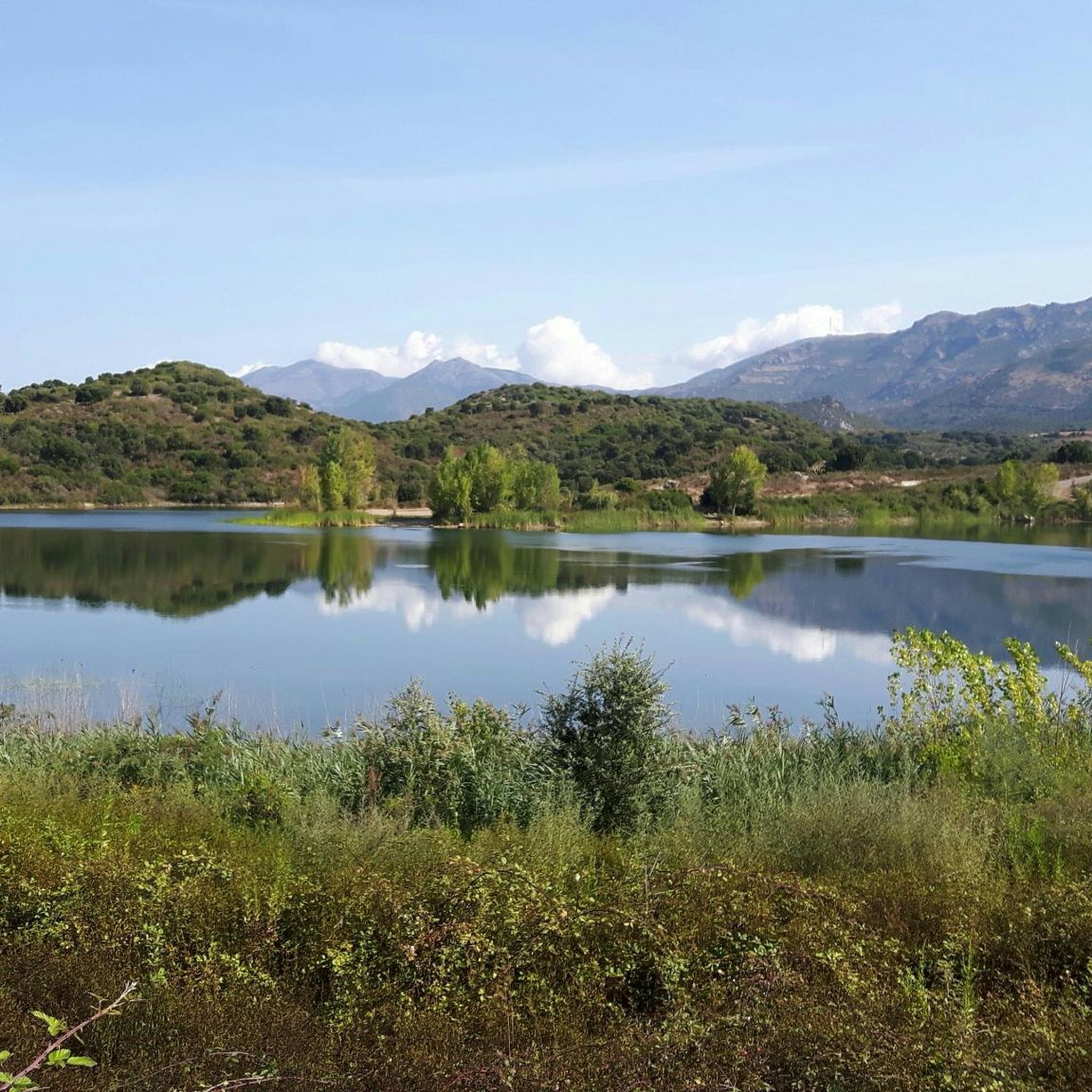
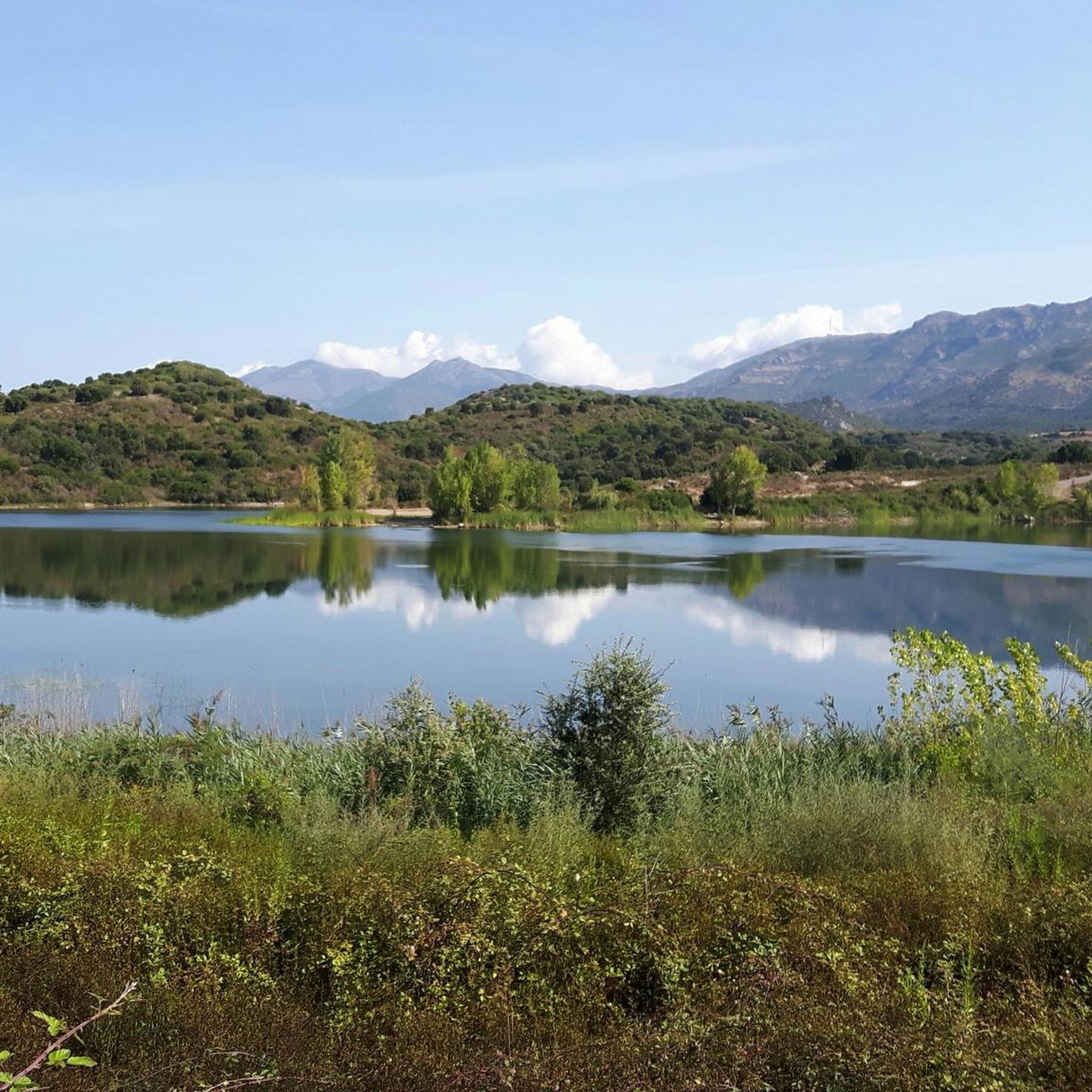
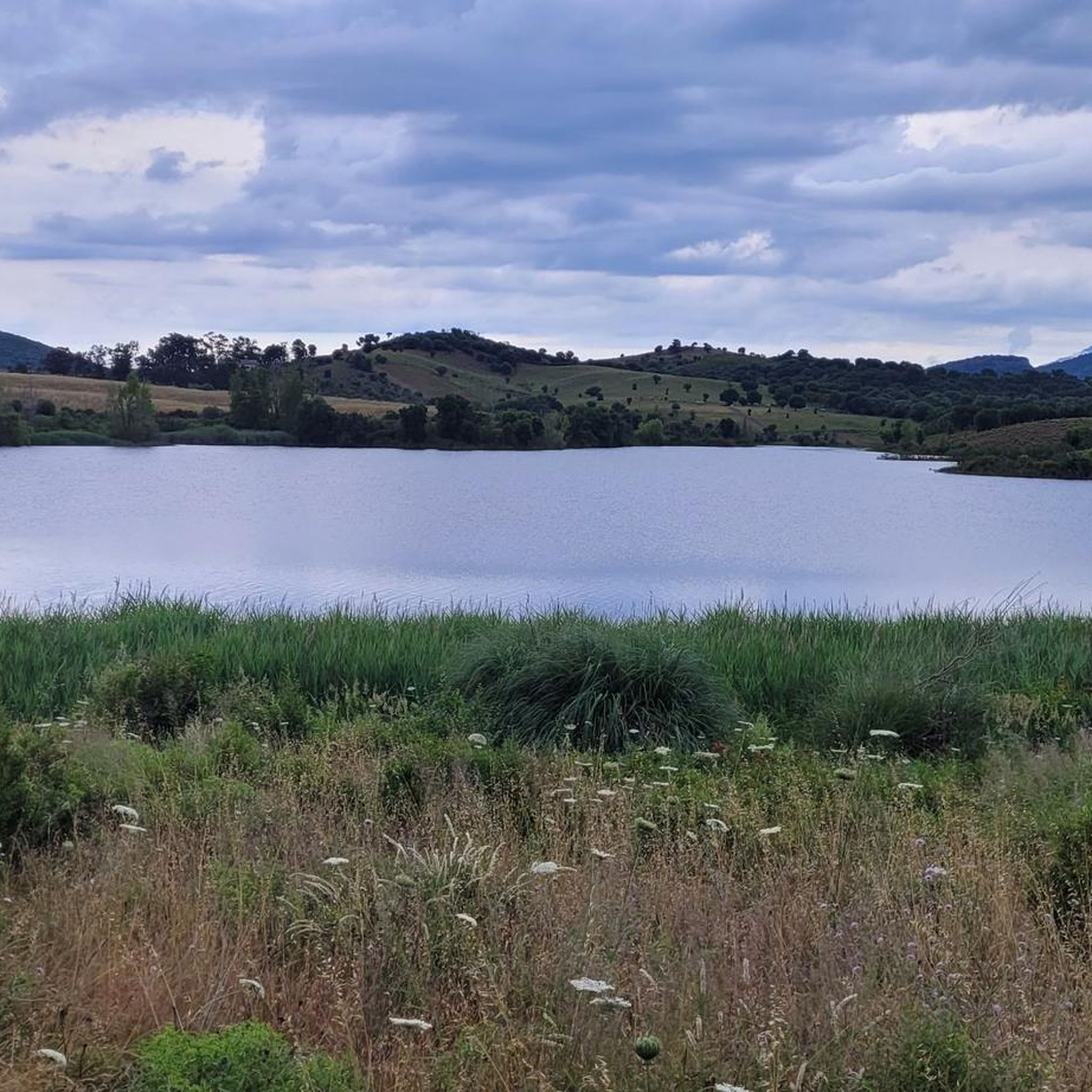
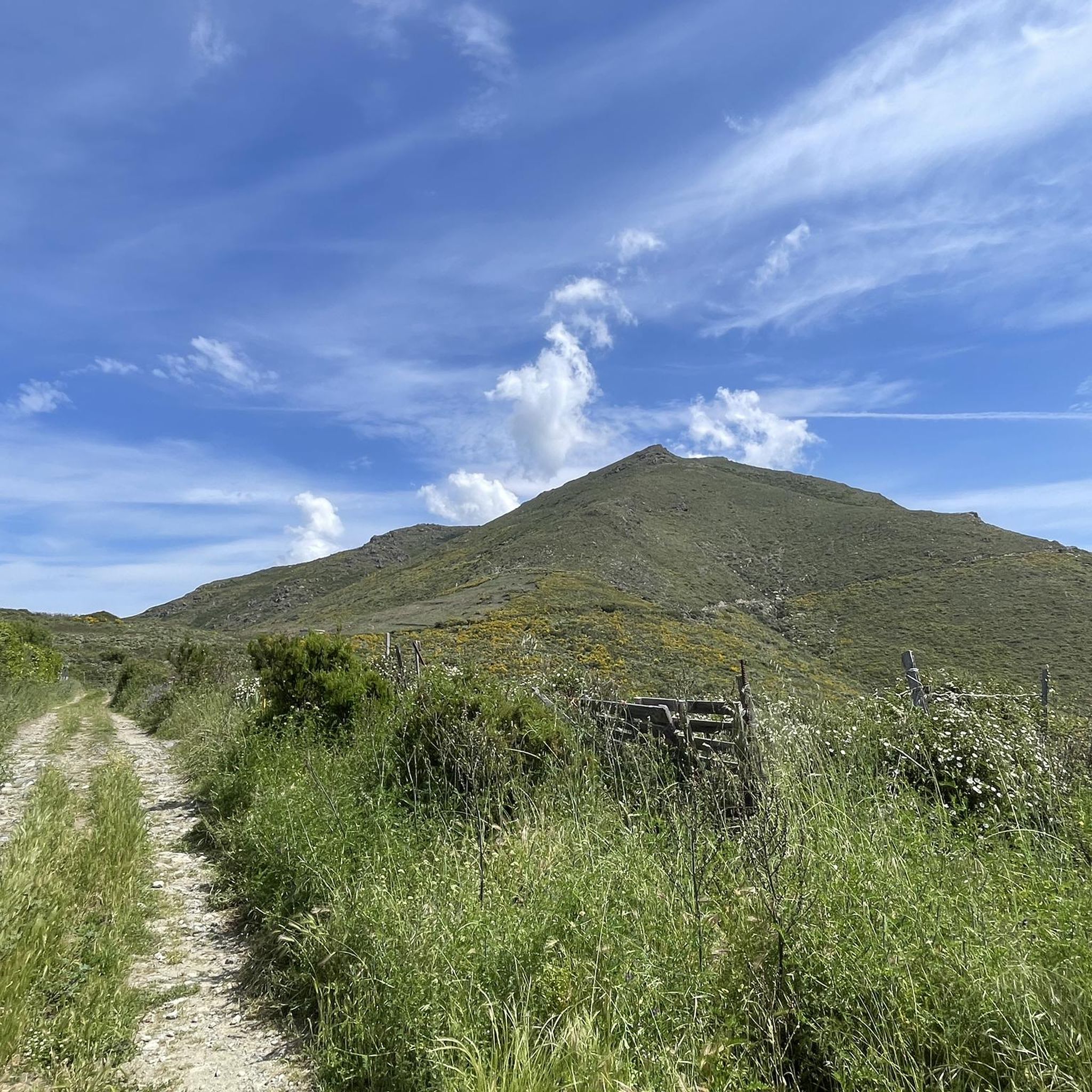

Tips from the Community

The Citadel of Saint-Florent is an impressive, historic fortress overlooking the city's picturesque harbor. Built in the 15th century (from 1440/39) by the Genoese under Giano Campofregoso, it was expanded in the 16th and 17th centuries with two round towers and a striking square tower structure. Architecture: The cylindrical main structure with two crescent-shaped towers and a square keep is striking – a masterpiece of military architecture. Strategic Location: It maintained a view and control over the Gulf of Saint-Florent and protected important trade routes, as well as Bastia in the background. Historical Significance: It played a central role in several sieges (1553–54), and was the site of Pascal Paoli's exile in 1795. It was later converted into a garrison and gendarmerie base. Damaged during World War II Today: Municipal property since 1986, protected as a historic monument since 1991/94; serves as a cultural space with summer exhibitions and music festivals, with magnificent panoramic views. In brief: The Citadel of Saint-Florent is a massive, circular Genoese fortress with three towers, strategically located above the town. It reflects centuries of turbulent Corsican history and today offers cultural uses as well as spectacular views of the harbor and gulf.
1
0
Bastia's Rue Napoléon is a charming, completely car-free pedestrian zone that opened in 2013 and stretches between Place Saint‑Nicolas and the Vieux Port. It impresses with: 🤝 Historic ambience: Paved with pale Brando stone, lined with pastel-colored houses with Genoese facades and stucco above the doorways. 🛍️ Lively shopping street: Numerous boutiques of local designers, souvenir shops, ice cream parlors, and cafés create a lively atmosphere. ⛪ Religious gems: Two magnificent oratories – the Oratoire Saint-Roch (1604) and the Immaculée-Conception (1609) with Baroque interiors – are located directly on the street. 🚶 Central connection: It serves as a stylish link from the lively Place St-Nicolas with its Napoleon statue down to the old harbor, ideal for a relaxed stroll. In short: Rue Napoléon is Bastia's most elegant promenade – car-free, culturally rich, and full of Mediterranean flair. Perfect for shopping, culture and relaxed enjoyment.
1
0

Beautiful view over the bay of St. Florent
0
0

The church is the largest church in Corsica. It was built between 1636 and 1666.
0
0

Saint-Florent is also known as "the Corsican Saint-Tropez" because of its Mediterranean flair. In the 1970s, Saint-Florent was a place for the jet set. The town is located high in the northwest of the island of Corsica on the Gulf of the same name between the almost uninhabited Désert des Agriates and Cap Corse.
2
0
Saint-Florent dates back to a small settlement that once arose in the protection area of the Genoese round fortress. The citadel was built by the Genoese in 1440 and served as the seat of the Bishop of Nebbio and the governor's palace until the 18th century. The small Pianese church from the 12th century, Santa Maria Assunta, was built as a cathedral for the then diocese of Nebbio.
2
0
Although malaria raged devastatingly, the town was fiercely fought over by the French, Genoese and Corsicans in the 16th century. However, little remains of the fortress built in 1439, apart from the round keep. The fortress itself was demolished in the 17th century when Genoa's rule seemed secure and Saint-Florent no longer had any strategic importance. The town experienced a new growth spurt after Napoleon III ordered the draining of the swamps, thus eradicating the cause of malaria.
2
0
Although malaria raged devastatingly, the town was fiercely fought over by the French, Genoese and Corsicans in the 16th century. However, little remains of the fortress built in 1439, apart from the round keep. The fortress itself was demolished in the 17th century when Genoa's rule seemed secure and Saint-Florent no longer had any strategic importance. The town experienced a new growth spurt after Napoleon III ordered the draining of the swamps, thus eradicating the cause of malaria.
1
0
Frequently Asked Questions
What historical sites can I explore in and around Olmeta-Di-Tuda?
Olmeta-Di-Tuda and its surroundings are rich in history. Within the village, you can visit the historic Château de Tuda, a 16th-century castle classified as a Monument Historique, and the 17th-century Church of the Assumption, which houses significant 17th-century paintings including one by Caravaggio. Nearby, the 15th-century Citadel of Saint-Florent offers a glimpse into Genoese history, and the Eglise de San Michele in Murato is just 3 km away. Bastia, a short drive, features its own Citadel, the Saint John the Baptist Church (the largest in Corsica), and the Palace of Governors.
Are there any natural attractions or scenic viewpoints near Olmeta-Di-Tuda?
Yes, Olmeta-Di-Tuda offers beautiful natural features and panoramic views. From the old village, perched at about 300 meters, you can enjoy magnificent vistas of the Gulf and the Conca d'Oru plain. The western part of the area is touched by the Aliso River, and Lake Padula is located just 2.5 km to the east. For coastal views, the Bastia Seafront Promenade provides scenic strolls along the coastline.
What kind of outdoor activities can I do around Olmeta-Di-Tuda?
The region around Olmeta-Di-Tuda is ideal for various outdoor activities. You can explore numerous hiking trails, including the Sentier Ornithologique d'Olmeta-di-Tuda, a 9.8 km loop perfect for birdwatching. The village is actively restoring traditional hiking paths. Additionally, the area promotes activities like horseback riding, mountain biking, hunting, and fishing. For cycling enthusiasts, there are several routes available, including those for touring bicycles, road cycling, and gravel biking.
Are there family-friendly attractions in the Olmeta-Di-Tuda area?
Absolutely! Many attractions around Olmeta-Di-Tuda are suitable for families. The Saint-Florent Frog Fountain area offers a lively atmosphere with dining options in the town center. In Bastia, Place Saint-Nicolas is a spacious square with cafes and views, perfect for a family stroll. The Bastia Seafront Promenade and the Saint John the Baptist Church are also family-friendly options.
What cultural sites are unique to Olmeta-Di-Tuda?
Olmeta-Di-Tuda boasts several unique cultural sites. The Church of the Assumption, dating back to the 17th century, is a prime example of classical Renaissance architecture and houses valuable 17th-century paintings, including a notable work by Caravaggio. You can also discover an ancient stone washhouse made of slate, reflecting the village's heritage, and the historic Genoese Bridge on the Bevinco.
What are the best day trips from Olmeta-Di-Tuda?
Olmeta-Di-Tuda's strategic location makes it an excellent base for day trips. Saint-Florent, just 9 km away, is a popular seaside resort known for its 15th-century Citadel and beautiful beaches like Plage de la Roya. Bastia, approximately 13 km distant, offers a vibrant harbor, the Citadel, and several significant churches and museums. You could also visit Nonza, about 19 km away, famous for its clifftop tower in Cap Corse.
What do visitors enjoy most about the attractions around Olmeta-Di-Tuda?
Visitors particularly enjoy the blend of historical charm and natural beauty. The lively atmosphere of places like the Saint-Florent Frog Fountain and the spacious, relaxed environment of Place Saint-Nicolas in Bastia are frequently praised. The historical significance of sites like the Citadel of Saint-Florent and the rich decorations of the Saint John the Baptist Church also receive high acclaim.
Are there any specific hiking trails recommended for birdwatching near Olmeta-Di-Tuda?
Yes, the Sentier Ornithologique d'Olmeta-di-Tuda is a dedicated 9.8 km loop trail specifically designed for birdwatching and nature exploration. This trail allows you to immerse yourself in the local environment and observe the diverse birdlife of the region.
What is the significance of the Château de Tuda?
The Château de Tuda is a significant historical landmark in Olmeta-Di-Tuda, classified as a Monument Historique. Originally two 16th-century houses, they were linked in the 19th century by a distinctive red brick tower. Beyond its architectural value, it served as Marshal de Lattre de Tassigny's headquarters during the liberation of Corsica in 1943, adding to its historical importance.
Can I find places to eat and drink near the attractions?
Yes, you'll find various dining options, especially in the nearby towns. In Saint-Florent, the area around the Frog Fountain and the city center offers great food. Bastia's Place Saint-Nicolas is surrounded by numerous cafes and restaurants, providing a pleasant setting for a meal or a drink.
Is there anything commemorating World War II history in Olmeta-Di-Tuda?
Yes, Olmeta-Di-Tuda has a World War II Monument. The village was a site of clashes during the war involving occupation troops, the Resistance, and Goumiers, and this monument commemorates that significant period in its history.
Are there any accessible attractions for visitors with mobility considerations?
While specific accessibility details for all sites vary, Place Saint-Nicolas in Bastia is noted as being wheelchair accessible, offering a spacious and open environment to enjoy. For other attractions, it's advisable to check individual site information for specific accessibility features.
Most popular routes around Olmeta-Di-Tuda
Most popular attractions around Olmeta-Di-Tuda

Get inspired with the komoot mobile app


Explore more
Still not found the Highlight you’re looking for? See guides of the top attractions in other regions:
