Attractions and Places To See around Vallecalle - Top 20
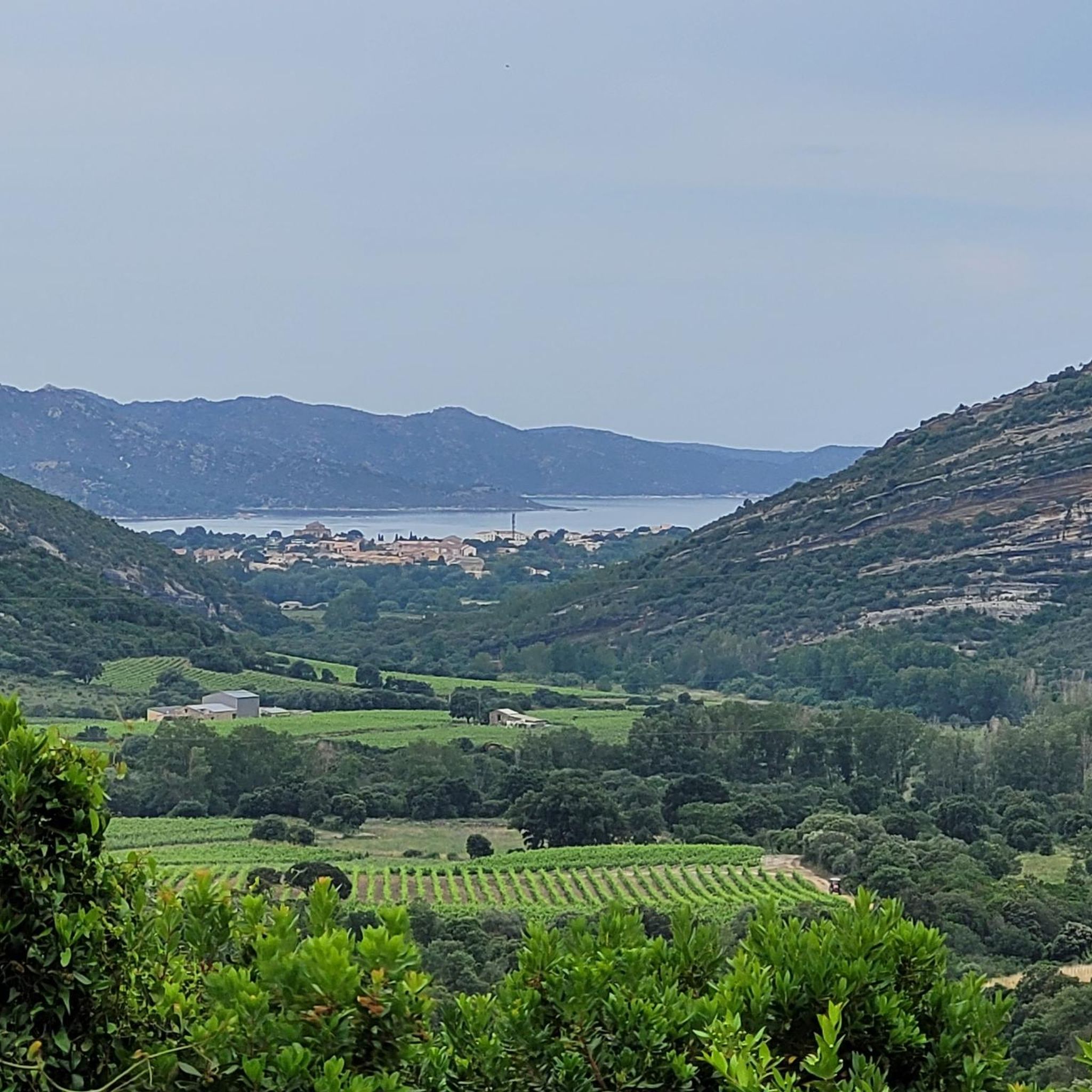
Best attractions and places to see around Vallecalle offers a blend of historical sites and natural beauty on the island of Corsica. The commune provides views over the Golfe de Saint-Florent and serves as a gateway to explore the wider Haute-Corse region. Visitors can discover ancient lavoirs, historic oil mills, and a prehistoric site within the village itself. The area is characterized by its historical landmarks and scenic natural features.
Best attractions and places to see around Vallecalle
- The most…
Last updated: July 29, 2026
Saint-Florent Frog Fountain
Highlight • Viewpoint
Translated by Google •
Tip by

Coastal Path
Highlight (Segment) • Trail
Translated by Google •
Tip by
Sign up now to discover places like this
Get recommendations on the best single tracks, peaks, & plenty of other exciting outdoor places.
Sign up for free
Citadel of Saint-Florent
Highlight • Castle
Translated by Google •
Tip by

Saint-Florent Marina
Highlight • Structure
Translated by Google •
Tip by

Off-road through the Agriates Desert
Highlight (Segment) • Other
Translated by Google •
Tip by

Sign up for free to discover even more attractions around Vallecalle.
Sign up for free
Already have an account?
Start today with a free account
Your next adventure awaits.
Login or Signup

Tips from the Community

pretty here, very pretty
1
0

The Saint-Florent marina (Port de Plaisance or Mare e Stagnu) is one of the largest and most attractive in Corsica: ⚓ Brief description: Location & Capacity: Located directly below the citadel and in the heart of the historic town center. It offers approximately 840 berths (including around 270 for visitor yachts up to 45m in length) with drafts between 1.5m and 6m. Infrastructure & Services: Well-equipped – water and electricity connections (some up to 125A), sanitary facilities with showers/WCs, Wi-Fi, fuel station, washing machine, garbage disposal, and a lifting platform for up to 60t. marinaberths.com Safety & Organization: Year-round operation. Guards, video surveillance, VHF channel 9, daily weather forecasts at reception predictwind.com Atmosphere: Pure Mediterranean flair – boaters experience the vibrant life while strolling along the colorful quays, with their many cafés, restaurants, and evening market atmosphere. Natural feature: Well protected from sea winds, but in strong northwesterly winds, caution is necessary when entering or leaving the port. Conclusion: The Saint-Florent marina is a fully equipped, lively marina center with an excellent location, high levels of comfort, and authentic Corsican charm – perfect for boating enthusiasts seeking central infrastructure with a historic ambiance.
1
0
The Citadel of Saint-Florent is an impressive, historic fortress overlooking the city's picturesque harbor. Built in the 15th century (from 1440/39) by the Genoese under Giano Campofregoso, it was expanded in the 16th and 17th centuries with two round towers and a striking square tower structure. Architecture: The cylindrical main structure with two crescent-shaped towers and a square keep is striking – a masterpiece of military architecture. Strategic Location: It maintained a view and control over the Gulf of Saint-Florent and protected important trade routes, as well as Bastia in the background. Historical Significance: It played a central role in several sieges (1553–54), and was the site of Pascal Paoli's exile in 1795. It was later converted into a garrison and gendarmerie base. Damaged during World War II Today: Municipal property since 1986, protected as a historic monument since 1991/94; serves as a cultural space with summer exhibitions and music festivals, with magnificent panoramic views. In brief: The Citadel of Saint-Florent is a massive, circular Genoese fortress with three towers, strategically located above the town. It reflects centuries of turbulent Corsican history and today offers cultural uses as well as spectacular views of the harbor and gulf.
1
0

Beautiful view over the bay of St. Florent
0
0

Saint-Florent is also known as "the Corsican Saint-Tropez" because of its Mediterranean flair. In the 1970s, Saint-Florent was a place for the jet set. The town is located high in the northwest of the island of Corsica on the Gulf of the same name between the almost uninhabited Désert des Agriates and Cap Corse.
2
0
Saint-Florent dates back to a small settlement that once arose in the protection area of the Genoese round fortress. The citadel was built by the Genoese in 1440 and served as the seat of the Bishop of Nebbio and the governor's palace until the 18th century. The small Pianese church from the 12th century, Santa Maria Assunta, was built as a cathedral for the then diocese of Nebbio.
2
0
Although malaria raged devastatingly, the town was fiercely fought over by the French, Genoese and Corsicans in the 16th century. However, little remains of the fortress built in 1439, apart from the round keep. The fortress itself was demolished in the 17th century when Genoa's rule seemed secure and Saint-Florent no longer had any strategic importance. The town experienced a new growth spurt after Napoleon III ordered the draining of the swamps, thus eradicating the cause of malaria.
2
0
Although malaria raged devastatingly, the town was fiercely fought over by the French, Genoese and Corsicans in the 16th century. However, little remains of the fortress built in 1439, apart from the round keep. The fortress itself was demolished in the 17th century when Genoa's rule seemed secure and Saint-Florent no longer had any strategic importance. The town experienced a new growth spurt after Napoleon III ordered the draining of the swamps, thus eradicating the cause of malaria.
1
0
Frequently Asked Questions
What historical and cultural sites can I explore near Vallecalle?
Vallecalle and its surroundings are rich in history. You can visit the Eglise paroissiale Saint-Paul, which offers panoramic views of the Nebbiu plain and the Golfe de Saint-Florent. Within Vallecalle itself, explore ancient lavoirs, historic oil mills, and a prehistoric site. Just 1km away, the Eglise de San Michele in Murato is a notable religious landmark. Further afield, the Citadel of Saint-Florent, a Genoese fortification from 1440, provides a deep dive into the region's past.
Where can I find the best viewpoints and natural features around Vallecalle?
Vallecalle offers stunning natural vistas. The village itself provides unique views over the Golfe de Saint-Florent. For expansive panoramas, head to Teghime Pass, where you can see both the Tyrrhenian and Ligurian Seas. Another excellent spot is the summit of Monte Magna, accessible via a circuit near Poggio d'Oletta, offering 360-degree views of villages, the Nebbiu plain, and the Tenda massif. The Saint-Florent Frog Fountain area also provides a lively viewpoint in the heart of Saint-Florent.
Are there any family-friendly attractions in the Vallecalle area?
Yes, the area offers options for families. The vibrant old town of Saint-Florent, with its port and the Saint-Florent Frog Fountain, is a pleasant place for families to stroll and enjoy the atmosphere. Exploring the ancient lavoirs and old houses within Vallecalle can also be an interesting historical walk for all ages. The nearby town of Saint-Florent is known for its Mediterranean flair and lively center.
What kind of outdoor activities and routes are available near Vallecalle?
The region around Vallecalle is excellent for outdoor enthusiasts. You can find numerous hiking opportunities, including a loop through the Costa Nuda plateau and the Col de San Giovanni. For cycling, consider routes like the 'Oletta – Lake Padula loop' or the 'Désert des Agriates – Most beautiful descent loop'. Running trails include the 'Lake Padula loop' and the 'Santo Stefano Pass loop'. Gravel biking is also popular, with routes such as the 'Saint-Florent Marina – Saint-Florent loop'. You can find more details on these activities in the cycling, running, and gravel biking guides around Vallecalle.
Can I explore the Agriates Desert from Vallecalle?
Yes, the Agriates Desert (Désert des Agriates) is approximately 24km from Vallecalle and offers unique landscapes for off-road exploration. There are specific routes like 'Off-road through the Agriates Desert' that allow you to experience this natural site. It's recommended to start early due to heat and potential increase in quad and motorbike traffic in the afternoon.
What do visitors enjoy most about the attractions around Vallecalle?
Visitors particularly appreciate the panoramic views from spots like Teghime Pass, which offers a reward after a climb and historical significance. The lively atmosphere of the old town and port of Saint-Florent, especially around the Saint-Florent Frog Fountain, is also highly rated. The historical depth of sites like the Citadel of Saint-Florent and the overall blend of natural beauty and cultural experiences are frequently highlighted.
Are there any lesser-known or 'hidden gems' to discover near Vallecalle?
Beyond the main attractions, consider exploring the village of Murato, just 1km from Vallecalle, which offers a tourist circuit called 'Histoire de pierres et d'eau' (History of stones and water). This circuit winds through old houses, chapels, fountains, and traditional structures, providing a charming glimpse into local heritage. The prehistoric site within Vallecalle itself also offers a deeper historical context that might be less frequented.
What is Cap Corse and how far is it from Vallecalle?
Cap Corse is a prominent natural feature of Corsica, known for its dramatic coastline and scenic drives. It is located approximately 27km from Vallecalle, making it an accessible day trip for those looking to explore more of the island's unique geography and picturesque routes.
Can I find cafes or places to eat near the attractions?
Yes, especially in the more populated areas. The town of Saint-Florent, for example, is known for its lively city center and port, where you can find many restaurants and cafes. Visitors have noted that there is 'great food in the city center' of Saint-Florent, making it a good spot for a break after exploring nearby attractions like the Citadel or Frog Fountain.
What is the significance of the Teghime Pass?
The Teghime Pass is significant both for its breathtaking views and its historical importance. From here, you can simultaneously see the Tyrrhenian and Ligurian Seas. Historically, it played a crucial role in World War II, as Corsican partisans conquered this SS position in 1943, leading to the liberation of Corsica. A memorial stands there commemorating this struggle.
Are there any traditional villages of artists and musicians nearby?
While a bit further afield (36 km), the village of Pigna in the Balagne region is recognized as a quaint traditional village of artists and musicians. It offers a rich cultural experience with its artisan workshops and musical heritage, making it a worthwhile visit for those interested in local arts.
Most popular attractions around Vallecalle

Get inspired with the komoot mobile app


Explore more
Still not found the Highlight you’re looking for? See guides of the top attractions in other regions:
