Attractions and Places To See around Santo-Pietro-Di-Tenda - Top 20
Best attractions and places to see around Santo-Pietro-Di-Tenda include a diverse range of natural landscapes and historical sites in Haute-Corse, Corsica. The area is characterized by the rugged beauty of the Tenda massif, extending to a wild coastline. Visitors can explore the vast Agriate Desert, known for its unique flora and extensive scrubland, alongside numerous sandy beaches. The region also features significant historical landmarks, including ancient megalithic dwellings and 18th-century churches.
Best attractions and places to see around Santo-Pietro-Di-Tenda
- The…
Last updated: August 3, 2026
Ostriconi Beach
Highlight (Segment) • Beach
Translated by Google •
Tip by

Lotu Beach
Highlight • Beach
Translated by Google •
Tip by

Sign up now to discover places like this
Get recommendations on the best single tracks, peaks, & plenty of other exciting outdoor places.
Sign up for free
Saint-Florent Frog Fountain
Highlight • Viewpoint
Translated by Google •
Tip by

Mortella Point
Highlight • Other
Translated by Google •
Tip by

Coastal Path
Highlight (Segment) • Trail
Translated by Google •
Tip by
Sign up for free to discover even more attractions around Santo-Pietro-Di-Tenda.
Sign up for free
Already have an account?
Start today with a free account
Your next adventure awaits.
Login or Signup

Tips from the Community

beautiful hike along the Agriates coast: https://youtu.be/dGzKIOgv1pM?si=Ftj91VrXxUzaRcP-
0
0

Saint-Florent is also known as "the Corsican Saint-Tropez" because of its Mediterranean flair. In the 1970s, Saint-Florent was a place for the jet set. The town is located high in the northwest of the island of Corsica on the Gulf of the same name between the almost uninhabited Désert des Agriates and Cap Corse.
2
0
Saint-Florent dates back to a small settlement that once arose in the protection area of the Genoese round fortress. The citadel was built by the Genoese in 1440 and served as the seat of the Bishop of Nebbio and the governor's palace until the 18th century. The small Pianese church from the 12th century, Santa Maria Assunta, was built as a cathedral for the then diocese of Nebbio.
2
0
Although malaria raged devastatingly, the town was fiercely fought over by the French, Genoese and Corsicans in the 16th century. However, little remains of the fortress built in 1439, apart from the round keep. The fortress itself was demolished in the 17th century when Genoa's rule seemed secure and Saint-Florent no longer had any strategic importance. The town experienced a new growth spurt after Napoleon III ordered the draining of the swamps, thus eradicating the cause of malaria.
2
0
Saint-Florent (Corsican: San Fiurenzu; Italian: San Fiorenzo) is a French commune and the capital of the Nebbio region on the Mediterranean island of Corsica with 1,689 inhabitants.
2
0

I can definitely recommend the sentier du littoral but even if it seems easy to ride at the beginning, the last third is almost entirely a carrying section and cycling is not prohibited here for no reason.
0
0

Great beach, for snorkeling and fish watching it is best to go to the rocks at the end of the beach
0
0

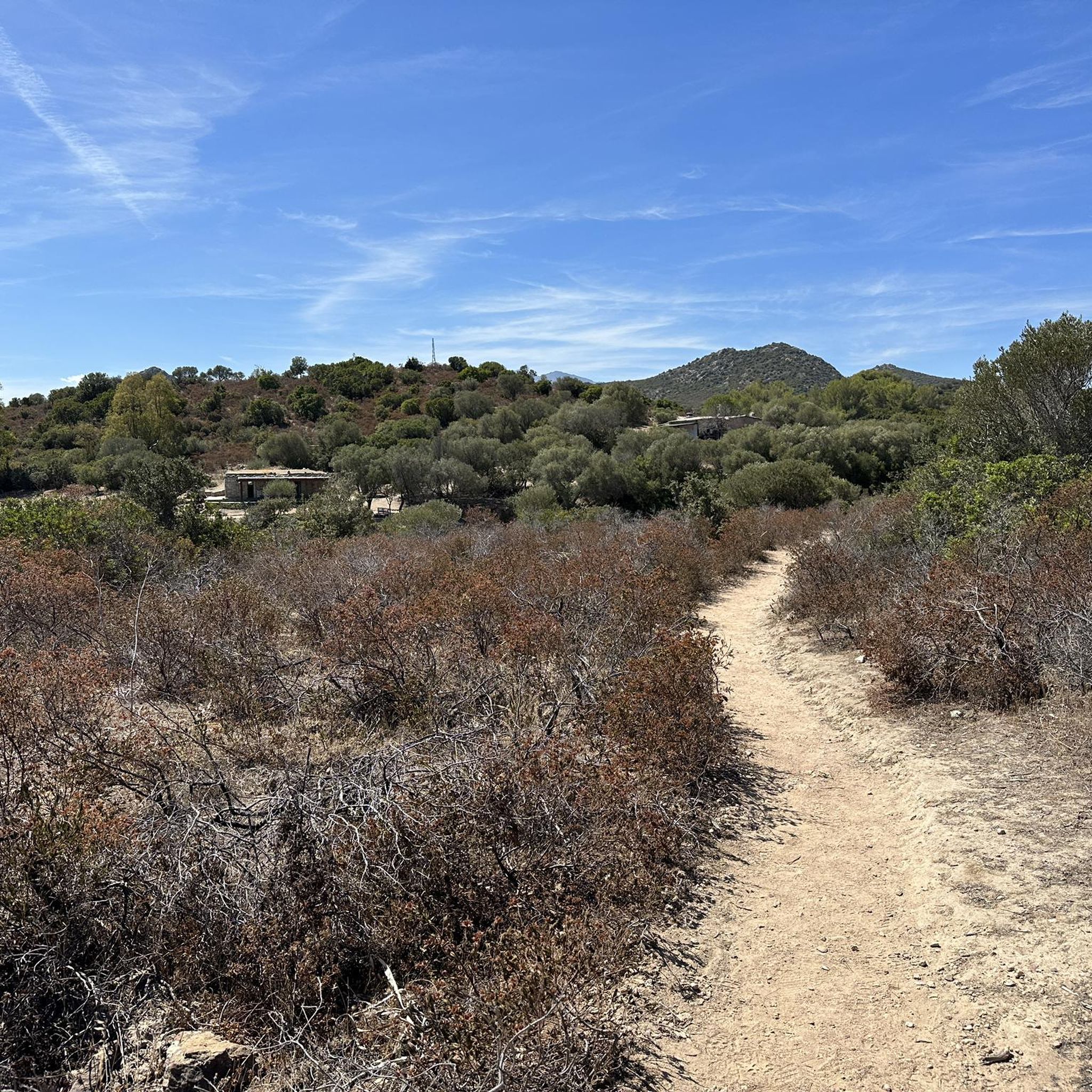
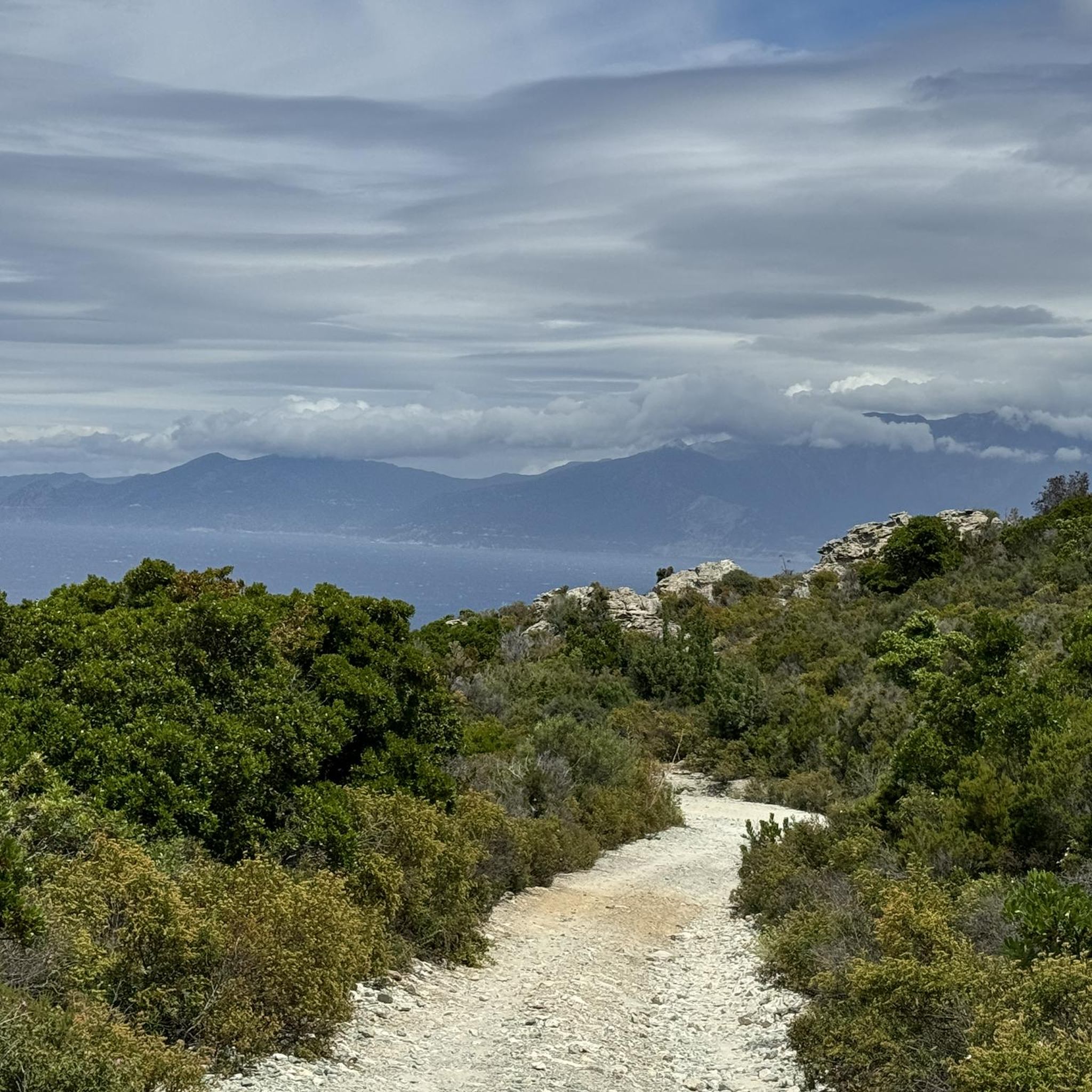
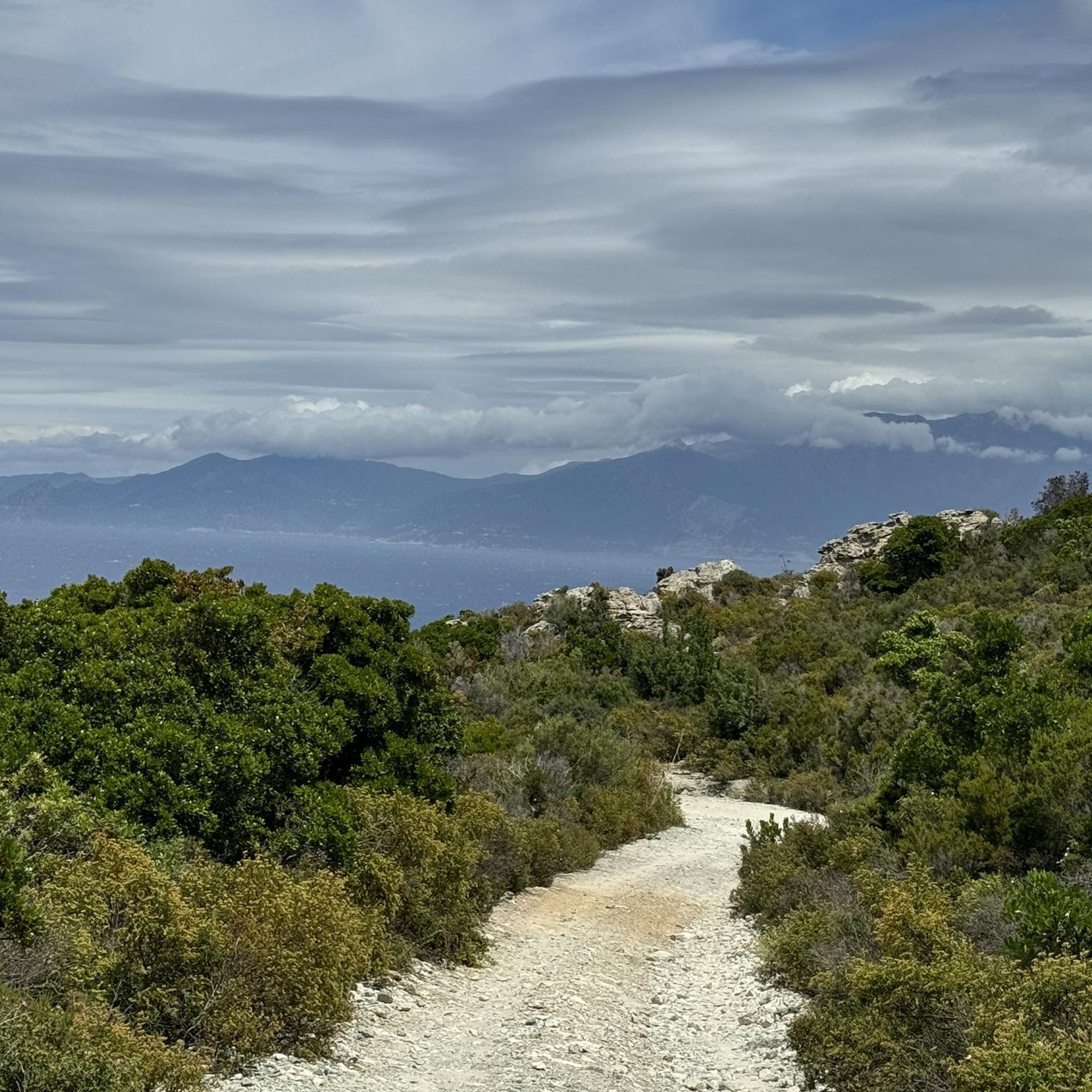
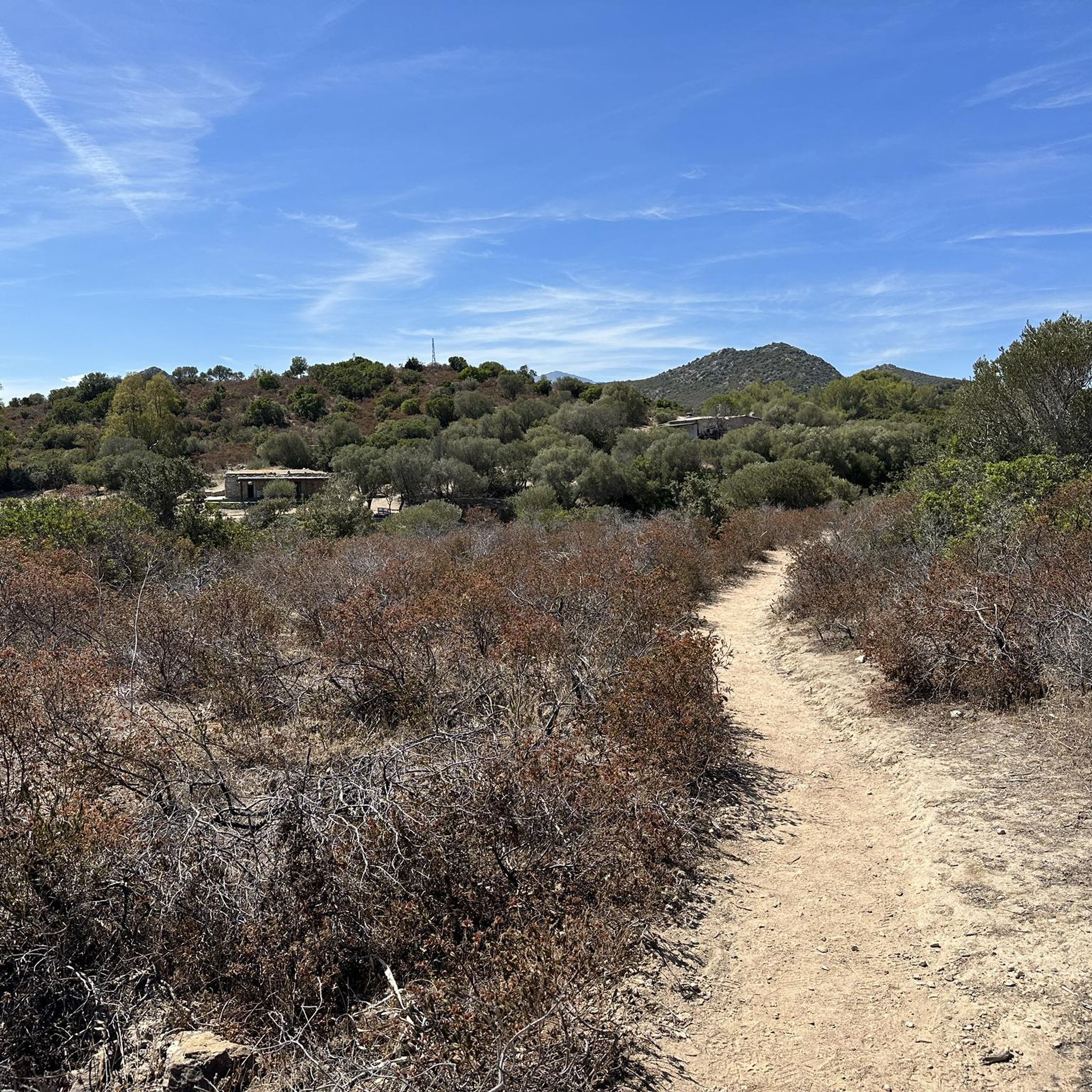
Beautiful coastal hike. Be sure to take your swimming costume with you - there are many beautiful bays.
0
0
Frequently Asked Questions
What natural attractions can I explore in the Santo-Pietro-Di-Tenda region?
The region is rich in natural beauty. You can discover the vast Agriate Desert, known for its unique flora and extensive scrubland. The area also features the Tenda Massif and Monte Genova, the highest point in the Agriate Desert, offering panoramic views. The coastline boasts several stunning beaches.
Which beaches are recommended for visitors near Santo-Pietro-Di-Tenda?
Several magnificent sandy beaches with crystal-clear waters are nearby. Highly recommended are Ostriconi Beach, known for its bright sand and a stream meandering into the sea, and Lotu Beach, a picturesque spot with clear waters. Other beautiful options include Plage de Saleccia, Malfalcu Beach, and Ghignu Beach, all within the Agriate Desert.
What historical and cultural sites can I visit in Santo-Pietro-Di-Tenda?
The area offers a glimpse into its rich past. You can visit the imposing 18th-century Church of Saint-Jean-l'Évangéliste, which houses a 17th-century painting, and the adjoining 16th-century Sainte-Croix Oratory. Other sites include the 13th-century Convent Saint-Joseph, prehistoric megalithic dwellings near Casta on Monte Revincu, and the ruins of the castle overlooking the village. Don't miss Mortella Point with its historic tower remains.
Are there family-friendly activities around Santo-Pietro-Di-Tenda?
Yes, the region offers activities suitable for families. Exploring the beautiful beaches like Ostriconi Beach or Lotu Beach is a great option. The nearby town of Saint-Florent, with its lively old town and the Saint-Florent Frog Fountain, provides a pleasant atmosphere for all ages. Gentle walks along the coast or exploring the historic sites can also be enjoyable for families.
What outdoor activities can I do near these attractions?
The diverse landscape is perfect for various outdoor activities. You can find numerous hiking trails to explore the Agriate Desert and coastal paths. Cycling is also popular, with routes like the 'View of Le Nebbio – Saint-Florent loop'. For runners, there are trails such as the 'Lotu and Saleccia Coastal Loop'. You can find more details on cycling routes in the Cycling around Santo-Pietro-Di-Tenda guide, running trails in the Running Trails around Santo-Pietro-Di-Tenda guide, and mountain hikes in the Mountain Hikes around Santo-Pietro-Di-Tenda guide.
Are there hiking trails near Santo-Pietro-Di-Tenda?
Absolutely. The region is excellent for hiking, with trails ranging from easy coastal walks to more challenging mountain hikes. You can explore the Agriate Desert on foot, or take scenic paths along the coast, such as the one leading to Mortella Point. For detailed routes, refer to the Mountain Hikes around Santo-Pietro-Di-Tenda guide.
What are some notable viewpoints in the area?
For stunning vistas, consider visiting Mortella Point, which offers a great view of Saint-Florent and Cap Corse. Monte Genova, the highest point in the Agriate Desert, also provides panoramic views of the surrounding landscapes. In Saint-Florent, the Saint-Florent Frog Fountain area offers a charming viewpoint within the lively old town.
What is the best time to visit Santo-Pietro-Di-Tenda for outdoor activities?
The spring and autumn months generally offer the most pleasant weather for outdoor activities like hiking and cycling, with milder temperatures. Summer is ideal for enjoying the beaches and wild swimming, though it can be quite warm for strenuous hikes. Always check local weather conditions before planning your activities.
What nearby towns are worth visiting from Santo-Pietro-Di-Tenda?
Several charming towns are within a short distance. Saint-Florent, a popular seaside resort town with a 15th-century Citadel, is just 9 km away. Bastia, offering a harbor and various attractions, is 19 km away. Nonza, known for its clifftop tower, is also within reach at 21 km.
What do visitors enjoy most about the attractions around Santo-Pietro-Di-Tenda?
Visitors frequently praise the stunning natural beauty, particularly the bright sands and clear waters of beaches like Ostriconi Beach and Lotu Beach. The historical sites, such as the well-preserved Citadel of Saint-Florent and the remains at Mortella Point, also receive high appreciation for their historical significance and scenic views. The overall tranquility and diverse landscapes for outdoor activities are also highly valued.
Are there any hidden gems or unique historical features in the Agriate Desert?
Beyond its stunning natural beauty, the Agriate Desert holds unique historical features. You can find stone shelters known as 'pagliaghji' throughout the area, which reflect the region's agro-pastoral history. These ancient shepherd huts offer a glimpse into the traditional way of life in this rugged landscape.
Most popular routes around Santo-Pietro-Di-Tenda
Most popular attractions around Santo-Pietro-Di-Tenda

Get inspired with the komoot mobile app


Explore more
Still not found the Highlight you’re looking for? See guides of the top attractions in other regions:
