Attractions and Places To See around Tursac - Top 20
Attractions and places to see around Tursac, France, are concentrated in the Vézère Valley, a region known for its prehistoric sites and historical significance. The area features natural rock shelters, ancient settlements, and medieval fortresses carved into cliffs. Tursac is situated in the Dordogne department, offering a landscape shaped by the Vézère River. This region provides insights into human history from the Paleolithic era through the Middle Ages.
Best attractions and places to see around Tursac
- The most popular attractions…
Last updated: July 15, 2026
La Roque Saint-Christophe
Highlight • Historical Site
Translated by Google •
Tip by

Les Eyzies-de-Tayac
Highlight • Historical Site
Translated by Google •
Tip by
Sign up now to discover places like this
Get recommendations on the best single tracks, peaks, & plenty of other exciting outdoor places.
Sign up for free
Saint-Léon-sur-Vézère
Highlight • Other
Translated by Google •
Tip by
Abri de La Madeleine
Highlight • Cave
Translated by Google •
Tip by

Le Bournat Open-Air Museum
Highlight • Historical Site
Translated by Google •
Tip by

Sign up for free to discover even more attractions around Tursac.
Sign up for free
Already have an account?
Start today with a free account
Your next adventure awaits.
Login or Signup

Tips from the Community

Beautiful small village with a good variety of places to eat. Strongly recommend SmooVie Grigotheque and Le Dejeuner sur l’Herbe
0
0

This museum is certainly interesting, unfortunately we didn't have enough time
0
0
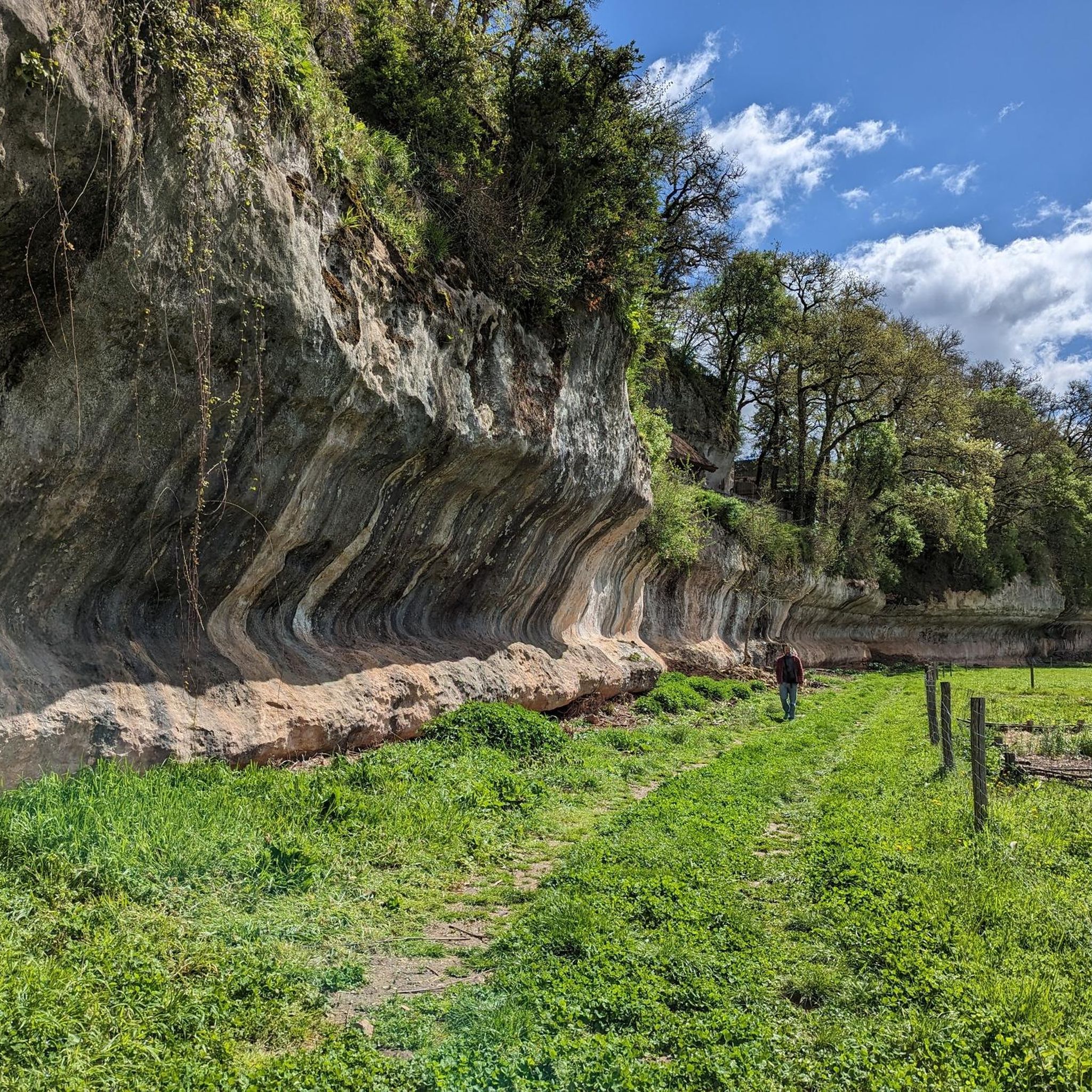
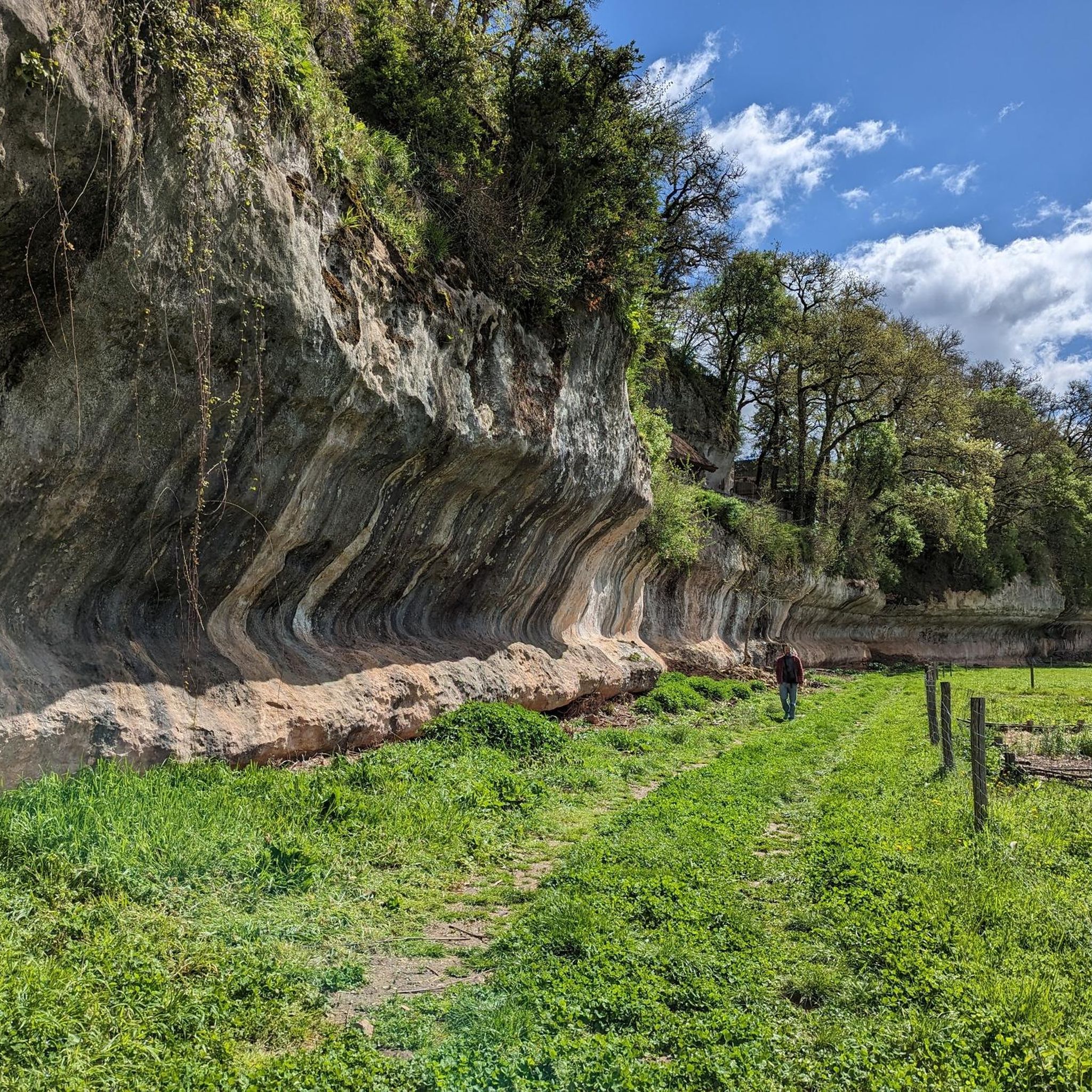
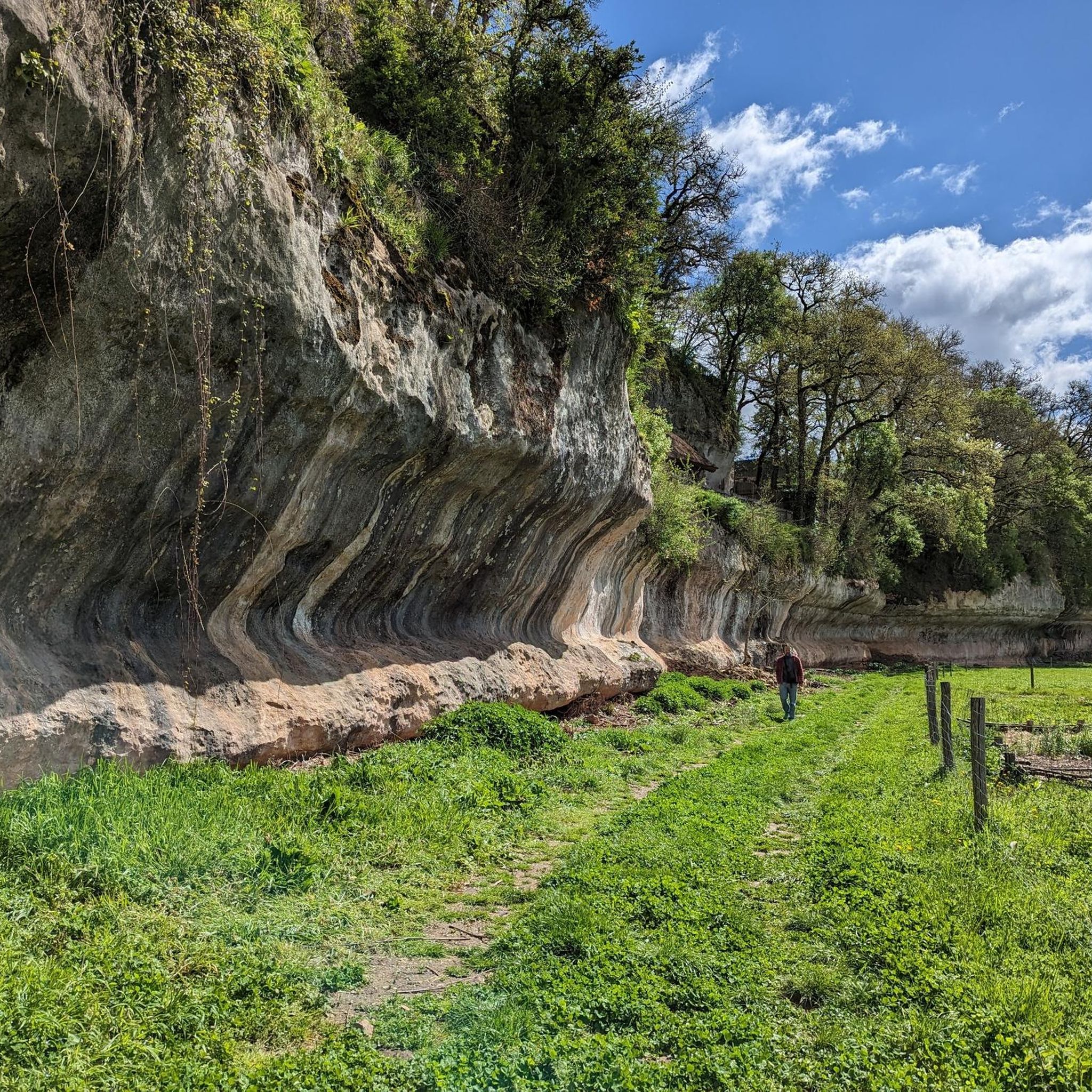
Impressive are the dwellings in the rocks and the houses from the rocks
0
0

Here we have the situation – previously completely unknown to me and therefore surprising – that MADELEINE, a Christian saint (the name is derived from the biblical "Mary Magdalene"), has become the namesake of an era from the proverbial "dim prehistory" (one to one and a half dozen millennia before the beginning of our era). To paraphrase it from Wikipedia, which can explain it better than I can: "The Magdalenian is an archaeological cultural stage in the younger part of the Upper Paleolithic in Central and Western Europe at the end of the last Ice Age. The Magdalenian was named in 1869 by Gabriel de Mortillet after the semi-cave La Madeleine in the Dordogne department. It spanned an approximate period from approximately 18,000 to 12,000 BC."
2
0

One of the most beautiful villages I know...
0
0

beautiful place and particularly worthwhile Romanesque church
0
1
On an area of 8 hectares you can embark on a journey through time to the turn of the century around 1900 in this park - in German-speaking countries we would use the term "open-air museum". In the prospectus it says about the presentation of the system: "Our village transports you to the Périgord of the 20th century, a time when work in the field, traditions, simple pleasures and the precious gestures of artisans made up a whole art of living. Here this life has not stopped and is at any time of the year in full swing.Old rides, forgotten trades, farm animals, villagers and a multitude of objects, machines, machines, toys and tools that have survived the century tell us of the charm of yesteryear.As a nice addition: our park leaves with joy and Fun reliving the daily lives of our ancestors, a promise of memories for the elderly and great discoveries for the youngest!" (Text source: Brochure)
2
0

Welcome to the capital of prehistory! This is the nickname given to this modest village which follows the course of the Vézère. It must be said that the extraordinary sites that you can visit are numerous. In addition to the very richly supplied national museum, I encourage you to go to the Pôle de la préhistoire. Building entirely dedicated to this science and free. Find out about all the prehistoric marvels that can be admired in and around the town. They are not missing. It is not without reason that the Vézère valley has been nicknamed the valley of man.
2
1
Frequently Asked Questions
Are there family-friendly attractions around Tursac?
Yes, for a family-friendly experience, consider visiting Le Bournat Open-Air Museum. This park offers a journey back to the Périgord of the 1900s, with old rides, forgotten trades, farm animals, and displays of daily life, making it engaging for all ages.
What is the best time of year to visit Tursac's attractions?
The Vézère Valley, including Tursac, is generally pleasant to visit from spring through autumn. Spring (April-May) offers mild weather and blooming landscapes, while autumn (September-October) provides comfortable temperatures and beautiful fall colors. Summer (June-August) is popular for outdoor activities, though attractions can be busier.
Are Tursac's attractions open during winter?
While some outdoor sites like La Roque Saint-Christophe might have reduced hours or be partially closed, many indoor attractions and museums in the Vézère Valley, such as those in Les Eyzies-de-Tayac, remain open. It's advisable to check specific opening times for each attraction before your visit during the winter months.
Where can I find easy walking trails near Tursac?
For easy walking, you can explore the trails around Tursac. One option is the 'Tursac Village and Church – Maison fortifiée junction loop from Tursac,' which is rated as easy. You can find more details and other hiking routes in the Hiking around Tursac guide.
Are there scenic drives around Tursac?
Yes, the Vézère Valley itself offers many scenic drives. The road running along the Vézère River, particularly near sites like La Roque Saint-Christophe, is known for its pleasant views of the 'valley of man' and its historical landscapes.
What outdoor activities can I do near these attractions?
The area around Tursac is excellent for outdoor activities. You can find numerous routes for hiking, mountain biking, and gravel biking. For example, there are moderate to difficult MTB trails like the 'Vézère Valley – La Roque Saint-Christophe loop' and various hiking routes. Explore options in the MTB Trails around Tursac or Hiking around Tursac guides.
Are there any hidden gems or less-known historical sites near Tursac?
Beyond the most popular sites, consider visiting Abri de La Madeleine. This significant settlement site, used for thousands of years, is known for its Paleolithic history and the troglodyte village built into the cliffs, offering a deeper dive into the region's ancient past.
What should I wear for hiking in Tursac during summer?
During summer, it's best to wear lightweight, breathable clothing, such as moisture-wicking shirts and shorts or convertible pants. A hat, sunglasses, and sunscreen are essential for sun protection. Always bring plenty of water, and wear sturdy, comfortable hiking shoes suitable for varied terrain, as trails can be uneven.
Are there cafes or restaurants near the main attractions?
Yes, villages like Saint-Léon-sur-Vézère are known for their charming old towns with nice restaurants and craft shops. Les Eyzies-de-Tayac, as a larger cultural center, also offers various dining options to refuel after exploring the prehistoric sites.
How long should I plan to spend at Tursac's attractions?
The time needed varies by attraction. For major sites like La Roque Saint-Christophe or the museums in Les Eyzies-de-Tayac, you might want to allocate 2-3 hours each. Smaller villages or specific rock shelters could take 1-2 hours. If you plan to visit multiple sites, a full day or even several days would allow for a more relaxed exploration of the Vézère Valley.
What makes the Vézère Valley, where Tursac is located, so significant?
The Vézère Valley is often called the 'valley of man' due to its extraordinary concentration of Paleolithic sites. It provides a unique insight into human history from the Stone Age through the Middle Ages, featuring natural rock shelters, ancient settlements, and medieval fortresses carved into cliffs, making it a UNESCO World Heritage site.
Most popular attractions around Tursac

Get inspired with the komoot mobile app


Explore more
Still not found the Highlight you’re looking for? See guides of the top attractions in other regions:
