The best road cycling routes around Chatel-Chéhéry
4.9
(13)
259
riders
69
rides
Road cycling around Chatel-Chéhéry features routes that traverse the varied terrain of the Argonne region. The area is characterized by dense woodlands, rolling hills, and historical sites, providing diverse landscapes for road cyclists. Elevations on routes indicate a generally undulating profile, with some sustained climbs.
Best road cycling routes around Chatel-Chéhéry
- The most popular road cycling route is Sainte-Menehould – Foret d'Argonne loop from Cornay, a 47.2 miles (76.0 km) trail that takes 3 hours 26 minutes to complete,…
Last updated: November 22, 2026
20
riders
74.7km
03:25
810m
810m
Moderate road ride. Good fitness required. Mostly well-paved surfaces and easy to ride.
19
riders
34.5km
01:31
330m
330m
Moderate road ride. Good fitness required. Mostly well-paved surfaces and easy to ride.

8
riders
30.8km
01:21
300m
290m
Easy road ride. Mostly well-paved surfaces and easy to ride.
3
riders
79.6km
03:34
870m
870m
Moderate road ride. Good fitness required. Mostly well-paved surfaces and easy to ride.
5.0
(2)
8
riders
33.8km
01:42
410m
410m
Moderate road ride. Good fitness required. Mostly well-paved surfaces and easy to ride.
Get access to more routes and recommendations from other explorers.
Already have an account?
Our route recommendations are based on thousands of hikes, rides, and runs completed by other people on komoot.
Start today with a free account
Your next adventure awaits.
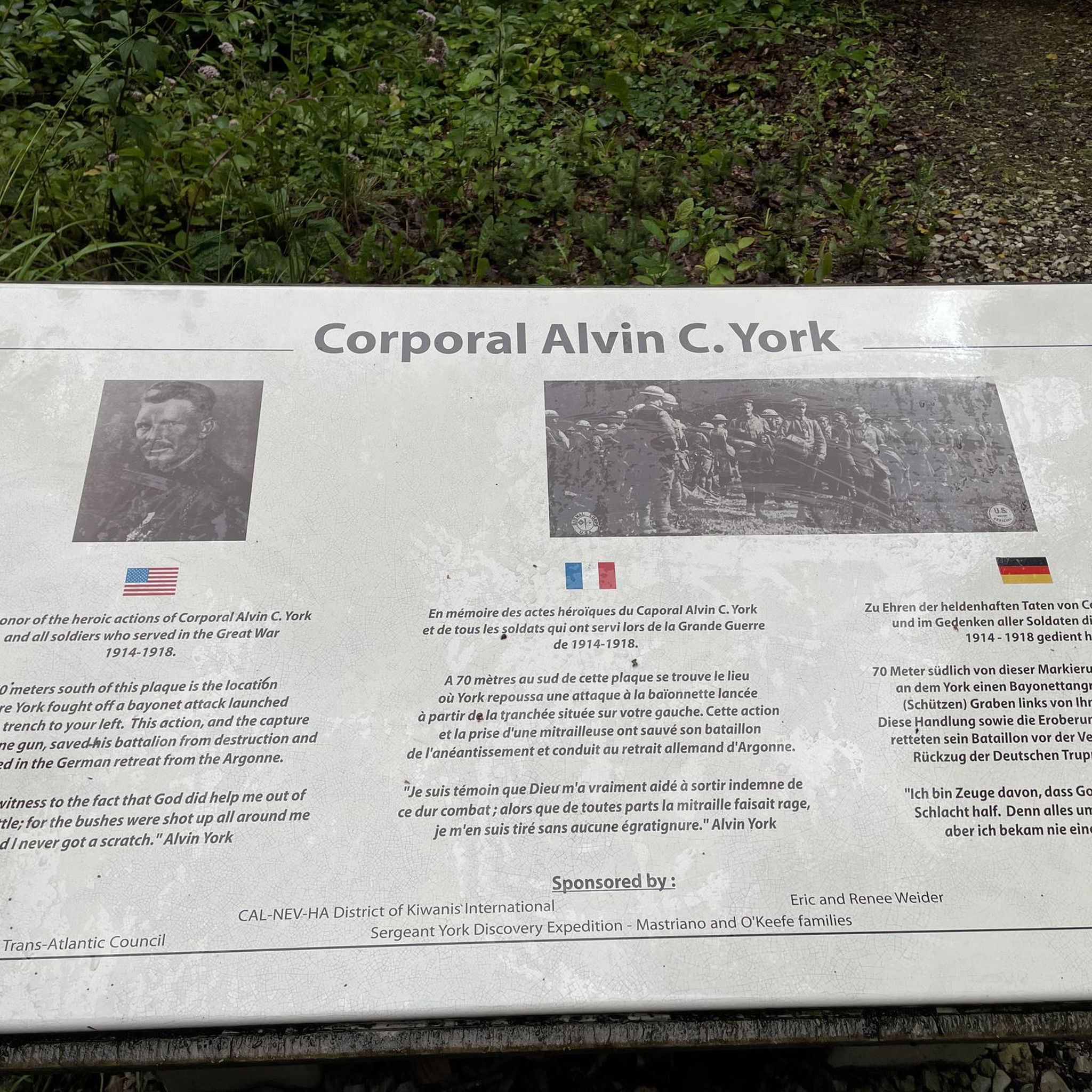
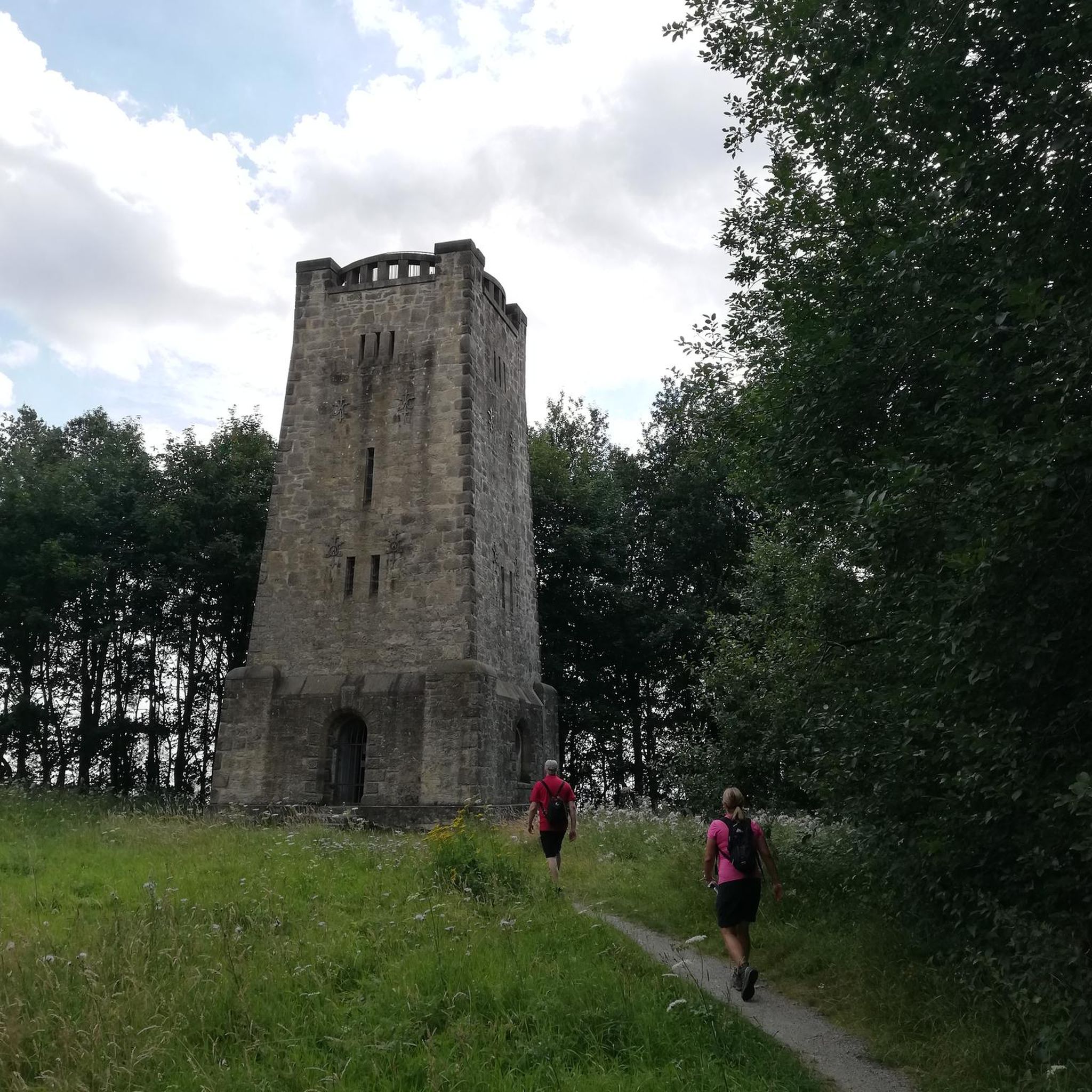

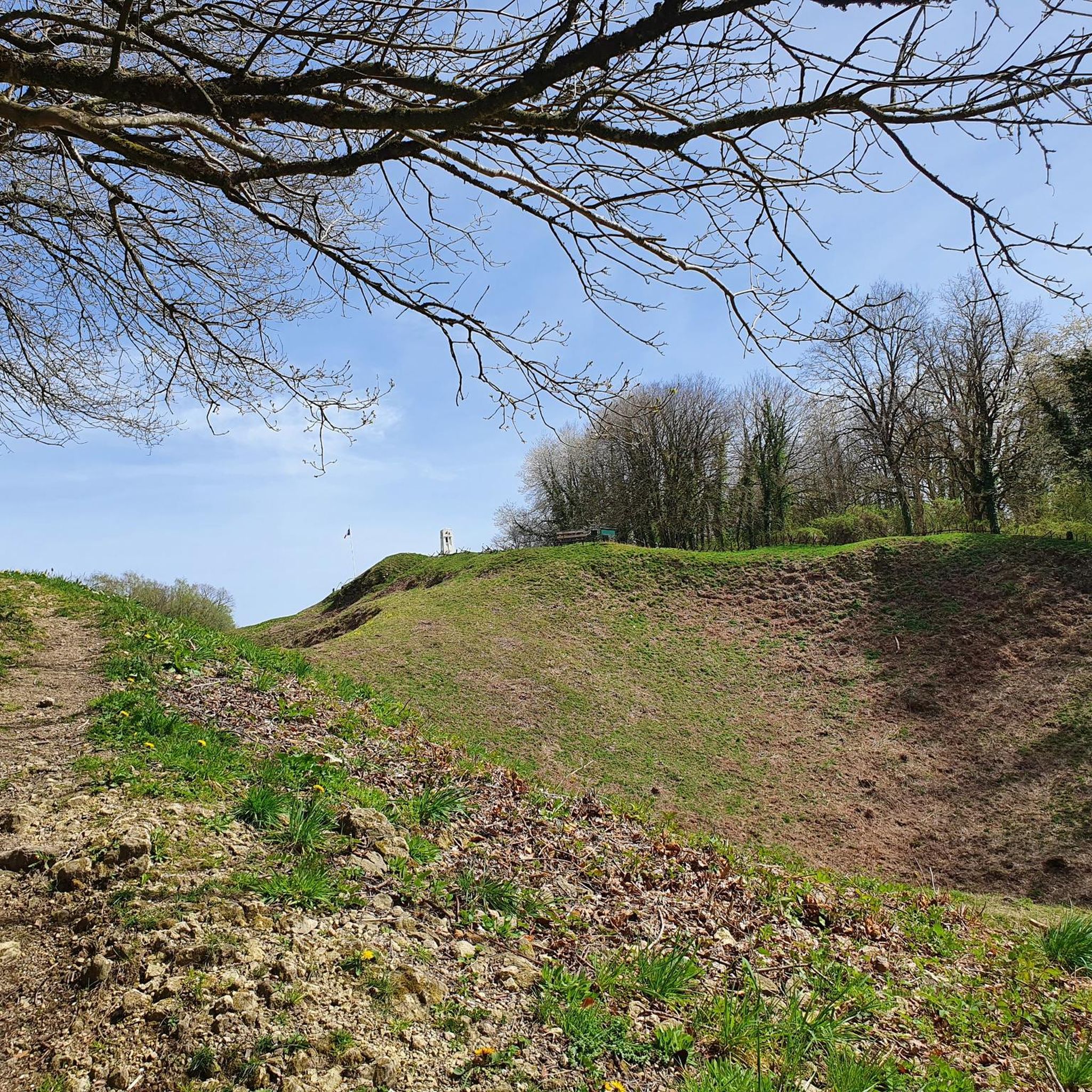
Tips from the Community

This ossuary, which has the status of a national necropolis, houses the remains of approximately 10,000 soldiers who fell during the Battle of Argonne. The imposing monument found there was created by the sculptor Raoul Eugène Lamourdedieu.
0
0
The Saint-Roch chapel appeared in the 17th century, well before the La Harazée national necropolis next to which it is located. The latter contains the remains of 1,672 soldiers who fell during the Battle of Argonne.
0
0


This little road is wonderfully quiet, a much better option than the D946 which runs parallel to it.
6
0
The Grand church is worth a stop. It offers a curious contrast between the massive tower of its facade and its delicate bell tower.
1
0

As a memorial to the many dead, such a “MONUMENT AUX MORTS” (usually called a “cenotaph” or “war memorial” in German-speaking countries) is still very important today. "Now you, O Lord, let your servant depart in peace, as you said..." says the so-called "Song of Simeon" (Gospel of Luke chapter 2, verse 29). However, the people who are remembered here did not die in peace, but rather became victims of war and tyranny. Many places and monuments that you encounter along the way are a testament to the horror of war and tyranny - which is still significant and relevant today. They all have, and this is new for each generation, two essential functions: -1- Commemorate and remember the victims -2- Call for the preservation of peace
2
0
The American military cemetery in Romagne-sous-Montfaucon contains the graves of 14,246 soldiers who died during the First World War in northwest France. It is the largest American military cemetery in Europe. The cemetery site is located in the old front line of the Meuse-Argonne offensive that took place between September 26 and November 11, 1918. The plot of land was used as a cemetery on October 14, 1918 after it had been occupied by the American forces just before. 32nd Infantry Division. The site was given on permanent loan to the US by the French government. The 14,246 graves are spread over eight fields. There are lime trees surrounding the fields, the fields themselves are covered with grass. Each grave has its own stone. For Jewish graves, the top of the stone is shaped like a Star of David. The text on each stone states the soldier's name, rank, division, state and date of death. Of the 14,246 graves, 486 soldiers have not been identified. The stones of the unidentified soldiers bear the text: Here rests in honored glory an American soldier known but to god. On the south side of the cemetery is a memorial building, designed by the architectural firm York and Sawyer from New York. The center of the memorial gives access to a chapel containing the flags of the US and the other allied countries. The stained glass windows show the insignia of the various divisions that operated in the region. The two loggias outside the chapel display the names of 954 missing soldiers. The visitors building is located on the north side of the cemetery. There is a book here in which a visit can be registered. The entrance to the cemetery, both on the west and east sides, is 'guarded' by two white towers with the American eagle on top. There is a large pond in the middle of the site. The maintenance and management of the cemetery is the responsibility of the American Battle Monuments Commission.
6
0
Romagne-sous-Montfaucon was heavily fought over in the First World War. The small museum is definitely worth it. Owner and driving force is the Dutchman Jean-Paul de Vries
7
0
Frequently Asked Questions
How many road cycling routes are available around Chatel-Chéhéry?
There are over 60 road cycling routes in the Chatel-Chéhéry area, offering a wide range of options for different skill levels and preferences.
Are there easy road cycling routes for beginners in Chatel-Chéhéry?
Yes, the region offers 12 easy road cycling routes. These routes typically feature less elevation gain and shorter distances, making them ideal for beginners or those seeking a relaxed ride. An example is the Roadbike loop from Cornay, which is 34.9 km long.
What is the typical difficulty level of road cycling routes in this region?
The majority of road cycling routes around Chatel-Chéhéry are rated as moderate, with 52 such routes available. These routes often involve undulating terrain and distances suitable for cyclists with some experience, such as the Grandpré Church – Château de Grandpré loop from Autry.
Are there challenging road cycling routes for experienced cyclists?
For experienced cyclists seeking a challenge, there are 3 difficult routes in the area. These typically feature longer distances and more significant elevation changes, providing a demanding ride through the Argonne region's varied landscape.
What kind of scenery can I expect on road cycling routes near Chatel-Chéhéry?
Road cycling routes in Chatel-Chéhéry traverse dense woodlands, rolling hills, and areas rich in historical sites. You'll experience the natural beauty of the Argonne forest alongside glimpses of local heritage. The Foret d'Argonne – Château de Grandpré loop from Cornay is a great example, leading through dense woodlands and past historical sites.
What historical landmarks can I see along the road cycling routes?
Many routes pass by significant historical landmarks. You might encounter sites like the Meuse-Argonne American Cemetery, the historic town of Grandpré, or various World War I memorials and war monuments, offering a blend of cycling and history.
Are there any circular road cycling routes in the area?
Yes, many of the routes around Chatel-Chéhéry are designed as loops, allowing you to start and finish at the same point. For instance, the popular Sainte-Menehould – Foret d'Argonne loop from Cornay is a 76 km circular route.
What do other cyclists say about road cycling in Chatel-Chéhéry?
The road cycling routes in Chatel-Chéhéry are highly rated by the komoot community, with an average score of 5.0 stars from over 10 reviews. Cyclists often praise the varied terrain, the peaceful forest sections, and the historical points of interest along the way.
What is a good route for exploring historical sites by road bike?
Consider the Château de Grandpré loop from Camp Moreau - Reconstitution camp allemandWW1. This 47.3 km route offers views of historical landmarks and the local countryside, providing a good balance of cycling and cultural exploration.
When is the best season for road cycling in Chatel-Chéhéry?
The region's dense woodlands and rolling hills are enjoyable throughout the warmer months. Spring and autumn offer pleasant temperatures and beautiful foliage, while summer provides longer daylight hours. Always check local weather conditions before heading out.
Are there routes that pass through towns or villages where I can find refreshments?
While specific cafe stops are not always guaranteed on every route, many loops pass through or near small villages and towns like Grandpré or Cornay, where you may find opportunities for refreshments or a quick break. Planning your route with komoot allows you to identify potential stops.
Most popular routes around Chatel-Chéhéry
Most popular attractions around Chatel-Chéhéry

Get inspired with the komoot mobile app


Explore more
Browse the best Road cycling routes in other regions.
