The best cycling routes around Môlay
4.6
(55)
224
riders
34
rides
Touring cycling around Môlay offers diverse landscapes within the Bourgogne-Franche-Comté region, characterized by rolling hills, dense forests, and agricultural plains. The area features a network of routes that traverse vineyards, follow canal towpaths, and pass through historical villages. Cyclists can expect varied terrain, including gentle gradients along river valleys and more undulating sections through wooded areas. Môlay's elevations range from 157 to 273 meters, providing varied terrain for touring cyclists.
Best touring cycling routes around Môlay
- The most popular touring…
Last updated: July 18, 2026
4.4
(16)
52
riders
Moderate bike ride. Good fitness required. Mostly paved surfaces. Suitable for all skill levels.
5.0
(5)
18
riders
30.0km
01:58
220m
220m
Moderate bike ride. Good fitness required. Mostly paved surfaces. Suitable for all skill levels.

Sign up for free
4.3
(7)
34
riders
Moderate bike ride. Good fitness required. Mostly paved surfaces. Suitable for all skill levels.
4.4
(5)
14
riders
53.5km
03:19
410m
410m
Moderate bike ride. Good fitness required. Mostly paved surfaces. Suitable for all skill levels.
4.9
(7)
23
riders
30.0km
01:53
230m
230m
Moderate bike ride. Good fitness required. Mostly paved surfaces. Suitable for all skill levels.
Get access to more routes and recommendations from other explorers.
Sign up for free
Already have an account?
Our route recommendations are based on thousands of hikes, rides, and runs completed by other people on komoot.
Start today with a free account
Your next adventure awaits.
Login or Signup

Tips from the Community


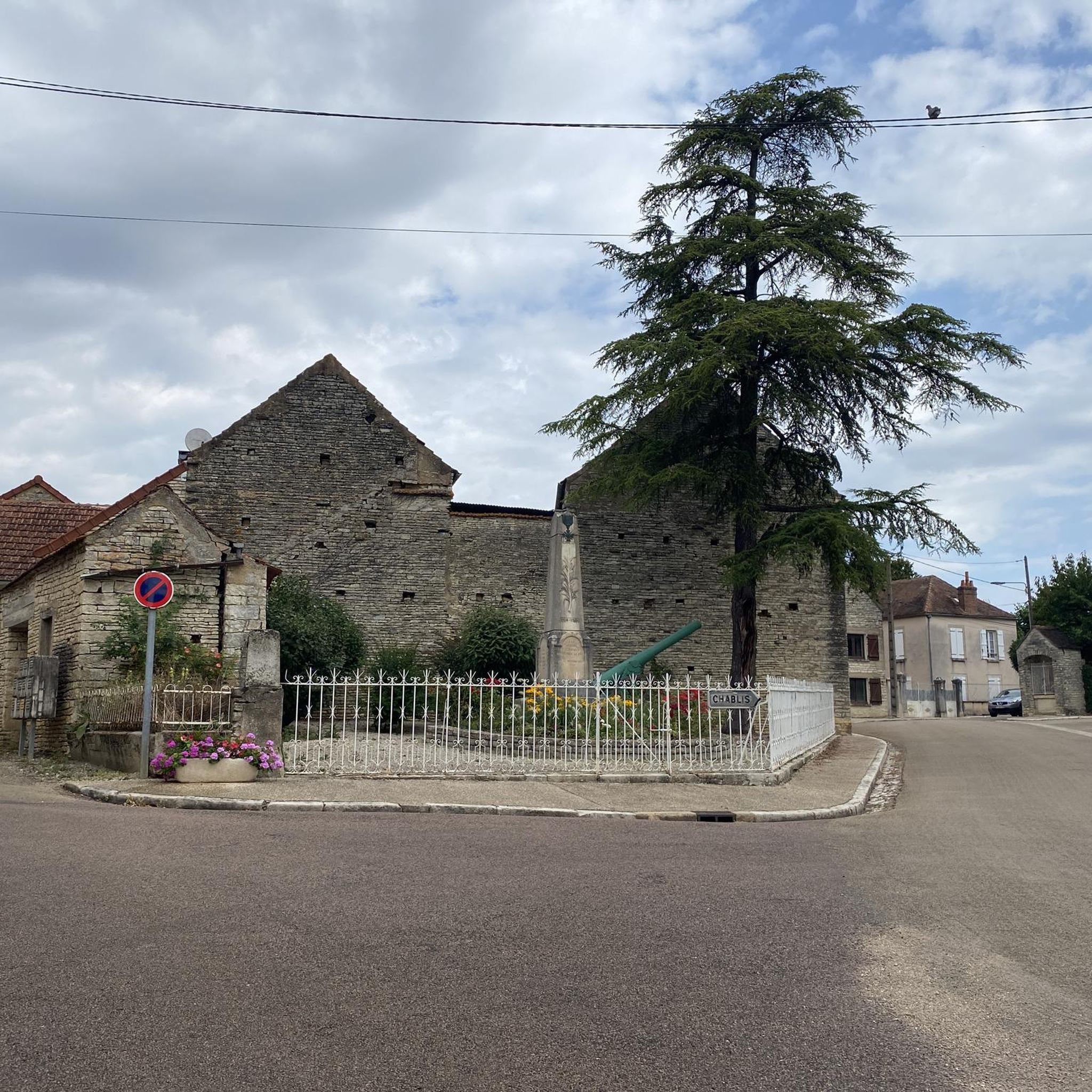
Beautiful church in Chablis currently being renovated
1
0

A must-see, the whole village is beautiful and peaceful. It's a perfect place even for a one-night stopover!
0
0

A "chemin de halage", in German "treidelpfad", which runs alongside the waterway right next to the bed of the river or canal, was an indispensable part of the transport infrastructure in earlier times. Before ships could move using motor power, horses ran along the bank and pulled the ship against the current. This was called "treideln", and that is how the "treidelpfad" got its name. Where these paths directly on the bank have been preserved, they are now popular with hikers and cyclists.
1
0

I walked past without seeing it 😂😂
0
0

The Dionne pit is a karst source called the Vauclusian source, located in the city center of Tonnerre. It is fed by the infiltration of precipitation into the surrounding limestone plateau as well as by the losses of at least one river. The Dionne pit is remarkable for its flow and the size of its hydrogeological network which extends to more than 40 km. His presence is at the origin of the creation of the city of Tonnerre. An elaborate washhouse was built around the spring in the 18th century. Wikipedia
0
0

A real must-see - this round wash house around a turquoise green source is unique in its kind and well worth the detour.
0
0

Set up for the section of the canal opened to traffic in 1832 (from Pont-de-Pany to Tonnerre). Located on the right bank, the lock keeper's house is built of coated rubble stones, with mechanical tiles. A lean-to extension extends the right side of the roof of the house. Extremely remodeled, the house today opens through a semi-circular door, in the extension.
1
0
Frequently Asked Questions
What kind of terrain can I expect when touring cycling around Môlay?
The region around Môlay, within Bourgogne-Franche-Comté, offers a diverse landscape for touring cyclists. You can expect a mix of rolling hills, dense forests, and agricultural plains. Routes often traverse vineyards and follow canal towpaths, providing varied terrain from gentle gradients along river valleys to more undulating sections through wooded areas. The broader Jura department, nearby, even features low mountain ranges with stunning panoramic views.
Are there routes suitable for beginners or more challenging options?
Yes, the network of touring cycling routes around Môlay caters to various ability levels. While many routes are classified as moderate, there are options for easier rides along waterways as well as more challenging routes with significant elevation changes. For instance, the Les Moulins - White Village – B-Archambault loop from Noyers is a moderate route that offers a good balance of distance and elevation.
How long are the touring cycling routes typically around Môlay?
The touring cycling routes around Môlay vary in length, but many popular options are designed for a substantial day trip. For example, the Saint-Martin Collegiate Church – Chablis Cycles loop from Lichères-près-Aigremont is approximately 32.8 miles (52.9 km) long, and the Tonnerre – Château de Tanlay loop from Annay-sur-Serein covers about 33.7 miles (54.3 km). There are also shorter routes available, such as the Les Moulins - White Village – B-Archambault loop from Noyers at 20.1 miles (32.5 km).
What natural features or landmarks can I see along the touring cycling routes?
The region offers a wealth of natural beauty and historical landmarks. Cyclists can explore picturesque vineyards, follow serene canal towpaths, and ride through dense forests. Notable natural features include the unique geological formations like the Gorges du Flumen (in the broader Jura region) and the Ouche Valley with its natural and authentic cycling environment. You might also encounter impressive artificial lakes like Lake Coiselet. For historical sites, consider routes passing by medieval villages like Nolay or the Hôtel-Dieu de Tonnerre.
Are there any circular touring cycling routes in the Môlay area?
Yes, many of the touring cycling routes around Môlay are designed as loops, offering convenient starting and ending points. Examples include the popular Saint-Martin Collegiate Church – Chablis Cycles loop from Noyers, which provides views of vineyards and rural landscapes, and the B-Archambault – Noyers-sur-Serein 89310 loop from Noyers.
When is the best time of year for touring cycling in the Môlay region?
The autumn months are particularly scenic for touring cycling in the Môlay region, as the forests transform into a vibrant display of colors. Generally, spring through early autumn offers pleasant weather for cycling, allowing you to enjoy the vineyards, canal paths, and forested areas. The region's diverse landscapes are beautiful in all seasons, but milder temperatures are ideal for longer rides.
What do other touring cyclists enjoy the most about touring cycling in Môlay?
The touring cycling routes around Môlay are highly rated by the komoot community, with an average score of 4.6 stars from over 40 reviews. Cyclists often praise the varied terrain, which includes vineyards, canal routes, and forested areas, offering options for different skill levels. The region's natural beauty and historical charm are frequently highlighted as key attractions.
Are there family-friendly touring cycling routes near Môlay?
While specific 'family-friendly' designations are not always explicit, the region's canal towpaths and routes with gentle gradients are generally suitable for families. The Ouche Valley section of the Burgundy Canal, for instance, offers a natural and authentic cycling environment that can be enjoyed by various ages. Look for routes with lower elevation changes and well-maintained surfaces for a more comfortable family experience.
Can I find cafes or places to eat along the cycling routes?
The Bourgogne-Franche-Comté region is renowned for its gastronomy, and many routes pass through charming villages where you can find cafes, restaurants, and local shops. The 'Voie des Vignes' route, for example, winds through historic wine villages, offering ample opportunities to stop and enjoy local cuisine and refreshments. Planning your route with komoot can help identify points of interest for breaks.
How many touring cycling routes are available around Môlay?
There are over 35 touring cycling routes available around Môlay, catering to a range of preferences and skill levels. These routes explore the diverse landscapes of the Bourgogne-Franche-Comté region, including vineyards, canal paths, and forested areas.
What are some notable historical sites or cultural attractions accessible by bike?
Cyclists can discover a rich cultural heritage along the routes. The Tonnerre – Château de Tanlay loop from Annay-sur-Serein leads through historical sites and countryside. Other points of interest in the broader region include medieval villages like Nolay, the Château de Barbirey, and the Gothic-Renaissance church in Saint-Florentin. The Notre-Dame Church and Fosse Dionne are also accessible highlights.
Are there any long-distance cycling routes that pass through or near Môlay?
While Môlay itself is a starting point for many local loops, the broader Bourgogne-Franche-Comté region is part of extensive cycling networks. The Eurovelo Route 6 passes through the region, offering sights like the Dole Lock. Additionally, the 'Grande Traversee' in the Jura department stretches over 360 kilometers, and the 'Tour du Jura Sport' covers 252 km, connecting major Jura sites. For more information on these regional routes, you can visit France Vélo Tourisme.
Most popular attractions around Môlay

Get inspired with the komoot mobile app


Explore more
Browse the best Cycling routes in other regions.
