Attractions and Places To See around Vraignes-En-Vermandois - Top 18
Attractions and places to see around Vraignes-En-Vermandois offer a blend of historical sites and natural waterways. The region is characterized by the Somme river, which forms natural ponds, and the presence of canals like the Canal du Nord. Visitors can explore areas with historical significance, particularly related to the First World War, alongside opportunities for outdoor activities. This area provides diverse landscapes, from riverbanks to historical castles, making it suitable for various interests.
Best attractions and places to see around…
Last updated: May 11, 2026
Historial of the Great War – Château de Péronne
Highlight • Castle
Translated by Google •
Tip by

Château de Péronne
Highlight • Castle
The Somme here forms natural ponds that surround the city, giving it an undeniable attractiveness. Its old center is on a small hill which dominates the whole.
Translated by Google •
Tip by
Sign up now to discover places like this
Get recommendations on the best single tracks, peaks, & plenty of other exciting outdoor places.
Sign up for free
Canal du Nord
Highlight • River
Translated by Google •
Tip by

Château d'Happlincourt
Highlight • Castle
Showing Translation
Tip by
Cycle path of the Somme Valley
Highlight • Cycleway
Translated by Google •
Tip by
Sign up for free to discover even more attractions around Vraignes-En-Vermandois.
Sign up for free
Already have an account?
Start today with a free account
Your next adventure awaits.
Login or Signup



Tips from the Community

Also a bicycle repair and electric bike charging point
0
0

The castle is almost invisible from the towpath. Good that the highlight is positioned correctly, otherwise you will definitely miss it.
5
1
The Canal du Nord is a 95 km long canal in northern France that connects the Oise Valley to the Dunkirk-Scheldt Canal. Construction began in 1908, but was interrupted by the First World War. The canal was not completed and opened to navigation until 1965. The canal has 19 locks and two tunnels, including the Ruyaulcourt Tunnel, which spans a height difference of 40 metres. The Canal du Nord is an important waterway for inland navigation, but will be replaced in the future by the Seine-Nord Europe Canal, a more modern connection.
5
0
The Château d'Happlaincourt, a medieval castle, dates from the 13th century and was originally a fortified structure with a square floor plan, surrounded by water. During the First World War, the castle was largely destroyed, leaving only ruins today. Historically, it played a role in the Catholic League in the 16th century, when Jacques d'Humières drew up a manifesto there to restore the Catholic religion.
5
1

The museum covers the period of the First World War in all its aspects: military, social, cultural.
0
0
This museum is located on the front lines of the Battle of the Somme. The white concrete design by architect Henri-Edouard Ciriani describes a gentle arc set into the southwest wall of the medieval castle. It forms a harmonious whole with the four large round towers, each with a diameter of 9 m. The building at the Etang du Cam stands on a series of smooth white concrete columns, creating a beautiful reflection in the water. The rooms are accessed through an opening in the wall of the 13th-century castle, which was built by the Counts of Vermandois. Charles the Bold imprisoned Louis XI in one of the towers.
2
0

Very nice museum in a great, historic building. A must visit on a bike tour 😍.
3
0

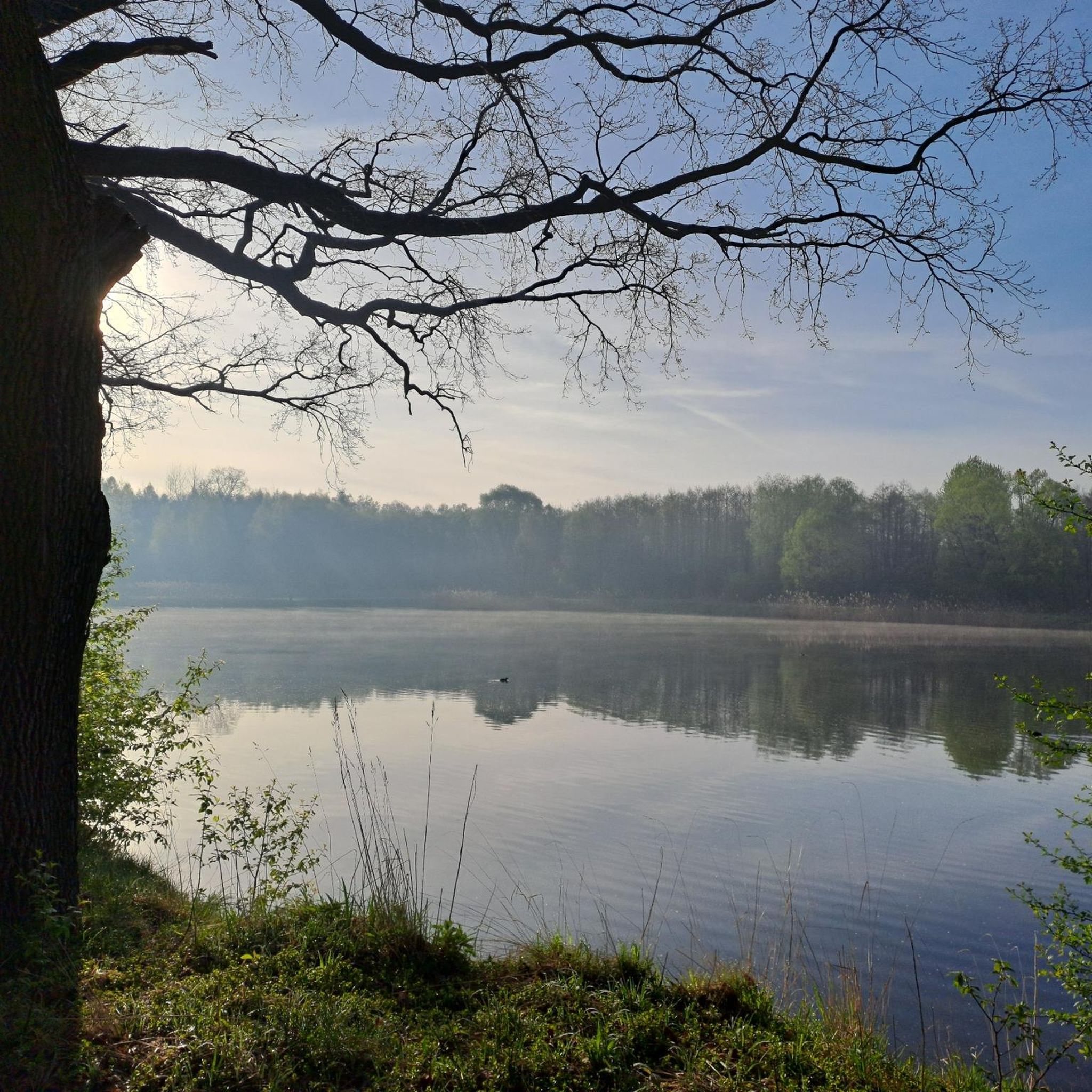
Whether on the Somme or on the canals: driving on the water is always pleasant. Water-rich area...
1
0
Frequently Asked Questions
Are there family-friendly attractions around Vraignes-En-Vermandois?
Yes, several attractions are suitable for families. The Historial of the Great War – Château de Péronne offers an engaging look into history within a castle setting. The Canal du Nord and the Somme Valley Cycle Path provide opportunities for easy walks or bike rides along the water, which can be enjoyable for all ages.
What historical sites can I visit in the Vraignes-En-Vermandois area?
The region is rich in history, particularly related to the First World War. You can visit the Historial of the Great War – Château de Péronne, a museum housed in a 13th-century castle that vividly depicts daily life during the war. Additionally, the ruins of the 12th-century Château d'Happlincourt, almost destroyed during WWI, offer a glimpse into the past.
What natural features and outdoor activities are available near Vraignes-En-Vermandois?
The area is characterized by the Somme river, which forms natural ponds, and canals like the Canal du Nord. These waterways offer opportunities for cycling, walking, and enjoying the riverside scenery. The Somme Valley Cycle Path provides over 200 kilometers of paved route along the river for cyclists and walkers.
Are there good cycling routes around Vraignes-En-Vermandois?
Yes, the Somme Valley Cycle Path is a highlight, offering over 200 kilometers of paved route along the river, making it highly accessible for cyclists. The Canal du Nord also features paths suitable for cycling, allowing you to explore the region's waterways.
Where can I find hiking trails near Vraignes-En-Vermandois?
There are several hiking opportunities in the area. You can find trails like the 'Caulaincourt – Omignon River loop from Trefcon' which is an easy 5.2 km walk, or the 'Étang de Bihécourt — loop from Vermand' for a moderate 8.1 km hike. For more options, explore the Hiking around Vraignes-En-Vermandois guide.
Are there running trails suitable for different fitness levels?
Yes, the region offers a variety of running trails. You can find moderate routes like the 'From the Marshes to the Gates of the Plain Trail' (8.1 km) or the 'Oppidum des Viromanduens loop from Trefcon' (9.5 km). For a comprehensive list of routes, check the Running Trails around Vraignes-En-Vermandois guide.
What mountain biking opportunities are there in the region?
Mountain biking enthusiasts can find challenging routes such as the 'Pont de Riqueval – Riqueval Tunnel loop from Vermand' (39.5 km, difficult) or the 'Riqueval Tunnel – Pont de Riqueval loop from Saint-Quentin-1' (46.8 km, difficult). Moderate options like the 'Beautiful landscape – Doingt Greenway loop from Cartigny' (40.3 km) are also available. More details can be found in the MTB Trails around Vraignes-En-Vermandois guide.
Are there any wheelchair-accessible paths or attractions?
The Somme Valley Cycle Path, with its recently paved bitumen coating (since 2019), offers greater accessibility for various users, including those in wheelchairs. It provides a smooth surface along the river for over 200 kilometers.
When is the best time of year to visit Vraignes-En-Vermandois?
The region's attractions, particularly the cycle paths and historical sites, are enjoyable from spring through autumn. The paved Somme Valley Cycle Path is pleasant in warmer months, and the museums are accessible year-round. For outdoor activities, late spring and early autumn offer comfortable temperatures.
Are there any lesser-known historical sites or hidden gems to explore?
While the Historial of the Great War – Château de Péronne is well-known, the ruins of the Château d'Happlincourt offer a more secluded historical experience. This 12th-century castle, almost destroyed in WWI, is located near a pond and can be easily missed from the towpath, making it a true hidden gem for those who seek it out.
Can I bring my dog to attractions or on walks in the area?
Many outdoor areas, such as the paths along the Canal du Nord and the Somme Valley Cycle Path, are generally dog-friendly for walks, provided dogs are kept on a leash. For specific indoor attractions like museums, it's always best to check their individual pet policies beforehand.
Is parking available at the main attractions?
For attractions like the Historial of the Great War – Château de Péronne, parking is typically available in or near the town of Péronne. For outdoor areas like the Somme Valley Cycle Path or Canal du Nord, you can usually find parking in nearby towns or designated access points along the routes.
How can I reach attractions or trails using public transport?
While specific public transport details for every trail are not available, major towns like Péronne, where the Historial of the Great War is located, are generally accessible by regional bus services. For trails along the Somme Valley Cycle Path or Canal du Nord, you might need to combine public transport to a nearby town with a short walk or cycle to the access points.
Most popular routes around Vraignes-En-Vermandois

Get inspired with the komoot mobile app


Explore more
Still not found the Highlight you’re looking for? See guides of the top attractions in other regions:
