Attractions and Places To See around Lys-Haut-Layon - Top 16
Best attractions and places to see around Lys-Haut-Layon include a blend of historical landmarks, cultural sites, and natural features. This commune in Maine-et-Loire, France, is characterized by its architectural heritage, including châteaux and religious buildings. The area also offers natural settings like ponds and forests, alongside its renowned vineyards. Visitors can explore a variety of sites that reflect the region's history and landscape.
Best attractions and places to see around Lys-Haut-Layon
- The most popular attractions is Péronne Pond, a…
Last updated: May 20, 2026
Château de Passavant
Highlight • Castle
Translated by Google •
Tip by

Abbaye Notre-Dame des Gardes
Highlight • Other
At the highest point of Maine et Loire, the Notre Dame des Gardes church can be seen or seen from a very far distance, and, from the Gardes hill, …
Translated by Google •
Tip by

Sign up now to discover places like this
Get recommendations on the best single tracks, peaks, & plenty of other exciting outdoor places.
Sign up for free
Péronne Pond
Highlight • Lake
Translated by Google •
Tip by
Ballastière Pond
Highlight • Lake
Translated by Google •
Tip by

Moulin de la Pinsonniere
Highlight • Historical Site
It was built at the end of the 18th century, immediately after the Revolution. It is said that Mr. Blot had buried in …
Translated by Google •
Tip by

Sign up for free to discover even more attractions around Lys-Haut-Layon.
Sign up for free
Already have an account?
Start today with a free account
Your next adventure awaits.
Login or Signup

Tips from the Community


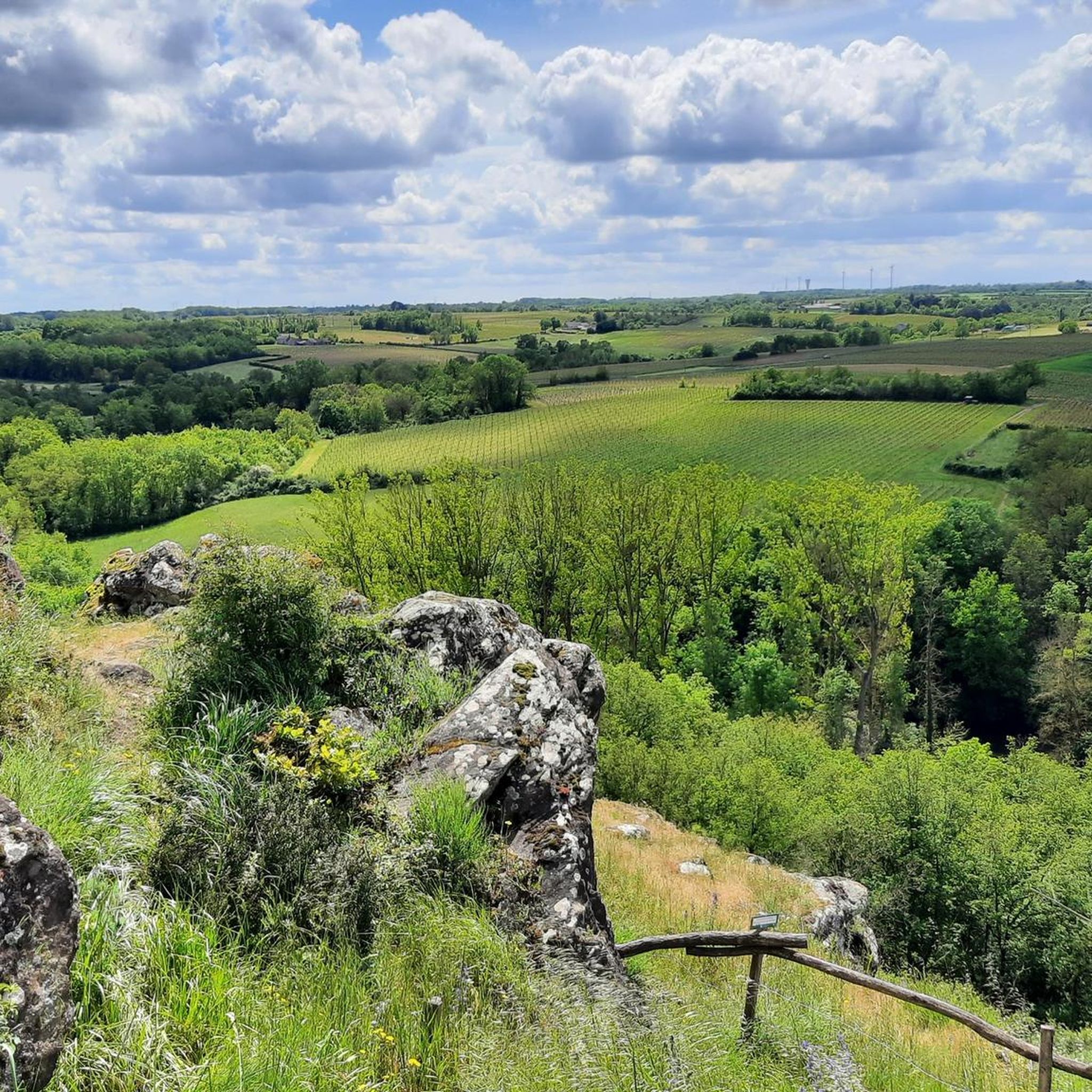
Located in the Nuaillé forest massif, the Péronne lake is a place for walking, fishing and observing the fauna and flora.
1
0

Very pretty setting on the edge of the town's lake. Too bad it's impossible to go around it by bike.
0
0

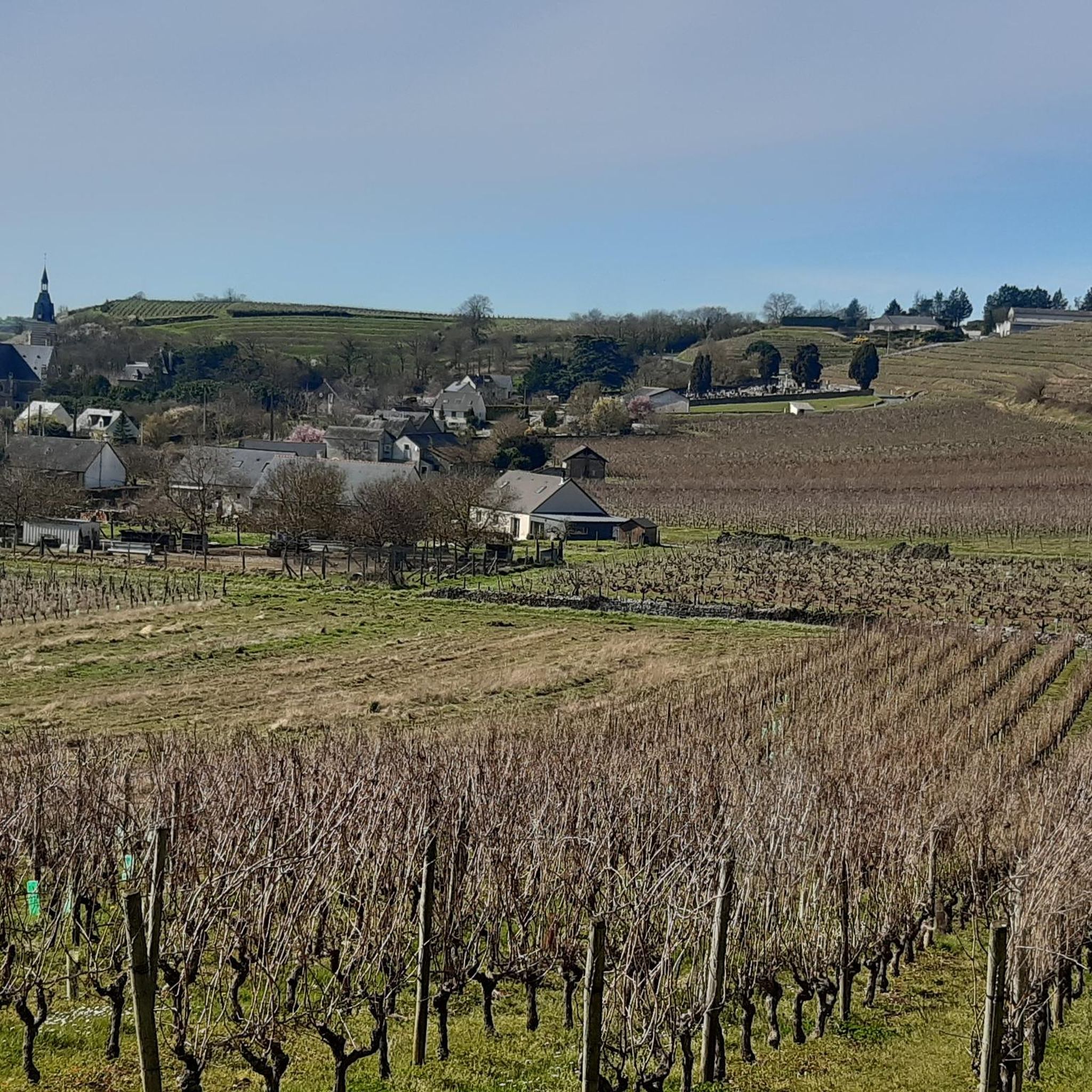
Old fortified castle originally built in the 11th century by Count Foulques Nerra who was one of the founders of Anjou; he fortified the entire rich province through 27 castles and forts including this one, marking the southern line of its defense. Today listed as a Historic Monument, the building underwent several alterations in the 13th, 14th and 15th centuries before being burned during the French Revolution. Purchased and renovated at the beginning of the 19th century, Château de Passavant became an important wine estate recognized among the Côteaux du Layon. The road passes under the access bridge to the castle.
0
0
https://www.chemille-en-anjou.fr/histoire-et-patrimoine-de-saint-georges-des-gardes/ At the highest point of Maine et Loire, the Notre Dame des Gardes church can be seen or seen from a very far distance, and, from the Gardes hill, we discover an immense horizon. It is there, in the shadow of the Marian sanctuary, that the Notre Dame des Gardes Abbey is located. The interweaving of the church and the Abbey buildings shows how closely the history of the pilgrimage and that of the community were linked. Notre Dame des Gardes Abbey belongs to the Order of Cîteaux, born in the 12th century from a reform of the order of St Benedict. The rule of St Benedict (6th century) is still the rule of life for Cistercian communities. It was in 1818 that the first Trappistine Cistercian sisters arrived in Les Gardes and settled in the ruins of a former convent of Augustinian canons who, before the Revolution, served the very ancient and still living Marian pilgrimage. The monastery was built gradually during the 19th century. The monastic church, attached to the Notre Dame des Gardes sanctuary, dates from the end of the 19th century. Service times daily: Lauds at 7 a.m. (6:15 a.m. Sunday), Mass at 7:25 a.m. (9 a.m. Sunday), Sext at 12:15 p.m., None at 2:15 p.m., Vespers at 6:00 p.m. and Compline at 7:40 p.m.
0
0

It is the typical mill-cavier of Anjou! It was built at the end of the 18th century, immediately after the Revolution. It is said that Mr. Blot had buried in the ground a "paillon" (basket for molding the bread dough) of louis d'or marked with the effigy of Louis XVI. After the turmoil, the recovered gold would have been used to build the mill. It ran until 1926. The last miller died in 1956. It gradually fell into disrepair, but its millstones and mechanism, well protected by the hammerhead topped with its crib, remained in good condition. Dominique Lebrun, a young winemaker, who had dreamed of this mill since childhood, bought it and the adjoining house. Thanks to the A.M.A., he obtains the aid that allows him to restore it. This cavier is equipped with plank wings, Berton system The mill also serves as a tasting cellar with sale of Layon wines.
0
0

10-hectare body of water on the cycle route of the Thouet Valley. Swimming prohibited but you can cycle around it.
1
0

A little trip to the water's edge
0
1
Frequently Asked Questions
What historical sites can I explore in Lys-Haut-Layon?
Lys-Haut-Layon is rich in history, featuring several notable châteaux and religious buildings. You can visit the 11th-century Château de Passavant, which is now a recognized wine estate. Other significant historical sites include the 16th-century Château du Coudray-Montbault in Vihiers, the Château fort Saint-Hilaire (Hospice Maupassant) which hosts cultural events, and the medieval Château du Grand-Riou in Tigné. The region also has several historic churches, such as the 12th-century Saint-Jean-Baptiste Church in Vihiers, and the Abbaye Notre-Dame des Gardes, a Cistercian abbey with a long history.
Are there natural attractions or scenic spots in Lys-Haut-Layon?
Yes, the region offers beautiful natural settings. The Péronne Pond, located in the Nuaillé forest massif, is ideal for walking, fishing, and observing local wildlife. Another scenic spot is Ballastière Pond, a 10-hectare body of water on the Thouet Valley cycle route, perfect for cycling around and enjoying the views. The Brignon forest also provides opportunities for natural exploration.
What kind of outdoor activities can I do in Lys-Haut-Layon?
Lys-Haut-Layon is excellent for outdoor enthusiasts. You can enjoy cycling on routes like the 66km wine tour through the Haut-Layon vineyards, which also passes by cellars and châteaux. There are numerous hiking and cycling trails, including an 8.5 km pedestrian path through vineyards and falun paths. For more structured routes, explore the cycling routes around Lys-Haut-Layon, or try gravel biking and road cycling routes available in the area.
Are there family-friendly attractions in Lys-Haut-Layon?
Many attractions in Lys-Haut-Layon are suitable for families. Natural spots like Péronne Pond and Ballastière Pond offer pleasant walks and cycling opportunities. Historical sites such as the Moulin de la Pinsonniere, a restored 18th-century mill, can be an engaging visit for all ages. Additionally, the region's numerous trails are great for family walks or bike rides.
What is the best time of year to visit Lys-Haut-Layon?
The region is enjoyable throughout the year, but spring and autumn are particularly pleasant. Spring (April-May) brings blooming landscapes and local events like the art fair. Autumn (September-October) is ideal for wine tourism as it's harvest season, and the vineyards offer stunning colors. Summer (June-August) is great for outdoor activities and local festivals, while December features a charming Saint-Nicolas market at Château fort Saint-Hilaire.
Can I go wine tasting in Lys-Haut-Layon?
Absolutely! Lys-Haut-Layon is located in the renowned Côteaux du Layon wine region. Wine tourism is a significant attraction, with many local wineries offering tastings and tours. The Château de Passavant, for example, is an 11th-century fortified castle that has been transformed into a recognized wine estate. You can also visit the Moulin de la Pinsonniere, which serves as a tasting cellar for Layon wines.
Are there any unique historical mills in the area?
Yes, Lys-Haut-Layon is home to several historic mills. The Moulin de la Pinsonniere is a typical 18th-century Anjou mill-cavier that has been restored and now functions as a tasting cellar for local wines. You can also find other 17th and 18th-century windmills in Vihiers and a 17th-century mill in Saint-Hilaire-du-Bois, showcasing the region's industrial heritage.
What are some cultural events or markets held in Lys-Haut-Layon?
Lys-Haut-Layon hosts various events throughout the year. The Château fort Saint-Hilaire (Hospice Maupassant) is a cultural hub that organizes workshops, concerts, conferences, and exhibitions, including an annual Saint-Nicolas market in December. Other events include a spring art fair in April, hiking races like the 'Grande Vihiersoise', and fireworks displays in La Fosse-de-Tigné in early July. Theatrical shows are also occasionally presented at the Château de Maupassant in September.
What are some nearby attractions outside of Lys-Haut-Layon?
While Lys-Haut-Layon offers plenty to see, its location allows for easy access to other notable attractions. These include the Bioparc de Doué-la-Fontaine (a zoo), the Oriental Park of Maulévrier, and a renowned rose garden that hosts a rose festival in July. The city of Angers, with its impressive castle and the Terra Botanica amusement park, is also within a reasonable distance for a day trip.
Can I find remnants of ancient fortifications in Lys-Haut-Layon?
Yes, the region has a history of fortifications. You can find vestiges of 15th-century town fortifications in Vihiers. Additionally, the Château de Passavant, an 11th-century fortified castle, played a crucial role in the defense of Anjou and is listed as a Historic Monument.
Are there any specific villages known for their historical architecture?
The village of Tigné is particularly noted for its well-preserved architectural heritage. It features the medieval Château du Grand-Riou and numerous farms and houses dating from the 15th to 18th centuries, making it a charming place for a leisurely stroll to appreciate the region's past.
Most popular routes around Lys-Haut-Layon

Get inspired with the komoot mobile app


Explore more
Still not found the Highlight you’re looking for? See guides of the top attractions in other regions:
