The best road cycling routes around Boisné-La-Tude
4.6
(20)
446
riders
181
rides
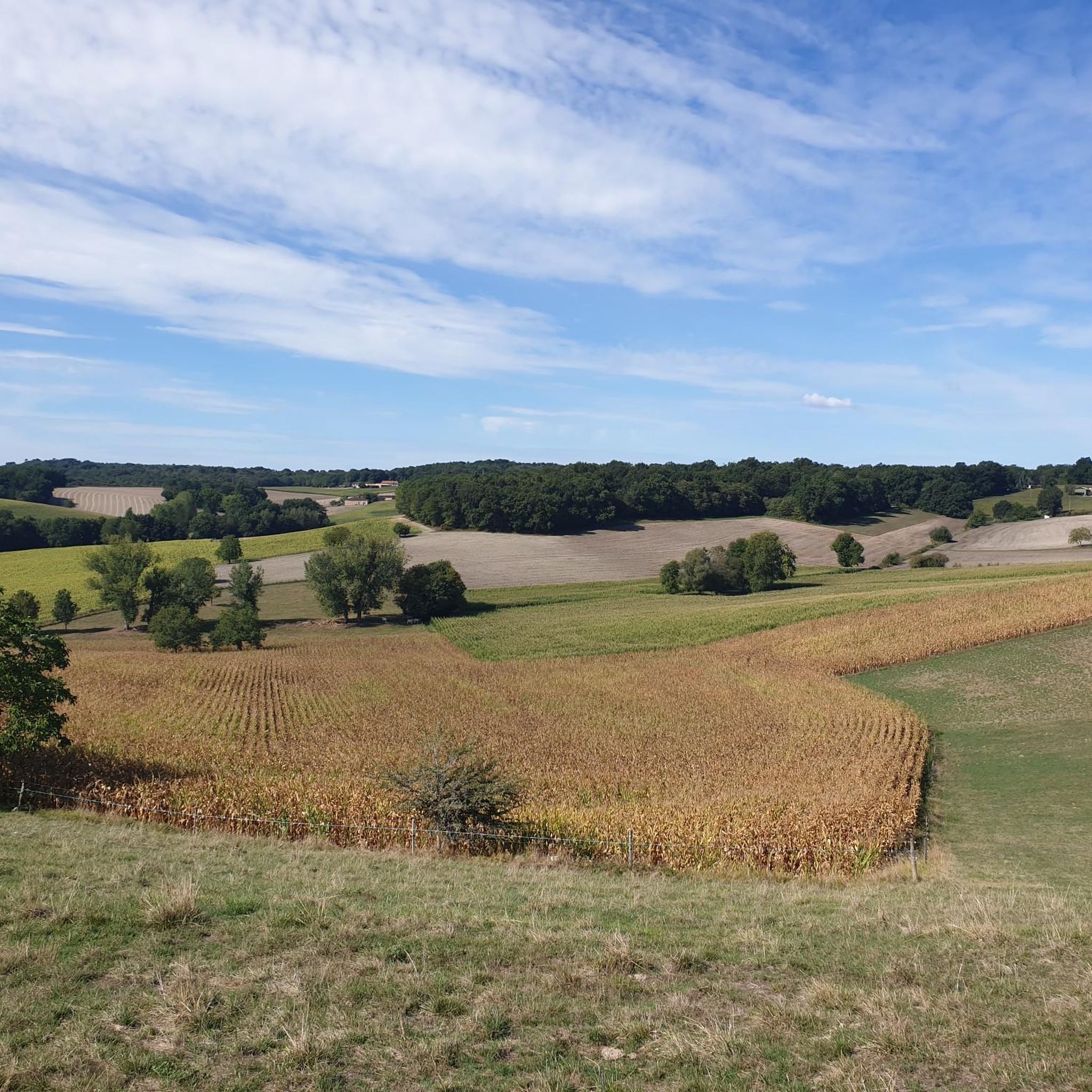
Road cycling routes around Boisné-La-Tude traverse a gently undulating landscape in the Charente department of Nouvelle-Aquitaine, France. The region is characterized by rolling countryside, featuring forests, prairies, and small hamlets, with the Tude river flowing through its valley. Cyclists encounter slightly hilly terrain, providing varied routes without being overly strenuous. The area also incorporates sections of ancient Roman roads and passes through historic villages.
Best road cycling routes around Boisné-La-Tude
- The most popular road cycling route is Hergé Bust, Place Marengo – Town Hall loop from Boisne-La-Tude - Charmant Gare, a 30.5 miles (49.0 km) trail that takes 2 hours 12 minutes to complete, passing through local villages and rolling countryside.
- Another top favourite among local road cyclists is Villebois-Lavalette Castle – The Cluzeaux of Argentine loop from Ronsenac, a moderate 32.4 miles (52.2 km) path that offers views of historical châteaux and varied terrain.
- Local road cyclists also love the Anna's Café loop from Ronsenac, a 25.5 miles (41.1 km) trail leading through scenic landscapes, often completed in about 1 hour 42 minutes.
- Road cycling around Boisné-La-Tude is defined by rolling countryside, the River Tude Valley, and historic villages. The network offers options for various ability levels, from easy rides to more challenging exploration routes.
- The routes in Boisné-La-Tude are highly rated by the komoot community with an average score of 4.6 stars from more than 20 reviews. More than 400 road cyclists have used komoot to explore Boisné-La-Tude's varied terrain.
Last updated: October 30, 2026
12
riders
41.1km
01:42
280m
280m
Easy road ride. Mostly well-paved surfaces and easy to ride.
5.0
(1)
7
riders
52.1km
02:37
650m
640m
Moderate road ride. Good fitness required. Some segments of this route may be unpaved and difficult to ride.

3
riders
27.4km
01:21
210m
210m
Moderate road ride. Some segments of this route may be unpaved and difficult to ride.
5
riders
62.8km
03:06
630m
630m
Moderate road ride. Good fitness required. Mostly well-paved surfaces and easy to ride.
5
riders
Moderate road ride. Good fitness required. Some segments of this route may be unpaved and difficult to ride.
Get access to more routes and recommendations from other explorers.
Already have an account?
Our route recommendations are based on thousands of hikes, rides, and runs completed by other people on komoot.
Start today with a free account
Your next adventure awaits.


Tips from the Community

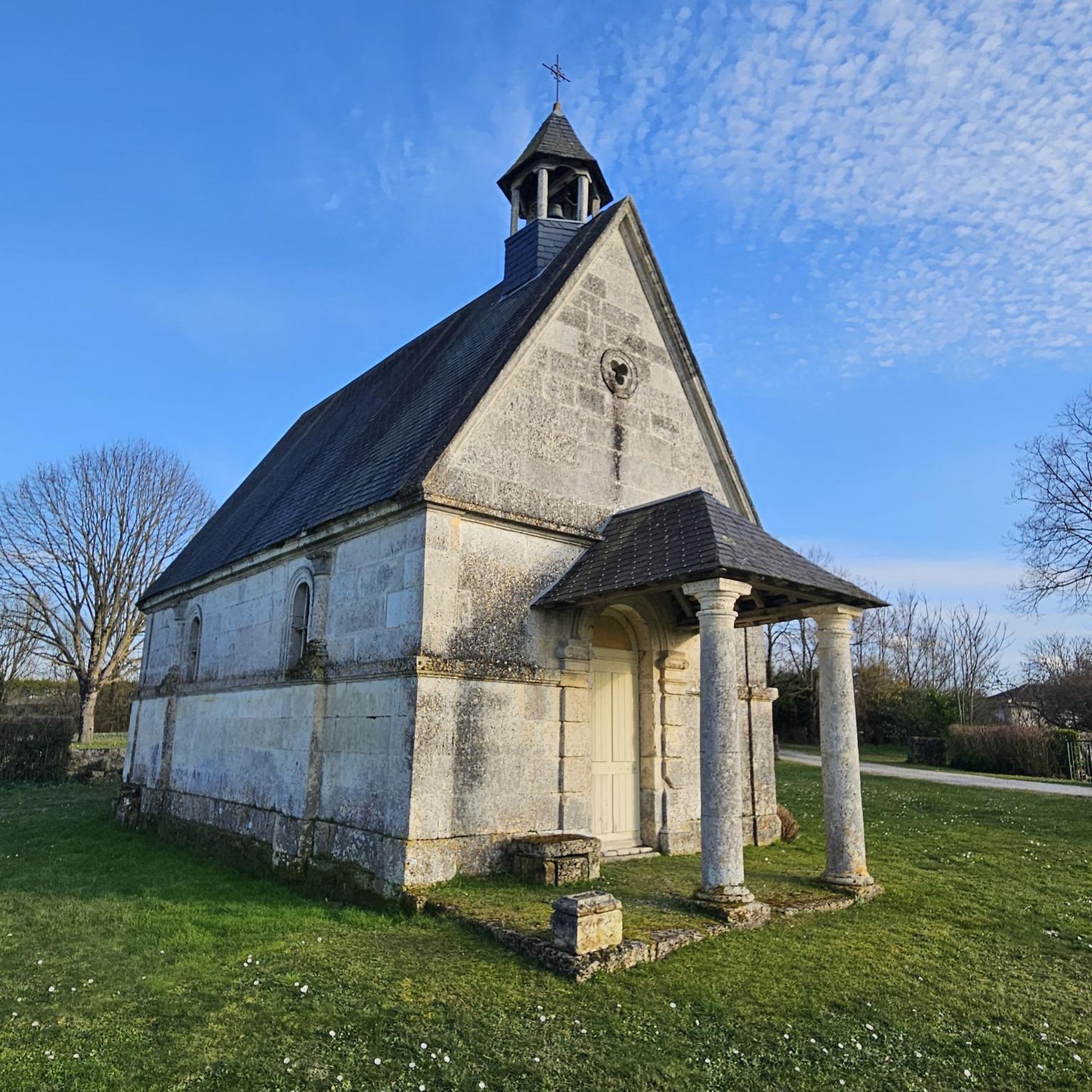
The Saint-Cybard Church of Plassac-Rouffiac is located in the village of Plassac-Rouffiac, in Charente. Built in the Romanesque style, it was listed as a historic monument in 1862. At the intersection of an ancient Roman road connecting Périgueux and Saintes, known as the "Boisné Road," and a road south of Angoulême, this small church boasts several assets: refined sculpted decoration, harmonious proportions, and a façade enlivened by arcades. The façade is divided horizontally into four levels by cornices: the ground floor with a central portal flanked by blind arcades, the second and third levels occupied by semicircular arches, and the top level topped with a triangular pediment. The single nave is covered with a pointed barrel vault. The false square, topped by a dome on pendentives, supports an elegant bell tower with a stone tortoiseshell spire. https://mairie.plassac-rouffiac.fr/eglises/ https://www.angouleme-tourisme.com/patrimoine-culturel/eglise-saint-cybard-4/ https://fr.wikipedia.org/wiki/%C3%89glise_Saint-Cybard_de_Plassac
0
0
Located on one of the paths to Santiago de Compostela, the Via Turonensis (Road to Tours), the Saint-Denys de Montmoreau church was built in the 12th century. It has retained its original appearance, with the exception of the square Romanesque bell tower which was completely modified in the mid-19th century by Paul Abadie. A Romanesque church whose façade is marked by a polylobed portal and two arcades. It consists of a nave covered with a barrel vault, a transept whose crossing has a dome on pendentives and a vast, very bright semicircular apse. The chevet bordering the road is decorated with a very prominent horizontal cordon supported by modillions representing human or animal faces. The magnificent Romanesque frontispiece has an arched portal whose five arches form an archivolt resting on slender columns with sculpted capitals. The inner arch is openworked by six lobes ending with symbolic animal heads. All the decorations bear witness to an oriental influence in the South-West Romanesque and especially to the virtuosity of the sculptors. https://www.montmoreau.fr/index-module-orki-page-view-id-115.html https://monumentum.fr/monument-historique/pa00104432/montmoreau-eglise-saint-denis
0
0

Cluzeaux are shelters made by man in the rock. They are typical of Périgord. In the village of Argentina, perched on a rocky spur above the Nizonne valley, we find some dating from the Middle Ages. Grain silos, but also a huge necropolis have been built there. The site, free to access and very impressive, can be visited all year round.
3
0

It was originally a Benedictine abbey from the 11th century. The abbey experienced the horrors of the 100 Years' War in the 14th and 15th centuries, then those of the religious wars which marked the 16th century. Seized as national property during the Revolution, the building was reborn when it fell into the hands of a new owner at the end of the 1980s who opened it to the public.
0
0
This thousand-year-old castle overlooks the surrounding plains. From its heights, beautiful panoramas pass before our eyes. It is an ancient citadel. Many activities are offered all year round. You can also visit the castle to discover more about its history. More information on https://www.chateaudevilleboislavalette.com/.
0
0

The church of Saint-Cybard de Plassac was classified as a historic monument in 1862. It was built in Romanesque style.
1
0

Open 0900-2100 all days except on Weds and Sunday when closes at 14:00
0
0

It would be Chanderic, Lord of Saintes at war against the Count of Angoulême, who would have built a fortress, around the 9th century, on the rock where the current castle is located. During the Hundred Years War this castle was disputed between the French and the English. In 1387 Louis de Sancerre, Marshal of France, drove them out. The English took over the castle and were driven out again in 1416 by the Sire de Barbazan, captain of Charles VII who had it demolished. Rebuilt in Gothic style in the 15th century by Jean de La Rochandry, the castle passed by marriage to the Saint-Gelais in 1445, then to the Tison d'Argence and, around 1580, to the Forgues de Lavedan who had it modified and enlarged around 1613 and he gave a Renaissance look. The castle was sold in 1681 to Etienne Chérade, Count of Montbron. In the 18th century, as it threatened to ruin, the Lady of Rouffiac had part of the walls knocked down. In 1850 the banker Servant, from Angoulême, bought what remained of the castle of La Rochandry, had it rebuilt in 1852 as it is today and was ruined in this operation.
1
0
Frequently Asked Questions
What is the general terrain like for road cycling around Boisné-La-Tude?
The region around Boisné-La-Tude is characterized by a gently undulating landscape, offering slightly hilly terrain that is engaging without being overly strenuous. You'll find a mix of rolling countryside, forests, prairies, and small hamlets, with routes often following the scenic Tude river valley.
How many road cycling routes are available in the Boisné-La-Tude area?
There are over 170 road cycling routes available around Boisné-La-Tude on komoot, catering to various skill levels. This includes 16 easy routes, 151 moderate routes, and 12 more challenging options.
Are there any family-friendly road cycling routes in Boisné-La-Tude?
Yes, the region offers routes suitable for families. The terrain is generally 'slightly hilly' rather than mountainous, making many of the easier and moderate routes accessible. The broader South Charente area, which includes Boisné-La-Tude, has a network of shared-use and dedicated cycling lanes, ideal for family outings.
What historical landmarks or natural features can I see along the cycling routes?
Road cycling routes in Boisné-La-Tude often pass by historical villages and natural attractions. You can encounter Romanesque churches like the Saint-Cybard Church in Chavenat or the Notre-Dame church in Charmant. Notable châteaux in the wider vicinity include Château de la Mercerie and Château de Torsac. The routes also offer picturesque views of the Tude river valley and parts of ancient Roman roads.
What is the best time of year to go road cycling in Boisné-La-Tude?
The region is enjoyable for road cycling through much of the year. Spring and autumn offer pleasant temperatures and beautiful scenery. Summer is also suitable, though it can be warmer, making early morning or late afternoon rides ideal. Winters are generally mild, allowing for cycling, but checking local weather forecasts is always recommended.
Are there any long-distance cycling routes that pass through Boisné-La-Tude?
Yes, the broader South Charente area, encompassing Boisné-La-Tude, is part of major cycling routes. This includes sections of La Scandibérique (EuroVelo 3), which connects Trondheim to Santiago de Compostela, and Flow Vélo, winding through the Charente valley and vineyards. These offer excellent options for longer rides.
Where can I find parking for cyclists in Boisné-La-Tude?
While specific dedicated cyclist parking areas are not detailed, Boisné-La-Tude and its surrounding villages like Charmant offer general parking facilities. Many routes start from or pass through these villages, where you can typically find convenient places to park your vehicle. Consider starting points near local amenities or picnic areas.
What do other road cyclists enjoy most about the routes in Boisné-La-Tude?
The road cycling routes in Boisné-La-Tude are highly rated by the komoot community, with an average score of 4.6 stars from over 20 reviews. Cyclists often praise the quiet, scenic countryside, the varied but manageable terrain, and the opportunity to explore charming historic villages and natural beauty along the way.
Are there any specific cycling loops recommended for exploring the local area?
Beyond individual routes, the South Charente area features ten specific cycling loops designed to guide visitors through local villages and scenic landscapes. These loops offer a great way to discover the unique character of the region, including its heritage and natural beauty.
Can I find places to rest or picnic along the road cycling routes?
Yes, the region is dotted with amenities. For instance, the village of Charmant offers a picnic area with a restored washhouse, providing a pleasant spot for a break during your ride. Many villages along the routes will also have local cafes or small shops where you can refuel.
Is public transport available to access road cycling trails in Boisné-La-Tude?
Boisné-La-Tude is located approximately 20 km south of Angoulême. While direct public transport specifically for accessing cycling trails might be limited, you could consider regional bus services or train connections to larger towns like Angoulême, and then cycle to Boisné-La-Tude. However, for maximum flexibility, driving to a starting point is often preferred by cyclists.
Are there any challenging road cycling routes for experienced riders?
While the terrain is generally described as 'slightly hilly,' there are routes that offer more challenge. For example, the Villebois-Lavalette Castle – The Cluzeaux of Argentine loop from Ronsenac is a moderate 52.2 km path with over 640 meters of elevation gain, providing a good workout for experienced cyclists.
Most popular attractions around Boisné-La-Tude

Get inspired with the komoot mobile app


Explore more
Browse the best Road cycling routes in other regions.
