The best road cycling routes around Le Malesherbois
4.5
(27)
995
riders
22
rides
Road cycling around Le Malesherbois, situated in the Loiret department of France, offers diverse and picturesque landscapes. The region features a mix of plains, dense forests, and the meandering Essonne river, providing varied backdrops for cycling. Routes often utilize quiet, paved roads with low traffic, characteristic of the cycling-friendly Loiret area. This terrain allows for both leisurely rides and more challenging excursions with gentle climbs and descents.
Best road cycling routes around Le Malesherbois
- The most popular road cycling route…
Last updated: November 8, 2026
66.1km
02:54
250m
250m
Moderate road ride. Good fitness required. Mostly well-paved surfaces and easy to ride.
4.5
(2)
19
riders
71.4km
03:00
430m
430m
Moderate road ride. Good fitness required. Some segments of this route may be unpaved and difficult to ride.

4.5
(2)
31
riders
55.8km
02:20
290m
290m
Moderate road ride. Good fitness required. Mostly well-paved surfaces and easy to ride.
18
riders
Moderate road ride. Good fitness required. Mostly well-paved surfaces and easy to ride.
10
riders
57.9km
02:25
340m
340m
Moderate road ride. Good fitness required. Mostly well-paved surfaces and easy to ride.
Get access to more routes and recommendations from other explorers.
Already have an account?
Our route recommendations are based on thousands of hikes, rides, and runs completed by other people on komoot.
Start today with a free account
Your next adventure awaits.
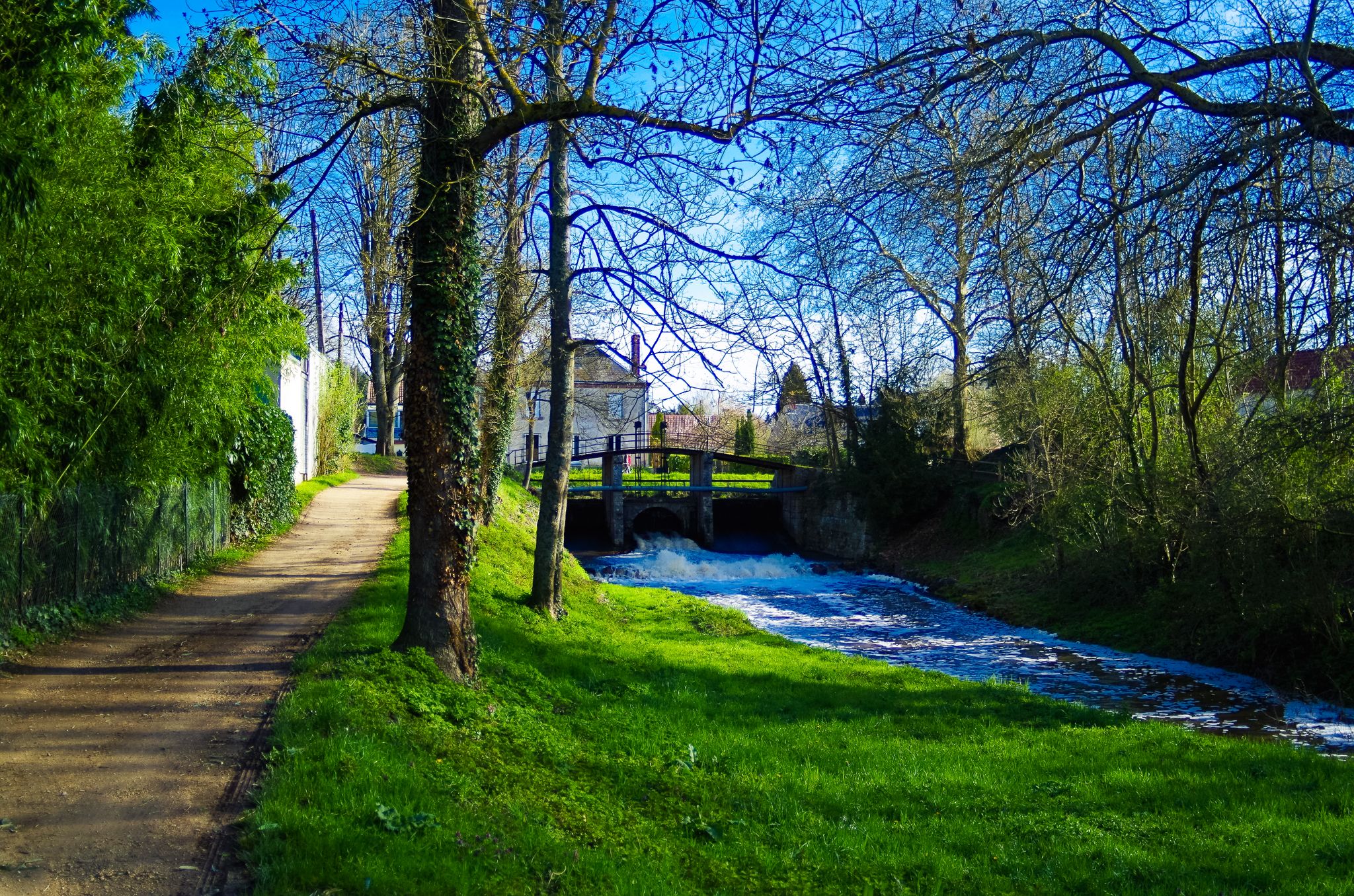
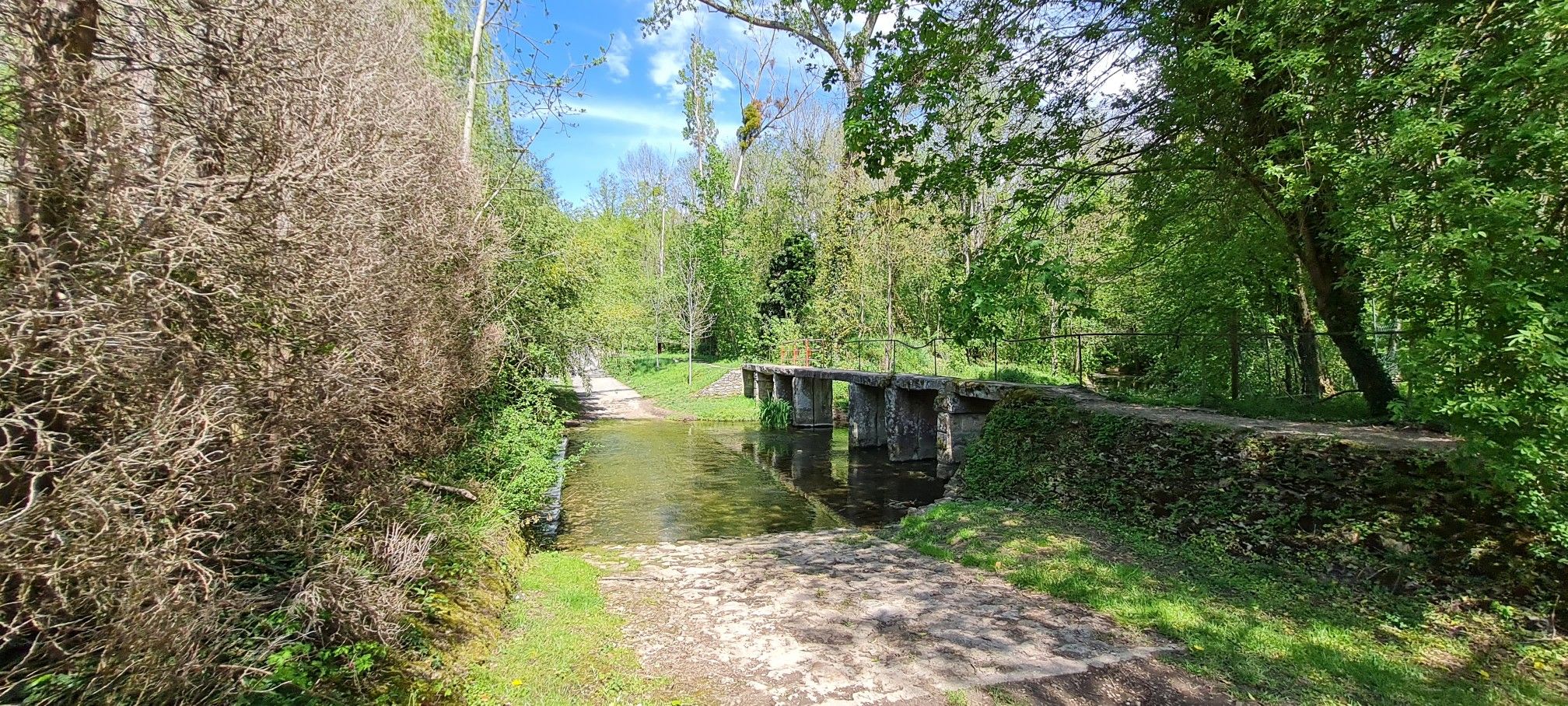
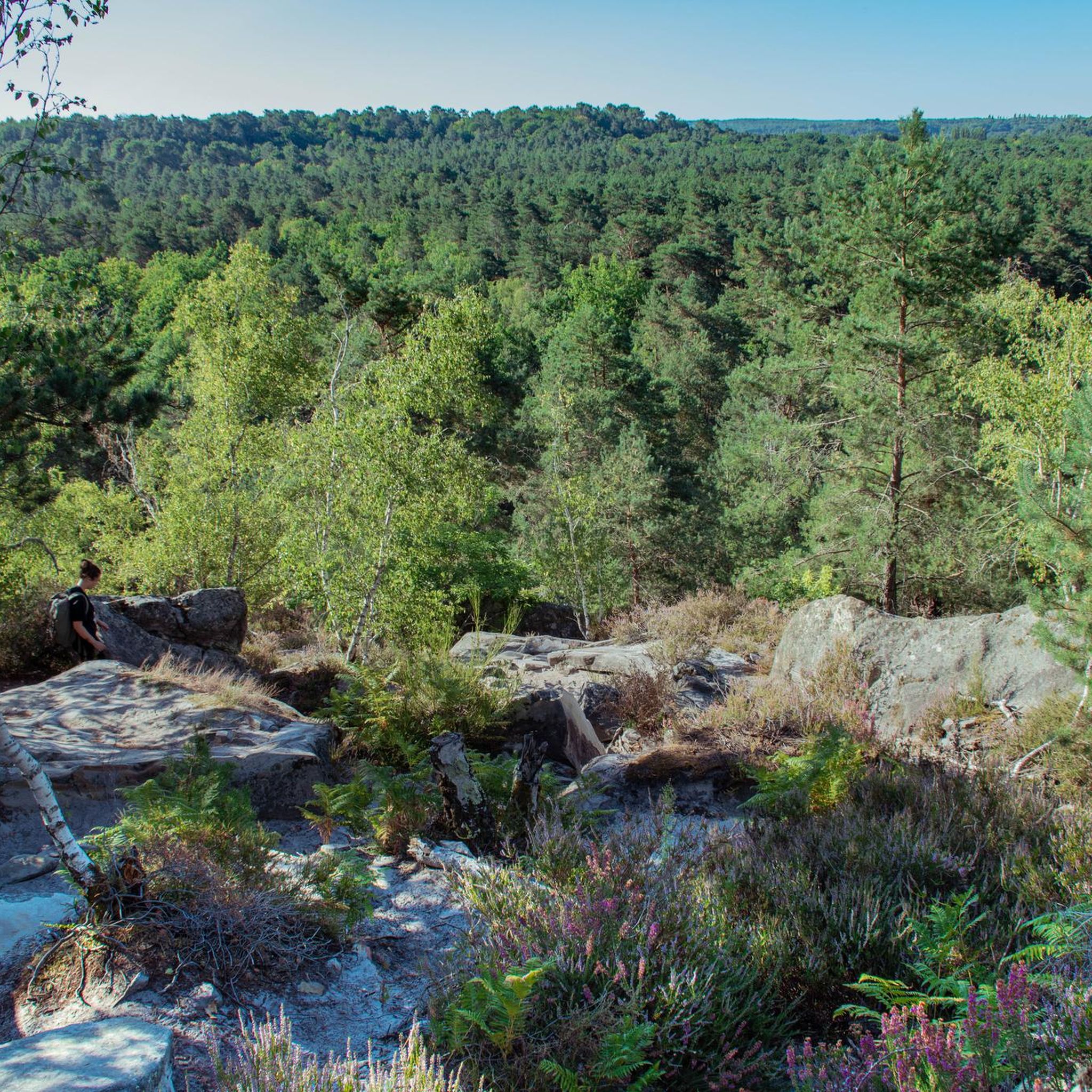
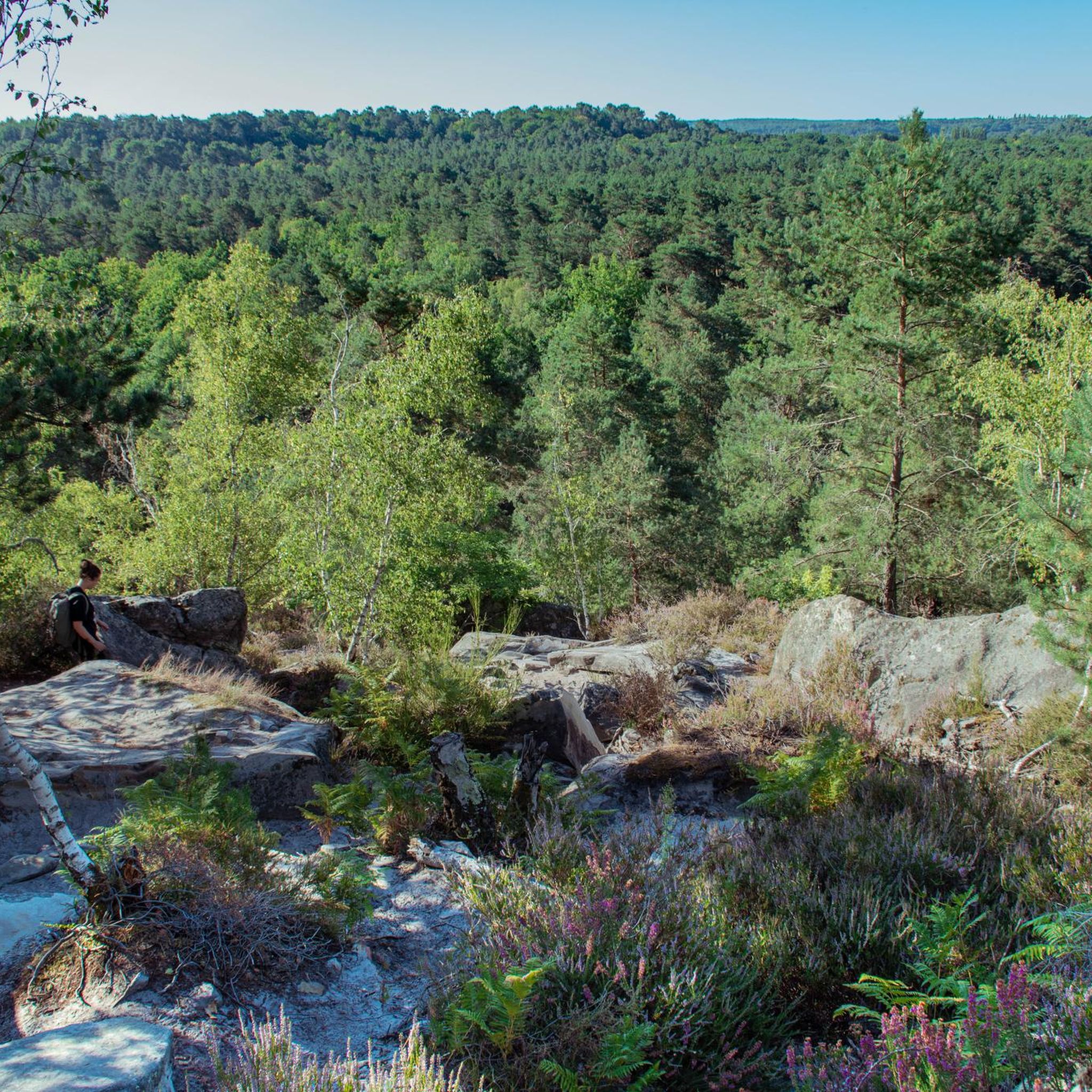



Tips from the Community

It's not Courances but Nanteau-sur-Essonne
0
0


Former market square in the heart of Milly-la-Forêt.
1
0

Yes, indeed pretty Patelin :-)
0
0

Stop at the edge of town to admire the view
0
0

superb little chapel decorated by Jean Cocteau where he rests. a commentary said by Jean Marais accompanied the visit. a so-called simple garden adjoins the chapel. there are many medicinal plants found there. entrance price 3 euros
0
0

Classified as a Historic Monument, this 13th century church is one of the most beautiful in the diocese of Orléans. Its bell tower is in Romanesque style but the rest is part of primitive Gothic architecture, with a Cistercian influence. Its stained glass windows make it a bright building. With beautiful acoustics, it regularly hosts concerts and choirs.
0
0

The trail moves on to the main essentials The hall In 1479, by a special grace from Louis The North-South facing Hall, 46 m long, 16 m wide and 13 m high, covers a total surface area of 730 m2. 48 oak pillars, resting on “dice”-cut stone bases, support a chestnut frame typical of Ile-de-France at that time; this frame presents to the north (on the rue Langlois side) a “pavilion” farm. Today, La Halle is still the site of a market on Thursday afternoons. The square, the houses gathered all around, bear witness to the great commercial activity which already reigned in the region 500 years ago. La Halle has been classified as a Historic Monument since 1923. Bonde Castle is located near the town center of Milly-la-Forêt, Built near an artificial island in the l'École river to the west of the Notre-Dame collegiate church, its park is bordered to the west by the course of the river which forms a moat to the north protecting the châtelet. History Built in the 12th century by the lords of Milly, the castle was ruined during the English siege in 1432. At the end of the 15th century around 1475, owned by Admiral Louis Malet de Graville, it was rebuilt and enlarged. What was then the keep became the entrance gatehouse, the drawbridge was replaced by a permanent stone bridge and a gate closed access between the northern defense tower and the governor's house. A square courtyard was surrounded by a wall and had in the center a chapel dedicated to Saint Valentine. The castle was successively the property of Hugues III de Bouville, Olivier V de Clisson, Jean II de Montmorency, Jean-François de Faudoas d'Averton, Marc-Antoine Front de Beaupoil de Saint-Aulaire and Pierre Marie of Lau d’Allemans. In the 19th century, the towers of the chatelet were enhanced with brick battlements and a slender roof. In 1859 the Corne bridge was rebuilt near the castle washhouse which served as a watering trough for the animals. At the end of the 20th century the mills along the river were demolished. In 1964, the Bonde washhouse downstream of the river which was part of the estate was rehabilitated. On December 20, 1972, the castle was partly listed as a historic monument. The park was listed in 1991 for its fences, canals and paths. the house of Jean Cocteau. Entrance to the J. Cocteau house [This 17th century residence, flanked by turrets, was formerly called the Governor's House. It corresponds to an old outbuilding of the castle in front of which the vassals came to pay homage and faith to their lord. Jean Cocteau bought this house with Jean Marais in 1947 and lived there until his death. Notre-Dame de l’Assomption Church Founded in the 11th century, the former chapel of the castle, it was rebuilt around 1485 on the orders of Admiral de Graville in the Gothic style of the 13th and 14th centuries. The bell tower, 57 meters high, dates from the 11th century in its lower part and from the 12th and 13th centuries in its upper part. The arch of the main portal in the primitive Romanesque style comes from an old church in Milly (Saint-Pierre or Saint-Jacques). On the east side of the bell tower - Place Grammont side - the arms of Admiral de Graville are still visible. Many works of sacred art are found inside the church. The church was listed as a Historic Monument in 1926. The dovecote; Located on the old triangular square of the dovecote cul de sac, this old building was part of the Domaine du Moustier, property of Fulbert I, lord of Milly and officer at the court of Dagobert I in the 7th century. Destroyed in 1432 or 1433, the complex included a vast farm. According to a count in 1792 it had around 1200 niches. Only the lords held the right to build these premises designed for breeding. The Moustier de Péronne gate is one of the oldest vestiges of Milly and dates from the 7th century. It provided access to the moustier (monastery in old French) owned by Fulbert I, who obtained the land of Milly from Dagobert I. His son Wulfran was born there around the year 635. Entering religion, he became the apostle of the frieze (Netherlands), then bishop of Sens before retiring to Saint Wandrille where he died in 720.
1
0
Frequently Asked Questions
How many road cycling routes are available around Le Malesherbois?
There are over 25 road cycling routes around Le Malesherbois, offering a variety of experiences. Most of these are moderate, with a few easier options available for those looking for a more relaxed ride.
What is the typical terrain like for road cycling in Le Malesherbois?
The terrain around Le Malesherbois is diverse, featuring a mix of open plains, dense forests, and the scenic Essonne river valley. You'll primarily find quiet, paved roads with low traffic, characteristic of the cycling-friendly Loiret department. Routes often include gentle climbs and descents, making them suitable for various fitness levels.
Are there routes suitable for beginners or less experienced road cyclists?
Yes, there are several easier road cycling routes around Le Malesherbois. For example, the Bonnevaux Castle – Underpass loop from Malesherbes is an easy 37 km route with moderate elevation gain, perfect for a more relaxed ride.
What do other cyclists say about the road cycling routes in Le Malesherbois?
The road cycling routes in Le Malesherbois are highly rated by the komoot community, with an average score of 4.6 stars from over 5 reviews. More than 160 road cyclists have used komoot to explore the varied terrain, often praising the scenic landscapes and quiet roads.
Are there any circular road cycling routes in the area?
Yes, many of the road cycling routes around Le Malesherbois are designed as loops, allowing you to start and finish in the same location. Examples include the popular Between Beauce and Gâtinais — Loop from Malesherbes and the Beautiful route through the trees – Route Ronde loop from Malesherbes.
What historical landmarks or points of interest can I see while road cycling?
You can combine your ride with cultural exploration. Cyclists often pass by historic sites such as the Château de Malesherbes, with its feudal past and 17th-century facades. Other nearby attractions include the Saint Lubin Chapel and various castles like Augerville Castle and Yèvre-le-Châtel.
Are there natural features to explore on road cycling routes?
Absolutely. The region is rich in natural beauty. You can cycle through dense forests, across open plains, and alongside the meandering Essonne river. The Moulin de la Porte Marsh, a 20-hectare ecological wetland, is another natural point of interest you might encounter on your rides.
When is the best time of year to go road cycling in Le Malesherbois?
Le Malesherbois, like the wider Loiret department, is enjoyable for road cycling throughout much of the year. Spring and autumn offer pleasant temperatures and beautiful scenery, with fewer crowds. Summer can also be great, but it's advisable to start earlier in the day to avoid the midday heat.
Are there family-friendly road cycling options?
While many routes are moderate, the region's quiet, paved roads and gentle elevation gains make it generally suitable for families with some cycling experience. Look for the 'easy' graded routes, such as the Bonnevaux Castle – Underpass loop from Malesherbes, which are shorter and have less climbing.
Can I find places to eat or stay near the cycling routes?
Yes, as you cycle through Le Malesherbois and the surrounding picturesque villages, you'll find opportunities to stop for refreshments or find accommodation. The region's commitment to tourism means there are local cafes, restaurants, and guesthouses that cater to visitors, including cyclists.
Is parking available for road cyclists in Le Malesherbois?
Yes, parking is generally available in Le Malesherbois, particularly near the town center or designated starting points for routes. Many routes begin and end in Malesherbes, making it convenient to park your vehicle before heading out.
How can I reach the starting points of road cycling routes using public transport?
Le Malesherbois is accessible by public transport, particularly by train from Paris, which can be a convenient option for reaching the area. Once in Malesherbes, many routes start directly from the town, allowing you to begin your ride without needing further transport.
What are some longer road cycling routes for experienced riders?
Experienced riders looking for longer distances can explore routes like the Beautiful route through the trees – Route Ronde loop from Malesherbes, which covers over 70 km. Another excellent option is the Domaine de Courances – Bonnevaux Castle loop from Malesherbes, a moderate 63.8 km path that passes by historic estates.
Most popular attractions around Le Malesherbois

Get inspired with the komoot mobile app


Explore more
Browse the best Road cycling routes in other regions.
