The best cycling routes around Aspach-Michelbach
4.3
(695)
7,603
riders
17
rides
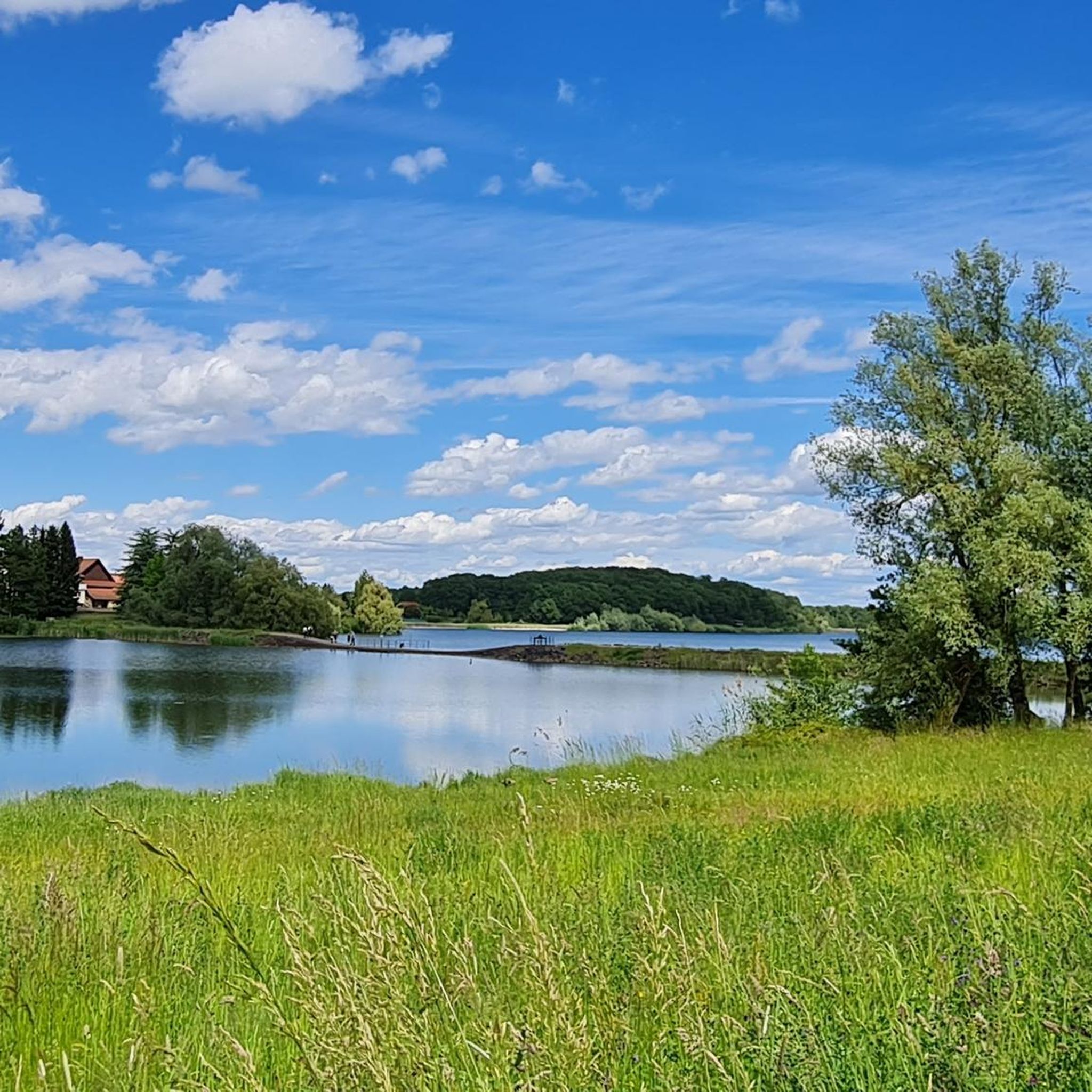
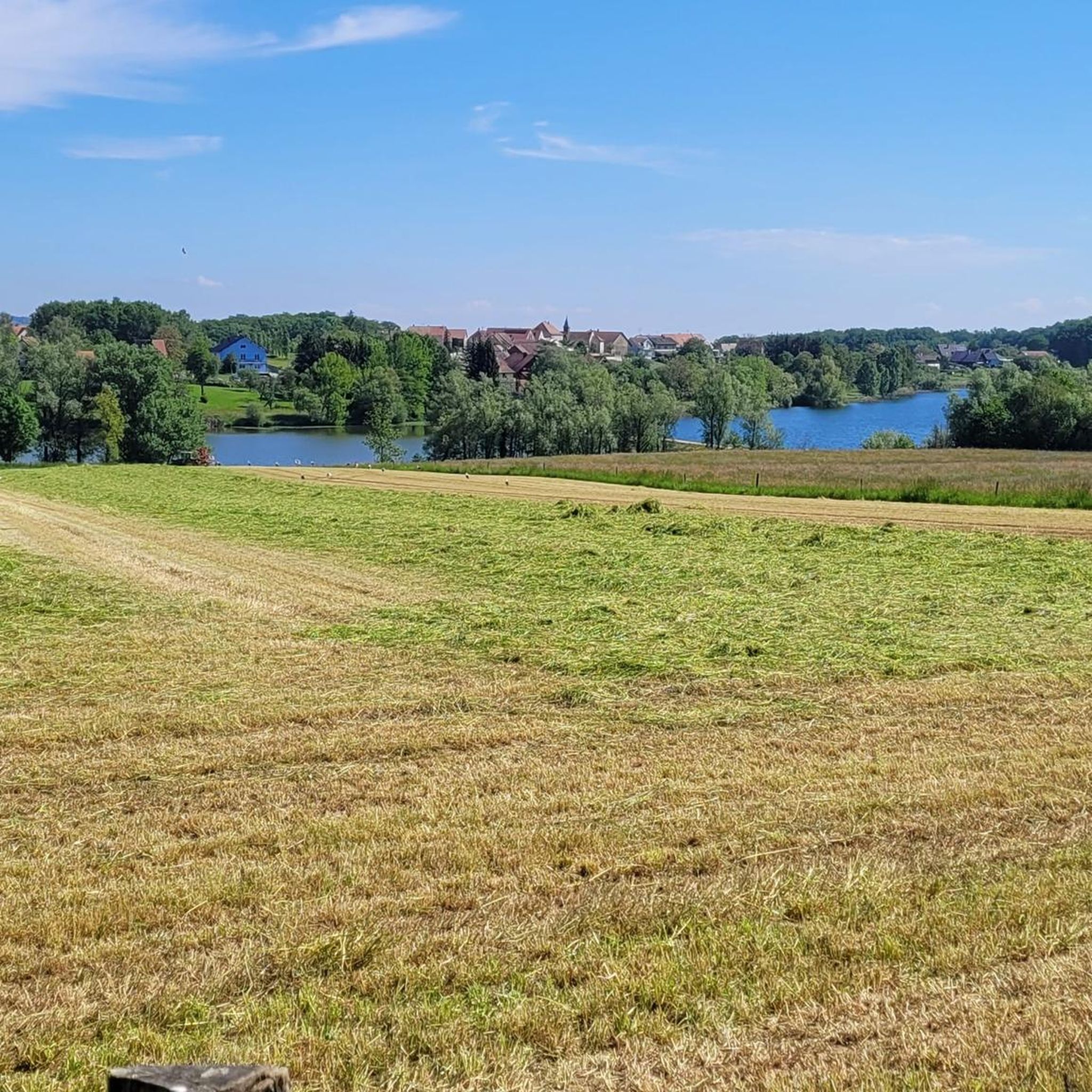
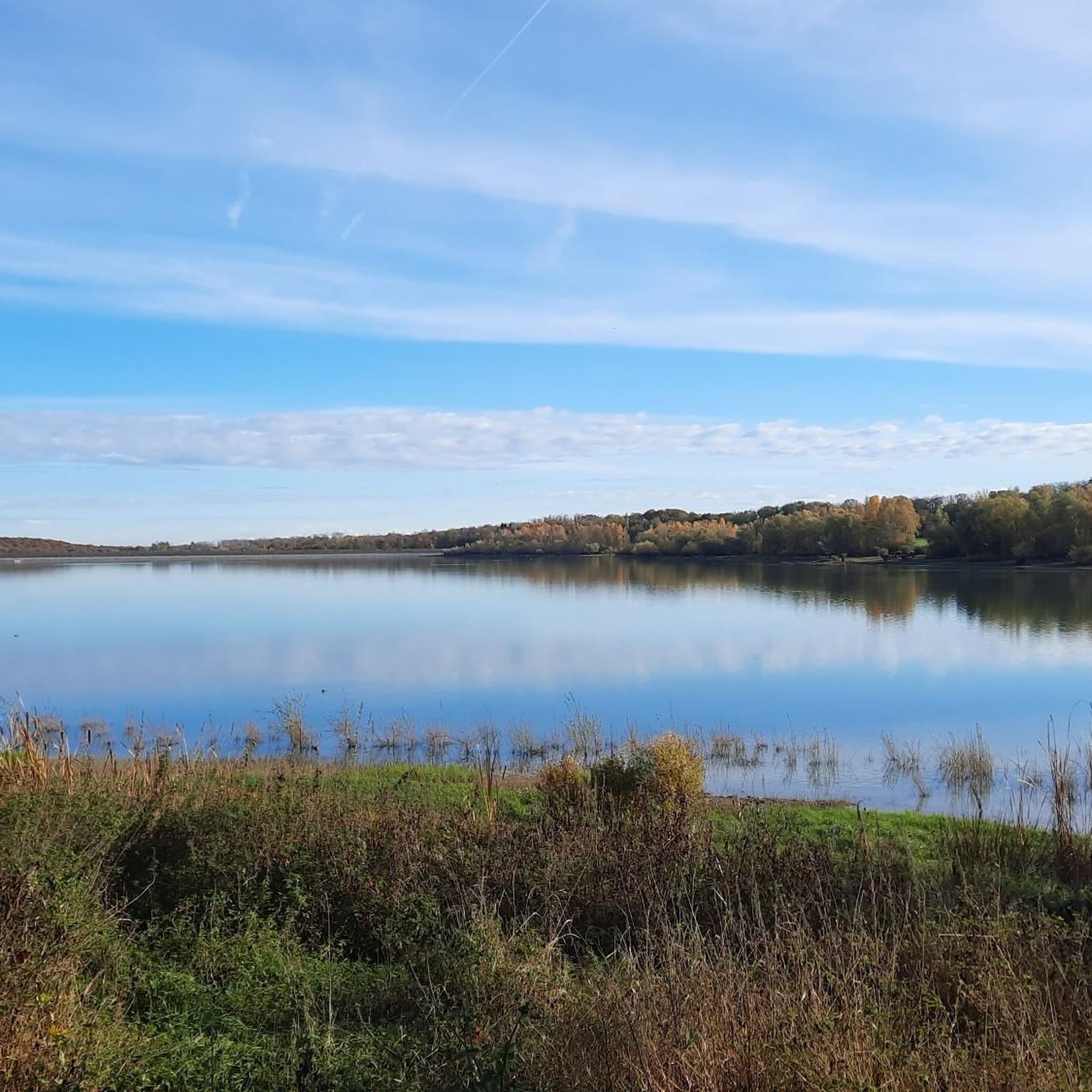
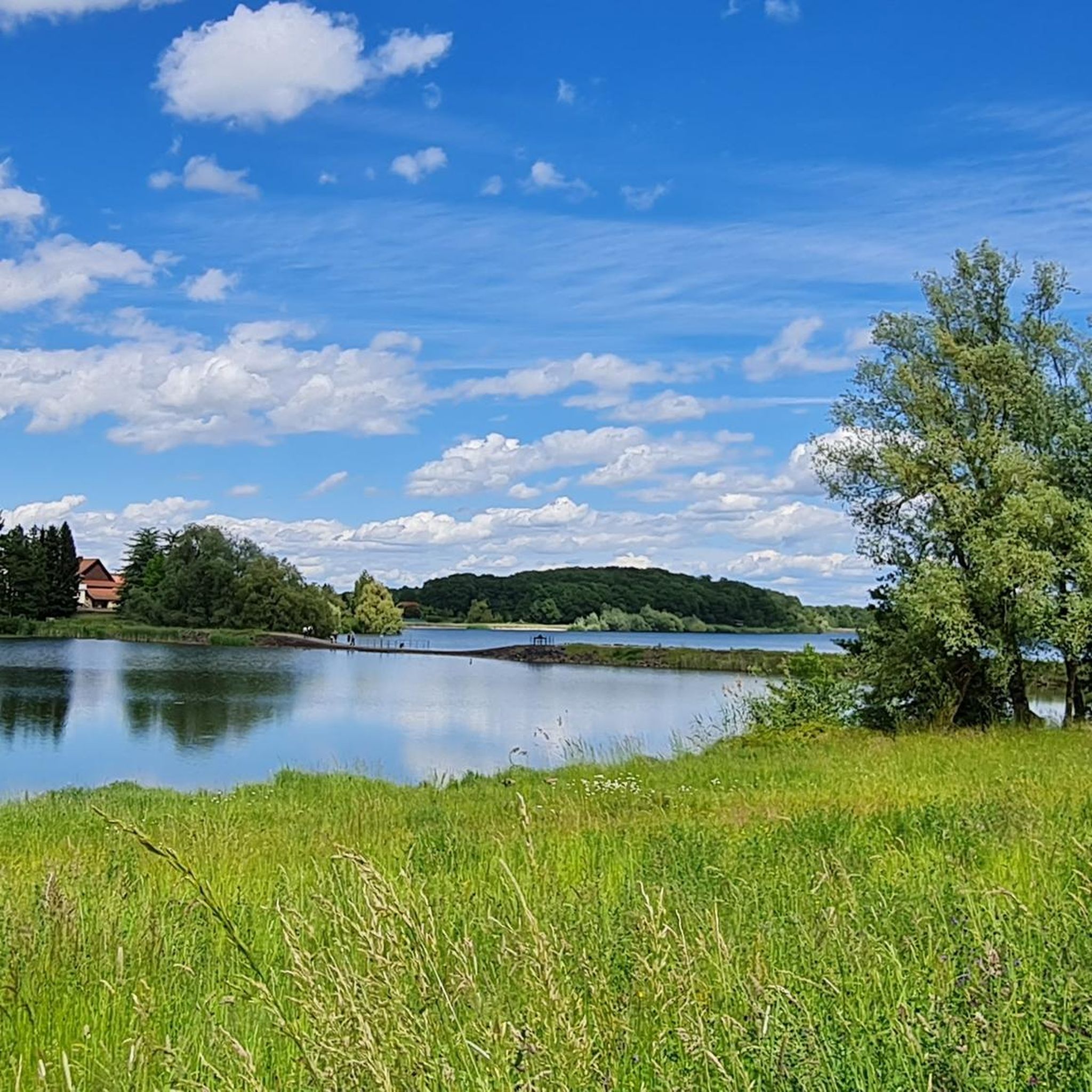
Touring cycling routes around Aspach-Michelbach are situated in the Haut-Rhin region of France, at the foot of the Vosges Massif. The area features diverse terrain, from rolling hills to more challenging ascents, and includes the tranquil Michelbach Nature Reserve with its lake. Cyclists can also explore routes along the largely flat Rhône-Rhine Canal, which is part of the EuroVelo 6 network. This landscape offers a variety of cycling experiences suitable for different fitness levels.
Best touring cycling routes around Aspach-Michelbach
…Last updated: October 1, 2026
3.0
(1)
29
riders
Hard bike ride. Very good fitness required. You may need to push your bike for some segments of this route.
4.0
(2)
17
riders
17.7km
01:05
120m
120m
Easy bike ride. Great for any fitness level. Mostly paved surfaces. Suitable for all skill levels.

4.5
(2)
17
riders
Easy bike ride. Great for any fitness level. Mostly paved surfaces. Suitable for all skill levels.
8
riders
33.6km
03:13
710m
710m
Hard bike ride. Very good fitness required. You may need to push your bike for some segments of this route.
8
riders
10.5km
00:36
20m
20m
Easy bike ride. Great for any fitness level. Mostly paved surfaces. Suitable for all skill levels.
Get access to more routes and recommendations from other explorers.
Already have an account?
Our route recommendations are based on thousands of hikes, rides, and runs completed by other people on komoot.
Start today with a free account
Your next adventure awaits.

Tips from the Community

War Memorial of Burnhaupt-le-Haut The War Memorial of Burnhaupt-le-Haut commemorates the residents of the place who lost their lives in the wars of the 20th century. The memorial is particularly closely linked to the history of the First World War. At that time, Burnhaupt-le-Haut was located immediately in the front line area and was severely devastated during the fighting. The municipality describes the place for the years 1914-1918 as literally marked by the events of the war and completely destroyed. The current memorial, however, was only inaugurated in 1969. On June 13, 1969, a large festive parade took place on the occasion of its inauguration. This created a central place of remembrance for the fallen and missing of the municipality. The memorial is therefore not isolated, but is part of the turbulent local history: Burnhaupt-le-Haut was located between French and German positions during the First World War. The fighting left deep scars in the village and led to the destruction of numerous buildings. The current church of Saint-Boniface also had to be rebuilt after the war and was inaugurated in 1929. Today, the War Memorial is a place for annual commemorative ceremonies. Here, especially on November 11, the anniversary of the armistice of 1918, the victims of the First World War are remembered. Source: Municipality of Burnhaupt-le-Haut – History Further reading: Société d’Histoire de la Vallée de Masevaux – Contribution „Le monument aux morts de Burnhaupt-le-Haut“
0
0
Anyone who wants to know more about this should visit this page: https://sundgaufront.pharmafix.com/index.php/interaktive-frontkarte
1
0
Church of Aspach-le-Bas The church in Aspach-le-Bas has a turbulent history. As early as 1467, the foundation stone for a new church was laid, which was completed eight years later. For centuries, the parish was served together with neighboring Aspach-le-Haut by a single clergyman. The church experienced a particularly drastic period during the First World War. The population of Aspach-le-Bas was evacuated with their livestock on January 1, 1915. German troops occupied the village. In the course of the fighting, the church was heavily damaged and finally destroyed during the French attack on the village on February 23, 1918. Numerous German concrete bunkers and military installations were also built in the village area. After the war, the returning inhabitants initially lived in provisional barracks, which served as a church and school at the same time. The reconstruction of the village began in 1922. The new church was completed by 1928; in the same year, its new bells were christened. Aspach-le-Bas received support for the reconstruction, among others, from the French town of Malakoff, which acted as a twin town. A street in the village still commemorates this today. The current church thus stands not only for the religious history of the village but also for the destruction and reconstruction of Aspach-le-Bas after the First World War. Further information: Municipality of Aspach-le-Bas – History of the place
0
0
Bahnhof Burnhaupt-le-Haut The Bahnhof Burnhaupt-le-Haut is located on the former railway line from Cernay to Sewen, which led through the Dollertal. The line was built in the 19th century and was of great importance for passenger and freight transport in the region. During the First World War, the station gained particular strategic importance. Burnhaupt was located immediately behind or close to the front line between German and French troops. The railway was used to transport soldiers, weapons, ammunition, and other supplies. Due to the fighting, the station was heavily damaged. After the war, the station building was rebuilt between 1921 and 1923. A building typical of the region with elements of Alsatian architecture was created. The station has largely been preserved to this day and serves as a reminder of the importance of the railway for the region's development and the destruction of the First World War. Regular passenger service on the line was discontinued in 1967, and the line was later closed. Part of the former railway line is now operated as a museum railway by Train Thur Doller Alsace. Historic locomotives and wagons run on the line through the Dollertal, making the history of the railway tangible for visitors. The Bahnhof Burnhaupt-le-Haut is therefore not only a former transport hub, but also a historic site where the history of the region, the railway, and the First World War converge. Further information and historical photos: Train Thur Doller Alsace – Bahnhof Burnhaupt
0
0

In his Stations of the Cross meditation—written on Good Friday 2025 in the Roman Colosseum—Pope Francis, who died a few days later (Easter Monday), invited us to let ourselves be contemplated by the crucified love of Jesus: "Our darkness seeks the light. (...) Now [the crowd] encounters the spectacle of a love never before seen, a beauty that moves them to change their minds. To those who see you die, Lord, you give the opportunity to beat their breasts and repent, to strike their hearts so that their hardness may break. Jesus, grant us, who often still observe you from afar, that we may always remember you in our lives, so that even death, when you come one day, may find us alive." (Pope Francis)
0
0

Thann's sloping vineyards are famous for their south-facing orientation with slopes that can reach 45°, offering spectacular and dizzying landscapes. These hillsides, located between 350 and 450 meters above sea level, extend over an area of 22 hectares and are renowned for their volcanic terroir and their proximity to the Thur River, which provides the humidity necessary for the grapes to ripen. Among the grape varieties cultivated are Riesling, Pinot Gris, Gewürztraminer, and Muscat, all grown in often rocky and well-exposed soil, which gives the wines great finesse. Viticulture on these steep terrains requires harvests that are often carried out with ropes to ensure safety on these very steep slopes. These vineyards, particularly the Grand Cru Rangen, are among the most emblematic of the region.
0
0

The World War I Bunker Trail in Burnhaupt-le-Bas On the Bunker Trail, you can discover World War I fortifications built by the German army. After the fighting in the summer and autumn of 1914, the front in Upper Alsace stabilized on the Cernay-Dannemarie line. The municipal district of Burnhaupt-le-Bas remained on the German side. In December 1914 and January 1915, French offensives in this sector regularly clashed with the German lines. Numerous bunkers, command posts, and artillery posts. The tour can be done by mountain bike or on foot (hiking boots).
0
0

Also noteworthy are the German Jewish soldiers who are buried here.
1
0
Frequently Asked Questions
What kind of terrain can I expect on touring cycling routes around Aspach-Michelbach?
The area offers diverse terrain, from gentle rolling hills to more challenging ascents into the Vosges Massif. You'll find routes along the largely flat Rhône-Rhine Canal, as well as paths that climb towards peaks like the Grand Ballon, offering varied experiences for different fitness levels.
Are there any easy touring cycling routes suitable for beginners or families?
Yes, there are several easy routes. For a gentle ride with historical points of interest, consider the Aspach-le-Bas Church – Positions of the 1st World War loop from Aspach-Michelbach. Another easy option is the Michelbach Reservoir – A beautiful place... loop from Aspach-Michelbach, which takes you through the tranquil Michelbach Nature Reserve.
What are the best times of year to go touring cycling in Aspach-Michelbach?
The spring and summer months are ideal for touring cycling in Aspach-Michelbach. During this time, nature is in full bloom, and the weather is pleasantly warm, making for enjoyable rides through the scenic landscapes.
Are there any circular touring cycling routes available?
Yes, many routes in the area are designed as loops. For example, the challenging Becherkopf Shelter – Thann Minster loop from Aspach-Michelbach offers significant elevation gain, while the easier Bike loop from Aspach-Michelbach provides a shorter, flatter option.
What natural attractions can I explore while cycling in the region?
The Michelbach Nature Reserve is a significant natural attraction, featuring a tranquil lake and a 4-km walking trail. Cyclists can enjoy splendid views and observe various bird species. The region's proximity to the Vosges Massif also means you'll encounter stunning mountain scenery and potentially views of peaks like Rossberg and Grand Ballon.
What historical sites or landmarks can I see along the routes?
You can encounter various historical sites. The Aspach-le-Bas Church – Positions of the 1st World War loop from Aspach-Michelbach specifically features historical points of interest. Additionally, the region has several castles and historical sites nearby, such as The Witch's Eye (Engelbourg Castle) and the Musée de la Porte de Thann.
How many touring cycling routes are there in Aspach-Michelbach?
There are 13 touring cycling routes available around Aspach-Michelbach, catering to various skill levels. This includes 8 easy routes, 2 moderate routes, and 3 difficult routes, ensuring options for everyone from beginners to experienced cyclists.
What do other touring cyclists enjoy most about cycling in Aspach-Michelbach?
The area is highly rated by the komoot community, with an average score of 4.3 stars from over 690 reviews. Cyclists often praise the varied terrain, from serene canal paths to challenging mountain ascents, and the beautiful natural settings like the Michelbach Nature Reserve.
Are there any challenging routes for experienced touring cyclists?
Yes, for experienced cyclists seeking a challenge, routes venturing into the Vosges foothills offer significant elevation gain. The Becherkopf Shelter – Thann Minster loop from Aspach-Michelbach, with nearly 900 meters of elevation, is a difficult option. Another demanding route is the Thann Minster – Thann loop from Aspach-Michelbach.
Can I find places to rest or eat along the cycling routes?
While specific cafes or pubs on every route aren't detailed, the Michelbach Nature Reserve offers benches along its trail for a tranquil break. The region also features various huts and refuges, such as the Viewpoint at the Rehbrunnel shelter and the Molkenrain Refuge, which can serve as rest stops.
Are there any specific rules or permits required for cycling in the Michelbach Nature Reserve?
The Michelbach Nature Reserve features a 4-km walking trail between the forest and the lake edge. While cycling is generally permitted on designated paths, it's always advisable to check local signage for any specific restrictions within the reserve to ensure you respect the protected natural environment. For more information on the reserve, you can visit visit.alsace.
Most popular routes around Aspach-Michelbach
Most popular attractions around Aspach-Michelbach

Get inspired with the komoot mobile app


Explore more
Browse the best Cycling routes in other regions.
