The best road cycling routes around Paredes De Coura
4.0
(18)
1,017
riders
29
rides
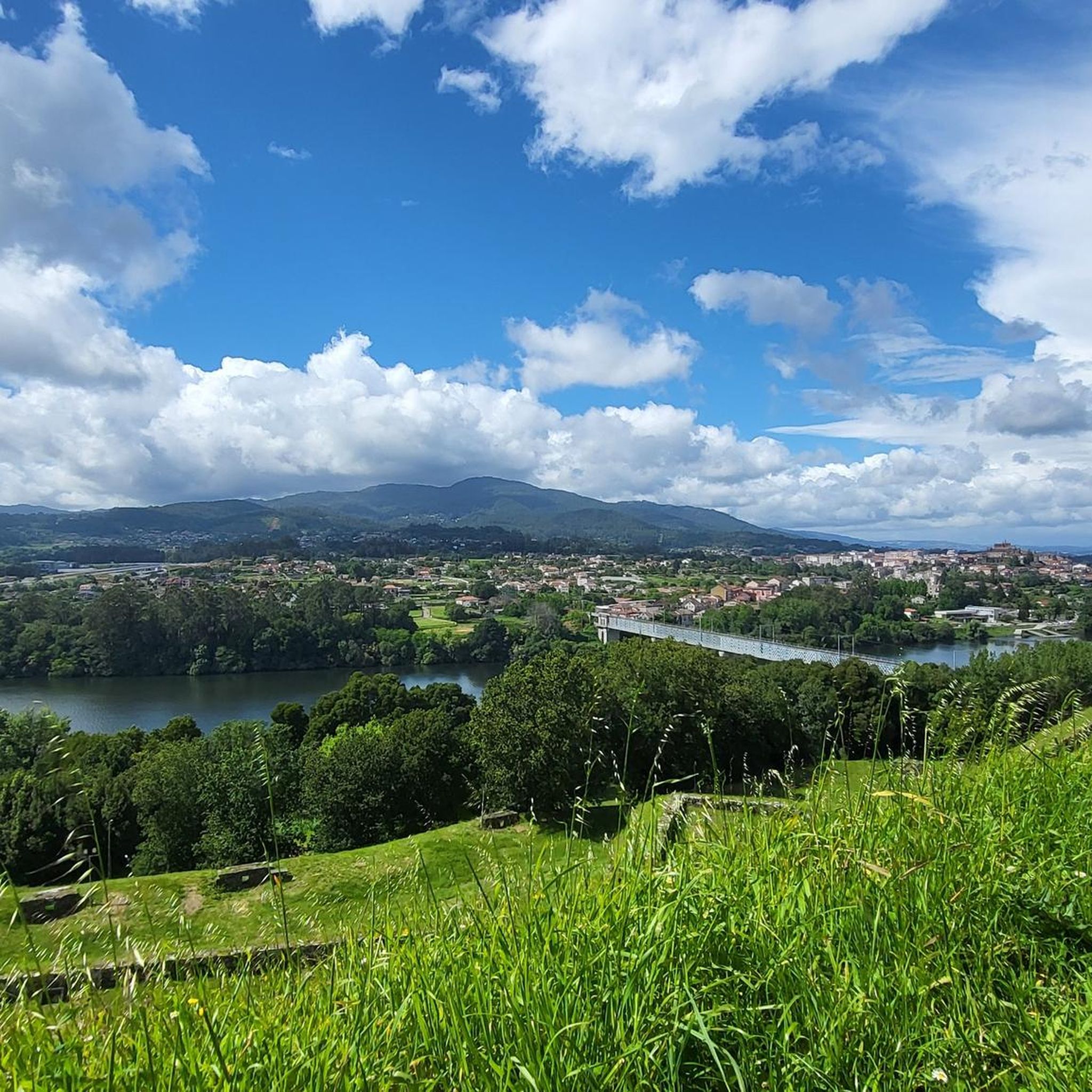
Road cycling around Paredes de Coura offers diverse natural landscapes in northern Portugal's Viana do Castelo district. The region is characterized by lush vegetation, rolling hills, and river valleys, with the Coura River meandering through the area. Cyclists can explore varied terrain, from green plains to dense pine forests, providing a range of experiences. The Corno do Bico Protected Landscape, with its highest point at 883 meters, adds significant elevation challenges to many routes.
Best road cycling routes around Paredes…
Last updated: May 23, 2026
103
riders
109km
05:10
1,080m
1,080m
Hard road ride. Very good fitness required. Some segments of this route may be unpaved and difficult to ride.
31
riders
53.6km
02:25
380m
380m
Moderate road ride. Good fitness required. Some segments of this route may be unpaved and difficult to ride.

Sign up for free
3.5
(2)
25
riders
63.6km
03:25
1,150m
1,150m
Hard road ride. Very good fitness required. Mostly well-paved surfaces and easy to ride.
22
riders
47.7km
02:22
620m
620m
Moderate road ride. Good fitness required. Mostly well-paved surfaces and easy to ride.
20
riders
64.7km
03:29
1,090m
1,090m
Hard road ride. Very good fitness required. Mostly well-paved surfaces and easy to ride.
Get access to more routes and recommendations from other explorers.
Sign up for free
Already have an account?
Our route recommendations are based on thousands of hikes, rides, and runs completed by other people on komoot.
Start today with a free account
Your next adventure awaits.
Login or Signup
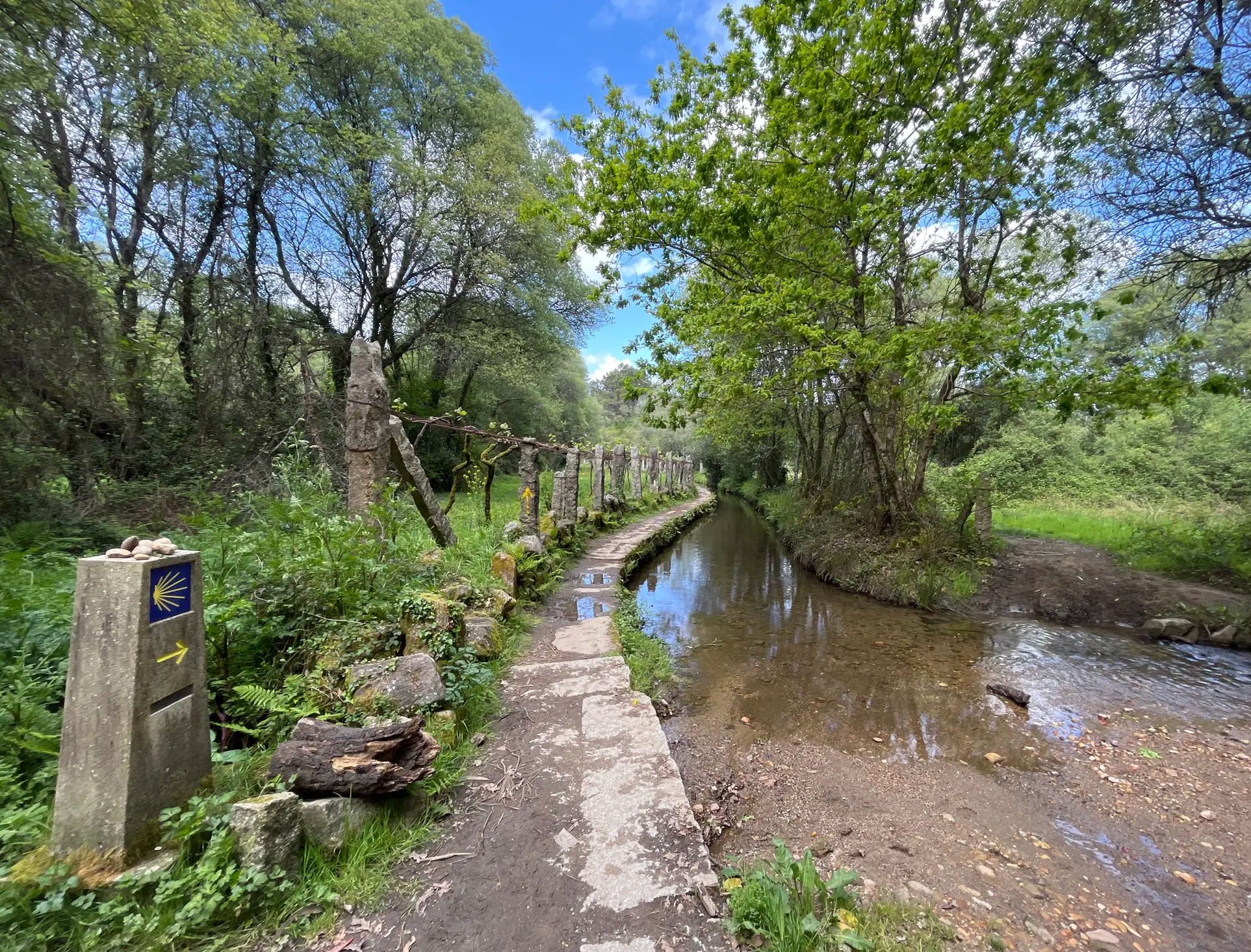

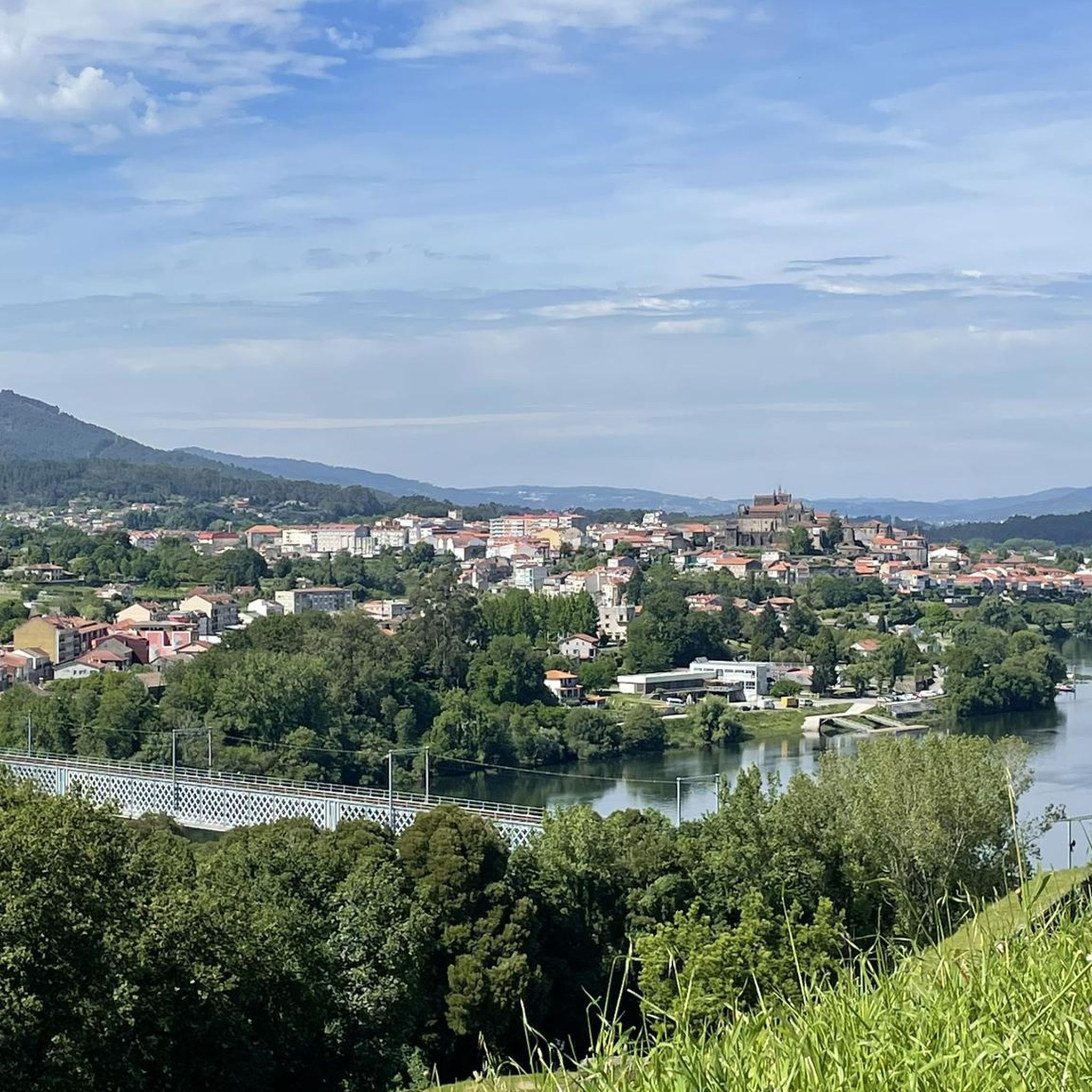
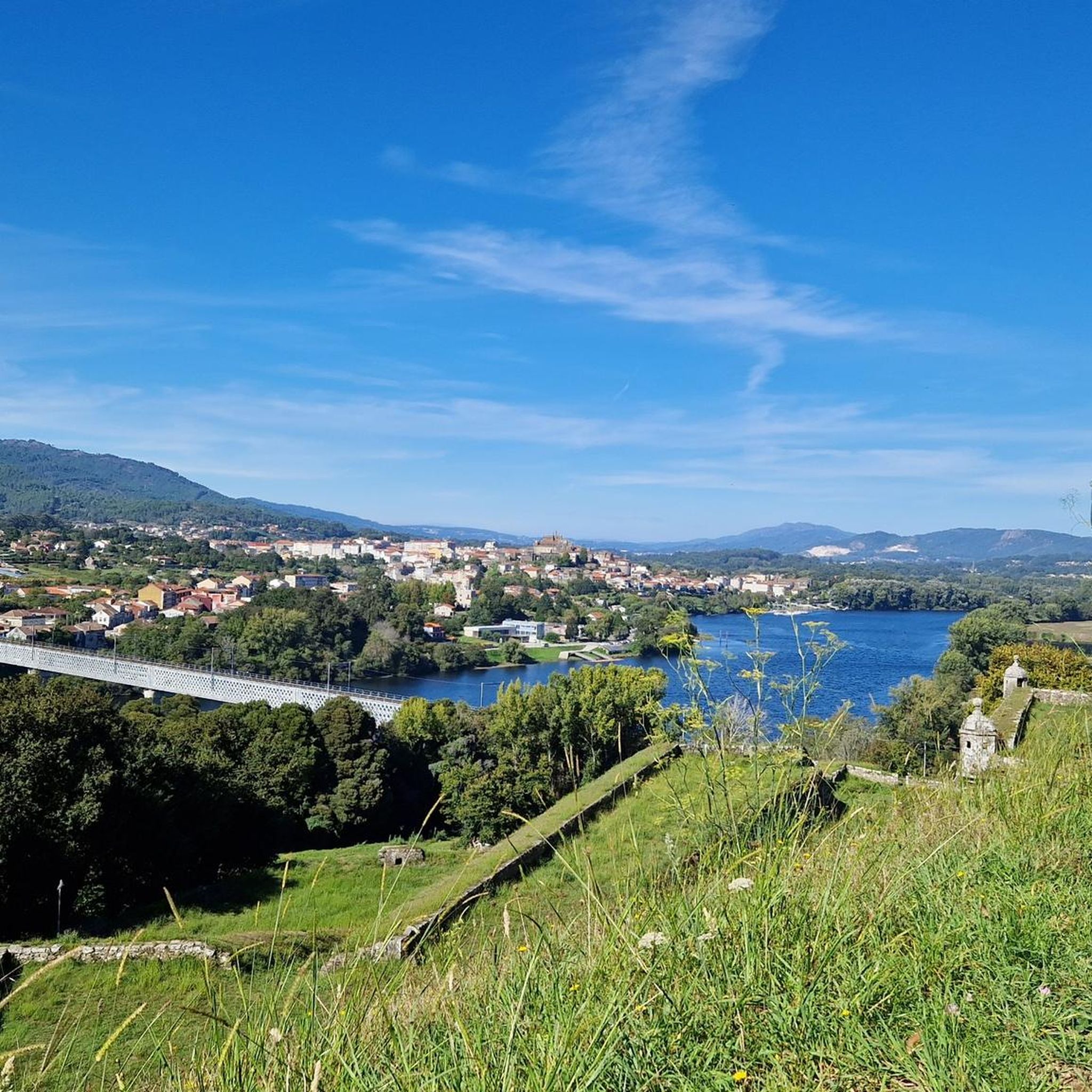
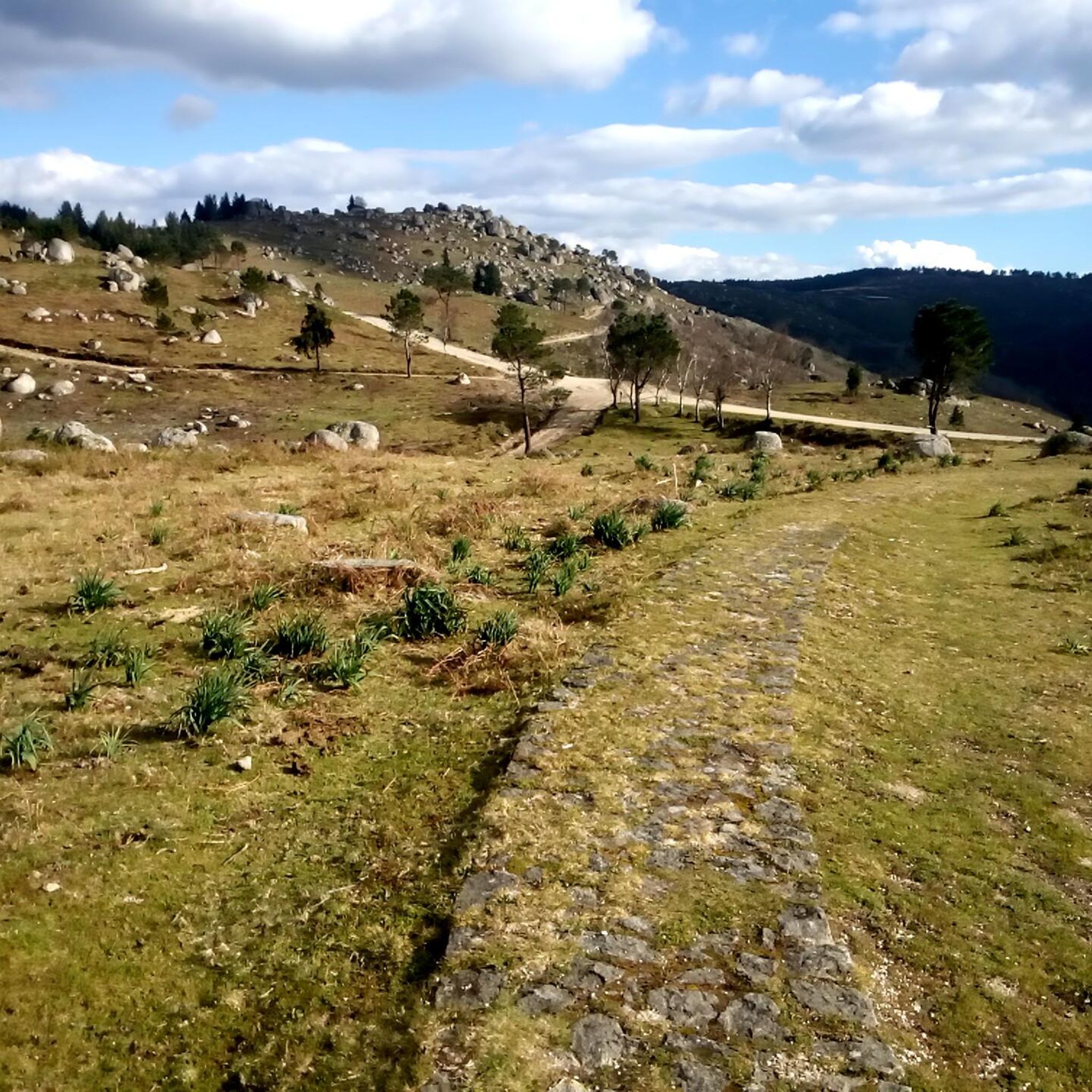
Other adventures around Paredes De Coura

Tips from the Community

unfortunately confusing photos of different towers again and usual photo chaos (also and especially from so-called experts!)
1
0


Valença Fortress, also known as Praça-forte de Valença do Minho, is an imposing jewel of Portuguese military architecture with over eight centuries of history. Its origins date back to the 13th century, when King Sancho I and later Afonso III fortified it to protect the border with Galicia. During the Restoration War (17th–18th centuries), it was transformed into a Vauban-style fortress under the engineer Miguel de l’École and the architect Manuel Pinto de Vilalobos, being completed in 1713. The fortress withstood attacks during the Restoration, was captured and recaptured several times, and was also defended during the Napoleonic Wars and the Liberal Wars.
4
0

Historical Context Origin of the name: The town of Ponte de Lima, the oldest in Portugal, derives its name from the bridge that crosses it. Way of St. James: The bridge is an important crossing point on the Portuguese Way of St. James. Legend: The legend of the Lima River, which runs under the bridge, tells that the Romans believed it to be the river of forgetfulness, which would have given rise to the myth that people who crossed it would forget their past lives.
2
0
The bridge that gives the Lima Bridge its name is actually a combination of two structures: a Roman section, built in the 1st century, and a medieval section, expanded in the 14th century. It crosses the Lima River and is one of the town's most emblematic monuments. Characteristics of the bridge Roman section: The remaining Roman section consists of five arches, and its construction is linked to the military road that connected the cities of Braga and Astorga. Medieval section: The medieval portion of the bridge is larger and was built to connect to the Roman section, extending the structure over the river. Material: The bridge is built of granite, using the Roman technique of "quadratum" and "vittatum" masonry.
2
0

A city bathed by the Lima River, with walking trails in the area and good food.👍🥾🇵🇹
1
0

The former hospital ship of the cod fleet is now a museum ship. The entrance fee of €5 per person is absolutely reasonable. For that, you get to see a lot of interesting things. The tour provides a very thorough explanation of life and technology on board. An audio guide is available as a helpful supplement. Much of the interior is still preserved. Absolutely worth seeing.
0
0
The former hospital ship is now a museum. The entrance fee (5 euros per person, September 2025) is well worth it. For that, you can walk through the entire ship and get a good impression of the conditions and technology of the time.
0
0
Frequently Asked Questions
How challenging are the road cycling routes in Paredes de Coura?
Paredes de Coura offers a diverse range of road cycling routes. You'll find a good mix of challenges, with 11 moderate routes and 21 difficult routes. The region's varied topography, including the Corno do Bico Protected Landscape, means many routes feature significant elevation gains, providing a rewarding experience for cyclists looking for a workout.
Are there any easy road cycling routes suitable for beginners in Paredes de Coura?
While Paredes de Coura is known for its rolling hills and more challenging terrain, there are no routes specifically classified as 'easy' in our current selection. However, the 11 moderate routes, such as the Lovelhe Fort – Ponte de Caminha loop from São Pedro da Torre, offer a balanced ride through scenic countryside that can be enjoyed by those with some cycling experience.
What natural attractions or landmarks can I see while road cycling in Paredes de Coura?
The region is rich in natural beauty. You can expect to cycle through lush green landscapes, past the meandering Coura River, and potentially catch glimpses of the Corno do Bico Protected Landscape. Notable natural highlights include the Waterfall and Cascades of the Rio Couro and the Estuary of the Minho and Coura Rivers. The area also features several viewpoints offering panoramic vistas.
Are there specific viewpoints worth visiting along the road cycling routes?
Yes, Paredes de Coura boasts several viewpoints that offer stunning panoramic vistas. While cycling, you might encounter viewpoints within the Corno do Bico Protected Landscape, such as Santo Amaro and Penedo do Rebolinho. Other notable spots mentioned in the region include Miradouro do Cervo, Penedo do Milho Viewpoint, and Our Lady of Pena Viewpoint, providing excellent opportunities to pause and enjoy the scenery.
What are the typical distances and durations of road cycling routes in Paredes de Coura?
The road cycling routes in Paredes de Coura vary significantly in length and duration. For instance, the Quiet Country Road – Eiffel Bridge loop from Brandara is a longer ride at 67.7 miles (109.0 km), typically taking around 5 hours 10 minutes. Shorter options like the Ponte de Lima – Roman Bridge of Ponte de Lima loop from Arcozelo cover about 30 miles (48 km) and can be completed in under 2.5 hours.
Are there many circular road cycling routes available?
Yes, many of the road cycling routes in Paredes de Coura are designed as loops, allowing you to start and finish at the same point. Examples include the Roman Bridge of Ponte de Lima loop from Insalde e Porreiras and the Valença Fortress – Fortress of Valença loop from Coura, providing convenient options for exploration without needing to retrace your path.
What do other road cyclists enjoy the most about road cycling in Paredes de Coura?
The road cycling routes in Paredes de Coura are highly rated by the komoot community, with an average score of 4.1 stars from more than 10 reviews. Cyclists often praise the region's diverse natural landscapes, from lush river valleys to rolling hills and dense forests, and the peaceful experience offered by its 'lonely roads'.
Can I find places to stay or eat along the road cycling routes?
While specific cafes and pubs directly on every route are not detailed, Paredes de Coura and its surrounding villages offer various amenities. You can find accommodation options such as the Albergue Quinta Estrada Romana or the São Teotónio Hostel. It's advisable to plan your stops in advance, especially on longer routes, to ensure you have access to refreshments.
What is the best time of year for road cycling in Paredes de Coura?
Paredes de Coura, located in northern Portugal, generally offers pleasant conditions for road cycling for much of the year. The lush green landscapes suggest that spring and early autumn would be ideal, with milder temperatures and vibrant scenery. Summers can be warm, while winters are typically mild but may bring more rain. Checking local weather forecasts before your ride is always recommended.
Are there any specific permits required for road cycling in the area?
There are no specific permits generally required for road cycling on public roads in the Paredes de Coura region. However, if your route takes you through protected areas or private land, it's always good practice to be aware of any local regulations or signage. The Corno do Bico Protected Landscape is a significant natural area, but road cycling on designated routes typically does not require special permits.
How many road cycling routes are available in Paredes de Coura?
There are over 30 road cycling routes available for exploration in Paredes de Coura. This extensive network provides a wide variety of options, catering to different preferences for distance, elevation, and scenic beauty.
Are the road cycling routes in Paredes de Coura suitable for families?
Given that the routes are classified as moderate to difficult, and there are no specific 'easy' or 'family-friendly' routes listed, the terrain might be challenging for younger children or families seeking very gentle rides. Families with older, experienced cycling members might enjoy some of the moderate routes, but it's important to consider the elevation and distance before setting out.
Most popular routes around Paredes De Coura
Most popular attractions around Paredes De Coura

Get inspired with the komoot mobile app


Explore more
Browse the best Road cycling routes in other regions.
