The best cycling routes around Ponte Da Barca
4.7
(106)
1,058
riders
12
rides
Touring cycling around Ponte Da Barca is characterized by its diverse landscapes, ranging from tranquil riverside paths to challenging mountain ascents. The region is situated along the Lima River, offering relatively flat routes that follow its banks. Inland, the terrain transitions into the foothills of the Peneda-Gerês National Park, presenting significant elevation gains and more demanding trails. This area provides a mix of natural features, including lush valleys, wooded areas, and panoramic viewpoints.
Best touring cycling routes around Ponte Da Barca
- The most popular touring cycling route is Rio Lima Ecoway, a 23.8 miles (38.3 km) trail that takes 3 hours 17 minutes to complete. This moderate route follows the picturesque Lima River, offering scenic views and a dedicated cycling path.
- Another top favourite among local touring cyclists is Lima River Ecotrail – Ponte de Lima loop from Ponte da Barca, a moderate 21.7 miles (34.9 km) path. This route provides a loop along the Lima River, connecting Ponte da Barca to Ponte de Lima through a riverside landscape.
- Local touring cyclists also love the Touvedo Dam – Lima Escape Camping loop from Entre Ambos-os-Rios, a 19.2 miles (30.9 km) trail leading through varied terrain with significant elevation, often completed in about 2 hours 29 minutes.
- Touring cycling around Ponte Da Barca is defined by the Lima River, the Peneda-Gerês National Park, and varied terrain including flat riverside paths and challenging mountain climbs. The network offers options for different ability levels, from moderate riverside routes to difficult ascents.
- The routes in Ponte Da Barca are highly rated by the komoot community with an average score of 4.8 stars from over 40 reviews. More than 500 touring cyclists have used komoot to explore Ponte Da Barca's varied terrain.
Last updated: May 10, 2026
5.0
(2)
11
riders
38.3km
03:17
150m
160m
Moderate bike ride. Good fitness required. Mostly paved surfaces. Suitable for all skill levels.
4.5
(32)
233
riders
34.0km
02:57
240m
240m
Moderate bike ride. Good fitness required. Mostly paved surfaces. Suitable for all skill levels.

Sign up for free
4.7
(3)
43
riders
32.0km
02:35
780m
780m
Hard bike ride. Very good fitness required. Mostly paved surfaces. Suitable for all skill levels.
4.8
(4)
25
riders
44.0km
03:31
970m
970m
Hard bike ride. Very good fitness required. Mostly paved surfaces. Suitable for all skill levels.
5.0
(1)
18
riders
49.3km
03:29
970m
970m
Hard bike ride. Very good fitness required. Mostly paved surfaces. Suitable for all skill levels.
Get access to more routes and recommendations from other explorers.
Sign up for free
Already have an account?
Our route recommendations are based on thousands of hikes, rides, and runs completed by other people on komoot.
Start today with a free account
Your next adventure awaits.
Login or Signup
Other adventures around Ponte Da Barca

Tips from the Community


The pillory of Ponte da Barca, originally erected in Largo da Misericórdia after the granting of the "Foral Novo" in 1513 by D. Manuel I, the monument was later moved to its current location, in the Pombaline Market square, next to the Garden of the Poets. 👍🥾
0
0

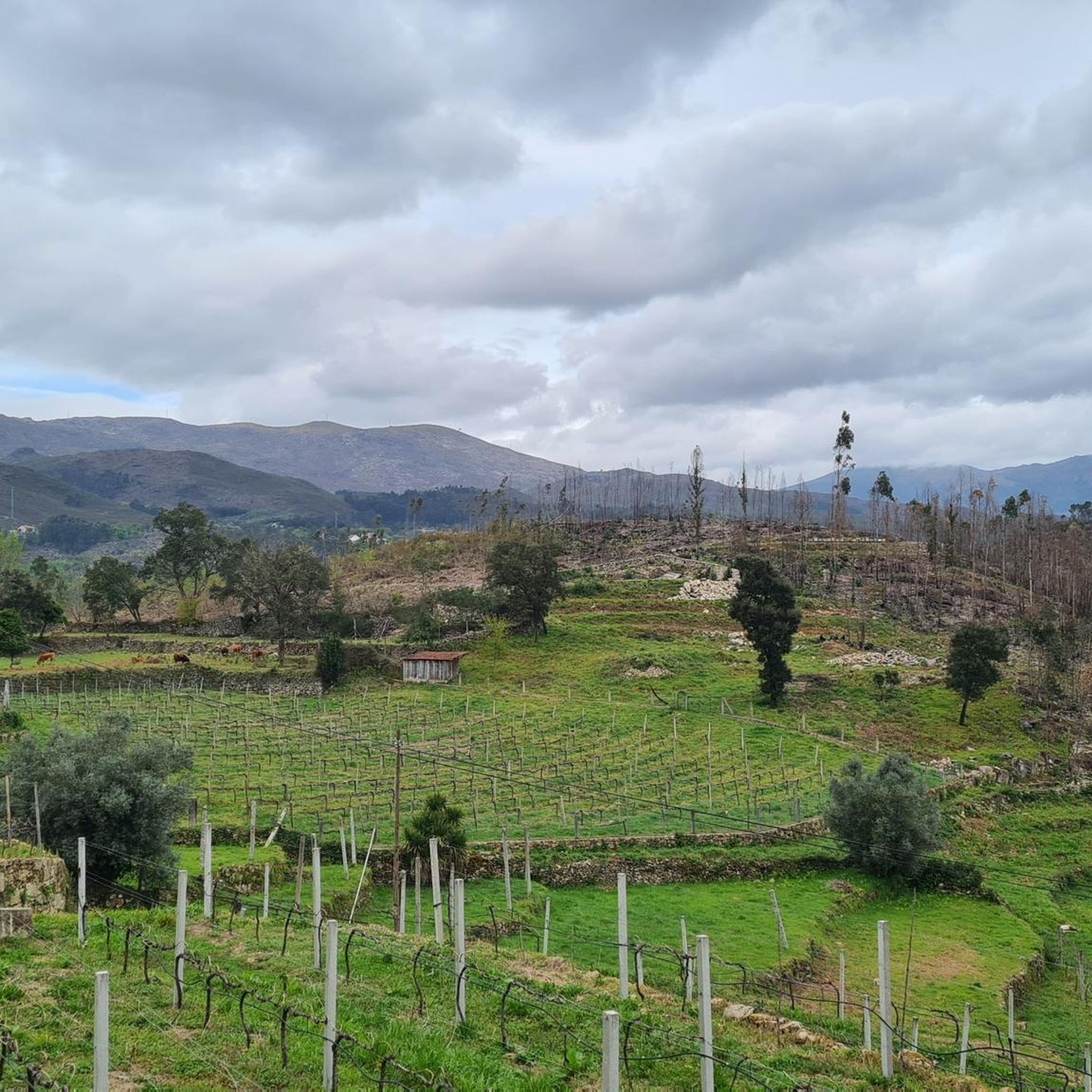
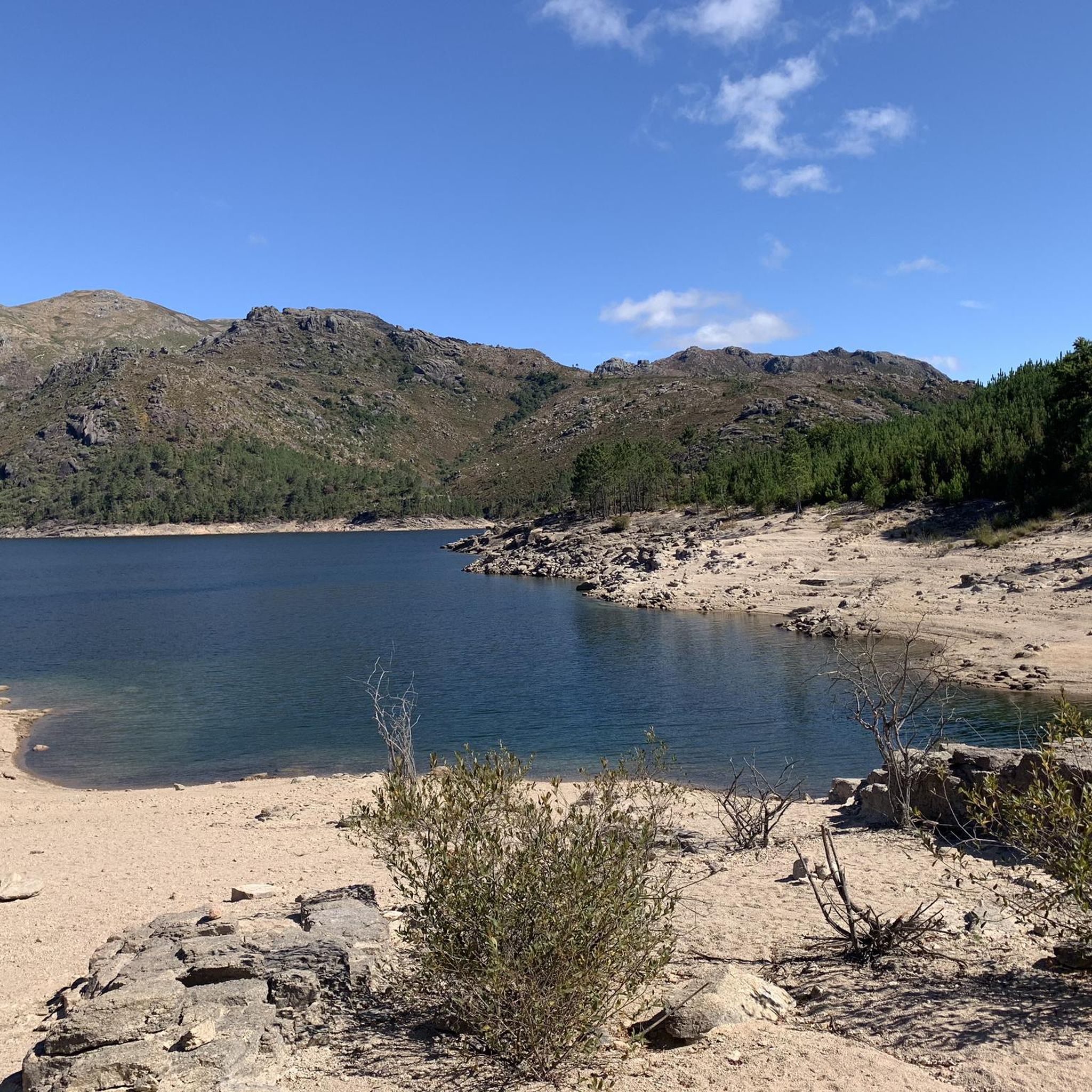
after the fires, this is what remains, burnt land, a desolation
0
0

A very interesting location with all the traditional granaries ("esquigueiros") clustered together on a large rock. The view from here is also very beautiful.
1
1

The Espigueiros of Soajo are one of the most iconic symbols of northern Portugal and the Peneda-Gerês National Park. They are traditional granaries built of stone and wood, designed to store corn and other grains. They are raised on pillars with "mouse stones" (circular slabs) to prevent rodents from entering. They are covered with gabled roofs and topped with crosses, reflecting the religious influence on rural life.
1
0

Historical Context Origin of the name: The town of Ponte de Lima, the oldest in Portugal, derives its name from the bridge that crosses it. Way of St. James: The bridge is an important crossing point on the Portuguese Way of St. James. Legend: The legend of the Lima River, which runs under the bridge, tells that the Romans believed it to be the river of forgetfulness, which would have given rise to the myth that people who crossed it would forget their past lives.
2
0
The bridge that gives the Lima Bridge its name is actually a combination of two structures: a Roman section, built in the 1st century, and a medieval section, expanded in the 14th century. It crosses the Lima River and is one of the town's most emblematic monuments. Characteristics of the bridge Roman section: The remaining Roman section consists of five arches, and its construction is linked to the military road that connected the cities of Braga and Astorga. Medieval section: The medieval portion of the bridge is larger and was built to connect to the Roman section, extending the structure over the river. Material: The bridge is built of granite, using the Roman technique of "quadratum" and "vittatum" masonry.
2
0

It's worth to visit this beautiful viewpoint and enjoy the view and moment.
0
0
Frequently Asked Questions
How many touring cycling routes are available around Ponte Da Barca?
There are 12 touring cycling routes available around Ponte Da Barca on komoot, offering a variety of experiences for different skill levels. These include routes along the Lima River and into the foothills of the Peneda-Gerês National Park.
What kind of terrain can I expect when touring cycling around Ponte Da Barca?
You can expect a diverse range of terrain. Routes along the picturesque Lima River, such as the Rio Lima Ecoway, are generally flat and tranquil. As you venture inland towards the Peneda-Gerês National Park, the terrain becomes more challenging with significant climbs and rewarding vistas, featuring lush valleys and mountainous areas.
Are there any family-friendly touring cycling routes in Ponte Da Barca?
Yes, the routes along the Lima River are generally suitable for families due to their relatively flat profile and dedicated cycling paths. The Rio Lima Ecoway, for instance, offers a scenic and tranquil ride along the riverbanks, perfect for a leisurely family outing.
What are some notable landmarks or natural features to see along the cycling routes?
Cyclists can enjoy several points of interest. Along the Lima River, you'll encounter the iconic 14th-century Medieval Bridge in Ponte da Barca. Further afield, within the Peneda-Gerês National Park, you might come across natural monuments like Fenda da Calcedónia or the Granite Rock Formations of Peneda-Gerês National Park. The region also offers various 'miradouros' (viewpoints) providing stunning panoramic views.
Are there any circular touring cycling routes available?
Yes, there are circular routes available. An example is the Lima River Ecotrail – Ponte de Lima loop from Ponte da Barca, which offers a moderate ride connecting Ponte da Barca to Ponte de Lima and back along the riverside.
What do other touring cyclists enjoy most about cycling in Ponte Da Barca?
The touring cycling routes in Ponte Da Barca are highly rated by the komoot community, with an average score of 4.8 stars from over 40 reviews. Cyclists often praise the diverse landscapes, from tranquil riverside paths to challenging mountain ascents, and the scenic beauty of the Lima River and the Peneda-Gerês National Park.
Are there options for more challenging touring cycling routes?
Absolutely. While riverside routes are generally moderate, areas leading into the Peneda-Gerês National Park offer significant climbs and more demanding trails. Routes like the Touvedo Dam – Lima Escape Camping loop from Entre Ambos-os-Rios or the Pelourinho de Ponte da Barca – Touvedo Dam loop from Ponte da Barca feature considerable elevation gains, catering to experienced cyclists seeking a challenge.
Can I find places to stop for refreshments or accommodation along the routes?
Ponte da Barca's charming historic center offers cafes and traditional establishments. Along the Lima River, you might find river beaches perfect for a refreshing stop. For longer tours, the region has various options for accommodation, particularly in and around the main towns and villages.
What is the best time of year for touring cycling in Ponte Da Barca?
The region generally offers pleasant conditions for cycling during spring and autumn, when temperatures are milder and the natural landscapes are vibrant. Summer can be warm, especially in the middle of the day, while winter might bring cooler temperatures and more rainfall, particularly in the mountainous areas of Peneda-Gerês National Park.
Are there any routes that pass by waterfalls or offer wild swimming opportunities?
The Peneda-Gerês National Park, which is accessible from Ponte da Barca, is known for its waterfalls and lush valleys. While specific routes may not directly pass by all of them, highlights such as the View of Cascata do Arado are within the broader area. You can also find a swimming spot in Peneda-Gerês National Park, offering opportunities for a refreshing dip.
Is there public transport or parking available for cyclists in Ponte Da Barca?
Ponte da Barca is a well-established town, and you can typically find parking facilities within or near the town center, which serves as a common starting point for many routes. For public transport, local bus services connect Ponte da Barca with surrounding areas, though options for transporting bicycles may vary and should be checked in advance.
Most popular attractions around Ponte Da Barca

Get inspired with the komoot mobile app


Explore more
Browse the best Cycling routes in other regions.
