Attractions and Places To See around Santa Maria Da Feira - Top 20
Best attractions and places to see around Santa Maria Da Feira include a mix of historical landmarks, cultural sites, and natural features. This charming city in Portugal's Aveiro District is known for its rich history and diverse landscapes. Visitors can explore ancient architecture, immerse themselves in local culture, and discover serene natural areas. The region offers a variety of experiences, from medieval fortresses to coastal lagoons and nature reserves.
Best attractions and places to see around Santa Maria Da Feira
…Last updated: October 23, 2026
Senhor da Pedra Chapel
Highlight • Religious Site
Translated by Google •
Tip by

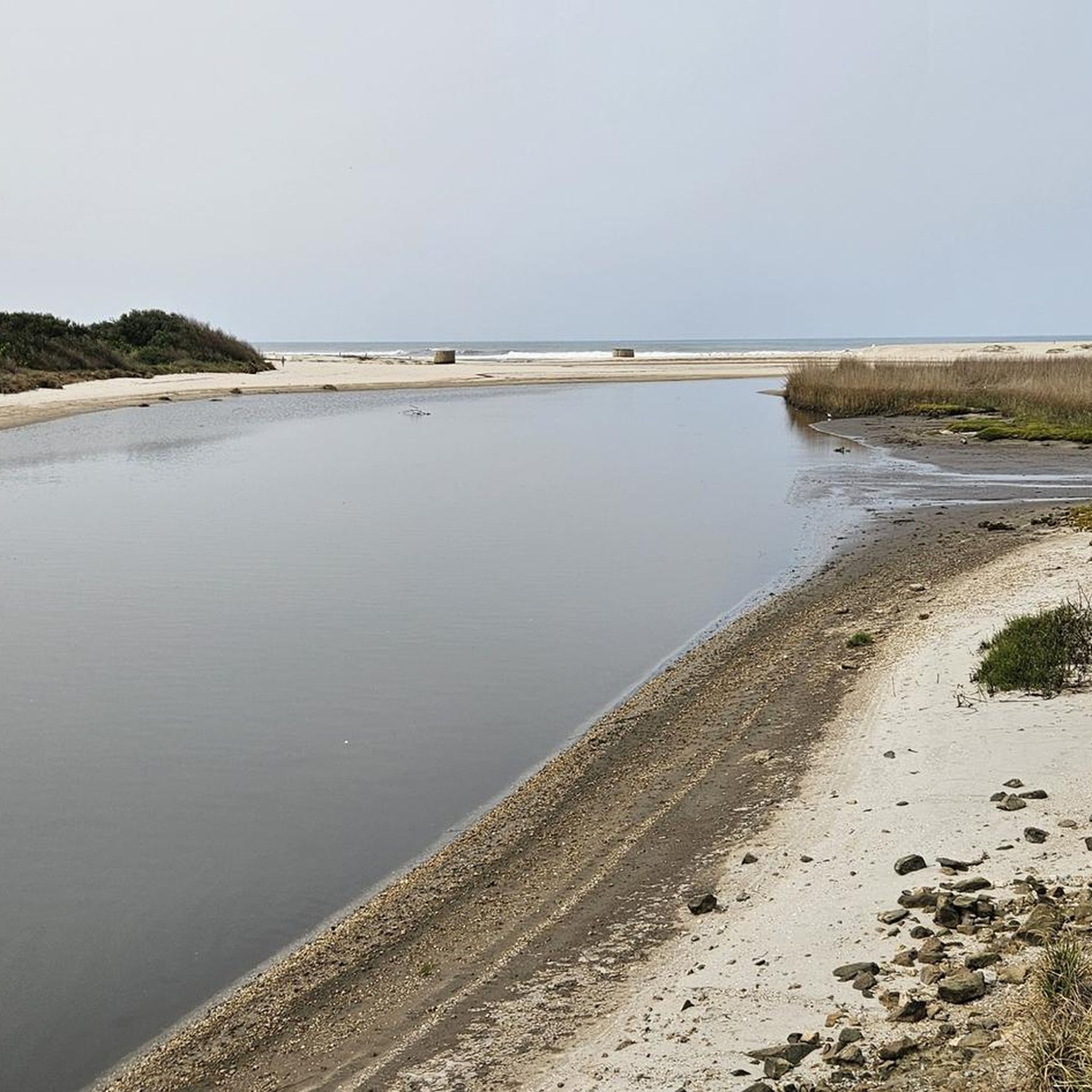
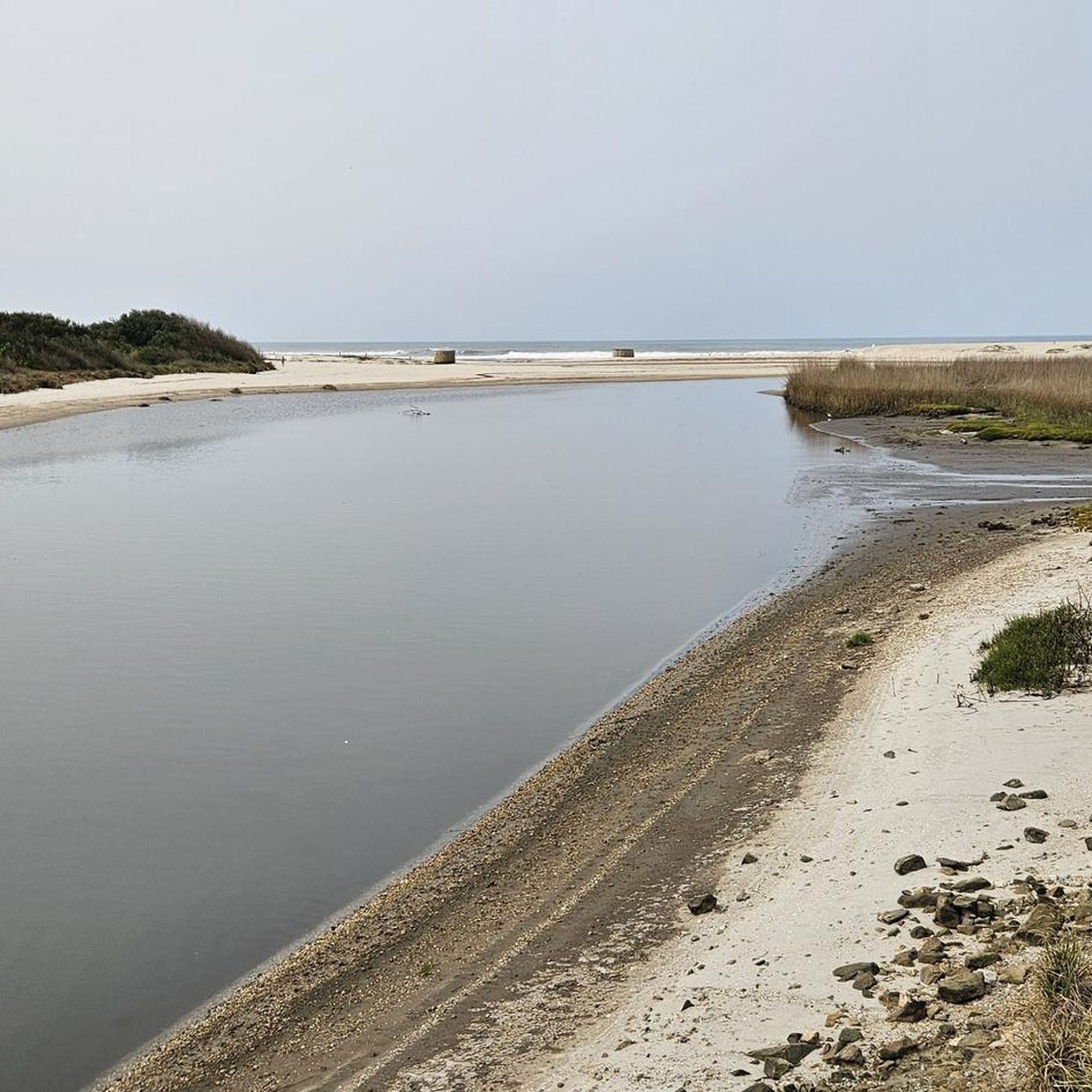
Ovar Canal 🌊 Aveiro Lagoon
Highlight • Lake
Translated by Google •
Tip by

Sign up now to discover places like this
Get recommendations on the best single tracks, peaks, & plenty of other exciting outdoor places.
Barrinha de Esmoriz Nature Reserve
Highlight • Lake
Wonderful circuit; to drive well with children. With beach access.
Translated by Google •
Tip by

Dune Forest of Ovar
Highlight • Forest
Showing Translation
Tip by

Pine sapping - Forest Trail
Highlight • Forest
Tip by
Sign up for free to discover even more attractions around Santa Maria Da Feira.
Already have an account?
Start today with a free account
Your next adventure awaits.
Tips from the Community

Beautiful path through the pine forests in front of the sea. It gets a bit bumpy in places, as the path is often interrupted by sections of wooden planks lying across it.
3
0

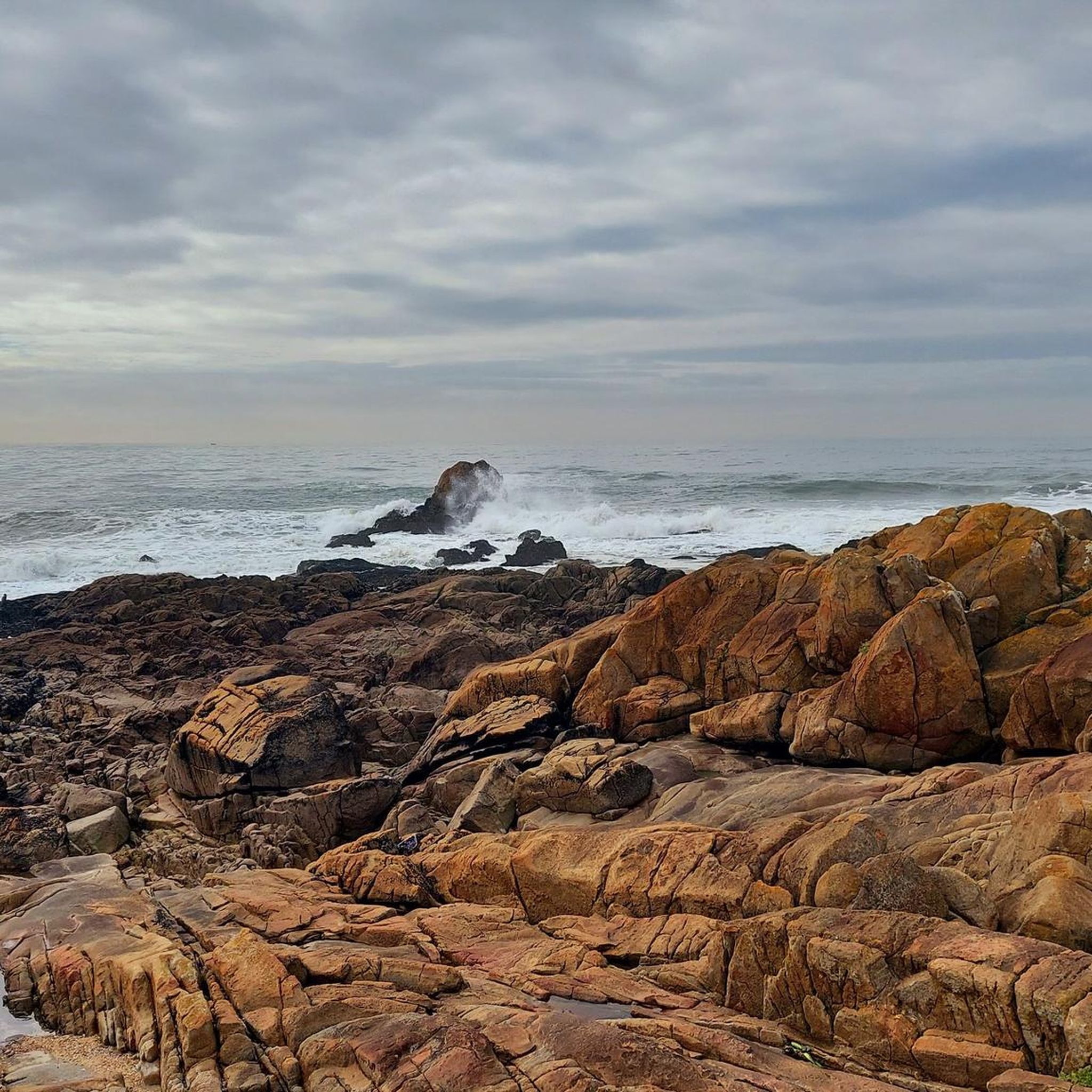
The Capela do Senhor da Pedra is one of Portugal's most iconic and photogenic chapels, located on a rocky promontory on Miramar Beach in Vila Nova de Gaia, about a 20-minute drive from downtown Porto.
1
0

Stunning chapel on the beach – what is often overlooked is that this rock was a sacred place for worship for generations before christianity / catholicism built here. There is a real presence and energy about this place. Visit in the early morning to avoid the crowds, and enjoy a moment of quiet. Sunset is pretty much always busy here.
1
1

Nice and calm in traffic conditions. Offers some protection in windy conditions.
1
0

Resin is a secretion specific to plant species, more abundant in resinous plants, expelled when they suffer damage or wounds to the trunks/branches. It is a translucent, sticky, viscous liquid, brownish-yellow in colour and with a characteristic odour, and is distinguished from sap by the latter being a relatively clear, aqueous substance with different purposes. The resin's function is to protect the tree from environmental aggressions, stimulate healing, regulate growth and repel herbivores. Resin is a complex mixture of organic components, called terpenes, which are insoluble in water but soluble in certain organic solvents, such as hydrocarbons, ether and ethanol. In Portugal, the main resin-producing species of commercial interest are the Maritime Pine (Pinus pinaster) and the Stone Pine (Pinus pinea), with the Maritime Pine being the most prominent species. The main resin producing regions in Portugal are the Central Coast (Districts of Leiria and Coimbra) and the North and Central Interior (Districts of Viseu and Vila Real).
0
0
In the coastal village of Miramar, in Gulpilhares, Vila Nova de Gaia, stands a small chapel built on top of a rock, facing away from the sea. Small but monumental, fragile but strong, unreal and yet true, that is the beautiful Capela do Senhor da Pedra. Looking from afar, it seems as if the Atlantic will swallow it up on the first stormy night, but three centuries have passed since its construction, and it remains standing firm. Perhaps it is because of the rock on which it stands - a place of worship for over two thousand years. As the inscription on the tile mosaic framed at the entrance to the chapel attests, the giant stone originally housed a pagan temple, possibly Celtic. When Christianity arrived in Portugal, efforts were made to Christianise the territory and free it from its pagan roots. The site where the Capela do Senhor da Pedra now stands was then chosen to "reclaim" the land from heretics, but despite the conversion to the Christian faith, secret ceremonies linked to pagan worship still take place on full moon nights. It is said that it is common to find melted candles left by neo-pagan worshippers on the rocks and sand next to the chapel, but I did not see any.
0
0

The beach with the most extraordinary scenery near Porto is the Praia do Senhor da Pedra in the small coastal town of Arcozelo. In 2015 it was voted the most beautiful beach in Europe. This huge sandy beach in the very north of Praia de Miramar owes its name to the Senhor da Pedra chapel with its hexagonal floor plan, which was built on rocks in the middle of the beach. The beach, which has good infrastructure, is usually very busy (we were alone there). Every year there is a large pilgrimage in honor of Senhor da Pedra, which begins on the Sunday of the Most Holy Trinity (a movable holiday in June) and lasts three days.
4
0
One of the most beautiful beaches in the Porto area, the church on the beach is a real eye-catcher.
2
1
Frequently Asked Questions
What historical sites can I explore in Santa Maria da Feira?
Santa Maria da Feira is rich in history. You can visit the majestic Castle of Santa Maria da Feira, a 9th-century fortress offering panoramic views. Other notable historical sites include the 16th-century Igreja Matriz de Santa Maria da Feira with its Gothic facade, the beautiful Igreja da Misericórdia, and the ancient Celtic citadel of Castro de Romariz. Don't miss the charming 18th and 19th-century architecture along Rua Direita.
Are there natural areas for relaxation or outdoor activities?
Yes, the region offers several natural spots. You can enjoy leisurely strolls at Quinta do Castelo, explore the biodiversity of Mata das Guimbras, or walk along the meandering riverside paths of Parque das Ribeiras do Uíma. For a unique natural experience, visit the Ovar Canal 🌊 Aveiro Lagoon, known for bird watching and water activities, or the Barrinha de Esmoriz Nature Reserve with its wooden plank paths.
What family-friendly attractions are available in Santa Maria da Feira?
Families will find several engaging options. Perlim is a delightful theme park, especially popular during the festive season. The Zoo de Lourosa – Ornithological Park, Portugal's only ornithological park, houses over 500 birds of 150 species. Additionally, the Barrinha de Esmoriz Nature Reserve offers easy walks and bicycle rides suitable for children.
Can I find hiking trails near Santa Maria da Feira?
Absolutely! Santa Maria da Feira boasts diverse topography with numerous scenic routes. You can find trails like the 'Amália Park – Pedestrian Bridge loop' or the 'Rio Uíma Waterfall – Ponte de Santiago loop'. For more options, explore the dedicated guide to Hiking around Santa Maria Da Feira, which includes routes for all levels.
Are there cycling routes in the area?
Yes, the region is great for cycling. You can find routes like the 'Parque das Dunas da Aguda loop' or the 'Uíma Riverbanks Park – Castle of Santa Maria da Feira loop'. For mountain biking enthusiasts, there's a guide to MTB Trails around Santa Maria Da Feira, offering various difficulty levels.
What cultural experiences does Santa Maria da Feira offer?
The city is known for its vibrant cultural scene. The annual Viagem Medieval em Terra de Santa Maria is a major highlight, transforming the city into a medieval re-enactment with markets, jousting, and traditional dances. You can also visit the Museu Convento dos Loios, housed in a 16th-century convent, or the architecturally significant Mercado Municipal de Santa Maria da Feira.
Where can I find unique museums in the region?
Santa Maria da Feira offers a few distinctive museums. The Museu Convento dos Loios exhibits artifacts, some from Castro de Romariz. The Museu de Santa Maria de Lamas, also known as the 'Cork Museum,' features a unique collection of cork statues, gilded woodcarvings, and tiles. Additionally, the Museu do Papel Terras de Santa Maria is dedicated to the history of paper in the region.
Are there any viewpoints with scenic vistas?
Yes, the Castle of Santa Maria da Feira offers sweeping panoramic views from its walls and battlements. You can also ascend the tower of the Igreja Matriz de Santa Maria da Feira for breathtaking views of the city. For hikers, challenging ascents in Serra de Montemuro lead to rewarding vistas.
What is the best time of year to visit for outdoor activities?
The summer months are ideal for outdoor activities, especially if you wish to experience the Viagem Medieval em Terra de Santa Maria festival. However, the region's lush forests and rolling hills make it suitable for hiking and cycling throughout much of the year, with spring and autumn offering pleasant temperatures.
Are there any accessible attractions for visitors with mobility needs?
The Ovar Town Centre is noted as being wheelchair accessible, offering a chance to explore its cultural richness and religious heritage. Many of the natural parks and reserves, like the Barrinha de Esmoriz Nature Reserve, feature wooden plank paths that can be suitable for easier access.
Are there any river beaches for swimming or relaxation?
Yes, the Mâmoa River Beach (Praia Fluvial da Mâmoa) in Milheirós de Poiares, on the River Úl, is a recommended spot for hot days. It has even received the 'Golden Quality Beach' award, making it a great place for swimming and relaxation.
What do visitors particularly enjoy about the attractions here?
Visitors often appreciate the unique blend of history and nature. The Chapel of Senhor da Pedra, built on rocks in the middle of the beach, is frequently highlighted for its extraordinary scenery. The Barrinha de Esmoriz Nature Reserve is loved for its wonderful circuits and wooden plank paths, suitable for walks or bicycle rides.
Most popular routes around Santa Maria Da Feira
Most popular attractions around Santa Maria Da Feira

Get inspired with the komoot mobile app


Explore more
Still not found the Highlight you’re looking for? See guides of the top attractions in other regions:
