Attractions and Places To See around Marco De Canaveses - Top 20
Attractions and places to see around Marco De Canaveses include a blend of historical sites, cultural points of interest, and natural landscapes. Located in northern Portugal, the region is shaped by the Douro and Tâmega rivers, offering diverse outdoor activities. Visitors can explore ancient Roman ruins, medieval churches, and river beaches. The area is also known for its "vinho verde" production and mountainous terrain.
Best attractions and places to see around Marco De Canaveses
- The most popular attractions is St. Gonçalo Bridge, a bridge that features a perfect semicircular arch when the water is calm, complemented by its reflection. This historical site is said to have had a Roman bridge in the past, rebuilt in 1790.
- Another must-see spot is Doll's Swing, a viewpoint offering spectacular views of the Douro River and the Serra da Boneca. This location provides a unique experience to enjoy the natural beauty of the Douro Valley.
- Visitors also love Church and Bridge of São Gonçalo in Amarante, a religious building and bridge with a horizontal deck over three unequal round arches. The bridge features triangular buttresses and Baroque spires, showcasing its historical architecture.
- Marco De Canaveses is known for its historical bridges, river beaches, and viewpoints. The region offers a variety of attractions to see and explore, from ancient structures to scenic natural spots.
- The attractions around Marco De Canaveses are appreciated by the komoot community, with 30 upvotes and 56 photos shared by visitors.
Last updated: November 6, 2026
St. Gonçalo Bridge
Highlight • Bridge
Translated by Google •
Tip by

Church and Monastery of São Gonçalo de Amarante
Highlight • Religious Site
Translated by Google •
Tip by
Sign up now to discover places like this
Get recommendations on the best single tracks, peaks, & plenty of other exciting outdoor places.
Choupal de Pedorido river beach
Highlight • Beach
Translated by Google •
Tip by

Doll's Swing
Highlight • Viewpoint
Translated by Google •
Tip by

Path along the Bestança
Highlight (Segment) • Trail
Its ecological balance sustains otters, trout and genets, while since ancient times, mills scattered throughout the valley have used its waters to grind cereals, especially corn, preserving a valuable rural heritage.
Translated by Google •
Tip by
Sign up for free to discover even more attractions around Marco De Canaveses.
Already have an account?
Start today with a free account
Your next adventure awaits.

Tips from the Community

The São Gonçalo Bridge (Ponte de São Gonçalo) is an iconic, three-arched granite stone bridge located in the charming town of Amarante, northern Portugal. Spanning the scenic Tâmega River, it serves as the architectural and visual centerpiece of the city centre.
0
0
The Igreja de São Gonçalo (Church of Saint Gonçalo) is a prominent 16th-century National Monument located in the riverside town of Amarante, northern Portugal. Positioned commandingly next to the Tamega River and the historic São Gonçalo Bridge, the architectural complex functions as the historical and spiritual heart of the city.
0
0

Small narrow streets to discover in the not so small village
2
2

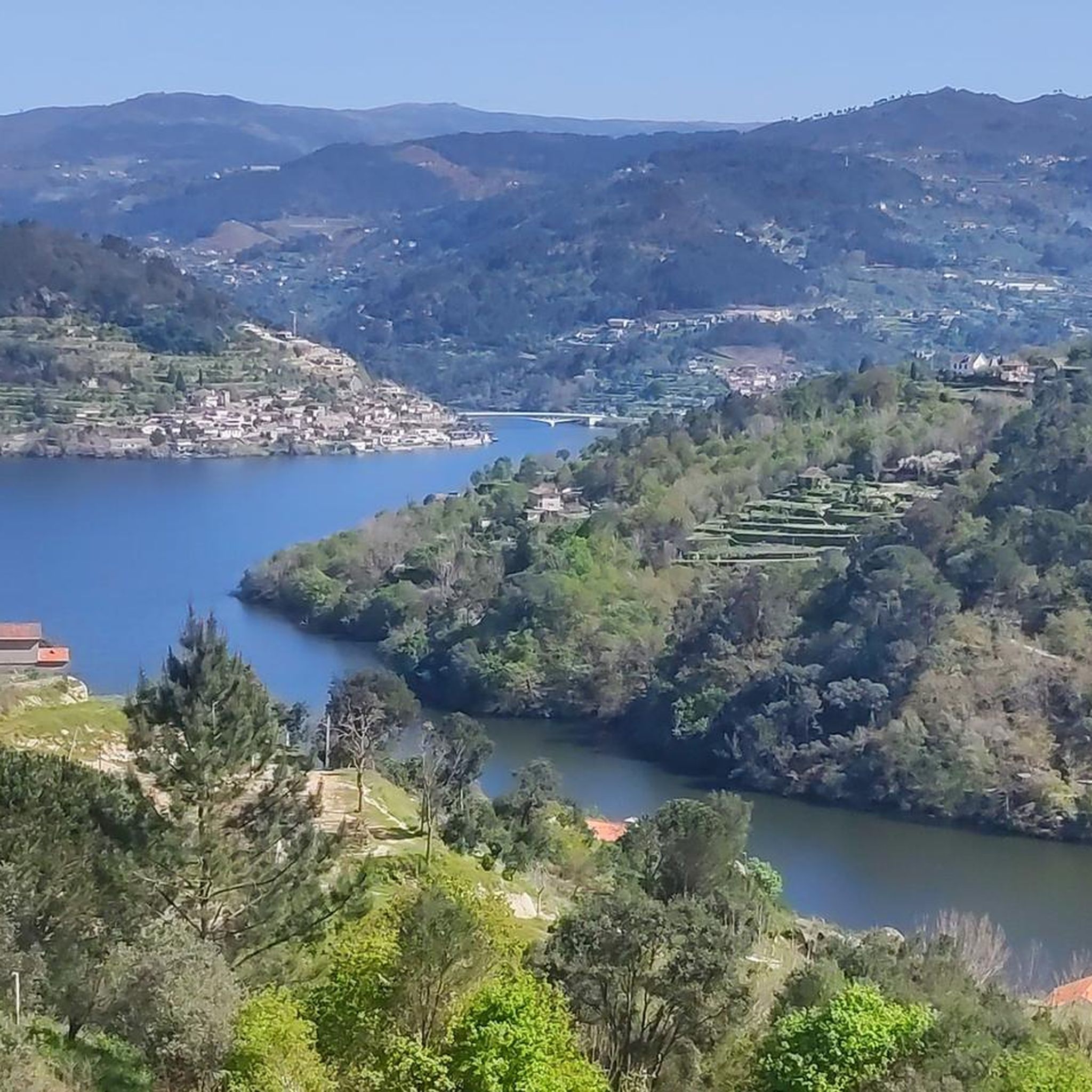
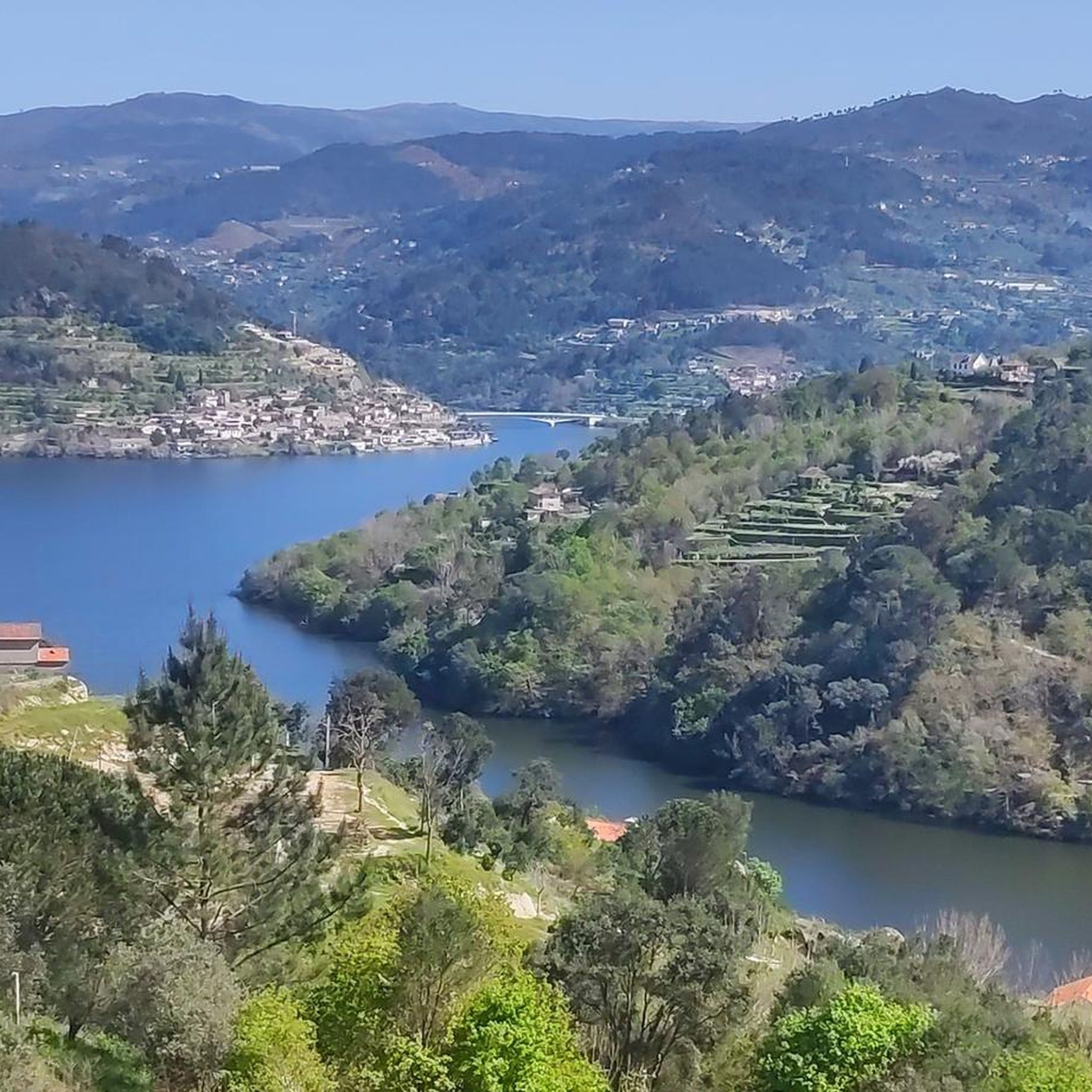
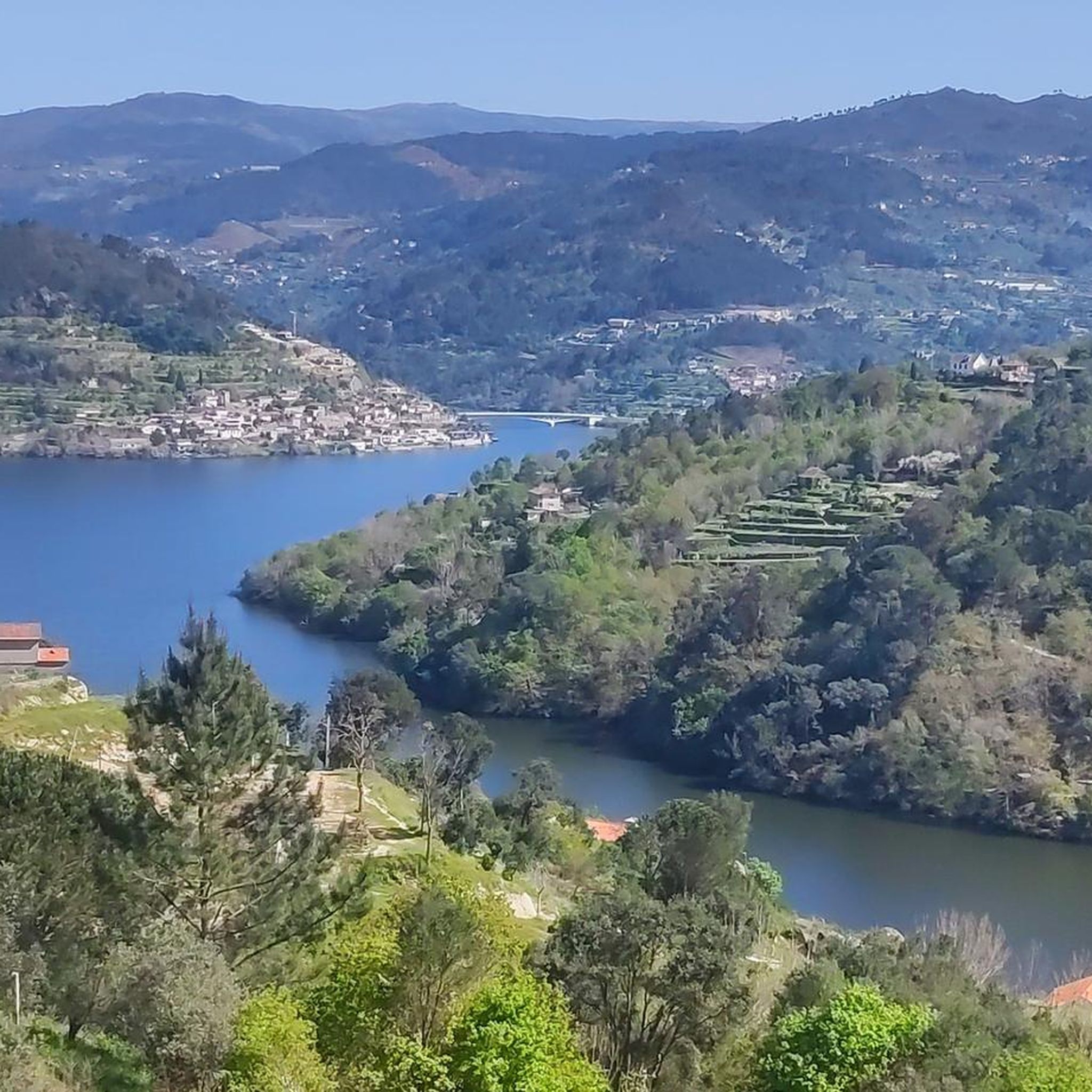
The Baloiço da Boneca in Sebolido is one of the most charming places to enjoy spectacular views of the Douro River and the Serra da Boneca. This baloiço, which was reinstalled in October 2020, offers a unique experience where you can swing while enjoying the stunning natural beauty of the Douro Valley.
6
1

This church is actually a monastery, a Dominican monastery. It is dedicated to Blessed Gonçalo, who is also the patron saint of this town. The monastery was built in the 16th century, and parts of it now serve as the town hall and a museum. It's very sustainable.
5
2

Choupal das Concas Beach, a charming river beach on the Douro River, is the perfect retreat on a hot summer day. With easy access by car, a café, playground and public toilets, it offers everything you need for a relaxing break. Here, you can take a dip in the waters of the Douro while looking out over the mouth of the Arda River, with the shade of the trees adding to the cosiness. It’s an ideal spot for a picnic, a refreshing dip or simply to refill your water bottle before heading on your journey.
2
0
This path descends through the valley of the River Bestança along one of the old roads that lead to the Prado area. The Bestança rises at Portas de Montemuro and flows into the Douro: 13.5 kilometres of crystal-clear water, it is one of the purest rivers in Europe. Its ecological balance sustains otters, trout and genets, while since ancient times, mills scattered throughout the valley have used its waters to grind cereals, especially corn, preserving a valuable rural heritage.
1
0

Beautiful church, inside and out 🤩
4
2
Frequently Asked Questions
What historical sites can I explore in Marco de Canaveses?
Marco de Canaveses is rich in history. You can visit the extensive Roman archaeological site of Tongóbriga, a National Monument featuring ruins of a forum, necropolis, and baths. The region is also part of the Rota do Românico, with notable medieval churches like the Church and Bridge of São Gonçalo in Amarante and the Igreja de Santa Maria de Marco de Canaveses, which blends Romanesque and Rococo elements.
Are there any Roman ruins to visit in the area?
Yes, the most significant Roman ruins are found at Tongóbriga. This archaeological site dates back to the 1st century and showcases the region's ancient Roman presence, including a forum, necropolis, residential quarters, and baths. It even features a 'pedra formosa' indicating Celtic influence.
What natural attractions are there for outdoor enthusiasts?
The region is shaped by the Douro and Tâmega Rivers, offering excellent conditions for water sports like fishing, windsurfing, sailing, and canoeing. You can also explore the Aboboreira and Montedeiras Mountains, which provide opportunities for walks and hiking trails, some leading to prehistoric remains like dolmens.
Are there river beaches suitable for swimming or relaxation?
Absolutely. The Praia Fluvial de Bitetos on the Douro River is known for its excellent water quality and picturesque setting. Another great option is Choupal de Pedorido river beach, which offers easy access, a café, playground, and public toilets, making it ideal for a relaxing break or a refreshing dip.
What kind of outdoor activities can I do near Marco de Canaveses?
Beyond exploring attractions, Marco de Canaveses offers a variety of outdoor activities. You can find numerous trails for running, mountain biking, and cycling. For detailed routes, check out the guides for Running Trails around Marco De Canaveses, MTB Trails around Marco De Canaveses, and Cycling around Marco De Canaveses.
Are there hiking trails in the mountains around Marco de Canaveses?
Yes, the Aboboreira and Montedeiras Mountains, reaching nearly 1,000 meters, offer exhilarating walks and hiking trails. The region boasts seven official 'PR' footpaths that allow you to explore vineyards, mountains, and river valleys. Some trails even lead to prehistoric remains like dolmens and tumuli.
What cultural experiences can I find in Marco de Canaveses?
You can delve into local culture by visiting the Museu Municipal Carmen Miranda, dedicated to the famous singer. The Museu da Pedra explores the history of granite quarrying, while the Museu do Linho e do Vinho (Flax and Wine Museum) showcases the region's heritage in these industries. Don't miss the Rota dos Vinhos do Marco de Canaveses for wine tastings and tours.
Are there any family-friendly attractions in Marco de Canaveses?
Many attractions are suitable for families. River beaches like Choupal de Pedorido river beach offer playgrounds and facilities. Historical sites like St. Gonçalo Bridge and the Church and Bridge of São Gonçalo in Amarante are interesting for all ages. For a fun day out, the nearby Parque Aquático Amarante is also an option.
Where can I find the best viewpoints in the region?
For spectacular views, visit Doll's Swing, which offers breathtaking panoramas of the Douro River and the Serra da Boneca. The bridges, such as St. Gonçalo Bridge and Bridge Over the Bestança River, also provide scenic spots to pause and enjoy the landscape.
Can I go cycling or mountain biking near Marco de Canaveses?
Yes, the diverse terrain around Marco de Canaveses is excellent for cycling and mountain biking. You can find routes that take you through vineyards, along rivers, and into the mountains. Explore the dedicated guides for Cycling around Marco De Canaveses and MTB Trails around Marco De Canaveses to discover suitable routes.
What is the best time of year to visit Marco de Canaveses for outdoor activities?
The region is generally pleasant for outdoor activities from spring through early autumn. Spring (April-May) offers mild temperatures and blooming landscapes, while early autumn (September-October) provides comfortable weather for hiking and cycling, often coinciding with the grape harvest in the wine region. Summer (June-August) is ideal for river activities and enjoying the river beaches, though it can be quite warm.
What are some unique architectural sights in Marco de Canaveses?
Beyond the Romanesque churches, you can see the intriguing Obras do Fidalgo, an unfinished 18th-century palace facade that stands as a mysterious blend of Baroque and Rococo styles. The St. Gonçalo Bridge is also an architectural marvel, especially when its reflection forms a perfect circle in calm waters.
Where can I learn about local products and crafts?
To explore local craftsmanship and traditional products, visit the Centro de Promoção de Produtos Locais (Centre for the Promotion of Local Products) and the Casa de Produtos Tradicionais de Bitetos (Centre for Traditional Products from Bitetos). These places offer insights into the region's heritage and local goods.
Most popular attractions around Marco De Canaveses

Get inspired with the komoot mobile app


Explore more
Still not found the Highlight you’re looking for? See guides of the top attractions in other regions:
