Attractions and Places To See around Serpa - Top 20
Attractions and places to see around Serpa include a rich tapestry of historic landmarks, cultural sites, and natural beauty within the Alentejo region of Portugal. The town is characterized by its medieval heritage and unique museums. Surrounding Serpa, visitors can explore picturesque landscapes, including the Guadiana River and ancient olive groves. This area offers a blend of historical exploration and natural discovery.
Best attractions and places to see around Serpa
- The most popular attractions is Pulo do Lobo Waterfall,…
Last updated: July 21, 2026
Pulo do Lobo Waterfall
Highlight • Waterfall
Translated by Google •
Tip by

Serpa Castle
Highlight • Castle
Translated by Google •
Tip by
Sign up now to discover places like this
Get recommendations on the best single tracks, peaks, & plenty of other exciting outdoor places.
Sign up for free
Castle of Moura
Highlight • Castle
Translated by Google •
Tip by
Achada do Gamo Copper Mine Ruins
Highlight (Segment) • Monument
Tip by

Mina de São Domingos
Highlight • Historical Site
Translated by Google •
Tip by

Sign up for free to discover even more attractions around Serpa.
Sign up for free
Already have an account?
Start today with a free account
Your next adventure awaits.
Login or Signup
Tips from the Community

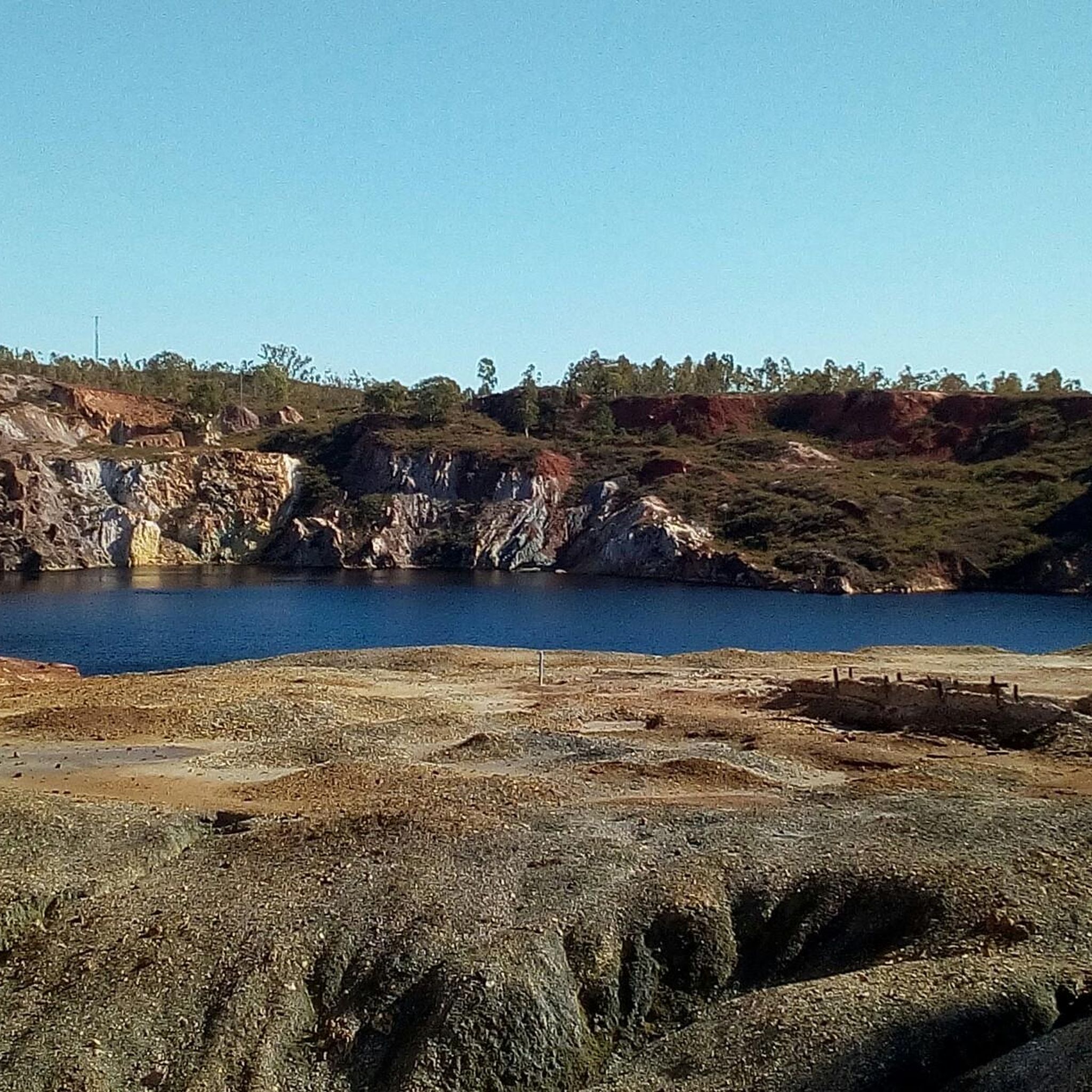
The São Domingos Mine is a living memory of a time of fire and iron. Here, where the earth opened up to reveal gold, silver, and copper since ancient times, one of the greatest legacies of the Iberian Pyrite Belt arose in the 19th century. Between 1854 and 1966, millions of tons of ore were extracted here, leaving not only its mark on the soil and landscape, but also progress: one of the country's first railway lines and the first power plant in the Alentejo. Today, the former mining complex is a public heritage site, a place of contrasts and rare beauty.
2
0

Moura Castle is a very old fortress, composed of round and square towers, and is the first fortress known to Moura. The Convent of Our Lady of the Assumption was built here, which incorporated the Church of Santiago, the former Moorish mosque, and became the mother church.
3
0
The castle houses the Municipal Museum of Archaeology. The castle walls are accessible. The elevator was out of service at the end of May 2025.
5
9

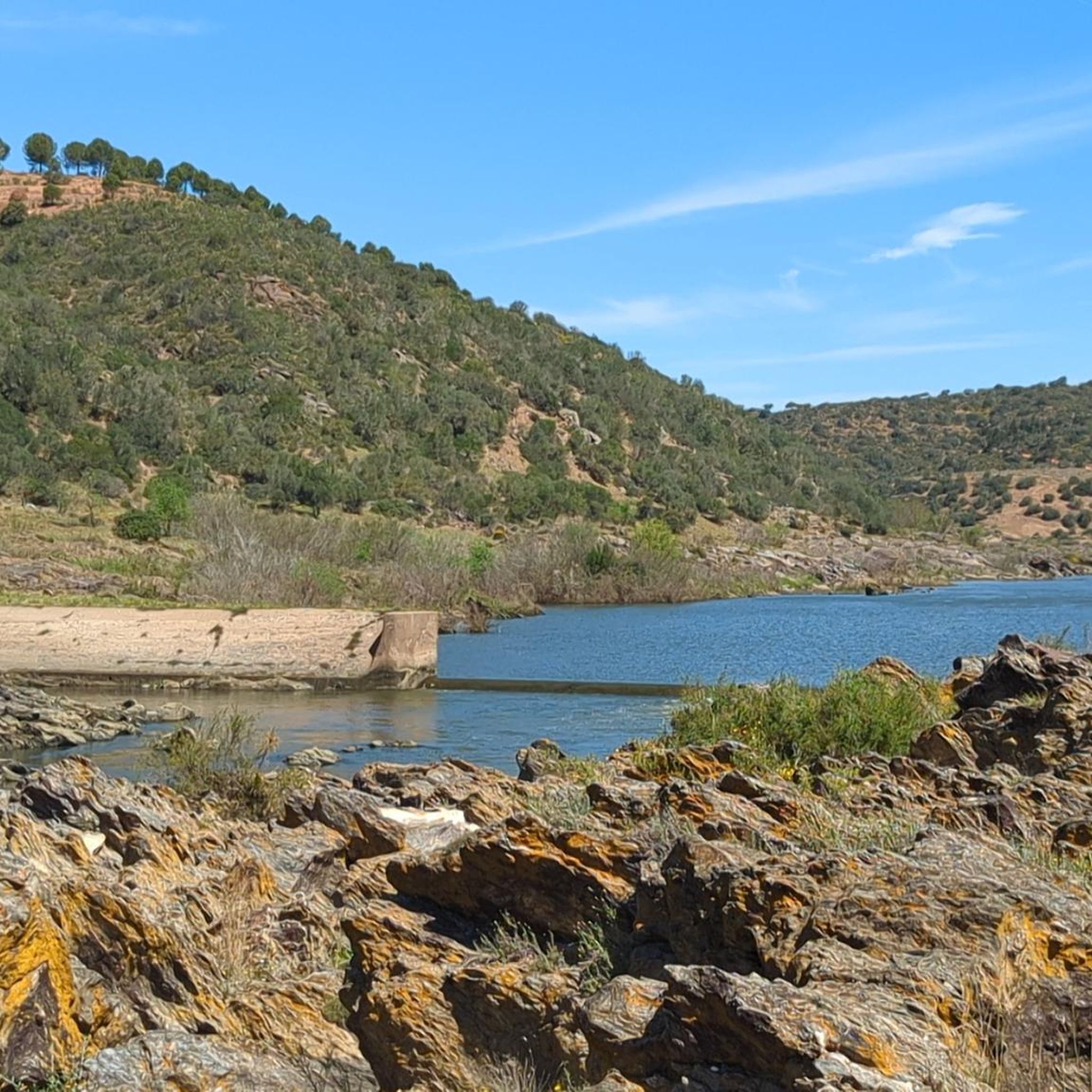
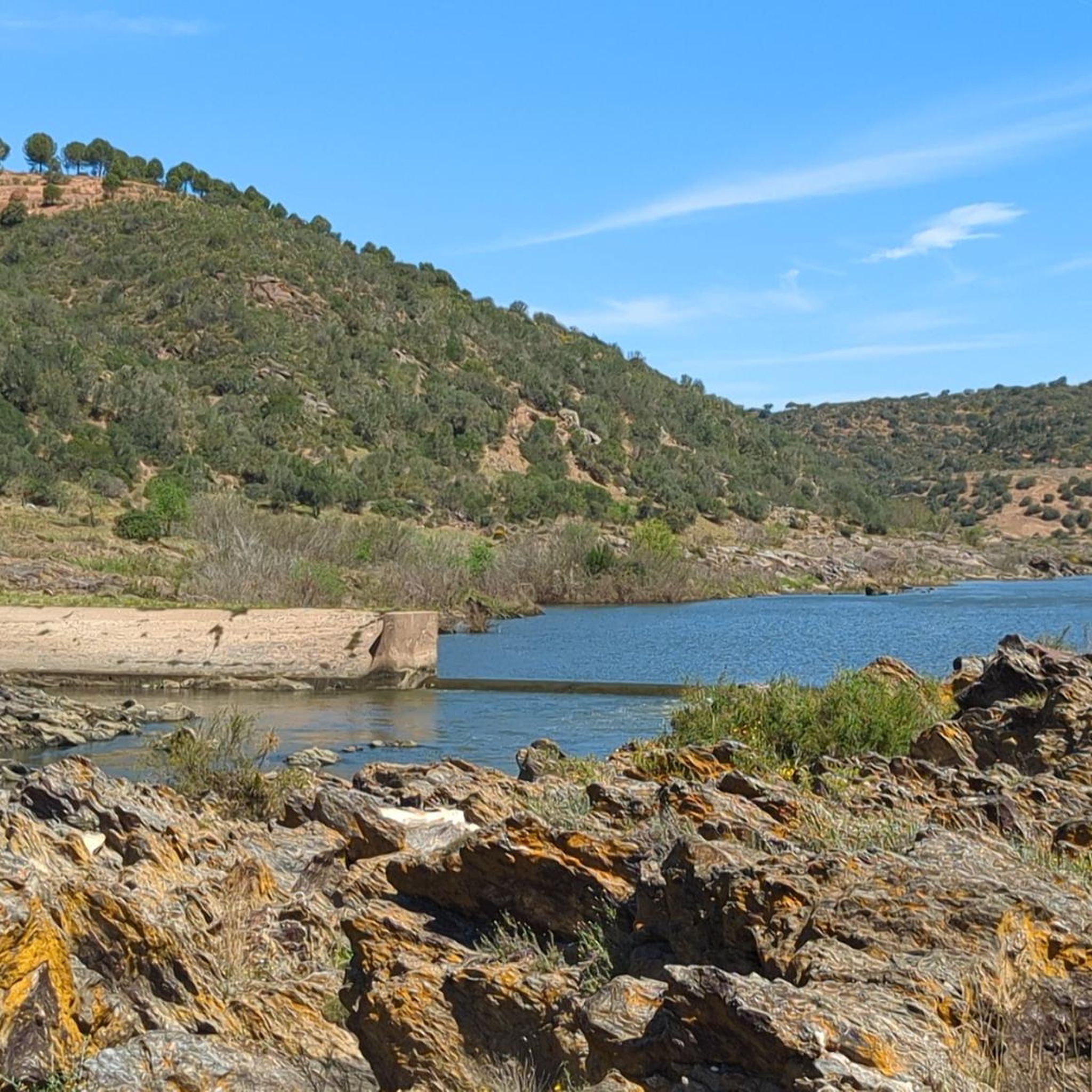
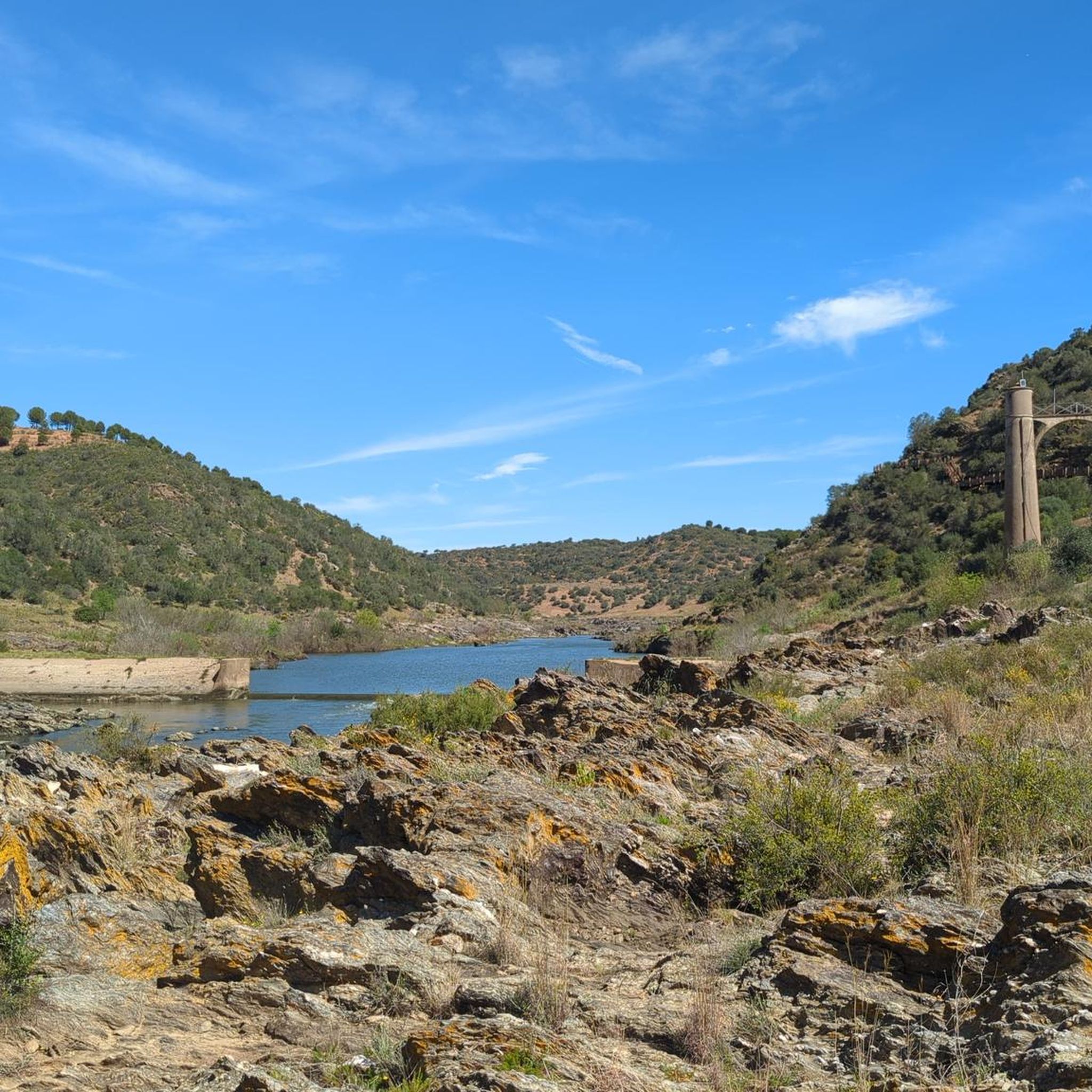
You can access Pulo do Lobo from either side of the river: from Aldeia da Amendoeira, on the Mértola-Beja road (left bank), or from Serpa, in the village of Vale de Poços, where you'll find signs indicating exactly where to turn right (right bank). Both paths are well signposted, and both have several viewpoints. The best view of the waterfall, however, is undoubtedly from the viewpoint on the right bank. Further ahead, you'll see Pego dos Sáveis, the spot where the water suddenly calms down again, forming a tranquil lake.
4
0

Rising above Moura's old town on a limestone plateaux are the ruins of a once grand castle. The medieval Castelo de Moura was built by King Dom Dinis in the 13th century on the site of an earlier Moorish citadel. There is evidence that the site is even older than this suggesting there was originally an Iron Age hill fort here. The medieval castle was a mixture of old and new including the remains of the Moorish castle and a new watchtower, the remains of which can be seen today. One of the original Moorish towers remained; the Salúquia tower, named after princess Salúquia, the daughter of the Muslim governor Abu Hassan. It is said that when the christians reconquered the town she threw herself from the top of this tower. Over subsequent years the castle was further expanded and fortified. During the 16th century the convent of Nossa Senhora da Assunção was incorporated into the castle grounds, being built on the site of the earlier Moorish mosque. It is said that the convent was home to the tombs of Pedro and Álvaro Rodrigues who were responsible for the reconquest of Moura from the Moors. The castle was almost destroyed during the Spanish War of Succession under the command of the Duke of Osuna in 1707. Further damage was caused by the 1755 earthquake leaving the Moura Castle in ruins. Today the castle is home to landscaped gardens, a military museum and an archaeological museum. It is also a great viewpoint for the town and surrounding countryside including the nearby Alqueva dam.
10
0
Reigning over the town, Serpa’s castle is a charming ruin after being sacked by the Spanish and lying abandoned since the 1600s. But that takes nothing away from the monument, as its battlements are still intact and you can scramble up to survey the town and the Alentejo countryside. There has been some kind of fortress up here since at least the Romans, but this castle’s timeline begins with the Moors in the 700s. During the Reconquista in the 12th and 13th centuries the it was besieged by both Christian and Moorish forces before Afonso III finally conquered the Algarve to the south. Get a good look at the fabric of the walls, as you might discover some recycled Roman funerary stones with inscriptions still legible.
16
0
Pulo do Lobo. This is the largest waterfall in southern Portugal and is located on the Guadiana River, upstream from Mértola. The waters fall from a height of over 20 metres and, surrounded by a sea of foam, descend the rocky gorge to the bottom, emptying into a lake between the rocks. The banks of the waterfall are so narrow that, according to legend, even a wolf could cross them in one leap. Hence the name Pulo do Lobo. The landscape of Pulo do Lobo is spectacular, the riverbed after the waterfall is completely exposed, in rock, between which the Guadiana River meanders, in a groove created over thousands of years. Access to Pulo do Lobo can be from the east or west. To the east, take a detour on the road that connects Serpa to Mértola. Access to the waterfall is difficult and you have to walk, crossing the rocky riverbed to reach the waterfall. We recommend caution. To the west, take a detour on the road that connects Beja to Mértola and continue to the village of Amendoeira da Serra, following the signs to Pulo do Lobo. You will then reach Herdade de Pulo do Lobo, open the gate and it is about 1000m on a dirt road to the waterfall. Access is prohibited to heavy vehicles. Access to the waterfall from the west is easier, and there is even a structure to better observe the waterfall.
5
0
Frequently Asked Questions
What historical landmarks can I explore in Serpa?
Serpa is rich in history. You can explore the impressive Serpa Castle, which offers panoramic views from its intact battlements. The town also features the 17th-century Serpa Aqueduct, built along the western city walls, and the historic Portas de Beja, one of the two remaining city gates. Don't miss the Torre do Relógio (Clock Tower) and the Palácio dos Condes de Ficalho, uniquely integrated into the town walls.
Are there any unique museums to visit in Serpa?
Yes, Serpa offers several unique museums. The Mina de São Domingos is a historical site reflecting a former mining complex. Within Serpa town, you can visit the Museu do Relógio (Clock Museum), housed in a 15th-century convent, which boasts a collection of around 2,400 mechanical timepieces. The Serpa Ethnographic Museum showcases traditional regional professions, and the Serpa Archaeological Museum, located within the castle's keep, exhibits artifacts from various prehistoric ages.
What natural attractions are there around Serpa?
Nature enthusiasts will find plenty to explore. The most popular natural attraction is Pulo do Lobo Waterfall, the tallest waterfall in Southern Portugal, located within the Vale do Guadiana Nature Park. This park is ideal for hiking and wildlife spotting. Further afield, about 45 minutes north, is Alqueva Lake, Europe's largest artificial lake, perfect for water activities and stargazing as a Dark Sky Reserve. You can also find ancient olive groves around Serpa, particularly near Aldeia Velha.
What kind of outdoor activities can I do near Serpa?
The region around Serpa is excellent for outdoor activities. You can find numerous hiking, road cycling, and mountain biking routes. For hiking, explore trails like the 'Serpa Aqueduct – Ermida de São Pedro de Serpa loop' or the 'Serpa Castle – Historic center of Serpa loop'. Cyclists can enjoy routes such as 'Vila Verde de Ficalho – Santa Bárbara de Casa loop' for road cycling or 'Loop tour from Serpa to Azenha da Ordem' for mountain biking. Find more details and routes in the Hiking around Serpa, Road Cycling Routes around Serpa, and MTB Trails around Serpa guides.
Are there family-friendly attractions or activities in Serpa?
Yes, Serpa offers options for families. The Castle of Moura, a medieval castle with landscaped gardens, a military museum, and an archaeological museum, is considered family-friendly. Exploring the medieval city walls and the castle in Serpa itself can be an engaging activity for children. Additionally, easy hiking trails like the 'Serpa Castle – Historic center of Serpa loop' are suitable for families.
What is the best time of year to visit Serpa for outdoor activities?
The Alentejo region, including Serpa, generally experiences hot, dry summers and mild winters. For outdoor activities like hiking and cycling, the best times to visit are spring (March to May) and autumn (September to November). During these seasons, the weather is pleasant, with comfortable temperatures for exploring the natural landscapes and historical sites without the intense summer heat.
Where can I find cultural sites and traditional experiences in Serpa?
Beyond the museums, Serpa's cultural heart lies in its Old Town, with narrow, cobbled streets and whitewashed houses. You can visit the Igreja de Santa Maria, Serpa's main church, known for its carved wooden altar and 17th-century azulejos. The Casa do Cante (House of Song) aims to preserve the traditional folk songs of the Alentejo. Don't forget to experience the vibrant local markets for a taste of authentic Alentejo life and local produce, including the famous Serpa cheese.
Are there any viewpoints in the Serpa region offering scenic views?
Absolutely. The battlements of Serpa Castle provide excellent panoramic views of the town and the surrounding Alentejo countryside. The Pulo do Lobo Waterfall also has viewpoints, with the best view often found from the right bank. Additionally, the Ermida de Nossa Senhora de Guadalupe (or Ermida de São Gens), located a few kilometers outside Serpa, offers beautiful views of the dry hills and olive groves.
What is the Vale do Guadiana Nature Park like, and what can I do there?
The Vale do Guadiana Nature Park, located south of Serpa, is a sparsely populated and green landscape characterized by the Guadiana River. It's an ideal spot for nature enthusiasts to hike scenic trails, observe diverse wildlife, and enjoy the tranquil beauty of the river. The park is home to the dramatic Pulo do Lobo Waterfall, where the Guadiana River squeezes through rocks, creating a spectacular natural sight. For more information on the region's nature parks, you can visit visitalentejo.pt.
Can I find any religious buildings or sites of worship in Serpa?
Serpa has several significant religious sites. The Igreja de Santa Maria, situated at the foot of the castle, is the town's main church. Another notable church is the Igreja da Misericórdia. Just outside the town walls, you'll find the 15th-century Convento de Santo António, showcasing a blend of architectural styles. The Ermida de São Pedro de Serpa is a historic hermitage known for its Manueline, Mannerist, and popular religious architecture.
What do visitors enjoy most about the attractions around Serpa?
Visitors particularly appreciate the blend of historical exploration and natural beauty. The panoramic views from Serpa Castle and the dramatic scenery of Pulo do Lobo Waterfall are frequently highlighted. The unique museums, the charm of Serpa's Old Town, and the opportunity to engage with the region's rich history and culture also receive high praise from those who explore the area.
Most popular attractions around Serpa

Get inspired with the komoot mobile app


Explore more
Still not found the Highlight you’re looking for? See guides of the top attractions in other regions:
