Attractions and Places To See around Alter Do Chão - Top 8
Best attractions and places to see around Alter Do Chão, Portugal, include historical castles and religious sites. This region, located in the Alentejo, is characterized by its rich medieval heritage and significant architectural landmarks. Visitors can explore structures dating back to the 16th century, reflecting centuries of history. The area offers a blend of cultural and historical exploration within a tranquil setting.
Best attractions and places to see around Alter Do Chão
- The most popular attractions is Alter do Chão Castle, a castle that is a magnificent medieval structure. It is classified as a National Monument since 1910.
- Another must-see spot is Flor da Rosa Monastery, a religious building and historical site. Visitors can expect to see a unique example of Portuguese Gothic architecture, representing a fusion of fortress and temple.
- Visitors also love Sanctuary of Our Lady of Vila Velha, a religious building with a splendid viewpoint. It is special for its historical significance as the patron saint of Fronteira and its scenic location.
- Alter Do Chão is known for its historical castles, ancient religious buildings, and significant architectural sites. The region offers a variety of attractions to see and explore, from medieval fortifications to sanctuaries with panoramic views.
- The attractions around Alter Do Chão are appreciated by the komoot community, with 7 upvotes and 35 photos shared across the highlights.
Last updated: October 5, 2026
Alter do Chão Castle
Highlight • Castle
It is classified as a National Monument.
Translated by Google •
Tip by

Sulfúrea Thermal Baths in Cabeço de Vide
Highlight • Rest Area
Showing Translation
Tip by
Sign up now to discover places like this
Get recommendations on the best single tracks, peaks, & plenty of other exciting outdoor places.
Seda Castle
Highlight • Castle
Without official evidence, some studies point to the existence of a castro of the Lusitanian tribe, occupied by Roman troops who would have erected a fortification there. The Roman presence in the region is well-known, and easily attested to by the Vila Formosa Bridge (1st and 2nd centuries), milestones, and the military road that would have connected Lisbon to Mérida.
In 1160, King Afonso Henriques conquered the village, which at the time was called Arminho, from the Moors and donated the fortification to the Templars. This is the date that marked the beginning of the village's original enclosure. During the reign of King Afonso III, the village was handed over to the Order of Aviz and was later elevated to the status of a town, even serving as the municipal seat until 1836.
The castle, however, gradually lost importance, and only a section of medieval wall, reinforced with turrets, has survived to this day. It has been classified as a Property of Public Interest since 1982.
Translated by Google •
Tip by

Tribute to the Horse 🐎 in Alter do Chão
Highlight • Monument
The Monument and Tradition
Location: Vila de Alter do Chão, in Alentejo.
Authors: Maria Leal da Costa and Luís Valadares.
Model: The stallion "Oheide", a symbol of the genetic purity of the Alter Real breed.
Meaning: Public tribute from the local people to the region's foremost ambassador.
Showing Translation
Tip by
Roman Bridge of Vila Formosa
Highlight • Bridge
Age: Built at the end of the 1st century AD (Roman period).
Ancient Function: It connected Olissipo (Lisbon) to Augusta Emerita (Mérida).
Structure: It has six large round arches and a flat horizontal deck.
Size: It measures about 117 meters in length and 6.70 meters in width.
Visit and Current State
Conservation: It is almost perfect and has remained very strong over the centuries.
Access: It is safe and free to walk on. It is located near the EN 369 road.
Surroundings: There is a rest area with picnic space near the site.
Showing Translation
Tip by
Sign up for free to discover even more attractions around Alter Do Chão.
Already have an account?
Start today with a free account
Your next adventure awaits.
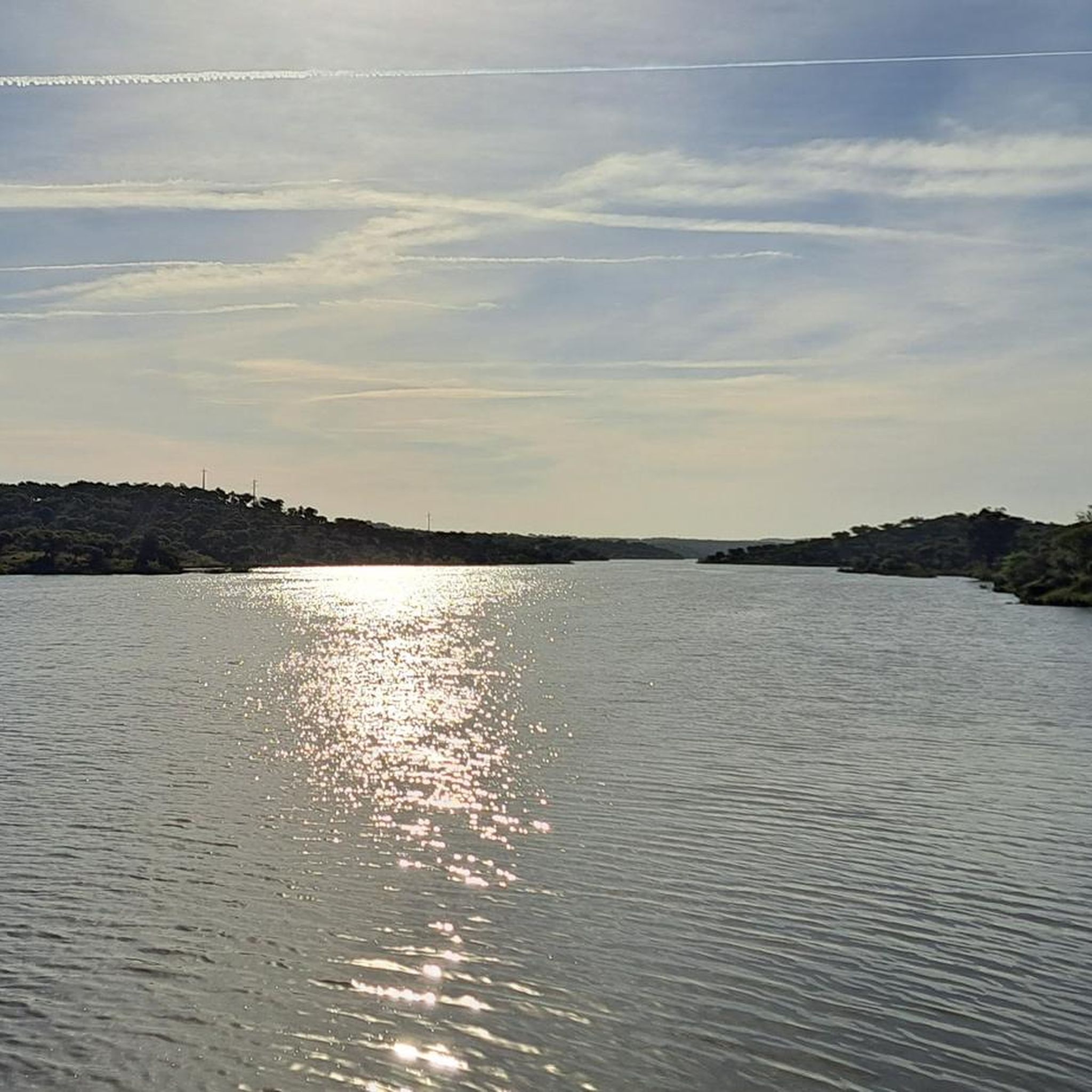
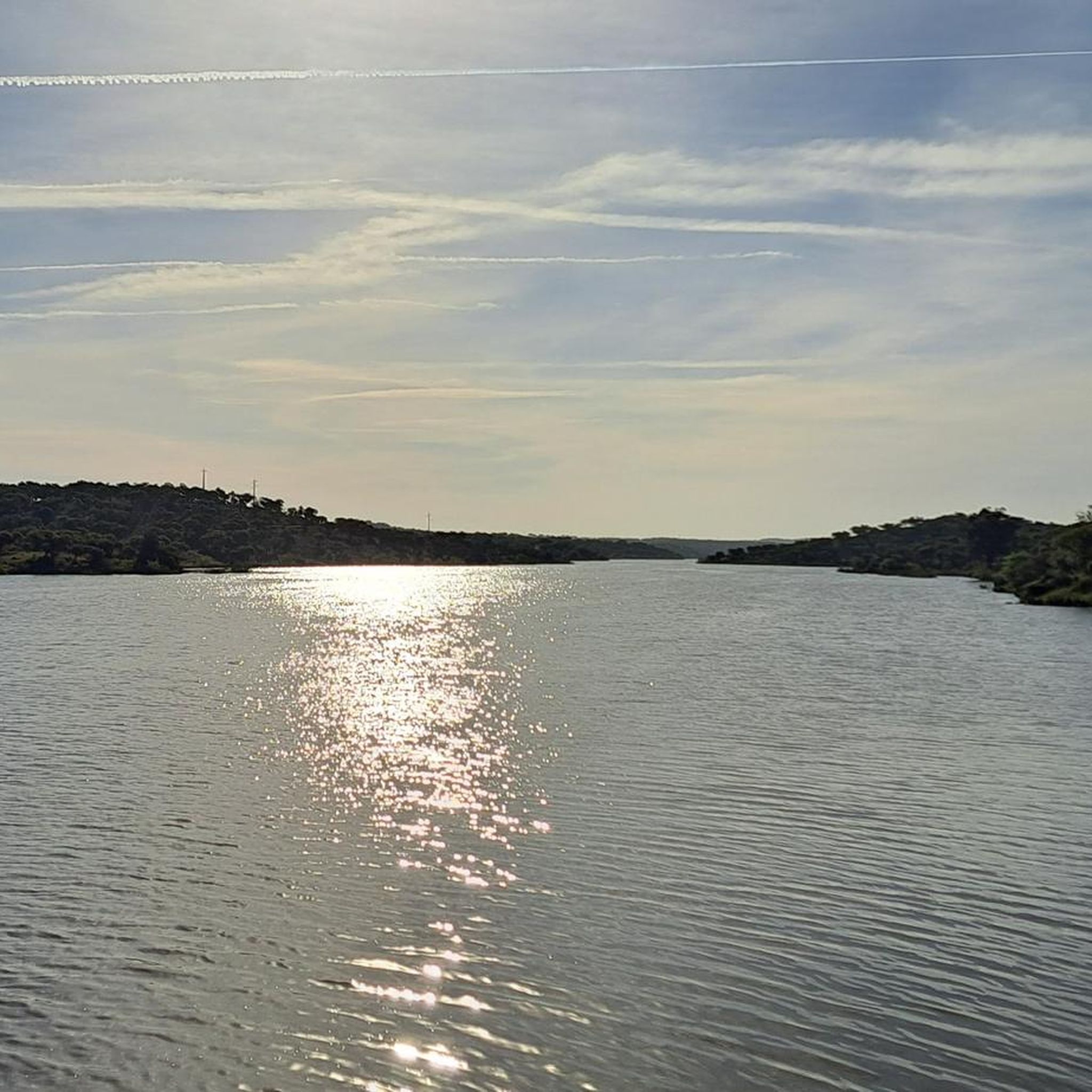
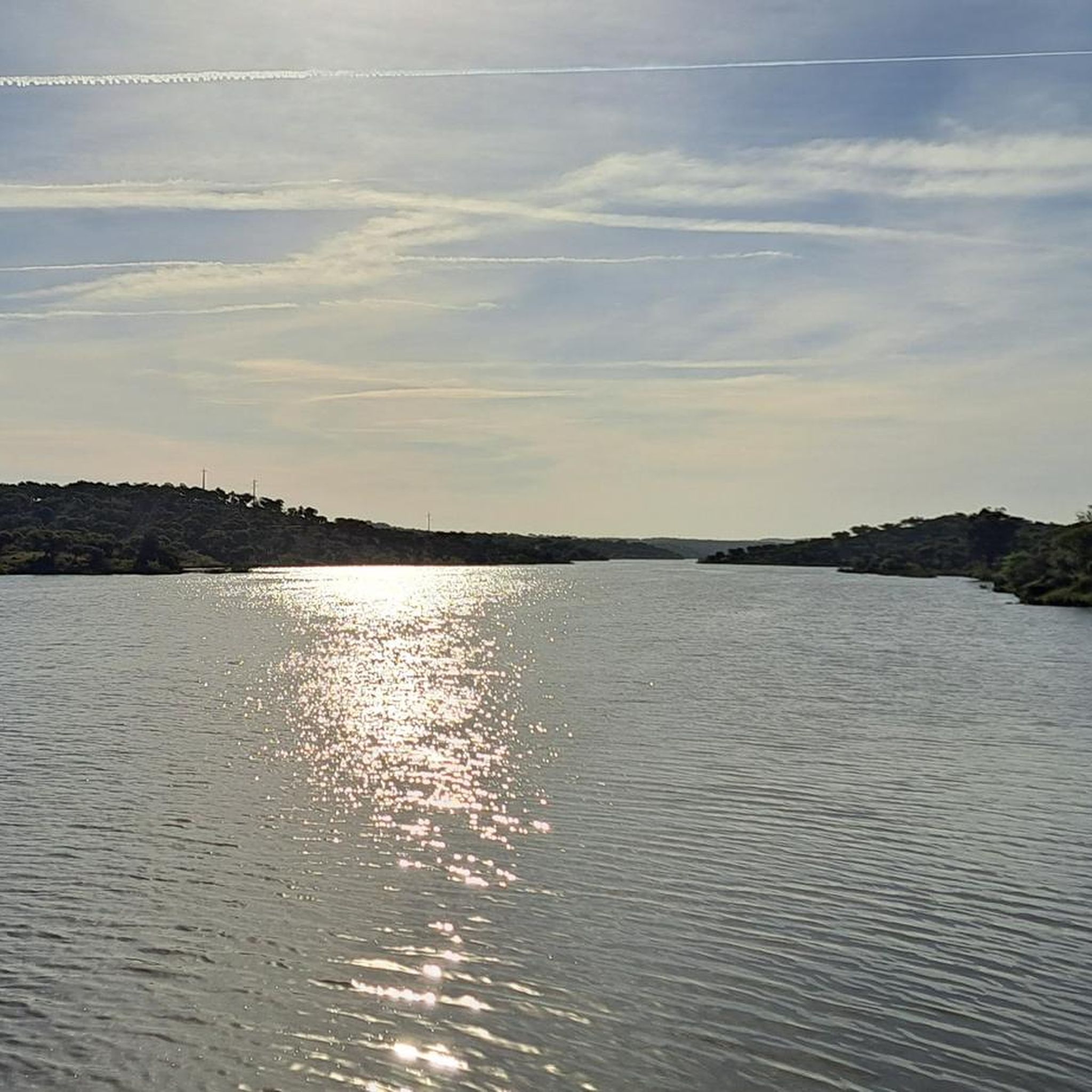

Tips from the Community

As Termas da Sulfúrea, located in Cabeço de Vide (Portalegre district, Alto Alentejo), are famous for possessing a unique natural mineral water in Portugal, with therapeutic properties used since Roman times. The current complex combines health, classic thermalism, and modern wellness programs.
1
0
The tribute to the horse in Alter do Chão refers to the famous Monumento ao Cavalo Alter Real, a majestic bronze equestrian statue located in the town of Alter do Chão, Portugal. The work celebrates the extraordinary historical and cultural bond between the Alentejo region and the prized Alter Real horse breed.
1
0

The Monument to the Alter Real Horse in Alter do Chão is a bronze equestrian statue inaugurated on October 15, 2005. Created by sculptors Maria Leal da Costa and Luís Valadares, the work pays homage to the village's horse breed, with the specimen "Oheide" as its model. The Monument and Tradition Location: Vila de Alter do Chão, in Alentejo. Authors: Maria Leal da Costa and Luís Valadares. Model: The stallion "Oheide", a symbol of the genetic purity of the Alter Real breed. Meaning: Public tribute from the local people to the region's foremost ambassador.
10
0
History and Construction Age: Built at the end of the 1st century AD (Roman period). Ancient Function: It connected Olissipo (Lisbon) to Augusta Emerita (Mérida). Structure: It has six large round arches and a flat horizontal deck. Size: It measures about 117 meters in length and 6.70 meters in width. Visit and Current State Conservation: It is almost perfect and has remained very strong over the centuries. Access: It is safe and free to walk on. It is located near the EN 369 road. Surroundings: There is a rest area with picnic space near the site.
11
0
The Termas da Sulfúrea in Cabeço de Vide (Fronteira, Portalegre) operate from March 16 to November 15. They use hyperalkaline sulfurous waters (pH 11.55) indicated for rheumatological, respiratory, and skin diseases. Practical Information and Opening Hours Thermal Season: From March 16 to November 15. Opening Hours: Every day from 08:00 to 12:30 and from 16:30 to 19:00. Telephone Contact: +351 245 634 112. Characteristics and Therapeutic Indications Water Type: Sulfurous, hyposaline, hyperalkaline, and with a high silica content. Spring Temperature: Emerges at 19ºC. Main indications: Osteoarticular diseases, rheumatism, respiratory tract (asthma, rhinitis), and skin conditions (psoriasis, eczema).
9
0
The Termas da Sulfúrea in Cabeço de Vide (Fronteira, Portalegre) are open from March 16 to November 15. They use hyperalkaline sulfurous waters (pH 11.55) indicated for rheumatological, respiratory, and skin diseases.
10
0

Located in the parish of Seda, in the heart of the Alentejo, the ruins of the walls that surrounded the ancient castle of Seda remain determined to preserve their ancient history. Without official evidence, some studies point to the existence of a castro of the Lusitanian tribe, occupied by Roman troops who would have erected a fortification there. The Roman presence in the region is well-known, and easily attested to by the Vila Formosa Bridge (1st and 2nd centuries), milestones, and the military road that would have connected Lisbon to Mérida. In 1160, King Afonso Henriques conquered the village, which at the time was called Arminho, from the Moors and donated the fortification to the Templars. This is the date that marked the beginning of the village's original enclosure. During the reign of King Afonso III, the village was handed over to the Order of Aviz and was later elevated to the status of a town, even serving as the municipal seat until 1836. The castle, however, gradually lost importance, and only a section of medieval wall, reinforced with turrets, has survived to this day. It has been classified as a Property of Public Interest since 1982.
1
0

The Castle of Alter do Chão, in Alentejo, is located in the parish of Alter do Chão, in the town and municipality of the same name, district of Portalegre, in Portugal. In the historic center of the town, this castle is representative of 16th century medieval architecture, when it cooperated with the neighboring Castle of Alter Pedroso in the defense of this region. Alter do Chão Castle has been classified as a National Monument since 1910.
6
0
Frequently Asked Questions
What historical castles can I visit around Alter Do Chão?
You can explore the magnificent Alter do Chão Castle, a medieval structure classified as a National Monument since 1910. Another historical site is Seda Castle, where you can see the ruins of ancient walls and learn about its Roman and Templar history.
Are there any significant religious sites to visit?
Yes, the Flor da Rosa Monastery is a must-see, known for its unique Portuguese Gothic architecture that blends fortress and temple. You can also visit the Sanctuary of Our Lady of Vila Velha, which offers a splendid viewpoint and holds historical significance as the patron saint of Fronteira. Additionally, the Church of Our Lady of the Martyrs of Pisão is a beautiful example of late-Baroque architecture.
What kind of architecture can I expect to see in the region?
The region is rich in historical architecture, primarily featuring medieval castles and religious buildings. You'll find examples of 16th-century medieval architecture at Alter do Chão Castle and unique Portuguese Gothic architecture at Flor da Rosa Monastery. The Church of Our Lady of the Martyrs of Pisão showcases late-Baroque styles.
Are there family-friendly attractions around Alter Do Chão?
Yes, several attractions are suitable for families. The Alter do Chão Castle is classified as family-friendly, offering an engaging historical experience. The Sanctuary of Our Lady of Vila Velha also welcomes families and provides a beautiful viewpoint.
What outdoor activities can I do near these attractions?
The area around Alter Do Chão offers various outdoor activities. You can find running trails, such as the 'Flor da Rosa Monastery loop' or the 'Castelo de Alter Pedroso – Alter do Chão Castle loop'. For cycling enthusiasts, there are routes like the 'Alter do Chão Castle – Seda Castle loop'. You can explore more options on the Running Trails around Alter Do Chão guide or the Cycling around Alter Do Chão guide.
Are there hiking or running trails near the historical sites?
Yes, there are several trails that pass by or near these historical sites. For instance, you can find a 'Flor da Rosa Monastery loop' for running, which is a moderate 6.2 km trail. There's also a 'Castelo de Alter Pedroso – Alter do Chão Castle loop' for running, covering about 11 km. For more details, check the Running Trails around Alter Do Chão guide.
What cycling routes are available in the Alter Do Chão area?
Cyclists can enjoy a variety of routes, including the 'Alter do Chão Castle – Seda Castle loop' which is a moderate 57.2 km ride. Other options include the 'Flor da Rosa Monastery loop' and longer, more challenging routes like the 'Galveias Primary School loop'. Detailed information can be found in the Cycling around Alter Do Chão and Road Cycling Routes around Alter Do Chão guides.
What do visitors enjoy most about the attractions in Alter Do Chão?
Visitors appreciate the rich historical significance and the well-preserved medieval structures, such as the Alter do Chão Castle. The unique blend of fortress and temple architecture at Flor da Rosa Monastery is also highly regarded. Many also enjoy the scenic views offered by sites like the Sanctuary of Our Lady of Vila Velha.
Are there any viewpoints offering panoramic views?
Yes, the Sanctuary of Our Lady of Vila Velha is known for its splendid viewpoint, offering picturesque vistas of the surrounding area.
What is the historical context of the castles in Alter Do Chão?
The castles in Alter Do Chão, such as Alter do Chão Castle, date back to the 16th century and played a role in the defense of the region. Seda Castle has even older roots, with some studies pointing to a Roman presence and later fortifications by the Templars and the Order of Aviz.
Can I find any ancient Roman history in the area?
While not a primary focus, the region does have traces of Roman presence. For example, some studies suggest that Seda Castle might have been built on a Roman fortification. The Roman presence in the wider region is attested by structures like the Vila Formosa Bridge and ancient military roads.
Most popular routes around Alter Do Chão

Get inspired with the komoot mobile app


Explore more
Still not found the Highlight you’re looking for? See guides of the top attractions in other regions:
