Attractions and Places To See around Crato - Top 20
Best attractions and places to see around Crato are located in the Alentejo region of Portugal, an area rich in history and cultural heritage. The town is historically linked to the Knights Hospitaller and offers a variety of historical landmarks and cultural sites. Visitors can explore ancient castles and significant religious buildings that reflect centuries of regional history. The surrounding landscape provides wide views over the Alentejo region, complementing the historical exploration.
Best attractions and places to see around Crato
…Last updated: May 5, 2026
Castelo de Vide
Highlight • Settlement
Translated by Google •
Tip by

View of Castelo de Vide from Senhora da Penha
Highlight • Viewpoint
Translated by Google •
Tip by

Sign up now to discover places like this
Get recommendations on the best single tracks, peaks, & plenty of other exciting outdoor places.
Sign up for free
Chapel of Saint Anne
Highlight • Religious Site
Translated by Google •
Tip by

Alter do Chão Castle
Highlight • Castle
It is classified as a National Monument.
Translated by Google •
Tip by

Tribute to the cobblestone pavers of Gafete
Highlight • Monument
Translated by Google •
Tip by
Sign up for free to discover even more attractions around Crato.
Sign up for free
Already have an account?
Start today with a free account
Your next adventure awaits.
Login or Signup

Tips from the Community

Far in the northeast of Alentejo lies Castelo de Vide, just a few kilometers from the border with Spain. The town is often called Cidade branca (white city), which is primarily due to the pretty whitewashed houses of the town. The highlight of the town (besides its great location in the Parque Natural da Serra de São Mamede) is the 14th-century Castelo de São Roque. From the castle, you have a fantastic view of the old town. Other sights in Castelo de Vide include the old Jewish quarter with the oldest synagogue in Portugal and the numerous churches and chapels of the town.
1
0

One of the most common occupations in Gáfete is paving. The profession and trade of paving streets, squares, plazas, gardens, and other public and private spaces. Aware that this is an artistic and nomadic profession, the pavers of the town of Gáfete are recognized in our region and beyond as professionals of excellence in laying pavements using various types of rock, such as granite, limestone, basalt, etc.” This trade has been practiced by the people of Gáfete since the mid-19th century, as some of them who are older report. Therefore, the Parish Council of Gáfete “decided to offer a plaque to the businessmen/contractors under its supervision, other workers who carry out this “noble” profession, identifying their hometown, humbly but proudly “PAVING MEN FROM THE TOWN OF GÁFETE”.” (Source: https://www.google.com/url?sa=t&source=web&rct=j&opi=89978449&url=ht (F
13
0

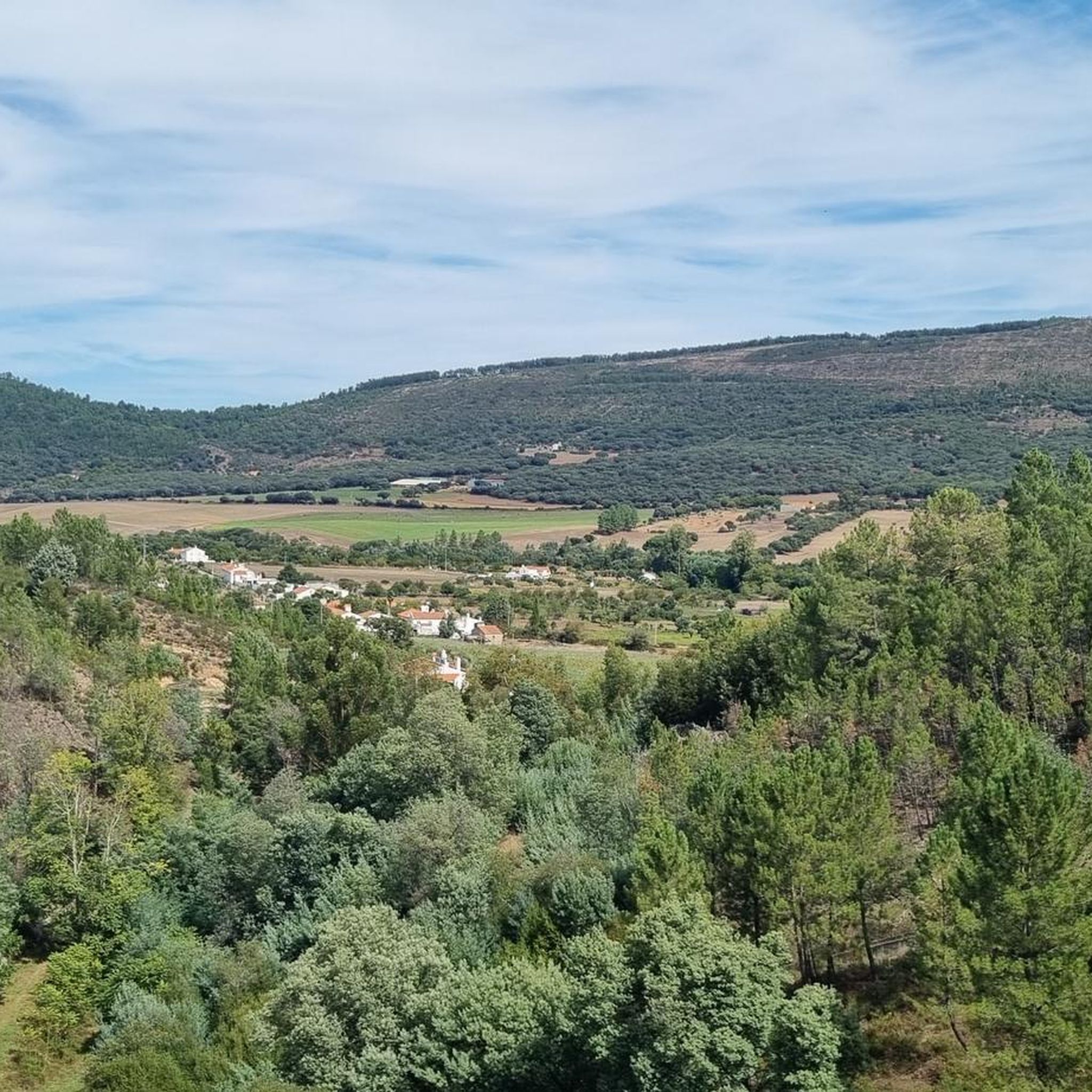
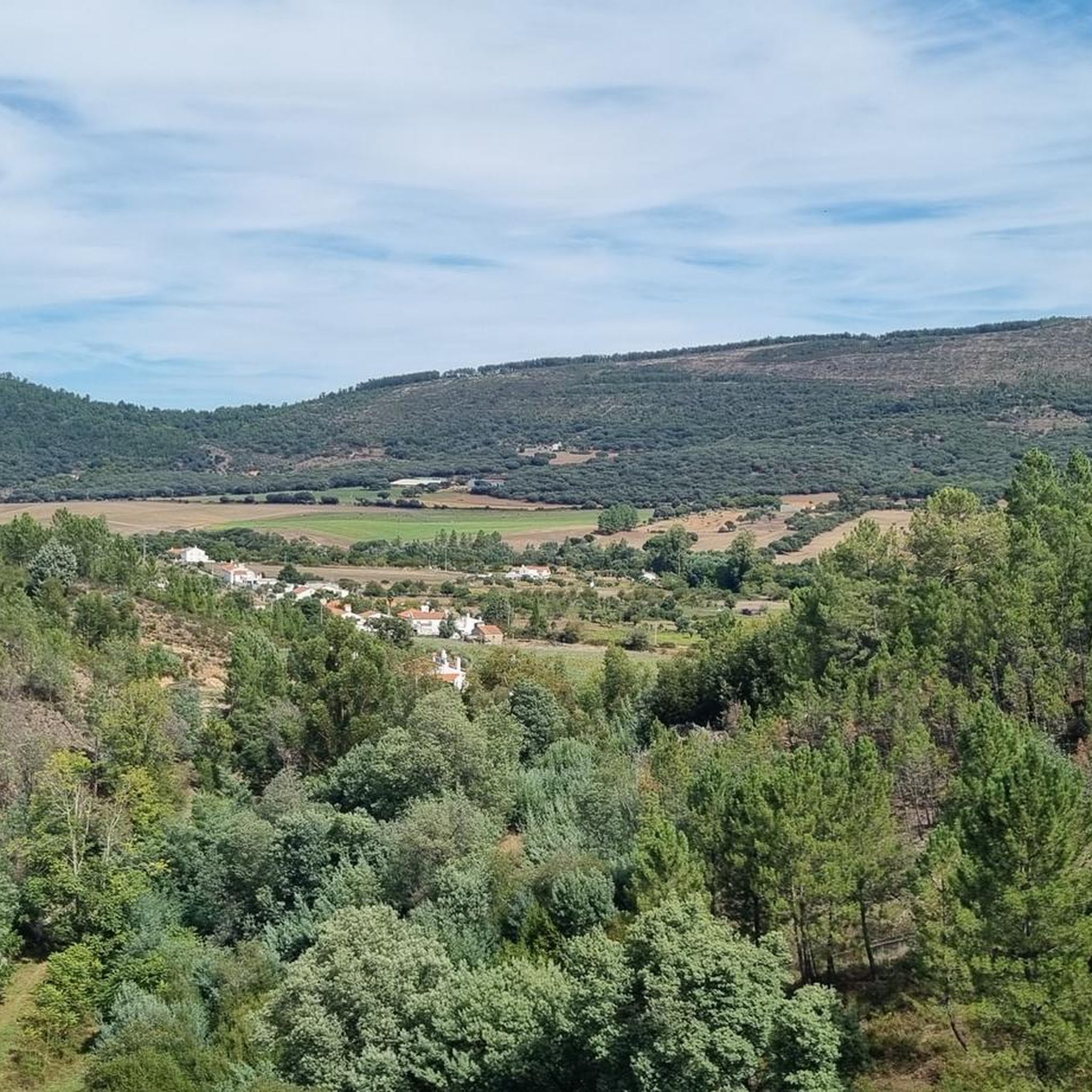
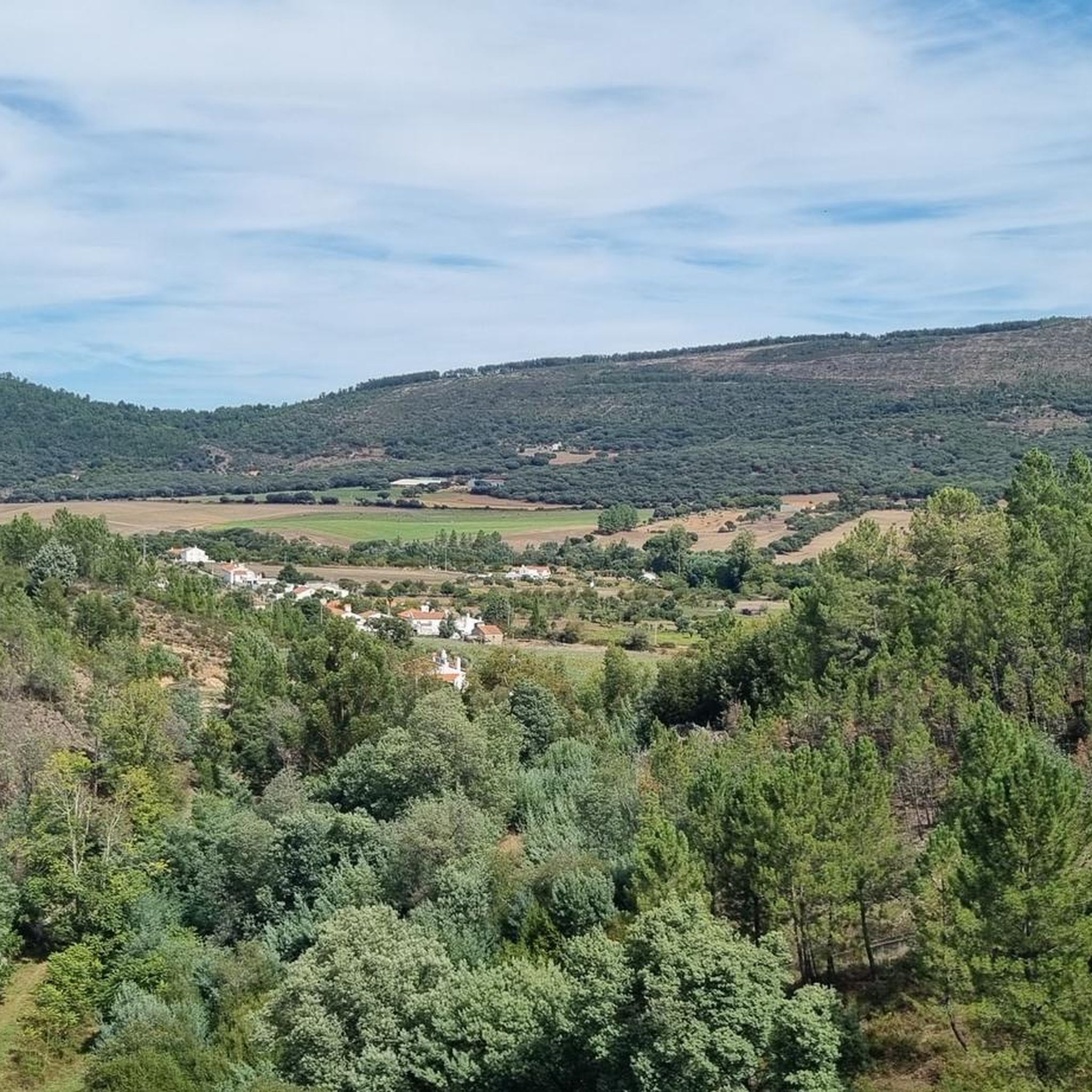
Fabulous view over the village of Castelo de Vide. Several trails, paths and roads for access.
1
0

Built before 1570, at the height of the Portuguese Renaissance, the chapel of Nossa Senhora da Penha stands tall at the top of the Serra de São Paulo, at an altitude of 710 metres. To get there, you have to climb a steep staircase, an effort rewarded by the serenity of the place and the breathtaking views. Although the original image of Senhora da Penha was stolen, a replica now occupies its place on the altar. From the top, the view is breathtaking: the town stretches out below, with its watchful castle, white houses and rolling fields; to the east, the imposing quartzite ridge of Marvão stands out; in the background, the River Sever marks the border, and to the north the horizon is bordered by the Açor, Gardunha and Estrela mountains.
2
0

The Castle of Alter do Chão, in Alentejo, is located in the parish of Alter do Chão, in the town and municipality of the same name, district of Portalegre, in Portugal. In the historic center of the town, this castle is representative of 16th century medieval architecture, when it cooperated with the neighboring Castle of Alter Pedroso in the defense of this region. Alter do Chão Castle has been classified as a National Monument since 1910.
6
0
Magnificent medieval castle which was reconquered from the Arabs during the reign of D. Afonso II. It is classified as a National Monument.
18
0
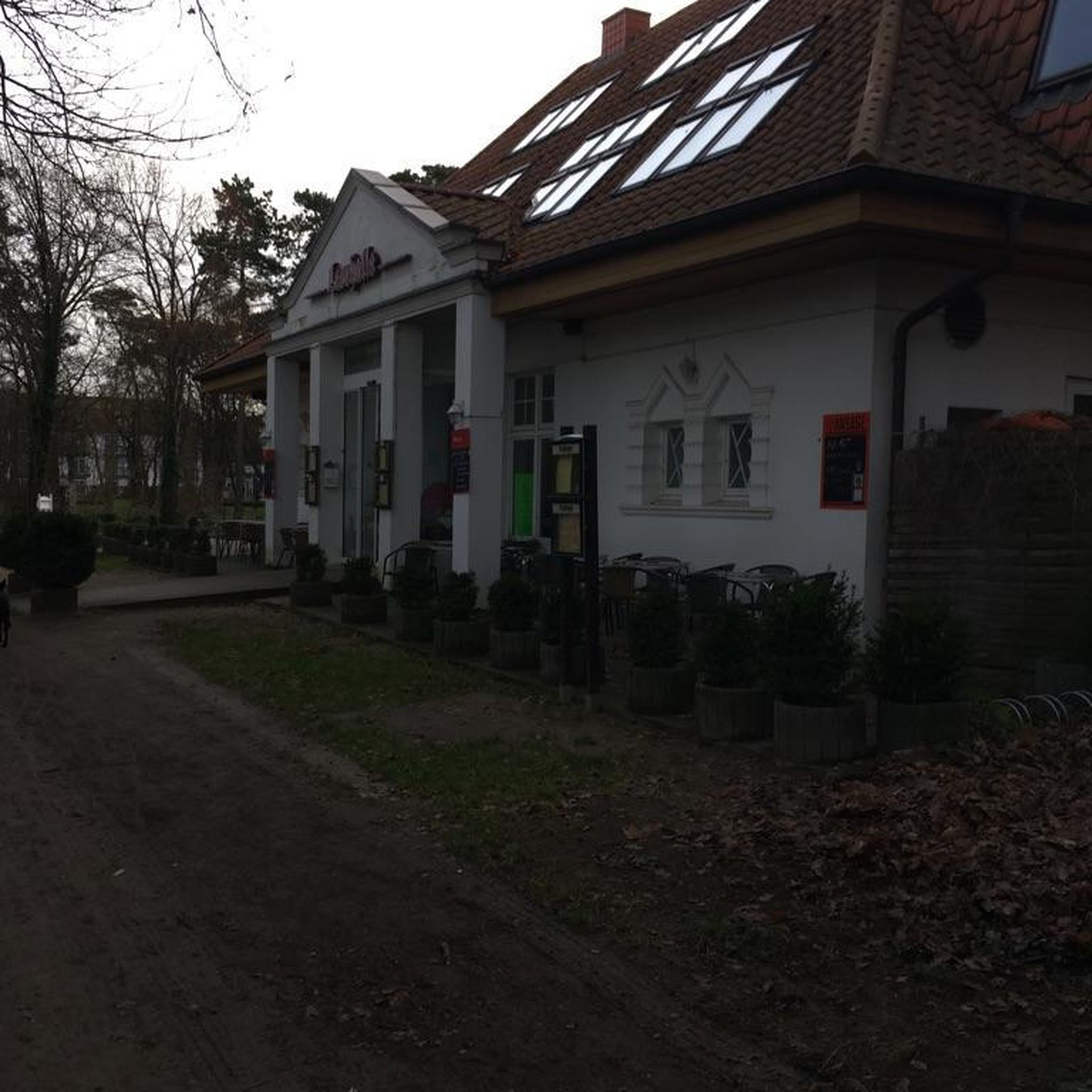
Capela de Sant'Ana is located in the city and municipality of Portalegre, in the district of the same name, in Portugal. At the entrance to the city on the south side, it is about 400 meters from the ancient walls of the Castle of Portalegre. History This temple dates back to the 18th century, according to local tradition, in the place where, in the 16th century, there was a primitive hermitage under the same name. Characteristics The interior has a single nave with the main chapel, to which four steps go up. The floor is tiled, and it has two canopies and red curtains. It has a painted ashlar from the late 18th century. On the walls there are panels on canvas framed in gilded woodwork representing: Presentation of Our Lady in the Temple Adoration of the Shepherds birth of the virgin Death of Santa Ana Virgin learning to read Holy Family Of the two existing chandeliers, only one remains. The tower rises over three round arches, and is topped by a conical dome between four pinnacles and two stonework eyelets. Source: Wikipedia consulted on 3/1/2023.
2
0

Next Marvão the second beautiful city in the region
3
1
Frequently Asked Questions
What historical sites can I explore around Crato?
The region around Crato is rich in history. You can visit Castelo de Vide, a town with an 18th-century pillory and a castle. Another significant site is the Alter do Chão Castle, a medieval structure classified as a National Monument. The Chapel of Saint Anne in Portalegre also offers a glimpse into 18th-century religious architecture.
Are there any castles to visit near Crato?
Yes, there are several notable castles. The town of Castelo de Vide features its own historic castle. Additionally, the Alter do Chão Castle, a 16th-century structure, is classified as a National Monument and played a role in the region's defense. Crato, Portugal, itself is also associated with the historic Crato Castle, offering wide views over the Alentejo region.
Where can I find scenic viewpoints in the Crato area?
For breathtaking vistas, visit the View of Castelo de Vide from Senhora da Penha. From this elevated spot, you can see the town of Castelo de Vide, its castle, and the surrounding fields, with the Marvão ridge visible to the east. The Crato Castle also provides wide views over the Alentejo region.
What kind of outdoor activities are available near Crato?
The area around Crato offers various outdoor activities. You can explore numerous hiking trails, including easy, moderate, and difficult options. There are also routes specifically for gravel biking and running. For more details on specific routes, you can check the Hiking around Crato, Gravel biking around Crato, and Running Trails around Crato guides.
Are there hiking trails suitable for different skill levels around Crato?
Yes, the region provides a range of hiking trails. For an easy walk, consider the 'Flor da Rosa Monastery loop from Flor da Rosa' or 'Flor da Rosa Monastery loop from Crato'. Moderate options include 'Camping Entrance – Cabeço do Nabo loop' and 'Castelo de Vide – Church of Saint John loop'. For a more challenging experience, the 'Historical Route of Flor da Rosa' is a difficult trail. You can find more information in the Hiking around Crato guide.
What cultural landmarks are there besides castles?
Beyond castles, you can visit the Chapel of Saint Anne in Portalegre, an 18th-century religious site with a rich history and impressive interior. The Flor da Rosa Convent (Monastery Santa Maria de Flor da Rosa) is another significant historical site where visitors can learn about the area's past. The Tribute to the cobblestone pavers of Gafete is a unique monument celebrating a local trade.
Are there family-friendly attractions in Crato?
Yes, several attractions are suitable for families. Both Castelo de Vide and Alter do Chão Castle are categorized as family-friendly, offering historical exploration that can engage visitors of all ages. The Tribute to the cobblestone pavers of Gafete is also wheelchair accessible, making it suitable for families with diverse needs.
What is the "Tribute to the cobblestone pavers of Gafete"?
The Tribute to the cobblestone pavers of Gafete is a monument dedicated to the local tradition of paving. Gafete is known for its skilled pavers, a trade practiced since the mid-19th century. This monument recognizes their excellence in laying pavements using various types of rock. It is also wheelchair accessible.
What is the best time of year to visit Crato for sightseeing and outdoor activities?
The Alentejo region, where Crato is located, generally experiences hot, dry summers and mild, wet winters. For sightseeing and outdoor activities like hiking and biking, spring (April to June) and autumn (September to October) are often ideal, offering pleasant temperatures and less rainfall than winter, and avoiding the intense heat of mid-summer.
Can I find religious sites of interest in the Crato region?
Yes, the region has several religious sites. The Chapel of Saint Anne in Portalegre is an 18th-century temple with a rich history. The town of Castelo de Vide also features religious buildings. Additionally, the Flor da Rosa Convent (Monastery Santa Maria de Flor da Rosa) is a significant historical and religious site.
Are there options for gravel biking around Crato?
Yes, gravel biking is a popular activity in the area. You can find several routes, including challenging ones like the 'Loop tour from Portalegre – Parque Natural da Serra de São Mamede' and 'Colorful Portalegre – Portalegre Castle loop'. There are also moderate options such as 'Portalegre and Reguengo Loop'. More details are available in the Gravel biking around Crato guide.
What makes the region around Crato historically significant?
The region around Crato is historically significant due to its strong connection to the Knights Hospitaller (later the Order of Malta). It boasts numerous ancient castles and religious buildings that reflect centuries of regional history and its role in the defense of the area. Towns like Castelo de Vide and sites like Alter do Chão Castle are testaments to this rich past.
What do visitors enjoy the most about Crato and its surroundings?
Visitors particularly enjoy the rich historical and cultural heritage, with many appreciating the well-preserved castles and religious sites. The scenic viewpoints, such as the View of Castelo de Vide from Senhora da Penha, are highly praised for their breathtaking vistas. The variety of outdoor activities, including hiking and biking, also draws many to explore the beautiful Alentejo landscape.
Most popular attractions around Crato

Get inspired with the komoot mobile app


Explore more
Still not found the Highlight you’re looking for? See guides of the top attractions in other regions:
