Attractions and Places To See around Odemira - Top 20
Best attractions and places to see around Odemira, a municipality in the Alentejo region of Portugal, offers a diverse range of experiences. Situated along the Mira River, the area features a coastline within the Southwest Alentejo and Vicentine Coast Natural Park. Visitors can explore historical landmarks, natural landscapes, and cultural sites. The region is characterized by its riverine environment, extensive beaches, and traditional charm.
Best attractions and places to see around Odemira
- The most popular attractions is Pessegueiro Island Beach…
Last updated: August 2, 2026
Pessegueiro Island Beach
Highlight • Beach
Translated by Google •
Tip by

Malhão Beach
Highlight • Beach
Translated by Google •
Tip by

Sign up now to discover places like this
Get recommendations on the best single tracks, peaks, & plenty of other exciting outdoor places.
Sign up for free
Engardaceira Beach
Highlight • Beach
Translated by Google •
Tip by

Odeceixe Windmill and Village
Highlight • Settlement
Translated by Google •
Tip by

View of Praia de Odeceixe and Seixe River Mouth
Highlight (Segment) • Viewpoint
Tip by

Sign up for free to discover even more attractions around Odemira.
Sign up for free
Already have an account?
Start today with a free account
Your next adventure awaits.
Login or Signup
Popular around Odemira
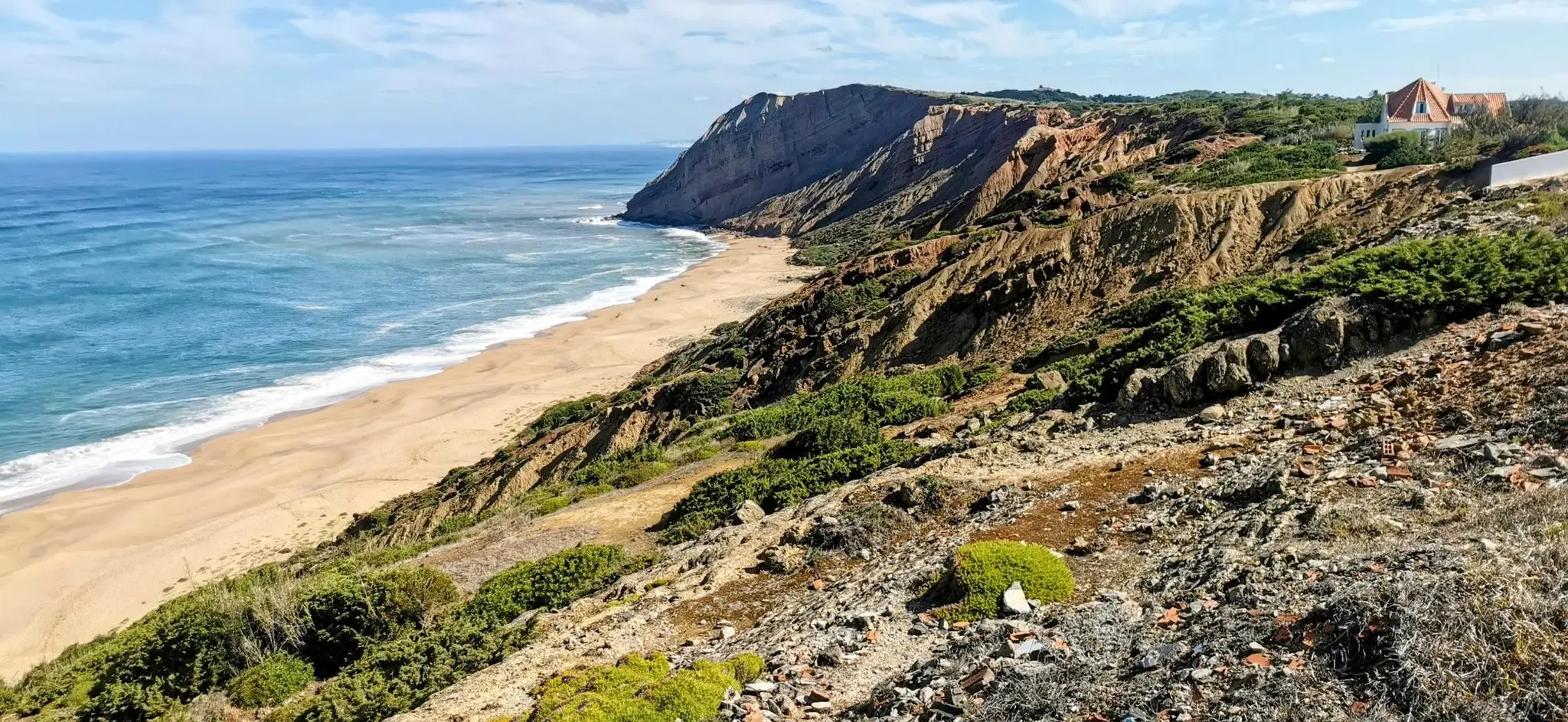
EuroVelo 1 Portugal – Cycle the Atlantic Coast
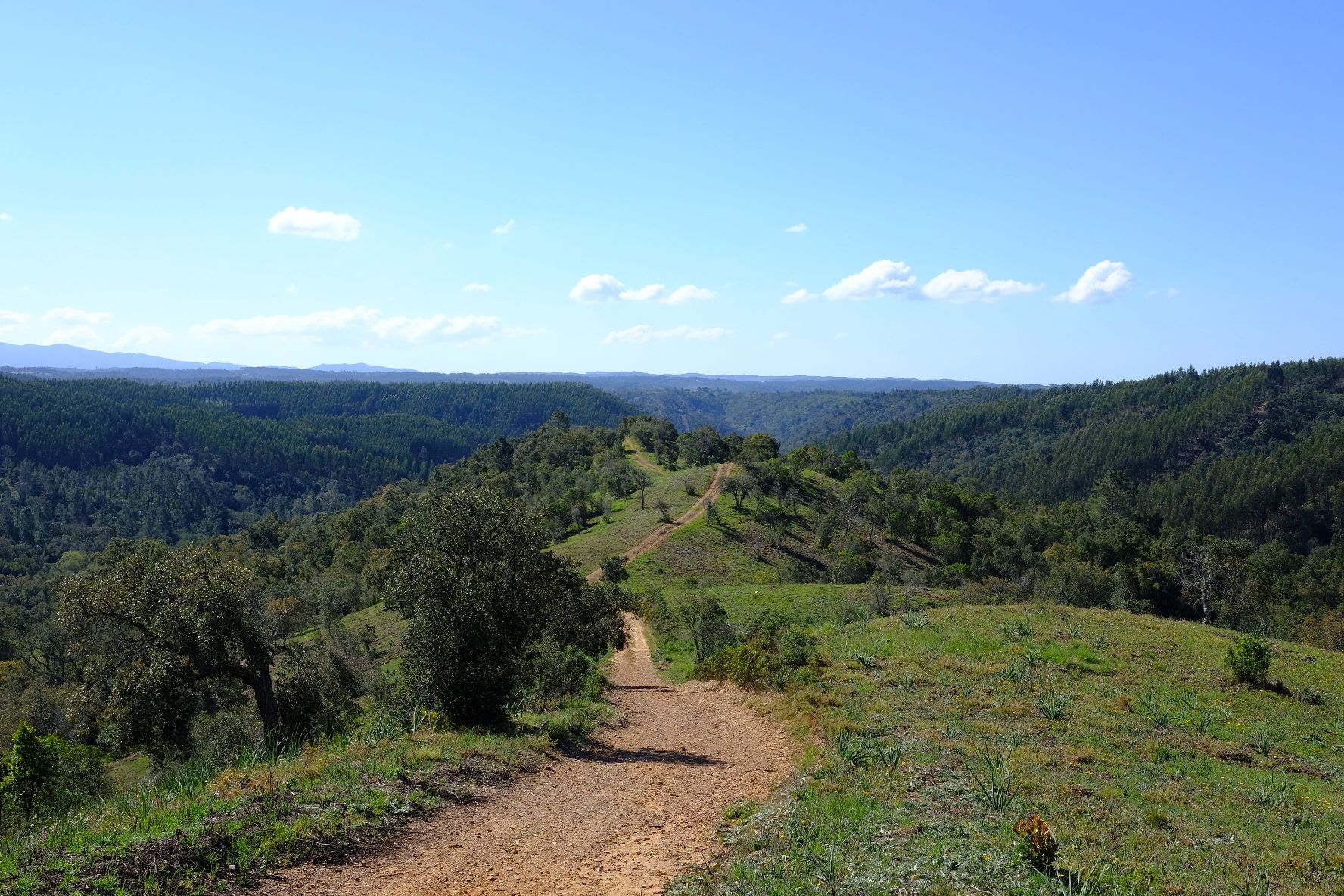
Caminho Histórico – Discover Portugal's beauty and history
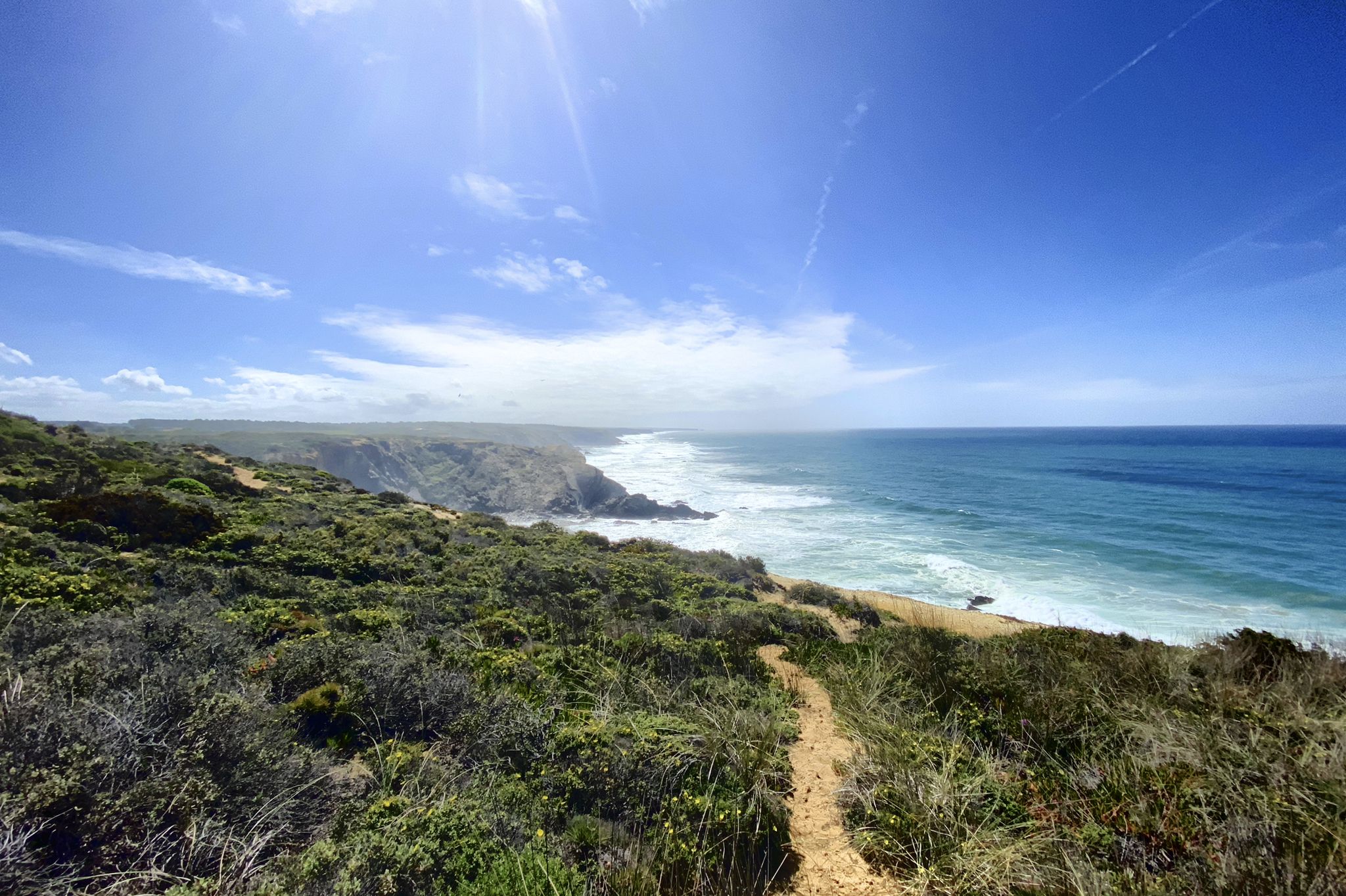
Trilho dos Pescadores – Portugal's Fishermen's Trail
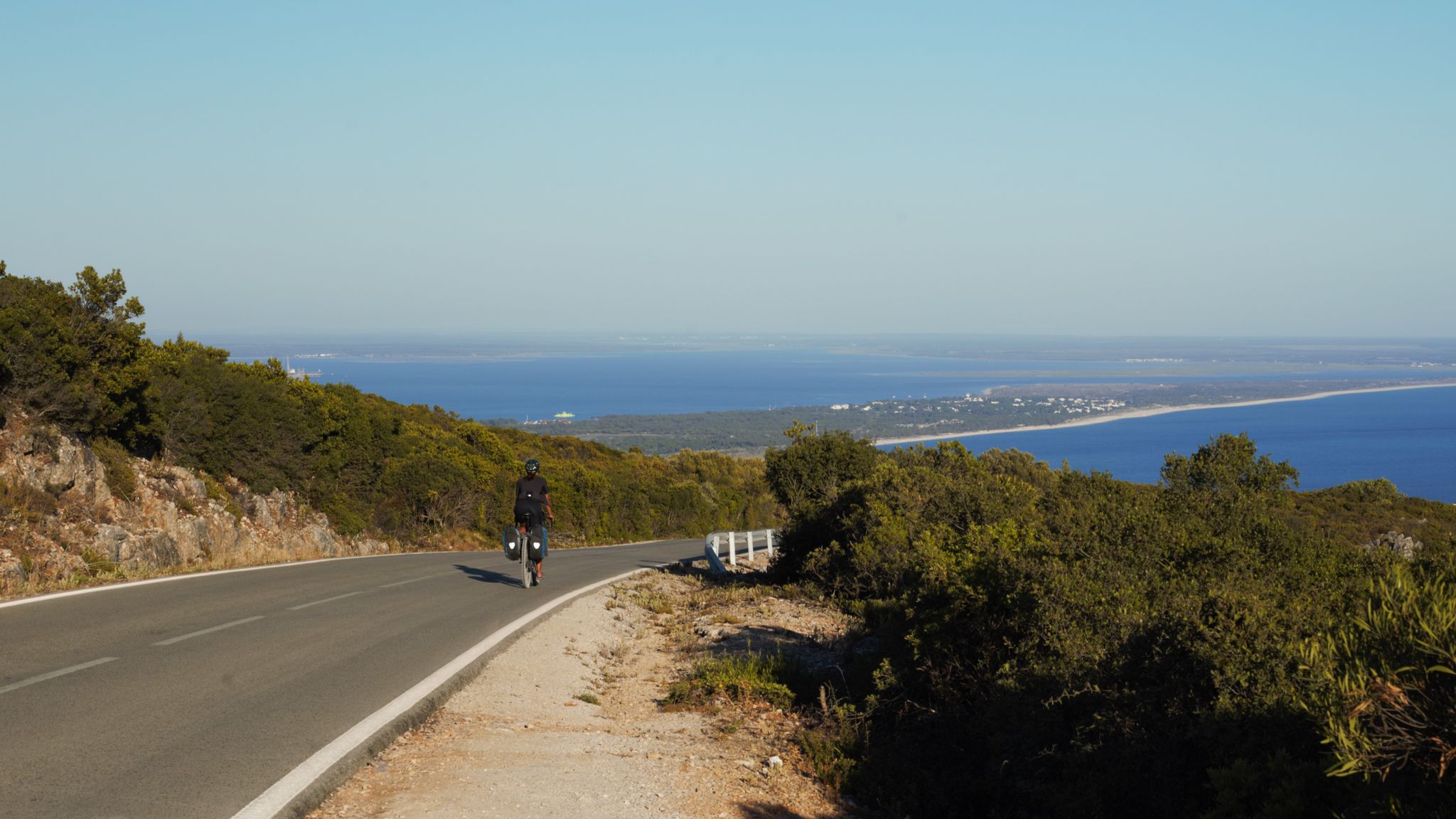
The breaking waves – cycle along the Atlantic coast of Portugal
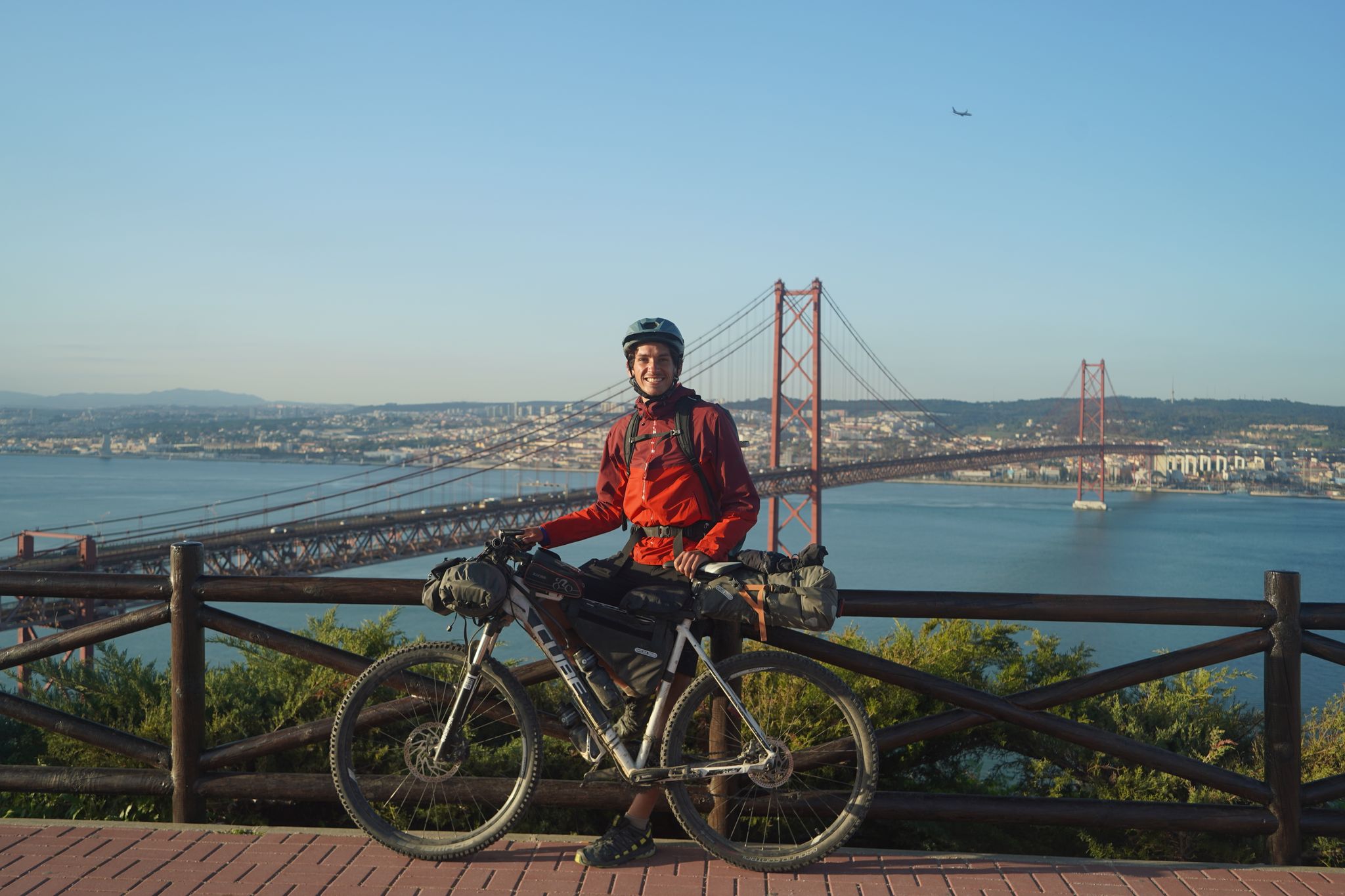
Road to Lisbon – bikepacking the Alps, Pyrenees and Picos de Europa
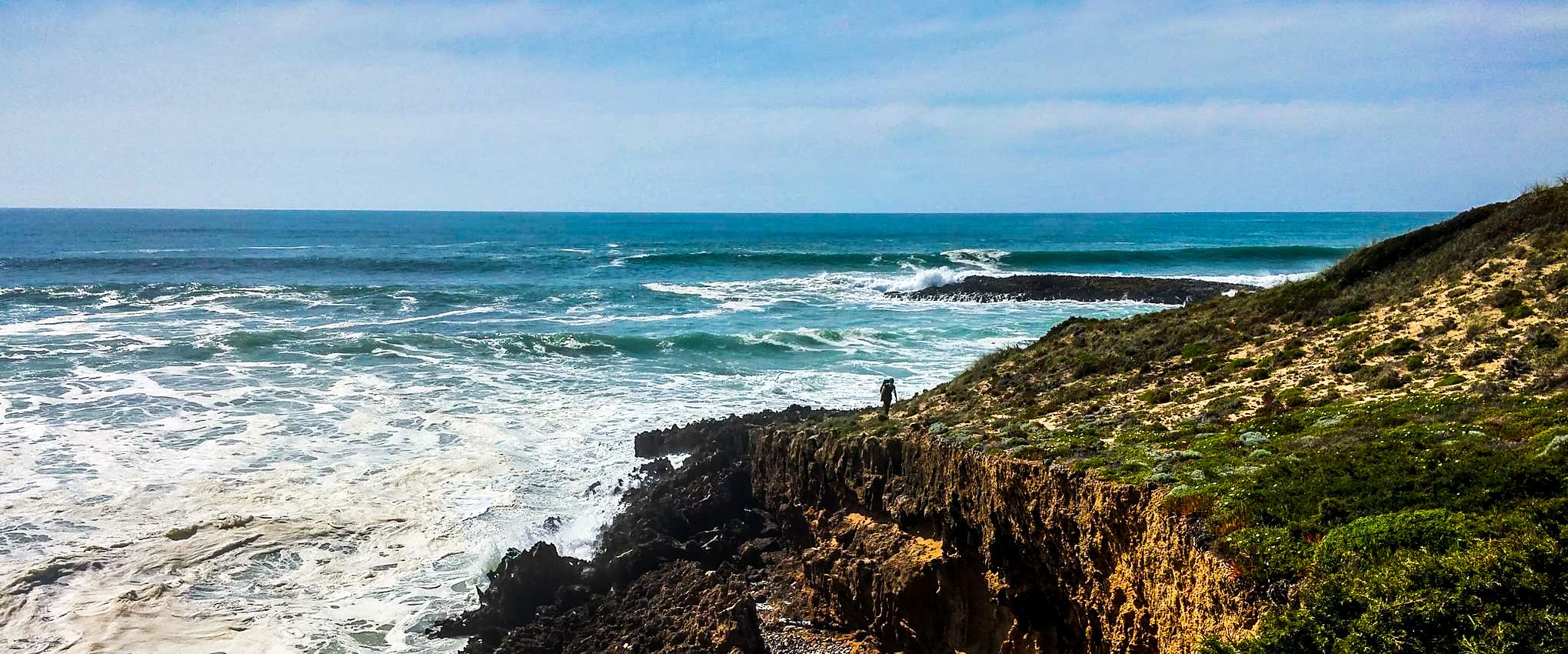
Fishermen's Trail – Discover Portugal's Atlantic Coast
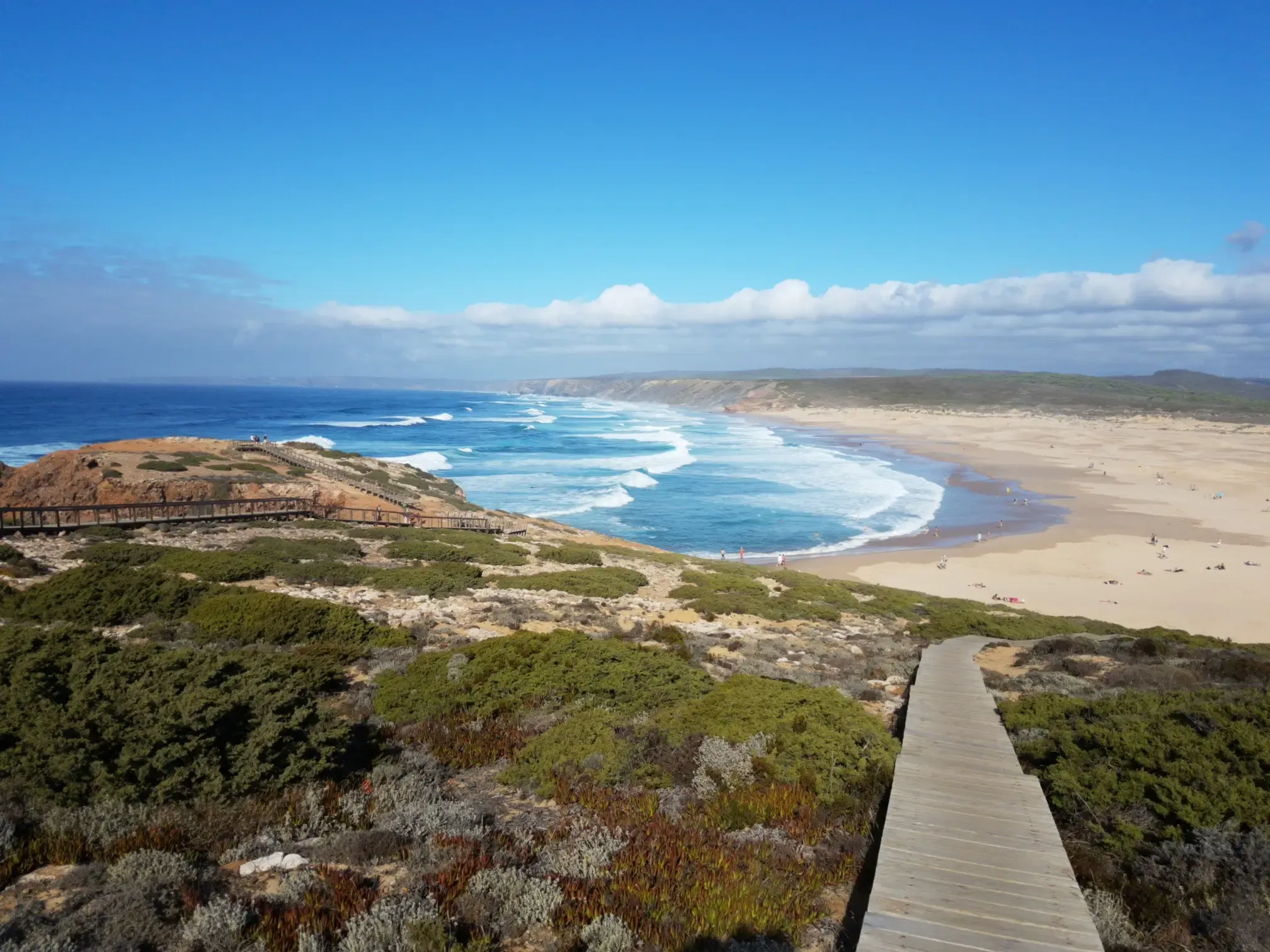
Lisbon to Santo António – The Atlantic Coast of Portugal (south)
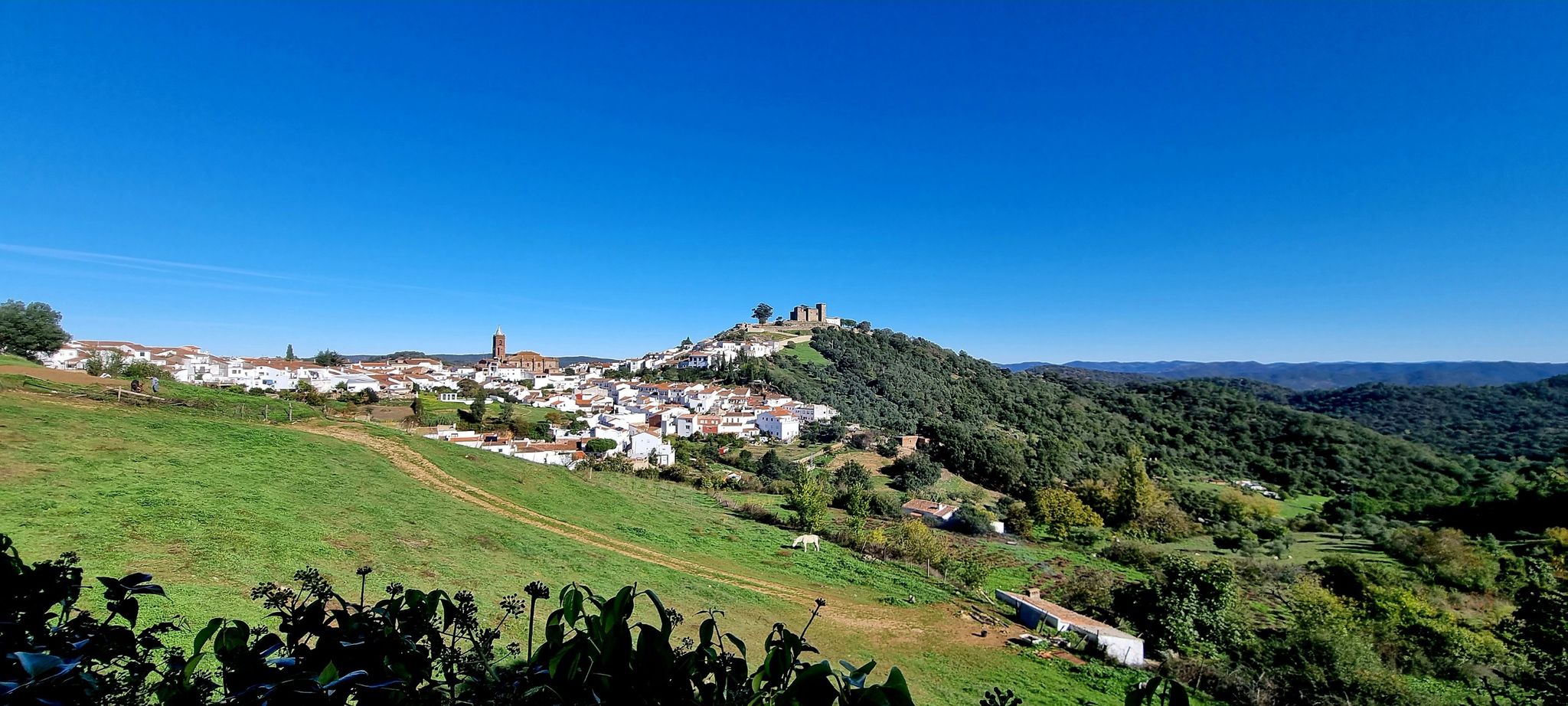
European Divide Trail across the Iberian Peninsula – south
Hiking around Odemira

Gravel biking around Odemira
Other adventures around Odemira


Tips from the Community

Gorgeous bay on the Fisherman's Trail. Strenuous but incredibly rewarding trails in beautiful Portugal 🇵🇹👣
1
1

Pessegueiro Island The Romans constructed the first buildings on the island in the mid-1st century. The Roman ruins at the southern tip of the island were excavated between 1980 and 1984. Rectangular buildings, some with two or more interior rooms, and two circular floor plans are evident. A bread oven and a metal melting furnace are recognizable by the holes in the rammed earth floor. Fish processing basins, as well as a bathing facility, date from the 3rd or 4th century.
3
0

The beach is part of the Fisherman's Path, which begins not far from here. Early in the morning in May, a seemingly endless line of hikers moves across the beach.
2
0

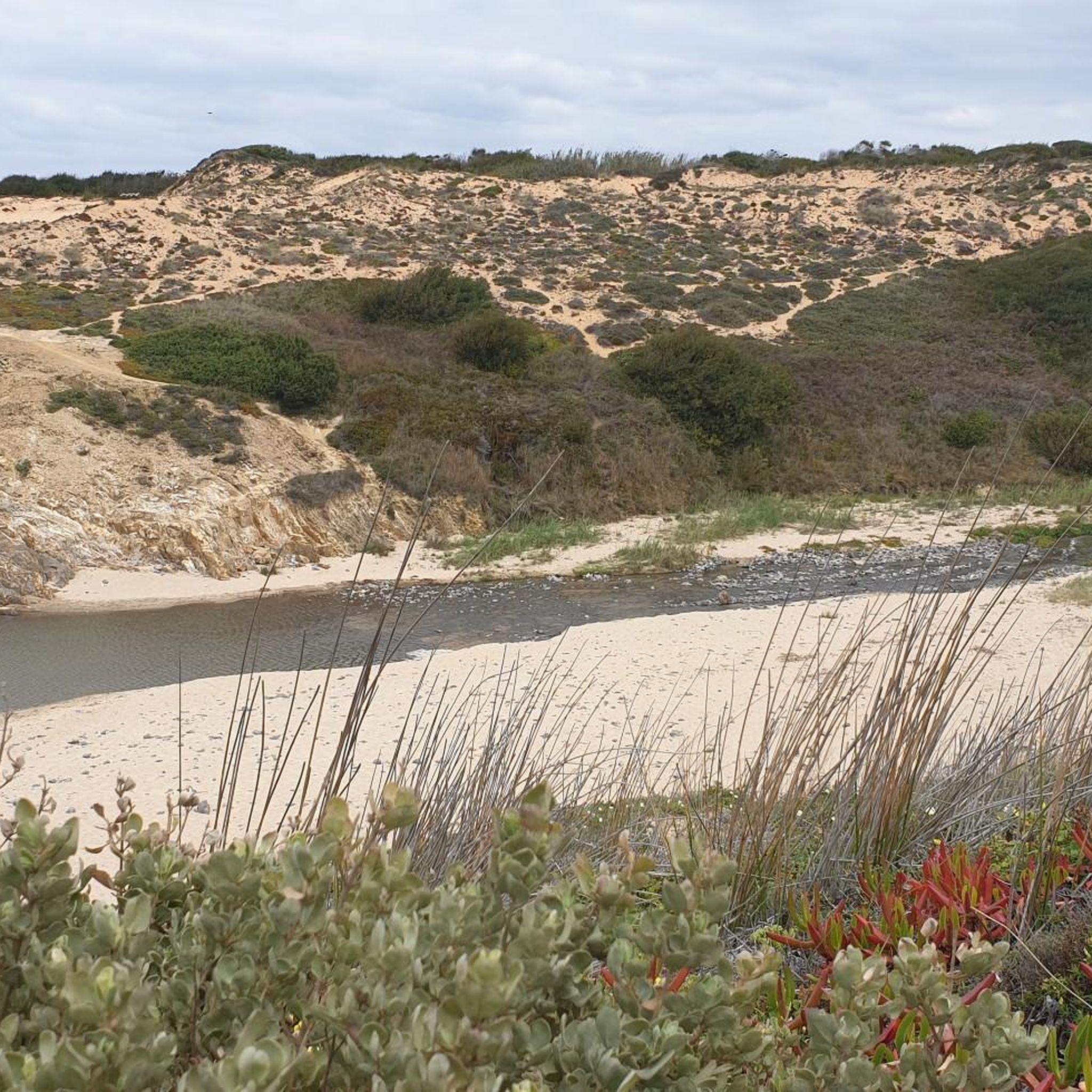
Wonderful view of the bay. Lots of great views along the beautiful Rota Vincenta.
1
1

The Praia do Malhão is wide open sandy beach just over 5km to the north of Vila Nova de Milfontes. Set within the Southwest Alentejo Natural Park development here is prohibited so this is as wild and unspoiled beach as you will find on this coast. This beach will appeal to beachgoers seeking a relatively remote spot with plenty of empty space not those expecting all the facilities close at hand. There are no cafes, lifeguards or sun-loungers here, just endless sand. What you will often find here are a handful fishermen and towards the northern end of the beach a few naturists. Exposed to the full power of the Atlantic waves Praia do Malhão is also a popular spot with surfers given the right conditions. The southern end of Praia do Malhão becomes separated towards high tide by a rock formation known as the Galés, in fact this beach is sometimes called Praia das Galés. Here the sand dunes give way to gently sloping cliffs giving the beach a different character and some protection from the breeze.
3
1
Pessegueiro Island Beach is located opposite the island that gives it its name, where there are traces of a very ancient occupation, such as the fish salting factory from Roman times, which is thought to be the origin of its name, derived from the Latin "piscatorius". During the summer, several boats offer tours of the island, crossing the channel that was used as a safe haven by the Romans and Carthaginians and which today offers excellent conditions for water sports such as windsurfing, canoeing and diving.
9
1

There are numerous hiking opportunities here but also by bike
2
1

Beautiful hiking trail along the coast, just gorgeous, like the entire Fisherman's Path. Always amazing views of pretty rocks and stork nests
2
0
Frequently Asked Questions
What are some of the best beaches to visit in Odemira?
Odemira boasts 55 km of stunning coastline within the Southwest Alentejo and Vicentine Coast Natural Park. Highly recommended beaches include Pessegueiro Island Beach, known for its historical forts and ancient Roman traces. Another must-see is Malhão Beach, a wide, unspoiled sandy beach popular with surfers. You can also explore Engardaceira Beach, a beautiful bay near Porto Covo, or the extensive sands of Almograve Beach. Other notable options are the beaches around Vila Nova de Milfontes (Furnas, Franquia, Farol, Patacho) and Zambujeira do Mar (Tonel, Azenha do Mar, Amália).
What historical landmarks and cultural sites can I explore in Odemira town?
In Odemira town, you can visit the 19th-century Odemira Windmill, where a miller still preserves the tradition. The historic center features the 17th-century Town Hall building in Praça da República and an iron sculpture symbolizing the former medieval castle. Explore churches like Santa Maria Church (16th century), São Salvador Church, and the oval-shaped Misericórdia Church with its unique murals. Don't miss the 19th-century Sousa Prado Fountain and the Monument to Cante Alentejano, celebrating the UNESCO-recognized traditional polyphonic singing style.
What walking and hiking trails are available in the Odemira region?
The Odemira region is a fantastic destination for walking and hiking. The renowned Rota Vicentina offers extensive trails, including the Historical Way and Fishermen's Trail, which traverse diverse landscapes and historical paths along the Southwest Alentejo and Vicentine Coast Natural Park. For a more local experience, the Riverside Walk stretches 1.5 km along the Mira River, providing insights into local flora and fauna. You can also find a 2.3-kilometer walking trail at the Ribeira do Torgal Biodiversity Station for observing local wildlife. For more specific routes, check out the Running Trails around Odemira guide.
Beyond walking, what other outdoor activities can I do around Odemira?
Odemira offers a variety of outdoor activities. The Mira River, one of Europe's least polluted, is navigable for about 30 kilometers, perfect for sailing, rowing, or canoeing. The Santa Clara Dam, one of Europe's largest bodies of water, is ideal for river bathing, canoeing, and fishing. For cycling enthusiasts, there are numerous routes, including those found in the MTB Trails around Odemira and Road Cycling Routes around Odemira guides.
Where can I find the best panoramic views in the Odemira area?
For breathtaking panoramic views, head to Foia Summit. Although technically in the Monchique mountain range, it's the highest point in the Algarve at 902 meters, offering unforgettable vistas that reach the Atlantic on clear days. Another scenic spot is the Odeceixe Windmill and Village, which provides charming views of the surrounding area with its whitewashed houses and the Seixe river.
Are there family-friendly attractions or activities in Odemira?
Yes, Odemira offers several family-friendly options. Many of the beaches, such as Pessegueiro Island Beach, are suitable for families, offering space for play and exploration. The Santa Clara Dam provides opportunities for safe river bathing and water activities. The Riverside Walk along the Mira River is an easy, informative stroll for all ages. Additionally, the Pego das Pias natural lakes offer a refreshing spot for families to enjoy nature.
What unique natural features, like rivers or lakes, can I explore in Odemira?
The Mira River is a central natural feature, known as one of Europe's least polluted, offering opportunities for water sports and a scenic Riverside Walk. Inland, the Santa Clara Dam forms one of Europe's largest bodies of water, perfect for swimming and fishing. Another unique spot is Pego das Pias, featuring small natural lakes amidst the cool waters of the Torgal stream, accessible via a trail. Don't forget Cape Sardão, the westernmost point of the Alentejo coast, famous for its lighthouse and as a nesting site for white storks on its cliffs.
When is the best time of year to visit Odemira for outdoor activities?
The best time to visit Odemira for outdoor activities is typically during the spring (April to June) and early autumn (September to October). During these months, the weather is pleasantly warm, making it ideal for hiking, cycling, and exploring the beaches without the intense heat of summer. The landscapes are lush in spring, and the sea temperatures are still comfortable for swimming in early autumn. Summer (July and August) can be very hot, especially inland, but is perfect for beach-focused holidays.
What local crafts or cultural experiences can I find in Odemira?
Odemira has a rich tradition of local handicrafts. You can find artisans creating baskets, furniture, pottery, and hand-woven fabrics, preserving age-old techniques. The municipality also supports cultural and artistic projects through 'Odemira Creative,' fostering local talent. Additionally, the Monument to Cante Alentejano in Odemira town celebrates the region's traditional polyphonic singing, recognized by UNESCO as Intangible Cultural Heritage of Humanity.
Are there any less-known or 'hidden gem' attractions worth visiting in Odemira?
Beyond the popular spots, consider visiting the Garden of the Iron Spring in Odemira town, named for its ferrous waters and a local legend about finding love. The Ferry Landmark near the road bridge signifies a historical river crossing point. For a tranquil natural escape, the Ribeira do Torgal Biodiversity Station offers a peaceful walking trail to observe local flora and fauna along the Torgal stream. The small, charming village of Odeceixe Windmill and Village is also a delightful, quieter spot to explore.
Can I explore the Odemira coastline on foot?
Absolutely! The Odemira coastline is part of the Southwest Alentejo and Vicentine Coast Natural Park and is best explored on foot via the Rota Vicentina. This network of trails includes the famous Fishermen's Trail, which offers stunning coastal walks along cliffs and wild beaches. You can experience the rugged beauty of the Atlantic, discover hidden coves, and observe unique coastal wildlife. Many of the region's beautiful beaches, such as Malhão Beach and Engardaceira Beach, are accessible via these coastal paths.
Most popular routes around Odemira
Most popular attractions around Odemira

Get inspired with the komoot mobile app


Explore more
Still not found the Highlight you’re looking for? See guides of the top attractions in other regions:
