The best cycling routes around Borba
4.2
(11)
58
riders
15
rides
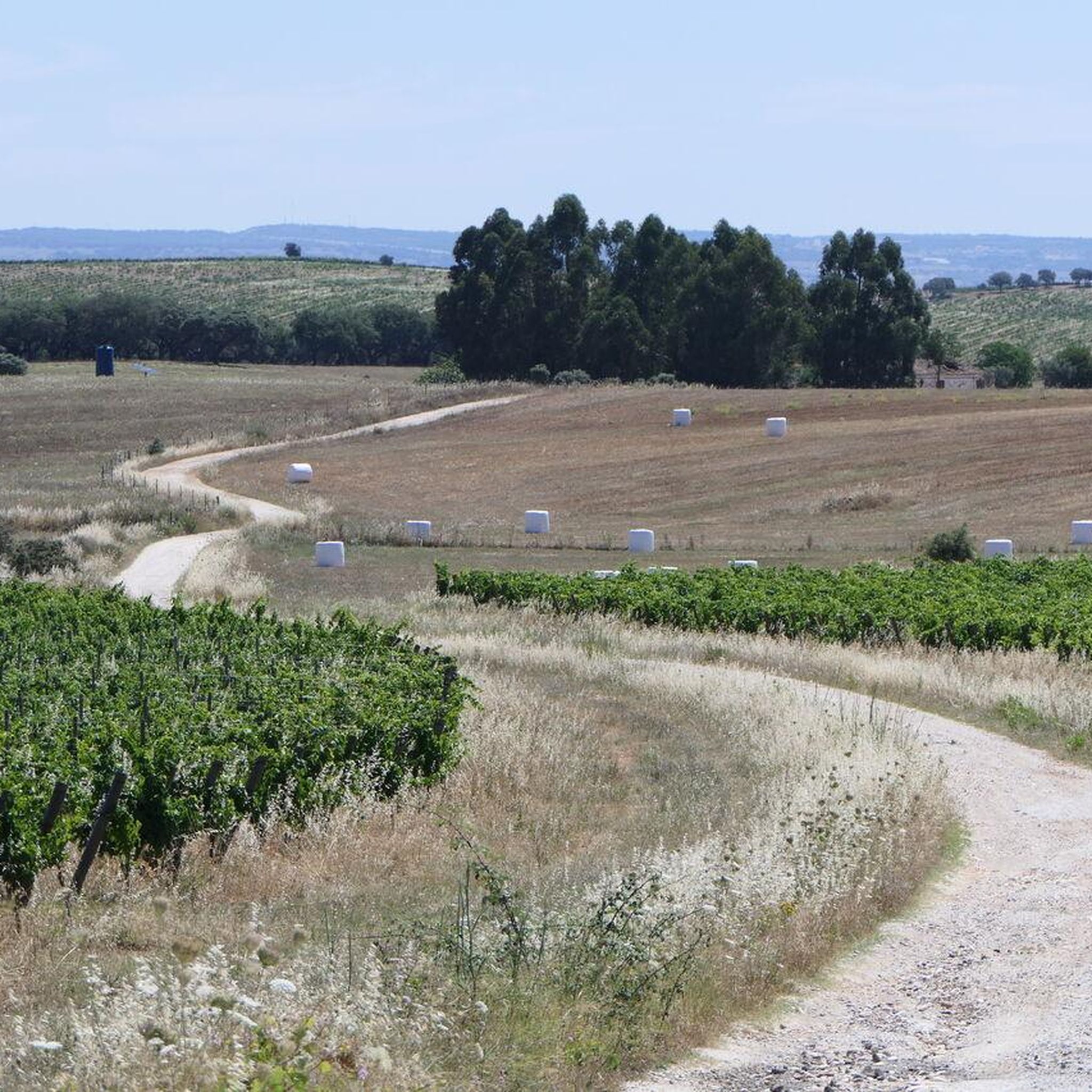
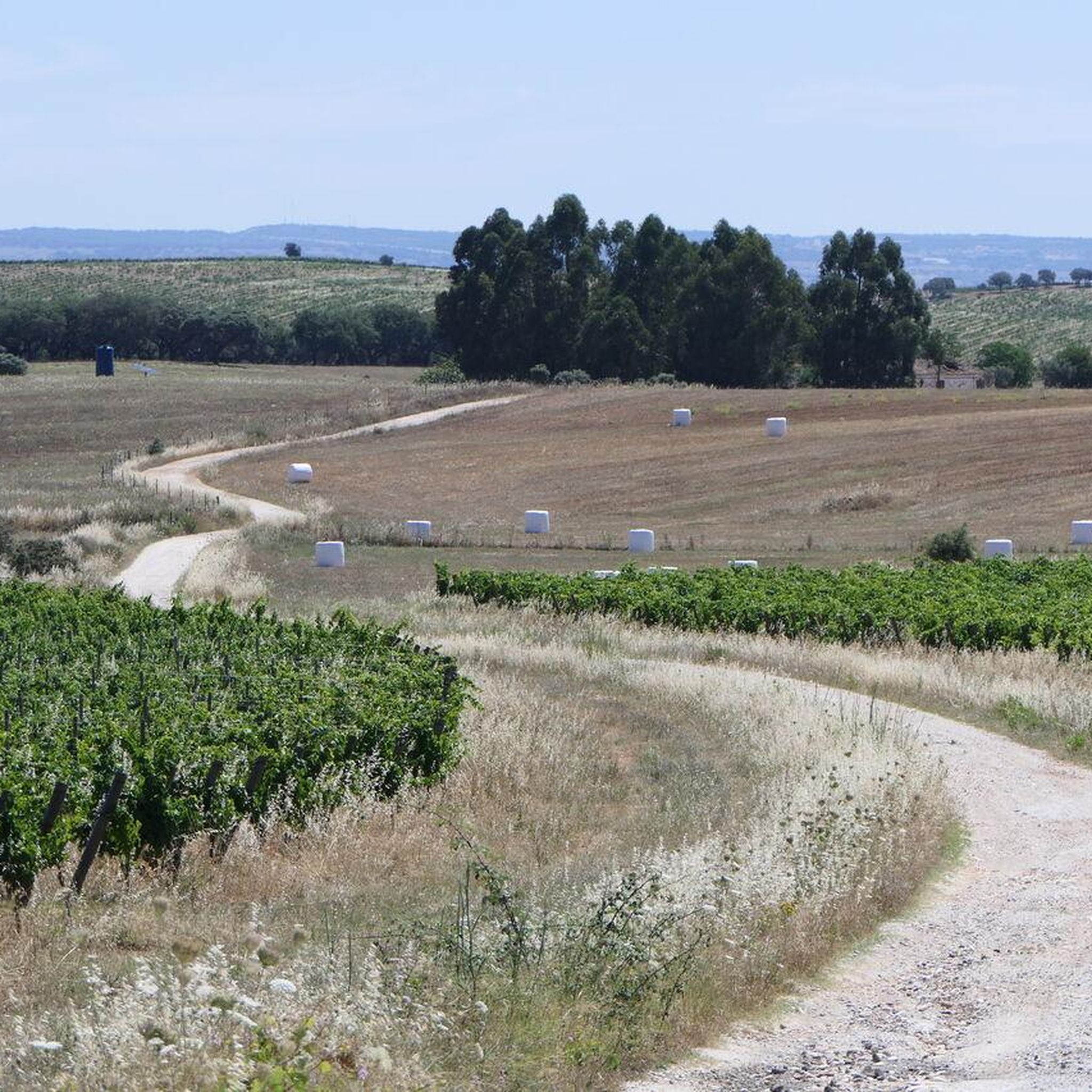
Touring cycling around Borba offers diverse landscapes within Portugal's Alentejo region. The terrain features rolling hills blanketed with extensive vineyards and olive groves, characteristic of the area's agricultural heritage. The region is also notable for its marble quarries, which add a distinct geological element to the scenery. Borba serves as an access point to the Serra d'Ossa, a natural park providing varied routes and scenic viewpoints.
Best touring cycling routes around Borba
- The most popular touring cycling route is Town…
Last updated: November 11, 2026
5.0
(4)
11
riders
50.3km
03:03
400m
400m
Moderate bike ride. Good fitness required. Mostly paved surfaces.
5.0
(4)
9
riders
47.1km
02:50
370m
360m
Moderate bike ride. Good fitness required. Mostly paved surfaces.

9
riders
71.1km
06:46
1,580m
1,580m
Hard bike ride. Very good fitness required. You may need to push your bike for some segments of this route.
3.0
(1)
7
riders
34.3km
02:02
190m
190m
Moderate bike ride. Good fitness required. Mostly paved surfaces.
3.0
(1)
6
riders
30.5km
01:47
170m
170m
Moderate bike ride. Good fitness required. Mostly paved surfaces.
Get access to more routes and recommendations from other explorers.
Already have an account?
Our route recommendations are based on thousands of hikes, rides, and runs completed by other people on komoot.
Start today with a free account
Your next adventure awaits.

Tips from the Community

This museum presents the largest and most important private collection of tiles in Portugal. A visit to the Berardo Museum in Estremoz is a guided tour with an average duration of 1 hour and 30 minutes.
1
0
Borba Castle was built in 1217 by order of King Afonso II. Some parts of the castle walls are still visible, as are two gates (Porta do Celeiro and Porta de Estremoz) and the sturdy keep, which today dominate the townscape of Borba.
3
0
In the 50 rooms open to the public, paintings, furniture, tapestries, ceramics and goldsmith's work can be admired.
1
0

Estremoz is a Portuguese city located in the district of Évora, in Alto Alentejo, known as the "marble capital" of Portugal. It is divided into two parts: a medieval upper town, enclosed by walls, with old white houses and an imposing castle (the Castle of Queen Santa Isabel, which houses a Pousada), and a lower town with eighteenth-century fortifications. Estremoz is famous for its white marble quarries, which have made Portugal a major world exporter, and for its traditional terracotta crafts, especially the "puppets" (Bonecos de Estremoz), a UNESCO Intangible Heritage. The city hosts a lively weekly farmers' market.
0
0

This scenic road gives stunning views over the region and the hills all around. Enjoy it!
1
0
At the top of the Serra d’Ossa, at an altitude of 650 metres, stands the Alto de São Gens. Among the ruins of the old chapel dedicated to the saint, memories of an occupation that dates back more than three millennia, to the Bronze and Iron Ages, echo. This archaeological site, shrouded in legend and symbolism, was later associated by the monks of the Congregation of São Paulo with the mythical Mount of Venus, the refuge of Viriato, the legendary Lusitanian leader who, according to tradition, descended from here to confront the Romans.
0
0
In 1461, the region came under the rule of the Bragança family. Starting in 1501, the family built a new palace outside the old castle and city walls. Two monasteries were established nearby, and a new fortress was built on the site of the old castle on the hill. When Duke João of Bragança was proclaimed King John IV of Portugal in 1640, the Bragança family moved to Lisbon, but continued to use the enormous palace in Vila Viçosa as a summer residence.
4
0
Estremoz is a Portuguese city located in the district of Évora, in Alto Alentejo, known as the "marble capital" of Portugal. It is divided into two parts: a medieval upper town, enclosed by walls, with old white houses and an imposing castle (the Castle of Queen Santa Isabel, which houses a Pousada), and a lower town with eighteenth-century fortifications. Estremoz is famous for its white marble quarries, which have made Portugal a major world exporter, and for its traditional terracotta crafts, especially the "puppets" (Bonecos de Estremoz), a UNESCO Intangible Heritage. The city hosts a lively weekly farmers' market.
0
0
Frequently Asked Questions
How many touring cycling routes are available around Borba?
There are over 15 touring cycling routes around Borba, offering diverse experiences through the Alentejo region. These routes cater to various skill levels, ranging from moderate to difficult.
What are the typical difficulty levels for touring cycling in Borba?
The touring cycling routes around Borba are generally classified as moderate to difficult. You'll find 6 moderate routes and 9 more challenging options, often featuring rolling hills and significant elevation gains, especially in areas like the Serra d'Ossa.
What kind of landscapes can I expect to see while touring cycling near Borba?
Borba's touring cycling routes traverse a rich tapestry of landscapes. You'll pedal through picturesque rolling hills blanketed with extensive vineyards and olive groves, characteristic of the Alentejo's agricultural heritage. The region is also renowned for its unique marble quarries, which add a distinct geological element to the scenery. Many routes offer access to the Serra d'Ossa, a natural park with diverse flora and fauna.
Are there any circular touring cycling routes around Borba?
Yes, many of the touring cycling routes around Borba are designed as loops, allowing you to start and end in the same location. For example, the Town of Borba – Estremoz Marble Quarries loop from Vila Viçosa is a popular circular option, connecting historic towns and passing through the marble quarry region.
What historical towns or landmarks can I explore along the cycling routes?
Cycling routes around Borba often connect to fascinating historical towns and landmarks. You can explore the stunning medieval fortress of Vila Viçosa Castle, just 6 kilometers from Borba, or visit Estremoz, known for its medieval upper town and Estremoz Castle. Borba itself boasts a 14th-century castle. Many routes also pass by the famous marble quarries, a significant part of the region's heritage.
What is the best time of year for touring cycling in Borba?
The Alentejo region, including Borba, generally offers pleasant cycling conditions during spring (March to May) and autumn (September to November) when temperatures are milder. Summers can be very hot, making early morning or late afternoon rides preferable. Winters are typically mild but can have some rain.
Are there any specific cycling amenities or support services available in the Borba area?
Borba is part of the 'Rede de Cycling' and serves as an entrance point to the Serra d'Ossa Cycling Centre in Rio de Moinhos. This center provides essential services for touring cyclists, including repair stations, bike washes, and toilet/changing room facilities, enhancing the cycling experience in the region. For more information on the cycling network, you can visit visitalentejo.pt.
What do other touring cyclists enjoy most about cycling in Borba?
The touring cycling routes in Borba are highly rated by the komoot community, with an average score of 4.2 stars. Reviewers often praise the diverse landscapes, the tranquility of the rural roads through vineyards and olive groves, and the opportunity to combine cycling with exploring historic towns and unique marble quarries.
Can I find routes that offer a good balance of distance and scenery?
Absolutely. Many routes offer a great balance. For instance, the Estremoz – Town of Borba loop from Estremoz is a moderate 33.2-mile (53.4 km) path that explores the Alentejo landscape between two significant towns, providing scenic views of vineyards and olive groves without being overly strenuous.
Are there any longer, more challenging touring cycling routes for experienced riders?
Yes, for experienced riders seeking a challenge, routes like the Entrance to Estremoz – Estremoz Marble Quarries loop from Estremoz offer a significant test. This 44.8-mile (72.1 km) trail leads through the marble quarry area with substantial elevation gain, often taking around 6 hours 50 minutes to complete.
Where can I find parking for my car when starting a touring cycling route in Borba?
While specific parking areas for each route are not detailed, Borba and nearby towns like Vila Viçosa and Estremoz, which serve as common starting points for these routes, typically offer public parking facilities. It's advisable to check local signage upon arrival for the most convenient options.
Are there opportunities for wine tourism along the cycling routes?
Yes, Borba is a significant wine-producing region, and many cycling routes can be integrated with visits to local wineries. You can find opportunities for wine tasting experiences at places like Adega Mayor and Quinta do Carmo. Adega de Borba, for example, offers dedicated infrastructure for wine tourists.
Most popular attractions around Borba

Get inspired with the komoot mobile app


Explore more
Browse the best Cycling routes in other regions.
