The best road cycling routes around Figueiró Dos Vinhos
4.4
(51)
1,526
riders
102
rides
Road cycling routes around Figueiró Dos Vinhos traverse a diverse landscape characterized by mountains, rolling hills, and meandering rivers. The region features varied terrain, offering both challenging ascents and scenic descents suitable for road cyclists. Lush forests and charming schist villages are integrated into many routes, providing natural beauty and cultural points of interest. This blend of natural features creates a setting for road cycling experiences.
Best road cycling routes around Figueiró Dos Vinhos
- The most popular road cycling route…
Last updated: October 5, 2026
9
riders
43.0km
02:28
950m
960m
Hard road ride. Very good fitness required. Mostly well-paved surfaces and easy to ride.
5.0
(1)
23
riders
141km
06:44
1,680m
1,690m
Hard road ride. Very good fitness required. Some segments of this route may be unpaved and difficult to ride.

14
riders
102km
05:09
1,610m
1,610m
Hard road ride. Very good fitness required. Mostly well-paved surfaces and easy to ride.
4.0
(1)
10
riders
55.2km
02:44
830m
830m
Moderate road ride. Good fitness required. Mostly well-paved surfaces and easy to ride.
14
riders
141km
06:55
1,390m
1,390m
Hard road ride. Very good fitness required. Some segments of this route may be unpaved and difficult to ride.
Get access to more routes and recommendations from other explorers.
Already have an account?
Our route recommendations are based on thousands of hikes, rides, and runs completed by other people on komoot.
Start today with a free account
Your next adventure awaits.

Tips from the Community

A modern take on a Basilica. Very roomy, with plenty of clear view to the alter.
1
0
Regardless of your beliefs this is a fantastic spot to highlight your trip, just make sure it's either the beginning or the end since you have to get out of your bike. Just across you have a view of the courtyard and the Basilica of Our Lady of the Rosary.
1
0

The Fatima crucifix by German sculptor Robert Schad is a filigree, aspiring steel crucifix from our time, ascetic, where body merges with the cross. The sculpture is made of thick-walled Corten steel; in dry climates, it has a bright reddish-brown color, while in rain and humidity, it is almost black. The oxidation creates its very natural character - steel is allowed to age, just as a person ages. At 34m high, it is probably the tallest crucifix in the world. It was erected in August 2007 in connection with the construction of the monumental Church of the Holy Trinity and the redesign of the pilgrimage site.
2
0

The Torre do Relógio (Clock Tower) of Figueira da Foz is a striking, 23-meter-high landmark in a modernist style on the seafront promenade (Avenida Marginal). It shapes the image of the city beach, which is also known as Praia do Relógio because of it.
3
0

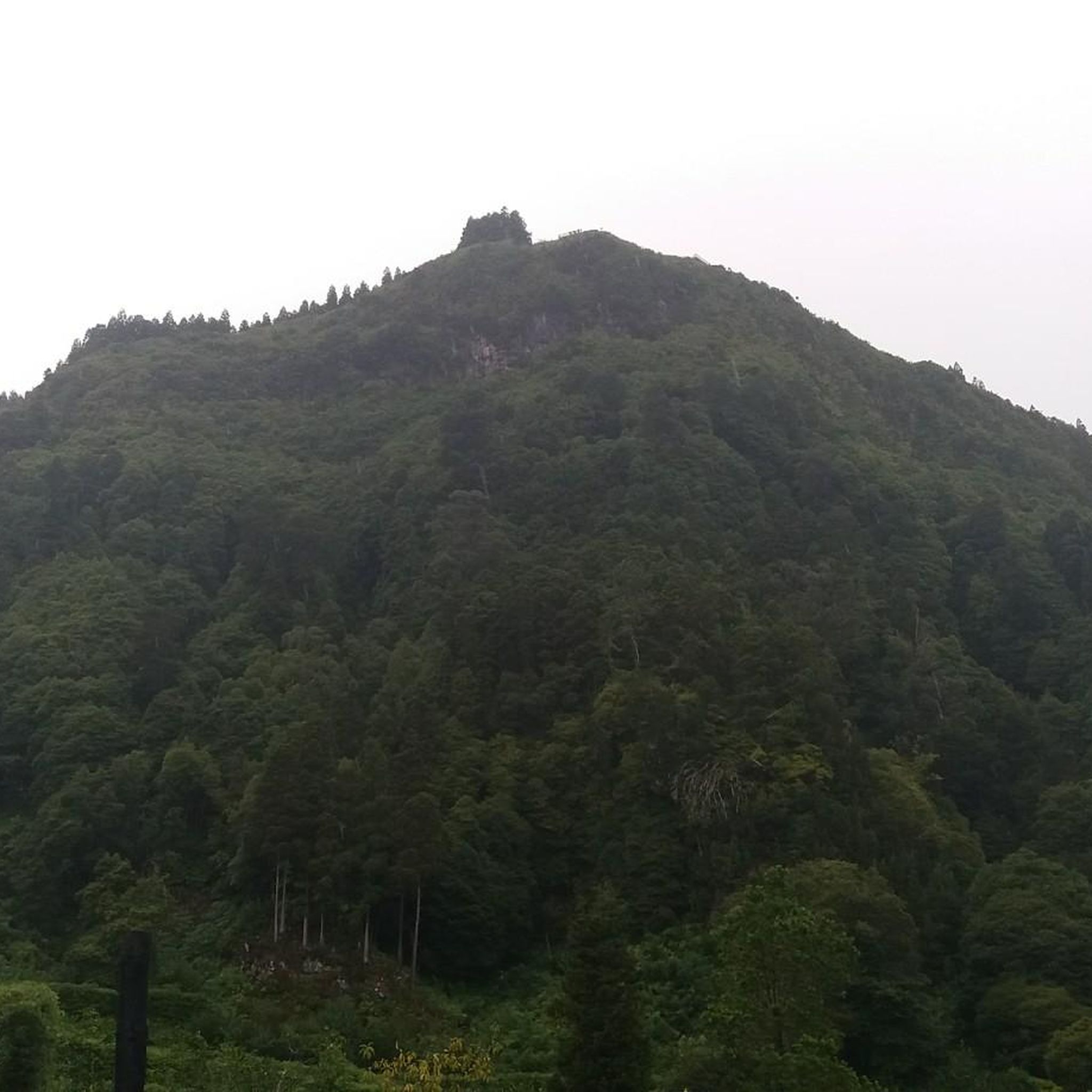
Although there are references to its existence as early as the High Middle Ages, what remains today dates from the late 14th century. Within the walls are remains of the old Medieval Palace, where the death of Dona Inês de Castro was reportedly decided, as well as the Church of Santa Maria da Alcáçova, founded in 1095 but restored in the 16th century. During the Arab occupation, materials imported from Córdoba arrived at Montemayur Castle, including capitals dating back to the Caliphate period, one of which is now part of the collection of the Machado de Castro National Museum in Coimbra. Later, the castle would play a recognized strategic role during the Christian reconquest of the territory. (Source: www.turismodocentro.pt)
14
0

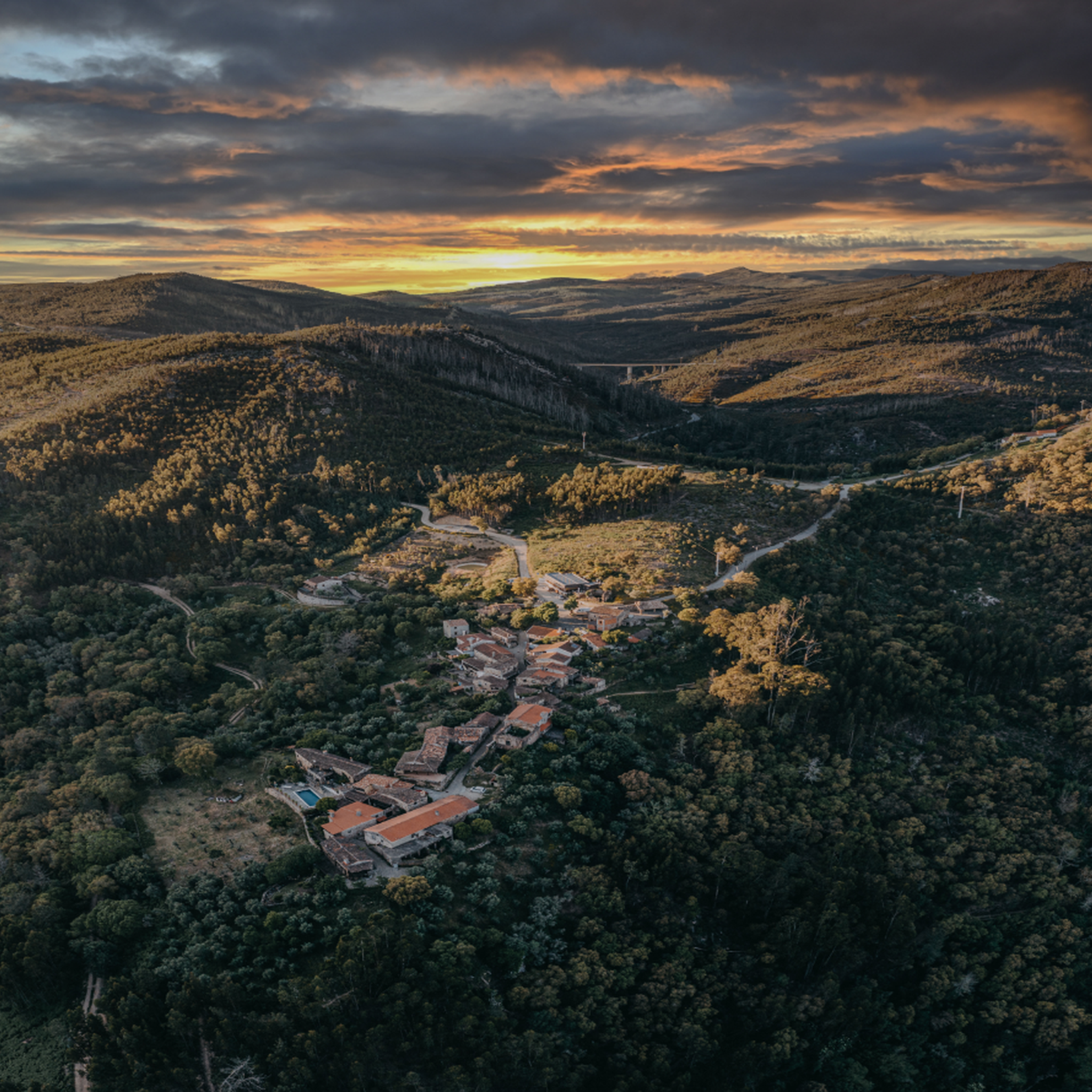
Candal is part of the so-called "Serra da Lousã", an area characterized by lush nature and breathtaking landscapes. This village is a typical example of the "aldeias de xisto" (schist villages), built entirely with local stone, which integrate harmoniously into the surrounding environment. Candal offers an atmosphere of peace and tranquility, with its traditional houses, waterways and paths surrounded by vegetation.
1
0
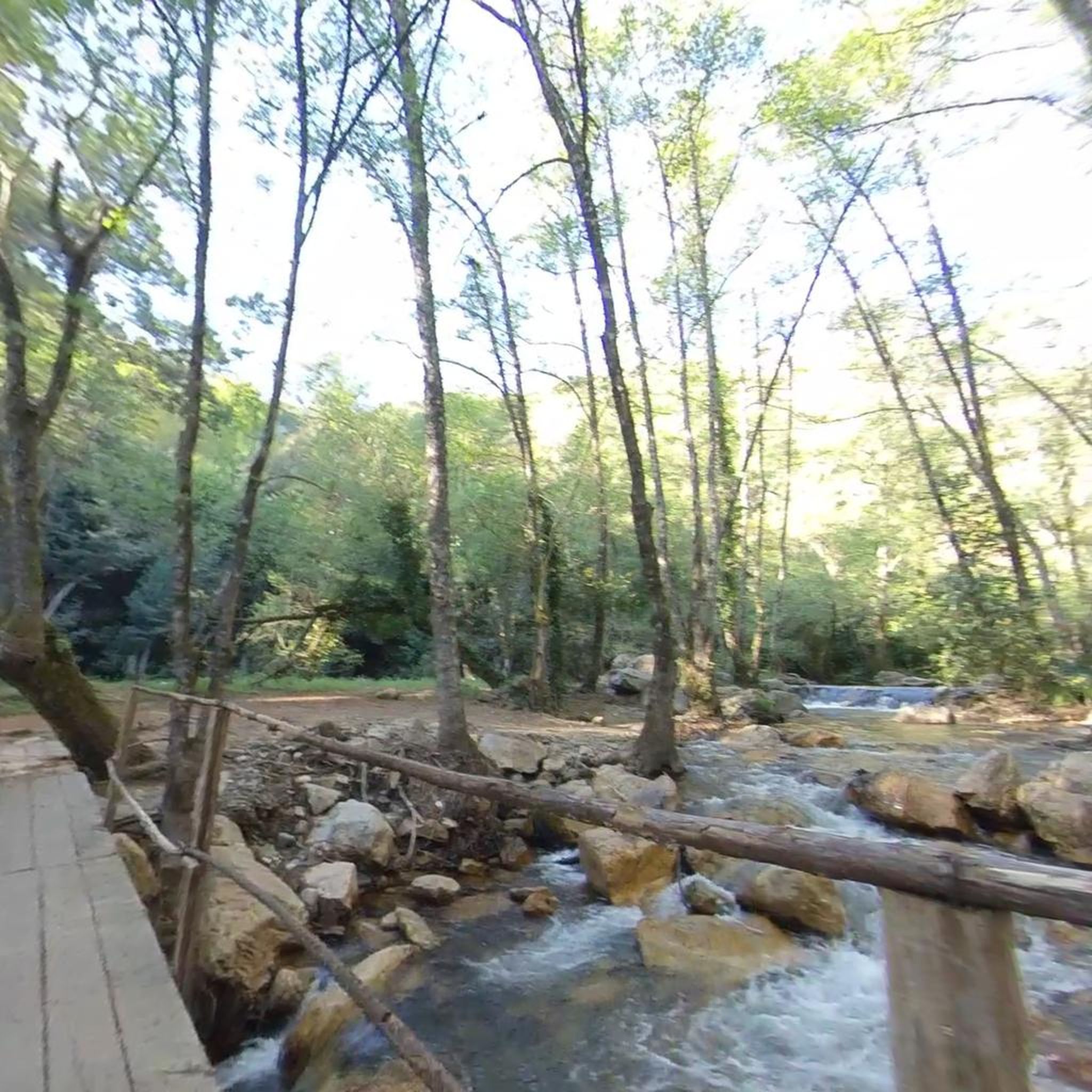
Castanheira de Pêra is nestled in a mountainous and wooded territory, dominated by pine and eucalyptus forests, known for its natural and landscape richness. The municipality is especially appreciated for its numerous river beaches and natural pools, fed by the watercourses that cross it.
0
0
Coentral is a small village nestled in a mountainous and wooded landscape, a typical example of inland villages, where nature reigns supreme and life flows at a more tranquil pace. This area is characterized by unspoiled natural beauty, with dense pine and eucalyptus forests, deep valleys and waterways. The village itself retains the charm of traditional architecture, with stone houses that blend harmoniously into the landscape.
0
0
Frequently Asked Questions
What kind of terrain can I expect on road cycling routes around Figueiró Dos Vinhos?
Figueiró Dos Vinhos offers a diverse landscape for road cyclists, featuring a harmonious blend of magnificent mountains, rolling hills, and meandering rivers. You'll find everything from gentle slopes suitable for leisure rides to challenging climbs and thrilling descents, often winding through lush forests and scenic river valleys.
How many road cycling routes are available in the Figueiró Dos Vinhos area?
There are over 100 road cycling routes available around Figueiró Dos Vinhos on komoot. These routes cater to various skill levels, including easy, moderate, and difficult options, ensuring there's something for every cyclist.
Are there any challenging road cycling routes for experienced riders?
Yes, Figueiró Dos Vinhos is known for its challenging routes. For instance, the Candal – Castanheira-de-Pêra loop from Vila Facaia is a difficult 105 km path with significant elevation gain, offering extensive riding through varied landscapes. Another demanding option is the Loop tour from Castanheira-de-Pêra, a 43 km route also classified as difficult.
Can I find long-distance road cycling routes in this region?
Absolutely. The region offers several long-distance routes, such as the Pedra Ferida Waterfall – Ansião loop from Espinhal, which spans approximately 139 km. Another extensive option is the Candal Schist Village – Candal loop from Vila Facaia, covering over 100 km.
What natural features or landmarks can I see along the road cycling routes?
Many routes pass through areas rich in natural beauty. You can encounter impressive mountains, rolling hills, and lush forests. Notable natural attractions include the Fragas de São Simão, known for its rock formations and waterfalls, and various river beaches like Ana de Aviz, perfect for a refreshing stop. The Pedra Ferida Waterfall is also a highlight along some routes.
Are there any cultural points of interest or villages to visit while cycling?
Yes, the region is home to charming Schist Villages, which are often integrated into cycling paths. These include villages like Casal de São Simão and Ferraria de São João, part of the 'Aldeias do Xisto' network. You might also pass by historical sites such as Lousã Castle or the picturesque Dornes Village.
What do other road cyclists enjoy most about road cycling in Figueiró Dos Vinhos?
The road cycling routes in Figueiró Dos Vinhos are highly rated by the komoot community, with an average score of 4.4 stars from over 50 reviews. Cyclists often praise the diverse terrain, the blend of challenging climbs and scenic descents, and the beautiful natural landscapes that include mountains, rivers, and forests.
Are there any circular road cycling routes available?
Yes, many of the routes in Figueiró Dos Vinhos are designed as loops, offering convenient circular journeys. Examples include the Loop tour from Castanheira-de-Pêra and the Castanheira-de-Pêra loop from Figueiró dos Vinhos, which is a moderate 55 km ride.
What is the best time of year for road cycling in Figueiró Dos Vinhos?
The region's lush forests and meandering rivers offer cooler, shaded sections, which can be particularly appealing during warmer months. However, the diverse terrain makes it suitable for cycling across various seasons, depending on your preference for weather and challenge.
Are there any routes that pass by waterfalls?
Yes, some routes will take you past beautiful waterfalls. The Pedra Ferida Waterfall – Ansião loop from Espinhal directly features the Pedra Ferida Waterfall. Other waterfalls in the vicinity include Ribeira de Espinho Waterfalls and Fraldeu Waterfall, which might be accessible from various cycling paths.
Can I find moderate difficulty road cycling routes in Figueiró Dos Vinhos?
Yes, there are numerous moderate routes available. For example, the Castanheira-de-Pêra loop from Figueiró dos Vinhos is a moderate 55 km route, offering a balanced challenge without the extreme demands of the most difficult climbs.
Most popular routes around Figueiró Dos Vinhos
Most popular attractions around Figueiró Dos Vinhos

Get inspired with the komoot mobile app


Explore more
Browse the best Road cycling routes in other regions.
