The best walks and hikes around Midden-Drenthe
4.4
(3369)
16,765
hikers
669
hikes
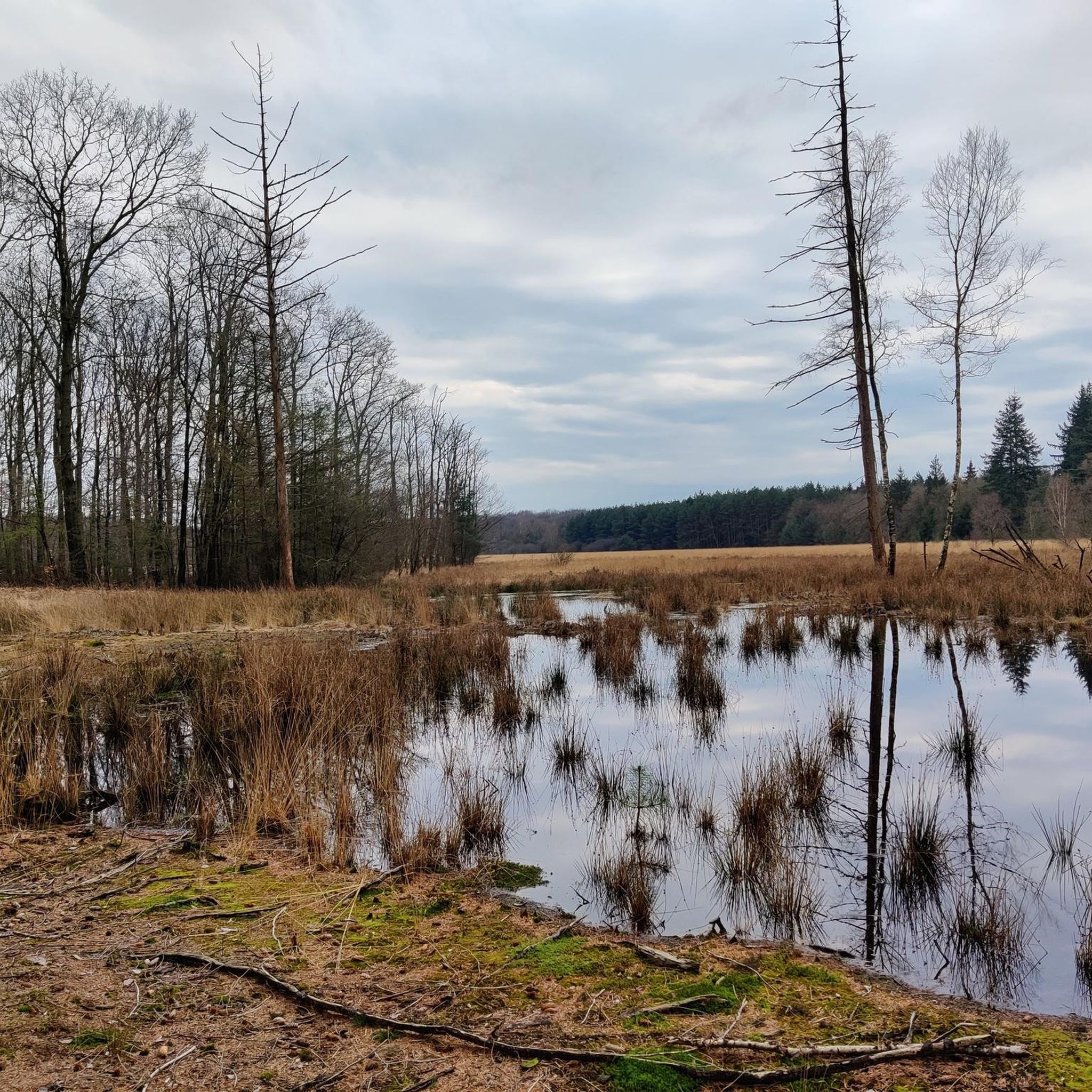
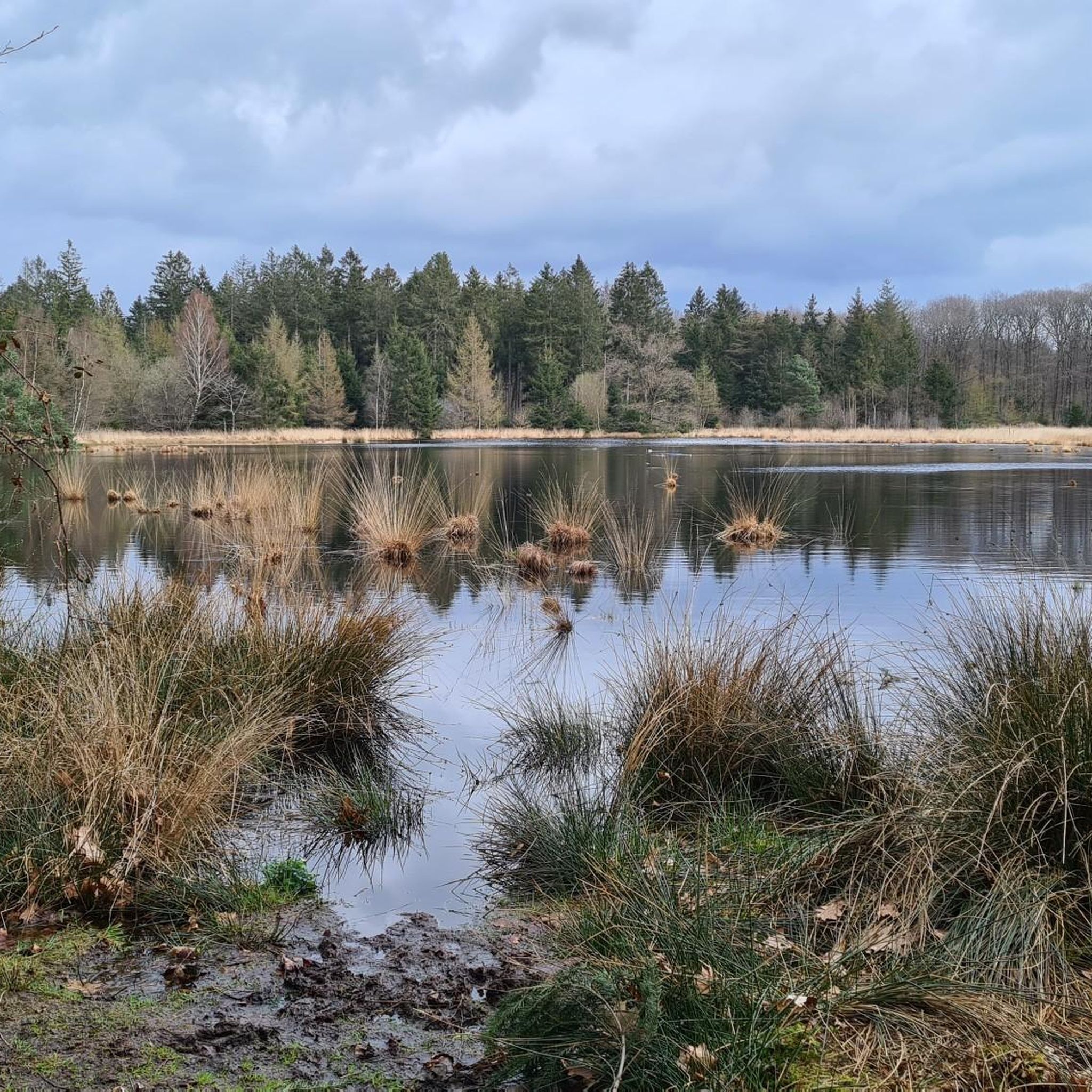
Hiking around Midden-Drenthe offers diverse natural landscapes, from expansive heathlands and dense forests to unique geological formations and stream valleys. The region is characterized by large continuous wet heathland areas like Dwingelderveld National Park, interspersed with drier sandy ridges and ancient bogs. Hikers can explore a network of trails that traverse these varied environments, including the traditional cultural landscapes of the Drentsche Aa National Park.
Best hiking trails around Midden-Drenthe
- The most popular hiking route is The VAM mountain —…
Last updated: October 3, 2026
4.5
(31)
99
hikers
11.9km
03:01
40m
30m
Moderate hike. Good fitness required. Easily-accessible paths. Suitable for all skill levels.
4.3
(37)
149
hikers
5.02km
01:18
30m
30m
Moderate hike. Great for any fitness level. Mostly accessible paths. Sure-footedness required.

4.7
(191)
810
hikers
Easy hike. Great for any fitness level. Easily-accessible paths. Suitable for all skill levels.
4.7
(110)
601
hikers
Easy hike. Great for any fitness level. Easily-accessible paths. Suitable for all skill levels.
4.6
(165)
645
hikers
Moderate hike. Good fitness required. Easily-accessible paths. Suitable for all skill levels.
Get access to more routes and recommendations from other explorers.
Already have an account?
Our route recommendations are based on thousands of hikes, rides, and runs completed by other people on komoot.
Start today with a free account
Your next adventure awaits.
Popular around Midden-Drenthe
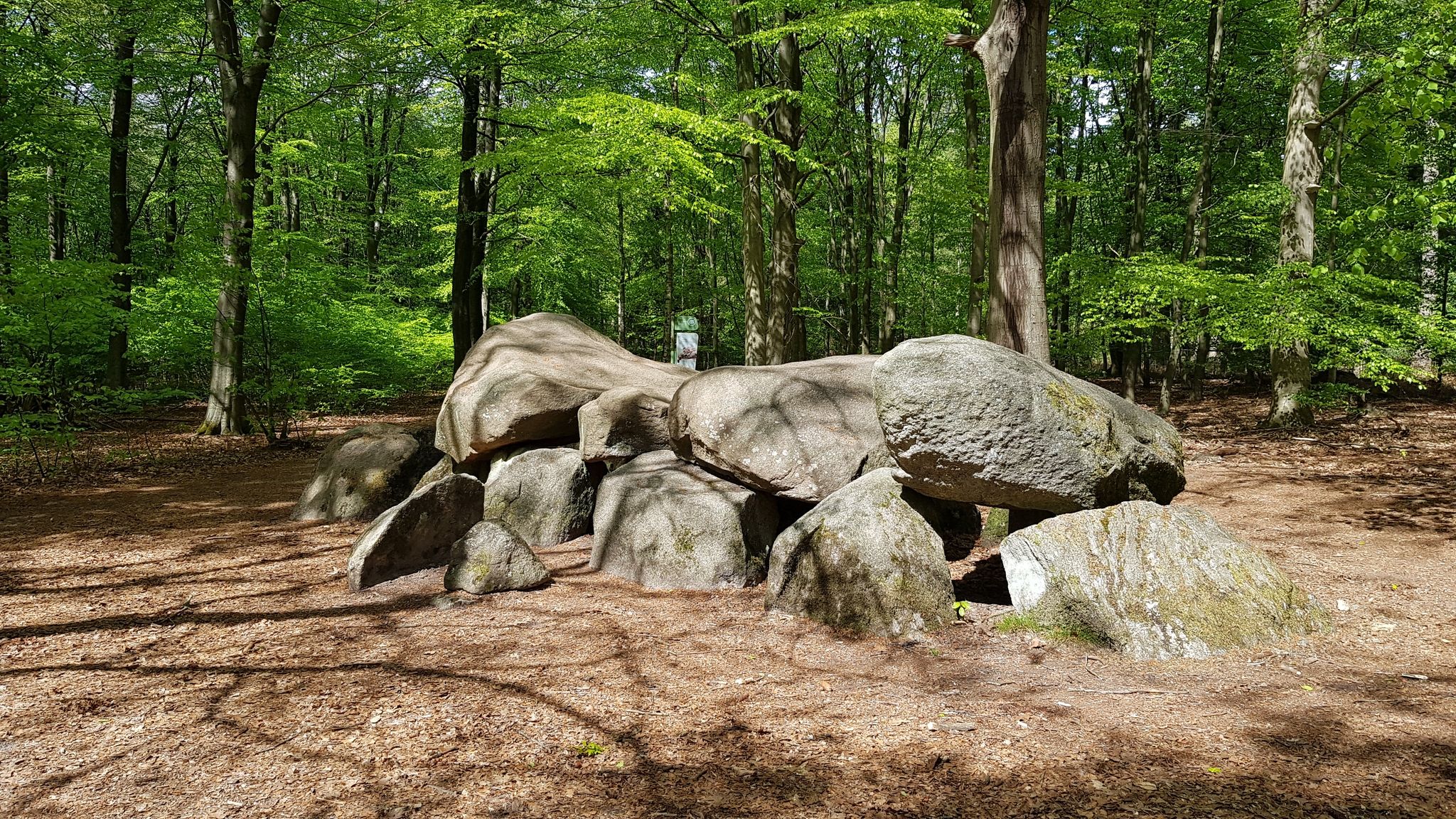
Hunebedden, heath and historic villages – The Drenthepad
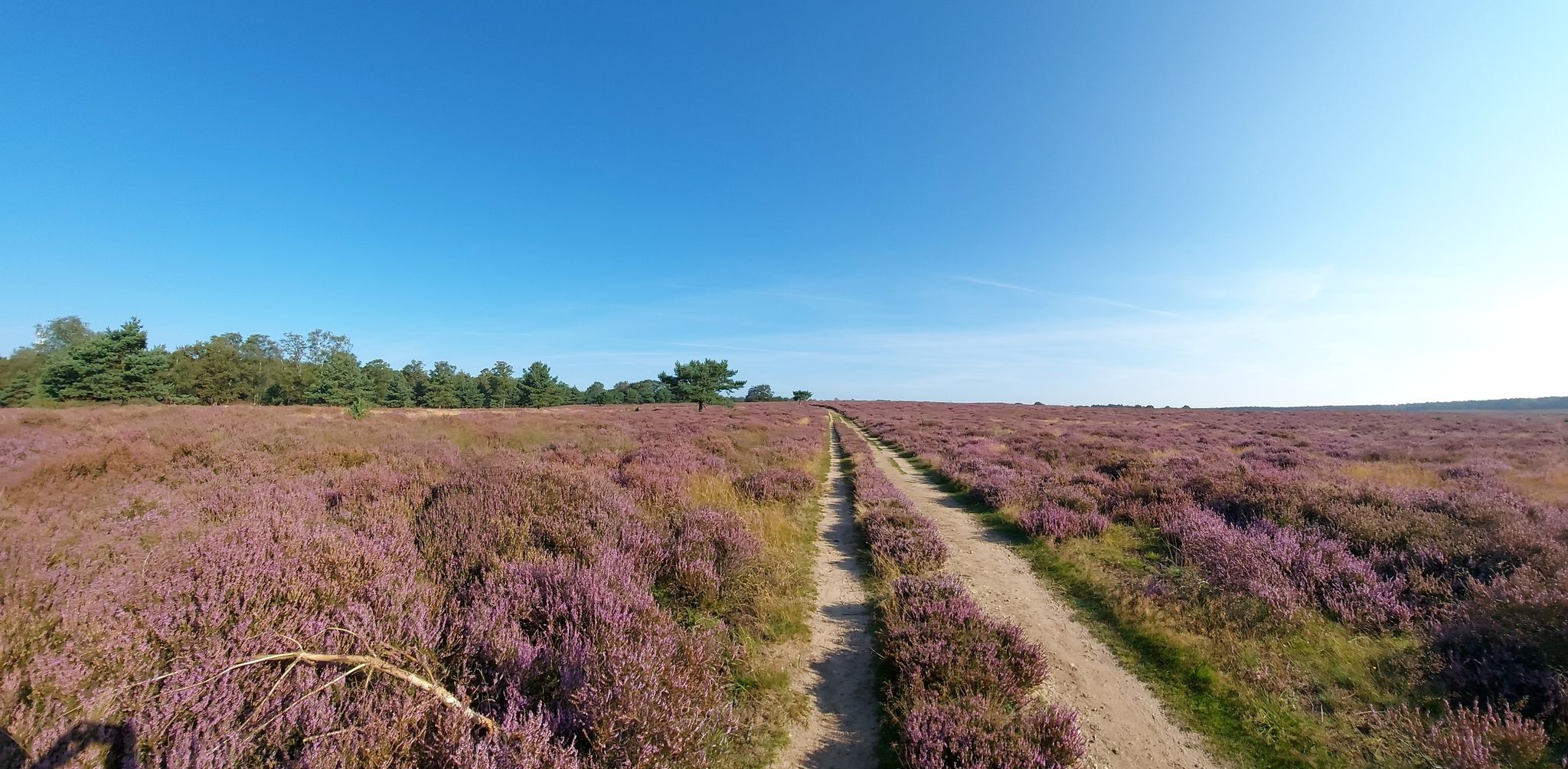
The Netherlands turns purple – 15 walks across the flowering heathlands
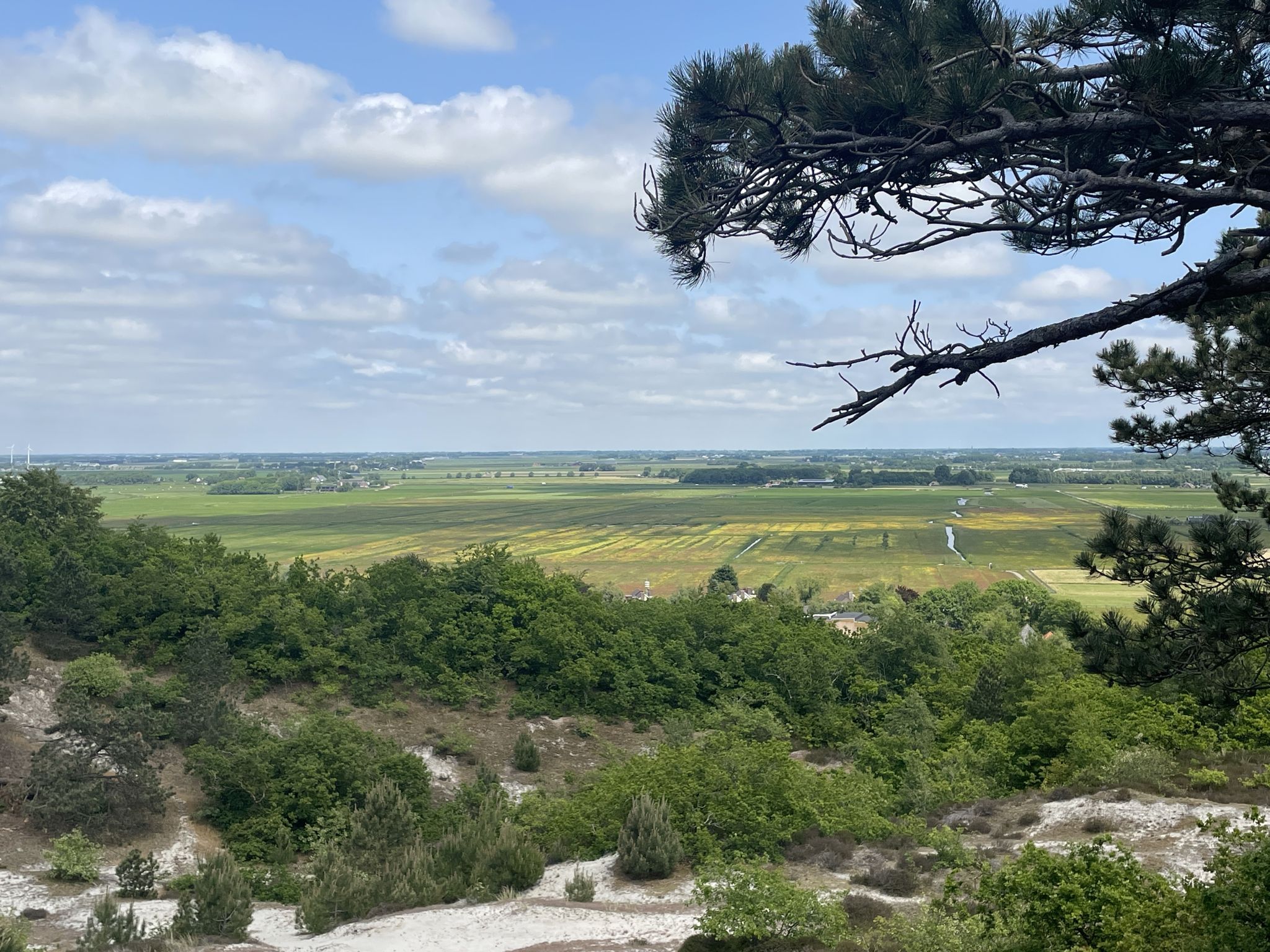
The peaks of the Low Countries — calf-biters in every province
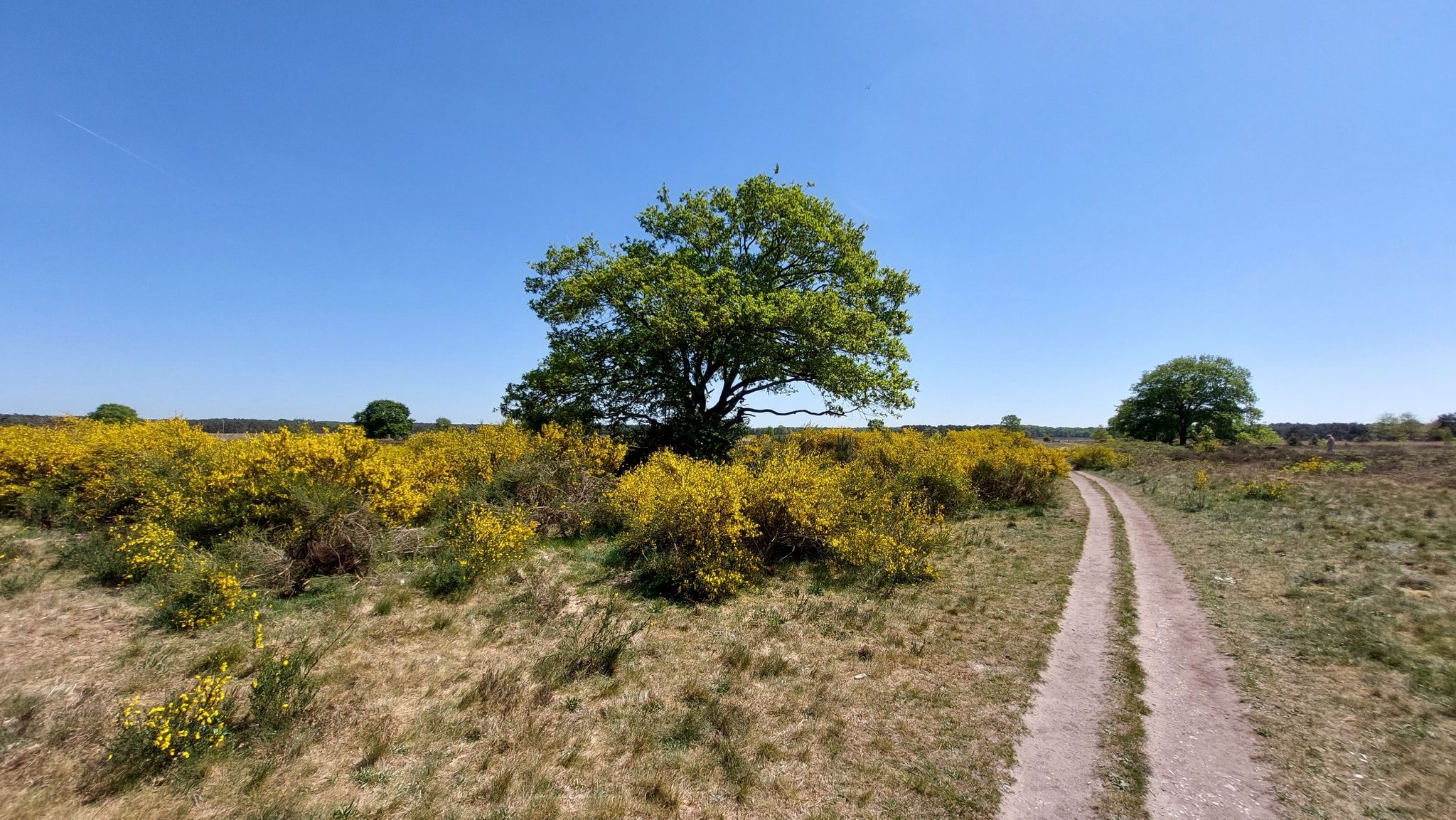
Reflecting on the paths of the Westerbork Trail
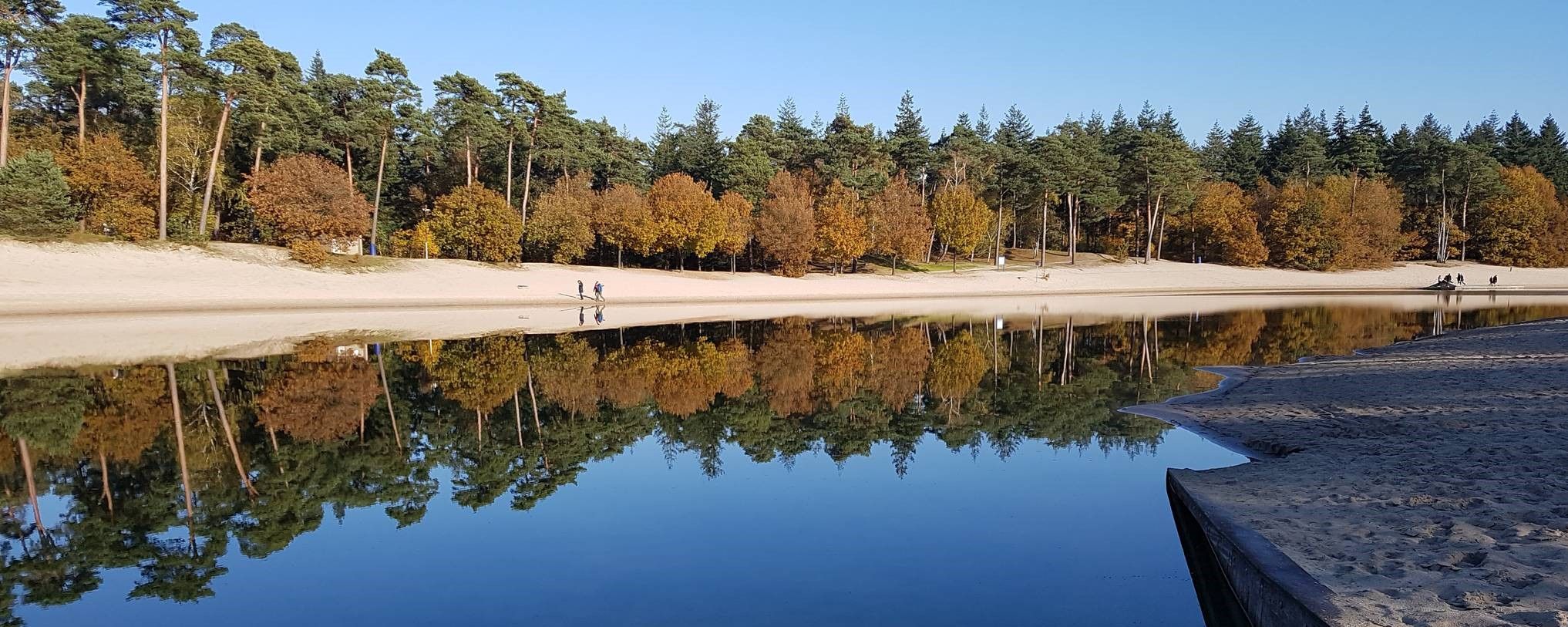
Hiking and swimming - Paths with a refreshing end
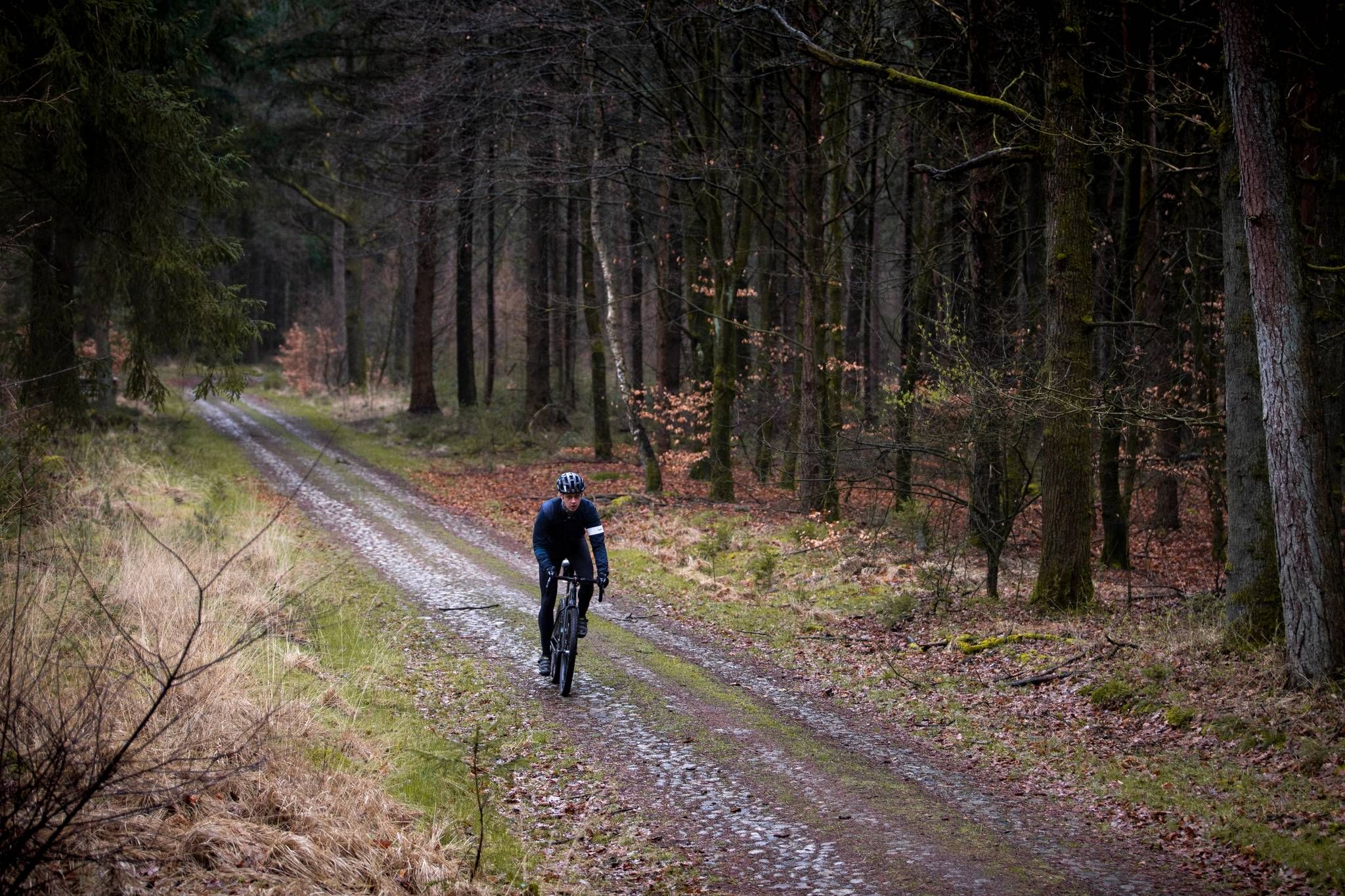
The True 'Hell of the North' — Drentse Keien Cobbles
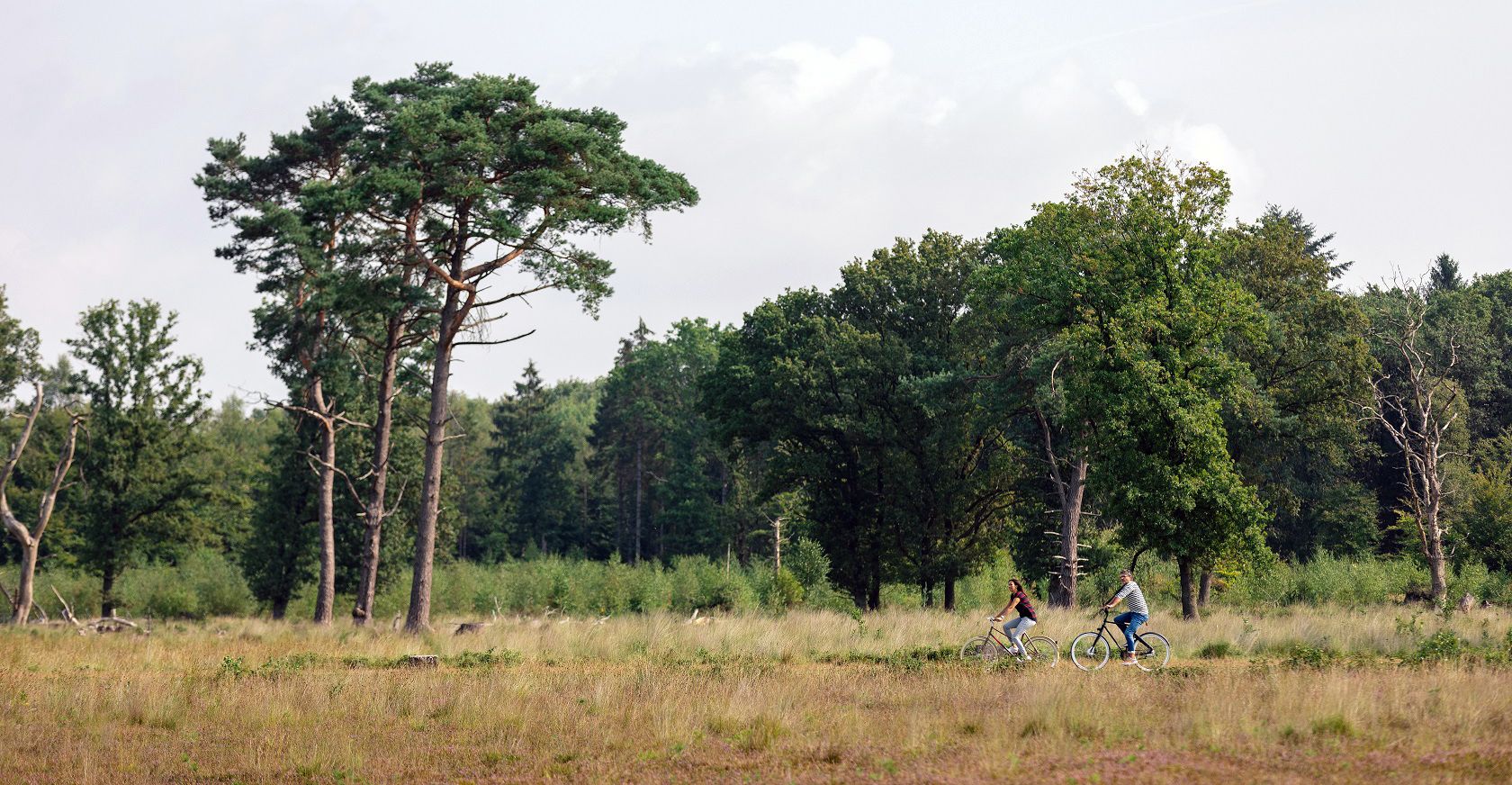
Cycling in Drenthe — Holland's primeval region
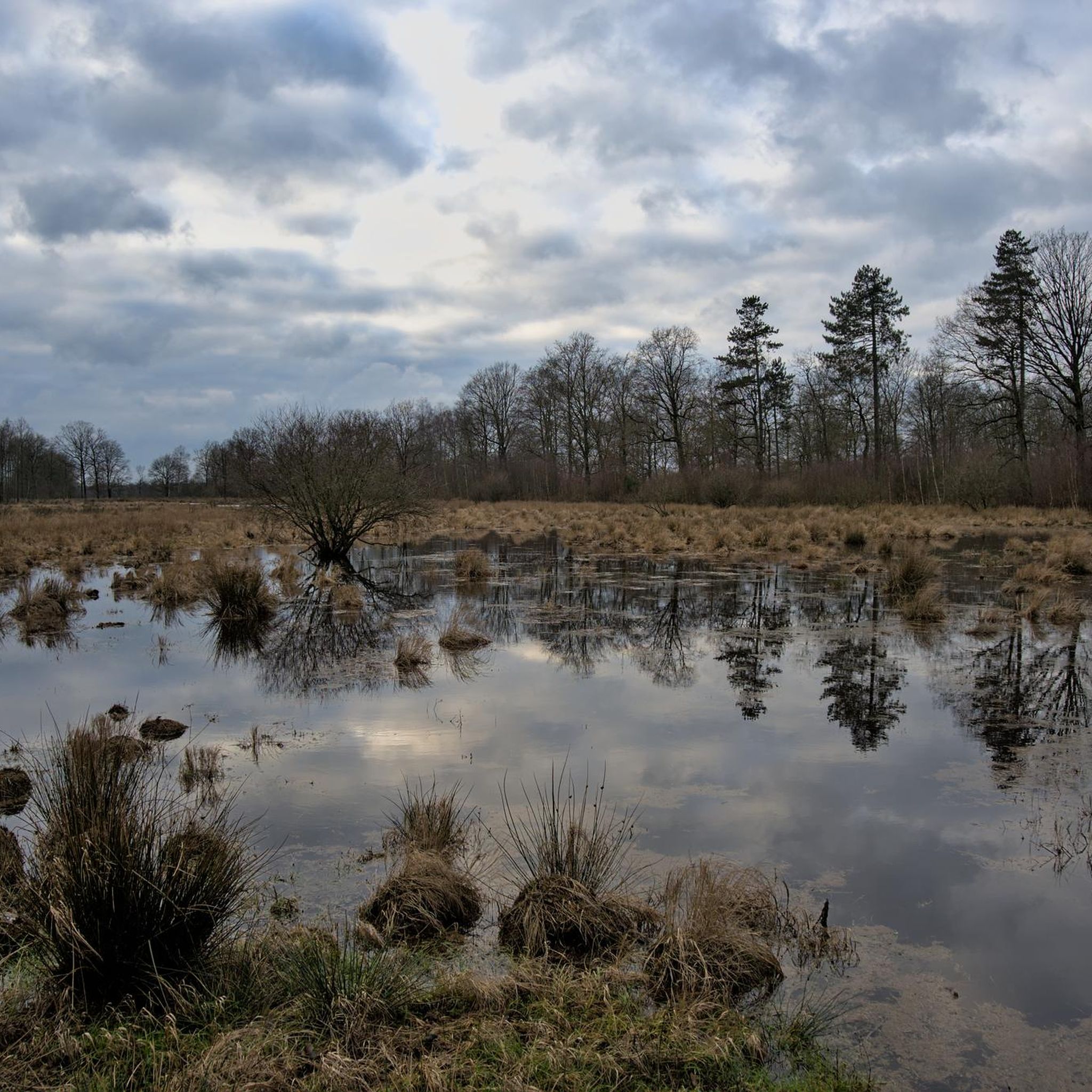
Cycling around Midden-Drenthe
MTB Trails around Midden-Drenthe
Road Cycling Routes around Midden-Drenthe
Other adventures around Midden-Drenthe


Tips from the Community

The boardwalk is still broken where the tree fell through it. But a tree further up has disappeared. However, the path is overgrown in places, e.g. by brambles. Be careful not to step off the boardwalks.
0
0

On this route you can find many small highlights. The moor is one of them :-)
0
0
On this route you can find many small highlights. The wooden sculpture is one of them :-)
0
0
on this route you can find many small highlights. This is one of them :-)
0
0

The Mantingerzand is a vast nature reserve between the villages of Mantinge and Nieuw-Balinge. This area, better known as the Mantingerveld, consists largely of heathland, fens, forests, and some small drifting sands. Former agricultural lands are also part of the Natura 2000 area. These lands have been developed by the owner, Natuurmonumenten, for nature development. The main goal of these interventions was to connect isolated heathlands into one large nature reserve. Heathlands such as the Hullenzand, the Balingerzand and Mantingerzand, Martensplek, and the Lentsche Veen. These nature reserves were valuable remnants of a vast heathland between Hoogeveen and Westerbork, which was increasingly reclaimed over the course of the 20th century. Each of the four areas individually still possessed high natural quality, but were under considerable pressure due to their small size. A striking feature of the Natura 2000 area is the extensive and magnificent juniper thickets, which are among the most beautiful thickets in the Netherlands. The dry and wet heathlands, fens, and drifting sands also demonstrate the area's great diversity. Several old deciduous forests and a number of reclaimed forests are also part of the Natura 2000 area. Source: https://www.provincie.drenthe.nl/onderwerpen/natuur-milieu/natuur/natuurbeleid-regels/natura-2000/gebieden/mantingerzand/
0
0
The Mantingerzand is a vast nature reserve between the villages of Mantinge and Nieuw-Balinge. This area, better known as the Mantingerveld, consists largely of heathland, fens, forests, and some small drifting sands. Former agricultural lands are also part of the Natura 2000 area. These lands have been developed by the owner, Natuurmonumenten, for nature development. The main goal of these interventions was to connect isolated heathlands into one large nature reserve. Heathlands such as the Hullenzand, the Balingerzand and Mantingerzand, Martensplek, and the Lentsche Veen. These nature reserves were valuable remnants of a vast heathland between Hoogeveen and Westerbork, which was increasingly reclaimed over the course of the 20th century. Each of the four areas still possessed high natural quality, but their small size put them under considerable pressure. A striking feature of the Natura 2000 area is the extensive and magnificent juniper thickets, which are among the most beautiful thickets in the Netherlands. The dry and wet heathlands, fens, and drifting sands also demonstrate the area's great diversity. Several old deciduous forests and a number of reclaimed forests are also part of the Natura 2000 area. Source: https://www.provincie.drenthe.nl/onderwerpen/natuur-milieu/natuur/natuurbeleid-regels/natura-2000/gebieden/mantingerzand/
1
0
The Mantingerzand is a vast nature reserve between the villages of Mantinge and Nieuw-Balinge. This area, better known as the Mantingerveld, consists largely of heathland, fens, forests, and some small drifting sands. Former agricultural lands are also part of the Natura 2000 area. These lands have been developed by the owner, Natuurmonumenten, for nature development. The main goal of these interventions was to connect isolated heathlands into one large nature reserve. Heathlands such as the Hullenzand, the Balingerzand and Mantingerzand, Martensplek, and the Lentsche Veen. These nature reserves were valuable remnants of a vast heathland between Hoogeveen and Westerbork, which was increasingly reclaimed over the course of the 20th century. Each of the four areas individually still possessed high natural quality, but were under considerable pressure due to their small size. A striking feature of the Natura 2000 area is the extensive and magnificent juniper thickets, which are among the most beautiful thickets in the Netherlands. The dry and wet heathlands, fens, and drifting sands also demonstrate the area's great diversity. Several old deciduous forests and a number of reclaimed forests are also part of the Natura 2000 area. Source: https://www.provincie.drenthe.nl/onderwerpen/natuur-milieu/natuur/natuurbeleid-regels/natura-2000/gebieden/mantingerzand/
1
0

Added to the collection: https://www.komoot.com/de-de/collection/3600632/-naturdenkmaeler-besondere-baeume-und-weitere-schaetze-der-natur
0
0
Frequently Asked Questions
What kind of landscapes can I expect to see while hiking in Midden-Drenthe?
Midden-Drenthe offers a rich variety of natural landscapes. You'll find expansive heathlands, dense forests, and unique geological formations. Notable areas include the Dwingelderveld National Park, one of Western Europe's largest continuous wet heathland areas, and the Fochteloërveen, a well-preserved bog. You can also explore stream valleys in the Drentsche Aa National Park and areas with juniper bushes like Sleenerzand.
How many hiking trails are there in Midden-Drenthe?
There are over 600 hiking trails available in Midden-Drenthe. These routes cater to various preferences, from easy walks to more challenging moderate trails, ensuring options for different ability levels.
Are there any easy or beginner-friendly hiking routes in Midden-Drenthe?
Yes, Midden-Drenthe offers a significant number of easy trails, with over 400 routes classified as easy. An example is the Wolvenspoor Trail – Forest Path in Drentsche Aa loop from Schoonloo, which is an easy 7.4 km forest path.
What are some unique natural features or attractions to look out for on the trails?
Midden-Drenthe is rich in unique features. You can walk on boardwalk trails across water in the Dwingelderveld National Park, offering a playful way to experience the wet heathland. Keep an eye out for Galloways (cattle) in areas like De Tweelingen and Meeuwenplassen. You might also spot ancient hunebeds, such as the impressive D27 near Borger, or visit bird hides like the Diependal Bird Hide or Birdwatching Hide Davidsplassen.
When is the best time of year to go hiking in Midden-Drenthe?
Midden-Drenthe is beautiful year-round, but it's particularly appealing in August when the heather blooms purple across the landscapes. Autumn also offers stunning golden forests and abundant mushrooms, making it a great time for scenic walks.
Are there any family-friendly hiking options in the region?
Many routes in Midden-Drenthe are suitable for families, with some even accommodating buggies. The region's diverse and well-maintained trails offer playful walks, such as those on boardwalks in Dwingelderveld National Park, which can be enjoyable for children.
What do other hikers enjoy most about hiking in Midden-Drenthe?
The area is highly rated by the komoot community, with an average score of 4.4 stars from over 2,700 reviews. Hikers often praise the extensive heathlands, ancient forests, and meandering stream valleys, as well as the well-maintained and varied network of routes.
Are there any circular walking routes in Midden-Drenthe?
Yes, many of the hiking trails in Midden-Drenthe are designed as circular routes, allowing you to start and end at the same point. An example is the Mantingerzand Nature Reserve – Ancient Oaks at Mantingerzand loop from Nieuw-Balinge, which is an 8.4 km moderate loop.
Can I spot wildlife while hiking in Midden-Drenthe?
Yes, Midden-Drenthe offers opportunities for wildlife spotting. In areas like Boswachterij Gees, you might see roe deer, especially in the early morning. The Dwingelderveld National Park is home to various bird species, including the stonechat, curlew, and woodlark. Keep an eye out for the sheep flocks that help maintain the heathlands.
Are there any long-distance hiking paths that pass through Midden-Drenthe?
Yes, Midden-Drenthe is part of longer hiking networks. The Drenthepad, a long-distance walking route spanning 361 kilometers, showcases the diverse nature and culture of the province, including heathlands, moorlands, and stream valleys. A stage of the well-known Pieterpad also overlaps with routes in the region.
Where can I find more information about the national parks in Drenthe?
For more detailed information about the national parks and nature areas in Drenthe, you can visit the official tourism website: visitdrenthe.com/nature-nationalparks.
Most popular routes around Midden-Drenthe
Most popular attractions around Midden-Drenthe

Get inspired with the komoot mobile app


Explore more
Browse the best Hikes in other regions.
