Attractions and Places To See around Beuningen - Top 20
Best attractions and places to see around Beuningen, a municipality in the eastern Netherlands, offers a blend of historical sites, cultural insights, and natural landscapes. Situated near Nijmegen and the Waal River, the area provides both peaceful natural settings and access to historical monuments. Visitors can explore a variety of attractions, from ancient castles to significant natural features.
Best attractions and places to see around Beuningen
- The most popular attractions is Doorwerth Castle, a castle that dates back to the 13th century. This medieval castle has a rich history as a fortification, hunting lodge, and noble residence.
- Another must-see spot is Climb Italian Way, a climb known for its two hairpin bends. This route is considered one of the most scenic climbs in the Netherlands.
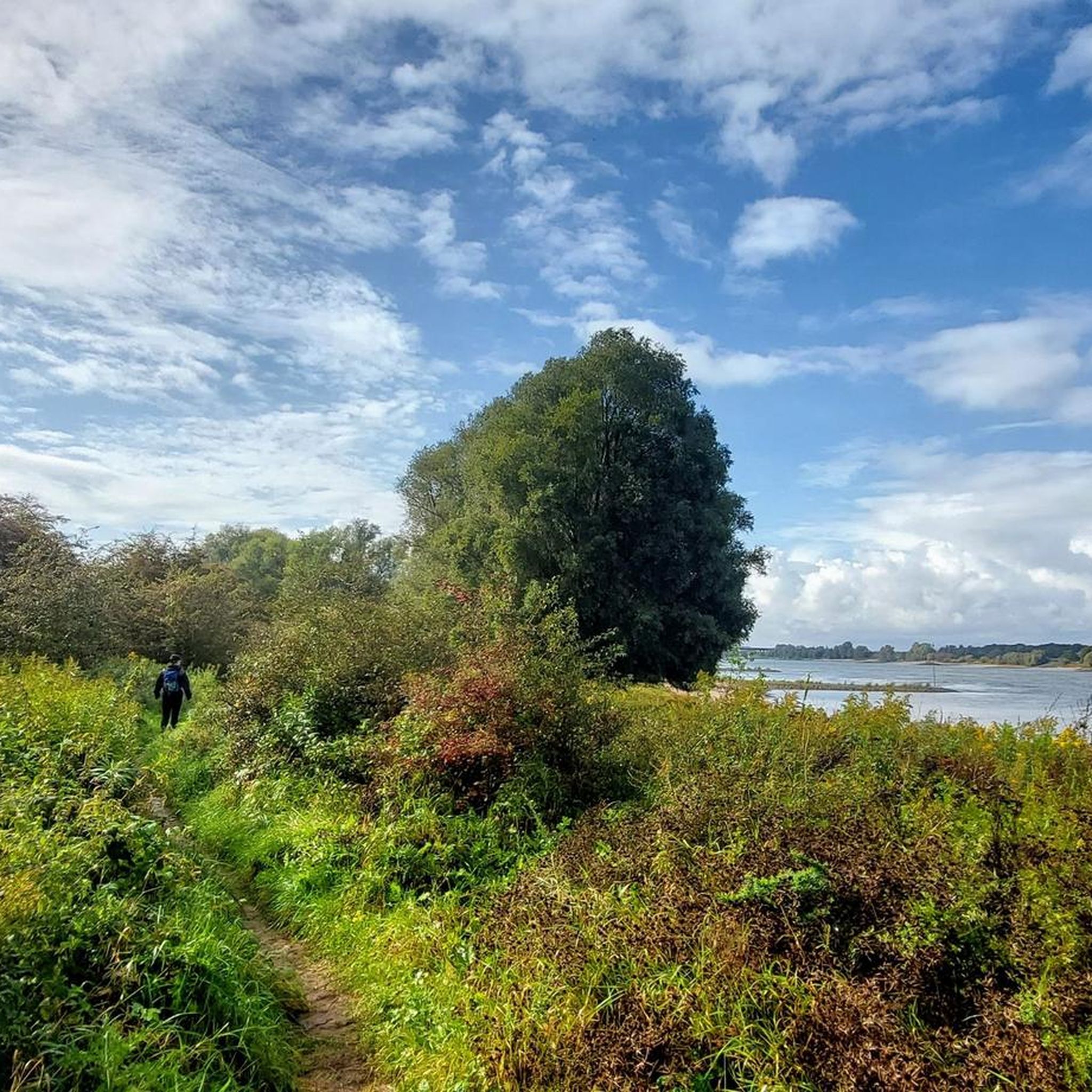
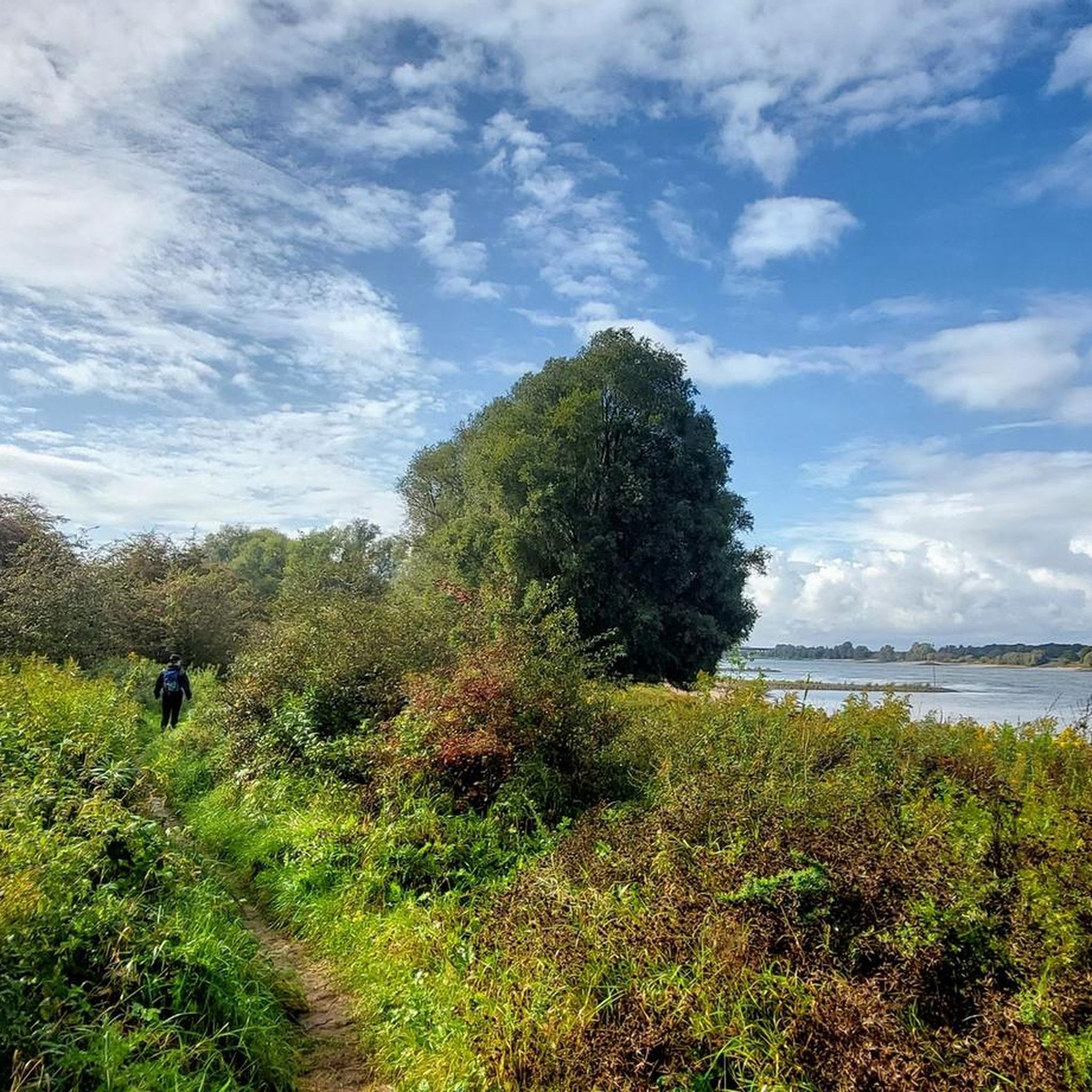
- Visitors also love Duivelsberg (Devil's Hill), a natural monument with wooded areas and floodplains. This area offers rewarding views and is rich in history.
- Beuningen is known for its historical sites, natural features, and cultural points of interest. The region offers a variety of attractions to see and explore, including restored windmills, ancient towers, and scenic river floodplains.
- The attractions around Beuningen are appreciated by the komoot community, with more than 1600 upvotes and over 340 photos shared.
Last updated: May 25, 2026
Motte Mergelp on the Duivelsberg
Highlight • Historical Site
There are many stories about the history of De Duivelsberg. For example, in the 11th century it was the strategic location of a motte (wooden) castle called Mergelp. From the first motte on the edge of De Duivelsberg it was easy to keep an eye on the surroundings.
In addition, the hill has a sacred meaning for many and is still used for ceremonies. There are also stories that women who were accused of being witches, were drowned and bandaged in this place.
This area originally belonged to Germany and was called Wylerberg or Teufelsberg, but was annexed after the Second World War. Unlike the other areas, the Duivelsberg was not returned, but it is still Dutch land property.
Translated by Google •
Tip by

Sunken Path in the Forest
Highlight • Trail
Translated by Google •
Tip by

Sign up now to discover places like this
Get recommendations on the best single tracks, peaks, & plenty of other exciting outdoor places.
Sign up for free
Doorwerth Castle
Highlight • Castle
Translated by Google •
Tip by

Climb Italian Way
Highlight (Segment) • Climb
Translated by Google •
Tip by

Duivelsberg (Devil's Hill)
Highlight • Natural Monument
Translated by Google •
Tip by

Sign up for free to discover even more attractions around Beuningen.
Sign up for free
Already have an account?
Start today with a free account
Your next adventure awaits.
Login or Signup


Other adventures around Beuningen

Tips from the Community

It can be busy on weekends. It is a popular hiking area.
1
0

Climb the 75.9 meter high Duivelsberg and you will be rewarded with a beautiful view of the wooded area and the meadows of the floodplains below the moraine. The Duivelsberg nature reserve of the same name is approximately 125 hectares in size and is covered with deciduous trees, including a large collection of sweet chestnuts. There are many stories about the history of De Duivelsberg. For example, in the 11th century it was the strategic location of a motte (wooden) castle called Mergelp. From the first motte on the edge of De Duivelsberg it was easy to keep an eye on the surroundings. In addition, the hill has a sacred meaning for many and is still used for ceremonies. There are also stories that women who were accused of being witches, were drowned and bandaged in this place. This area originally belonged to Germany and was called Wylerberg or Teufelsberg, but was annexed after the Second World War. Unlike the other areas, the Duivelsberg was not returned, but it is still Dutch land property.
1
1

The Wylerberg or Teufelsberg (Duivelsberg in Dutch) is a hill near Nijmegen that originally belonged to the German municipality of Wyler/North Rhine-Westphalia. In 1949, the British military administration placed the mountain under Dutch contract administration on a Dutch initiative and in 1963 it finally became Dutch territory. Source and link to the full article: https://de.wikipedia.org/wiki/Wylerberg
1
0
The entire area between Duivelsberg and Beek and Berg en Dal is beautiful and it's just a joy to walk here.
1
0

Beautiful route, but with some steep height differences.
2
1

THE ORIGINAL DEVIL MOUNTAIN After Christianization, this holy place was given the name Duivelsberg and much later this name was attributed to the larger of the two motte hills. Presumably the original Duivelsberg or Zonneberg is a hill located near the pancake restaurant the Witches' Dance in the forest of Berg en Dal. This hill is visibly artificially raised. Behind the hill, a flat, open area has been created. This clearing is easily accessible from the path and today there is a huge beech in the middle. It is a beautiful place whose power and holiness are still palpable. Various shamanic and pagan groups still use this ancient sacred site for their rituals and celebrations. Source: devilsberg.nl
5
0
SACRED FOREST Another special aspect of Devil's Mountain is that it was considered a sacred forest for our ancestors. In the villages of Beek-Ubbergen and Berg en Dal there are two hills named Maanberg and Sterrenberg; it is likely that one of the hills in the forest was once Mount Zonneberg. Wikipedia
5
0
Devil's Mountain After the Second World War, the Duivelsberg was one of the small German areas that the Netherlands annexed on April 23, 1949. Unlike the other areas, the Duivelsberg was not returned on August 1, 1963, but remained Dutch land property. The politician Marinus van der Goes van Naters – living in nearby Nijmegen – is said to have urged the politicians involved during negotiations with the Federal Republic to allow the nature reserve to remain Dutch. At the bottom of the hill is the Wijlermeer, which is partly part of the area reserved for the Netherlands. The Duivelsberg belonged, through inheritance, from 1906 to Marie Schuster-Hiby, who had an expressionist villa built on the hill between 1921 and 1924, designed by the German architect Otto Bartning. In 1965, the Schuster-Hiby family sold the villa to the State of the Netherlands. Since 1985, Huis Wylerberg has been a protected building as a national monument, where nature conservation organizations are located. There is a pancake restaurant of the same name located near the top of the Duivelsberg.
5
0
Frequently Asked Questions
What historical sites can I explore in Beuningen?
Beuningen offers a rich history with several notable sites. You can visit the restored De Haag Mill from 1704, the 15th-century Blanckenburgh tower, and the early 20th-century Cornelius Church. Further afield, explore the medieval Doorwerth Castle, known for its rich history as a fortification and noble residence. The area also features the remnants of an 11th-century wooden castle at Motte Mergelp on the Duivelsberg, and the Beuningen Museum which showcases local archaeological finds and history.
Where can I find natural beauty and scenic viewpoints around Beuningen?
For natural beauty, the Waal River, just 1.5 kilometers north of Beuningen, offers scenic views and walking paths along its banks, including the Beuningse Uiterwaarden where you might spot wild konik horses. The Duivelsberg (Devil's Hill) provides rewarding views of wooded areas and floodplains. The region is also known for its fruit orchards, which are beautiful in spring and autumn.
Are there family-friendly attractions in Beuningen?
Yes, families can enjoy the Recreational area De Groene Heuvels, which offers beaches and water activities. Doorwerth Castle is also a great family-friendly option, offering an immersive historical experience with its museum and herb garden.
What outdoor activities can I do near Beuningen?
The flat landscape around Beuningen is ideal for cycling and hiking. You can find numerous routes for gravel biking, running, and mountain biking. For example, explore routes like the 'Elshofpad – Beautiful forest trail loop' for gravel biking, or the 'Beuningse Top loop' for running. For mountain biking, consider the 'Dike Path along the Waal – De Oversteek loop'. You can find more details on these and other routes in the Gravel biking around Beuningen, Running Trails around Beuningen, and MTB Trails around Beuningen guides.
Where can I experience unique cycling routes in the area?
Cyclists can enjoy the Climb Italian Way, known for its two hairpin bends and scenic beauty, making it one of the most unique climbs in the Netherlands. The flat landscape along the Waal River also offers many leisurely cycling paths.
What cultural insights can I gain in Beuningen?
The Beuningen Museum provides a deep dive into the region's history, from Roman settlements to medieval life and modern conflicts. Additionally, the area features public art, such as a sculpture by Ronald Tolman and 'De Cirkel' by Anneke van Bergen, reflecting local artistic expression.
Are there any notable windmills or farms to see?
Yes, the restored De Haag Mill from 1704 is a significant landmark in Beuningen. You can also see historical farms like the Kloosterstraat farm (1774) and the Large Waardhuizenstraat T-farm (1850-1900), which offer a glimpse into the region's agricultural heritage. In the nearby village of Winssen, you can find the historic Beatrixmolen.
What is the significance of Duivelsberg (Devil's Hill)?
The Duivelsberg (Devil's Hill) is a natural monument offering beautiful views of wooded areas and floodplains. It's rich in history, with tales of an 11th-century wooden castle, Motte Mergelp, and is considered a sacred site by many. The nature reserve itself spans approximately 125 hectares of deciduous trees.
What do visitors enjoy most about the attractions around Beuningen?
Visitors frequently praise the diverse offerings, from the historical depth of places like Doorwerth Castle to the natural beauty of Duivelsberg. The unique cycling experience of the Climb Italian Way is also highly rated. The community appreciates the well-preserved historical sites and the serene natural landscapes perfect for outdoor activities.
Can I find unique architectural monuments in Beuningen?
Beyond the historical farms and mills, Beuningen features the Olden Tempel, a house built in 1838 on the site of a former castle, which includes a neo-Gothic mausoleum from 1861. The Cornelius Church (1900-1901) and the Sint-Andreaskerk in nearby Weurt are also notable architectural examples.
Are there any hidden gems or less-known spots to discover?
While not widely publicized, the Mausoleum of Van 't Lindenhout (1861) behind the Olden Tempel offers a unique historical insight. Exploring the charming Dutch countryside and local farms, or visiting the protected village scape of Leur with its many monumental farmhouses, can also reveal less-trodden paths and local character.
What kind of wildlife or natural phenomena can I observe?
Along the Beuningse Uiterwaarden (floodplains) of the Waal River, you have the opportunity to observe wild konik horses grazing. The diverse natural reserves, including the 125-hectare deciduous forest of Duivelsberg, also provide habitats for various bird species and other local wildlife, making it suitable for bird watching.
Most popular routes around Beuningen
Most popular attractions around Beuningen

Get inspired with the komoot mobile app


Explore more
Still not found the Highlight you’re looking for? See guides of the top attractions in other regions:
