The best walks and hikes around Wijchen
4.5
(1597)
8,924
hikers
328
hikes
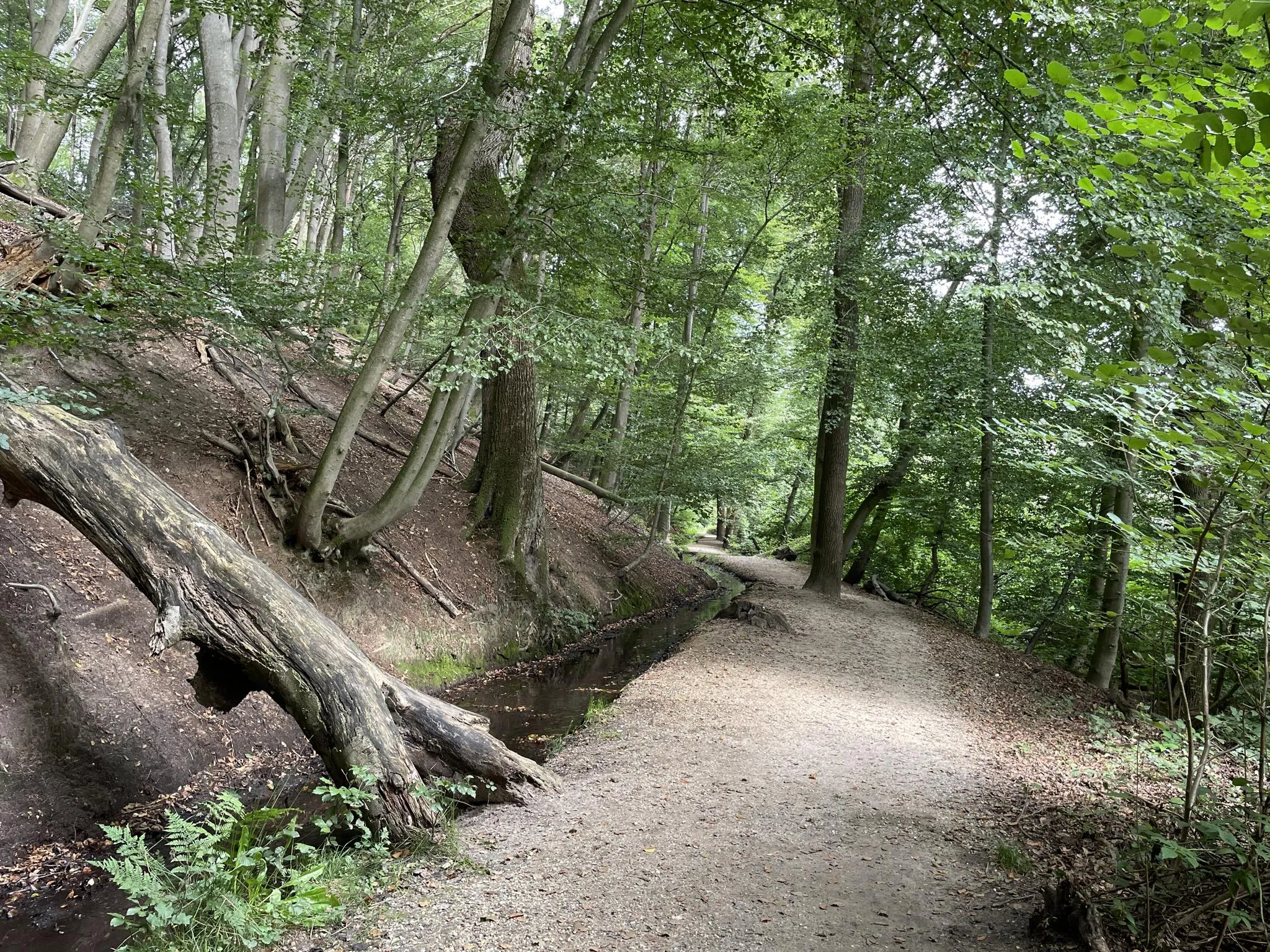
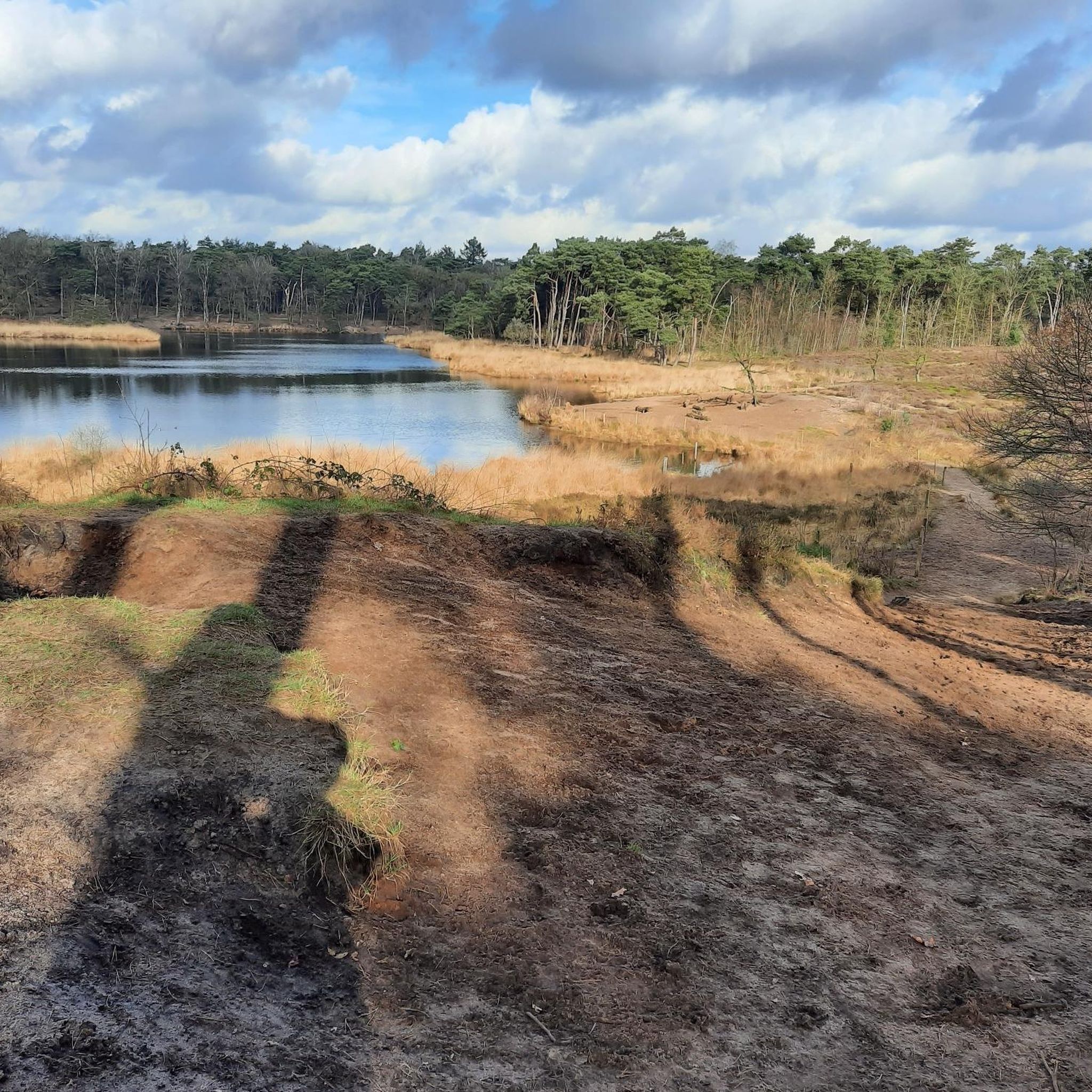
Hiking around Wijchen offers diverse landscapes, from open fields and grasslands to heathlands and wetlands. The region is characterized by a blend of natural features and human-shaped environments, including classic Brabant watercourses like the Hertogswetering. Hikers can explore varied terrain, encompassing tranquil reed beds, ancient pollard willows, and areas with rolling hills. This combination provides a wide array of hiking experiences for different preferences.
Best hiking trails around Wijchen
- The most popular hiking route is Van Sasse Pumping Station –…
Last updated: August 5, 2026
4.7
(369)
1,943
hikers
9.53km
02:25
20m
20m
Moderate hike. Good fitness required. Easily-accessible paths. Suitable for all skill levels.
4.3
(57)
359
hikers
24.2km
06:07
40m
40m
Hard hike. Very good fitness required. Easily-accessible paths. Suitable for all skill levels.

Sign up for free
4.6
(65)
220
hikers
11.3km
02:51
20m
20m
Moderate hike. Good fitness required. Easily-accessible paths. Suitable for all skill levels.
4.3
(38)
154
hikers
Moderate hike. Good fitness required. Easily-accessible paths. Suitable for all skill levels.
4.2
(32)
174
hikers
18.6km
04:41
30m
30m
Moderate hike. Good fitness required. Easily-accessible paths. Suitable for all skill levels.
Get access to more routes and recommendations from other explorers.
Sign up for free
Already have an account?
Our route recommendations are based on thousands of hikes, rides, and runs completed by other people on komoot.
Start today with a free account
Your next adventure awaits.
Login or Signup

Other adventures around Wijchen

Tips from the Community

Definitely take a look inside too, beautiful!
0
0


A wonderful place to let your dog play with other dogs. It's also a fun meeting place without a dog, as long as you're not afraid of a muddy paw 🐾
0
0

A beautiful, sturdy bridge. On the Grave side. You can see a bunker. There's a monument next to it with information about the Second World War. Turning the wheel plays a spoken commentary. Definitely worth listening to.
0
0

I read on the column at the front that the architecture resembles that of fairy tales. A beautiful little castle!
1
0

The plot of land on which the chapel stands was likely donated to the Benedictine abbey of Keizersweerd near Düsseldorf in 855. Later, it came into the possession of the Benedictine monastery in Valéry-sur-Somme (north of Paris). The name "Walrick" likely derives from this. The monastery property also included two farms. The current chapel dates from the 15th century. A much larger ruin stood there a hundred years ago. Just as excavations were underway and the ruin was about to be restored, World War II broke out. The Allies were not very careful with the ruin, and little remained. After the war, the chapel was partially rebuilt with old stones from the former castle of Balgoij. Architectural history research has revealed that the chapel once had an attic. Presumably, therefore, the building served not only as a house of worship but also as a hermitage.
1
0
In the heart of the forests of the Hatertse and Overasseltse Vennen lies the remarkable chapel of St. Walrick and its accompanying fever tree. The site has become a place of pilgrimage, where for centuries people have hung rags in the tree to cure illness. Legend of the fever tree In the 8th century, the robber chieftain Walrick accidentally captured the great preacher Willibrord. Willibrord persuaded Walrick to convert to Christianity, but only if Willibrord cured his sick daughter. This indeed happened, partly because the daughter hung a rag from a piece of clothing in the tree near the chapel. Fever tree The 'fever tree' does not last forever – so it is clear that its healing role must be taken over by a new tree every so often. The current oak is about a hundred years old.
1
0
Frequently Asked Questions
How many hiking trails are available around Wijchen?
Wijchen offers a wide selection of hiking experiences, with over 280 recognized hiking trails. These routes cater to various preferences, from easy strolls to more challenging expeditions.
What kind of terrain can I expect on hikes around Wijchen?
The region boasts diverse terrain, including open fields, grasslands, heathlands, and wetlands. You'll find classic Brabant watercourses like the Hertogswetering with reed beds and ancient pollard willows, as well as areas with rolling hills, such as the nearby Nijmegen region. Charming sunken paths also wind through forests, adding to the varied landscape.
Are there easy hiking options in Wijchen?
Yes, Wijchen is very accommodating for easy walks. There are over 190 easy routes available, perfect for a relaxed outing. Many trails offer gentle gradients through fields and along watercourses.
Are there more challenging hiking trails around Wijchen?
For those seeking a greater challenge, Wijchen offers 13 difficult hiking routes. These trails might feature longer distances or slightly more varied terrain, such as the Van Sasse Pumping Station – Ravenstein City Gate loop from Balgoij, which covers 13.8 miles (22.2 km).
What historical sites can I explore while hiking in Wijchen?
Many hiking routes in Wijchen pass by significant historical landmarks. You can explore sites like Hernen Castle and the Heerlijkheid Leur Estate, which are integrated into popular loops like the Hernense Mill – Heerlijkheid Leur Estate loop from Hernen. Wijchen Castle itself, with parts dating back to the 14th century, is also a notable local landmark.
Are there any notable natural features or viewpoints along the trails?
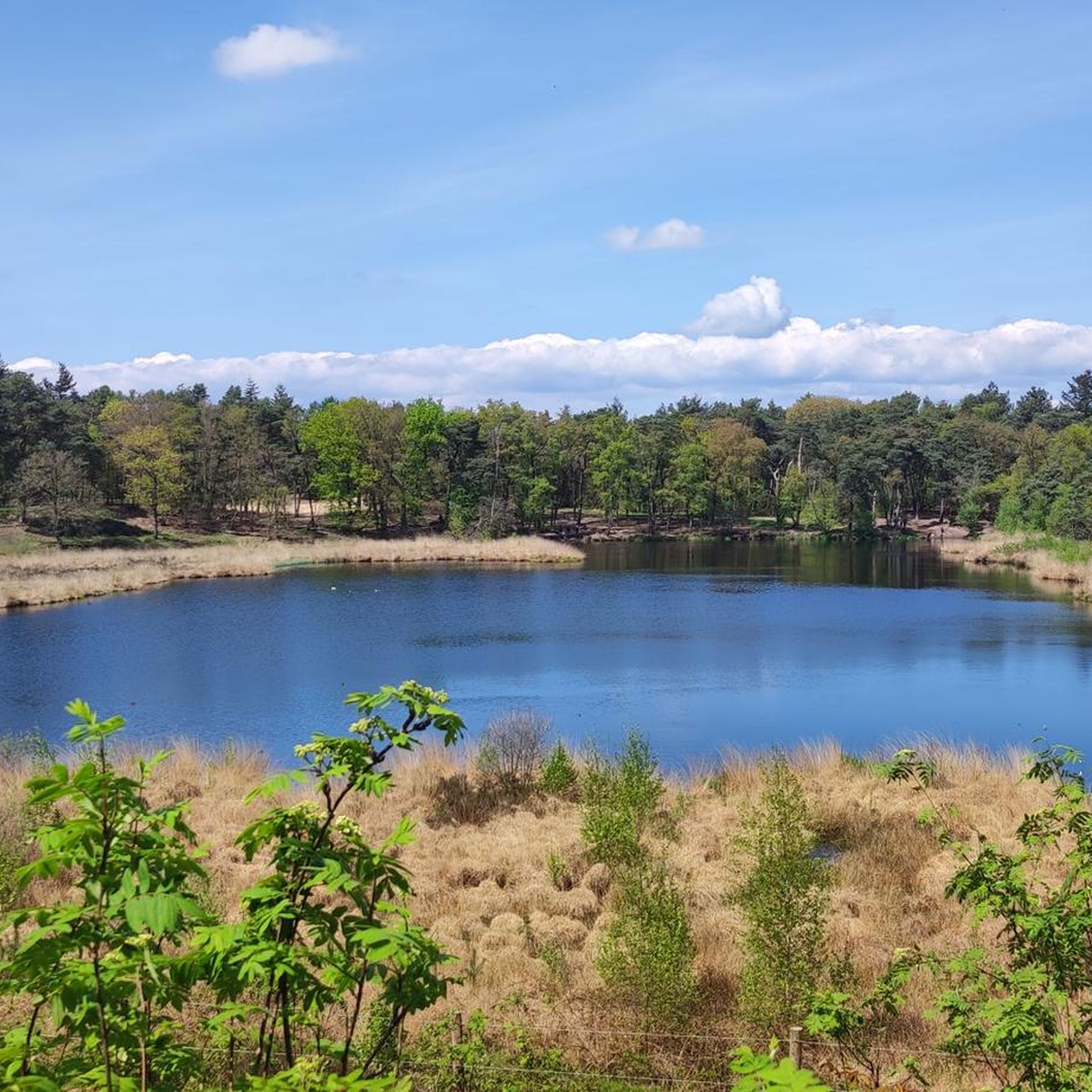
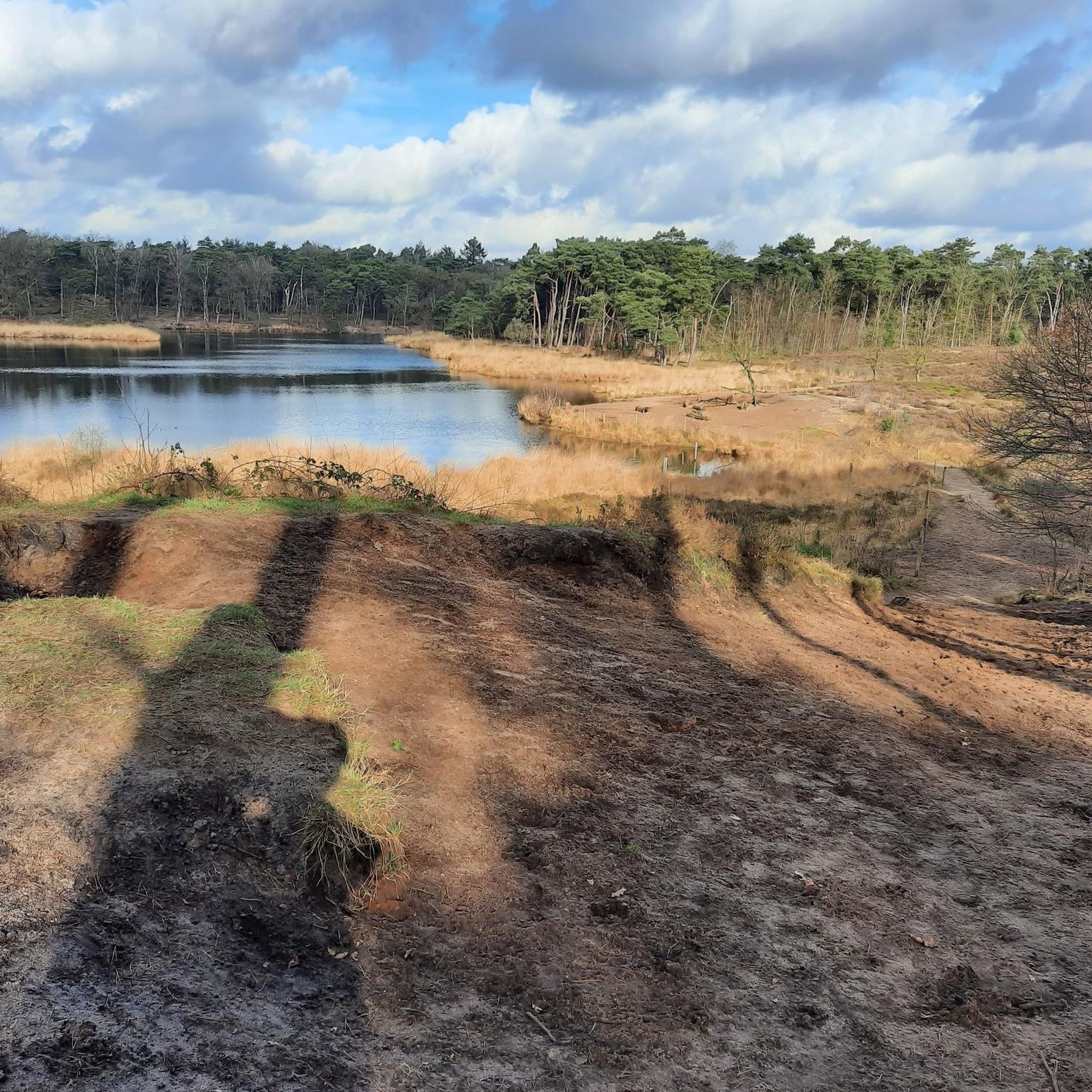
Absolutely. Hikers can discover areas like the Hatertse En Overasseltse Vennen, known for its wildlife and vibrant purple heather in August. The nearby Ooijpolder offers expansive open countryside with meandering dikes, and the Duivelsberg (Devil's Hill) provides beautiful views and a hilly landscape. You can also visit natural highlights such as the Oude Waal Nature Reserve or the Hatert and Overasselt Ponds.
What do other hikers enjoy most about hiking in Wijchen?
The hiking routes in Wijchen are highly rated by the komoot community, with an average score of 4.6 stars from over 1200 reviews. Hikers often praise the diverse landscapes, from tranquil watercourses and open fields to heathlands, and the blend of natural beauty with historical sites.
Are there circular walks available in Wijchen?
Yes, many of the hiking routes around Wijchen are designed as circular walks, allowing you to start and end at the same point. Examples include the Heathland Ponds with Trees – Heathland and Wetlands loop from Dukenburg, which offers a scenic tour through natural areas.
Is Wijchen a good destination for family-friendly hikes?
Wijchen offers numerous family-friendly hiking options, particularly among its 190+ easy routes. The varied and often gentle terrain, combined with interesting natural features and historical sites, makes it suitable for families looking to explore the outdoors together.
Are there dog-friendly hiking trails in Wijchen?
Many trails in Wijchen are suitable for walking with dogs, especially those through open fields, forests, and along watercourses. It's always recommended to keep dogs on a leash, especially in nature reserves, to protect wildlife and ensure a pleasant experience for all hikers.
When is the best time of year to go hiking in Wijchen?
The Wijchen region offers pleasant hiking experiences throughout much of the year. August is particularly beautiful as the heathlands, such as those in Hatertse En Overasseltse Vennen and Mookerheide, transform with vibrant purple heather. Spring and early autumn also provide comfortable temperatures and beautiful scenery.
Is parking available near the hiking trails in Wijchen?
Yes, many popular trailheads and starting points for hikes around Wijchen offer designated parking facilities. Specific parking information can often be found on individual route pages or local tourism websites.
Can I reach hiking trails around Wijchen by public transport?
Public transport options are available to reach various points in and around Wijchen, providing access to several hiking trails. For detailed information on routes and schedules, it's best to consult local public transport providers or planning apps.
Most popular attractions around Wijchen

Get inspired with the komoot mobile app


Explore more
Browse the best Hikes in other regions.
