Top 14 Castles around Gennep
Best castles around Gennep are found in a region rich with medieval history, particularly known for the Genneper Huys. Situated at the confluence of the Niers and Meuse rivers, Gennep's strategic location has shaped its past. The area features archaeological remains of historical fortifications and offers a picturesque setting for exploration. Visitors can discover sites that played significant roles in regional conflicts and served as residences for local lords.
Best castles around Gennep
- The most popular castles is Bleijenbeek Castle…
Last updated: August 2, 2026
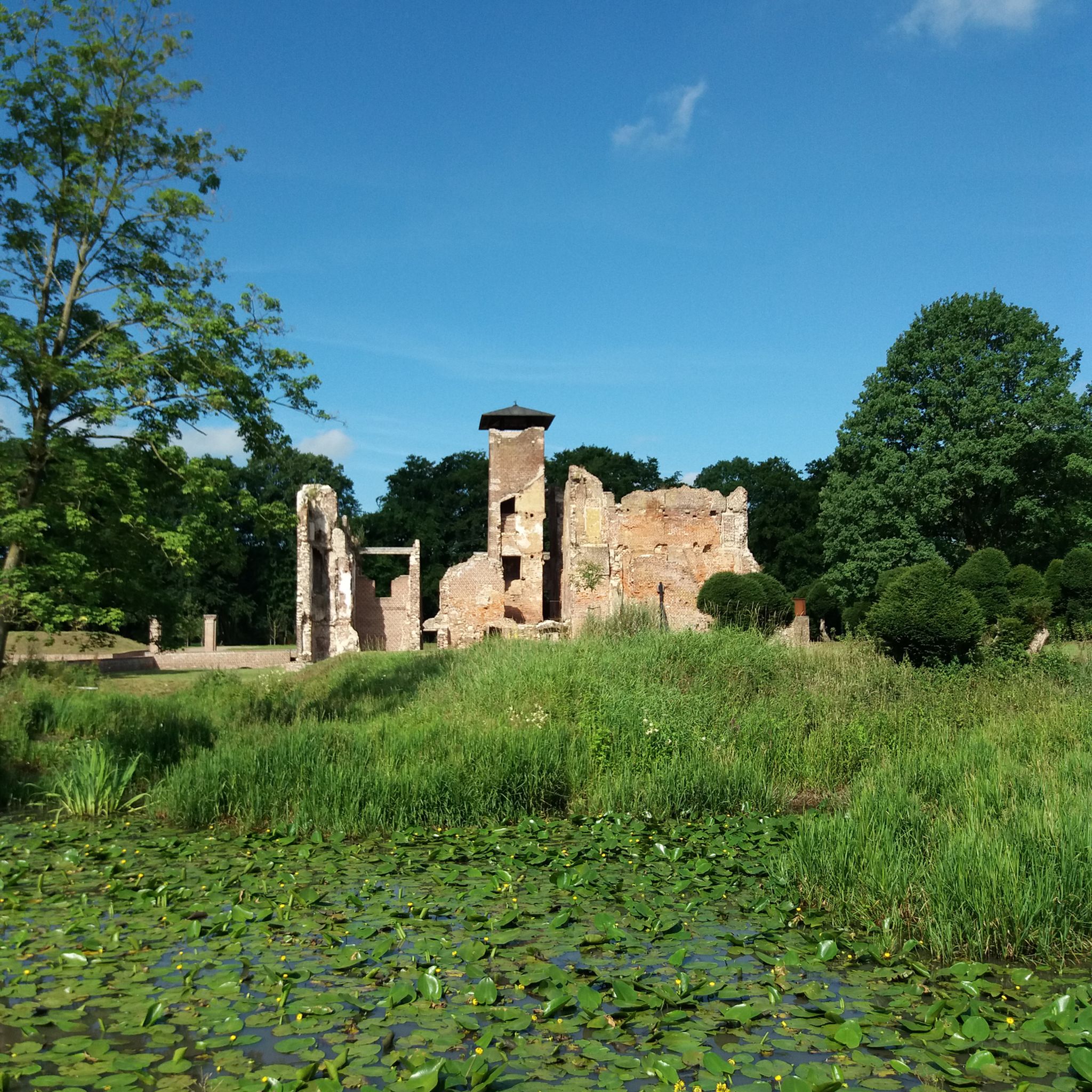
Bleijenbeek Castle Ruins
Highlight • Castle
Translated by Google •
Tip by

De Mookerheide Hunting Lodge
Highlight • Castle
Translated by Google •
Tip by

Sign up now to discover places like this
Get recommendations on the best single tracks, peaks, & plenty of other exciting outdoor places.
Sign up for free
Schwanenburg Castle, Kleve
Highlight • Castle
Translated by Google •
Tip by
Knot Willow Path Genneperhuis
Highlight • Trail
Translated by Google •
Tip by
Boxmeer and more
Highlight • Settlement
Translated by Google •
Tip by

Sign up for free to discover even more castles around Gennep.
Sign up for free
Already have an account?
Start today with a free account
Your next adventure awaits.
Login or Signup
Popular around Gennep
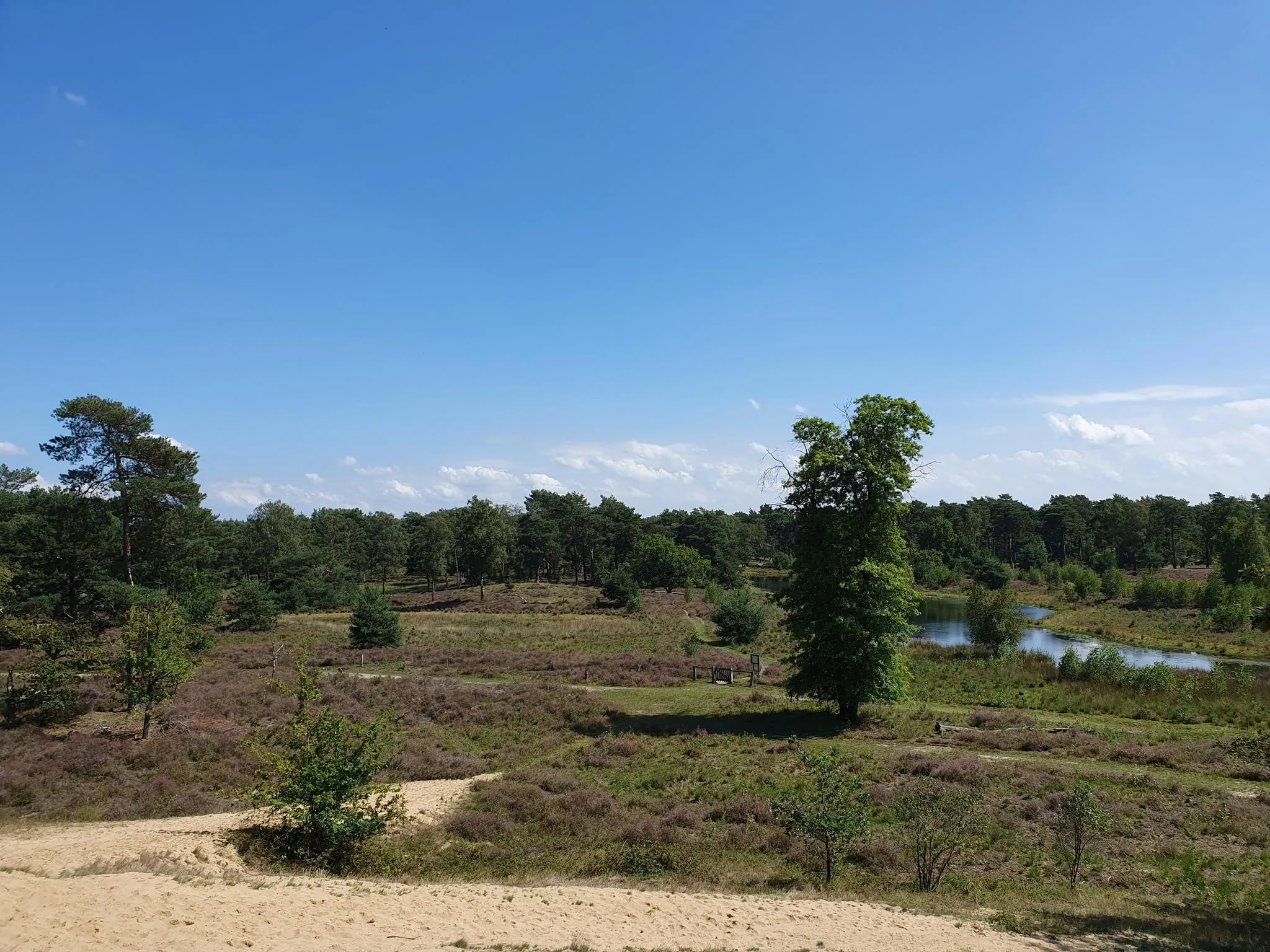
The Maas-Niederrhein Trail - Cross-border hiking in 19 stages
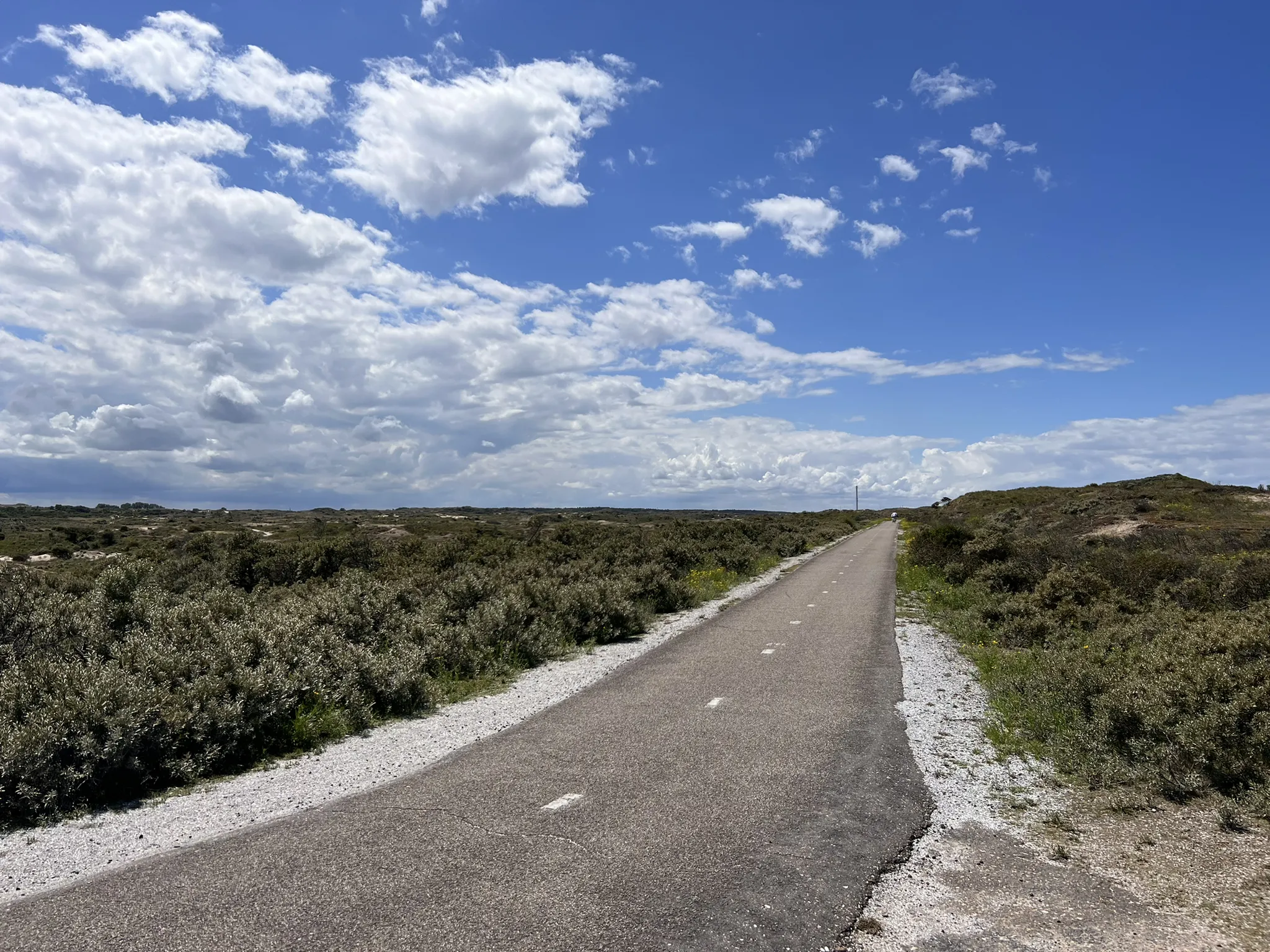
The Tour of the Netherlands – The ultimate cycling route in 21 stages
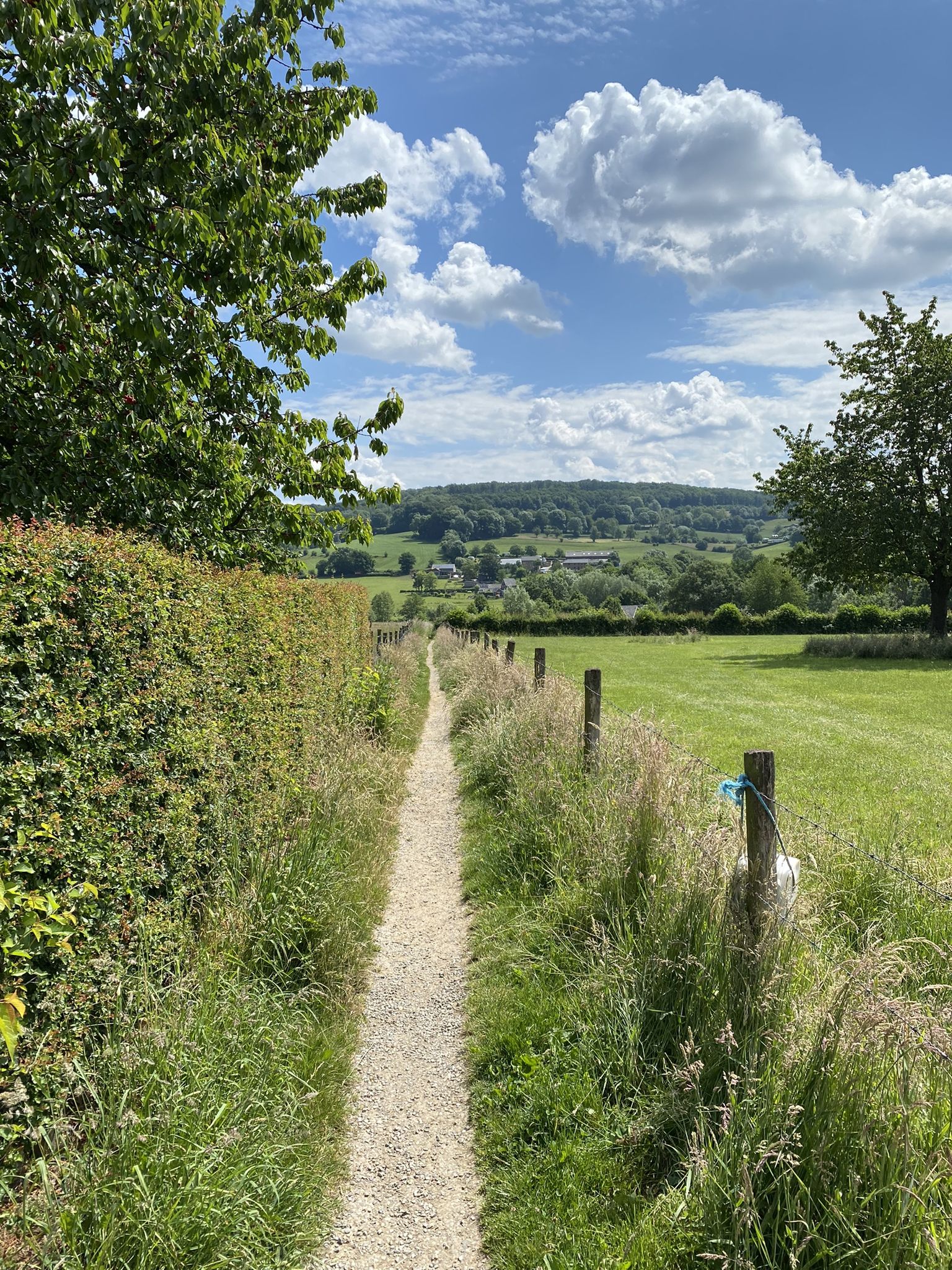
Train your calves in the rolling hills - 10 trailruns in Limburg
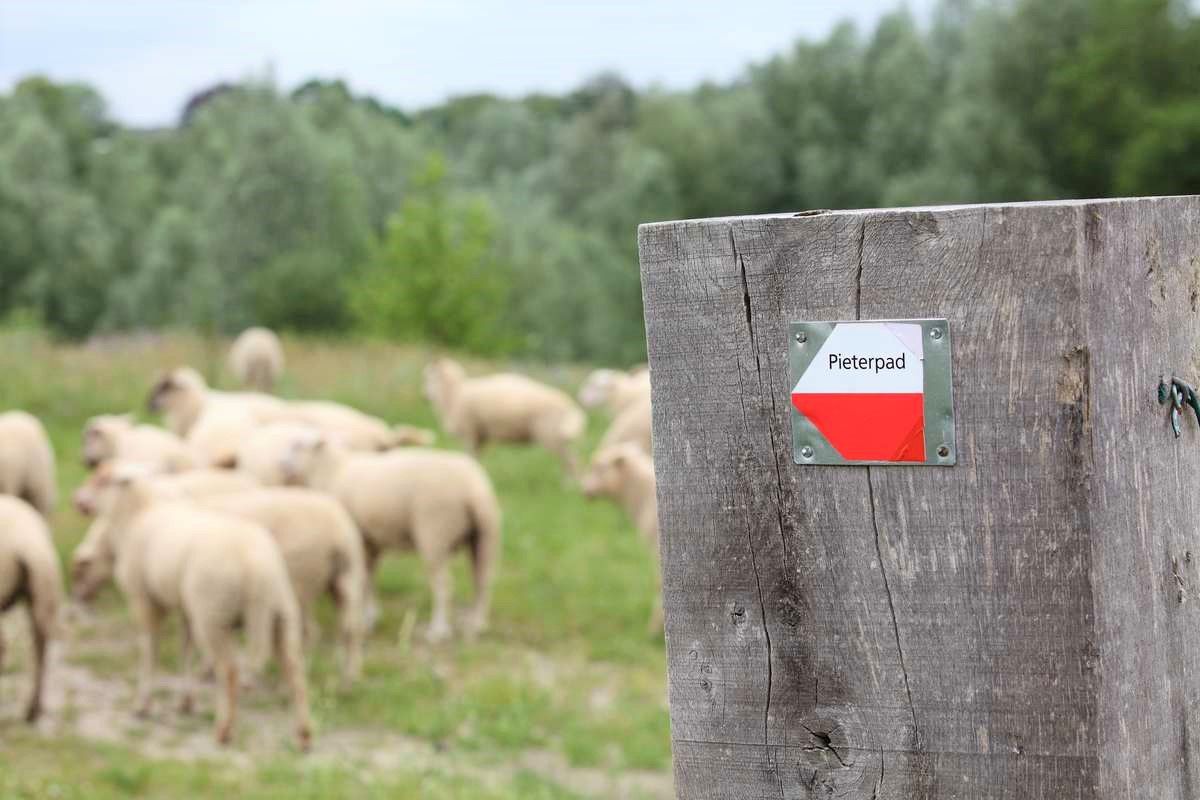
From Kasteel Vorden to the Sint-Pietersberg – Pieterpad long-distance hike part 2
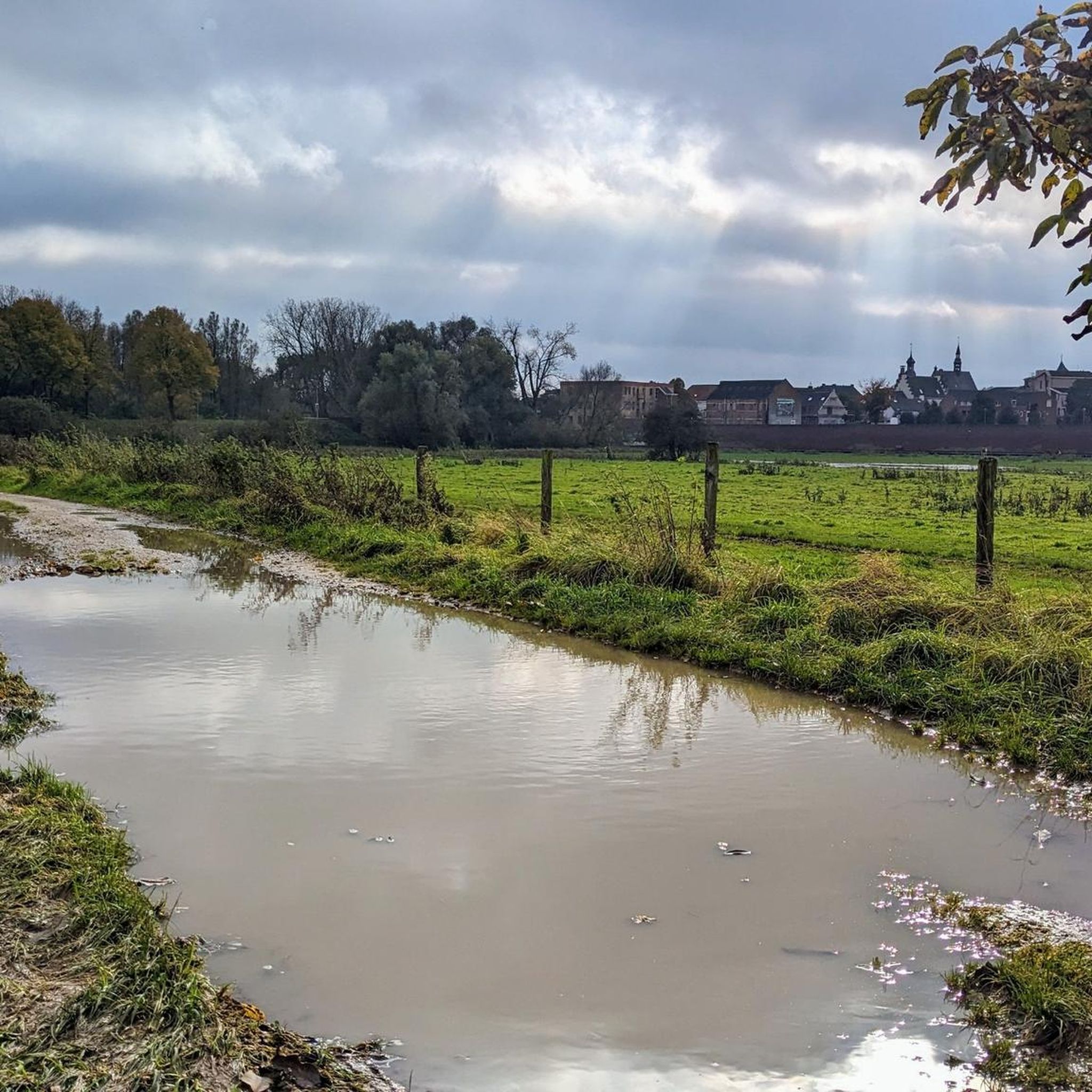
Hiking around Gennep
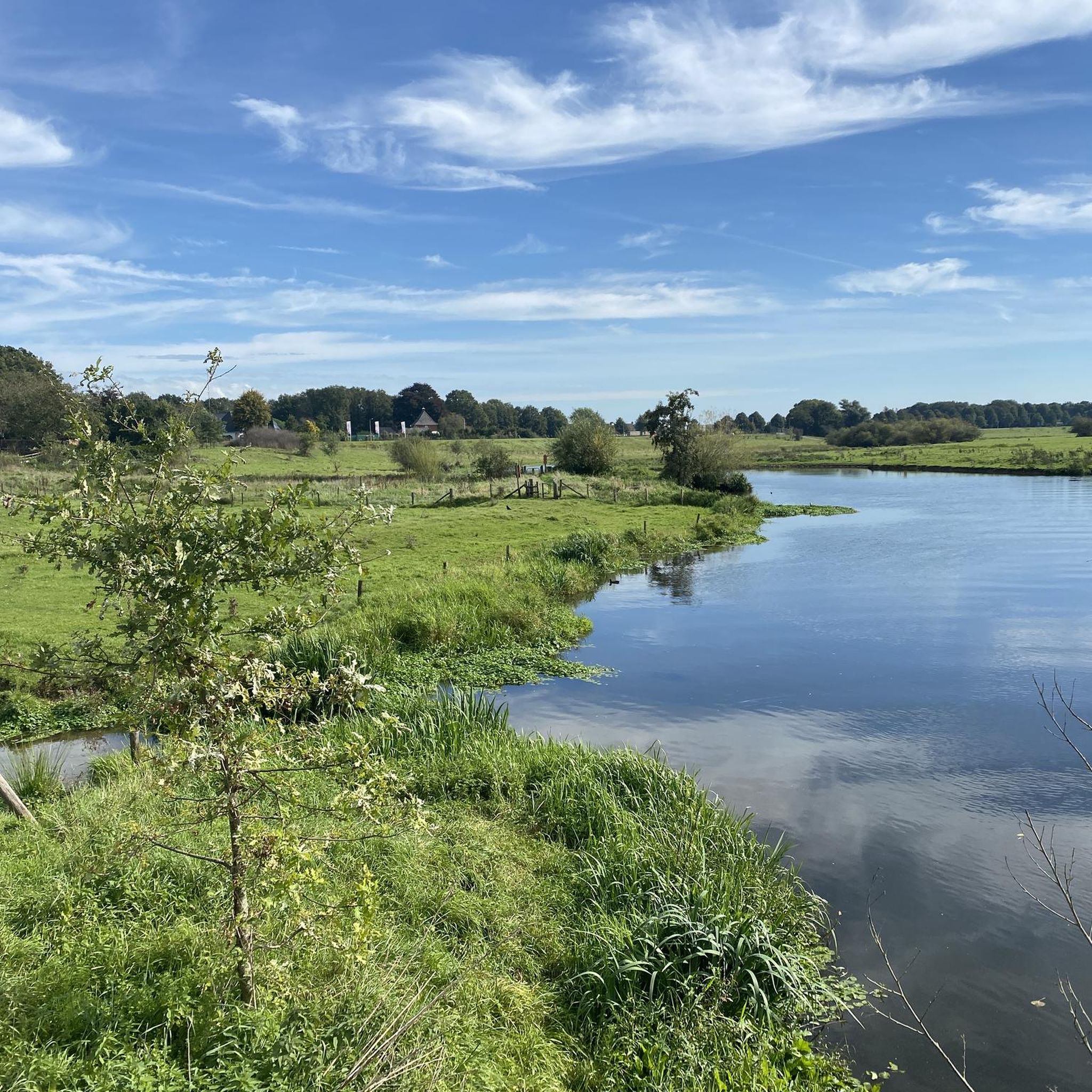
Cycling around Gennep
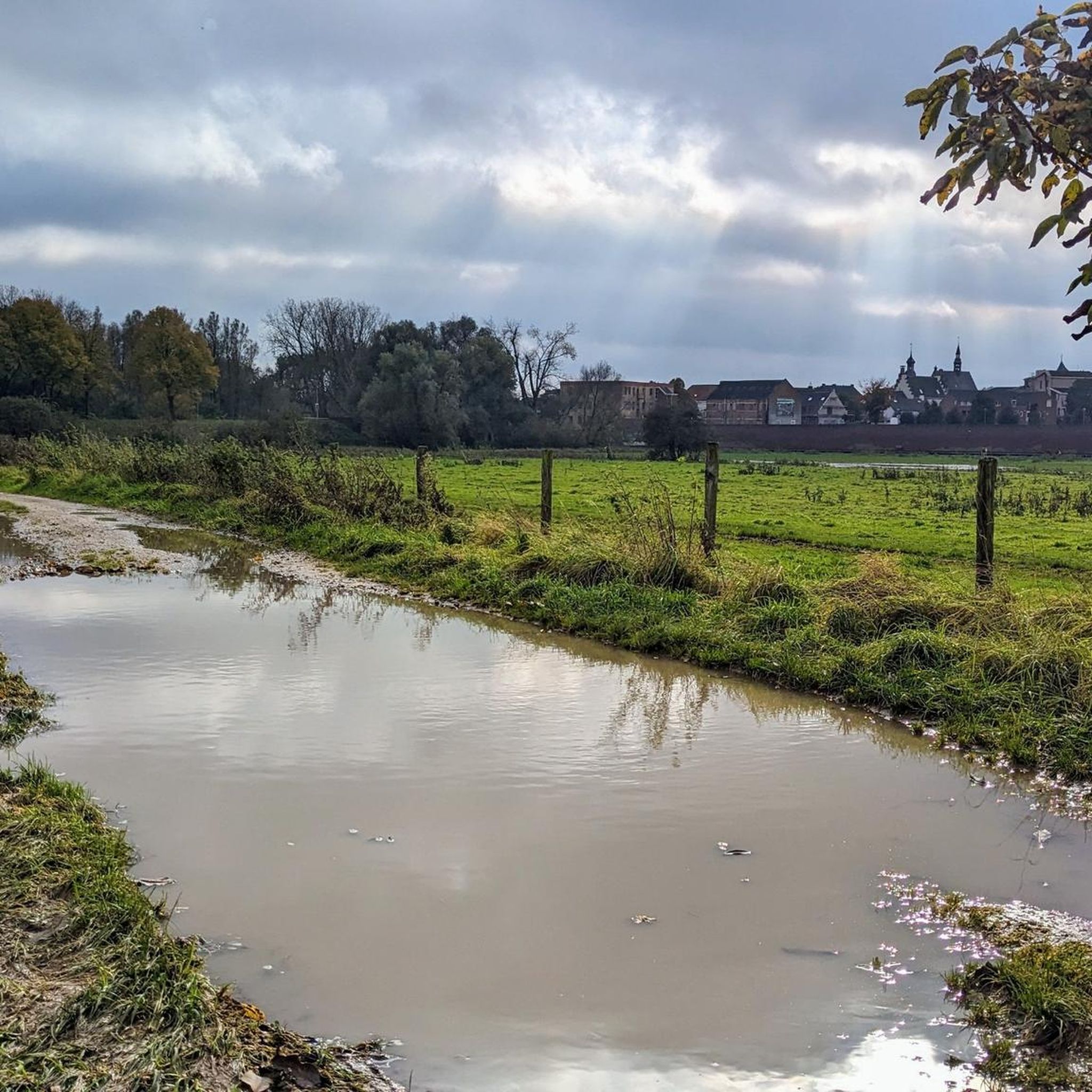
Running Trails around Gennep
Road Cycling Routes around Gennep
MTB Trails around Gennep

Gravel biking around Gennep
Other adventures around Gennep


Tips from the Community

No matter which side you approach the city of Kleve from, you will always see the Swan Tower. This venerable castle is the city's greatest asset, the pride of its residents, and a destination for many visitors. It is the seat of the regional and district courts. Thanks to the commitment of the Cleves Association for Culture and History / Friends of the Swan Castle, the Swan Tower is open to visitors. The association, known as the "Clevischer Heimatbund" (Clevish Homeland Association) after World War II, founded the Schwanenburg Construction Workshop and oversaw the reconstruction of the war-damaged tower. In the 1960s, the Geological Museum was established in the Swan Tower, where it still stands today. Part of the Mirror Tower is also used by the Cleves Association. For example, weddings can be arranged in the Staufer Room.
16
0

The path that takes you to the ruins of the Genneperhuis and through the nature reserve towards bridges, ravelin and Het Theehuisje in Milsbeek is partly provided with pollard willows on both sides. But be sure to read the many information boards that are also on the road over a longer distance and tell you a lot about what is here, has been and especially has happened.
5
0

The Schwanenburg from one of its many perspectives.
6
0

Boxmeer has a number of unique sights, including the Karmelklooster. The Carmelite Monastery in Boxmeer was built between 1653 and 1709. The monastery was founded by Albrecht van den Bergh and Madeleine de Cusance, lord and lady of Boxmeer. The former had to do with both the Catholic Spanish Southern Netherlands and the Protestant Republic of the United Netherlands. To strengthen his own sovereignty over Boxmeer in this tightrope walk between the two powers, he built the monastery.
2
0

Boxmeer has a number of sights that are more than worth a visit. In the center of Boxmeer you will find more about the rich history of silversmiths and the special traditional canal as well as beautiful monumental buildings. Just outside the shopping center you will find a unique castle with a museum and chapel and a special lock complex. Boxmeer borders a number of impressive nature reserves, including the UNESCO-winning Maasheggen. Source:centrumboxmeer.nl
4
0

Zwanenburcht is a castle in Kleve in North Rhine-Westphalia near the Dutch border.
8
0
The Schwanenburg is the landmark of the city of Kleve in North Rhine-Westphalia near the Dutch border
6
0

The Zwanenburcht is a castle in Kleve, The Zwanenburcht is a castle in Kleve, in North Rhine-Westphalia, close to the Dutch border, probably built in the 11th century for the counts of Kleve on a spur-shaped spur of a hill range. It is one of the few high castles on the Lower Rhine. The castle mountain was named after the later settlement: Kleve means cliff or klip in North Rhine-Westphalia, close to the Dutch border, probably built in the 11th century for the Counts of Cleves on a spur-shaped spur of a hill range. It is one of the few high castles on the Lower Rhine. The castle mountain was named after the later settlement: Kleve means cliff or cliff.
5
0
Frequently Asked Questions
What is the historical significance of the castles around Gennep?
The castles around Gennep are deeply rooted in medieval history. The region's most prominent historical site is the Genneper Huys, a formidable castle that once stood at the confluence of the Niers and Meuse rivers. It played a crucial role in controlling trade routes and was frequently contested during conflicts like the Eighty Years' War. While mostly ruins today, sites like the Knot Willow Path Genneperhuis offer insights into its past, and its archaeological remains are a protected monument.
Are there family-friendly castles to visit near Gennep?
Yes, several castle-related sites around Gennep are suitable for families. The Bleijenbeek Castle Ruins are considered family-friendly, offering a historical exploration. The Knot Willow Path Genneperhuis, leading to the ruins of the Genneper Huys, is also family-friendly and features information boards to engage visitors of all ages. Additionally, Boxmeer and more, with its unique castle, museum, and chapel, provides a rich historical experience for families.
Are there good walking or hiking routes around the castles near Gennep?
Absolutely. Many castles and historical sites in the region are integrated into scenic walking and hiking routes. For instance, the Knot Willow Path Genneperhuis is a dedicated trail leading to the Genneper Huys ruins. You can find various hiking options in the area, including routes like the 'Horizontal Oak on Apostelweg – Groenewater Pond loop' or the 'Pond at St. Jansberg – Levada Trail at Sint-Jansberg loop' which are part of the broader Hiking around Gennep guide.
What can I expect when visiting the <a href="https://www.komoot.com/highlight/122194" target="_blank" rel="noopener">Bleijenbeek Castle Ruins</a>?
The Bleijenbeek Castle Ruins are a poignant historical site. This former moated castle, first mentioned in 1405, was largely destroyed by bombing in 1945, leaving only the impressive ruins of its outer walls. Visitors can explore the remains and reflect on its long history, which includes periods of occupation during the Eighty Years' War and serving as an asylum for Jesuits during the Kulturkampf. The surrounding moat is also leased by a fishing club, adding to the tranquil setting.
Is <a href="https://www.komoot.com/highlight/638629" target="_blank" rel="noopener">Schwanenburg Castle, Kleve</a> worth visiting, and what makes it unique?
Yes, Schwanenburg Castle, Kleve is a significant landmark. It's one of the few hilltop castles on the Lower Rhine, built by the counts and dukes of Kleve. Its name comes from a large swan-shaped weather vane, which is also the crest of the ducal coat of arms. While it appears as a castle, it's actually a Baroque-style palace resulting from 17th-century reconstructions. It houses the regional and district courts, and parts, like the Geological Museum in the Swan Tower, are open to visitors, offering panoramic views of Kleve.
Are there any castles near Gennep that offer a museum or cultural experience?
Yes, Boxmeer and more offers a unique castle with a museum and chapel. This settlement provides a rich cultural experience, allowing visitors to explore the history of silversmiths, traditional canals, and impressive monumental buildings. Additionally, for the Genneper Huys, the Museum het Petershuis in Gennep displays a model of the castle and discoveries from excavations, providing further context to its history.
Can I find information about the Genneper Huys on-site?
Yes, when exploring the area around the Genneper Huys, particularly along the Knot Willow Path Genneperhuis, you'll find numerous information boards. These boards provide detailed insights into the history of the former fortified fortress, explaining what stood there and the events that took place. There's also an 'Archeo route' app available that uses virtual technology to bring the site's history to life with an archaeologist's narration.
What kind of outdoor activities can I do near the castles around Gennep?
Beyond exploring the castles themselves, the region around Gennep offers diverse outdoor activities. You can enjoy gravel biking on routes like the 'Bleijenbeek Castle Ruins – Sandy beach at the Reindersmeer loop' or the 'Maas Riverbank View – Old Meuse loop,' detailed in the Gravel biking around Gennep guide. For hikers, there are numerous trails, including those around the Devil's Mountain (Duivelsberg) or Sint-Jansberg, which you can find in the Hiking around Gennep guide.
Are there any lesser-known or 'hidden gem' castles near Gennep?
While the Genneper Huys and Bleijenbeek are well-known, the broader region also features other historical fortifications. Burg Zelem, a thousand-year-old water castle hidden on the edge of Kranenburg near the German-Dutch border, offers a glimpse into the past amidst the Lower Rhine landscape. Another historical mention is Heijen Castle, which, alongside Gennep's sites, contributes to the rich history of the Land of Maas and Niers.
What is the best time of year to visit the castles around Gennep?
The castles and their surrounding areas can be enjoyed throughout the year. Spring and summer offer pleasant weather for walking and exploring the ruins and nature reserves. Autumn provides beautiful foliage, while winter can offer a serene, atmospheric experience, especially for walks around sites like the Genneper Huys or Bleijenbeek. The choice depends on your preference for weather and crowd levels.
Can I visit <a href="https://www.komoot.com/highlight/350283" target="_blank" rel="noopener">Burg Zelem</a>?
Burg Zelem is a historic water castle, but it doesn't appear to be publicly accessible for interior visits. It's a listed building and can be admired from the outside, offering a picturesque view in the Lower Rhine landscape. The surrounding area is popular for cycling, with many paths leading past the castle gates, allowing you to appreciate its exterior and historical presence.
Are there any castles near Gennep that are particularly good for wildlife spotting?
While not specifically a castle, the area around the former Genneper Huys, accessible via the Knot Willow Path Genneperhuis, is part of a nature reserve. This scenic bend of the River Maas offers a peaceful environment where you might spot local wildlife. Additionally, the broader Lower Rhine region, where castles like Burg Zelem are located, is known for its nature reserves, attracting almost 200,000 wild geese from Siberia in winter, offering an impressive spectacle.
Most popular routes around Gennep
Most popular attractions around Gennep

Get inspired with the komoot mobile app


Explore more
Looking for the best castles somewhere else? Discover other guides around Gennep:
