Top 20 Natural Monuments around Heerlen
Best natural monuments around Heerlen are found in the Limburg province of the Netherlands, offering diverse landscapes. The region features expansive nature reserves, geological sites, and river valleys. These areas provide opportunities for outdoor activities and a connection with the region's natural history. Heerlen's natural monuments are notable for their varied terrain and ecological significance.
Best natural monuments around Heerlen
- The most popular natural monuments is Brunssummerheide Nature Reserve, a natural_monument that offers a varied landscape of heathlands, woodlands,…
Last updated: August 6, 2026
Vaalserberg Three-Country Point
Highlight • Monument
Translated by Google •
Tip by

Restored section of the Wurm
Highlight • River
Translated by Google •
Tip by

Sign up now to discover places like this
Get recommendations on the best single tracks, peaks, & plenty of other exciting outdoor places.
Sign up for free
Marl Cliff along the Geul
Highlight • Gorge
Translated by Google •
Tip by

Brunssummerheide Nature Reserve
Highlight • Natural Monument
Translated by Google •
Tip by

Meanders of the Geul
Highlight (Segment) • River
Translated by Google •
Tip by

Sign up for free to discover even more natural monuments around Heerlen.
Sign up for free
Already have an account?
Start today with a free account
Your next adventure awaits.
Login or Signup
Popular around Heerlen
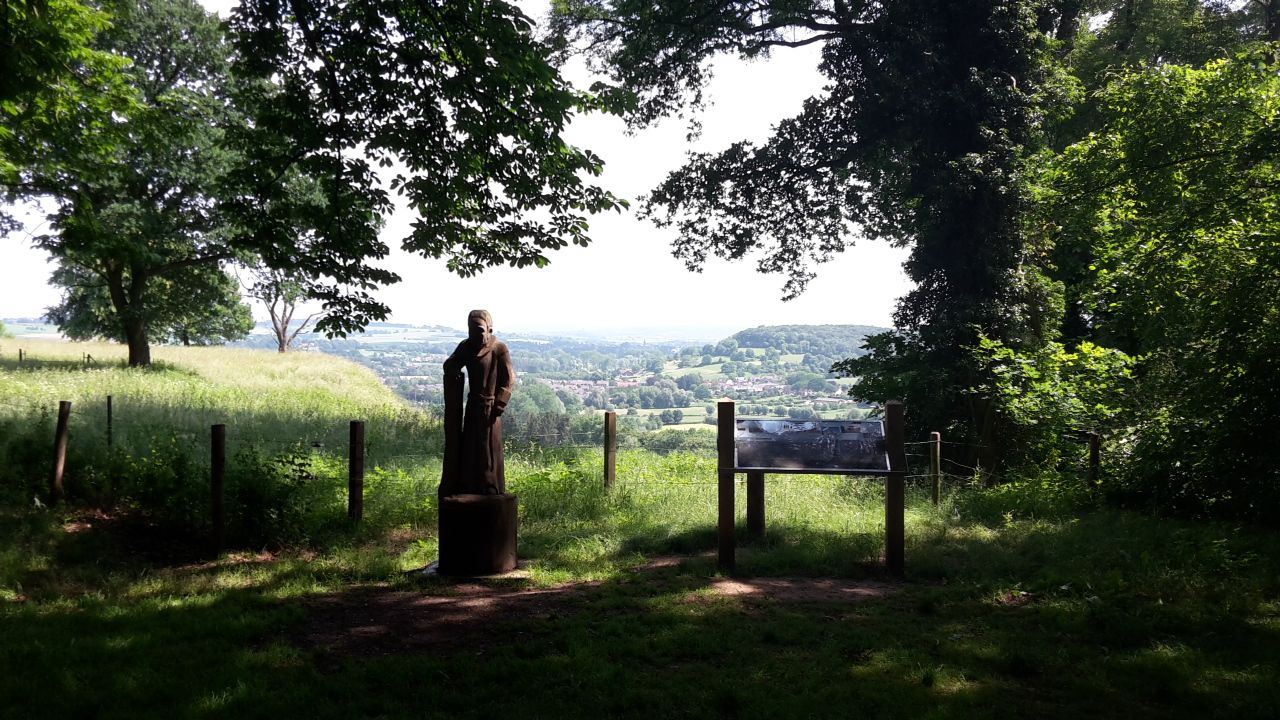
Via Coriovallum – a pilgrimage in the Dutch region of South Limburg
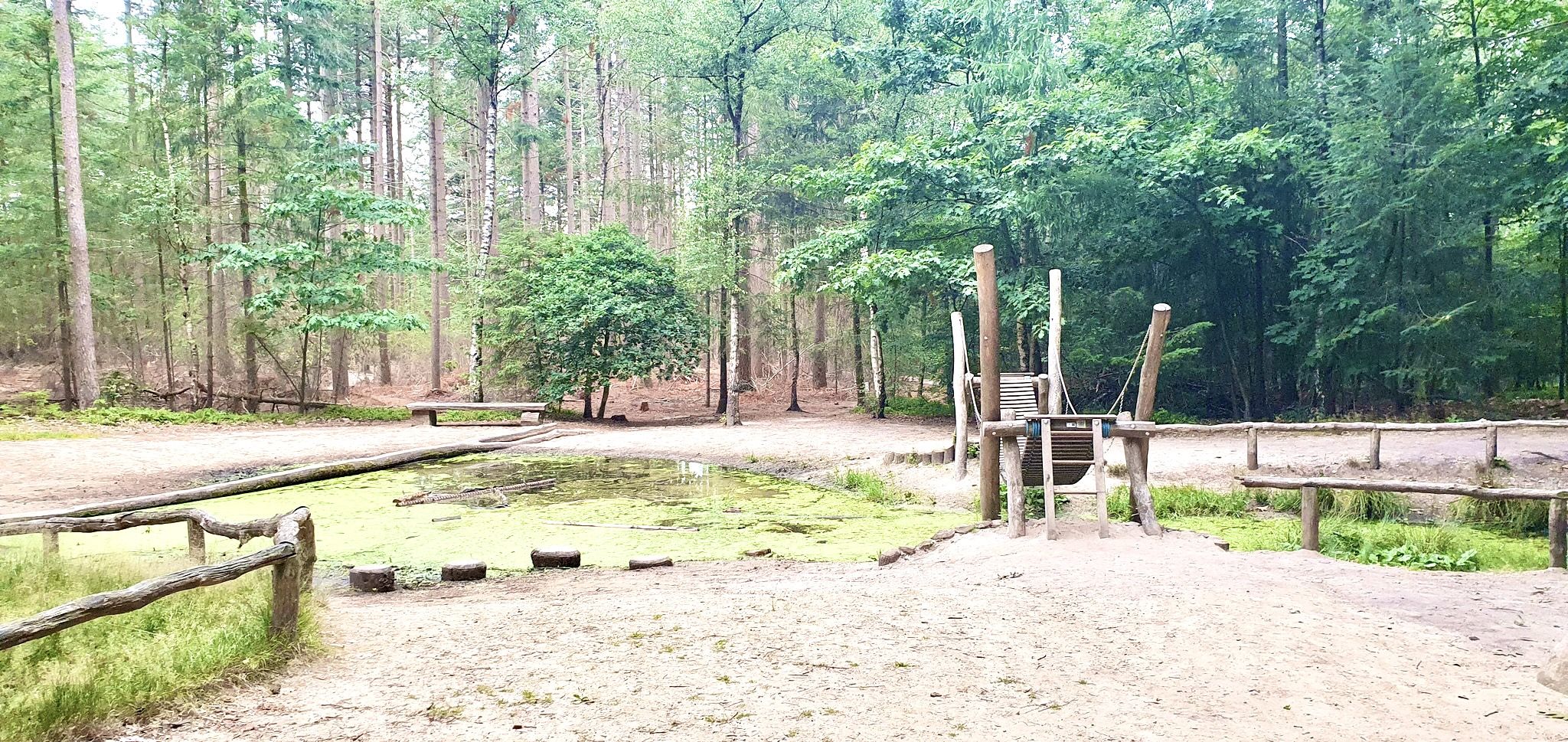
Romping in nature – 20 walks around play forests
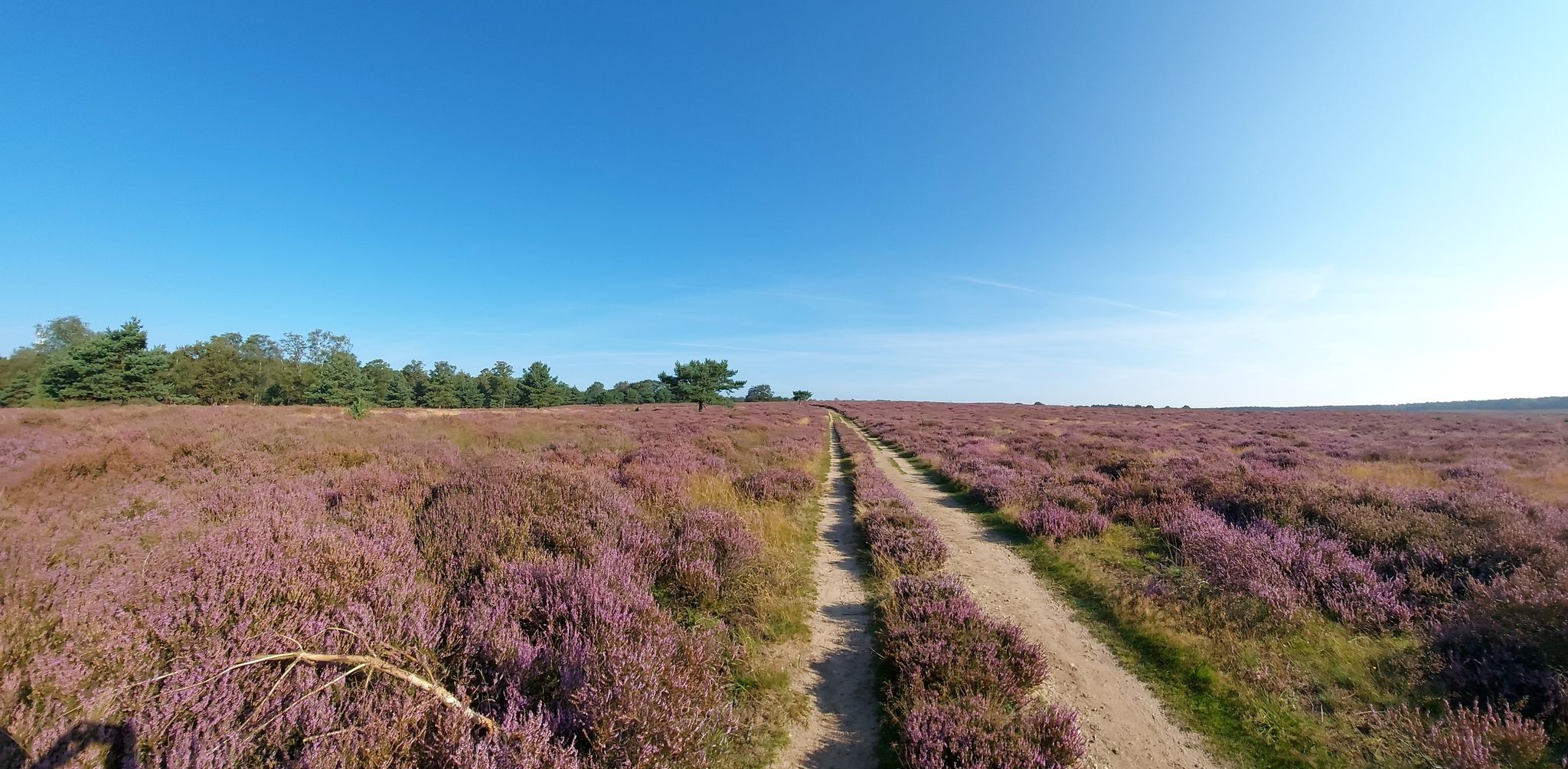
The Netherlands turns purple – 15 walks across the flowering heathlands
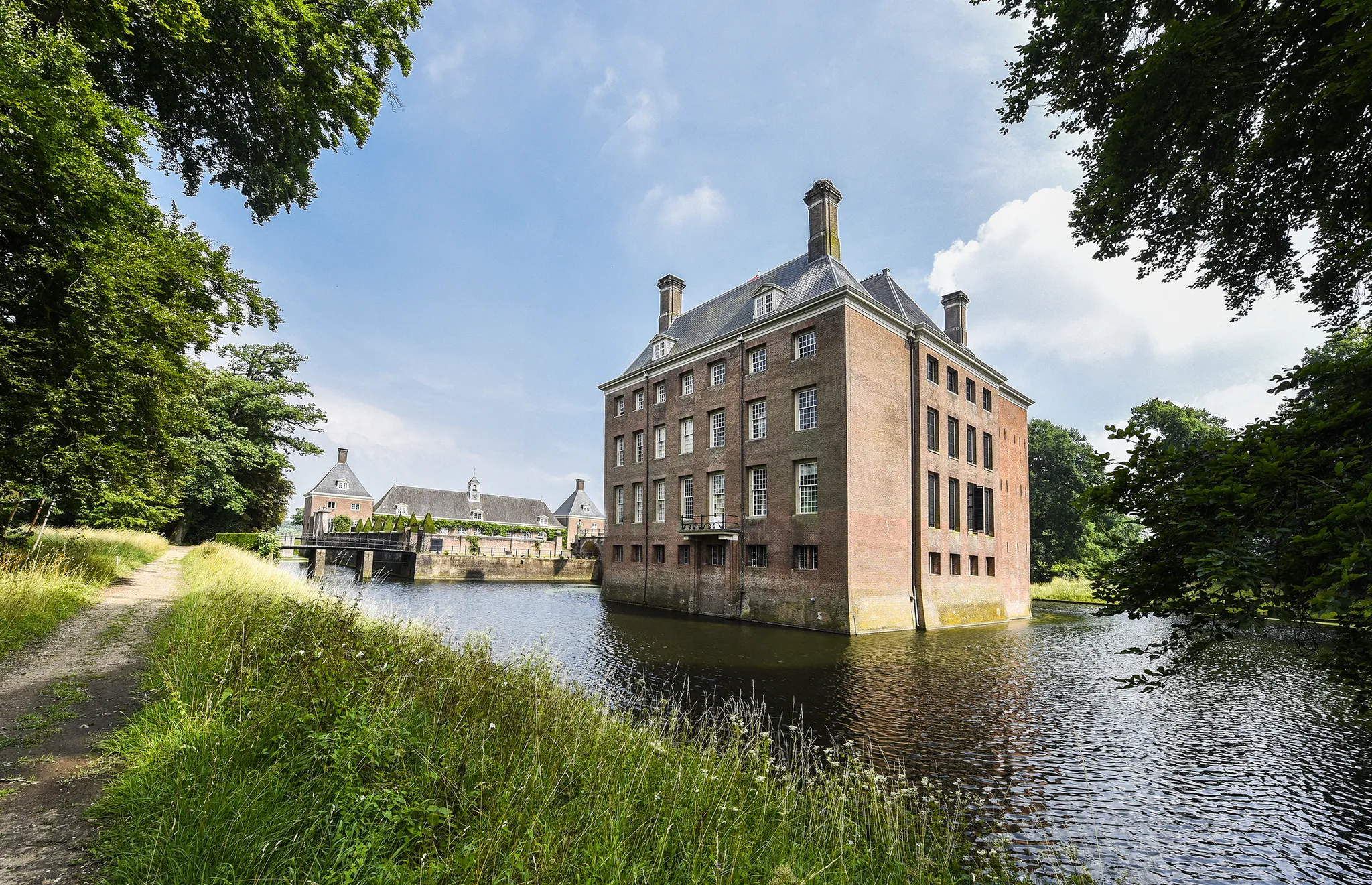
Netherlands Castle Country – discover our castles in 8 walks
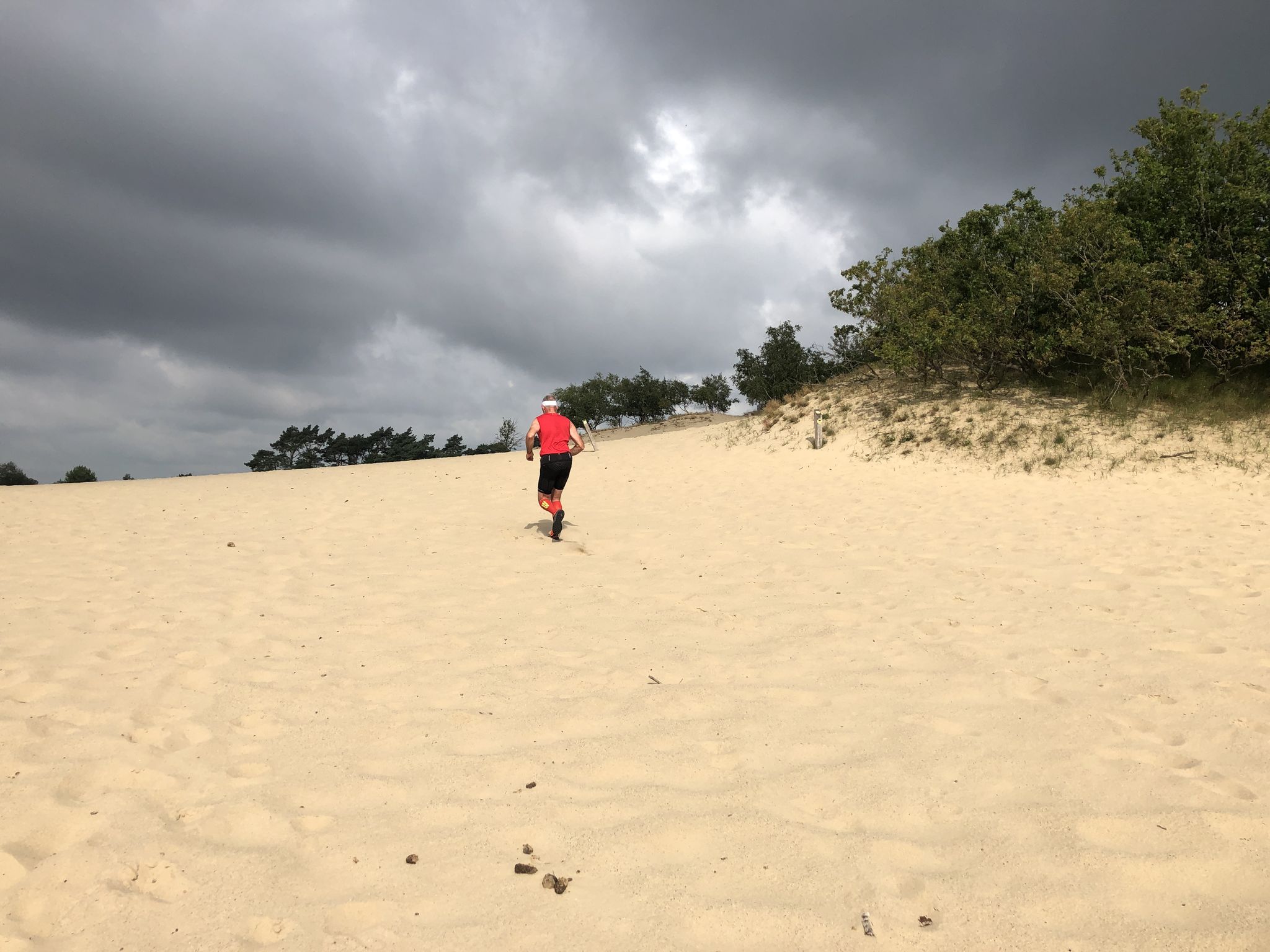
Trail runs for beginners – running off-the-beaten-track in the Netherlands
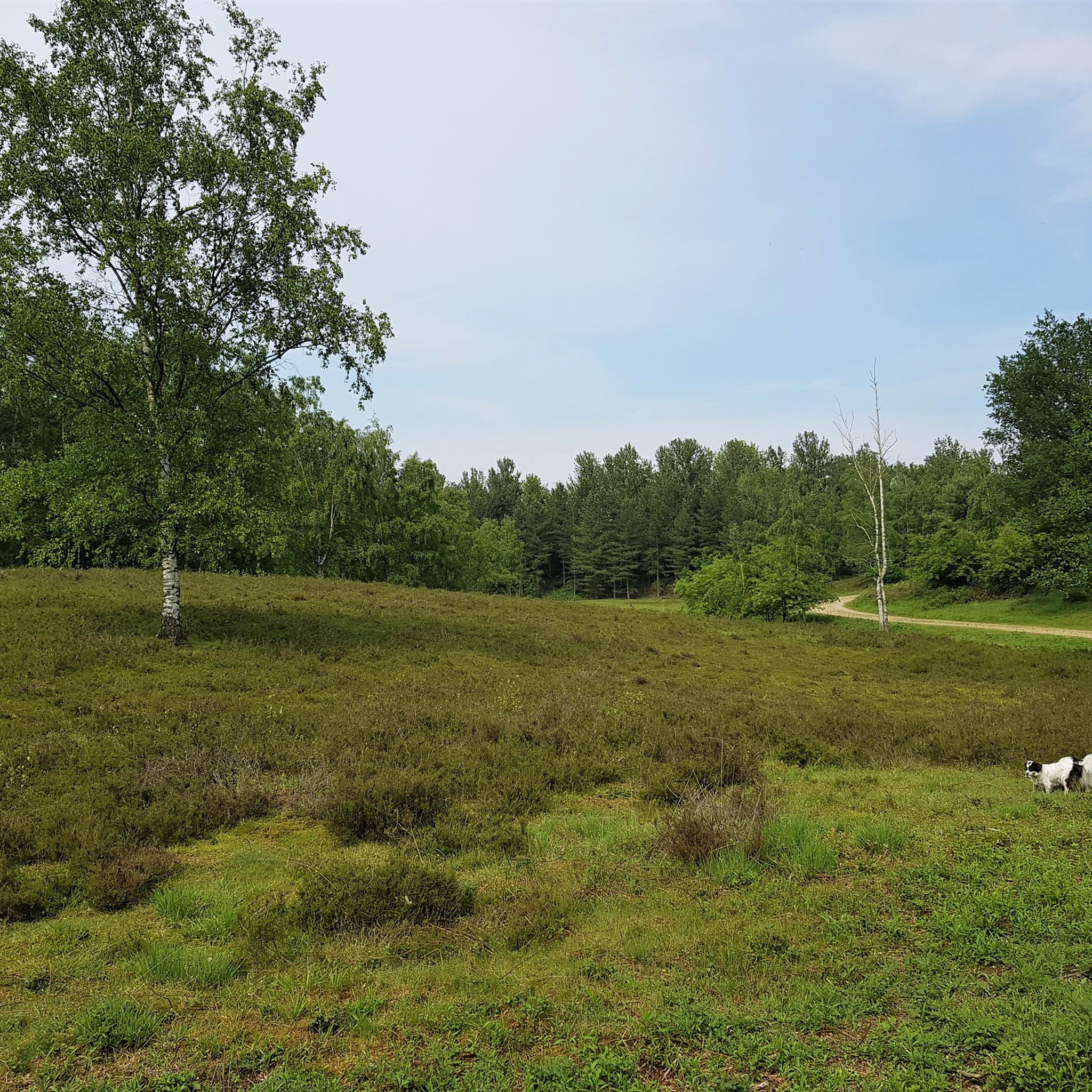
Hiking around Heerlen
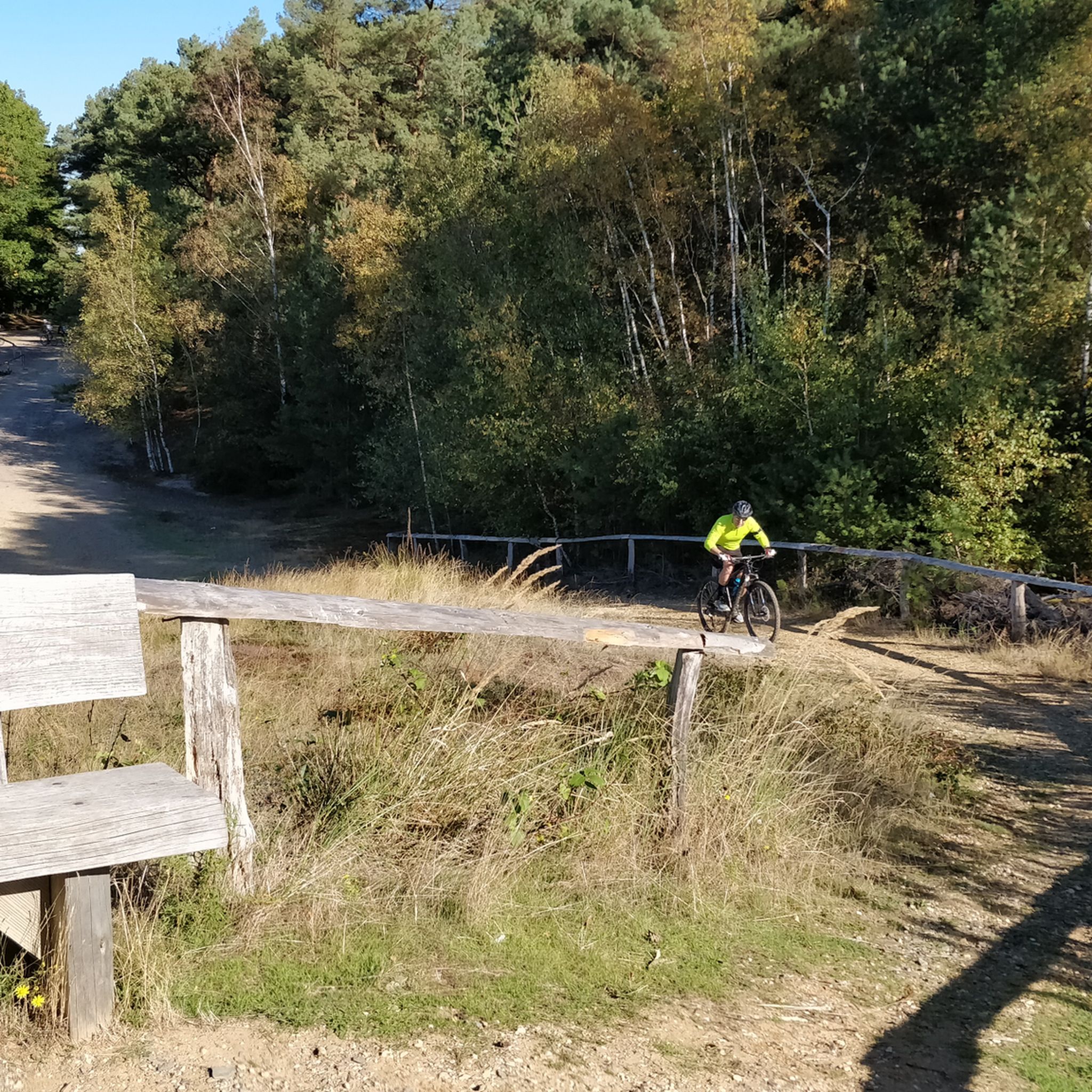
MTB Trails around Heerlen
Road Cycling Routes around Heerlen
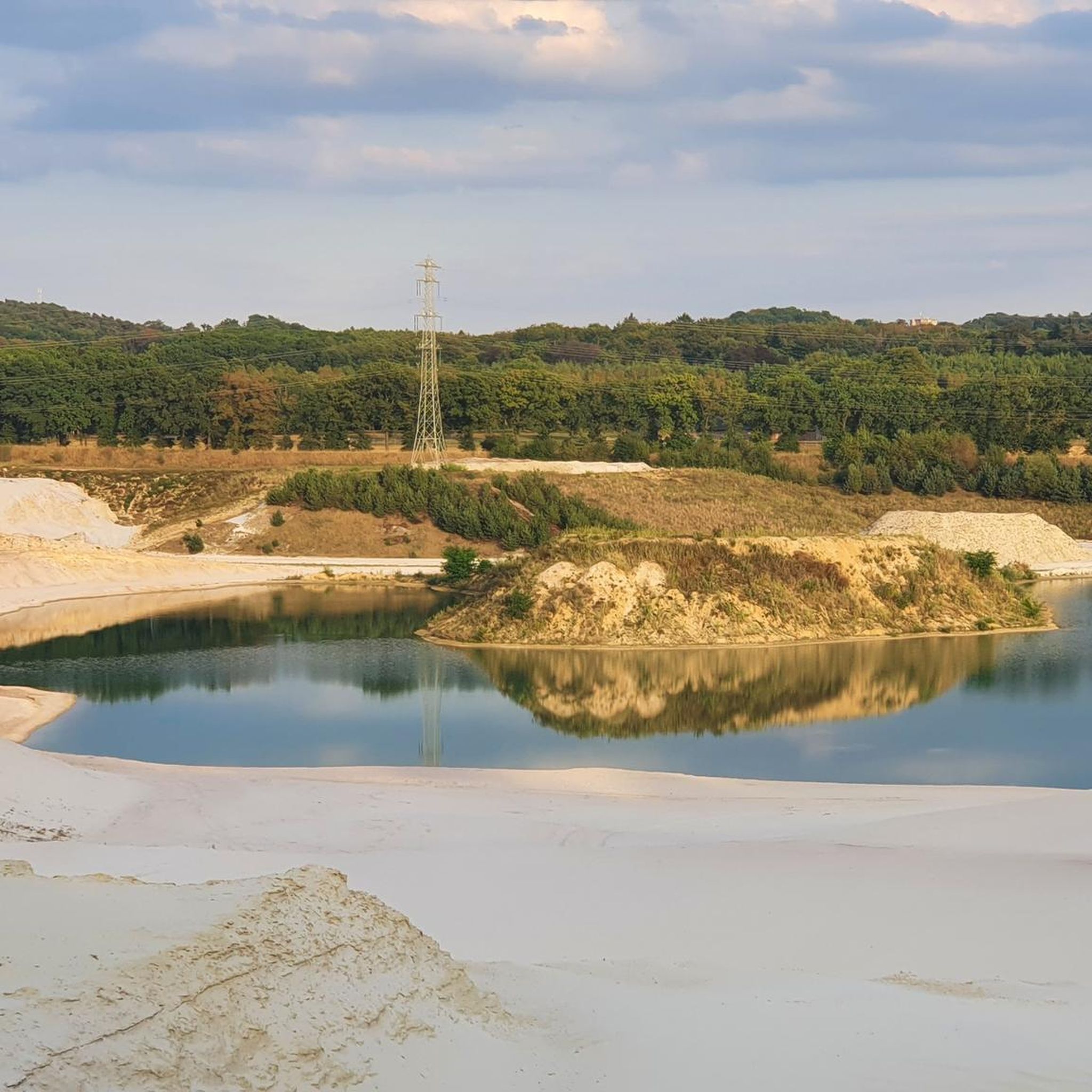
Cycling around Heerlen
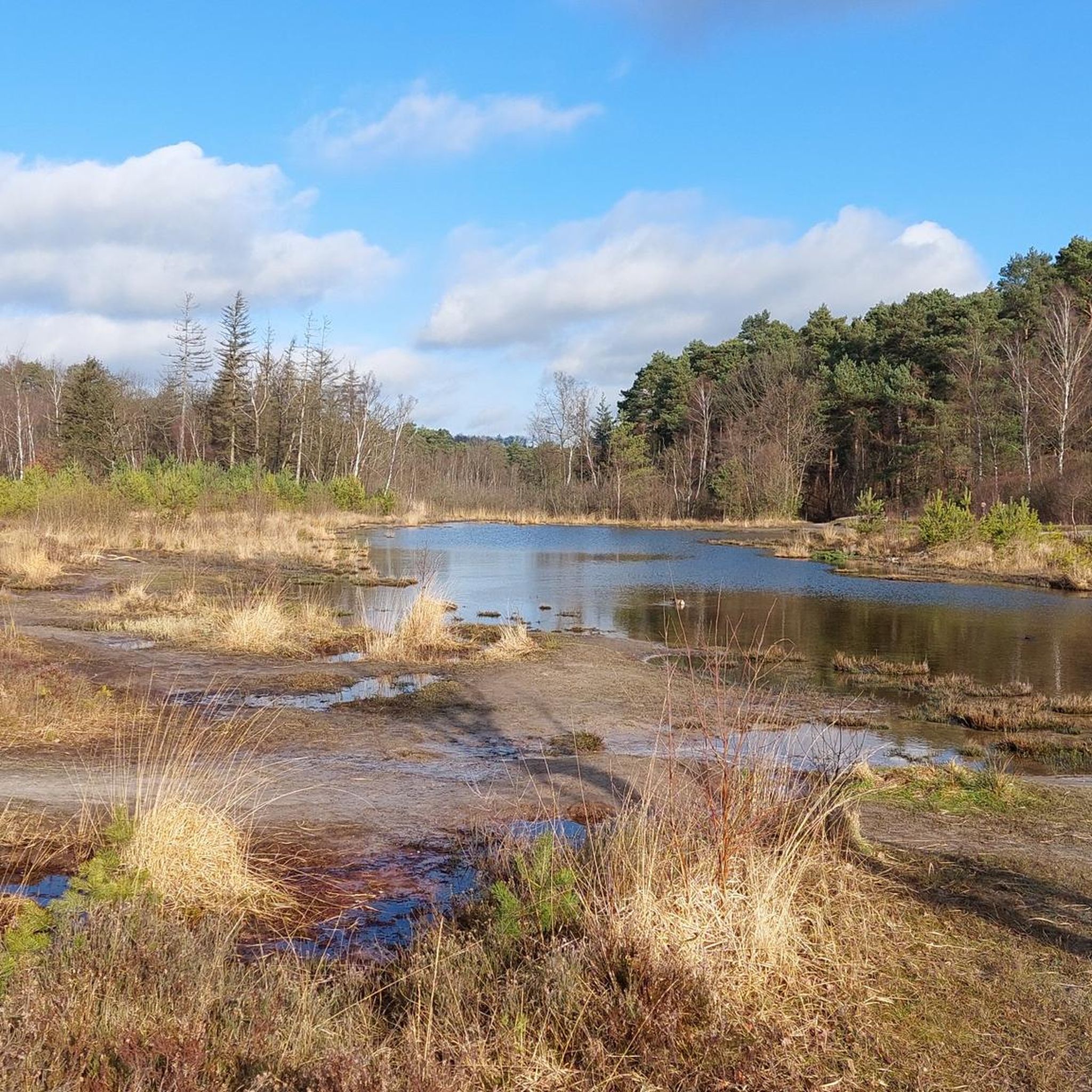
Running Trails around Heerlen
Other adventures around Heerlen


Tips from the Community

Along the rippling Geul River, an impressive marlstone wall rises, a silent witness to Limburg's underground landscape. These calcareous rocks were used for centuries for construction and crafts and now offer a fascinating sight for hikers and nature lovers. The wall forms a natural boundary along the water and, in some places, harbors small caves and niches where flora and fauna have found a home. The contrast of the white marl against the green foliage and the glistening water of the Geul makes this a particularly photogenic and tranquil spot during your walk.
0
0

Beautiful part of the walk along the Geul
0
0

When the path that has been running between slopes and sloping forest on one side and the Geul on the other side suddenly starts to rise a bit, you know what is coming: part of the marl crops out and offers you a glimpse of what you can discover if you take one of the paths away from the Geul: quarries and marl.
6
0

The cycle path between Randerath and Rimburg is paved throughout. This section is often heavily soiled.
3
0

The Geul is an idyllic stream that meanders considerably, or winds through the landscape. Because the Geul flows fast on this part, the water erodes the bank in the outer bends. In the inner bends, the water flows less fast and the sand and mud that has been carried along remains there. In the outer bends, there is a steep bank and in the inner bends a flat bank.
4
0

Beautiful path between marl and Geul...
8
0

Along the Geul you will repeatedly come across steep slopes made of marl, which has been mined in this region for hundreds of years and is also used in Häuserbai. With a bit of luck you can find fossils.
4
0

One of the nicer worm sections.
8
0
Frequently Asked Questions
What are some of the most unique natural monuments to visit around Heerlen?
Heerlen and its surroundings offer a variety of unique natural monuments. The Brunssummerheide Nature Reserve stands out with its expansive heathlands, woodlands, and ponds. For a geological experience, the Heimans Quarry showcases some of the Netherlands' oldest rocks. Additionally, the Vaalserberg Three-Country Point is notable as the highest point in the European Netherlands, where three countries meet.
Are there family-friendly natural monuments near Heerlen?
Yes, several natural monuments around Heerlen are suitable for families. The Brunssummerheide Nature Reserve is a great option, offering diverse landscapes for walking and exploring. The Vaalserberg Three-Country Point also features activities for all ages, including an observation tower and a labyrinth. Within Heerlen, the Caumerbeekdal and Aambos provide an accessible natural escape with a deer park.
What kind of geological features can I explore in the region?
The region around Heerlen is rich in geological history. The Heimans Quarry, located in the Geul Valley, is a significant geological monument where you can observe petrified layers of clay and sand from the Carboniferous period, dating back millions of years. You can also see ancient imprints of plants and marine animals, and the curved shape of rock layers due to tectonic folding. Another interesting site is the Marl Cliff along the Geul, where marl is visibly exposed along narrow paths.
What outdoor activities are popular near Heerlen's natural monuments?
The natural monuments around Heerlen are perfect for various outdoor activities. Hiking and bird-watching are popular in the Brunssummerheide Nature Reserve. You can also find numerous routes for cycling and gravel biking, such as those detailed in the Cycling around Heerlen and Gravel biking around Heerlen guides. For runners, there are dedicated Running Trails around Heerlen that pass through scenic areas.
When is the best time to visit the natural monuments around Heerlen?
The natural monuments around Heerlen can be enjoyed throughout the year. The Brunssummerheide Nature Reserve, for instance, is beautiful in all seasons, offering different charms from blooming heath in late summer to crisp winter walks. The varied landscapes ensure there's always something to appreciate, regardless of the time of year.
Are there any natural areas within Heerlen city limits?
Yes, Heerlen itself offers natural escapes. The Caumerbeekdal and Aambos are located within the city. The Caumerbeekdal features the ancient Caumerbeek brook, and the Aambos includes a deer park and the historic Oliemolen mill, providing convenient spots for walking and wildlife spotting without leaving the city.
Do any of these natural monuments have historical significance?
Absolutely. The Heksenberg, part of the Brunssummerheide, served as a historical vantage point and was integrated into the 15th-century Landgraaf border fortification. The Caumerbeek in the Caumerbeekdal historically supplied water to the Roman Bathhouse. The Vaalserberg Three-Country Point also holds historical importance as a meeting point of national borders, and at one time, even a four-country point.
What kind of wildlife can be observed in these natural areas?
The natural monuments around Heerlen are home to diverse wildlife. In the Brunssummerheide Nature Reserve, you can observe various bird species, and historically, the area even hosted wolves and wild boars. The Aambos within Heerlen features a deer park, offering opportunities to see deer. The varied ecosystems support a range of flora and fauna, making them ideal for nature observation.
Are there viewpoints offering scenic vistas of the natural landscapes?
Yes, several locations provide excellent viewpoints. The Heksenberg, the highest point of the Brunssummerheide on the Heerlen and Brunssum side, offers clear views of the surrounding heathlands. The Vaalserberg Three-Country Point also features an observation tower that provides unobstructed views of the three bordering countries.
Can I find trails suitable for running near the natural monuments?
Yes, there are several running trails available. For example, the Running Trails around Heerlen guide includes routes like the 'Roode Beek (Brunssummerheide) – Sand Quarry loop' and the 'Highest point Brunssummerheide – Sand Quarry loop', which offer challenging and scenic runs through the natural landscapes.
What is the 'Restored section of the Wurm' and why is it significant?
The Restored section of the Wurm refers to parts of the Wurm river that have been returned to a more natural state. This renaturation effort has created a paradise for local flora and fauna, enhancing the biodiversity of the area. It's a great example of ecological restoration and offers a pleasant natural environment for visitors.
Most popular routes around Heerlen
Most popular attractions around Heerlen

Get inspired with the komoot mobile app


Explore more
Extend your search for the best caves by checking out these guides of the top ones around Heerlen:
