The best walks and hikes around Kerkrade
4.4
(1900)
7,238
hikers
134
hikes
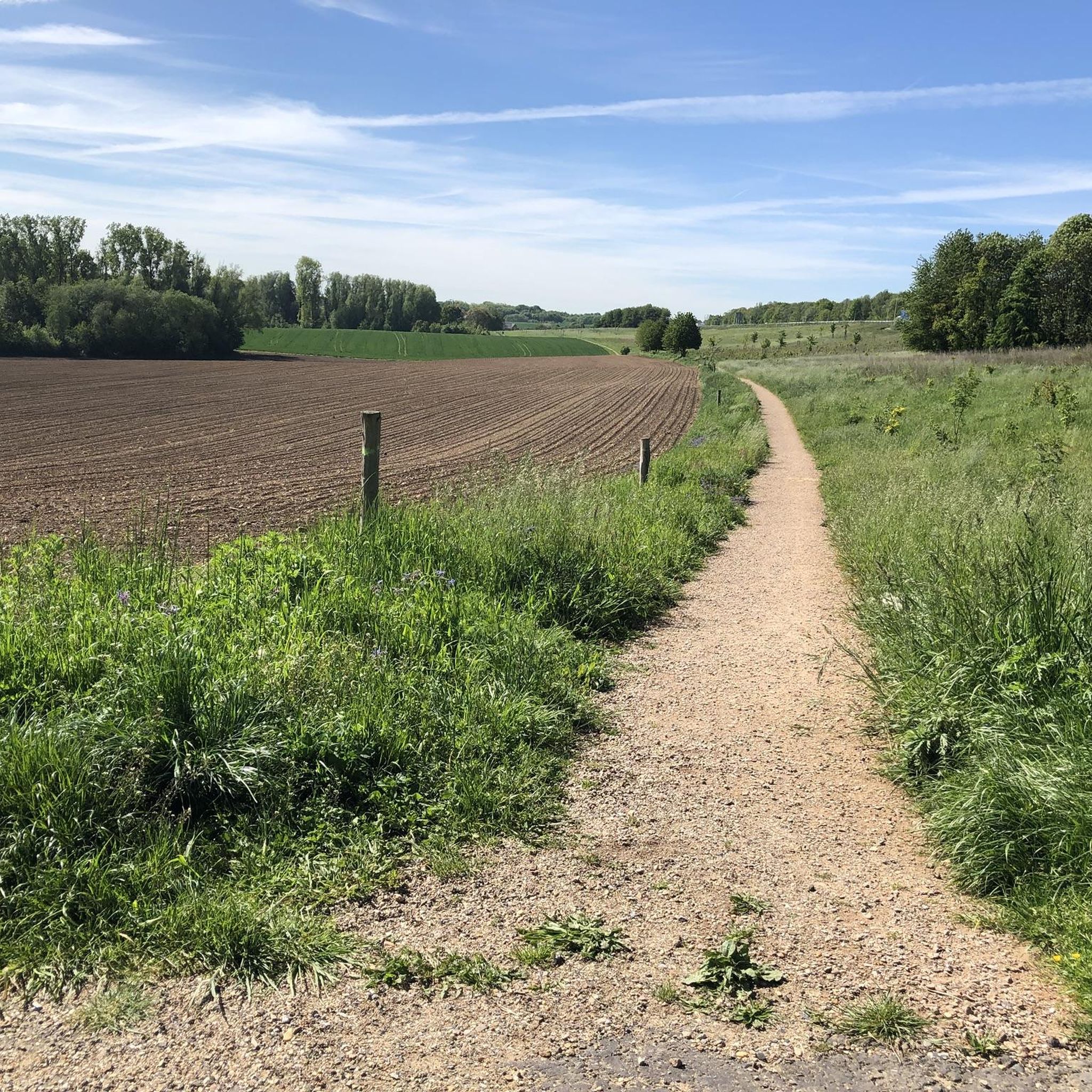
Hiking around Kerkrade reveals a landscape characterized by green valleys, diverse natural features, and historical sites. The region features the Anstelvallei with its forests and the Cranenweyer reservoir, and the Worm Valley shared with Germany. Hikers can also explore areas around the historic Rolduc Abbey and the Wilhelminaberg hill.
Best hiking trails around Kerkrade
- The most popular hiking route is Cranenweyer Beech Forest – View of Cranenweyer loop from Kerkrade Centrum, an 8.4 miles (13.5 km) trail that takes…
Last updated: November 18, 2026
4.5
(368)
1,560
hikers
13.3km
03:37
160m
160m
Moderate hike. Good fitness required. Mostly walkable paths. Sure-footedness required.
4.6
(307)
925
hikers
Easy hike. Easily walkable paths.

4.5
(106)
392
hikers
Moderate hike. Good fitness required. Mostly walkable paths. Sure-footedness required.
4.6
(69)
212
hikers
8.45km
02:15
90m
90m
Moderate hike. Good fitness required. Easily walkable paths.
4.6
(75)
290
hikers
10.1km
02:38
70m
70m
Moderate hike. Good fitness required. Easily walkable paths.
Get access to more routes and recommendations from other explorers.
Already have an account?
Our route recommendations are based on thousands of hikes, rides, and runs completed by other people on komoot.
Start today with a free account
Your next adventure awaits.

Other adventures around Kerkrade

Tips from the Community

Beautiful castle to visit, nice terrace available. The ideal idyllic place to take a break.
0
0

Not easily passable by bike. Many fallen tree trunks on the ground.
0
0

A video about the reservoir https://youtu.be/Qwz3JJPRhIQ?is=bu2Ak2HdO5L3ZNg5
1
0

The path along the Anstellerbeek offers numerous photo opportunities
1
0

The Strijthagerbeekdal is a striking and characteristic landscape in South Limburg, located near Landgraaf (municipality of Parkstad Limburg) and part of the Park Gravenrode green area. The valley is formed by the Strijthagerbeek, a small stream that flows through the rolling landscape and illustrates the relief of this region. The Strijthagerbeekdal displays the typical characteristics of the South Limburg stream valley landscape. The steep slopes on one side are wooded, while the less steep slopes are primarily used for grassland and arable land. This combination creates a varied and visually attractive area where water, forest, and open landscape alternate. Together with the Anstelerbeekdal, the valley forms the larger recreation and nature area of Park Gravenrode (over 500 hectares), which was developed as a green escape in a former mining area. This area boasts a diverse landscape of forests, stream valleys, water features, agricultural lands, historic estates, and castles, most notably the Overste Hof Winselerhof, Strijthagen Castle, and the Strijthagermolen windmill. The Strijthagerbeekdal valley boasts plants and animals characteristic of this region, including species typical of stream valley landscapes (e.g., goldfinch, field cress, butterflies, and birds like the kingfisher). The diverse landscape of wooded slopes, open grasslands, and water zones makes the valley attractive to nature lovers, hikers, cyclists, and mountain bikers.
1
0
The Strijthagermolen is a historic and characteristic watermill complex in the Strijthagerbeek valley near Strijthagen Castle in Landgraaf, Limburg, the Netherlands. This mill is nestled in the green valley of the Strijthagerbeek stream and, together with the castle, the pond, and the surrounding landscape, forms one of the oldest cultural-historical sites in the region. The mill has existed since around 1617 and has been modified and rebuilt several times over the centuries. Around 1700, the mill acquired its current form, which has largely been preserved. Historical documents show that the watermill was already operational for grain milling in the 17th century and for centuries ground grain using the water power of the Strijthagerbeek stream and the water from the large mill pond near the castle. The Strijthagermolen was originally a corn mill, with a waterwheel driving the millstones to grind grain into flour. The mill remained in operation until around 1950, but ground subsidence caused by local mining damaged the mill structure and undermined the waterwheel, forcing it to be shut down. A major restoration was not carried out until 1989, which included the installation of a new mid-stroke waterwheel and improvements to the hydraulic structures around the mill and pond. The mill is built of brick and boasts a robust, centuries-old structure with a mill house and adjacent miller's cottage. The waterwheel, which has functioned as a mid-stroke wheel since its restoration, has a diameter of approximately 5.1 meters and was formerly fed via a trough with water from the Strijthagerbeek stream and springs on the estate. Traditionally, the mill had two pairs of millstones; later, a pair of artificial stones was used. Special old techniques such as treadmills were also used to control the wheel and millstone. After the restoration, the mill remained technically intact but is no longer in regular operation, as it was used for demonstration purposes on special occasions. The Strijthagermolen, together with Strijthagen Castle, the mill pond, and the surrounding parkland, form a distinctive cultural-historical entity. The castle and the mill are both national monuments with a history dating back to the 17th century and possibly even earlier estate operations. For centuries, the mill was linked to the estate's economic function, with local farmers bringing grain to the mill, and the miller delivering flour to the lord of the castle in exchange for rent.
2
0
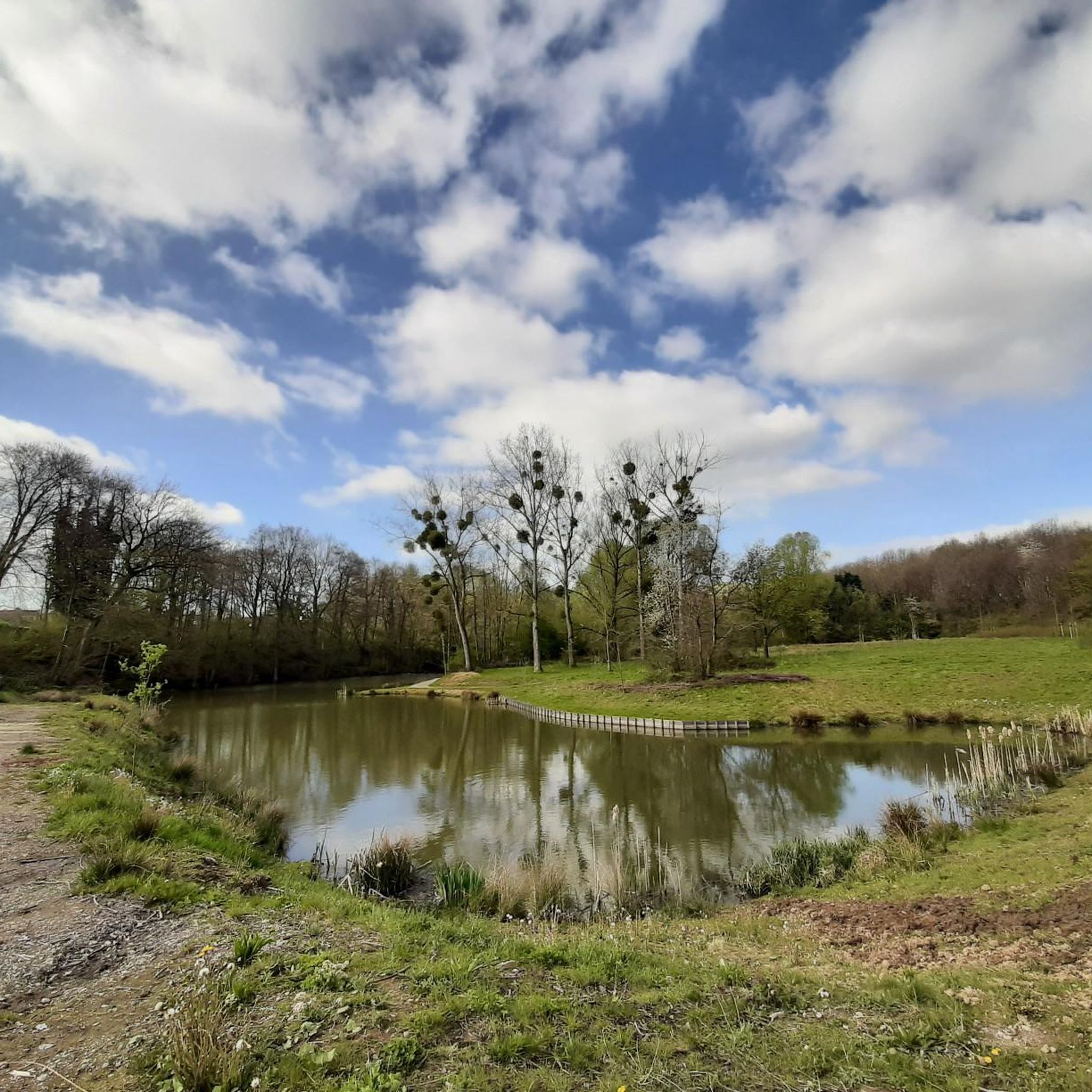
The view of Strijthagen Castle from the fishpond offers a magnificent panorama that combines nature, water, and cultural history. Strijthagen Castle is situated on a green estate in Landgraaf, surrounded by woods, parkland, and meadows, and is one of the historic country estates in South Limburg. (visitzuidlimburg.nl) The fishpond, located in the immediate vicinity of the castle, provides a haven of tranquility and a natural reflection of the historic building. From the pond, you can look out over the castle in all its grandeur, and the reflection in the water enhances the romantic effect, while the surrounding trees and open grassland provide a frame that draws the eye to the castle. The water also attracts birds and other wildlife, adding a vibrant element of experiencing nature to the view. For hikers and photographers, this is one of the most photographed spots on the estate. Many hiking trails through Gravenrode Park and the Strijthagerbeek Valley pass by the pond, making the view of the castle a natural highlight of any walk. The combination of historic architecture, soothing water and surrounding nature makes it one of the characteristic landscapes of the region.
1
0
Frequently Asked Questions
What kind of terrain and elevation can I expect on hiking trails in Kerkrade?
Kerkrade offers a varied landscape. You'll find gentle paths through green valleys like the Anstelvallei and Worm Valley, but also more challenging sections. For instance, climbing the Wilhelminaberg is described as a 'true mountain experience' and is part of the Dutch Mountain Trail. While many routes are relatively flat, some, like the Cranenweyer Beech Forest – View of Cranenweyer loop from Kerkrade Centrum, include moderate elevation changes.
Are there any family-friendly hiking routes in Kerkrade?
Yes, Kerkrade has many options suitable for families. Easy routes often feature gentle paths through natural areas and past historical sites. The View of Cranenweyer – Erenstein Castle loop from Kerkrade is an easy 4.5 km path that offers views of the Cranenweyer reservoir and passes the historic Kasteel Erenstein, making it a great choice for a family outing.
Can I bring my dog on the hiking trails in Kerkrade?
Many of Kerkrade's natural areas and hiking trails are dog-friendly, allowing you to explore with your canine companion. Areas like the Anstelvallei and Worm Valley, with their open spaces and woodlands, are popular choices for walks with dogs. Always ensure your dog is on a leash where required and respect local regulations, especially near grazing animals or protected wildlife areas.
What historical landmarks or natural features can I see while hiking in Kerkrade?
Kerkrade's trails are rich in both history and nature. You can encounter the 14th-century Kasteel Erenstein in the Anstelvallei, the ancient Rolduc Abbey with its surrounding Bosquet, and the 900-year-old Baalsbruggermolen water mill in the Worm Valley. Natural highlights include the Cranenweyer reservoir, the diverse Anstelvallei, and the Wilhelminaberg. You might also spot wildlife like kingfishers and beavers in the valleys.
Are there circular hiking routes available in Kerkrade?
Yes, many of the hiking routes in Kerkrade are designed as circular paths, allowing you to start and end at the same point. This makes planning your hike convenient. An example is the Erenstein Castle – View of Cranenweyer loop from Kerkrade, a moderate 10.2 km route that takes you through scenic landscapes around the castle and reservoir.
What is the best time of year to go hiking in Kerkrade?
Kerkrade offers pleasant hiking experiences throughout much of the year. Spring brings blooming orchards and fresh greenery to the valleys, while autumn transforms the woodlands with vibrant colors. Summer is ideal for longer days, though some trails might be busier. Even winter can be beautiful, with crisp air and potentially frosty landscapes, especially around the Cranenweyer reservoir and the Bosquet of Rolduc Abbey.
How many hiking trails are there in Kerkrade, and what are their difficulty levels?
Kerkrade boasts over 140 hiking routes. The majority are accessible, with more than 100 routes rated as easy. There are also around 40 moderate trails for those seeking a bit more challenge, and a few difficult options for experienced hikers looking for a strenuous experience, such as segments of the Dutch Mountain Trail.
What do other hikers say about the trails in Kerkrade?
The hiking trails in Kerkrade are highly regarded by the komoot community, holding an average rating of 4.4 out of 5 stars from over 1600 reviews. Hikers frequently praise the region's 'surprisingly green' character, the blend of natural beauty with historical sites, and the well-maintained paths that cater to various fitness levels.
Are there any lakes or natural reserves to explore near Kerkrade's hiking trails?
Absolutely. The most prominent is the Cranenweyer, the only reservoir in the Netherlands, located within the Anstelvallei. It's a popular spot for nature and bird lovers. Other nearby natural highlights include the Brunssummerheide Nature Reserve and the Teverener Heide Nature Reserve, both offering diverse landscapes for exploration.
Are there any cross-border hiking opportunities from Kerkrade?
Yes, Kerkrade's location near the German border means you can enjoy cross-border hikes. The Worm Valley, for instance, is shared with Germany, offering trails that allow you to experience the landscape in both countries. This provides a unique opportunity to explore diverse natural and cultural settings within a single hike.
Where can I find parking or access trails via public transport in Kerkrade?
Many popular trailheads in Kerkrade offer parking facilities, especially near major attractions like Kasteel Erenstein or Rolduc Abbey. For public transport, Kerkrade Centrum serves as a good starting point for several routes, such as the Cranenweyer Beech Forest – View of Cranenweyer loop from Kerkrade Centrum. It's advisable to check local transport schedules for specific trail access points.
Are there any trails that feature water mills or unique historical sites?
Yes, the Worm Valley is home to the historic Baalsbruggermolen, a 900-year-old water mill that was once part of Rolduc Abbey. You can incorporate this historical point of interest into your hike, for example, on routes like the Wurm Railway and Footbridge – Wurm Bridge loop from Kerkrade, which explores the Worm Valley.
Most popular attractions around Kerkrade

Get inspired with the komoot mobile app


Explore more
Browse the best Hikes in other regions.
