The best running trails around Landgraaf
4.5
(28)
1,053
runners
67
runs
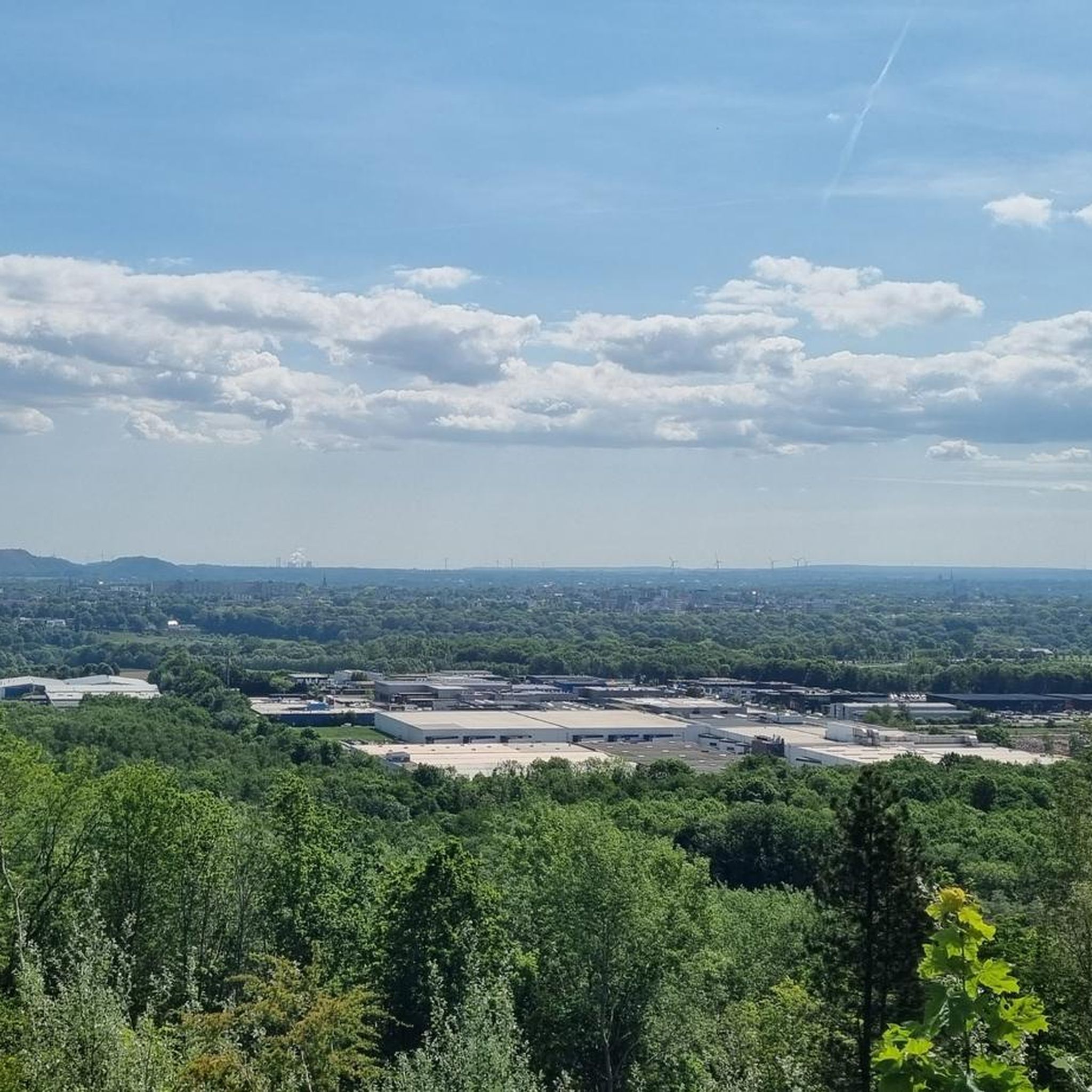
Jogging around Landgraaf offers varied terrain with distinctive rolling hills and lush forests, a contrast to the generally flat Dutch landscape. The region features natural attractions like the expansive Brunssummerheide and the scenic Strijthagerbeek Valley. Elevated points such as the Wilhelminaberg, a former mining site, provide unique routes and viewpoints for runners. These natural features create a diverse environment for outdoor activities.
Best jogging routes around Landgraaf
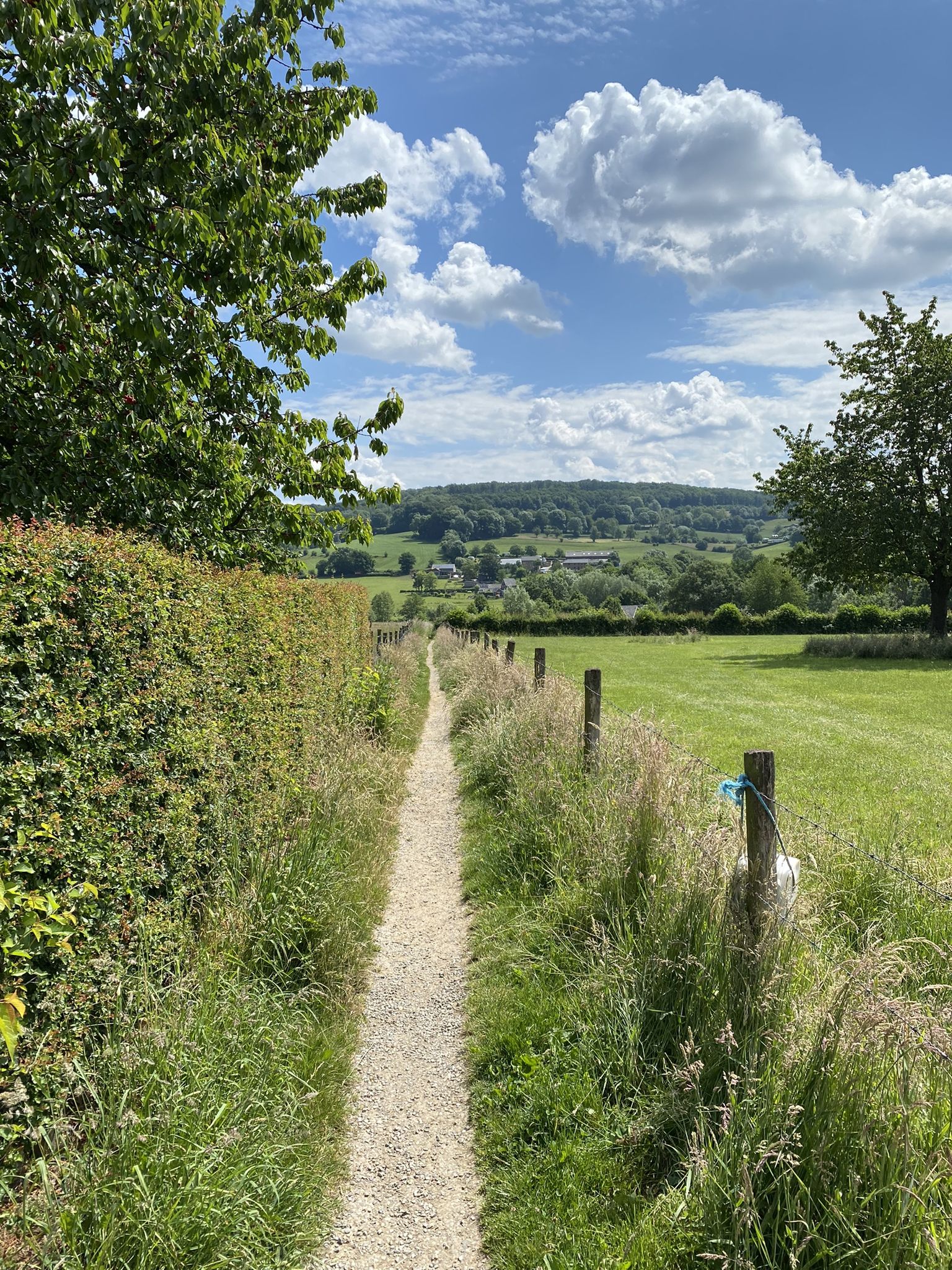
- The most popular jogging route is Forest paths, streams and the Brunssummerheide –…
Last updated: October 8, 2026
4.3
(3)
17
runners
12.2km
01:23
110m
110m
Moderate run. Good fitness required. Mostly paved surfaces. Suitable for all skill levels.
4.5
(4)
163
runners
10.9km
01:22
190m
190m
Hard run. Good fitness required. Sure-footedness, sturdy shoes and alpine experience required.

42
runners
14.3km
01:32
90m
90m
Moderate run. Good fitness required. Mostly paved surfaces. Suitable for all skill levels.
39
runners
4.99km
00:31
20m
20m
Easy run. Great for any fitness level. Mostly paved surfaces. Suitable for all skill levels.
4.0
(1)
81
runners
Hard run. Very good fitness required. Mostly paved surfaces. Suitable for all skill levels.
Get access to more routes and recommendations from other explorers.
Already have an account?
Our route recommendations are based on thousands of hikes, rides, and runs completed by other people on komoot.
Start today with a free account
Your next adventure awaits.
Other adventures around Landgraaf

Tips from the Community

The old freight trains at the Limburg mines form an almost forgotten but essential part of the mining history in South Limburg. They were once the backbone of transport around the coal industry and played a crucial role in how the region functioned economically. Without these trains, the enormous production of coal from the mines simply could not have been efficiently processed and distributed. From the beginning of the twentieth century, with the rise of state mines such as Staatsmijn Wilhelmina, but also other mines in Heerlen and Kerkrade, an extensive industrial network of railway lines emerged. These lines were specially built to transport coal from the mine shafts to transshipment points, factories, and further into the country. These were not ordinary passenger trains, but heavy freight trains that ran day and night, often loaded with dozens of wagons full of coal. The wagons themselves were robust and functional, usually open-top wagons into which the coal was directly dumped. They were pulled by powerful locomotives, initially steam locomotives and later also diesel locomotives. The image of smoking locomotives slowly traversing the Limburg landscape, often blackened by coal dust, was very common at the time. The rails not only led to major railway lines but also ran right through the mine sites themselves, along loading facilities, coal piles, and sorting stations. A significant hub in this network was the marshalling yard at the mine itself. Here, the wagons were filled via installations that brought the coal up from the mine and then sorted it. Complete trains were then assembled, departing towards industrial areas, ports, or power plants. Connections, especially towards the Ruhr area in Germany and to ports such as Rotterdam, were of great importance. What makes these freight trains special is that they were completely interwoven with daily life. In many mining regions, the sound of moving wagons, squealing brakes, and the clatter of steel on steel was constantly heard. Railway lines cut through villages and industrial areas, and for many miners, these trains were as recognizable as the mine shafts themselves. They literally symbolized the flow of energy that was extracted from the ground and went out into the world. After the closure of the mines, which began in the 1960s and ended around 1974, this entire system disappeared surprisingly quickly. The demand for Limburg coal decreased due to the rise of natural gas and cheaper imports, and with it, the need for the extensive railway network also vanished. Many rails were dismantled, marshalling yards demolished, and locomotives sold or scrapped. What was once an intensively used industrial network was largely wiped out within a few years.
0
0

An oasis of peace and quiet in the middle of the rather densely built-up former mining area around Heerlen
1
0
The castle dates back to the late Middle Ages. It was built in the 13th century on the site of an older moated castle belonging to the Strithagin family, later known as Strijthagen, and was repeatedly modified and expanded in the centuries that followed. In the 17th and 18th centuries, the building acquired its current Baroque appearance, with a mansard roof and the classical structure we know today. Over the years, the castle, like many other monuments in the region, suffered damage from mining, but thanks to several restorations, it has largely been preserved. The complex consists of a manor house, a 17th-century outer bailey, and L- or U-shaped outbuildings. It is situated on an artificially raised plateau directly on the Strijthagerbeek stream. The buildings are nestled among ponds and green banks in the heart of the parkland. The site is a designated national monument for its cultural-historical value and provides a good overview of the development of a country estate in South Limburg. For several years now, the castle has been part of Artland, an international art center. The complex hosts exhibitions, workshops, music and art activities, and a gallery featuring contemporary and classical art. Surrounding the castle is an artistic pond park with sculptures, making it a perfect complement to a walk through the Strijthagerbeekdal or Gravenrode Park. Over the centuries, the castle has seen a variety of residents, from local nobility to wealthy investors and artists. It fell into disrepair for a time in the 20th century but was subsequently restored. Since 2015, a family of artists has formed the core of the current residents, who live there, work, and exhibit. Life-size sculptures by sculptor Alexander Taratynov are displayed around the ponds surrounding the castle.
2
0
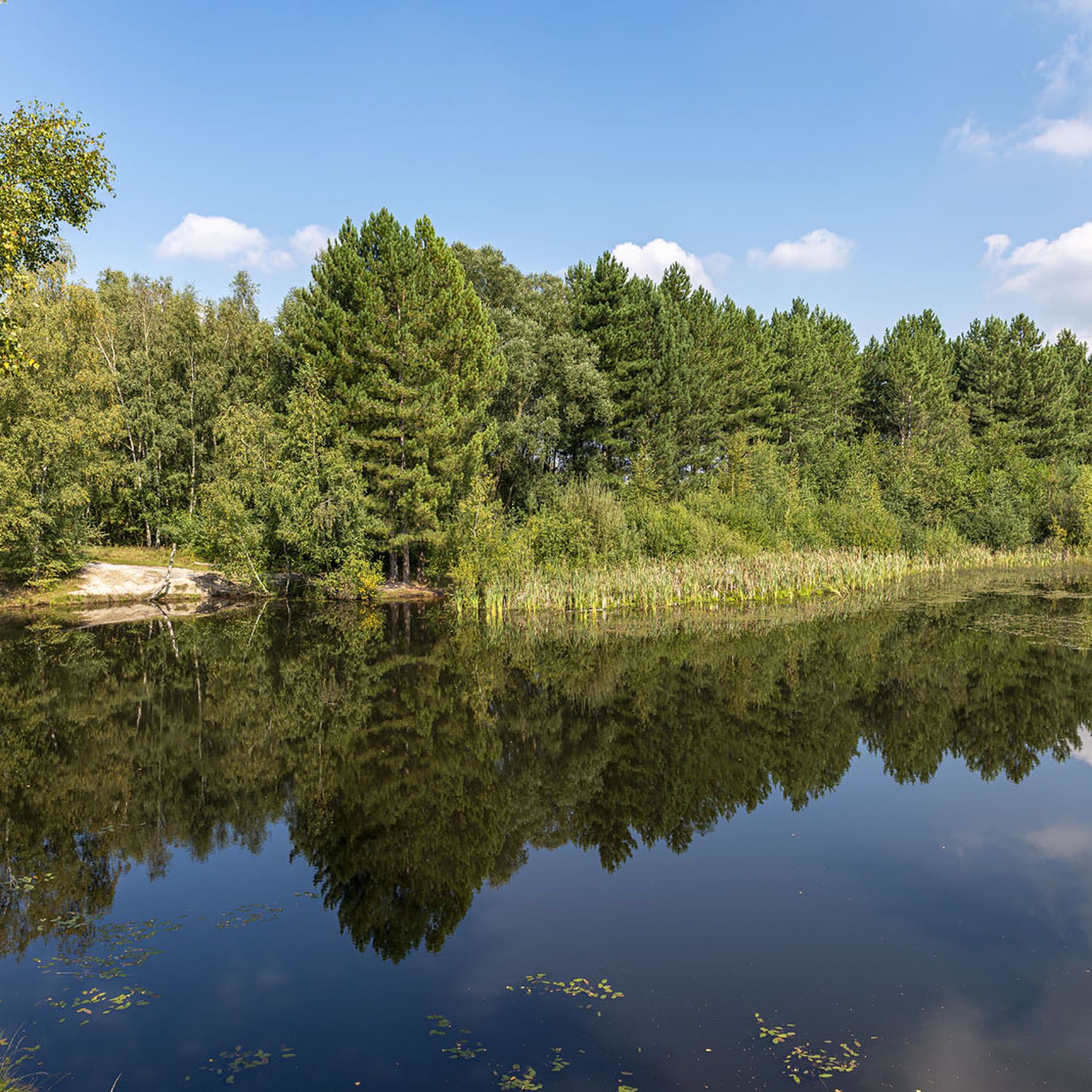
The view of Strijthagen Castle from the fishpond offers a magnificent panorama that combines nature, water, and cultural history. Strijthagen Castle is situated on a green estate in Landgraaf, surrounded by woods, parkland, and meadows, and is one of the historic country estates in South Limburg. (visitzuidlimburg.nl) The fishpond, located in the immediate vicinity of the castle, provides a haven of tranquility and a natural reflection of the historic building. From the pond, you can look out over the castle in all its grandeur, and the reflection in the water enhances the romantic effect, while the surrounding trees and open grassland provide a frame that draws the eye to the castle. The water also attracts birds and other wildlife, adding a vibrant element of experiencing nature to the view. For hikers and photographers, this is one of the most photographed spots on the estate. Many hiking trails through Gravenrode Park and the Strijthagerbeek Valley pass by the pond, making the view of the castle a natural highlight of any walk. The combination of historic architecture, soothing water and surrounding nature makes it one of the characteristic landscapes of the region.
1
0

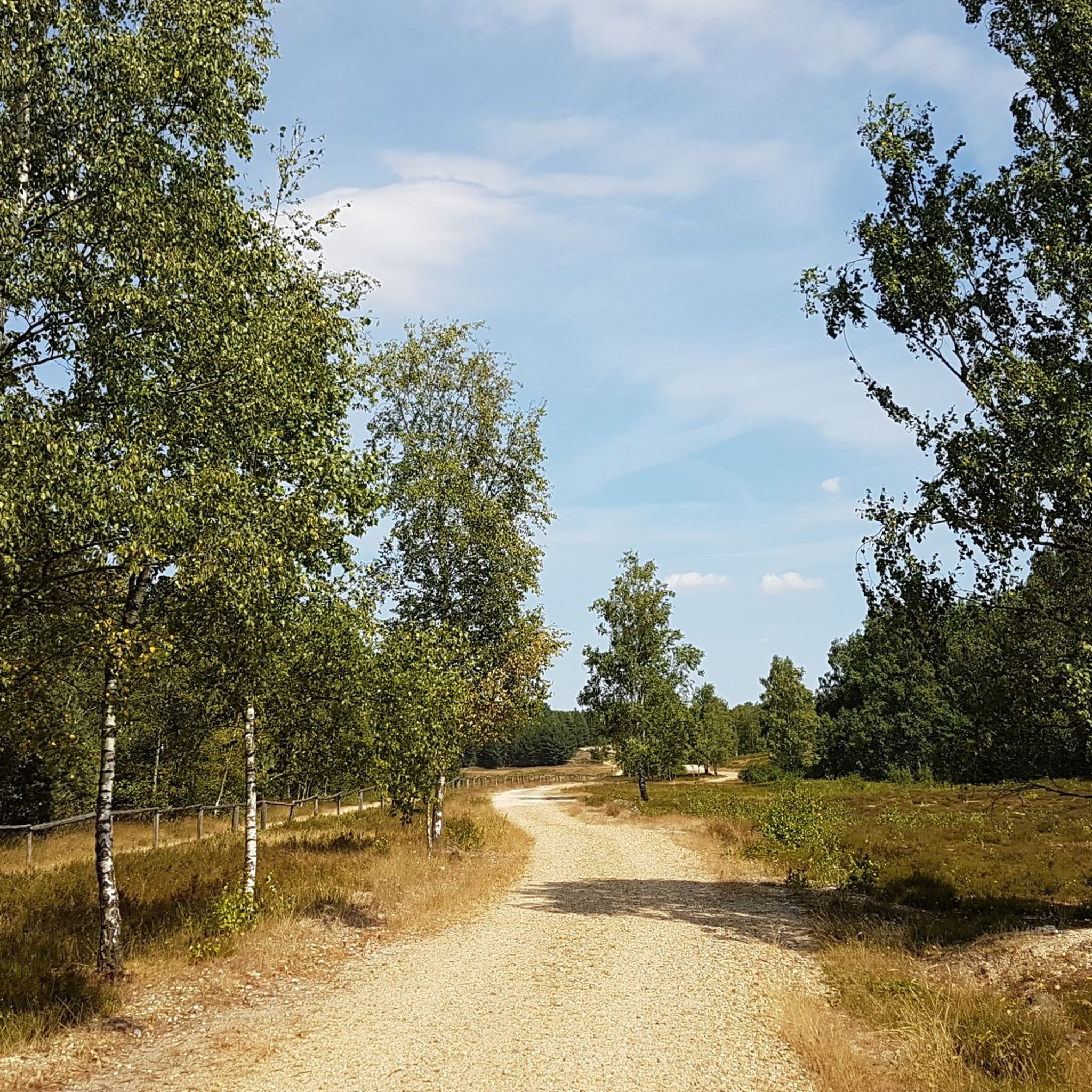
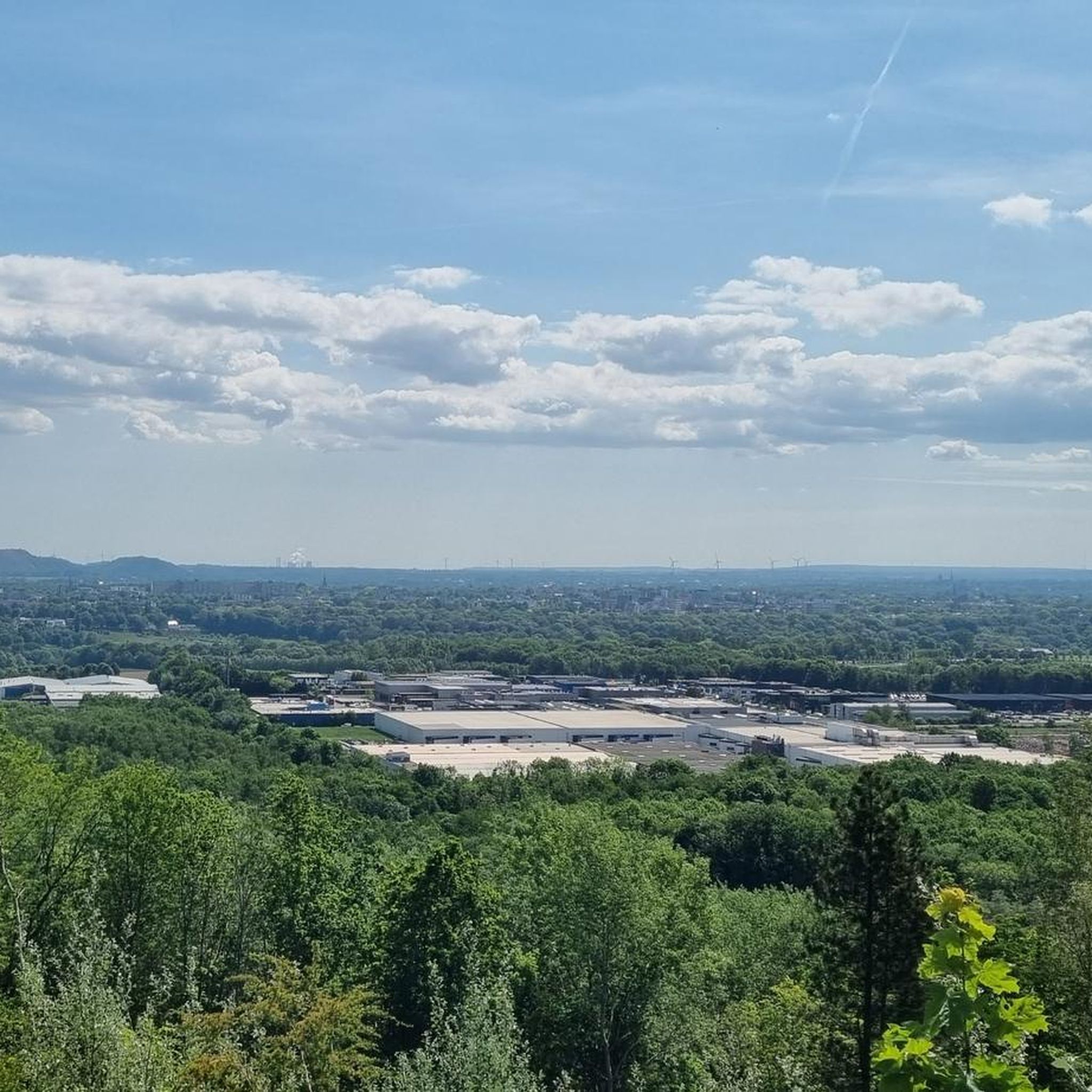
Lots of large heathlands and lots of hills to climb or descend
1
0
Rimburg's water tower rises majestically above the verdant Worm Valley, a recognizable silhouette from afar in the South Limburg landscape. This historic tower commemorates the importance of water extraction and distribution at a time when the region was rapidly developing, but today it serves primarily as an atmospheric landmark for hikers and cyclists. Around the tower unfolds a tranquil backdrop of rolling meadows, flower-filled roadsides, and forest edges that gently slope into the German border region. The contrast between the robust architecture and the surrounding nature creates a particularly photogenic scene, especially when the light falls low across the landscape.
0
0
The Rimburg Water Tower rises majestically above the rolling landscape of South Limburg and has been a recognizable landmark for hikers and cyclists in the region for many years. Situated near the historic village of Rimburg and the Worm Valley, this tower tells the story of a time when water supply and technology went hand in hand with the growth of the surrounding municipalities. Its robust construction and characteristic shape give the tower an almost timeless appearance. From the surrounding area, a beautiful panorama unfolds over fields, meadows, and forest edges, with the water tower standing silently watch over the landscape. Especially in clear weather and soft evening light, the entire structure takes on a photogenic charm. The location is not only interesting from a historical and architectural perspective but also as a resting point during a trip through the border region between the Netherlands and Germany. The combination of heritage and nature makes the Rimburg Water Tower a place where technology, history, and landscape converge harmoniously. 🌿🏗️
0
0

Art is known to be in the eye of the beholder
5
0
Frequently Asked Questions
Are there easy running routes in Landgraaf suitable for beginners?
Yes, Landgraaf offers several easy running routes perfect for beginners or those looking for a more relaxed pace. While many routes feature the region's characteristic rolling hills, there are options with less elevation. Overall, there are 6 easy routes available, providing gentle paths through nature. For example, the Rimburg Water Tower loop from Landgraaf is a moderate 5 km route with minimal elevation gain, offering a pleasant run.
What are some challenging running trails in Landgraaf?
For runners seeking a challenge, Landgraaf's unique topography, including the Wilhelminaberg, provides excellent opportunities. Routes like the Wilhelminaberg Staircase – Strijthagerbeek loop from Kasteel Strijthagen, a difficult 11.3 km path, incorporate significant elevation gain and the famous open-air stairway. Another demanding option is the Strijthagerbeek – Wilhelminaberg Summit View loop from Kasteel Strijthagen, an 17.9 km trail with substantial climbs, often completed in about 2 hours 10 minutes.
How many running routes are available in Landgraaf?
Landgraaf boasts a comprehensive network of over 70 running routes. These trails cater to various fitness levels, ranging from easy paths to more challenging routes with significant elevation changes, ensuring there's something for every runner.
What do other runners say about the jogging routes in Landgraaf?
The running routes in Landgraaf are highly rated by the komoot community, with an impressive average score of 4.3 stars from over 20 reviews. Runners often praise the varied terrain, from lush forests and rolling hills to expansive heathland, and appreciate the well-maintained paths that offer both scenic beauty and a good workout.
Are there scenic running routes with natural beauty in Landgraaf?
Absolutely! Landgraaf is renowned for its picturesque landscapes. Many routes traverse the beautiful Strijthagerbeek Valley, known for its diverse flora and fauna, and the expansive Brunssummerheide. You can also enjoy runs around the Roode Beek Pond and Sandy Beach, offering a serene natural setting.
Can I find running routes that are circular?
Yes, many of the running routes in Landgraaf are designed as circular loops, offering convenient starting and ending points. For instance, the Strijthagerbeek – Kasteel Strijthagen loop from Landgraaf is a moderate 14 km circular route that takes you through the scenic Strijthagerbeek Valley and past historic Kasteel Strijthagen.
Are there any long-distance running options in Landgraaf?
For those looking to cover more ground, Landgraaf offers several longer running routes. The Strijthagerbeek – Wilhelminaberg Summit View loop from Kasteel Strijthagen, at 17.9 km, is a challenging option that provides an extended run through varied terrain. You can also combine shorter loops to create your own long-distance training runs.
What natural attractions can I see along the running routes?
Landgraaf's running routes are rich with natural attractions. You can explore the diverse landscapes of the Brunssummerheide Nature Reserve, run alongside the tranquil Strijthagerbeek, or discover the Roode Beek Pond and Sandy Beach. The region's rolling hills and extensive forests provide a constantly changing and beautiful backdrop for your run.
Are the running trails in Landgraaf dog-friendly?
Many natural areas and trails in Landgraaf, including parts of the Brunssummerheide and the Strijthagerbeek Valley, are generally dog-friendly. However, it's always recommended to keep dogs on a leash, especially in nature reserves, to protect wildlife and ensure a pleasant experience for all users. Always check local signage for specific rules regarding dogs on trails.
Are there family-friendly jogging routes in Landgraaf?
Yes, Landgraaf offers routes suitable for families, particularly those looking for easier, less strenuous paths. The region's parks and less challenging trails provide a great environment for a family jog or walk. Look for routes with lower difficulty ratings and shorter distances, which often pass through pleasant, accessible natural areas.
What is the best time of year to go jogging in Landgraaf?
Landgraaf offers enjoyable jogging experiences throughout the year. Spring and autumn provide pleasant temperatures and beautiful scenery with blooming flowers or vibrant fall foliage. Summer is also great, especially in the shaded forest areas. Even in winter, the rolling hills and forests can be stunning, though some paths might be muddy or require appropriate footwear.
Are there running routes accessible by public transport in Landgraaf?
Landgraaf has good public transport connections, and many routes are accessible from various points within the town or nearby villages. While specific public transport access points for each route vary, you can often reach trailheads by bus or train, especially those starting near urban centers or popular attractions like Kasteel Strijthagen.
Can I find running routes with parking available?
Yes, most popular running routes and natural areas in Landgraaf offer convenient parking options. Areas around attractions like Kasteel Strijthagen, the Wilhelminaberg, and entrances to nature reserves such as the Brunssummerheide typically have designated parking facilities, making it easy to start your run.
Most popular attractions around Landgraaf

Get inspired with the komoot mobile app


Explore more
Browse the best Running Trails & Routes in other regions.
