Top 17 Gorges around Margraten
Canyons around Margraten are characterized by unique geological formations known as "holle wegen" (sunken lanes) and "kloven" (gorges or ravines). These features result from centuries of erosion by water and continuous use, carving deep paths into the landscape of South Limburg. They offer a blend of natural beauty, ecological significance, and historical charm. The region's undulating landscape, part of the "Heuvelland," is traversed by numerous such formations.
Best canyons around Margraten
- The most popular canyons is Marl Cliff along the…
Last updated: August 11, 2026
Marl Cliff along the Geul
Highlight • Gorge
Translated by Google •
Tip by

Mine entrance and Geul sinkhole — Plombières Nature Reserve
Highlight • Cave
Translated by Google •
Tip by

Sign up now to discover places like this
Get recommendations on the best single tracks, peaks, & plenty of other exciting outdoor places.
Sign up for free
Savelsbos Gravel Pit
Highlight • Natural Monument
Translated by Google •
Tip by

Blom Quarry
Highlight • Gorge
Translated by Google •
Tip by
Thier des Vignes Flint Caves
Highlight • Cave
Source: mini-ardenne.be/poi.card.php?id=6036&language=fr
Translated by Google •
Tip by

Sign up for free to discover even more gorges around Margraten.
Sign up for free
Already have an account?
Start today with a free account
Your next adventure awaits.
Login or Signup
Popular around Margraten
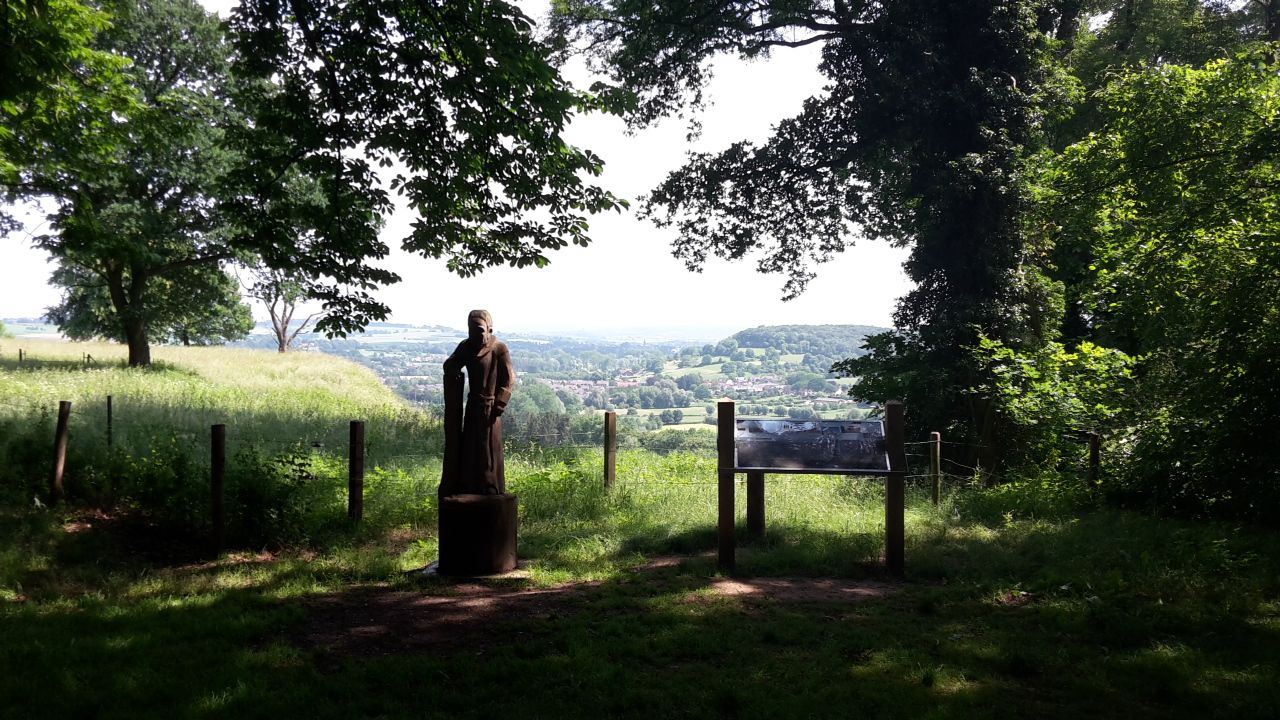
Via Coriovallum – a pilgrimage in the Dutch region of South Limburg
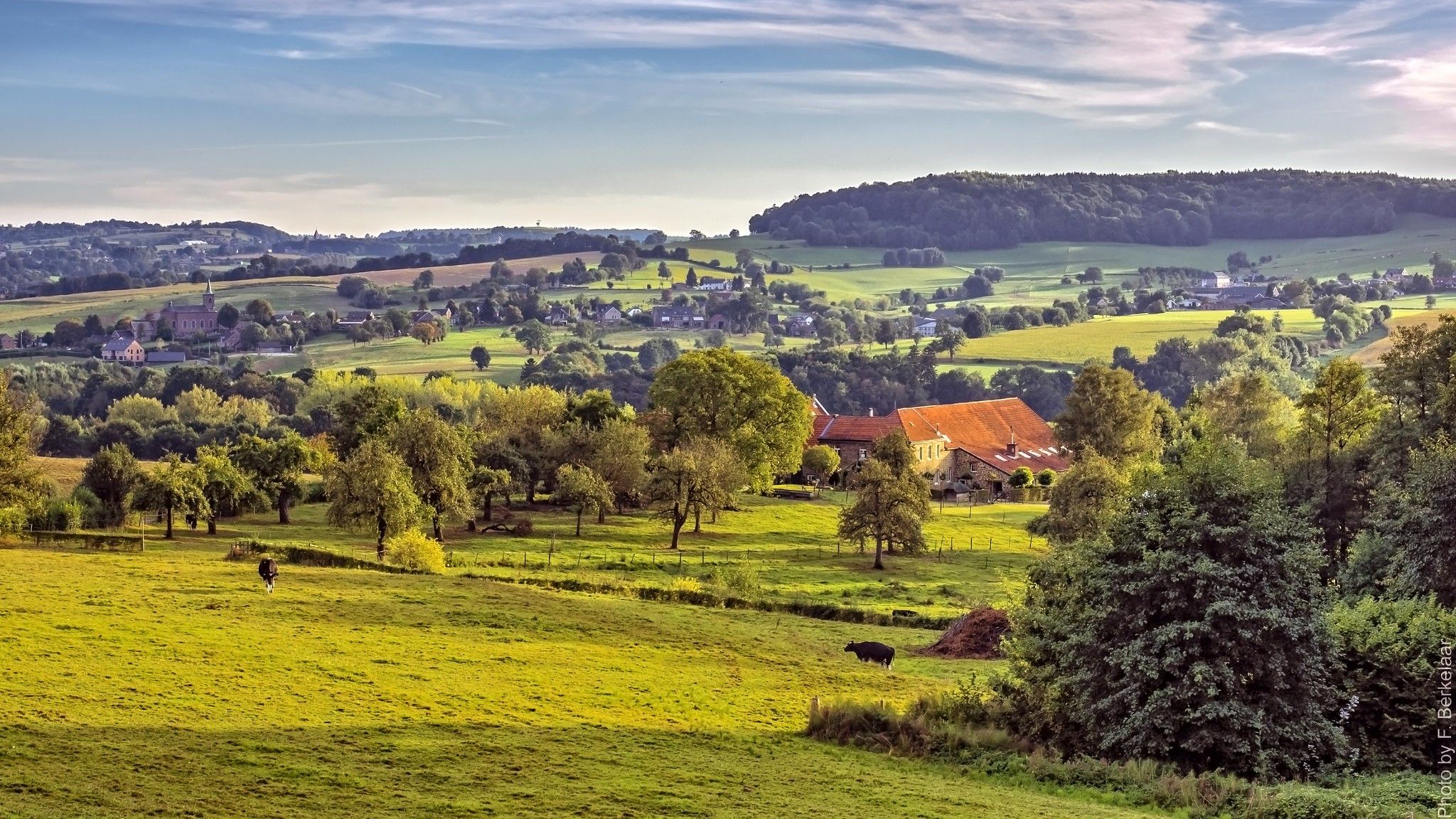
Pilgrim's Way part 2 — s-Hertogenbosch to Maastricht
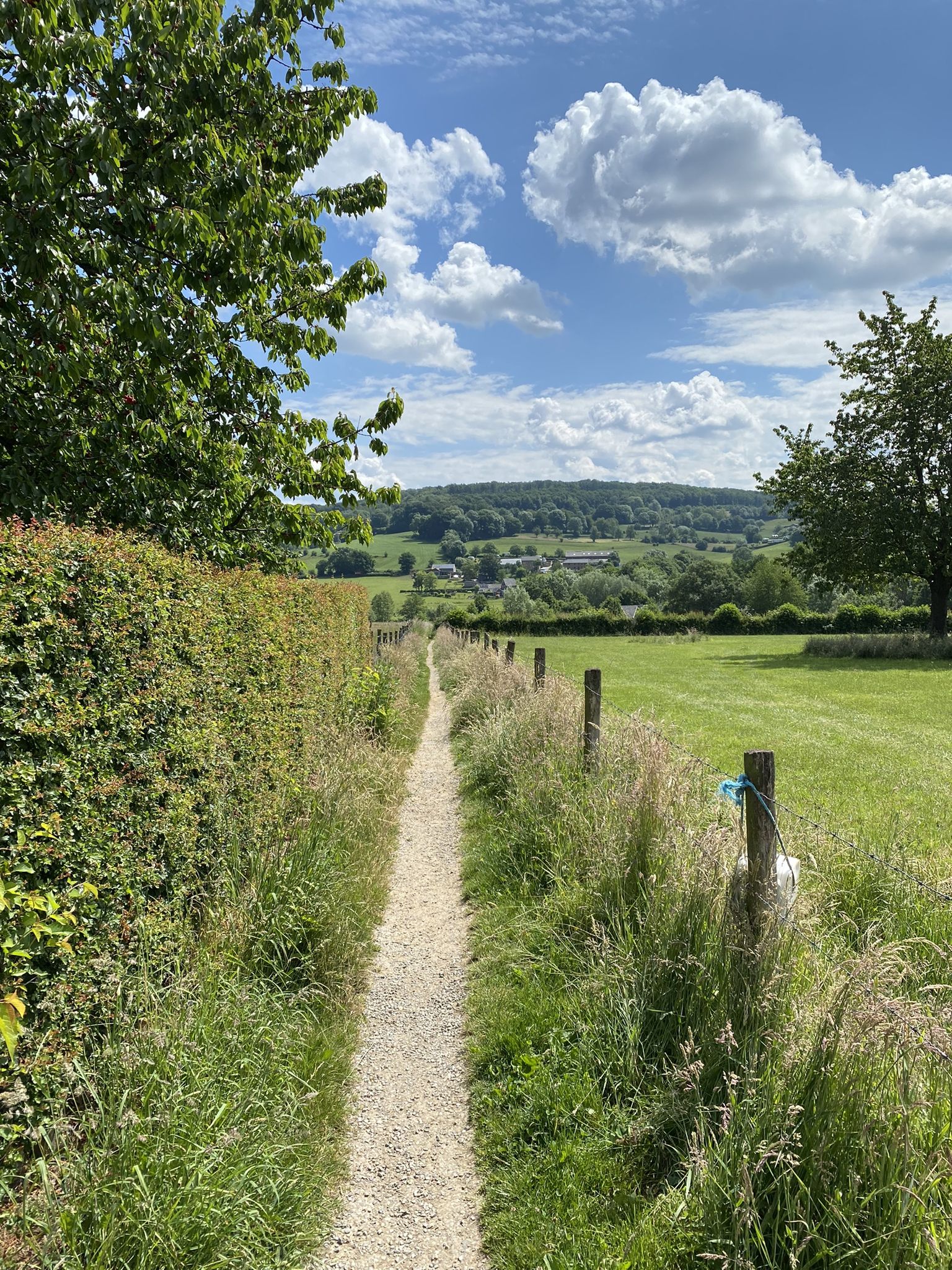
Train your calves in the rolling hills - 10 trailruns in Limburg
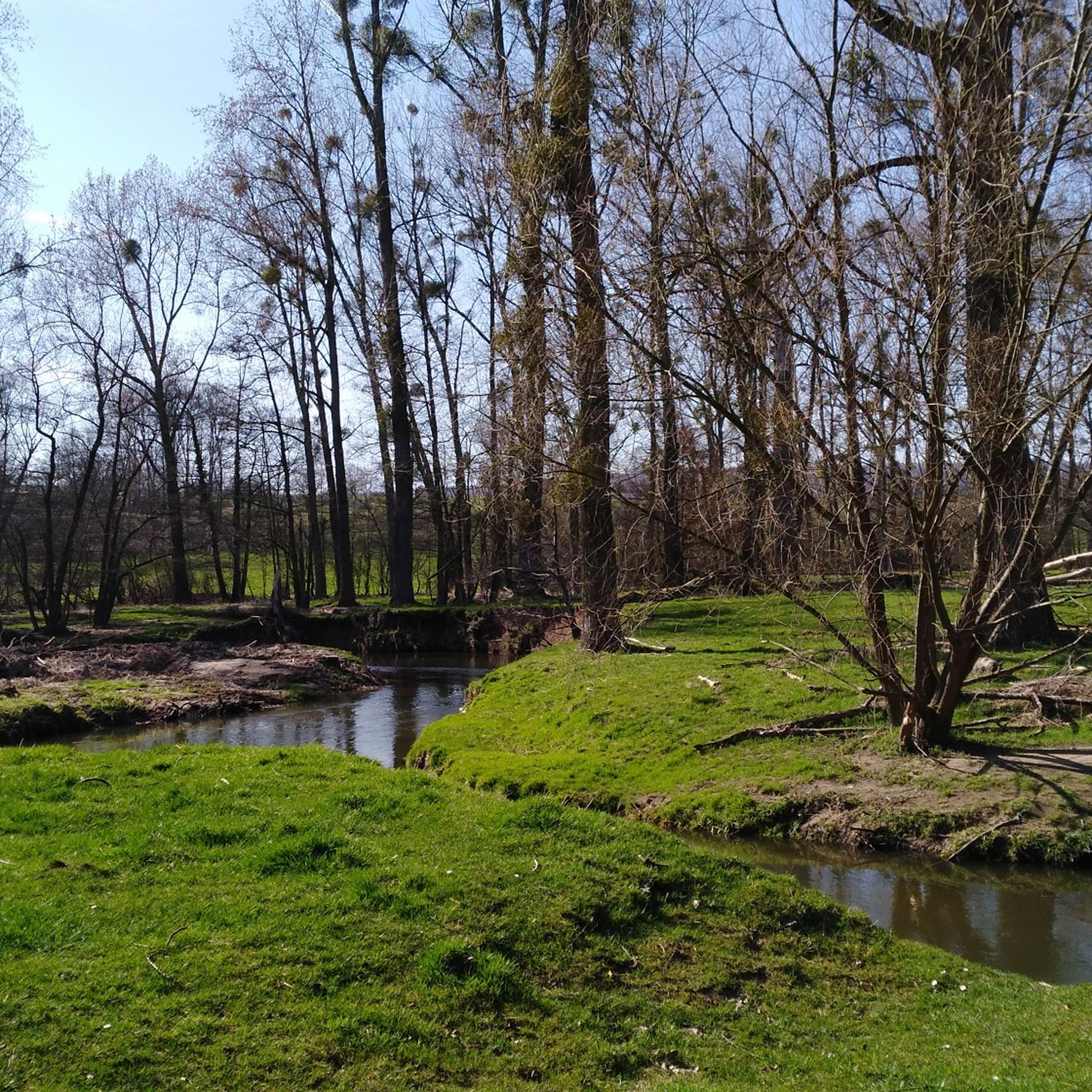
Hiking around Margraten
Cycling around Margraten
MTB Trails around Margraten
Road Cycling Routes around Margraten
Running Trails around Margraten
Gravel biking around Margraten
Mountain Hikes around Margraten
Other adventures around Margraten


Tips from the Community

Along the road is the entrance to quarry Blom, as a hiker you have to go through the flap gate to enter the area
0
0

Along the rippling Geul River, an impressive marlstone wall rises, a silent witness to Limburg's underground landscape. These calcareous rocks were used for centuries for construction and crafts and now offer a fascinating sight for hikers and nature lovers. The wall forms a natural boundary along the water and, in some places, harbors small caves and niches where flora and fauna have found a home. The contrast of the white marl against the green foliage and the glistening water of the Geul makes this a particularly photogenic and tranquil spot during your walk.
0
0

There are old flint quarries in this area: the “Carrières de silex du Thier des Vignes”.
1
0

Beautiful part of the walk along the Geul
0
0
A mysterious flint cave on the edge of the Albert Canal, near the locks at Klein Ternaaien. You reach the entrance via a steep path through the woods. The caves are dark, cool, and full of atmosphere—perfect for those who love hidden natural spaces. Bring a flashlight and good walking shoes!
2
0

In the mid-19th century, flooding from the Göhl River posed a major threat to the mine in Bleyberg/Plombières: Water repeatedly penetrated the tunnels and claimed lives. To prevent this, a diversion of part of the river was requested and approved in 1861. By 1862, a tunnel several hundred meters long was built beneath the rock, keeping the Göhl away from the mine. The construction cost approximately 200,000 francs. The tunnel is a technical monument to mining engineering from an era when hazards were deliberately controlled while simultaneously harnessing hydropower. It demonstrates how work-related accidents were prevented while simultaneously harnessing resources.
54
0

When the path that has been running between slopes and sloping forest on one side and the Geul on the other side suddenly starts to rise a bit, you know what is coming: part of the marl crops out and offers you a glimpse of what you can discover if you take one of the paths away from the Geul: quarries and marl.
6
0

Impressive, you can see some caves.
1
0
Frequently Asked Questions
What are the unique geological features found in the Margraten area?
The Margraten area is known for its distinctive geological formations, primarily "holle wegen" (sunken lanes) and "kloven" (gorges or ravines). These features, along with former quarries, are a result of centuries of erosion and human activity, carving deep paths into the landscape. They offer a blend of natural beauty, ecological significance, and historical charm, contributing to the region's undulating "Heuvelland" character.
Are there family-friendly natural sites to visit near Margraten?
Yes, several natural sites around Margraten are suitable for families. For instance, the Trichterberggroeve Limestone Quarry is designated as family-friendly and offers an interesting historical and geological experience with its steep limestone walls and small corridor remains. Exploring the "holle wegen" (sunken lanes) also provides an engaging and accessible outdoor activity for families.
What kind of historical sites or features can I explore in the canyons around Margraten?
The canyons and natural formations around Margraten are rich in history. You can explore sites like the Trichterberggroeve Limestone Quarry, a geological monument with a history dating back to the 19th century. The Thier des Vignes Flint Caves feature 13 cave entrances along the path, where chalk and very old flints were mined. The "holle wegen" themselves are ancient paths, offering a tangible connection to centuries of local history and transport.
What are some popular hiking trails that explore the canyons and sunken lanes near Margraten?
The region offers numerous hiking opportunities to explore its unique landscape. For example, the Marl Cliff along the Geul offers a beautiful path between marl walls and the Geul river. The Savelsbos area, which includes the Savelsbos Gravel Pit, is known for its varied terrain and elevation changes, making for interesting hikes. Many routes around Margraten specifically feature the picturesque "holle wegen" and offer beautiful views of the South Limburg hills. You can find more options in the Hiking around Margraten guide.
What is the best time of year to visit the canyons and "holle wegen" in Margraten?
The "holle wegen" and "kloven" of Margraten can be enjoyed year-round. Spring and summer offer lush greenery and vibrant flora, while autumn brings beautiful fall colors. Even in winter, the unique geological formations and quiet paths provide a serene experience. The sheltered microclimates within the sunken lanes can offer a pleasant escape from strong winds or intense sun.
Are there any specific viewpoints or scenic spots within the canyons around Margraten?
Yes, the undulating landscape of Margraten, often referred to as the "Tuscany of the Netherlands," provides many scenic spots. The Marl Cliff along the Geul offers picturesque views of the river and marl formations. Areas around the Trichterberggroeve Limestone Quarry also provide interesting perspectives of the steep rock faces. Many hiking routes through the "holle wegen" open up to panoramic views of the South Limburg hills.
What outdoor activities, besides hiking, can I do near the canyons in Margraten?
Beyond hiking, the Margraten area offers various outdoor activities. You can find excellent running trails that explore the rolling forests and quarries. The region is also popular for cycling, with routes that take you through picturesque villages and offer challenging climbs and descents through the hilly landscape.
Can I bring my dog on walks through the canyons and sunken lanes?
Generally, dogs are welcome on trails and in natural areas around Margraten, including the "holle wegen" and "kloven." However, it's always advisable to keep dogs on a leash, especially in nature reserves, to protect local wildlife and ensure the safety and comfort of other visitors. Some areas, like the Blom Quarry, are nature reserves where specific rules might apply, so check local signage.
Are there options for beginner hikers in the Margraten canyons?
Yes, many of the "holle wegen" and paths through the smaller gorges are suitable for beginner hikers. While some areas like the Savelsbos can have significant elevation changes, there are also numerous flatter or gently undulating routes that allow for an enjoyable and less strenuous experience. Look for trails described as easy or moderate, which are plentiful in the region.
What makes the "holle wegen" (sunken lanes) in Margraten unique?
The "holle wegen" are unique because they are ancient paths deeply carved into the landscape by centuries of erosion and continuous use by humans and livestock. Characterized by high earthen banks often overgrown with dense vegetation, they create a 'green tunnel' effect. This environment fosters a specific microclimate, supporting rich biodiversity including various plants and providing habitats for animals like bats and badgers. They are a living testament to the region's history and geology.
What kind of flora and fauna can I expect to see in the canyons and sunken lanes?
The unique microclimates of the "holle wegen" and "kloven" support a rich biodiversity. You can expect to see various herbs and plants, some specific to these sheltered environments. These areas also provide habitats for animals such as bats and badgers. The soil, typically consisting of loess, sandy loam, and limestone, contributes to the distinct ecological communities found here. The Blom Quarry, for example, has been transformed into a diverse nature reserve with many unique plant and animal species.
Are there any circular walks that explore the canyons around Margraten?
Yes, the network of paths and trails around Margraten offers many opportunities for circular walks that incorporate the "holle wegen" and "kloven." These routes allow you to experience the diverse landscapes, from deep sunken lanes to panoramic viewpoints, often passing through picturesque villages. Many local hiking guides and apps, including komoot, feature circular routes designed to showcase the best of the region's natural beauty.
Most popular routes around Margraten
Most popular attractions around Margraten

Get inspired with the komoot mobile app


Explore more
Already discovered everything in this region? See additional gorges around Margraten for your next adventure:
