Attractions and Places To See around Mook En Middelaar - Top 20
Best attractions and places to see around Mook En Middelaar include a diverse range of natural beauty, history, and culture. This municipality in northern Limburg, Netherlands, is characterized by its hilly landscape, formed during the last ice age, and its strategic location along the Maas river. The area features extensive forests, heathlands, and waterways, offering opportunities for outdoor activities. Historical sites, including Roman remains and medieval fortifications, also contribute to the region's appeal.
Best attractions and places to see around Mook En Middelaar
- The most popular attractions is Duivelsberg (Devil's Hill), a natural monument that offers beautiful views and diverse nature. It is known for its changing scenery throughout the seasons and opportunities to find sweet chestnuts in autumn.
- Another must-see spot is Sunken Path in the Forest, a trail that adds a unique charm to hikes. This path through the forest is appreciated by visitors for its distinctive character.
- Visitors also love Motte Mergelp on the Duivelsberg, a historical site located on the 75.9-meter high Duivelsberg. It marks the strategic location of an 11th-century wooden castle and offers panoramic views of the surrounding wooded areas and floodplains.
- Mook En Middelaar is known for its historical sites, natural features, and recreational areas. The region offers a variety of landmarks, viewpoints, and natural features to explore.
- The attractions around Mook En Middelaar are appreciated by the komoot community, with more than 1600 upvotes and over 340 photos shared by visitors.
Last updated: August 2, 2026
Motte Mergelp on the Duivelsberg
Highlight • Historical Site
There are many stories about the history of De Duivelsberg. For example, in the 11th century it was the strategic location of a motte (wooden) castle called Mergelp. From the first motte on the edge of De Duivelsberg it was easy to keep an eye on the surroundings.
In addition, the hill has a sacred meaning for many and is still used for ceremonies. There are also stories that women who were accused of being witches, were drowned and bandaged in this place.
This area originally belonged to Germany and was called Wylerberg or Teufelsberg, but was annexed after the Second World War. Unlike the other areas, the Duivelsberg was not returned, but it is still Dutch land property.
Translated by Google •
Tip by

Gennep Market Square and Historic Town Hall
Highlight • Historical Site
Translated by Google •
Tip by

Sign up now to discover places like this
Get recommendations on the best single tracks, peaks, & plenty of other exciting outdoor places.
Sign up for free
Sunken Path in the Forest
Highlight • Trail
Translated by Google •
Tip by

Draisine Cycle Path Nijmegen–Kleve Border Crossing
Highlight • Cycleway
Along the draisine route...you can really get up to speed...
Translated by Google •
Tip by

Duivelsberg (Devil's Hill)
Highlight • Natural Monument
Translated by Google •
Tip by

Sign up for free to discover even more attractions around Mook En Middelaar.
Sign up for free
Already have an account?
Start today with a free account
Your next adventure awaits.
Login or Signup
Popular around Mook En Middelaar
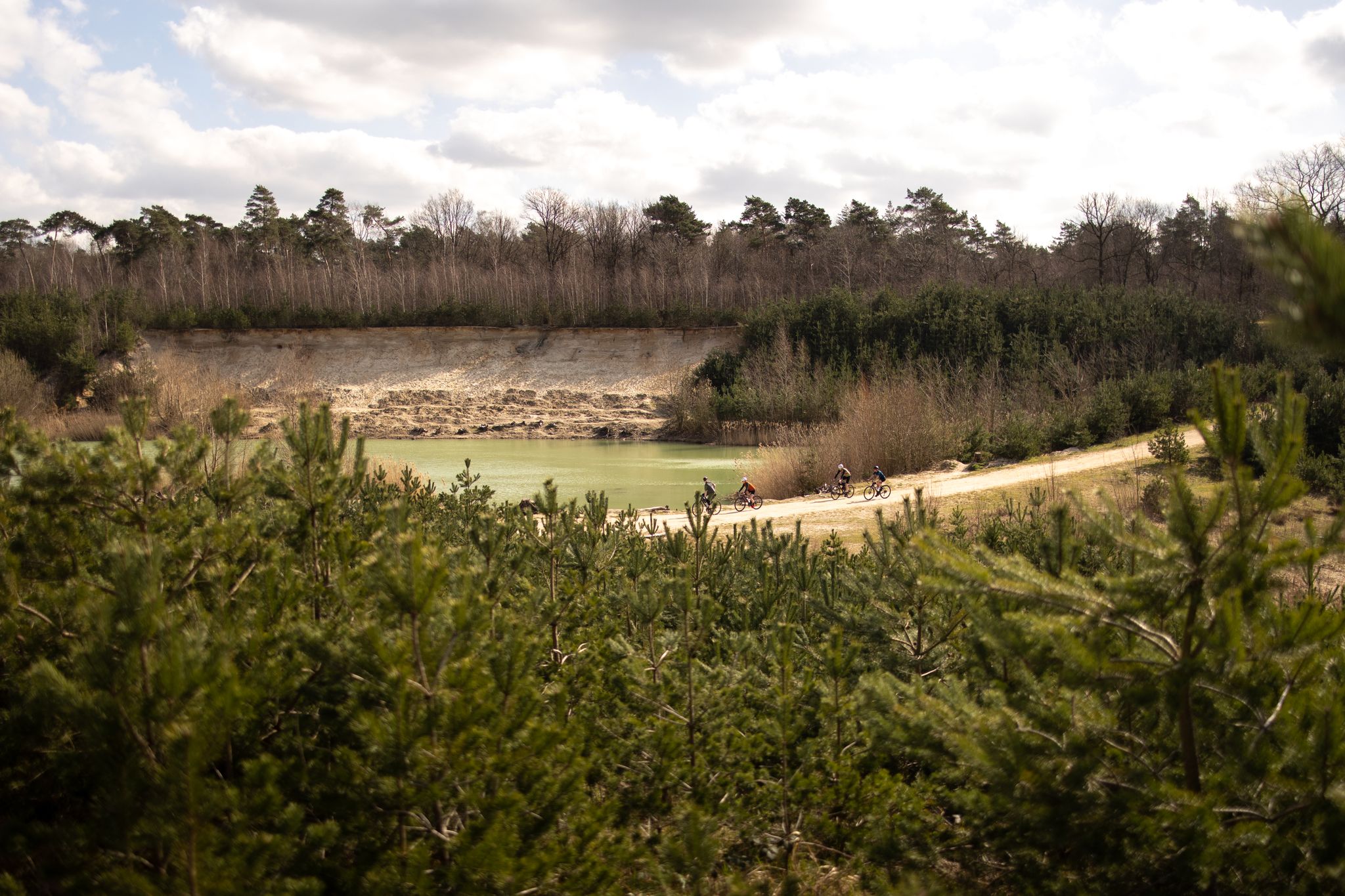
The Pieterpad by bike – From Pieterburen to Sint-Pietersberg
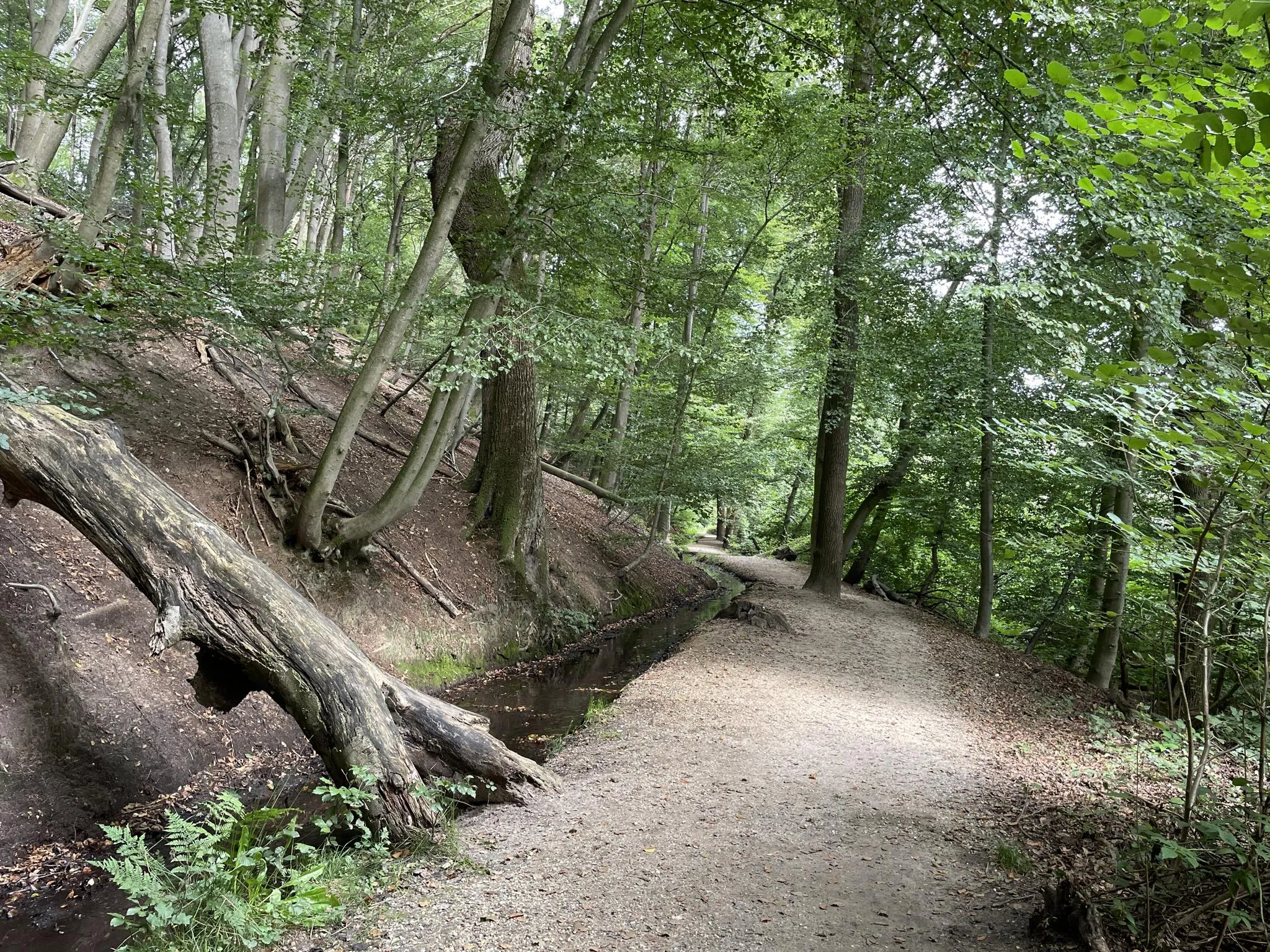
Blow away between forests and flood plains - Nijmegen regional trail
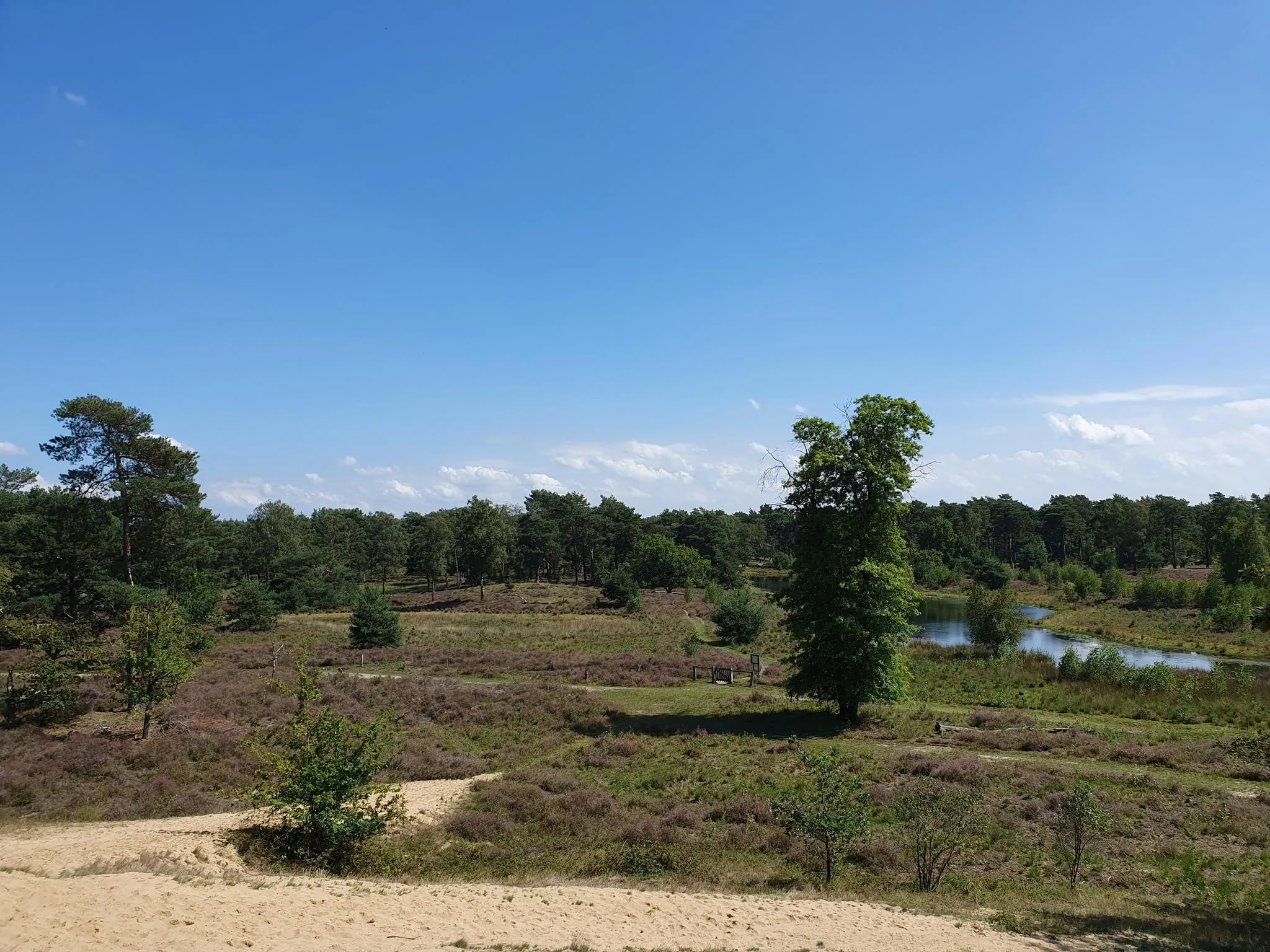
The Maas-Niederrhein Trail - Cross-border hiking in 19 stages
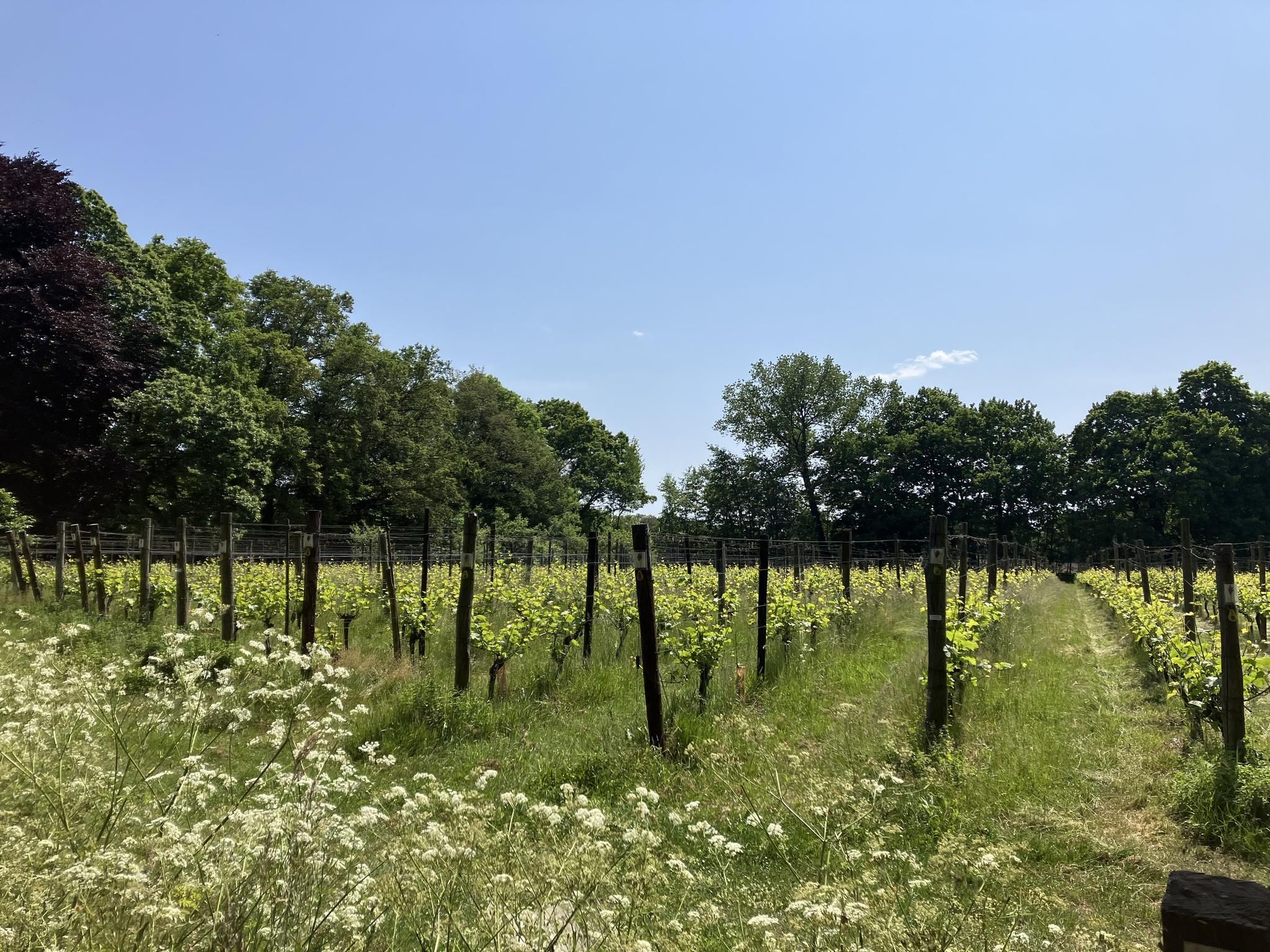
Hiking through the vineyards – 20x tasting in Gelderland
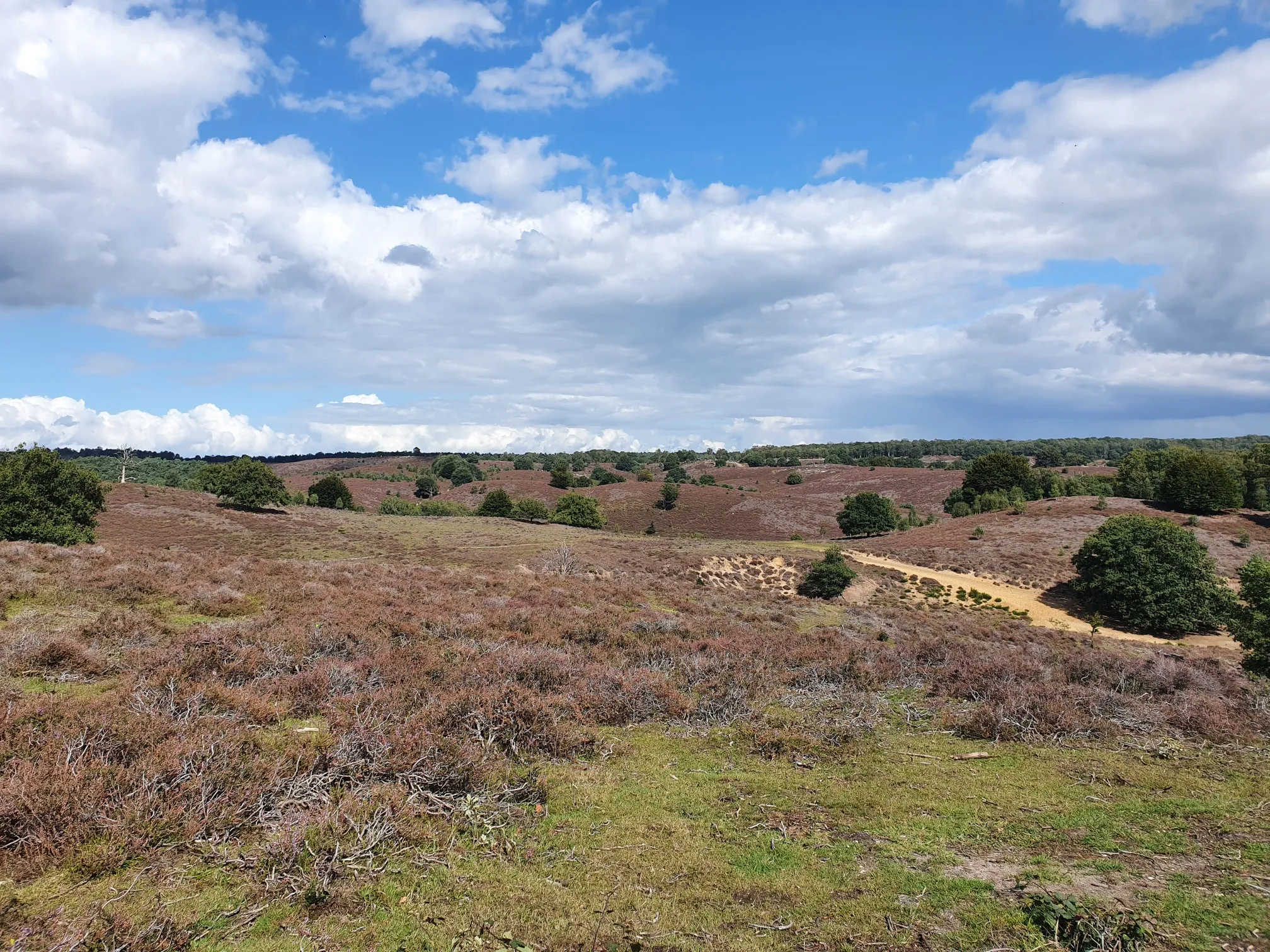
In the middle of nature - 20 accessible routes in Gelderland
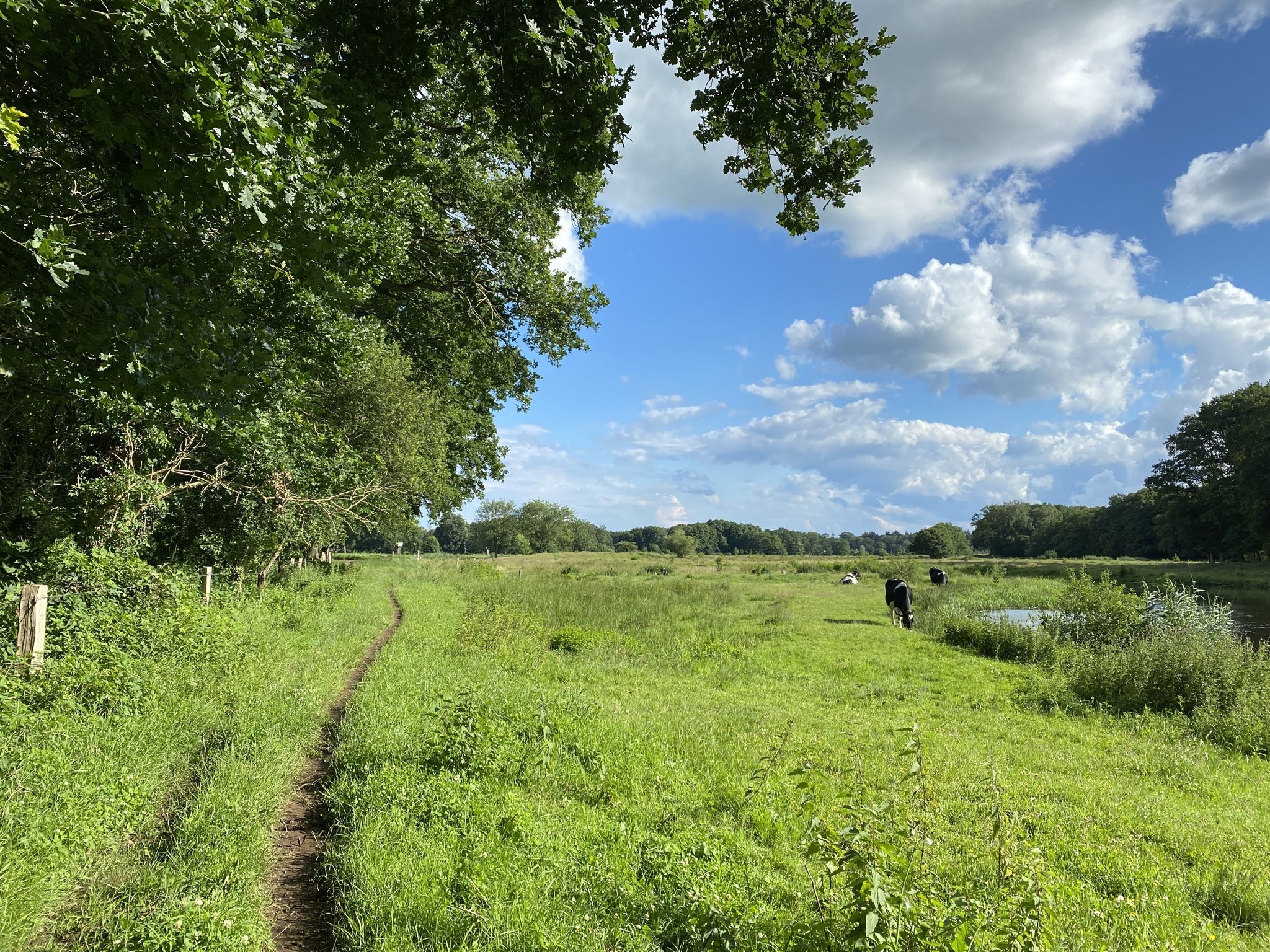
Out of the city - Eight Trailruns near the train station (5-15 kilometers)
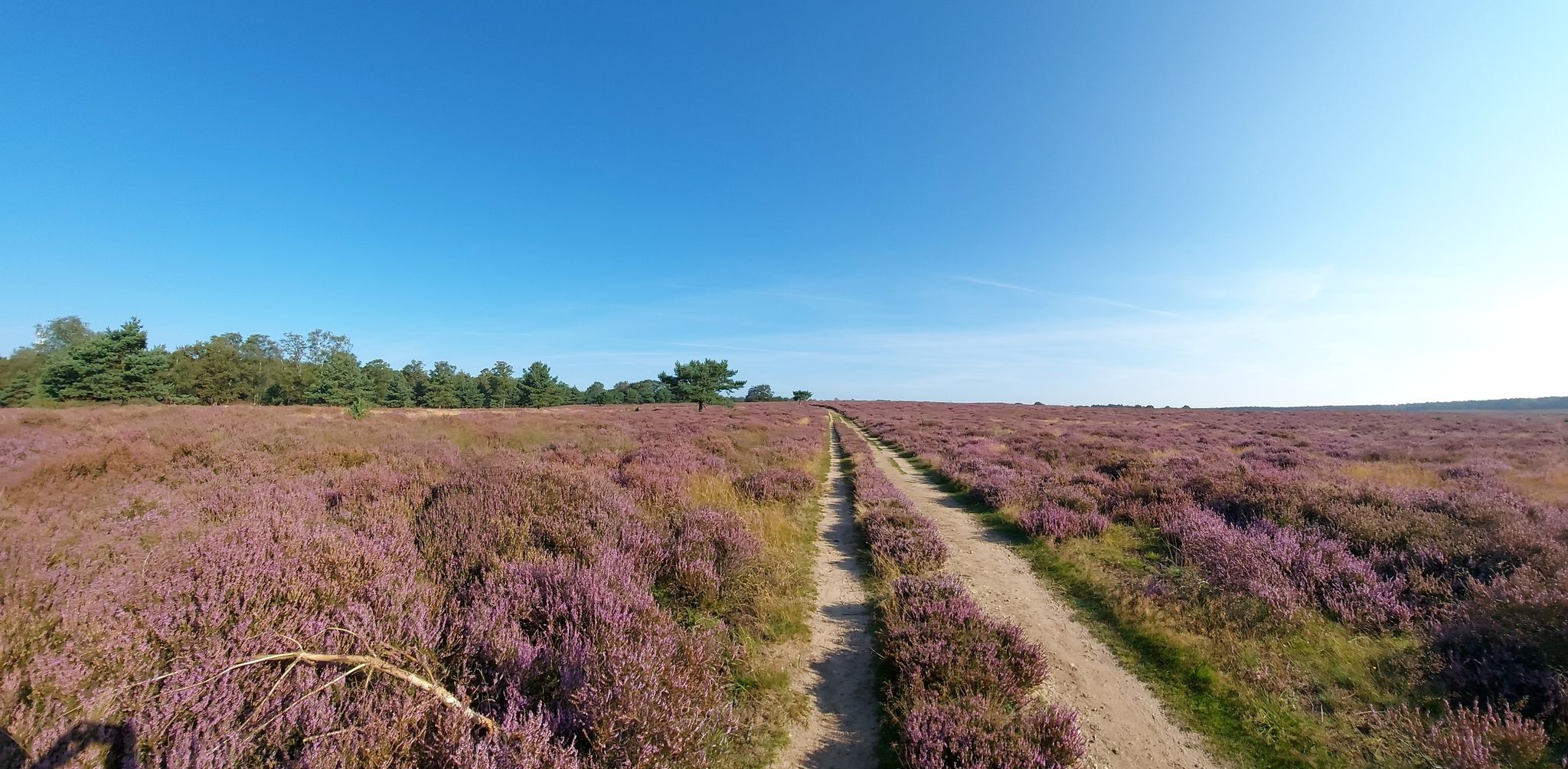
The Netherlands turns purple – 15 walks across the flowering heathlands
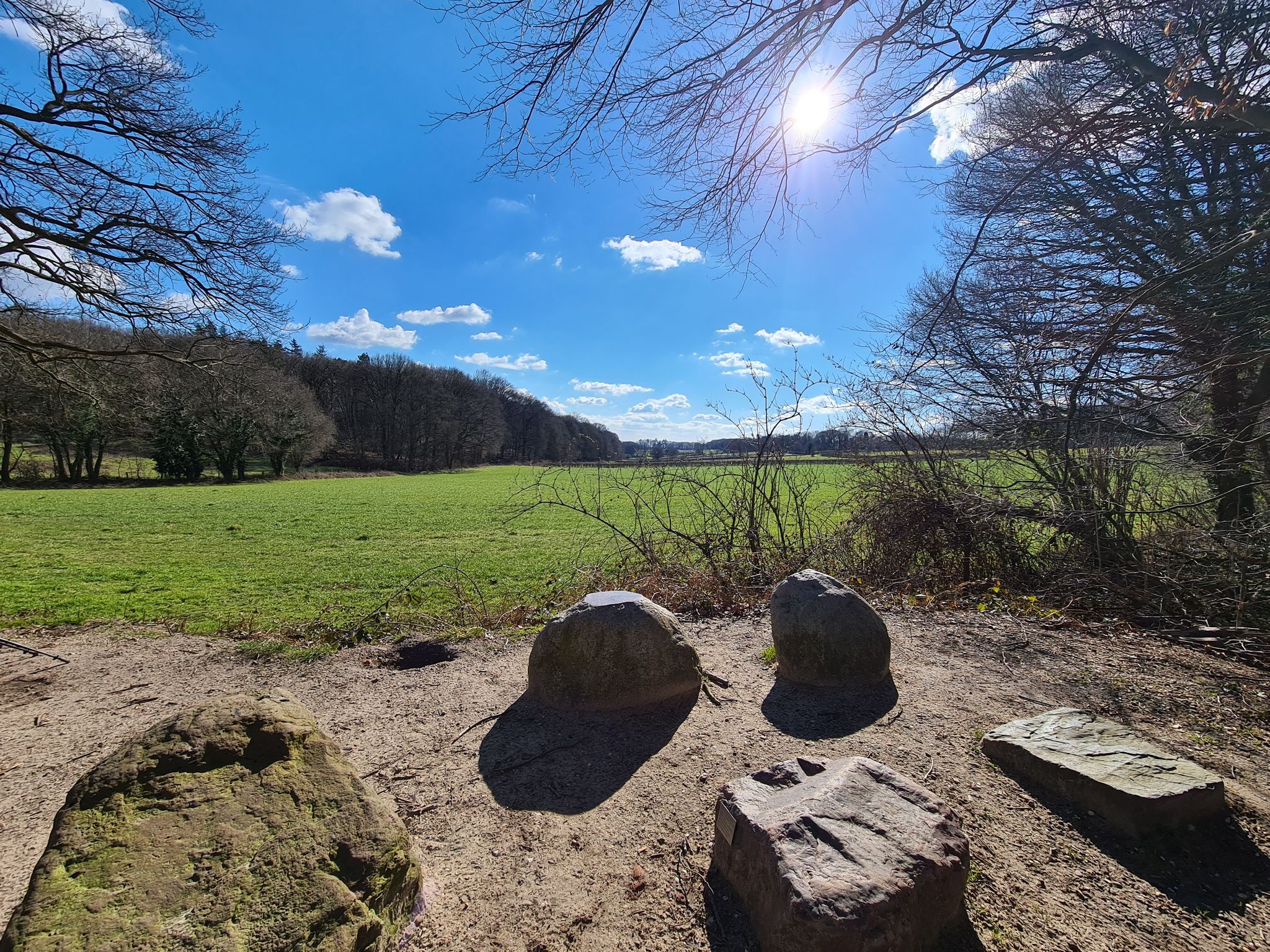
Weirs, dry valleys and boulders – 8 Dutch Geotrails
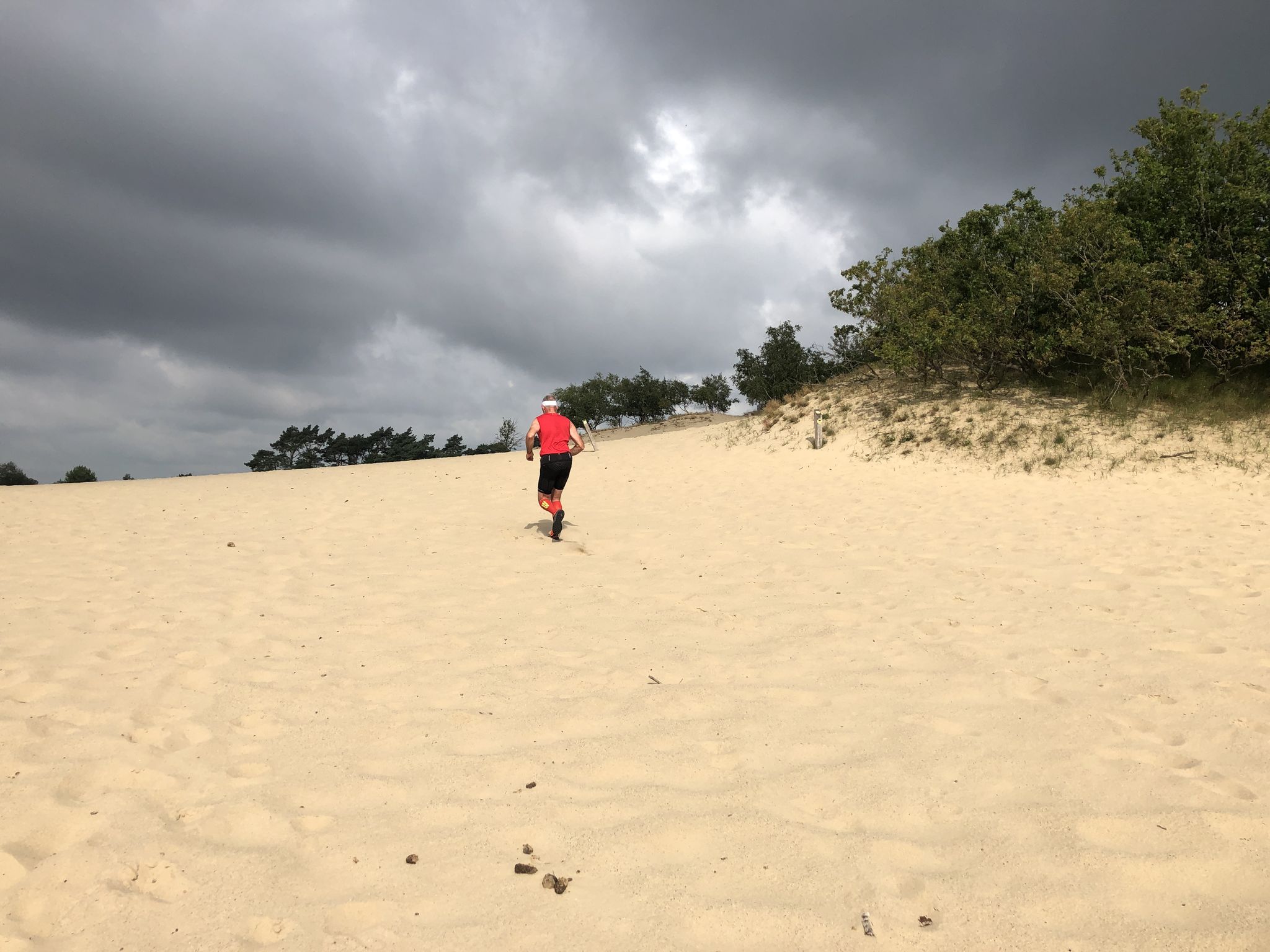
Trail runs for beginners – running off-the-beaten-track in the Netherlands
Hiking around Mook En Middelaar
Other adventures around Mook En Middelaar


Tips from the Community

It can be busy on weekends. It is a popular hiking area.
1
0

Very nice market place with nice places to take a break or get something to eat. You can also fill up your water bottle at the small pump.
14
0

A visit is definitely recommended.
35
0
Beautiful town centre and an inviting place to stop for a break.
38
0

Climb the 75.9 meter high Duivelsberg and you will be rewarded with a beautiful view of the wooded area and the meadows of the floodplains below the moraine. The Duivelsberg nature reserve of the same name is approximately 125 hectares in size and is covered with deciduous trees, including a large collection of sweet chestnuts. There are many stories about the history of De Duivelsberg. For example, in the 11th century it was the strategic location of a motte (wooden) castle called Mergelp. From the first motte on the edge of De Duivelsberg it was easy to keep an eye on the surroundings. In addition, the hill has a sacred meaning for many and is still used for ceremonies. There are also stories that women who were accused of being witches, were drowned and bandaged in this place. This area originally belonged to Germany and was called Wylerberg or Teufelsberg, but was annexed after the Second World War. Unlike the other areas, the Duivelsberg was not returned, but it is still Dutch land property.
1
1

The Wylerberg or Teufelsberg (Duivelsberg in Dutch) is a hill near Nijmegen that originally belonged to the German municipality of Wyler/North Rhine-Westphalia. In 1949, the British military administration placed the mountain under Dutch contract administration on a Dutch initiative and in 1963 it finally became Dutch territory. Source and link to the full article: https://de.wikipedia.org/wiki/Wylerberg
1
0
The entire area between Duivelsberg and Beek and Berg en Dal is beautiful and it's just a joy to walk here.
1
0

Beautiful route, but with some steep height differences.
2
1
Frequently Asked Questions
What natural features can I explore in Mook En Middelaar?
Mook En Middelaar is rich in natural beauty. You can explore the Duivelsberg (Devil's Hill), a 75.9-meter high hill offering panoramic views and a nature reserve with deciduous trees and sweet chestnuts. The Mookerheide is another expansive heathland with forests, and the Mookerplas recreational area provides opportunities for water sports. The region's hilly landscape, formed during the last ice age, also features extensive forests and waterways.
Are there historical sites to visit in Mook En Middelaar?
Yes, the area has a rich history. You can visit Motte Mergelp on the Duivelsberg, the strategic location of an 11th-century wooden castle. The Mookerheide is a significant historical site, known for the Battle of Mookerheide in 1574. Other historical points include the 15th-century Sint-Antonius Abtkerk, the 17th-century Heumense Schans and Mooker Schans defensive earthworks, and remains of a Roman villa and bridge near Plasmolen.
What kind of outdoor activities can I do around Mook En Middelaar?
The hilly terrain, forests, and waterways of Mook En Middelaar offer diverse outdoor activities. You can enjoy hiking on trails like the Sunken Path in the Forest, cycling on routes such as the Draisine Cycle Path Nijmegen–Kleve Border Crossing, and mountain biking. The Mookerplas is ideal for water sports like sailing, canoeing, and swimming. For more specific routes, you can find detailed guides for hiking, road cycling, and MTB trails around Mook En Middelaar.
Are there family-friendly attractions in Mook En Middelaar?
Yes, Mook En Middelaar offers several family-friendly options. The Draisine Cycle Path Nijmegen–Kleve Border Crossing is a well-developed route suitable for families. The Mookerplas recreational area is great for swimming and other water activities. Exploring the natural reserves like Duivelsberg and Mookerheide also provides engaging outdoor experiences for all ages.
Where can I find the best views in Mook En Middelaar?
For stunning views, head to the Duivelsberg (Devil's Hill), which offers panoramic vistas of the surrounding wooded areas and river floodplains. The Mookerheide also provides spectacular views over the Maas valley. Additionally, the Heumense Schans and Mooker Schans defensive earthworks are strategically located viewpoints.
What is the significance of Duivelsberg?
The Duivelsberg (Devil's Hill) is a significant natural monument and historical site. It's a 75.9-meter high hill with a nature reserve, known for its diverse deciduous trees and sweet chestnuts. Historically, it was the strategic location of Motte Mergelp, an 11th-century wooden castle, offering a vantage point over the floodplains. It also holds cultural significance with stories of sacred meanings and past ceremonies.
Are there any unique trails for hiking in the area?
Yes, one unique trail is the Sunken Path in the Forest. This distinctive path adds a special charm to hikes through the local woodlands and is highly appreciated by visitors for its character. The hilly landscape also offers many other varied hiking experiences.
What is the Mookerheide known for?
The Mookerheide is known for its beautiful natural landscape of heathland and forests, and its significant historical importance. It was the site of the pivotal Battle of Mookerheide in 1574 during the Eighty Years' War. Today, it serves as a memorial to this battle and offers spectacular views over the Maas valley, making it a popular spot for hiking and reflection.
What water activities are available in Mook En Middelaar?
The Mookerplas recreational area is the primary spot for water activities. It provides numerous opportunities for water sports, including sailing, canoeing, and swimming. It's a popular destination for those looking to enjoy the water and the surrounding nature.
Are there any Roman remains in Mook En Middelaar?
Yes, evidence of Roman presence dating back to the 2nd century AD can be found. These include the remains of a Roman villa in Plasmolen and parts of a Roman bridge near the Meuse from the 4th century, highlighting the area's ancient history.
What do visitors particularly enjoy about Mook En Middelaar?
Visitors frequently praise the beautiful natural landscapes, especially the hilly terrain and forests, which offer excellent opportunities for outdoor activities. The historical significance of sites like the Duivelsberg and Mookerheide is also highly valued. Many appreciate the changing scenery throughout the seasons and the unique charm of trails like the Sunken Path in the Forest.
What is Landgoed Jachtslot de Mookerheide?
Landgoed Jachtslot de Mookerheide is a unique natural monument featuring a white Art Nouveau hunting lodge, a park forest, and restored historic greenhouses and gardens. It offers direct access to the Mookerheide nature reserve, blending architectural beauty with natural surroundings.
Most popular routes around Mook En Middelaar
Most popular attractions around Mook En Middelaar

Get inspired with the komoot mobile app


Explore more
Still not found the Highlight you’re looking for? See guides of the top attractions in other regions:
