The best walks and hikes around Sittard-Geleen
4.3
(1942)
10,371
hikers
604
hikes
Hiking around Sittard-Geleen offers diverse landscapes, including extensive woods, parks, and gardens. The region features rolling hills, lush forests, and meandering rivers, particularly within the Nationaal Landschap Zuid-Limburg. Hikers can explore river floodplains, distinctive marl cliffs, and nature reserves like Brunssummerheide. This varied terrain provides a range of experiences for outdoor enthusiasts.
Best hiking trails in Sittard-Geleen
- The most popular hiking route is Terborgh Castle – Muldersplas loop from Sweikhuizen, an 8.5 miles (13.7 km) trail that takes 3 hours 42 minutes to complete, passing by historic sites and tranquil water.
- Another top favourite among local hikers is Limbricht Forest – Fishing pond at De Rollen loop from Sittard-Geleen, a moderate 6.4 miles (10.4 km) path through forest and alongside a fishing pond.
- Local hikers also love the Oliemolender Footpath – Sint-Jansgeleen Estate loop from Sweikhuizen, a 3.2 miles (5.1 km) trail leading through estate grounds, often completed in about 1 hour 23 minutes.
- Hiking around Sittard-Geleen is defined by rolling hills, dense woodlands, and river floodplains. The network offers options for easy strolls, moderate paths, and more challenging treks.
- The routes in Sittard-Geleen are highly rated by the komoot community with an average score of 4.3 stars from more than 1400 reviews. More than 8800 hikers have used komoot to explore Sittard-Geleen's varied terrain.
Last updated: August 14, 2026
4.7
(142)
486
hikers
14.3km
03:50
180m
180m
Moderate hike. Good fitness required. Mostly accessible paths. Sure-footedness required.
4.7
(88)
384
hikers
17.8km
04:42
170m
170m
Moderate hike. Good fitness required. Easily-accessible paths. Suitable for all skill levels.

Sign up for free
4.3
(86)
234
hikers
10.4km
02:38
20m
20m
Moderate hike. Good fitness required. Easily-accessible paths. Suitable for all skill levels.
4.6
(72)
189
hikers
4.95km
01:21
80m
80m
Easy hike. Great for any fitness level. Easily-accessible paths. Suitable for all skill levels.
4.7
(45)
148
hikers
4.91km
01:19
60m
60m
Easy hike. Great for any fitness level. Easily-accessible paths. Suitable for all skill levels.
Get access to more routes and recommendations from other explorers.
Sign up for free
Already have an account?
Our route recommendations are based on thousands of hikes, rides, and runs completed by other people on komoot.
Start today with a free account
Your next adventure awaits.
Login or Signup
Popular around Sittard-Geleen
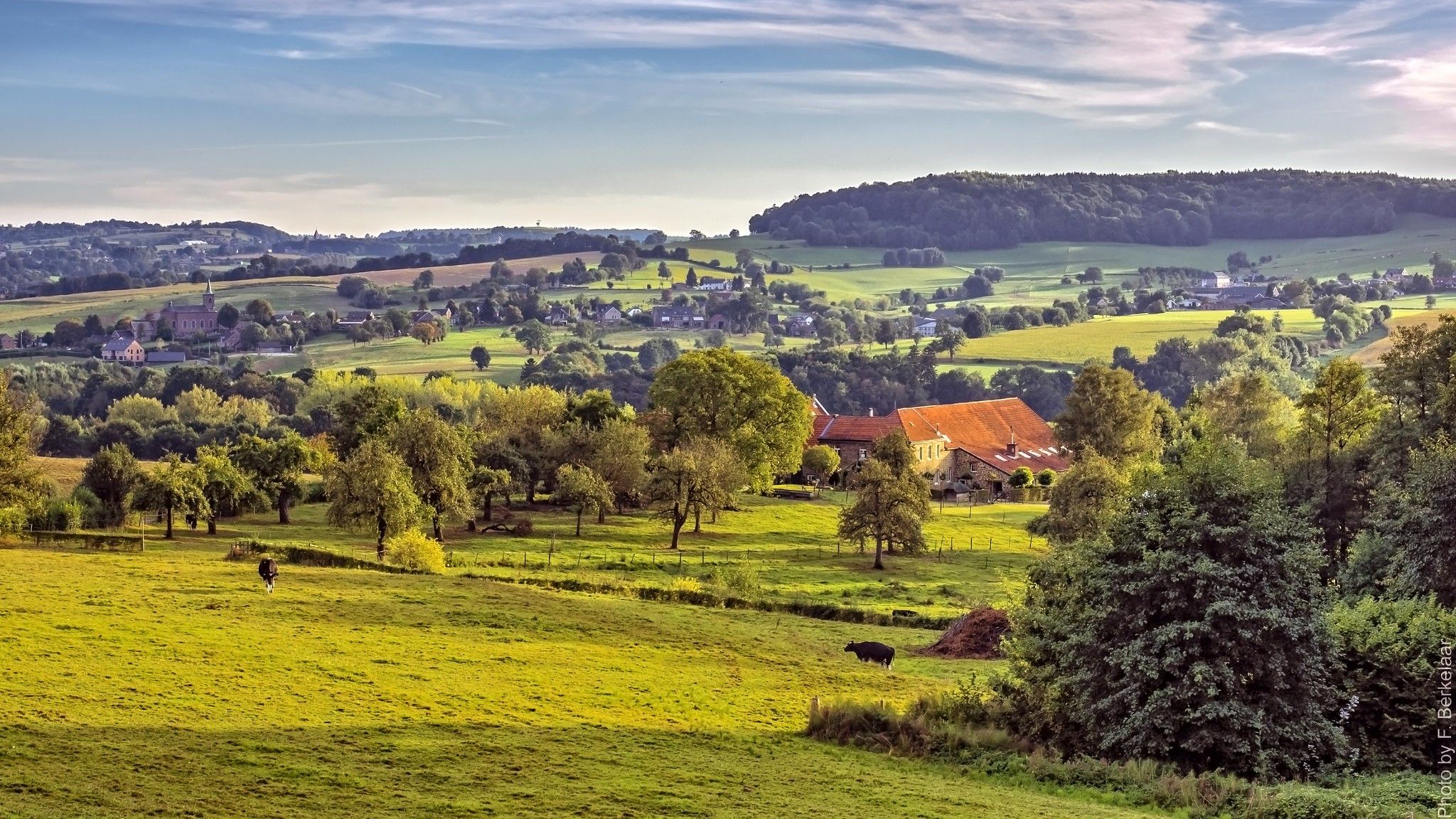
Pilgrim's Way part 2 — s-Hertogenbosch to Maastricht
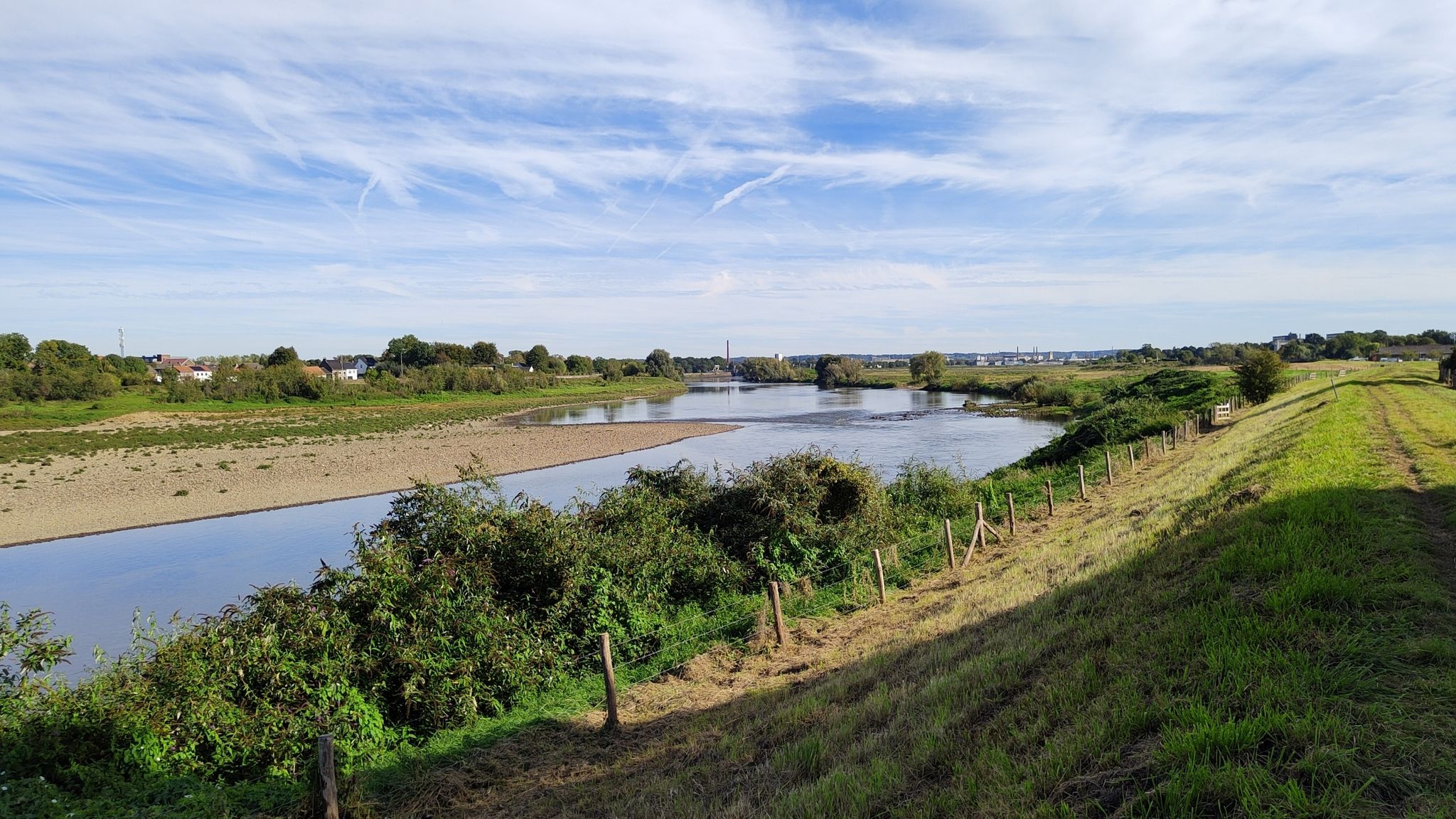
Discover the river nature – 6 hikes in RivierPark Maasvallei (LAW)
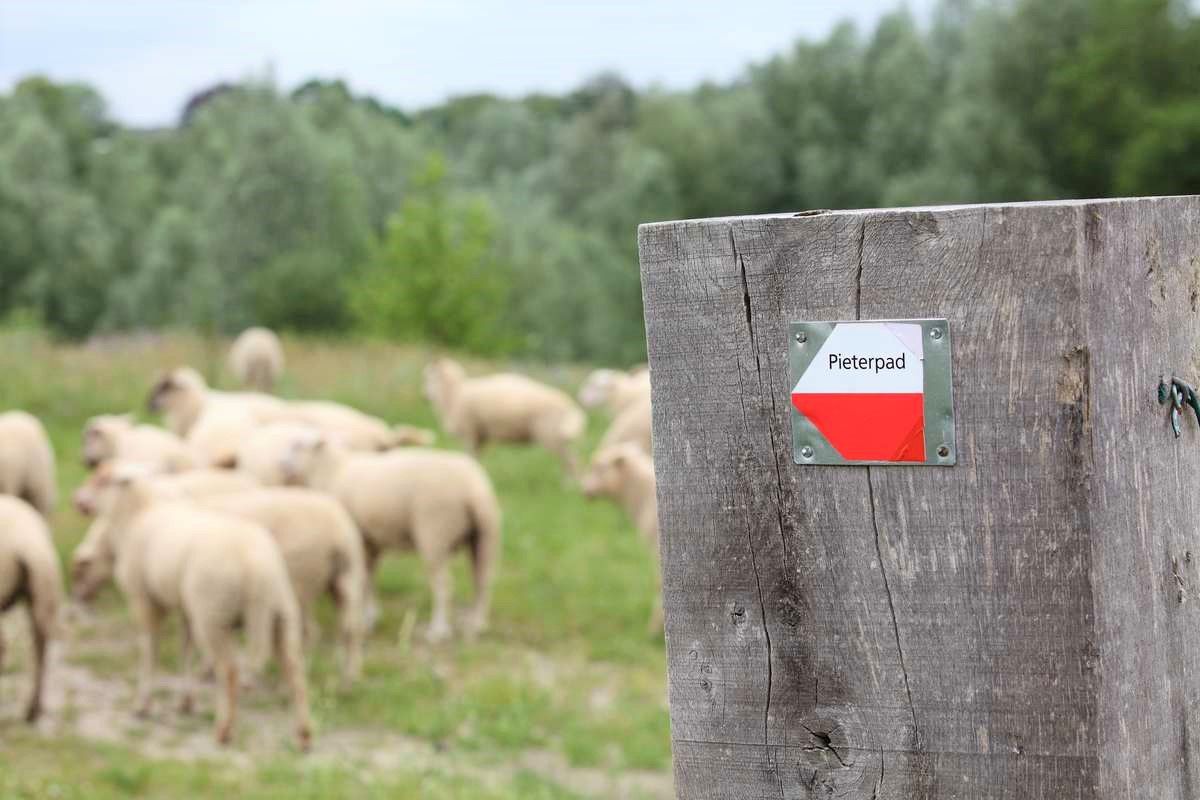
From Kasteel Vorden to the Sint-Pietersberg – Pieterpad long-distance hike part 2
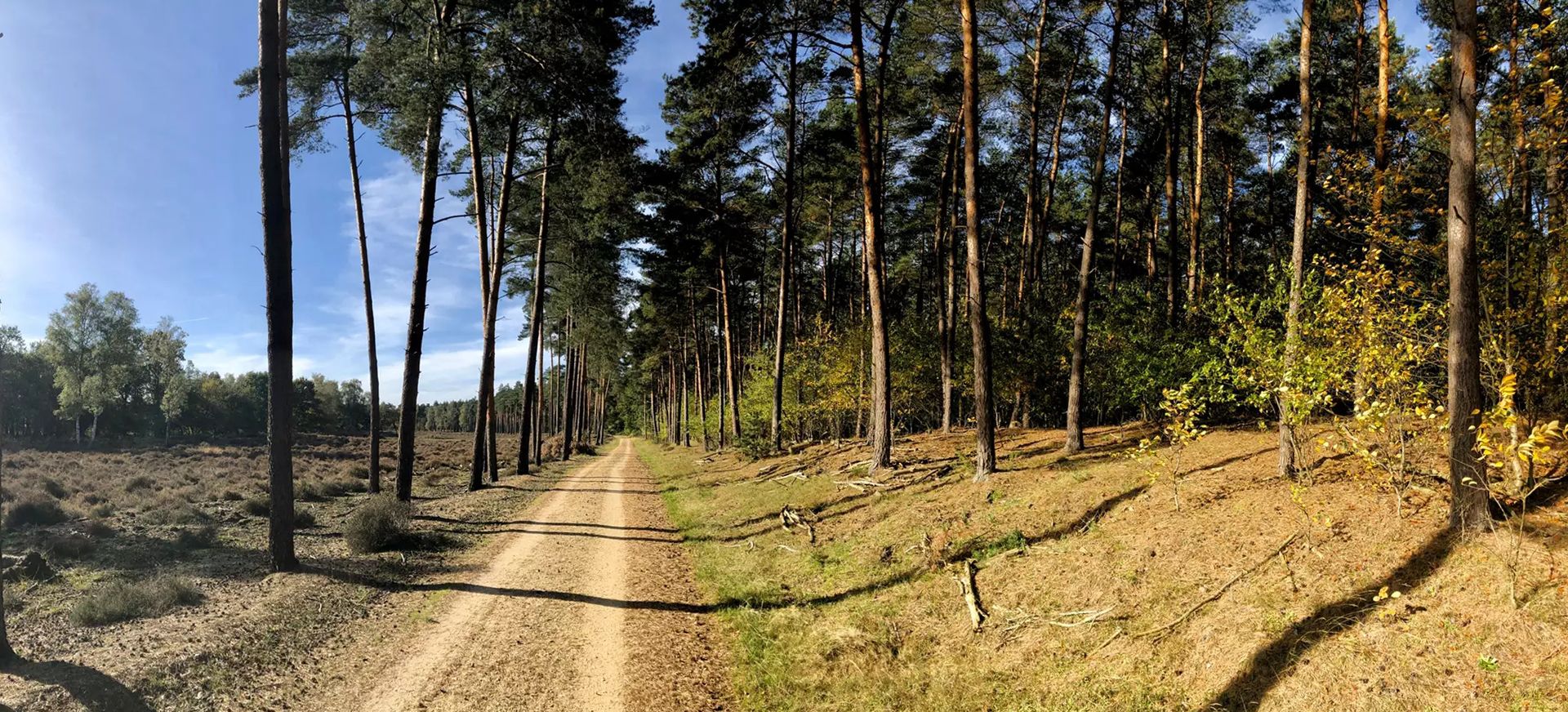
2-Country Route – Cycling from Germany to Netherlands
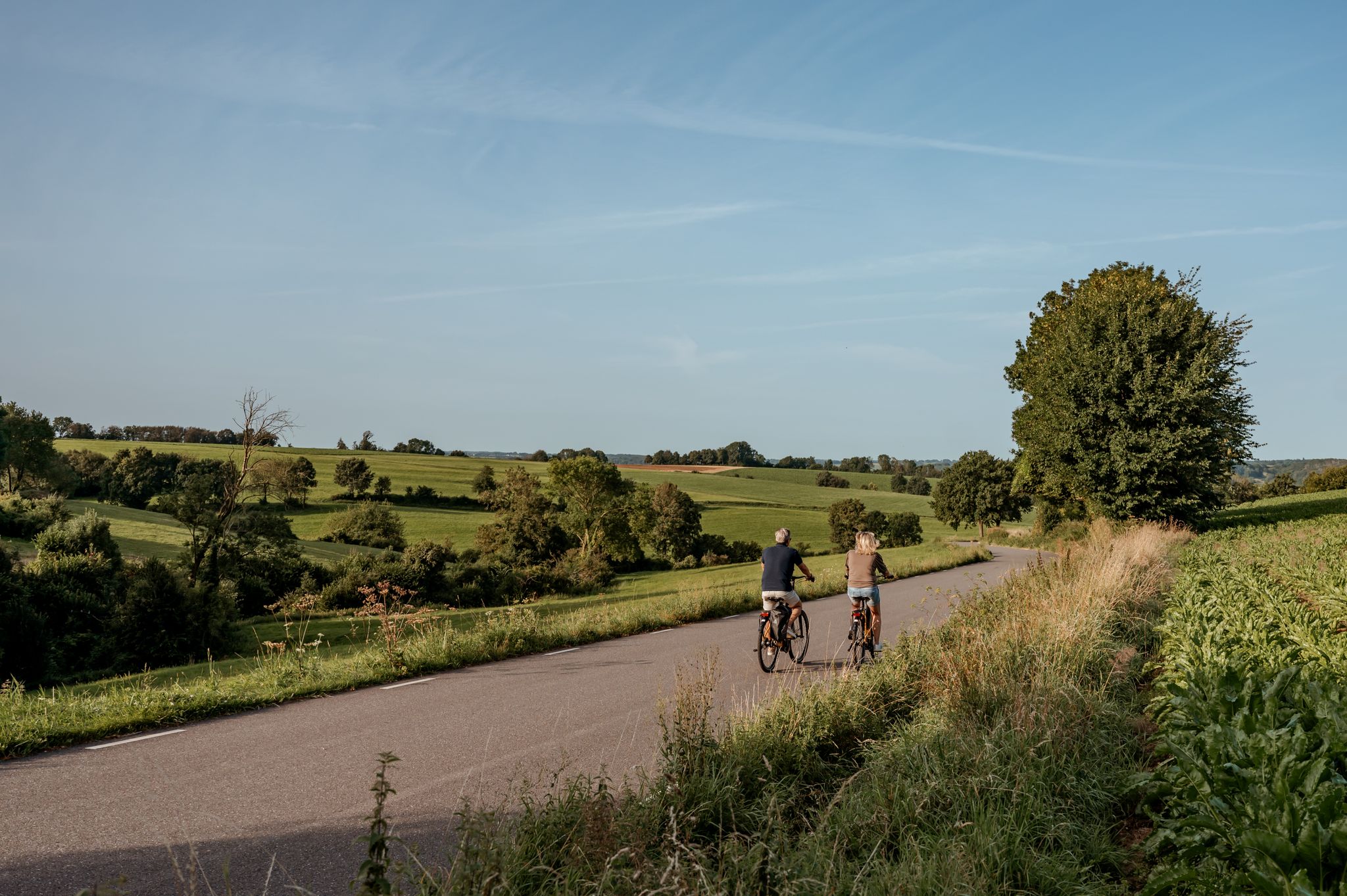
The best of South Limburg by bike
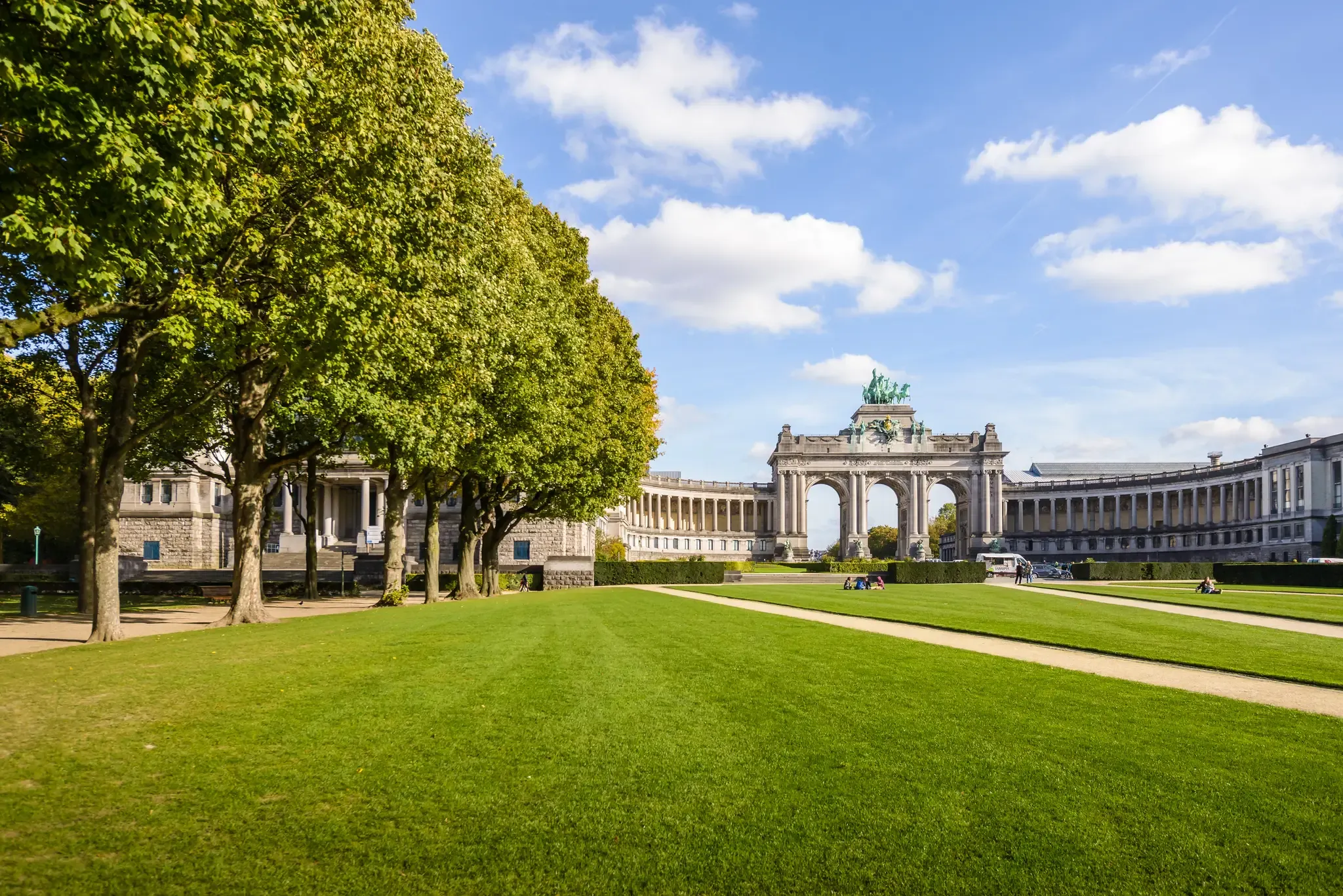
Cycling from Cologne to Brussels through three countries
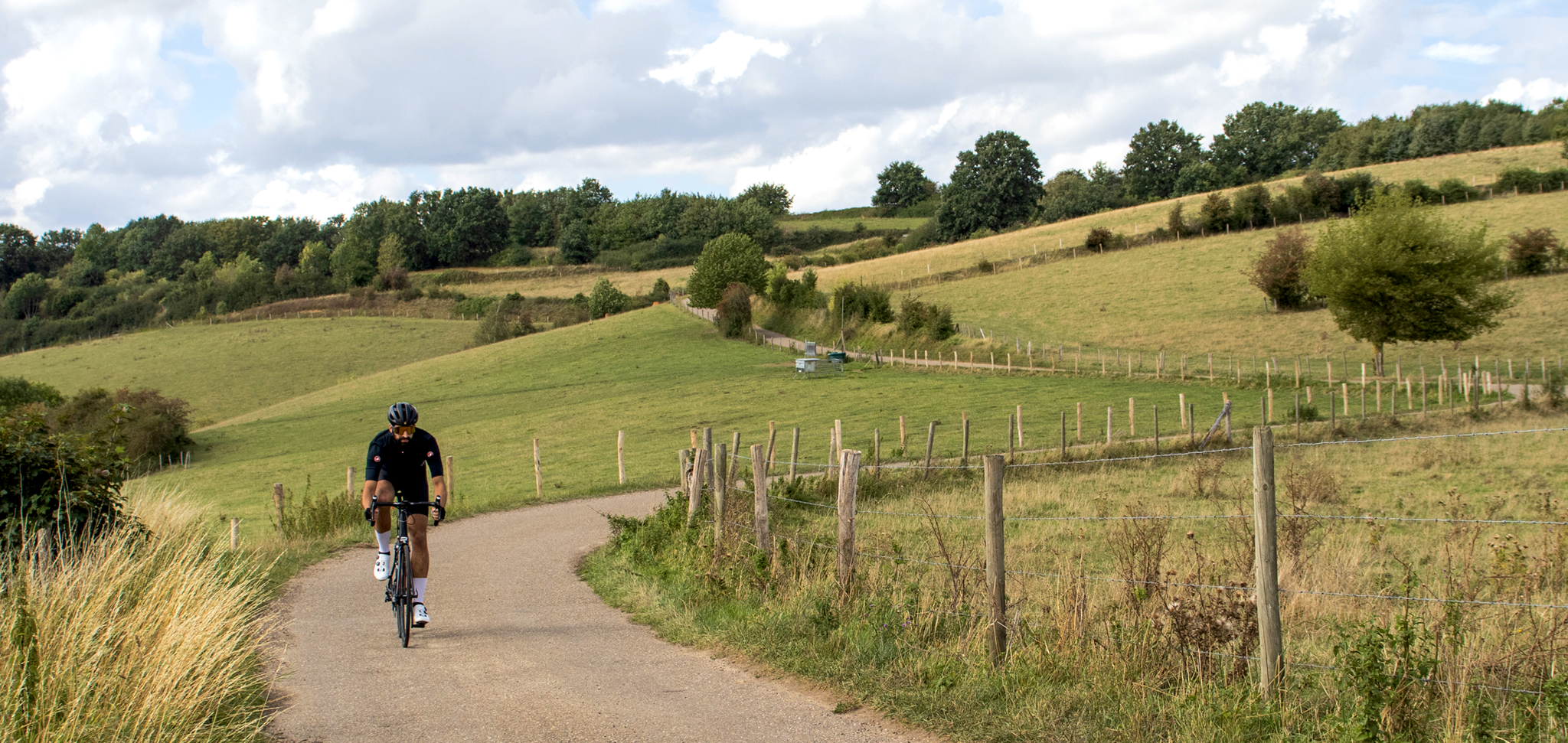
Cross-border cycling in South Limburg – the alternative routes
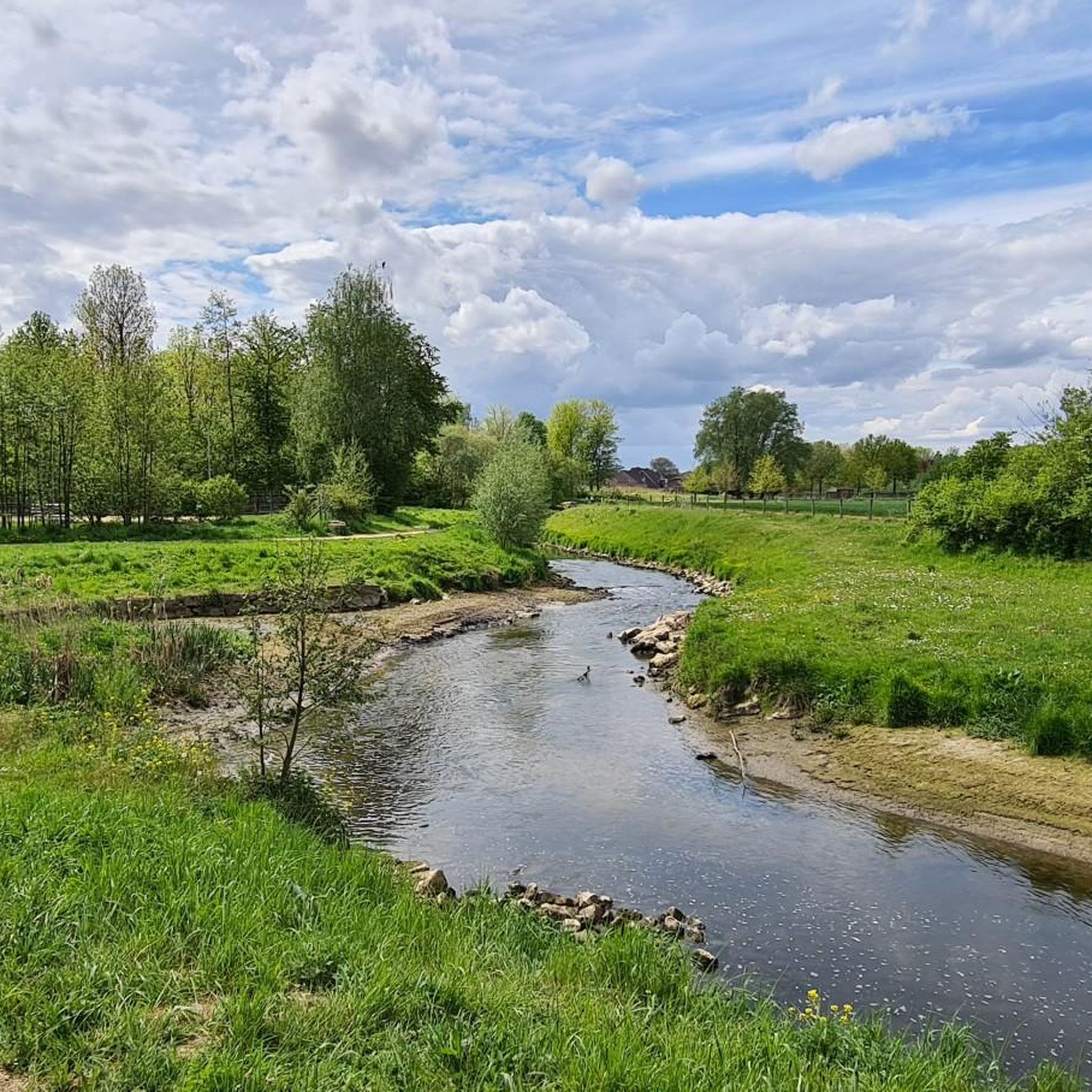
Road Cycling Routes around Sittard-Geleen
MTB Trails around Sittard-Geleen
Cycling around Sittard-Geleen
Other adventures around Sittard-Geleen


Tips from the Community

At the castle you can rest and eat while enjoying the beautiful surroundings
0
0

beautiful lunch spot at Terborgh Castle
0
0

Whether you want to go fishing or hike along the Geleenbeek, this is the right place for you.
1
0

The Limbrichterbos is a valuable and richly wooded nature reserve in the municipality of Sittard-Geleen (Limburg, the Netherlands), situated between the villages of Limbricht and Born, and parts of the Sittard city outskirts. This forest is one of the most important green lungs of the region, offering residents and visitors of South Limburg a tranquil natural space where deciduous trees, flowing streams, bird sounds, and cultural history converge. The Limbrichterbos covers an area of dozens of hectares and is primarily an old-growth deciduous forest dominated by beech and oak. These trees together form a dense forest that supports a variety of species, from woodland plants such as wood anemone, spotted arum, and muskwort to birds such as woodpeckers, nuthatches, wood warblers, and other songbirds that forage and build nests in the old trees. Two small watercourses, the Bosgraaf and the Limbrichterbeek, flow through the forest, providing additional ecological richness along grasslands and riparian zones. This variety of habitats makes the forest feel like home not only to forest birds but also to small mammals and insects. Because the forest has existed for centuries (old maps show that the area was already largely forested in the 19th century), there are trees here that are over 75 years old. Dead wood, deliberately left in place, plays an important role in biodiversity by providing food and nesting sites for fungi, insects, and birds. The Limbrichterbos cannot be understood in isolation from its surroundings. On the north side lies a smaller forest edge with a fishpond (known as De Rollen), and to the south, the Grasbroek nature reserve and the rural area of the Graetheide connect at a transition from forest to open agricultural landscape. Another unique feature of the forest is that it is surrounded by castles. Both Limbricht Castle and Grasbroek Castle lie on the edges of the Limbrichterbos and recall historic estates and the medieval use of forest and land by noble families. Although no official separate trails have been established by management organizations (for example, the State Forestry Service or a provincial network), the Limbrichterbos is popular with hikers, cyclists, and nature lovers. The forest is part It consists of various recreational routes in South Limburg, including the Swentibold Rollenroute, a roughly 10.4 km long walking route that leads through the forest, along streams such as the Venkebeek and past the De Rollen pond. In addition, there are other walking routes, such as loops of approximately 7-8 km that combine the forest with surrounding fields and paths along castle walls and country roads. Here, hikers encounter typical Limburg flora and fauna and can look out over open spaces that contrast with the dense woodland. The trails are generally unpaved, quiet, and suitable for most hikers, although they can be muddy in rainy weather. This makes the Limbrichterbos both adventurous and accessible for nature lovers of all levels. The Limbrichterbos is also popularly called a woodpecker forest because in calm weather, you often hear the tapping of woodpeckers as they search for insects in the dead and living wood. The presence of old trunks and dead wood supports a comprehensive ecosystem in which almost every forest life form plays a role. Along the forest edges, you can see You'll find rarer forest plants, and in spring, the forest blooms with wood anemones and other characteristic species that give it character. Birds range widely, from songbirds to birds of prey, and the forest is so close to other nature reserves that animals can move freely. The Limbrichterbos is part of local nature management initiatives where organizations such as Natuurmonumenten (Dutch Society for Nature Conservation) and municipal projects collaborate on management, conservation, and restoration. This focuses on forest quality, the preservation of native tree species, and the strengthening of corridors where animals and insects can live and travel. Restoration projects are also underway in surrounding areas, such as De Rollen, to strengthen forest and nature through replanting and forest connectivity, with the aim of creating a climate-resilient and biodiverse environment. The Limbrichterbos is freely accessible to the public with no admission fee. The area is close to the residential areas of Limbrichterveld, making it easily accessible for day trips, nature walks, or simply a peaceful stroll. There are no extensive facilities such as visitor centers, but the natural state of the forest and the presence of hiking trails make it attractive and inviting to anyone who wants to experience a piece of silent nature.
1
0
Het Limbrichterbos is een bosrijk en gevarieerd natuurgebied in Zuid‑Limburg (Nederland) dat grotendeels bestaat uit oude loofbossen graslanden beekdalen en bosranden. Het gebied ligt in de gemeente Sittard‑Geleen vlak bij Limbricht en vormt samen met omliggende natuurparels een belangrijke groene oase middenin het cultuurlandschap van het Zuid‑Limburgse plateau. Het Limbrichterbos beslaat een bosgebied van ongeveer 91 hectare en is daarmee een van de grotere boscomplexen in de regio. Het bos is vooral bekend om zijn loofbos met brede beukendominantie maar bevat ook essen eiken struiklagen en een rijke ondergroei van bosplanten zoals bosanemoon gevlekte aronskelk en muskuskruid. Deze gevarieerde beplanting trekt een breed scala aan vogelsoorten aan waaronder zangvogels zoals tjiftjaf en fluiter maar ook roofvogels en spechten. Het ruige dode hout dat in het bos blijft liggen dient daarbij als voedselbron en broedplaats voor insecten wat weer voedsel biedt voor vogels en kleine zoogdieren. Door het gebied stromen twee kleine beekjes de Bosgraaf en de Limbrichterbeek die samen met natte laagtes en graslanden bijdragen aan de ecologische diversiteit van het bos. Langs deze waterlijn ontstaan andere soorten vegetatie en diersoorten wat het Limbrichterbos rijker maakt aan natuurlijke habitats. Aan de noordzijde van het Limbrichterbos ligt de voormalige zandgroeve en visvijver De Rollen een plas die ontstaan is doordat zand en grind werden gewonnen voor de aanleg van de nabijgelegen A2‑snelweg halverwege de 20e eeuw. Door de jaren heen werd deze plas ingericht als viswater met een populatie vissoorten die aantrekkelijk is voor hengelsporters en vormt hij tegenwoordige een belangrijke natuurzone binnen het boslandschap. Binnen het Limbrichterbos is er een aangemerkte wandelroute die lokale bezoekers en natuurliefhebbers uitnodigt om de natuur te beleven en het Limbrichterbos en De Rollen Natuurpad. Deze route maakt deel uit van de bekende Swentibold Rollenroute een beweeglijk uitgezette paaltjesroute van ongeveer 10,4 km die bezoekers door het bos langs de waterpartijen en over natuurlijke paden voert. Het natuurpad loopt over zacht verharde en onverharde paden bosstroken en smalle looproutes door het landschap. Onderweg passeer je een aantal natuurpunten waaronder beekjes open graslanden bosranden en in het noordelijke terrein de visvijver De Rollen. Het pad is grotendeels gemarkeerd via wandelknooppunten en is geschikt voor wandelaars van vrijwel elk niveau waardoor het ook populair is bij gezinnen en recreatieve natuurwandelaars. Naast de natuurlijke beleving zijn er langs het natuurpad ook educatieve informatiepunten te vinden (zoals het IVN‑buitenlokaal) die toelichting geven op de flora en fauna van het gebied de ecologie van de bossen en de geschiedenis van het landschap. Een van deze punten bij de grens tussen het Limbrichterbos en De Rollen herinnert aan voormalige drinkwaterpompputten die in het begin van de 20e eeuw werden aangelegd in de context van lokale infrastructuur rond onder meer de Staatsmijnen. Het Limbrichterbos is vooral in het voorjaar een kleurrijke beleving en veel bosplanten bloeien in het voorjaar en trekken vlinders bijen en insecten aan. De visrijke vijver De Rollen is bovendien een hotspot voor libellen en waterjuffers waaronder soorten die afhankelijk zijn van schoon water en oeverbegroeiing. In herfst en winter biedt het bos met zijn oude bomen paddenstoelen en gevallen bladeren een andere maar net zo indrukwekkende beleving. In het bos leven ook grotere dieren zoals reeën en dassen al zijn deze schuw en worden ze meestal alleen ’s ochtends vroeg of in de schemering gezien. De combinatie van rottend hout voedselrijk strooisel en beschutte plekken maakt dit gebied aantrekkelijk voor een breed scala aan dieren. Aan de rand van het Limbrichterbos liggen enkele cultuurhistorische punten van betekenis. Zo passeer je tijdens wandelingen oude kastelen zoals Kasteel Grasbroek en Kasteel Limbricht die zelf historische betekenis hebben en het landschap rond het bos markeren. De aanwezigheid van dergelijke oude gebouwen temidden van bos en weilanden illustreert de lange interactie tussen mens en natuur in deze regio. Het wandelnetwerk rond het Limbrichterbos is goed ontwikkeld en maakt het mogelijk om het gebied in verschillende afstanden te verkennen variërend van relatief korte wandelingen die direct het bos ingaan tot uitgebreide routes van 9–10 km die ook cultuurpunten en open velden aandoen. Het Limbrichterbos en De Rollen zijn vrij toegankelijk voor publiek zonder ingangspoort of verplichte toegangskosten. De paden zijn over het algemeen goed begaanbaar maar kunnen op sommige plaatsen na regenval drassig zijn dus wandelschoenen met enig profiel worden aangeraden. Hoewel het Limbrichterbos niet specifiek beheerd wordt door een nationale instantie als Staatsbosbeheer wordt het ecosysteem begeleid door vrijwilligers en natuurorganisaties die werken aan behoud en herstel van boswaarden een proces dat onder andere gericht is op het vergroten van biodiversiteit en het beschermen van kwetsbare soorten.
0
0

2019: Hospitality entrepreneur Igor Stel, known among other things for operating the outer bailey/former castle farm of Limbricht Castle, will be lord of the castle on the motte for the next ten years. On his Facebook page, Stel announces that he will also be operating the castle on the motte for the next 10 years. This decision was made after a successful trial period in which Stel organized activities in part of the castle. The outer bailey and castle are leased from the Limbricht Castle Foundation. "This stunningly beautiful building is currently being extensively renovated and decorated. In addition to the first floor, where we have been operating six historically themed meeting rooms for a year, we will now also fill the second floor with several conference rooms, workshop spaces, and a few super atmospheric party and tasting rooms in the cellar vaults." The project is being supervised by architect Koen Savelkoul of Ontheroad Creatives. The beautiful courtyard and forecourt are also available for rent for events, possibly in combination with the historic Knight's Hall, which has served as an official wedding venue for some time now. Stel has three Bed & Breakfast rooms in the castle and has also acquired the "notary's house" on the other side of the freight railway crossing for even more B&B rooms.
0
0

Beautiful castle and a cozy terrace in the courtyard
0
0

Frequently Asked Questions
What kind of terrain can I expect when hiking in Sittard-Geleen?
Sittard-Geleen offers a diverse landscape, characterized by rolling hills, lush forests, and meandering rivers. You'll find varied terrain including heathlands, extensive woodlands like the Limbrichterbos, and unique geological formations such as the Marl Cliff along the Geul. The region provides a mix of easy strolls and more challenging treks.
Are there any easy hiking trails suitable for beginners or casual walkers?
Yes, Sittard-Geleen has many easy trails. For example, the Oliemolender Footpath – Sint-Jansgeleen Estate loop from Sweikhuizen is an easy 5.1 km path that takes about 1 hour 23 minutes, leading through pleasant estate grounds. Another gentle option is the Geleenbeek at Daniken – View of Schweikhuizen loop from Geleen, a 5 km route along the Geleenbeek.
Can I find circular hiking routes in Sittard-Geleen?
Absolutely. Many of the trails in Sittard-Geleen are designed as circular routes, allowing you to start and end at the same point. A popular example is the Muldersplas – Mulder Pond loop from Sweikhuizen, which is a moderate 13.7 km trail passing by historic sites and tranquil waters.
What historical landmarks or natural attractions can I see along the trails?
Hiking in Sittard-Geleen often combines natural beauty with cultural heritage. You can explore sites like Terborgh Castle, which is featured on routes like the Oliemolender Footpath – Driveway to Kasteel Terborgh loop from Geleen. Natural highlights include the unique Marl Cliff along the Geul and the expansive Brunssummerheide Nature Reserve, offering diverse landscapes.
Are there any trails that go through forests or offer shaded walks?
Yes, the region is rich in woodlands. The Limbrichterbos is a significant nature reserve with old-growth deciduous forests, perfect for shaded walks. You can experience this on the Limbricht Forest – Fishing pond at De Rollen loop from Sittard-Geleen, a moderate 10.4 km path that winds through the forest and alongside a fishing pond.
What do other hikers enjoy most about hiking in Sittard-Geleen?
The area is highly rated by the komoot community, with an average score of 4.3 stars from over 1400 reviews. Hikers often praise the diverse landscapes, from rolling hills and dense woodlands to river floodplains, and appreciate the well-maintained network of trails that cater to various skill levels.
Are there any specific viewpoints or scenic spots worth visiting?
De Kollenberg is a popular spot offering panoramic views of the surrounding countryside. Additionally, within the Brunssummerheide Nature Reserve, you can find a dedicated bench with a view, perfect for taking in the expansive heathland scenery.
Are there any hidden gems or less-known places to explore?
Beyond the well-trodden paths, you might enjoy the tranquil Mulderplas, a nature reserve that was once a sand extraction site and now offers peaceful strolls. Within Sittard itself, the 'Secret Gardens' like the Jardin des Roses and the Ursuline Garden provide green oases for quiet exploration. You can find more information about the Secret Gardens on the Visit Zuid-Limburg website.
How many hiking trails are available in the Sittard-Geleen region?
There are over 500 hiking trails available in the Sittard-Geleen region, ranging from easy walks to more challenging treks. This extensive network ensures there are plenty of options for every type of hiker.
Are there any trails that pass by water features like lakes or rivers?
Yes, the region features several trails that meander along rivers and past lakes. The Mulderplas, a tranquil lake, is a central feature of the Muldersplas – Mulder Pond loop from Sweikhuizen. You can also find paths along the Geleenbeek, such as the Geleenbeek at Daniken – View of Schweikhuizen loop from Geleen, offering picturesque waterside views.
Most popular routes around Sittard-Geleen
Most popular attractions around Sittard-Geleen

Get inspired with the komoot mobile app


Explore more
Browse the best Hikes in other regions.
