Top 20 Caves around Valkenburg Aan De Geul
Best caves around Valkenburg Aan De Geul are primarily marlstone cave systems, which are often former marl quarries. This region is known for its unique underground landscapes, shaped by centuries of marl extraction. These subterranean networks offer a journey into history, art, and geology. Valkenburg Aan De Geul provides a diverse range of underground experiences, from historical sites to interactive exhibits.
Best caves around Valkenburg Aan De Geul
- The most popular caves is Château Neercanne, a castle where a…
Last updated: July 28, 2026
Château Neercanne
Highlight • Castle
Translated by Google •
Tip by

Strooberg Quarry
Highlight • Cave
The green, sloping Bemelerberg has a marl wall on one side like on a postcard. Here the yellow limestone rises high into the air and …
Translated by Google •
Tip by

Sign up now to discover places like this
Get recommendations on the best single tracks, peaks, & plenty of other exciting outdoor places.
Sign up for free
Geulhemmerberg Climb and Cave Dwellings
Highlight (Segment) • Climb
Translated by Google •
Tip by

Terborgh Castle
Highlight • Castle
Translated by Google •
Tip by

Thier des Vignes Flint Caves
Highlight • Cave
Source: mini-ardenne.be/poi.card.php?id=6036&language=fr
Translated by Google •
Tip by

Sign up for free to discover even more caves around Valkenburg Aan De Geul.
Sign up for free
Already have an account?
Start today with a free account
Your next adventure awaits.
Login or Signup
Popular around Valkenburg Aan De Geul
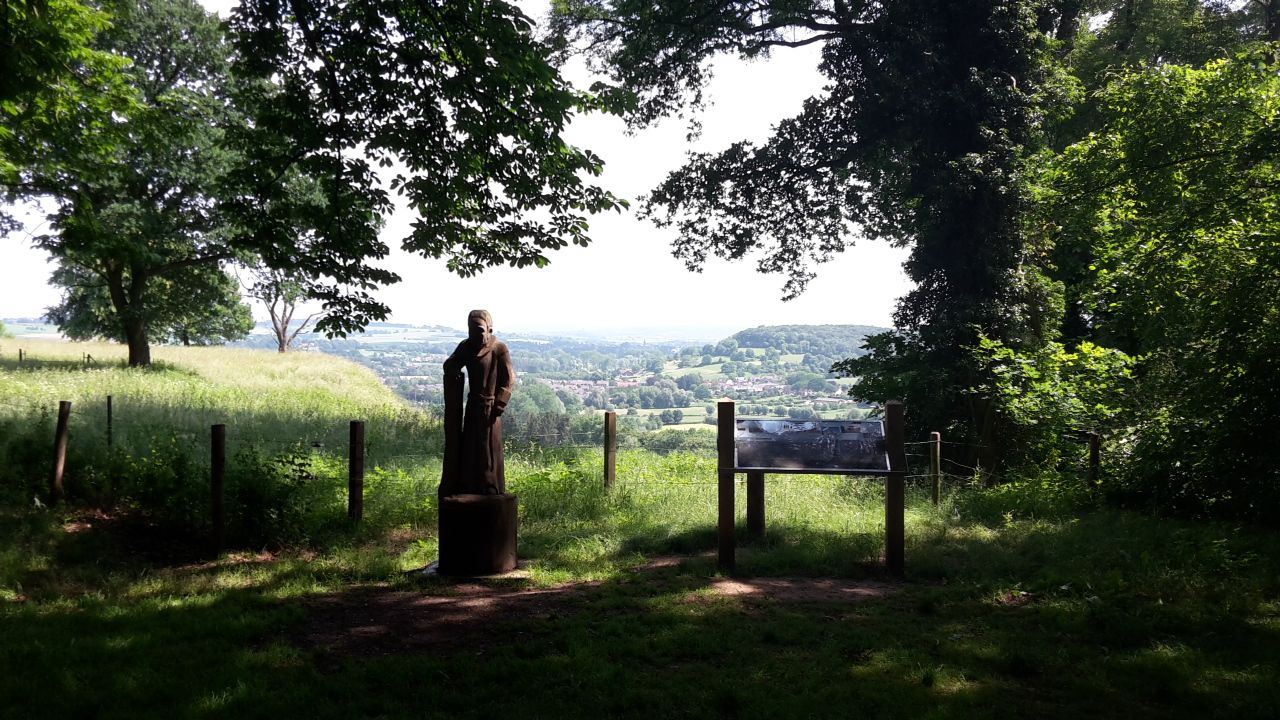
Via Coriovallum – a pilgrimage in the Dutch region of South Limburg
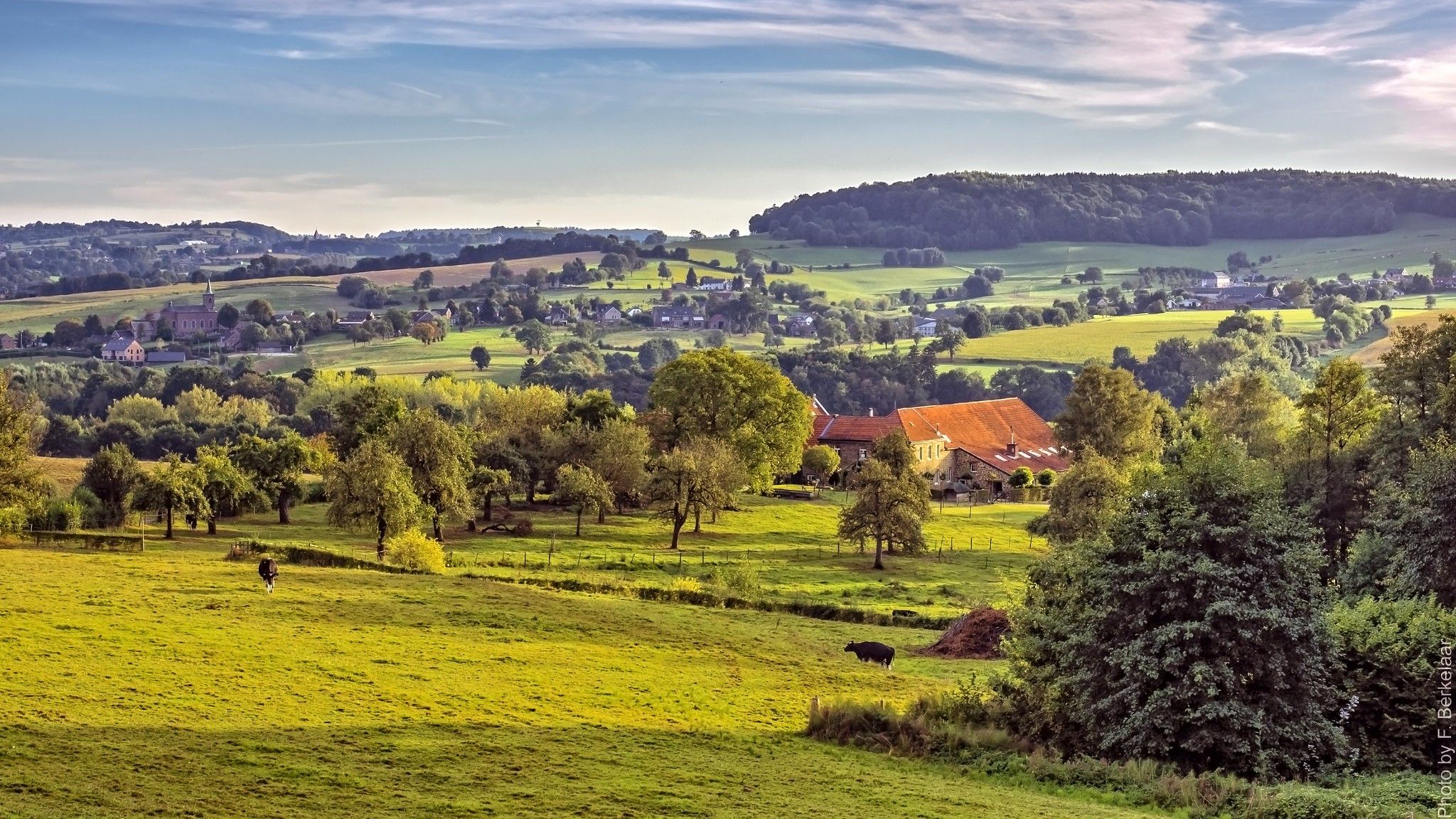
Pilgrim's Way part 2 — s-Hertogenbosch to Maastricht
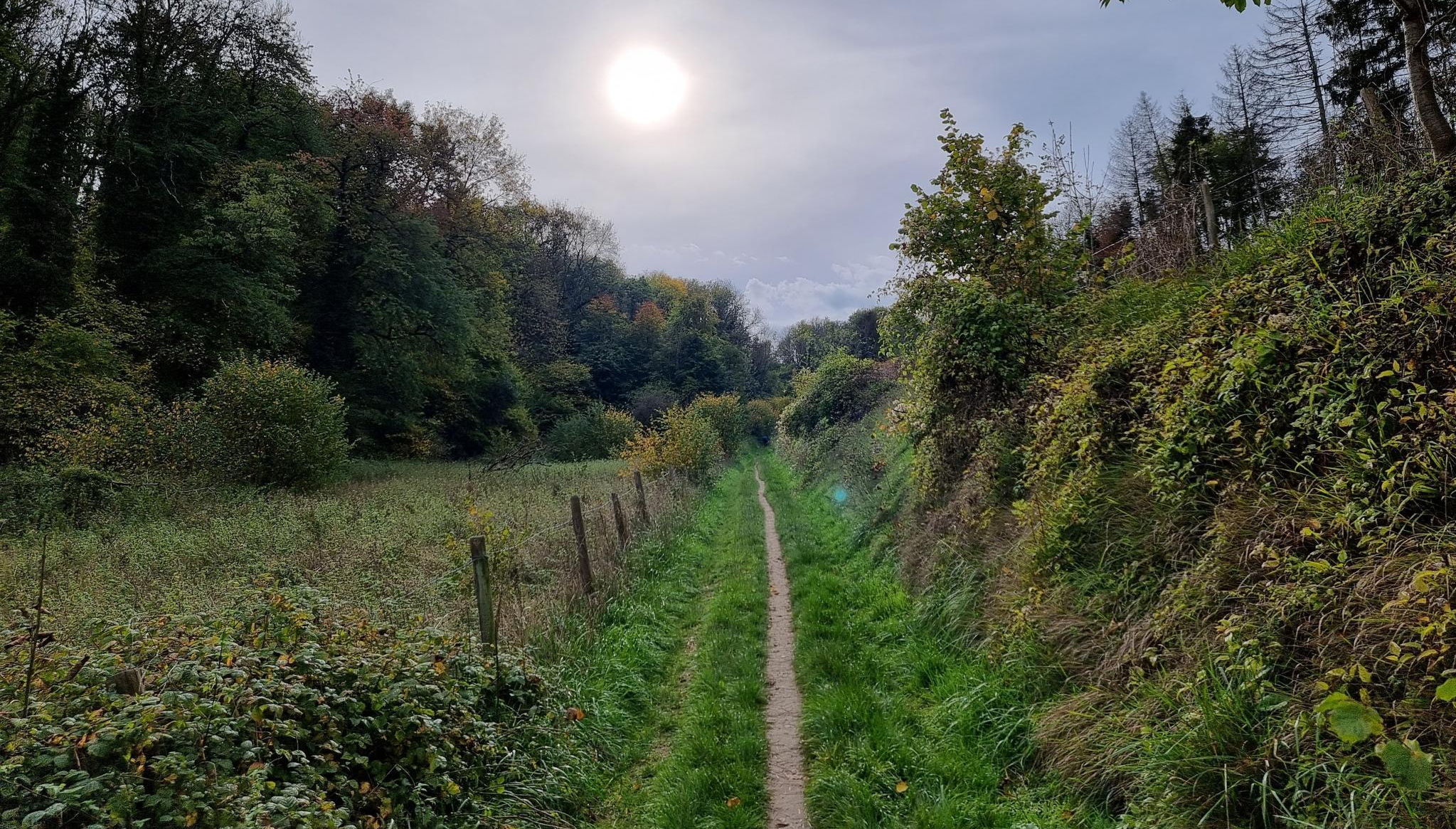
The Limburg200 MTB Ultra – A real Mountainbike Challenge
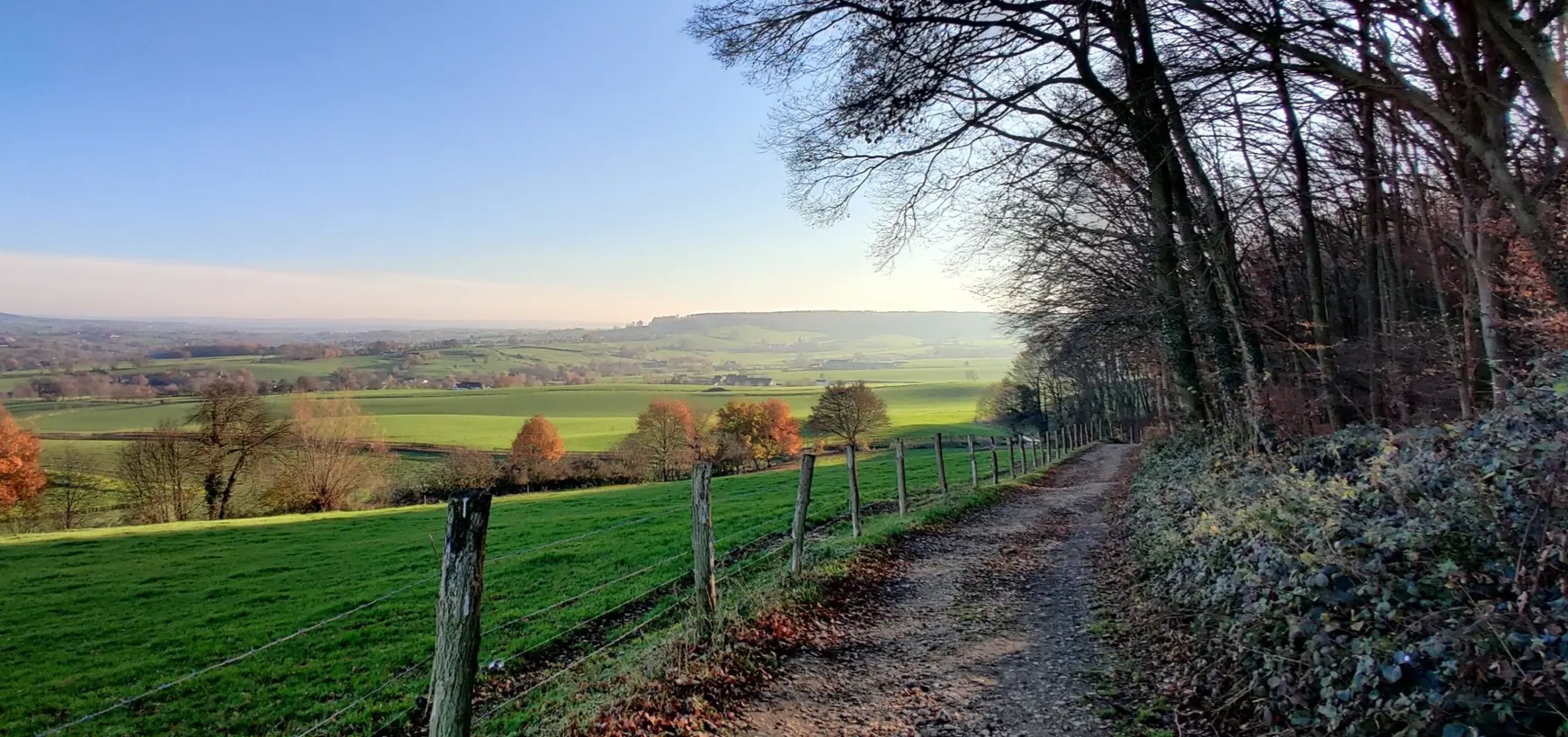
Two days Graveling through the Heuvelland – Limburg200 Gravel
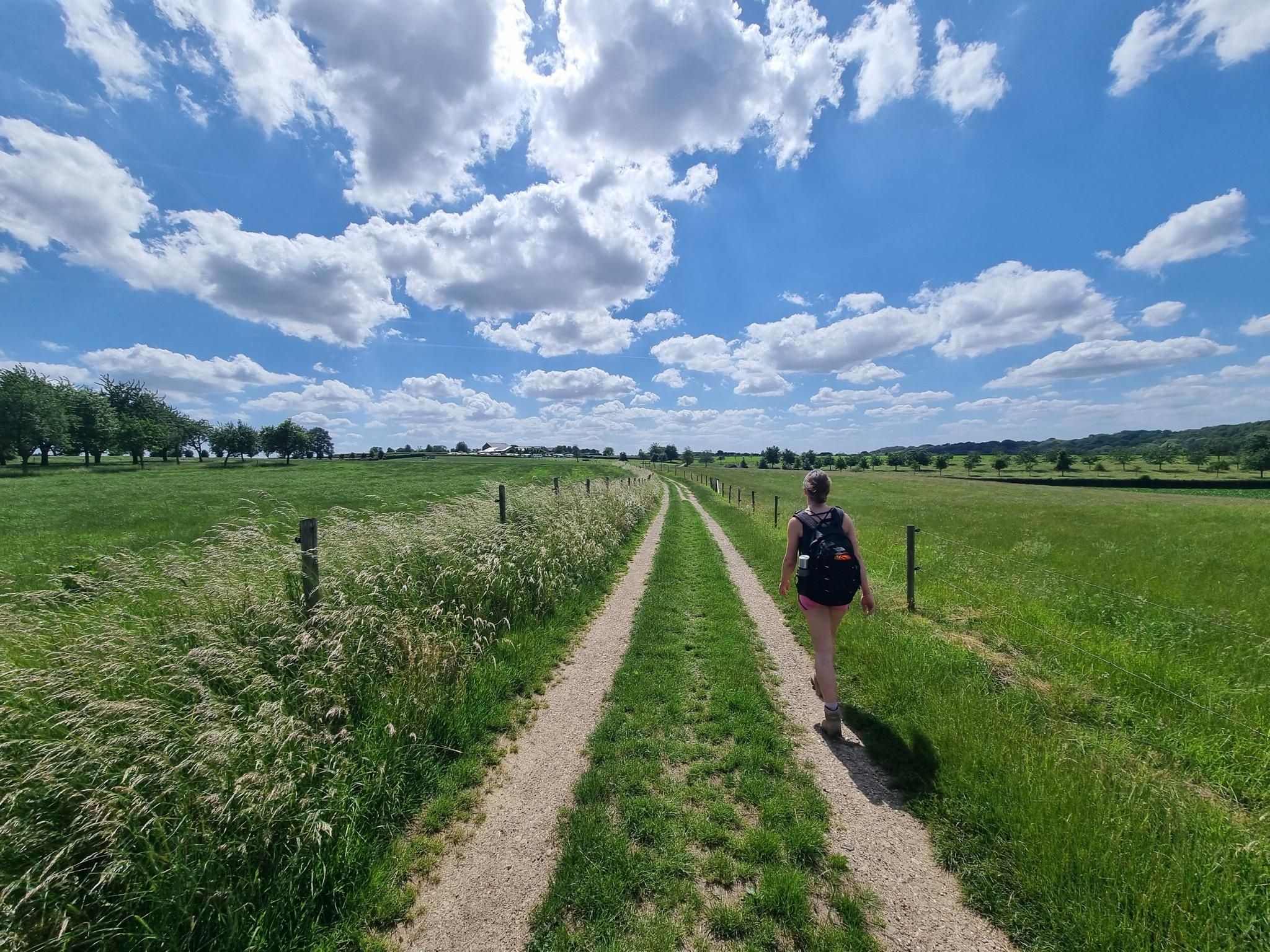
Weekend hike in the south – In two days from station to station
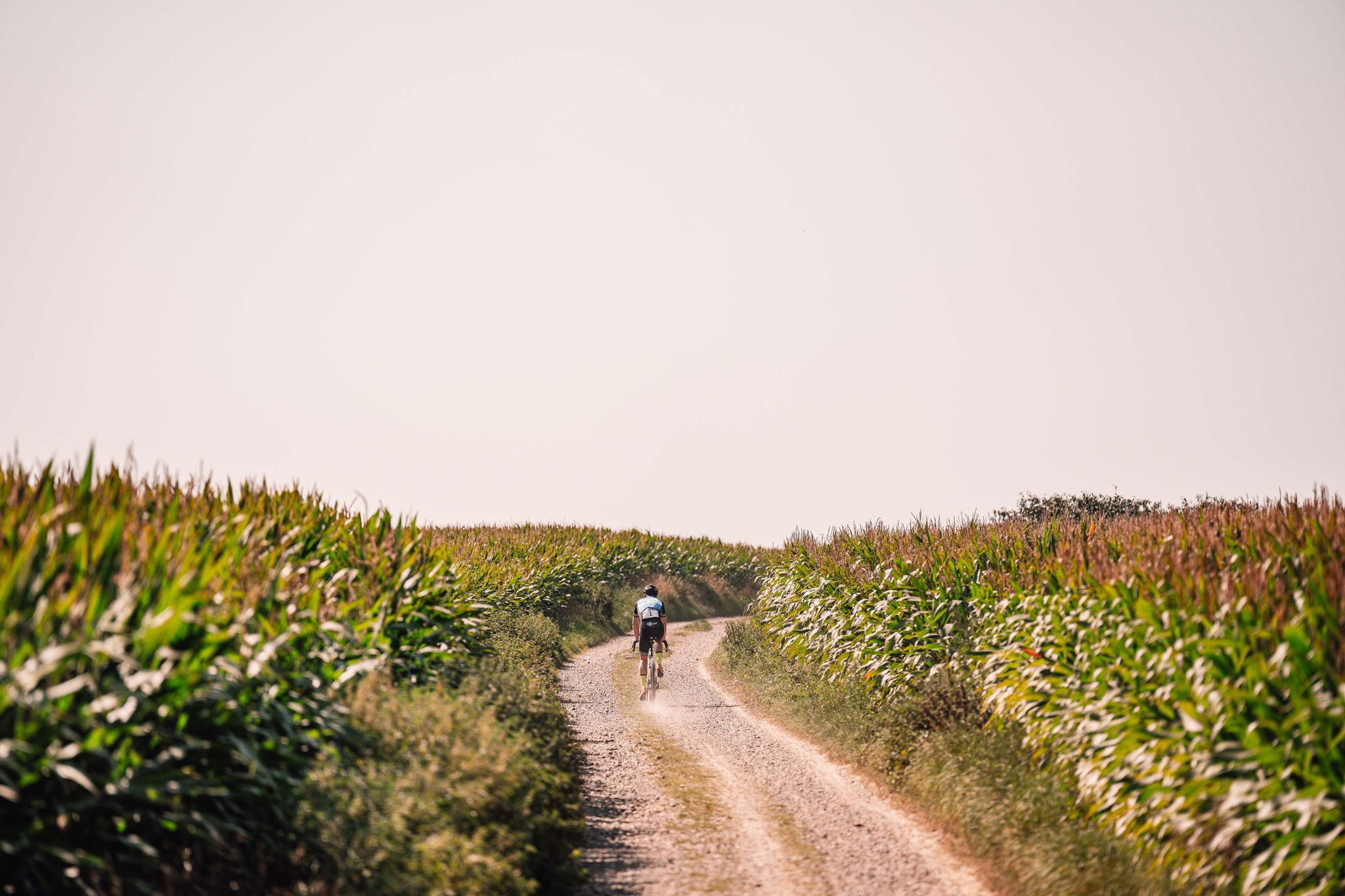
Gravel - Shimano EC Valkenburg
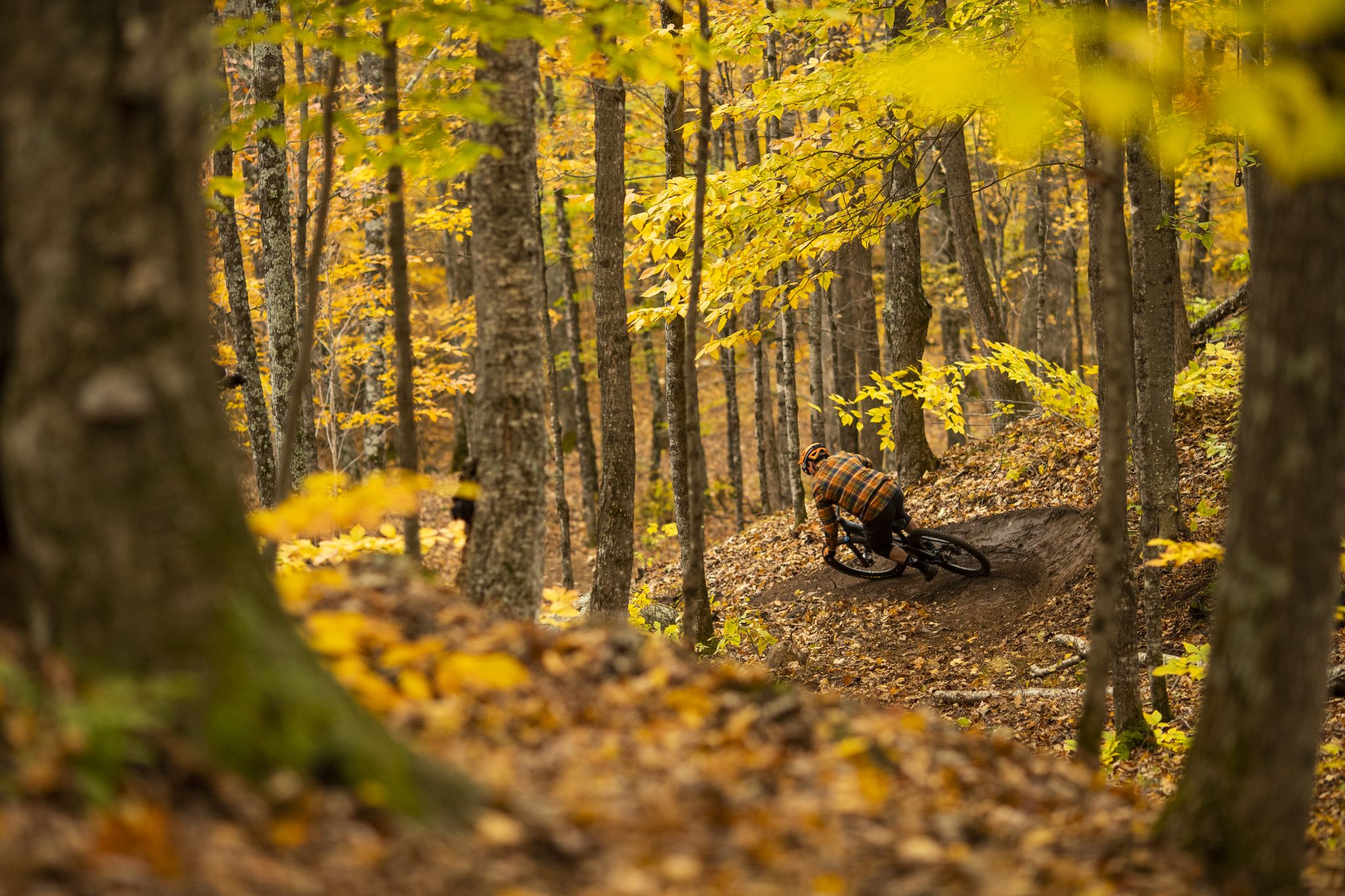
MTB - Shimano EC Valkenburg
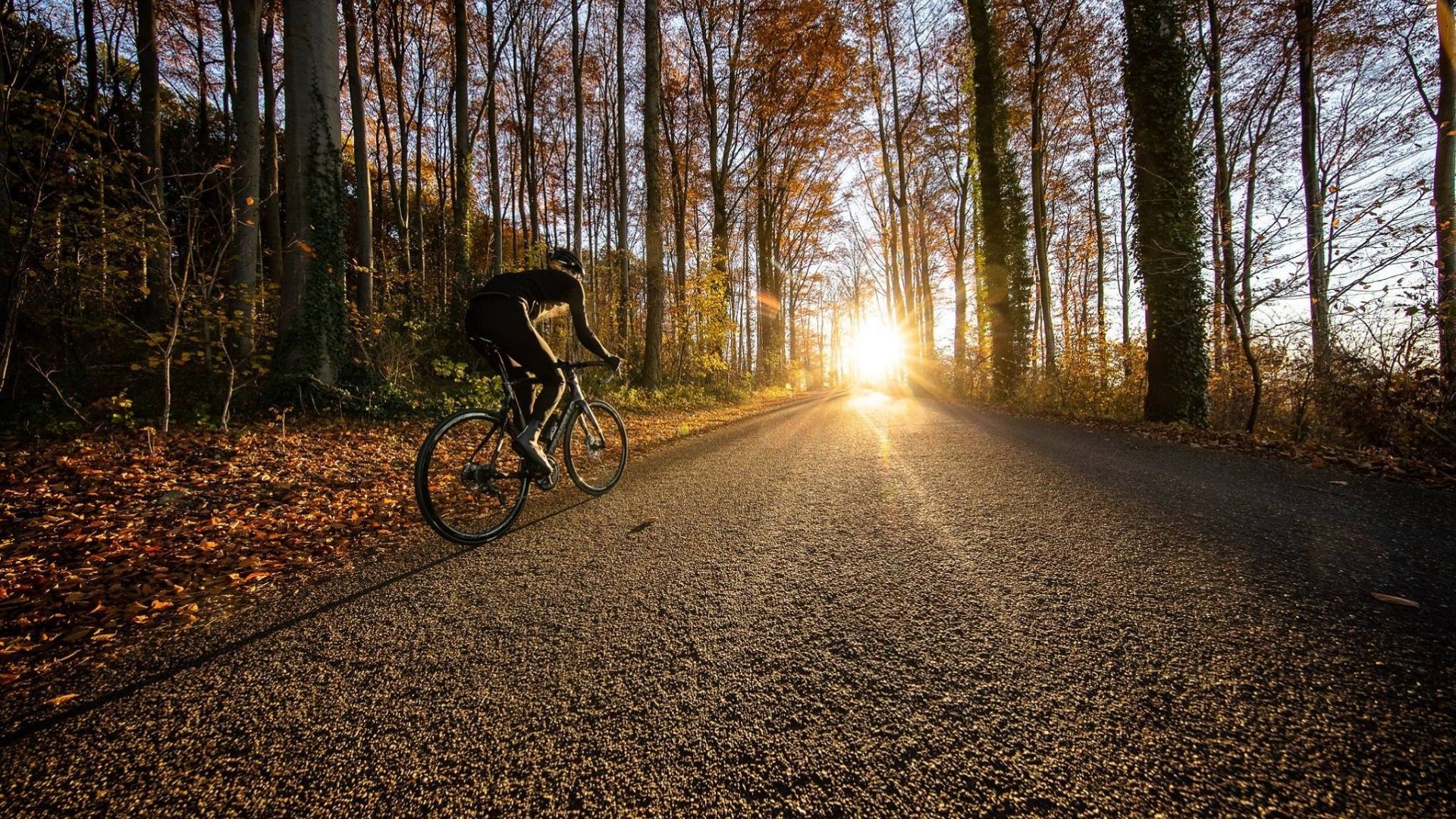
Race - Shimano EC Valkenburg
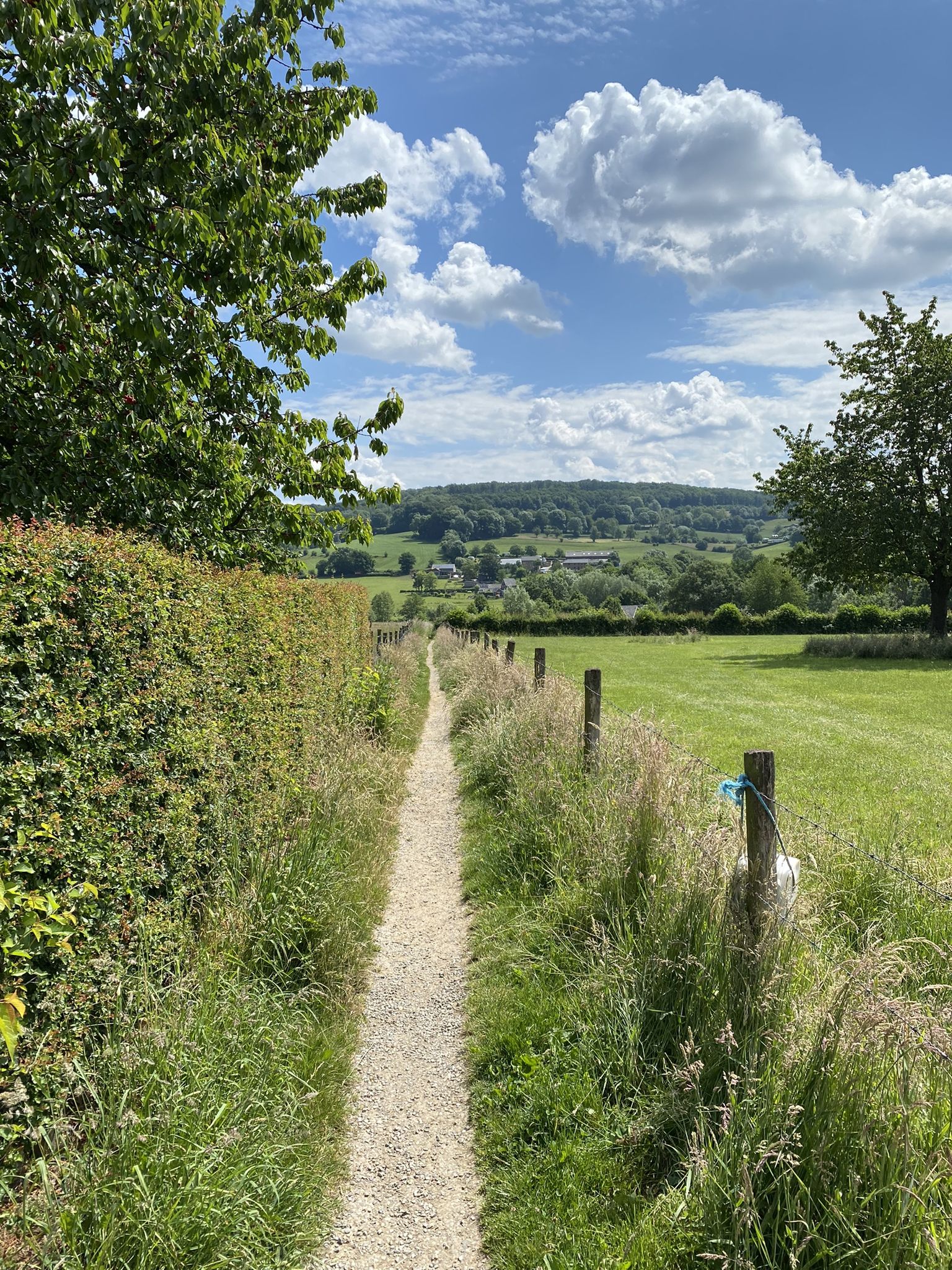
Train your calves in the rolling hills - 10 trailruns in Limburg
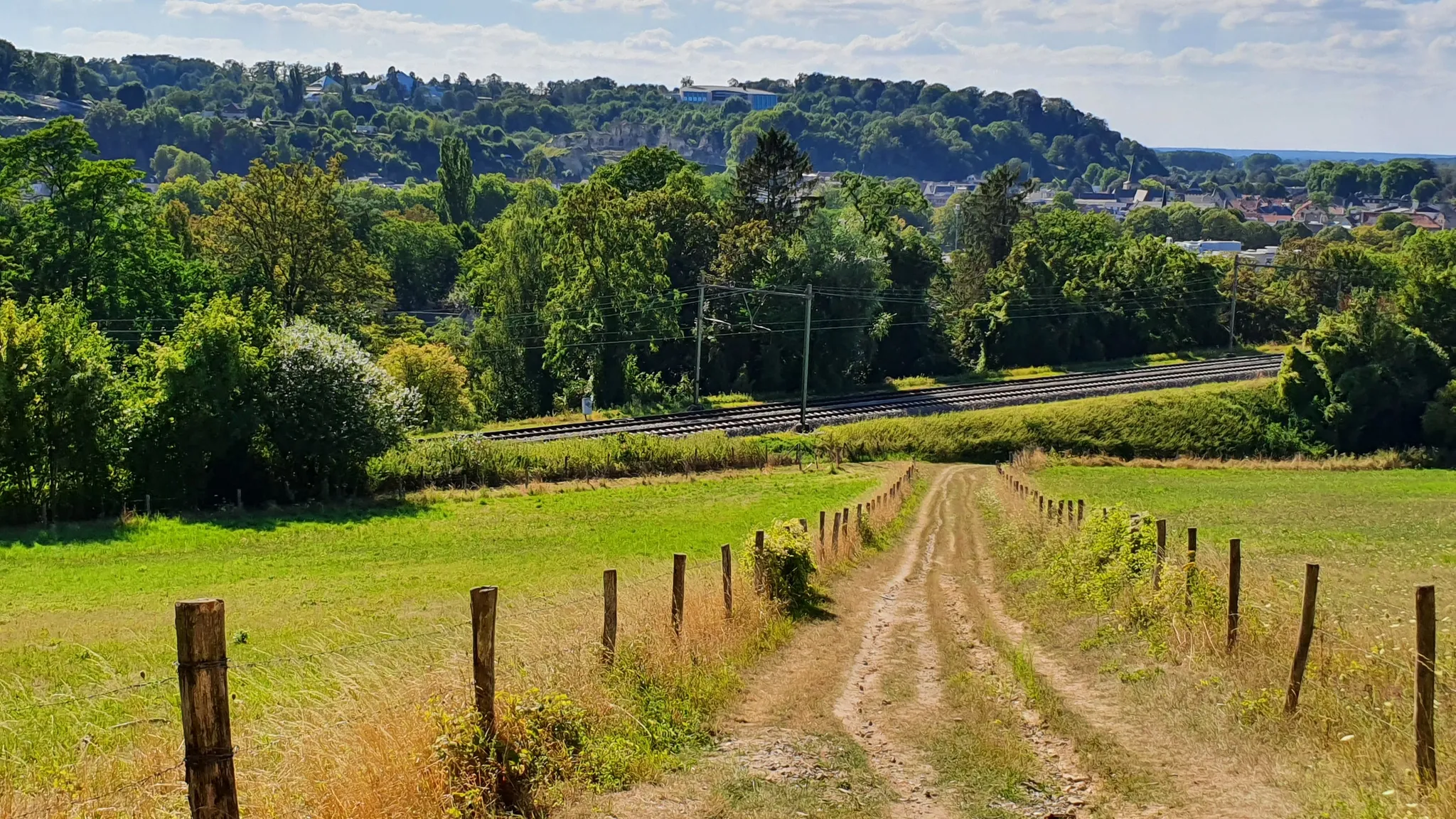
Railrunner Routes - 15 hikes from station to station
Other adventures around Valkenburg Aan De Geul


Tips from the Community

The Neercanne castle is built on the original site of Roman fortifications whose caves still exist and are used as a wine cellar. In the hall, the original staircase with a railing on wide columns is still present. Weapon trophies are depicted in relief on the ceiling. Currently, the castle is used as a hotel and restaurant. The restaurant has been awarded one star by the Michelin Guide.
4
0

we tried to return to Maastricht using the Arriva bus. However, it was a small bus and only 3 seats were available. My friends walked.
0
0

There are old flint quarries in this area: the “Carrières de silex du Thier des Vignes”.
1
0

Here you have a view of old marl quarries. You can see a marl wall with meadows, cows, or sheep.
0
0

A mysterious flint cave on the edge of the Albert Canal, near the locks at Klein Ternaaien. You reach the entrance via a steep path through the woods. The caves are dark, cool, and full of atmosphere—perfect for those who love hidden natural spaces. Bring a flashlight and good walking shoes!
2
0

The Strooberggroeve is a Limburg marl quarry in the Dutch municipality of Eijsden-Margraten. The underground quarry is located north of Bemelen under the Bemelerberg on the north side of the mouth of the dry valley Koelbosgrub in the Meuse valley. The quarry is located on the western edge of the Plateau of Margraten in the transition to the Meuse valley. At this point, the plateau drops steeply for a few meters. https://nl.wikipedia.org/wiki/Strooberggroeve
1
0

Very nice walking route along the chateau. Beautiful panorama. With a house in the valley below that used to be the border post.
4
0

Neercanne Castle was built on the original site of Roman fortifications, the caves of which still exist and are used as wine cellars. The original staircase with a banister on wide columns is still in the hall. The ceiling features relief depictions of weapon trophies. The castle is currently in use as a hotel and restaurant.
7
0
Frequently Asked Questions
Which caves in Valkenburg Aan De Geul are suitable for families with children?
For an interactive and educational experience, MergelRijk is highly recommended. It offers insights into marl extraction, features sculptures, 3D cave paintings, and a "DinoRijk" section, making it engaging for all ages. The Château Neercanne also lists 'family_friendly' as a category, offering a unique setting with a limestone quarry used as a wine cellar.
What historical aspects can I explore in the caves of Valkenburg Aan De Geul?
The region's caves are rich in history. The Gemeentegrot, for instance, was excavated by Romans and served as a refuge, secret church, and even a Cold War fallout shelter. The Fluweelengrot, connected to Valkenburg Castle Ruins, features medieval escape passages, 18th-century murals, and served as a hiding place during WWII. Additionally, the Geulhemmerberg Climb and Cave Dwellings showcases historical rock dwellings once inhabited by blockbreakers.
Are there any unique or interactive underground experiences in Valkenburg Aan De Geul?
Yes, MergelRijk offers an interactive journey with 3D cave paintings, the opportunity to carve sandstone, and a "DinoRijk" section. The Gemeentegrot hosts an annual Christmas market, transforming the underground passages into a festive wonderland. For a cultural experience, the Roman Catacombs provide a meticulous full-scale reconstruction of ancient Roman burial chambers with detailed frescoes.
What are the geological features of the caves in Valkenburg Aan De Geul?
The caves are primarily marlstone systems, often former marl quarries. You can observe the soft marlstone walls, which have been shaped by centuries of extraction and natural processes. The Strooberg Quarry is a natural monument featuring marl caves and a marl wall that forms a protected habitat. The Trichterberggroeve Limestone Quarry also displays steep limestone walls and geological 'organ pipes' formed by rainwater.
What is the best time of year to visit the caves in Valkenburg Aan De Geul?
The caves maintain a constant temperature of around 12 degrees Celsius year-round, making them a comfortable visit in any season. However, the winter months are particularly popular due to the unique underground Christmas markets held in the Gemeentegrot and Fluweelengrot.
What should I wear when exploring the caves?
Given the constant temperature of approximately 12 degrees Celsius inside the caves, it's advisable to wear layers or bring a light jacket, even during warmer months. Comfortable walking shoes are also recommended for navigating the passages.
What are the main differences between the Gemeentegrot and Fluweelengrot?
Both are significant marl caves, but they offer distinct experiences. The Gemeentegrot is one of the largest, with extensive passages explorable on foot or by slow train, known for its Roman origins and annual Christmas market. The Fluweelengrot is directly connected to the Valkenburg Castle Ruins, focusing more on medieval history, secret passages, and 18th-century murals, also hosting a popular Christmas market.
Are there any outdoor activities or routes near the caves?
Yes, the region around Valkenburg Aan De Geul offers various outdoor activities. You can find numerous running trails, such as the "Caves, cave houses and the Geul" route, or mountain hikes like the "Fort Sint Pieter – Château Neercanne loop." For cycling enthusiasts, there are gravel biking routes like the "Limburg loop from Valkenburg." You can explore more options on the Running Trails around Valkenburg Aan De Geul, Mountain Hikes around Valkenburg Aan De Geul, and Gravel biking around Valkenburg Aan De Geul guide pages.
What do visitors enjoy most about the caves around Valkenburg Aan De Geul?
Visitors appreciate the rich history, unique geological formations, and diverse experiences offered. The community has shared over 750 photos and given more than 1000 upvotes, highlighting the appeal of sites like Château Neercanne for its culinary and historical setting, and the natural beauty of Strooberg Quarry.
Are the caves in Valkenburg Aan De Geul wheelchair accessible?
Accessibility varies by cave. While some sections or specific caves like MergelRijk may offer better accessibility, the older, more natural cave systems with uneven terrain and narrow passages might pose challenges. It is recommended to check with individual cave attractions directly for their specific accessibility information.
Can I find cafes or restaurants near the cave attractions?
Yes, several caves and nearby highlights offer dining options. Château Neercanne is known for its restaurant within the castle grounds, utilizing a limestone quarry as a wine cellar and dining room. Terborgh Castle also features a restaurant, making it convenient for refreshments after your cave exploration.
Most popular routes around Valkenburg Aan De Geul
Most popular attractions around Valkenburg Aan De Geul

Get inspired with the komoot mobile app


Explore more
Extend your search for the best caves by checking out these guides of the top ones around Valkenburg Aan De Geul:
