Attractions and Places To See around Sint-Michielsgestel - Top 20
Attractions and places to see around Sint-Michielsgestel include a mix of historical landmarks, natural reserves, and cultural sites. The municipality is characterized by its green, tranquil landscape, shaped by the meandering stream valleys of the Dommel and Aa rivers. Visitors can explore ancient structures, expansive nature areas, and unique local points of interest.
Best attractions and places to see around Sint-Michielsgestel
- The most popular attractions is Kampina Nature Reserve, a nature reserve featuring wet heathland with fens, scented gale…
Last updated: July 20, 2026
Kampina Nature Reserve
Highlight • Forest
Translated by Google •
Tip by

Moerputten Bridge
Highlight • Bridge
Translated by Google •
Tip by

Sign up now to discover places like this
Get recommendations on the best single tracks, peaks, & plenty of other exciting outdoor places.
Sign up for free
Moerputten Boardwalk
Highlight (Segment) • Trail
Translated by Google •
Tip by

Palingven
Highlight • Lake
Translated by Google •
Tip by
Heeswijk Castle
Highlight • Castle
The castle can also be visited.
Translated by Google •
Tip by

Sign up for free to discover even more attractions around Sint-Michielsgestel.
Sign up for free
Already have an account?
Start today with a free account
Your next adventure awaits.
Login or Signup
Popular around Sint-Michielsgestel
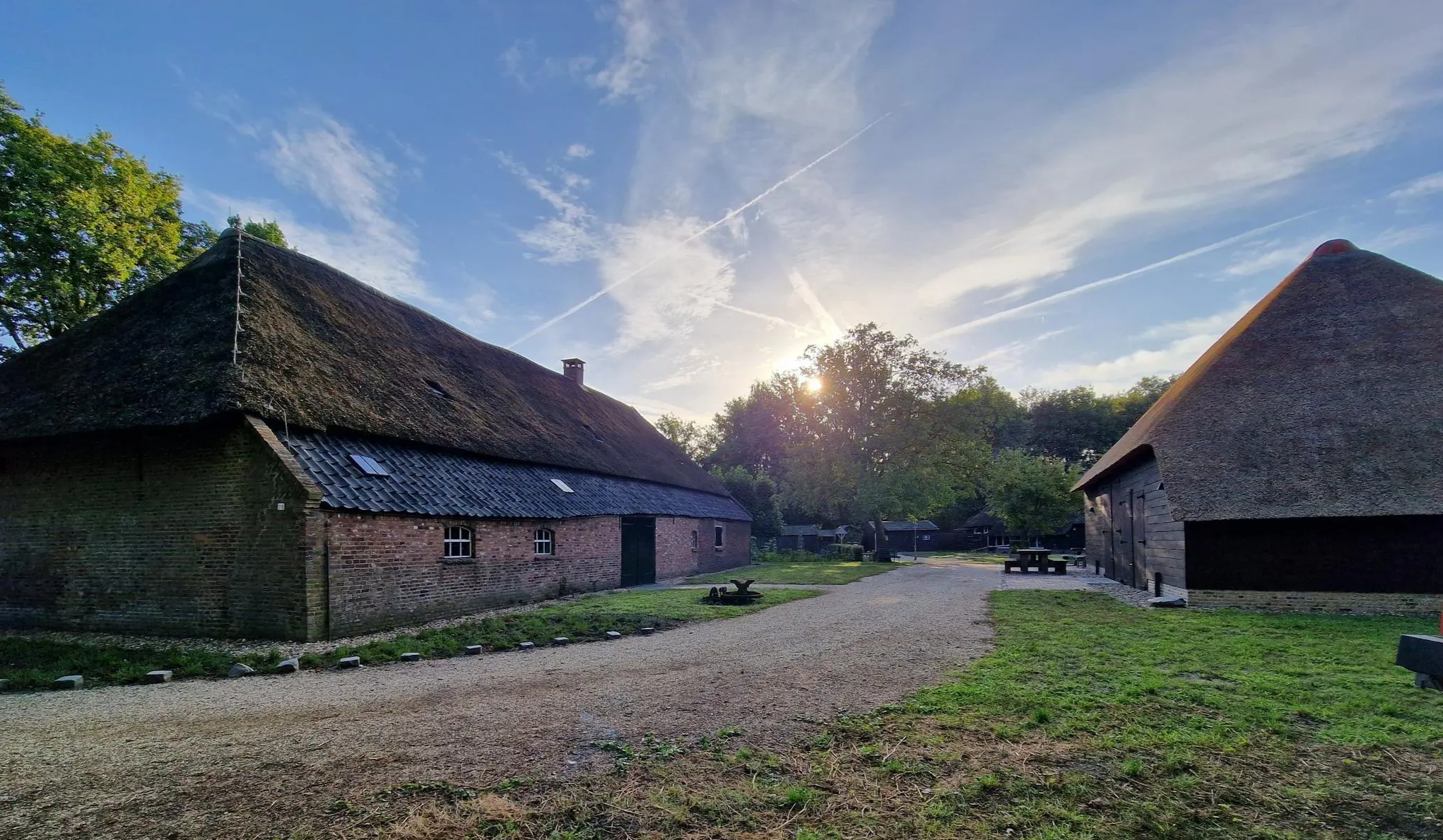
Four versatile Brabant – Nature camping route Noord-Brabant
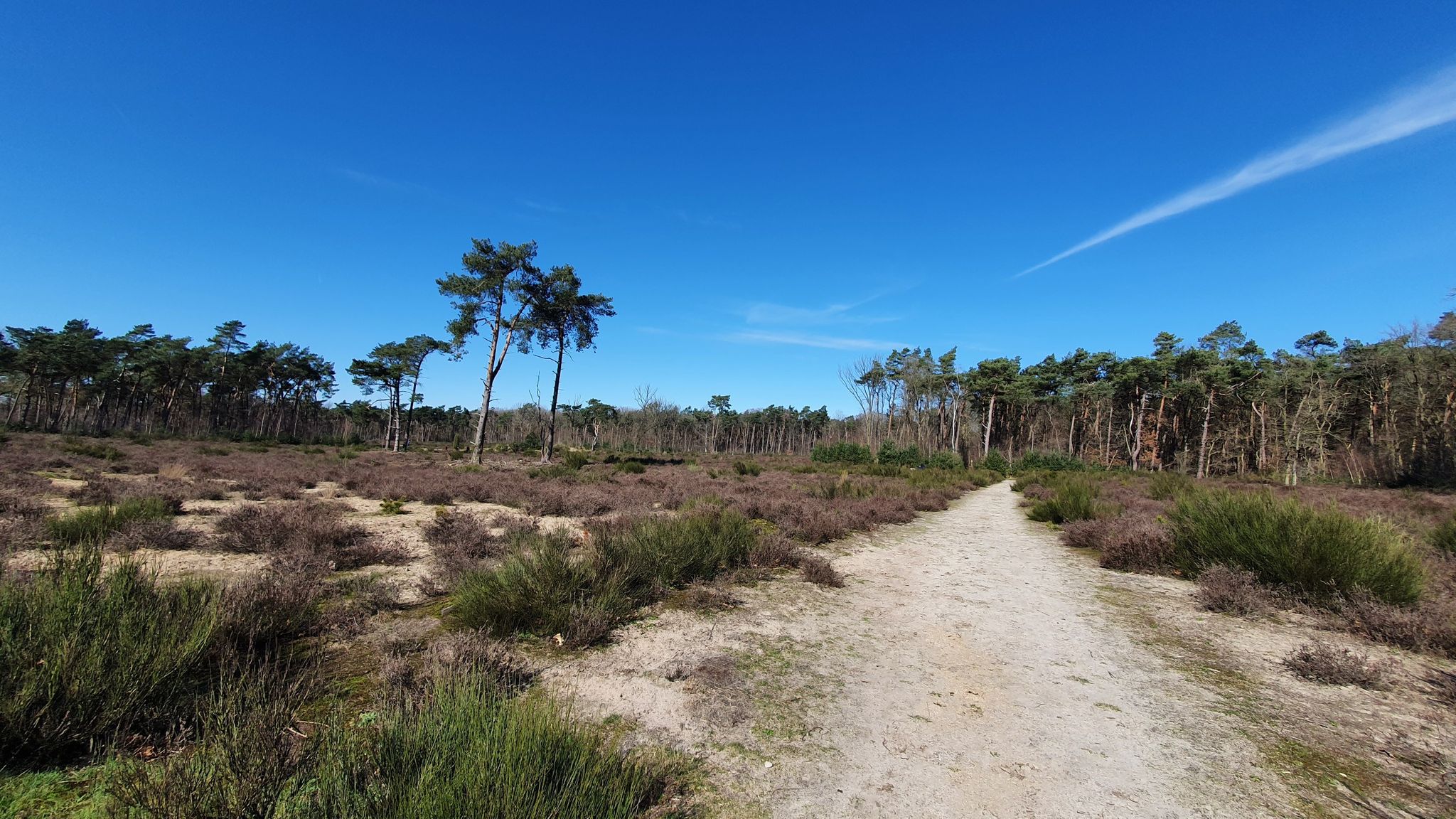
The varied landscapes of the Netherlands – the Hertogenpad
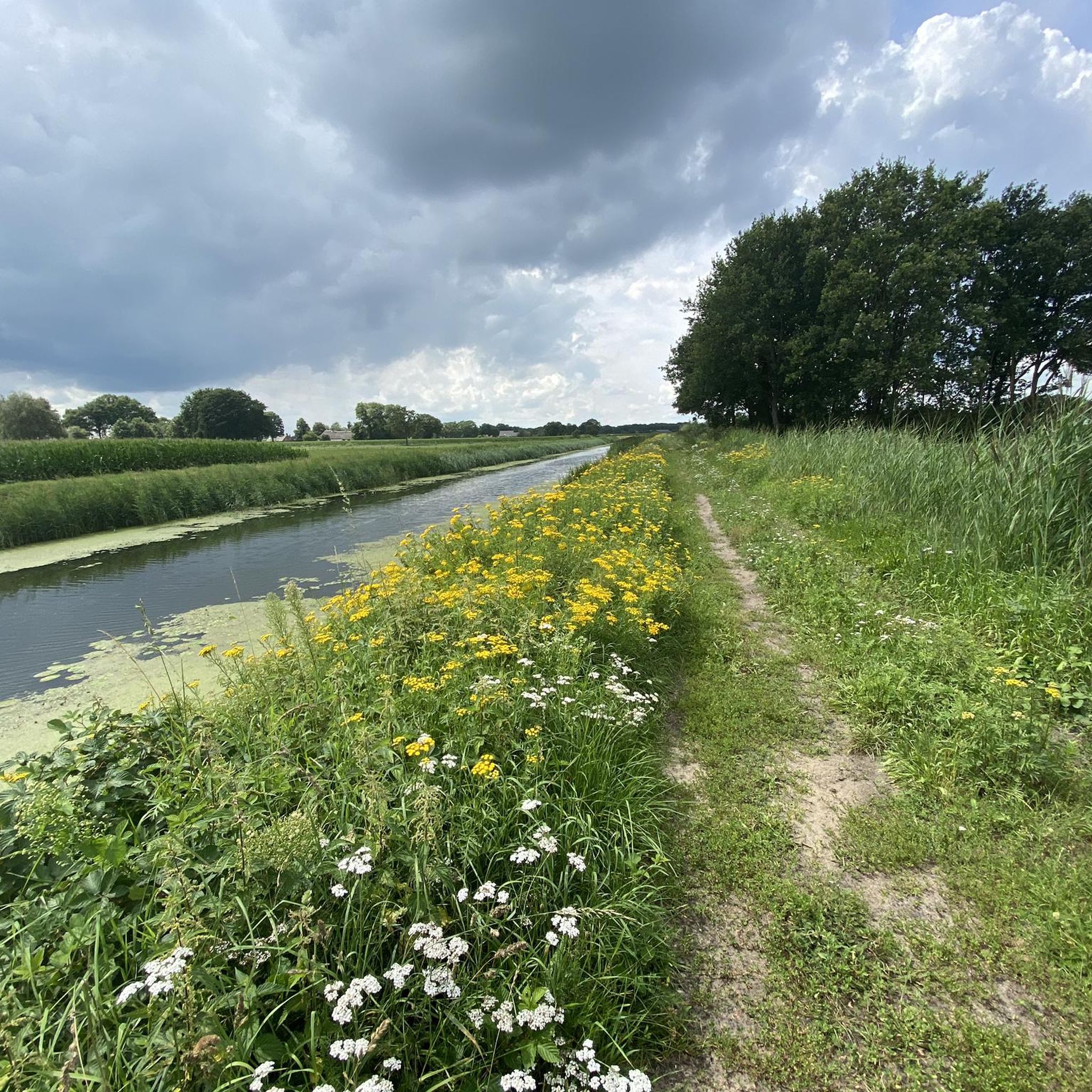
Hiking around Sint-Michielsgestel
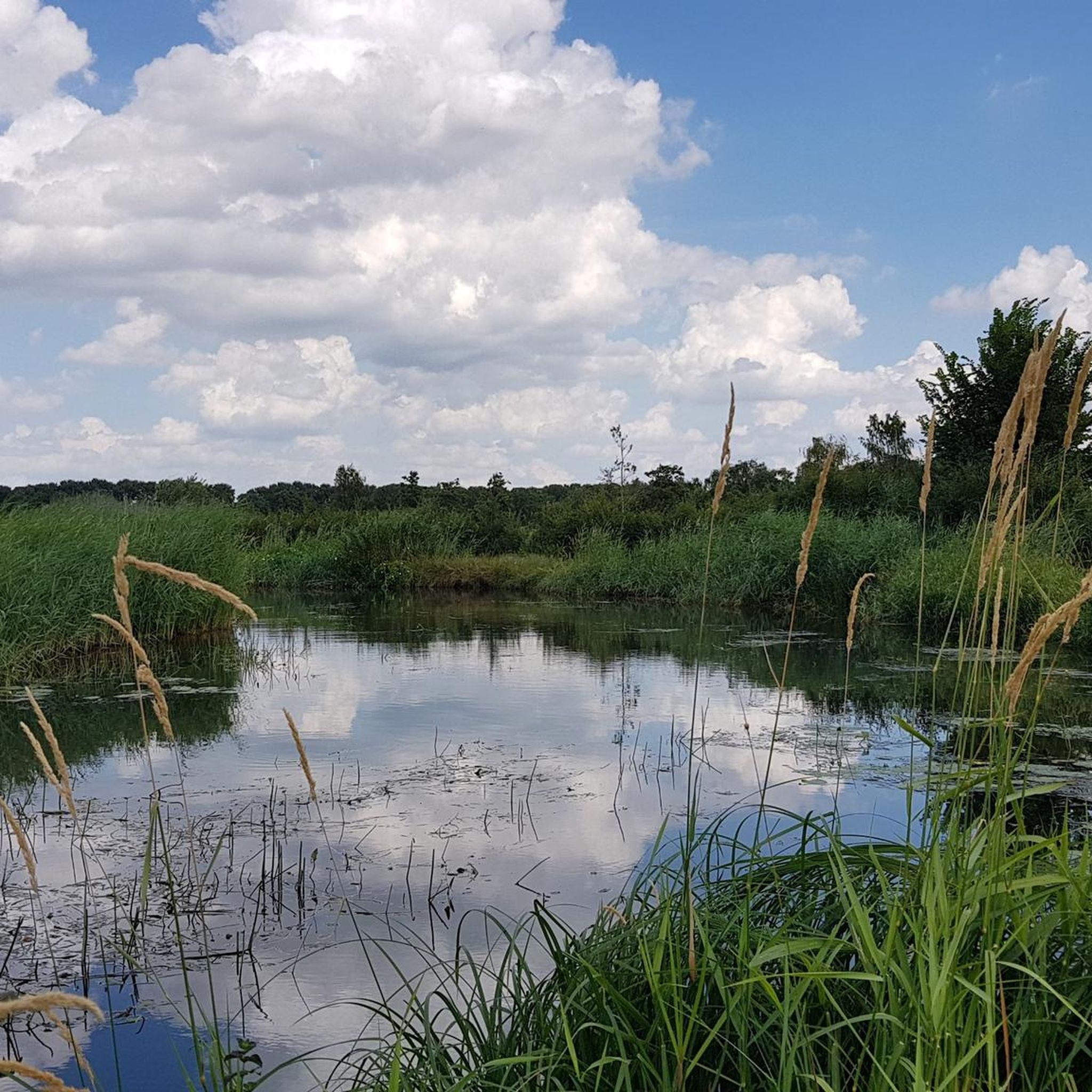
Cycling around Sint-Michielsgestel
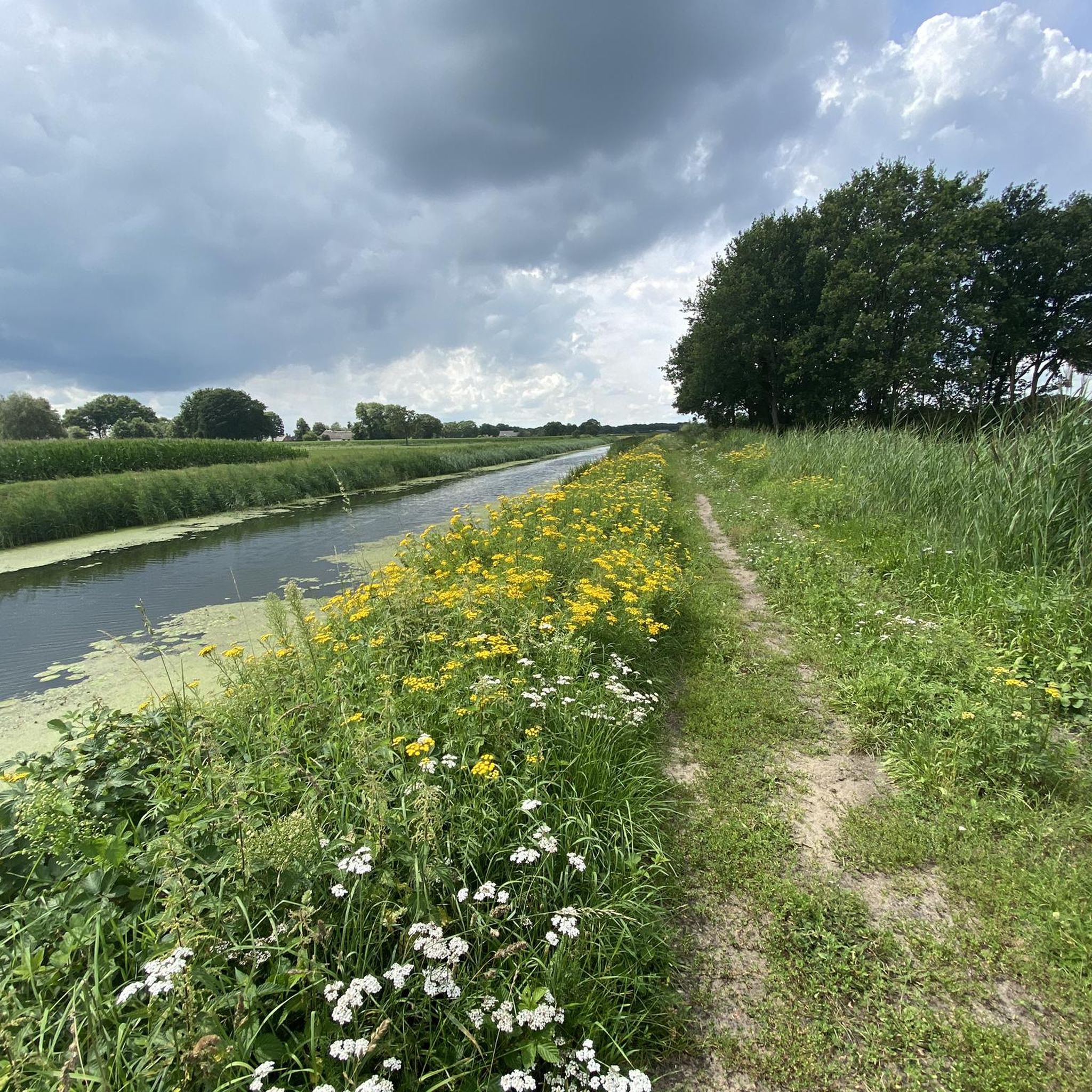
Road Cycling Routes around Sint-Michielsgestel
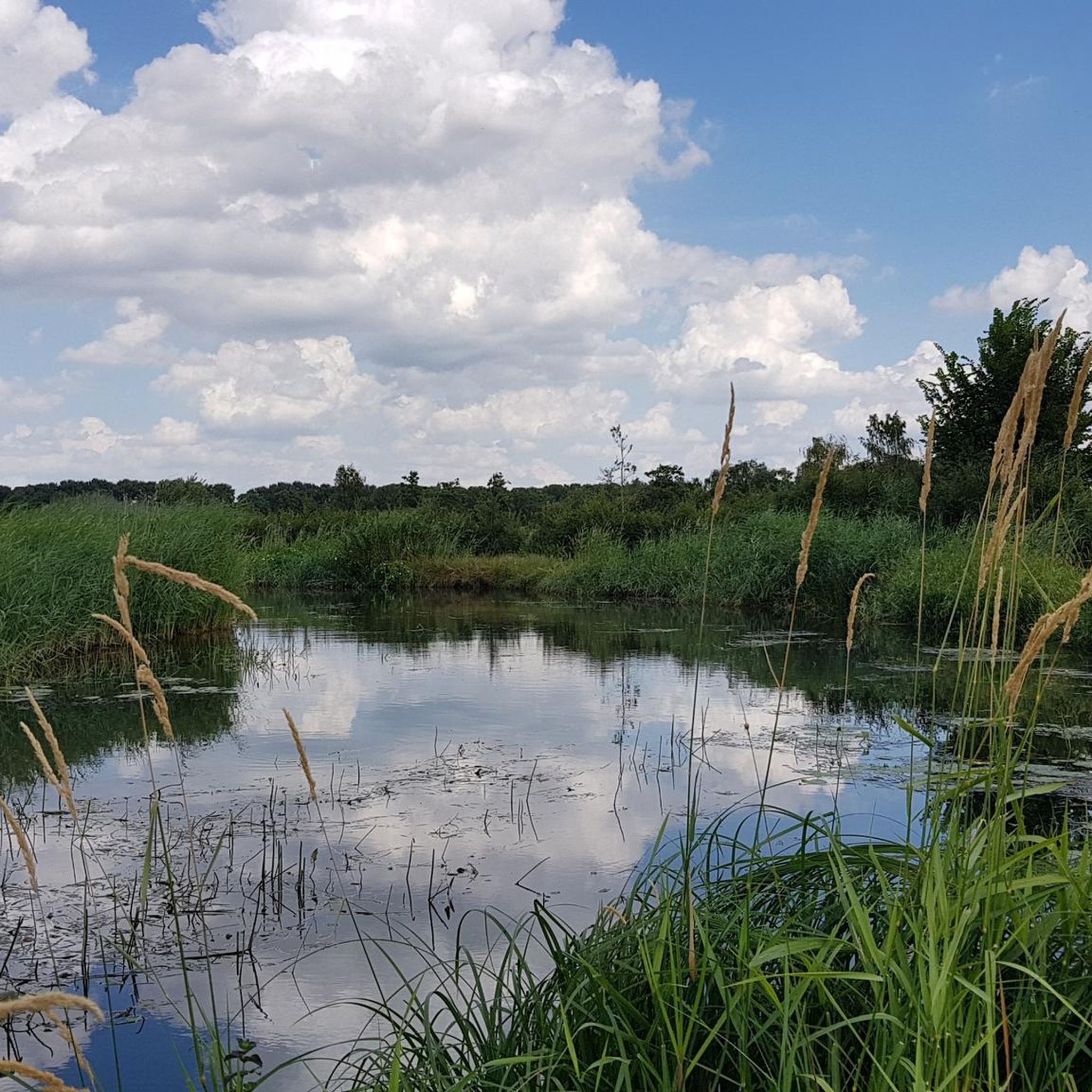
Running Trails around Sint-Michielsgestel

Gravel biking around Sint-Michielsgestel
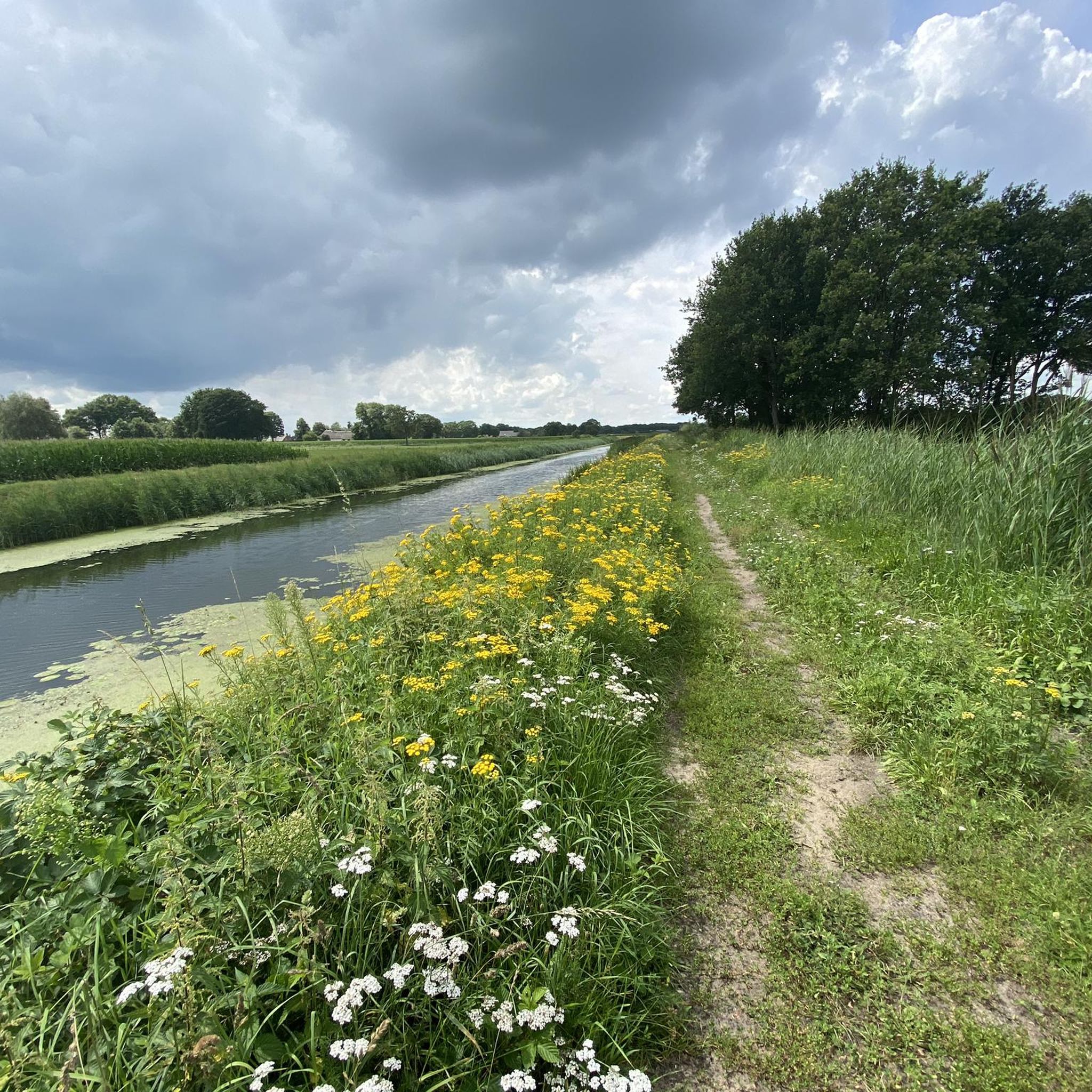
MTB Trails around Sint-Michielsgestel

Tips from the Community

Beautiful path through a forest area with fens.
2
0

Very beautifully landscaped. You not only walk over swamp but also water. Good that this wooden path has been constructed ;-)
4
0


Very beautiful area, and the walk across the railway bridge makes you feel like you are in the jungles of Africa, what a beautiful nature. The boardwalk is also fantastically beautiful. Rub in well for the insects because it is swarming with them.
6
1

The Moerputtenbrug is a historic structure that is part of the former Langstraatspoorlijn in the Netherlands. The bridge, located in the Moerputten nature reserve, was on the route between 's-Hertogenbosch and Lage Zwaluwe. The original Moerputtenbrug was built in 1881 and served as an important connection for both passenger trains and freight transport. At the time, it was a technical feat due to the length of the bridge and the complex construction. The bridge consisted of several pillars that supported the track above the marshes and the water. During the Second World War, in 1944, the bridge was blown up by the Dutch resistance to stop the advancing German troops. After the war, however, the bridge was rebuilt and put back into use. Although the Langstraatspoorlijn was closed to train traffic in the 1970s, the Moerputtenbrug has been preserved as an important industrial heritage.
15
1

As a result of the varied landscapes, there are many different types of animals. Think of beavers, pine martens, Icelandic horses, kingfishers, cows, spoonbills and deer. In addition, the animals provide a particularly rich flora and fauna, which makes this area beautiful in the spring and in the late summer you can enjoy a beautiful purplish heath.
3
1

The 600 meter long railway bridge is a fine example of 19th century industrial heritage. This colossus consists of a riveted iron construction that rests on 35 concrete pillars.
8
0

Frequently Asked Questions
What natural features can I explore around Sint-Michielsgestel?
Sint-Michielsgestel is rich in natural beauty, centered around the meandering stream valleys of the Rivier de Dommel and Rivier de Aa. You can explore the expansive Kampina Nature Reserve, known for its diverse ecosystems including wet heathland, fens, and free-roaming horses. Within Kampina, you'll find Palingven, a serene pond with a small sandy beach. The Moerputten Boardwalk offers a unique experience through a low peat swamp, while the Moerputten Bridge is a historic railway bridge set within the Moerputten nature reserve.
Are there historical sites to visit in Sint-Michielsgestel?
Yes, the area boasts several historical landmarks. The 15th-century Oude Toren stands prominently in the Petrus Dondersplein, the village's central square. Nearby, the 1808 Protestant Church and the 1930s St. Michael's Church showcase different architectural eras. Further afield, the impressive 11th-century Heeswijk Castle is open to visitors. You can also find the historical Nieuw-Herlaer Castle, now a manor, and Haanwijk, a 16th-century manor housing the small Museum Romeins Halder, which brings Roman-era archaeological finds to life.
What outdoor activities can I do near these attractions?
Sint-Michielsgestel is an excellent destination for outdoor enthusiasts. You can enjoy hiking, cycling, and mountain biking. For hiking, consider routes like the 'Zegenwerp Estate – Dommel Fish Passage loop' or the 'Dommel River at Sint-Michielsgestel – Hooibrug over the Dommel loop'. Cyclists can explore the 'Bike path through the woods – Kampina Nature Reserve loop' or the 'St. John's Cathedral – Out Herlaer Farm loop'. Mountain bikers have options such as the 'View of Nieuw-Herlaer Castle – Haanwijk Lane (gravel) loop'. You can find more details and routes on the respective guide pages for Hiking around Sint-Michielsgestel, Cycling around Sint-Michielsgestel, and MTB Trails around Sint-Michielsgestel.
Are there family-friendly attractions around Sint-Michielsgestel?
Absolutely! Many attractions are suitable for families. The Kampina Nature Reserve offers open spaces and the chance to see free-roaming horses. The Moerputten Boardwalk and Moerputten Bridge provide an engaging walk through nature. Palingven is a lovely spot for a quiet outing. For a unique experience, consider visiting Kamelenmelkerij Smits in nearby Berlicum, Europe's only camel dairy, which offers camel safaris.
What is the best time of year to visit Sint-Michielsgestel?
The best time to visit Sint-Michielsgestel for outdoor activities and exploring its natural and historical sites is generally during the spring, summer, and early autumn months (April to October). During these periods, the weather is typically mild and pleasant, ideal for hiking, cycling, and enjoying the scenic landscapes. Be aware that some areas, like the Moerputten Boardwalk, might have mosquitoes in the summertime, so come prepared.
Are there any unique or less crowded attractions to discover?
For those seeking unique or less crowded spots, consider the Bomentuin d'n Hooidonk (Arboretum d'n Hooidonk), a relatively new tree garden offering a peaceful setting. The estates of Seldensate and Engelenstede also provide tranquil natural environments. The Palingven, while once a popular swimming spot, now offers a quiet retreat where 'silence reigns'.
Can I find Roman-era history in Sint-Michielsgestel?
Yes, you can delve into Roman-era history at the small Museum Romeins Halder, located within the historic Haanwijk manor. This museum brings local Roman-era archaeological finds to life, offering a glimpse into the ancient past of the region.
What is the significance of the Dommel and Aa rivers?
The Rivier de Dommel and Rivier de Aa are central to the landscape and history of Sint-Michielsgestel. The 120 km long Dommel flows directly through the village, historically vital for transport and now dividing the area. The municipality's green, tranquil character is largely shaped by the meandering stream valleys of these rivers, contributing to a uniquely varied natural landscape.
What do visitors enjoy most about Sint-Michielsgestel?
Visitors particularly appreciate the diverse natural landscapes and the tranquility of the area. The Kampina Nature Reserve is loved for its variety and the sight of free-roaming horses. The Moerputten Boardwalk is praised for its 'fairytale moss' and unique experience through the low peat swamp. Many also enjoy the historical significance of sites like the Moerputten Bridge and the serene beauty of places like Palingven.
Are there any specific hiking trails recommended for different difficulty levels?
Yes, Sint-Michielsgestel offers hiking trails for various skill levels. For an easy walk, consider routes like the 'De Wamberg Estate – Wamberg Pond loop' (4.9 km) or the 'Entrance to De Wamberg Estate – De Wamberg Estate loop' (7.1 km). Moderate options include the 'Zegenwerp Estate – Dommel Fish Passage loop' (12.8 km) and the 'View of Nieuw-Herlaer Castle – Dommel loop' (8 km). A more challenging route is the 'Dommel River at Sint-Michielsgestel – Hooibrug over the Dommel loop' (20.7 km). You can find more details on these and other trails on the Hiking around Sint-Michielsgestel guide page.
Can I explore the fortifications of 's-Hertogenbosch from Sint-Michielsgestel?
While not directly in Sint-Michielsgestel, you can easily access 's-Hertogenbosch (Den Bosch) to explore its fortifications. Visitors can experience 'Vestingfietsen: op de fiets door Den Bosch', which allows you to explore the city's defenses by bike, Segway, or tour boat, often with a guide providing historical insights.
What is the Former Institute for the Deaf?
The Former Institute for the Deaf is an imposing historical structure located on Theerestraat, on the western side of the Dommel river. Dating back to 1908, it is considered a rare and significant building of its kind, reflecting a part of the region's social history.
Most popular routes around Sint-Michielsgestel
Most popular attractions around Sint-Michielsgestel

Get inspired with the komoot mobile app


Explore more
Still not found the Highlight you’re looking for? See guides of the top attractions in other regions:
