Top 20 Natural Monuments around Schermer
Best natural monuments around Schermer are characterized by a unique cultural landscape, shaped by centuries of human interaction with nature. The region's defining features include the historic Schermer Polder, a testament to Dutch land reclamation, and the adjacent Eilandspolder, known for its wetland environment. These areas offer expansive views, historic windmills, and diverse natural habitats. The landscape provides insights into water management and the harmonious relationship between human ingenuity and the natural environment.
Best natural monuments around Schermer
- The most…
Last updated: August 6, 2026
Dune trail with grazing cows and horses, Noordhollands Duinreservaat
Highlight (Segment) • Natural
Translated by Google •
Tip by

Sand Dunes of the Noordhollands Duinreservaat
Highlight • Natural
Translated by Google •
Tip by

Sign up now to discover places like this
Get recommendations on the best single tracks, peaks, & plenty of other exciting outdoor places.
Sign up for free
Infiltration Area in the Dunes of Castricum
Highlight • Lake
Translated by Google •
Tip by

De Kwal Water Outlet
Highlight • Structure
Translated by Google •
Tip by

Dangerous slope (10%) — Noordhollands Duinreservaat
Highlight • Climb
Translated by Google •
Tip by

Sign up for free to discover even more natural monuments around Schermer.
Sign up for free
Already have an account?
Start today with a free account
Your next adventure awaits.
Login or Signup
Popular around Schermer
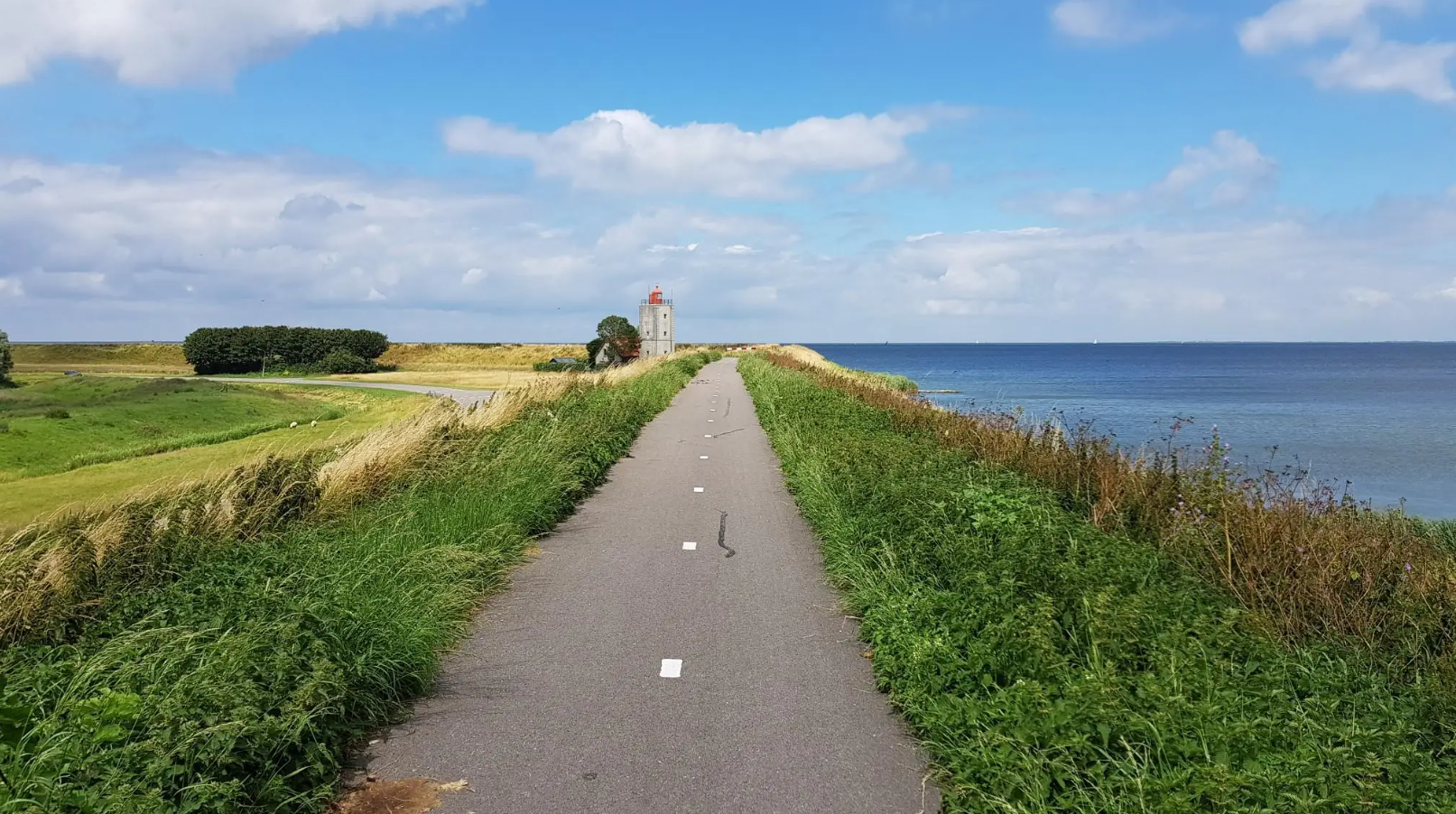
Hiking around West-Friesland – Westfriese Omringdijk (SP 09)
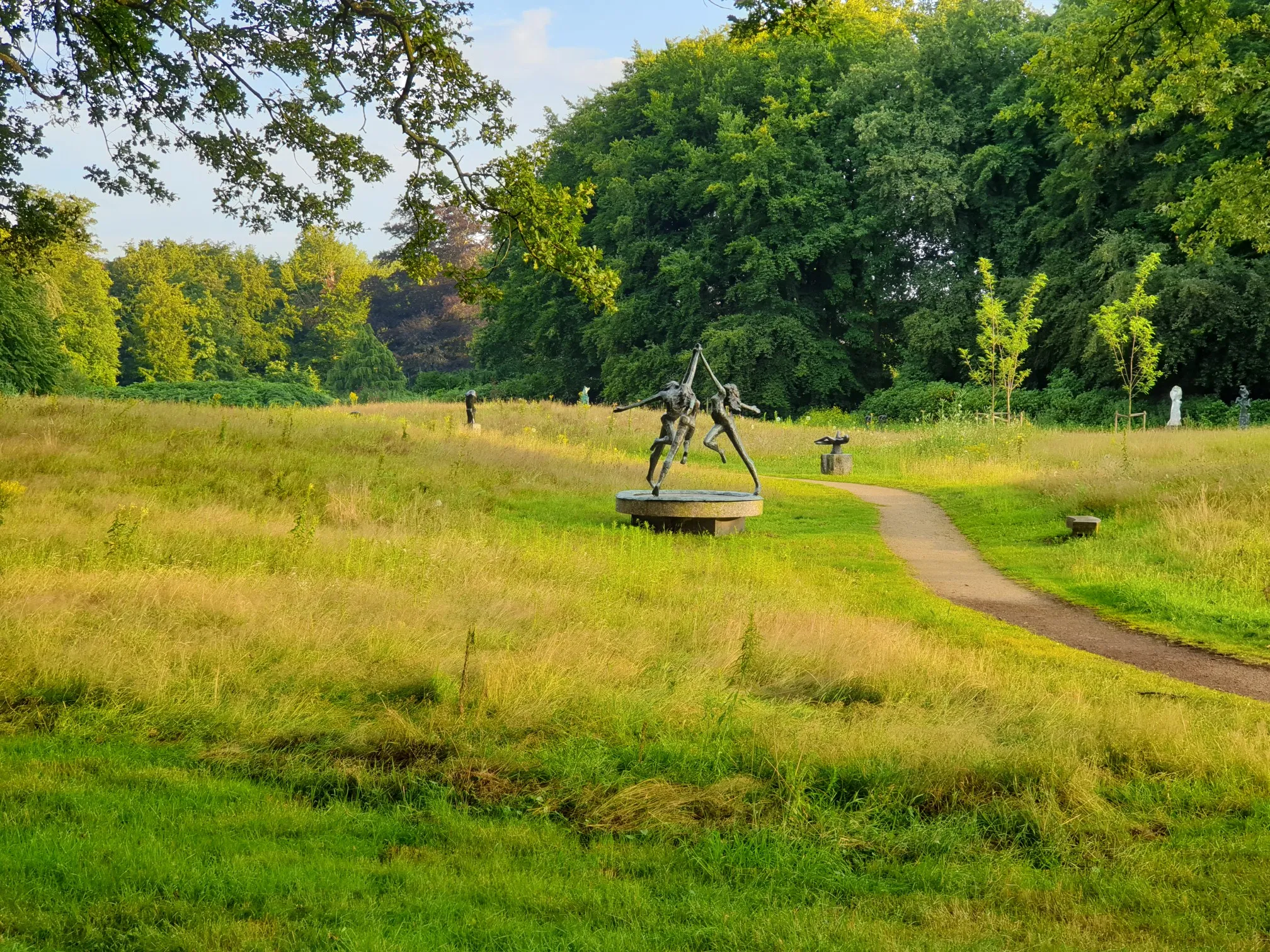
Nature & Culture – 15 Hikes along art in the wild
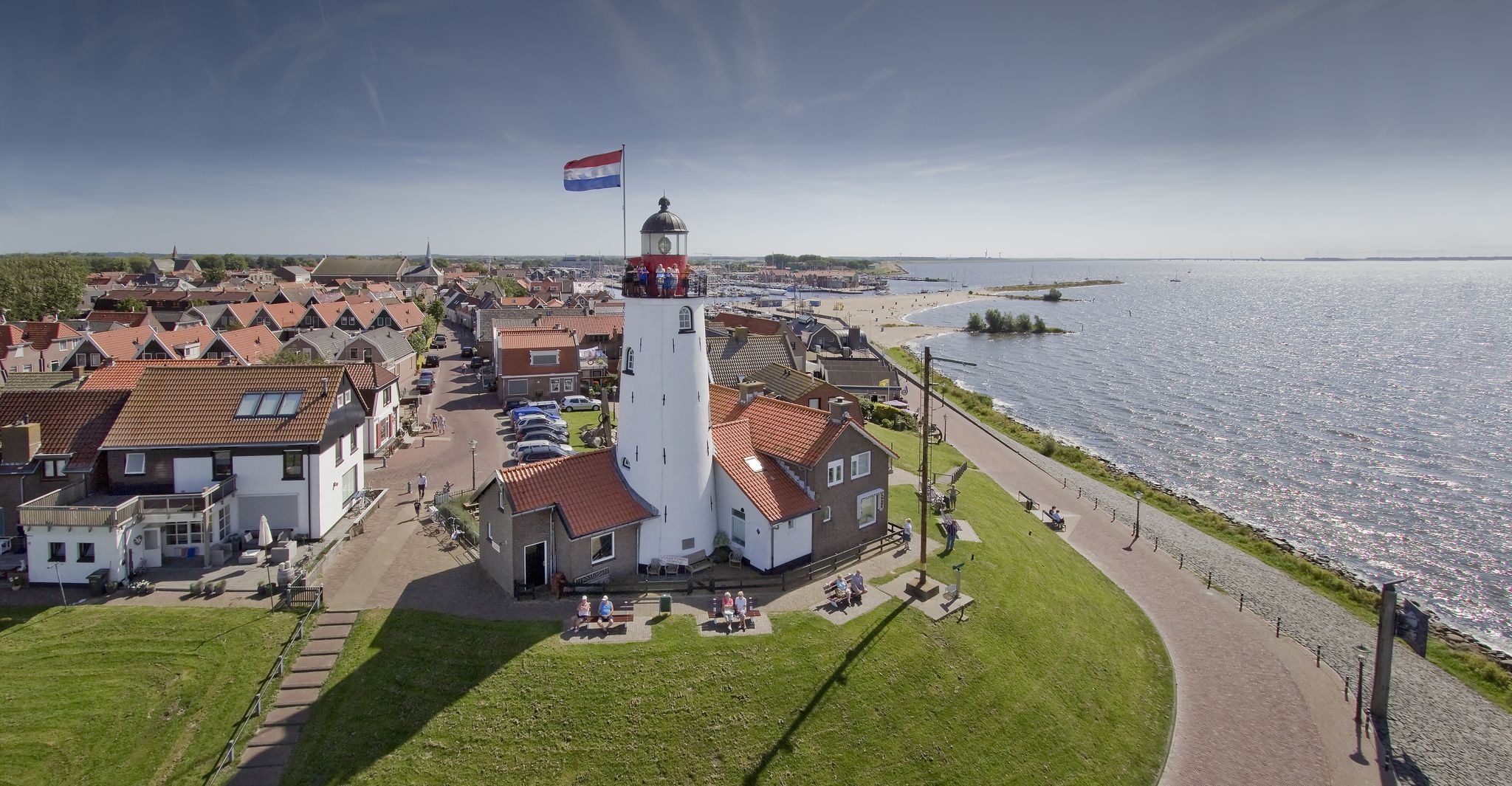
Cycling where there once was sea – water country in the Netherlands
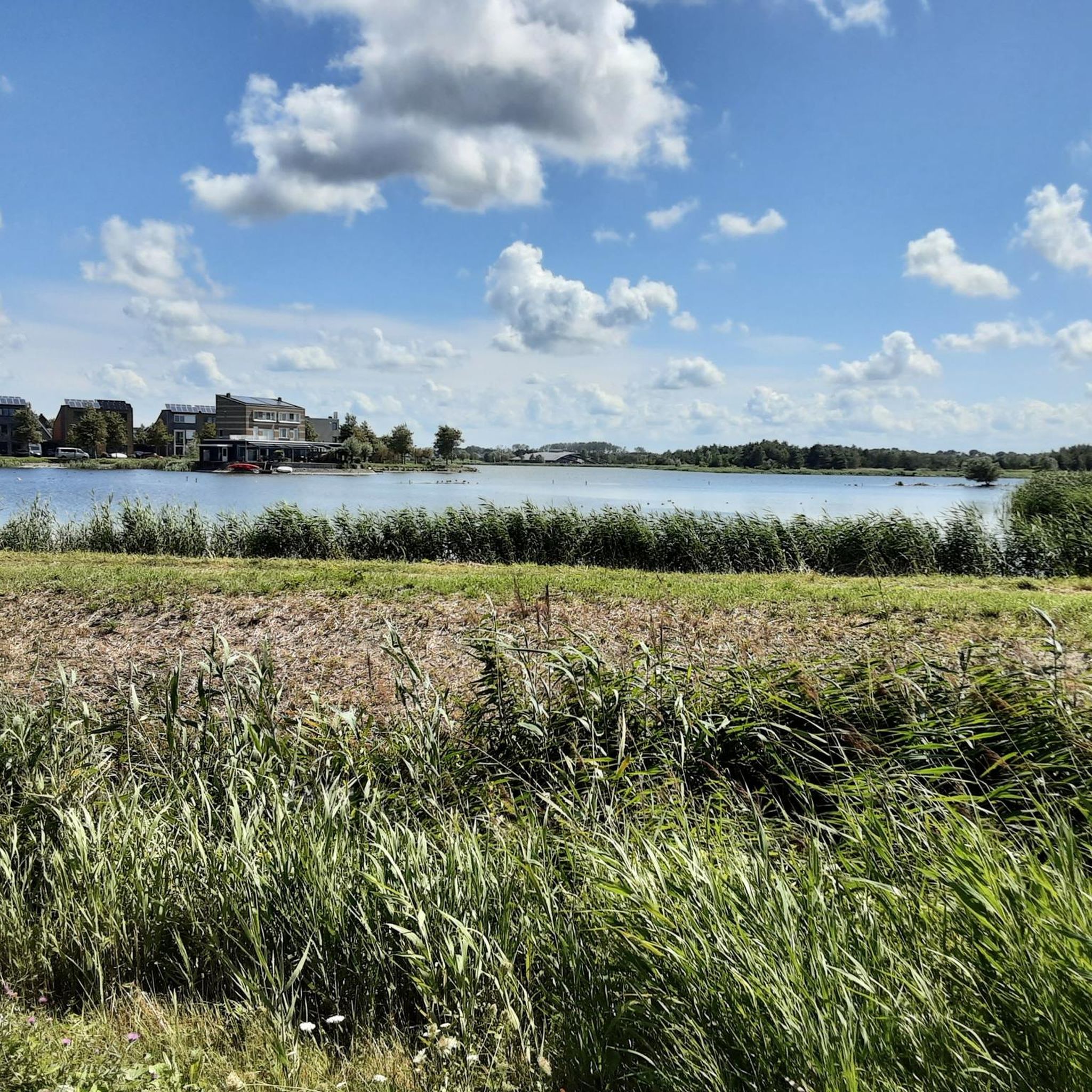
Hiking around Schermer
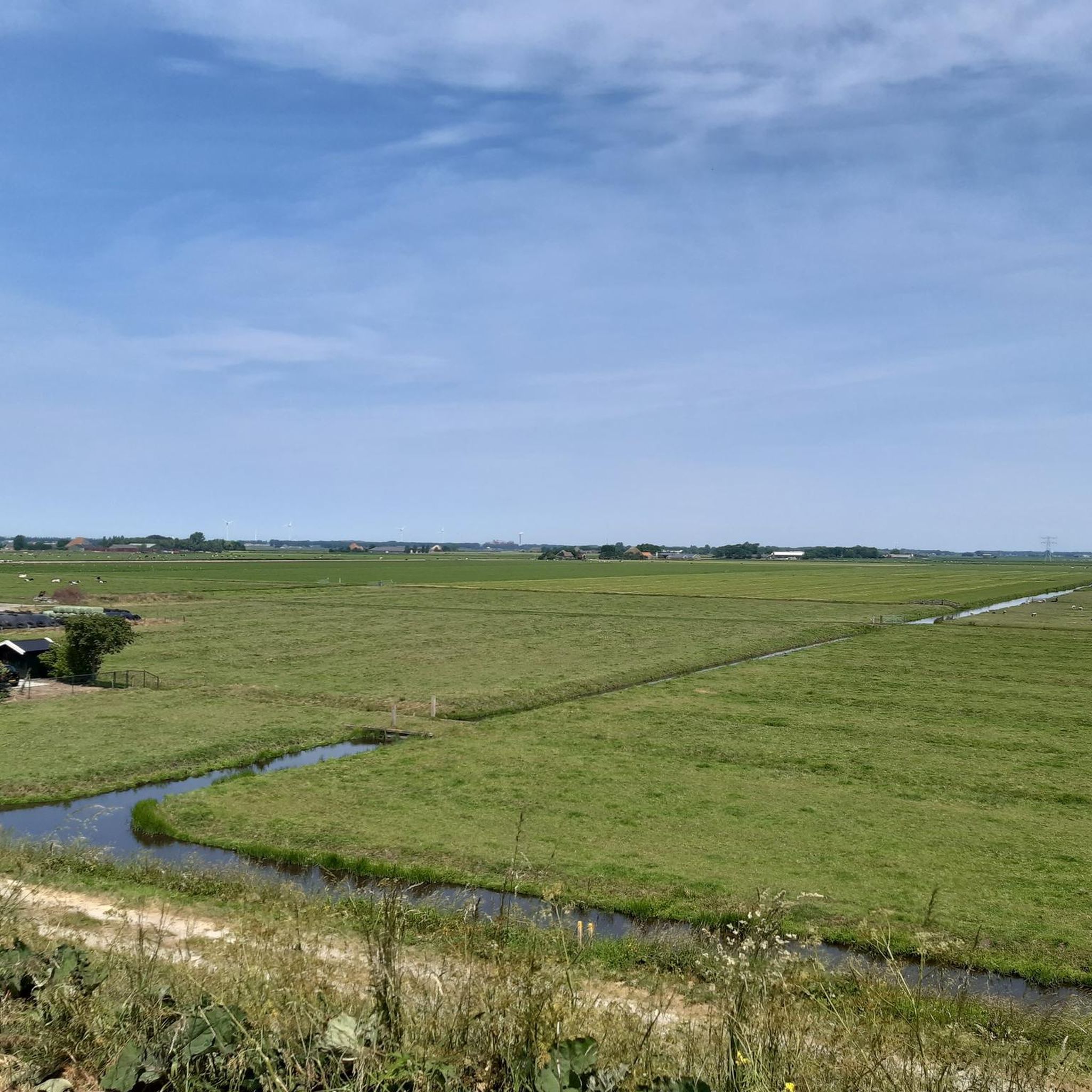
Road Cycling Routes around Schermer
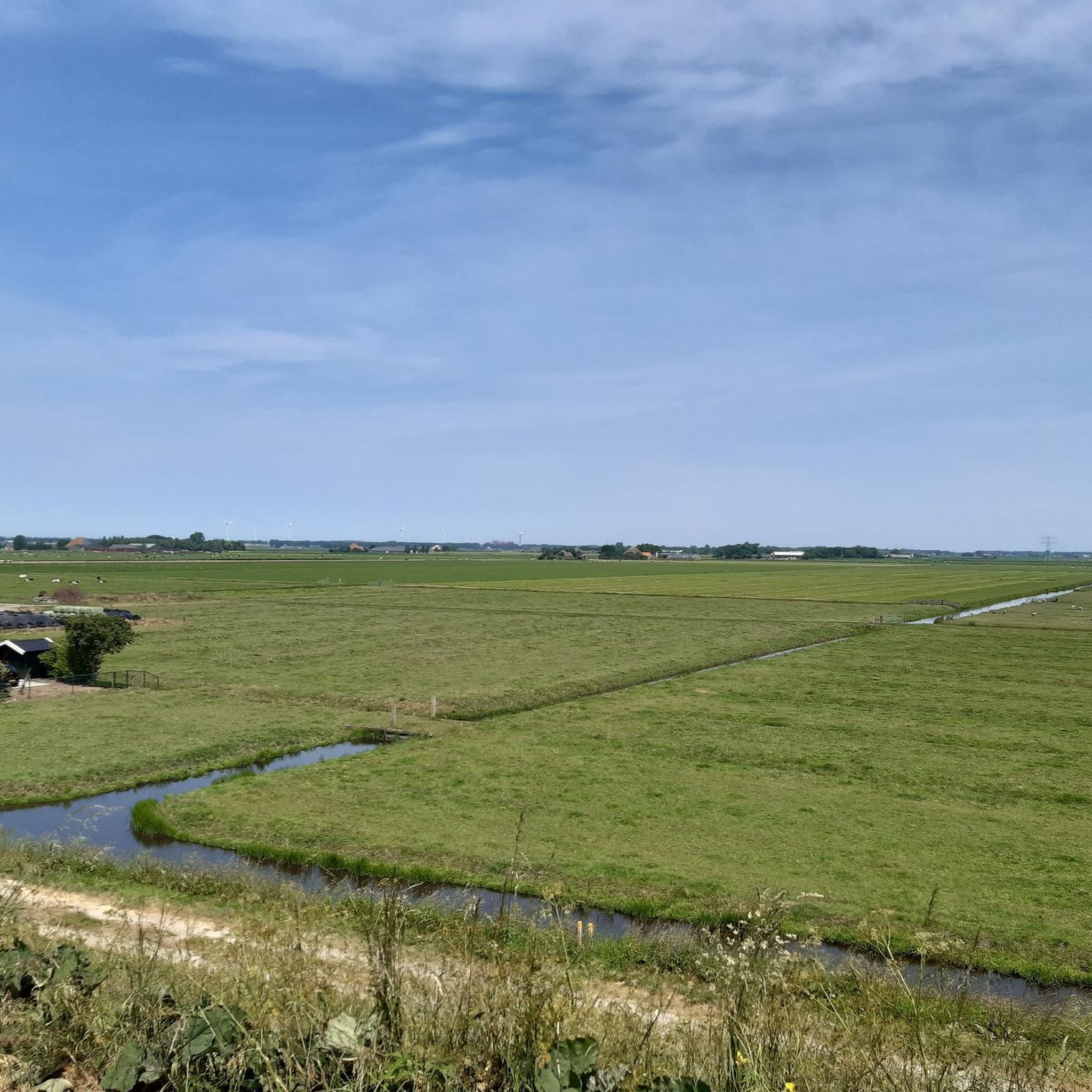
Cycling around Schermer

Gravel biking around Schermer
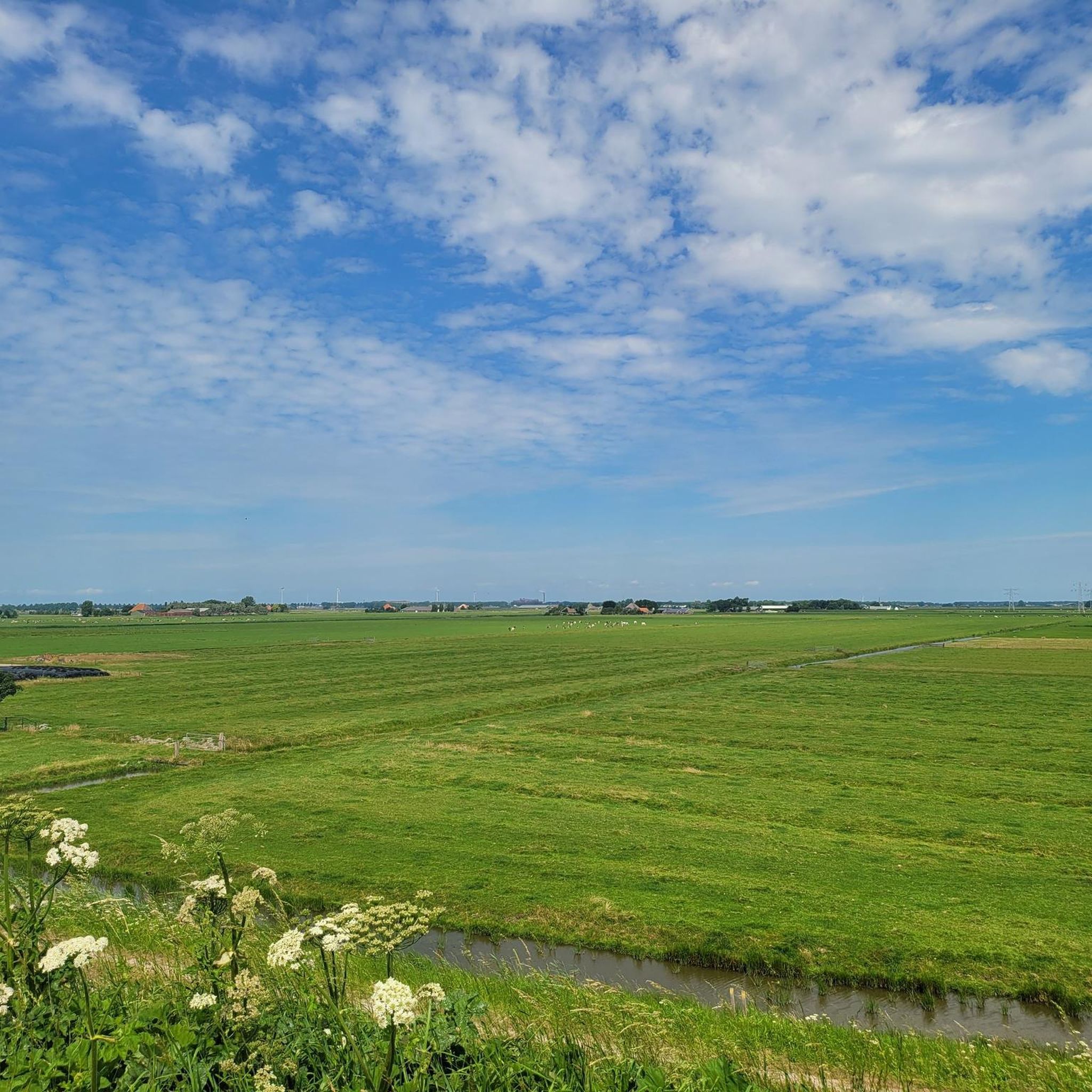
Running Trails around Schermer
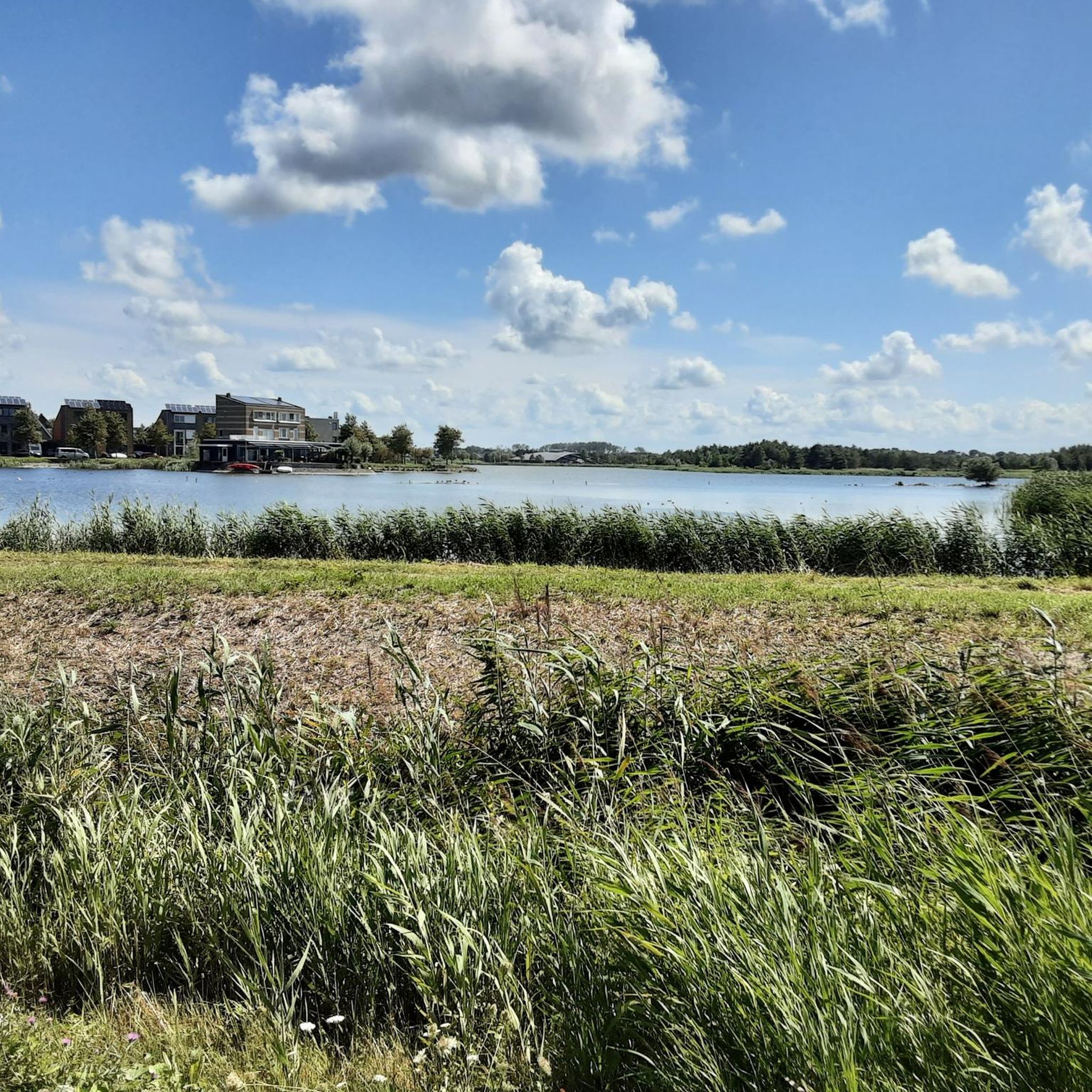
MTB Trails around Schermer
Other adventures around Schermer


Tips from the Community

Animals roam freely in the nature reserve.
0
0

The upper dunes are completely closed from March 1st to July as it is a breeding area. You can only go completely around, partly also via the road! It is annoying when Komoot keeps trying to lead you back to the closed path and doesn't suggest an alternative! The announcement that the path is 1.2 km to our right doesn't help!
0
0

Beautiful area for cycling, but you will need a dune map.
1
0

beautiful landscape
1
0

Incredibly great cycle paths and a fantastically beautiful landscape 🍀🌻
3
0

Beautiful area for cycling, even in winter
1
0

The water that is pumped into the dunes at De Kwal comes from the IJsselmeer. The water is pumped from the IJsselmeer at Andijk, purified, and transported to Heemskerk via a 52 km long pipe. There it is filtered again and is allowed to enter the dunes at 'de kwal'. There the water slowly seeps into the soil and is naturally freed of bacteria and viruses. After at least 30 days, the clean water is pumped up from a depth of 40 metres, freed of iron and lime and the drinking water is suitable for consumption. 800 litres per second Every second, the daily consumption of 6 people flows out of 'de kwal'. That is approximately 800 litres of water per second (2850 m3 per hour). On an annual basis, this amounts to 25,000,000,000 litres of water.
1
0

Be sure to drive through the dunes, there is always a different view, sometimes with fantastic flowering heather, then again with lots of temporary water holes, fantastic!
2
0
Frequently Asked Questions
What makes the natural monuments around Schermer unique?
The natural monuments in Schermer are unique because they represent a remarkable cultural landscape, shaped by centuries of human interaction with nature. The region's defining features include the historic Schermer Polder, a testament to Dutch land reclamation, and the adjacent Eilandspolder, known for its wetland environment. These areas offer expansive views, iconic windmills, and diverse natural habitats, showcasing the ingenuity of Dutch hydraulic engineering.
Are there specific natural areas to visit within the Schermer Polder?
Yes, the entire Schermer Polder is a significant natural area. Key features include the eleven robust windmills, particularly the complexes near Schermerhorn, Rustenburg, and Driehuizen. You can also visit the Museummolen (Museum Mill) at Schermerhorn to experience a working windmill and understand life within it. The open landscape itself provides tranquil environments and habitats for various bird species.
What kind of natural features can I expect to see in the Eilandspolder?
The Eilandspolder is characterized by its network of waterways and small islands, creating a distinct wetland environment. It offers a different type of Dutch landscape compared to the agricultural Schermer Polder, with reeds, open water, and opportunities for water-based recreational activities like stand-up paddling (SUPing).
What are some family-friendly natural monuments in the Schermer area?
Several natural spots are great for families. The Dune lake offers peaceful spots for breaks with views of the water, surrounded by sandy areas, heath, and forest. The Infiltration Area in the Dunes of Castricum is another beautiful water-rich landscape with much to discover. The De Kwal Water Outlet is also considered family-friendly, offering an impressive sight of water management.
Are there good places for walking or cycling among the natural monuments?
Absolutely. The expansive polder landscape of Schermer is ideal for both walking and cycling, offering wide, open vistas. For more structured routes, you can explore options like the Cycling around Schermer guide, which includes routes like 'De Rijp – Neckermolen loop from West-Graftdijk'. The dune areas also offer extensive trails, such as the Dune trail with grazing cows and horses, Noordhollands Duinreservaat.
What is the best time of year to explore the natural monuments around Schermer?
The open and expansive nature of the Schermer Polder and Eilandspolder makes them enjoyable year-round. However, spring and summer offer the most vibrant landscapes, with lush greenery and active birdlife. These seasons are also ideal for cycling and walking. Autumn provides beautiful colors, while winter can offer a stark, tranquil beauty, especially if the waterways freeze over.
Are there any challenging trails or climbs within the natural monuments?
While much of the polder landscape is flat, the dune areas offer some elevation. For instance, the Dangerous slope (10%) — Noordhollands Duinreservaat provides a nice climb for cyclists and hikers looking to put some tension on their leg muscles. This area is known for its varied terrain within the dunes.
What kind of wildlife can I observe in the Schermer Polder and Eilandspolder?
The open landscapes of the Schermer Polder and the wetland environment of the Eilandspolder provide habitats for various bird species. You might also encounter grazing animals like cows and horses, particularly in areas like the Noordhollands Duinreservaat, where Scottish Highland cattle are used for landscape management.
Are the natural monuments around Schermer accessible by public transport?
While some areas might be reachable by local buses, exploring the full extent of the polder and wetland landscapes often benefits from personal transport like a car or bicycle. Public transport options might require some planning and potentially longer walks or rides to reach specific points of interest within these expansive areas.
Can I bring my dog to the natural monuments around Schermer?
Many outdoor areas in the Netherlands, including natural monuments, are dog-friendly, often requiring dogs to be on a leash to protect wildlife and other visitors. Specific rules may apply in nature reserves like the Noordhollands Duinreservaat, so it's always best to check local signage or official websites for the most current regulations regarding dogs.
How long should I plan for a visit to the natural monuments in Schermer?
The duration of your visit depends on what you wish to experience. A short visit to a specific highlight like the Museummolen or a dune lake might take 1-2 hours. To truly appreciate the expansive polder landscape, enjoy a cycling tour, or explore the Eilandspolder, a half-day to a full day is recommended.
Where can I find cafes or places to eat near the natural monuments?
Small villages and towns within or bordering the Schermer Polder, such as Schermerhorn, Driehuizen, and Graft-De Rijp, often have local cafes, restaurants, or pubs where you can stop for refreshments. These establishments typically offer a chance to experience local hospitality after exploring the natural surroundings.
Most popular routes around Schermer
Most popular attractions around Schermer

Get inspired with the komoot mobile app


Explore more
Extend your search for the best caves by checking out these guides of the top ones around Schermer:
