The best MTB trails around Lopik
4.3
(120)
1,778
riders
191
rides
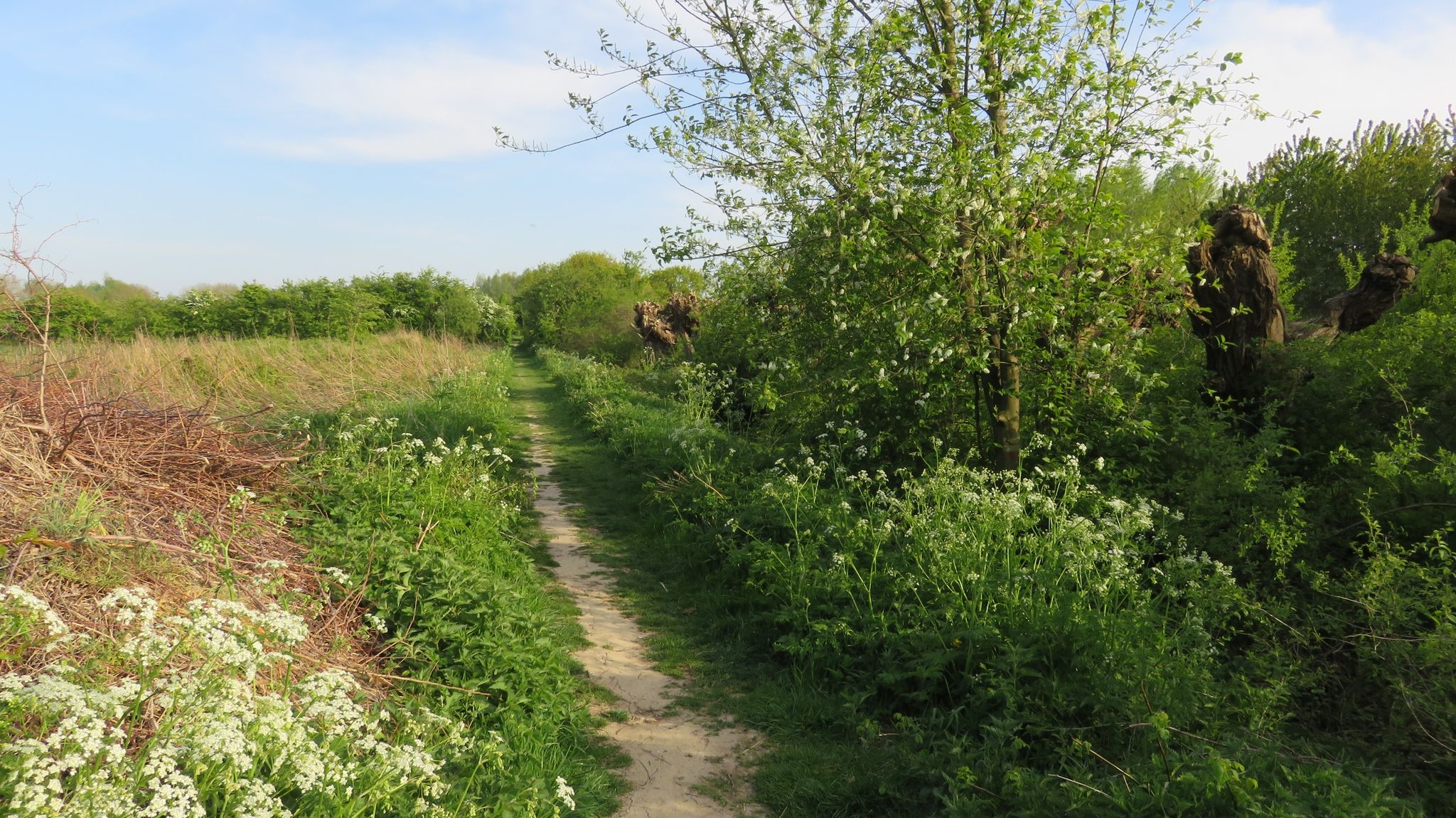
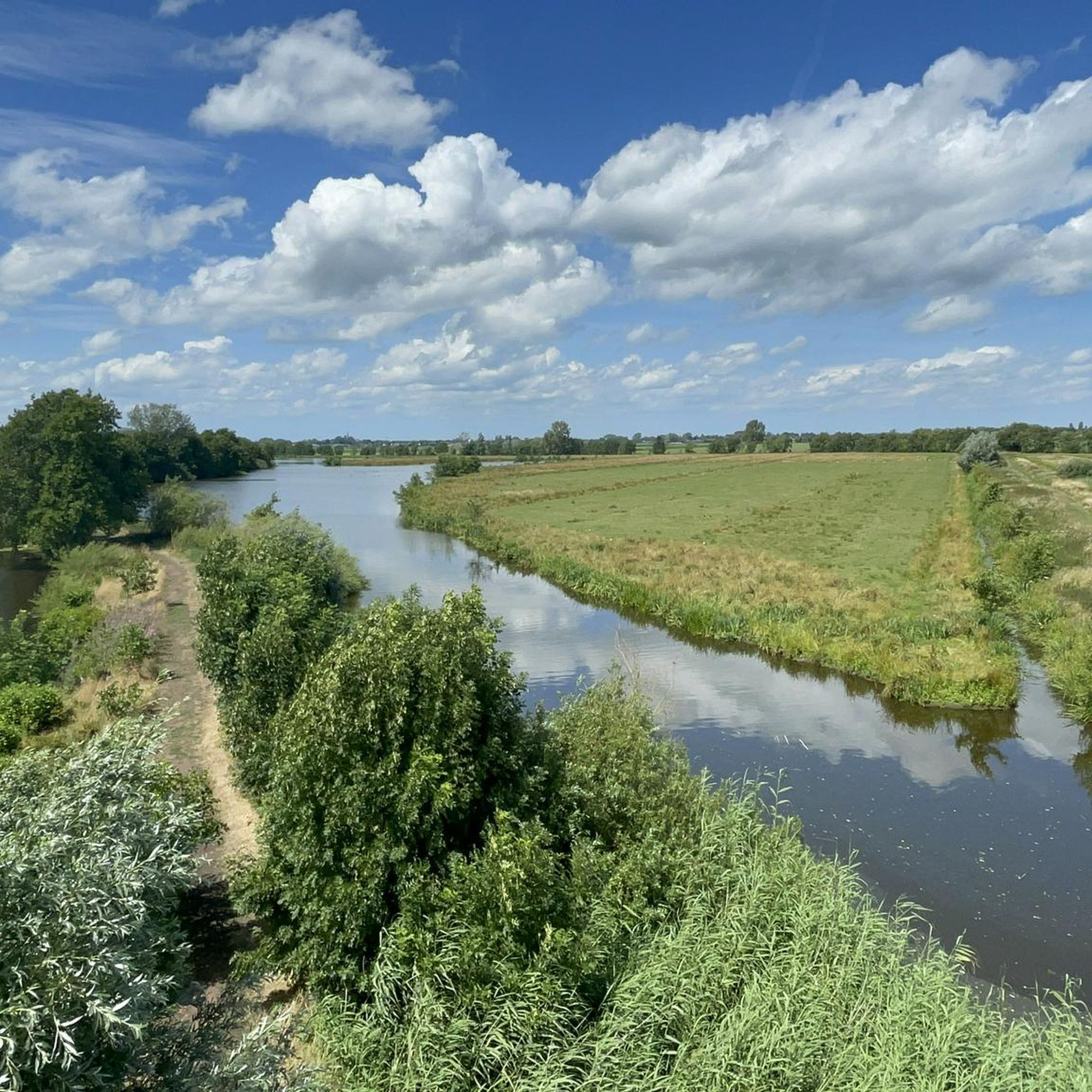
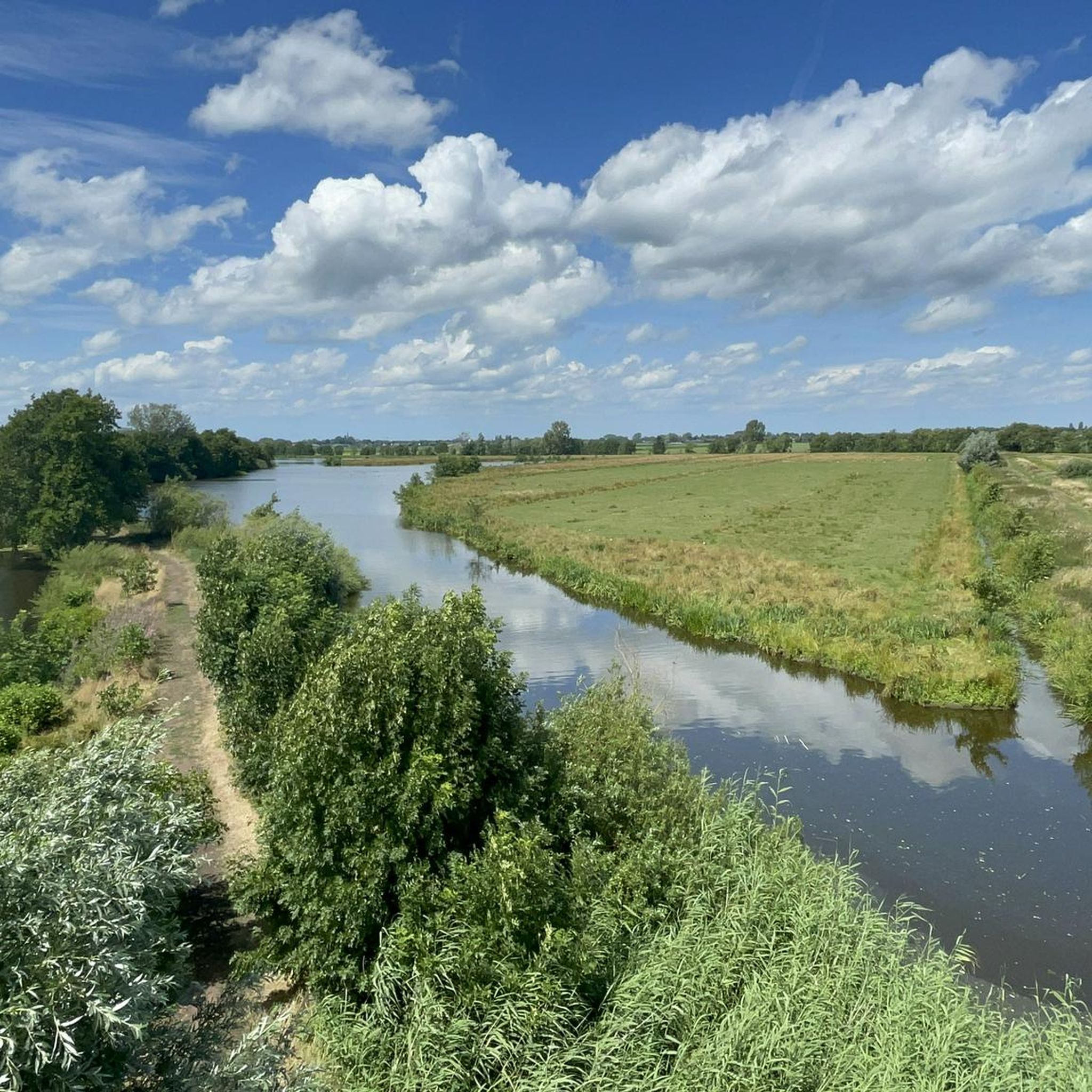
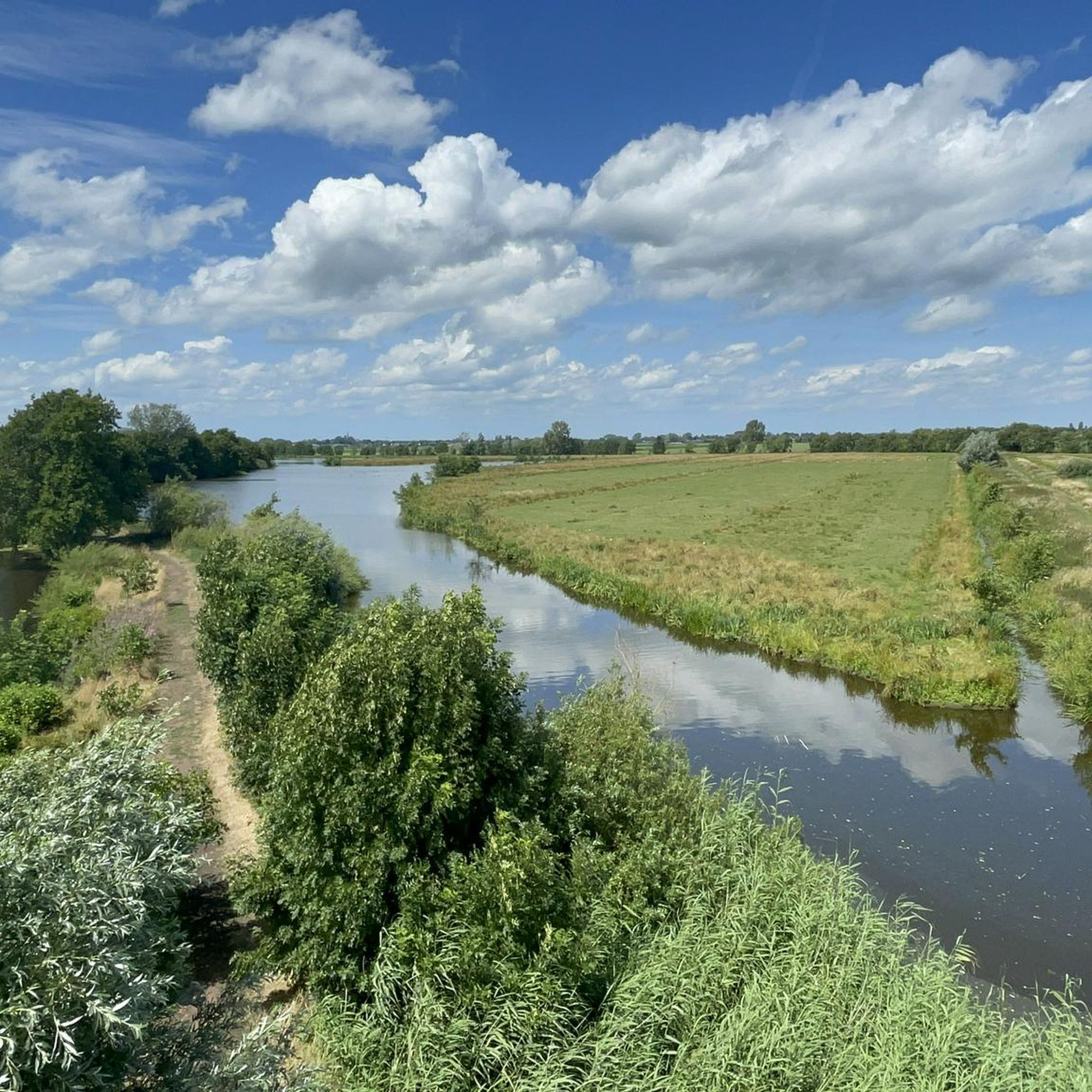
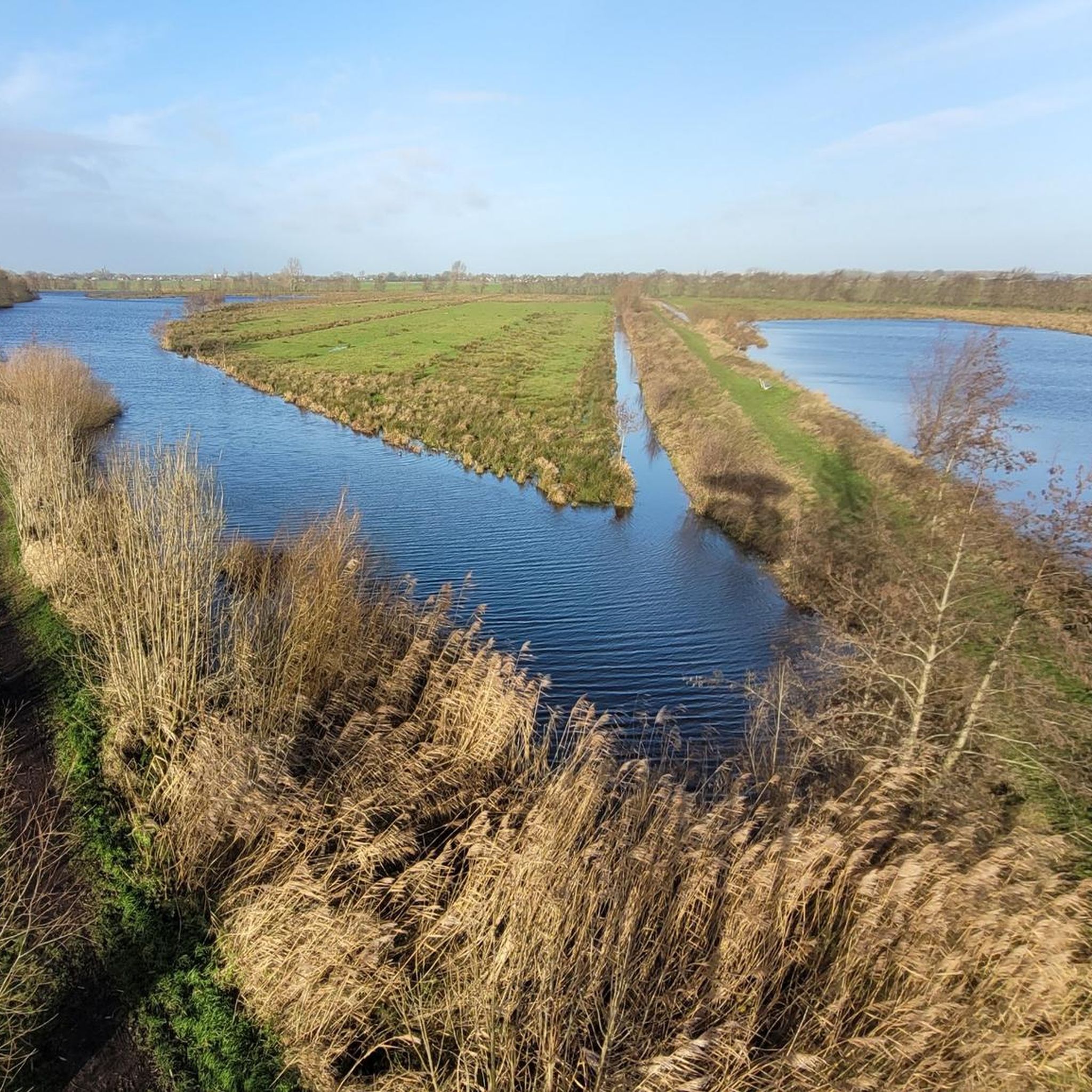
Mountain biking around Lopik is characterized by a predominantly flat polder landscape, crisscrossed by numerous rivers, canals, and dikes. The region offers extensive networks of paths along waterways and through open countryside, providing varied terrain for mountain bikers. Elevation changes are minimal, with routes often following the tops of dikes or through nature reserves. This area is suitable for those seeking longer, less technical rides through a distinctive Dutch landscape.
Best mountain bike trails around Lopik
- The most popular mountain…
Last updated: November 7, 2026
4.3
(3)
30
riders
44.6km
02:21
40m
40m
Moderate mountain bike ride. Good fitness required.
21
riders
65.5km
03:21
90m
90m
Moderate mountain bike ride. Good fitness required. Advanced riding skills necessary.

5.0
(1)
10
riders
Easy mountain bike ride.
11
riders
Moderate mountain bike ride. Good fitness required.
3.0
(1)
11
riders
40.6km
02:04
70m
70m
Moderate mountain bike ride. Good fitness required.
Get access to more routes and recommendations from other explorers.
Already have an account?
Our route recommendations are based on thousands of hikes, rides, and runs completed by other people on komoot.
Start today with a free account
Your next adventure awaits.
Other adventures around Lopik

Tips from the Community

The Achterlandse Molen is one of the three hollow post mills along the Molenkade in Groot-Ammers, in the municipality of Molenlanden, by the water of the Ammersche Boezem. The mill dates from 1596 or earlier and drained the Liesveld Polder until 1969. In 1865, the mill was made habitable and it is still inhabited today. After restorations in 1978/1979 and 2006, the mill drains the Liesveld polder on a voluntary basis.
4
0

A very nice mill with a museum. If you have time, you should go visit it.
0
0
Very nice to see the many windmills, which are also regularly put into operation. The path through the mills is free of charge. However, if you want to enter the mill grounds directly, you have to pay an entrance fee.
0
0

Identical in construction to the weirs at Driel and Amerongen.
1
0
The Wilhelmina van Pruisenbrug is a drawbridge for pedestrians and cyclists in Hekendorp, spanning the Hollandsche IJssel River. Built in 1992 to replace a ferry, it is named after Princess Wilhelmina of Prussia, who was arrested nearby in 1787. The bridge is electrically operated by a pushbutton and is primarily used during the sailing season. It is part of the historic and touristic Princess Route.
3
0

Anyone visiting South Holland cannot miss a visit to the windmills of Kinderdijk. Admission to the site is free, but the tour of the windmills is not. You can also see all the sights in one go by purchasing a combination ticket. This also includes a boat trip along the canals. Unlike the windmills of Zannse Schans, the windmills of Kinderdijk have retained their authenticity. They don't appear kitschy or tourist-oriented at all, and they aren't overcrowded. However, you're almost never completely without tourists. A visit in the late afternoon is recommended, as most of the crowds are over by then. Incidentally, there are now a limited number of parking spaces in front of the entrance. The cost is just under €10 per day! There is also a shuttle bus to the nearest village, which costs the same amount, including the parking fee.
3
0
Anyone visiting South Holland cannot miss a visit to the windmills of Kinderdijk. Admission to the site is free, but the tour of the windmills is not. You can also see all the sights in one go by purchasing a combination ticket. This also includes a boat trip along the canals. Unlike the windmills of Zannse Schans, the windmills of Kinderdijk have retained their authenticity. They don't appear kitschy or tourist-oriented at all, and they aren't overcrowded. However, you're almost never completely without tourists. A visit in the late afternoon is recommended, as most of the crowds are over by then. Incidentally, there are now a limited number of parking spaces in front of the entrance. The cost is just under €10 per day! There is also a shuttle bus to the nearest village, which costs the same amount, including the parking fee.
5
0

In the middle of the village center of Harmelen stands the Dutch Reformed Church. The oldest predecessor of this church was probably founded around 1297, the year of the earliest mention. From 1288 until the Reformation, the church had ties with the Order of Saint John, which founded a commandery in Harmelen. The church suffered from fires and looting several times. As early as 1593 it was written: "The church was burned here; but a very convenient place for preaching was made in it again". In the Disaster Year 1672, French troops wreaked havoc there, and the great church fire on June 23, 1900, as a result of lightning, is well-known. The historian of the United Netherlands noted in 1753 that the church was equipped with "two artfully built columns, on which the wooden vault rested". During the repair work after the fire of 1900, the columns were renewed. They are built of brick alternated with sandstone, while the capitals and bases are made of red brick. The restoration of the church after the great fire is, incidentally, thanks to the enthusiasm of the renowned architect P.J.H. Cuypers, who was working in the area at the time on De Haar Castle. Elements such as the entrance to the church and the stone balustrade around the church tower came from his hand.
0
0
Frequently Asked Questions
What are the typical difficulty levels for mountain bike trails around Lopik?
The mountain bike trails in Lopik are predominantly flat, making them generally accessible. You'll find a good mix of routes: 91 are considered easy, 78 are moderate, and 16 are more challenging. The terrain is characterized by polder landscapes, dikes, and riverside paths, focusing more on endurance and scenic riding than technical difficulty.
What are the common lengths of mountain bike trails in the Lopik region?
Trail lengths in Lopik vary, offering options for different ride durations. For example, the Donkse Laagten Nature Reserve – Kinderdijk Windmills loop from Schoonhoven is about 44.7 km, while the Vlist Riverside Path – Schoonhoven Ferry Gate loop from IJsselstein extends to 58.4 km. Longer routes like the Nedereindse Plas – Dike Route 1025 loop from IJsselstein can be up to 66.1 km, providing extensive riding opportunities.
Are there family-friendly mountain bike routes in Lopik?
Yes, the flat polder landscape and extensive network of paths make Lopik suitable for family-friendly mountain biking. Many of the 91 easy routes are ideal for families, offering gentle terrain along dikes and waterways without significant elevation changes. These routes provide a relaxed way to explore the Dutch countryside.
What kind of terrain can I expect on mountain bike trails in Lopik?
Lopik's mountain bike trails are defined by their predominantly flat polder landscape. You'll ride along dikes, through open countryside, and beside numerous rivers and canals. While elevation changes are minimal, the routes offer varied surfaces, including paved and unpaved paths, making for an engaging, non-technical ride through a distinctive Dutch environment.
What is the best time of year to go mountain biking in Lopik?
The best time for mountain biking in Lopik is typically from spring through early autumn (April to October). During these months, the weather is generally milder and drier, making for more pleasant riding conditions. The polder landscape is also at its most vibrant, offering scenic views.
Are there any circular mountain bike routes available in Lopik?
Yes, many of the mountain bike routes in Lopik are designed as loops, allowing you to start and finish at the same point. Examples include the Hekendorp Drawbridge – Haastrecht Drawbridge loop from IJsselstein and the Fort Everdingen – Prinses Beatrix Lock loop from IJsselstein, which offer convenient circular journeys through the polder landscape.
What interesting landmarks or attractions can I see along the mountain bike trails in Lopik?
The Lopik region offers several points of interest along its trails. You might encounter historic structures like the Haastrecht Drawbridge or the High Boezem Mill No. 6, Haastrecht. Natural highlights include the Willeskop Birdwatching Area and the Schoonrewoerd Pool, offering diverse sights during your ride.
What do other mountain bikers enjoy most about mountain biking in Lopik?
The komoot community highly rates mountain biking in Lopik, with an average score of 4.2 stars from over 120 reviews. Riders often praise the quiet polder landscapes, the extensive network of dikes and riverside paths, and the opportunity for long, scenic rides through the unique Dutch countryside.
Are there options for advanced mountain bikers in Lopik?
While Lopik's terrain is generally flat, there are 16 routes categorized as difficult. These routes often involve longer distances and may include more varied surfaces or slightly more challenging sections along dikes. They cater to riders looking for endurance challenges rather than technical descents or climbs.
Can I find cafes or places to stop for refreshments along the mountain bike trails?
Yes, given the region's popularity for cycling, you can often find cafes, restaurants, or small shops in the villages and towns that the routes pass through or near. These provide opportunities for refreshments and breaks during your ride. Planning your route in advance can help identify suitable stops.
What are the parking options for mountain bikers in Lopik?
Parking is generally available in the towns and villages that serve as starting points for many routes, such as IJsselstein or Schoonhoven. Look for public parking areas, often near town centers or recreational facilities. It's advisable to check local parking regulations and availability for your specific starting location.
How many mountain bike trails are there in the Lopik region?
There are over 180 mountain bike trails available for exploration in the Lopik region. This extensive network provides a wide variety of options for different skill levels and preferences, from easy scenic rides to longer, more challenging endurance routes.
Most popular attractions around Lopik

Get inspired with the komoot mobile app


Explore more
Browse the best MTB trails in other regions.
