Top 20 Lakes around Goes
Best lakes around Goes are found in the Dutch province of Zeeland, where the town is strategically located. Goes provides direct access to the Veerse Meer, a significant brackish-water lagoon, and the Oosterschelde, a vast national park and estuary. These bodies of water offer diverse recreational activities and natural features. The area is characterized by its unique coastal landscape, shaped by the Delta Works.
Best lakes around Goes
- The most popular lakes is View of the North Sea and the…
Last updated: August 11, 2026
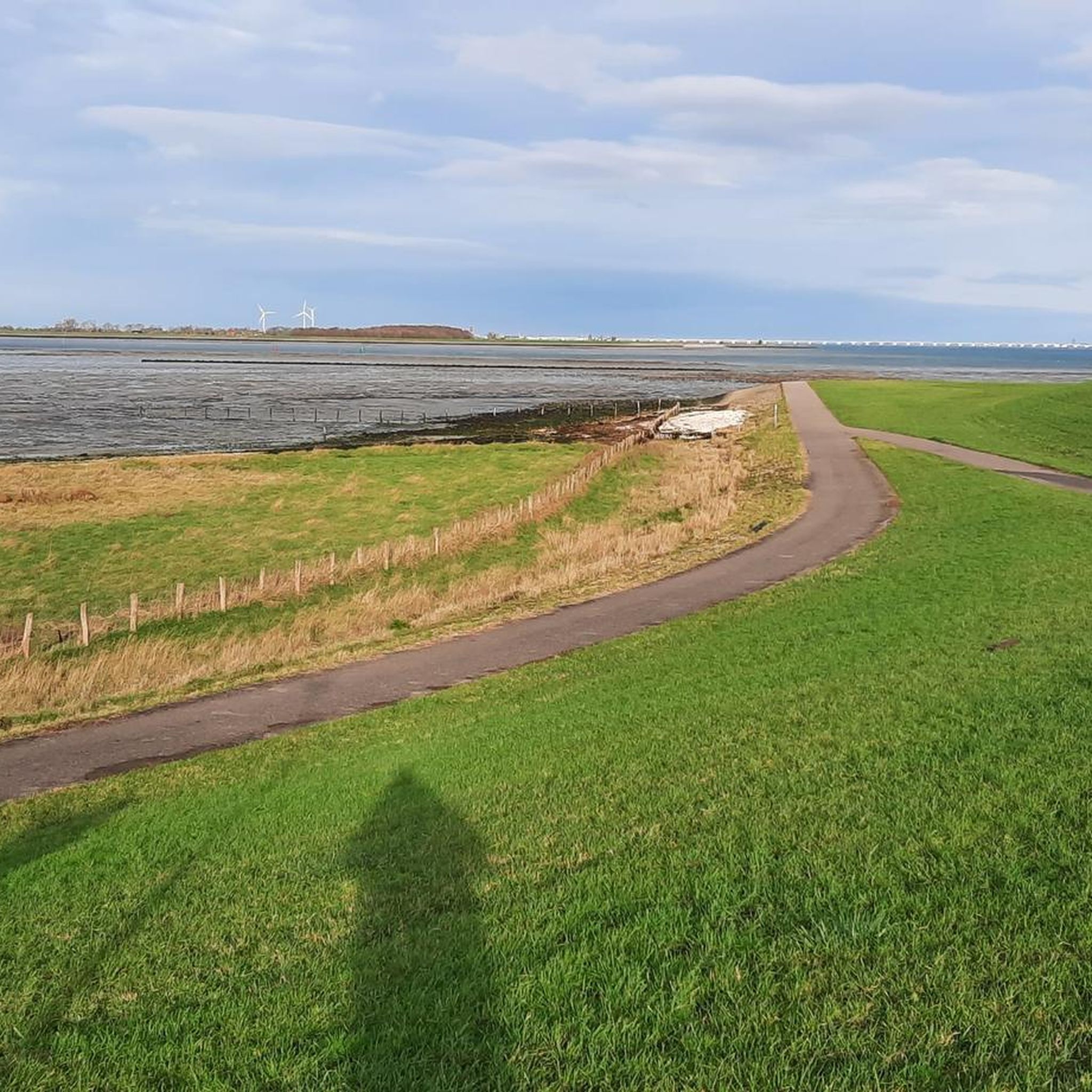
View of the North Sea and the Veerse Meer from the Veerse Gatdam
Highlight • Viewpoint
Translated by Google •
Tip by

View of the Veerse Meer
Highlight • Viewpoint
Translated by Google •
Tip by
Sign up now to discover places like this
Get recommendations on the best single tracks, peaks, & plenty of other exciting outdoor places.
Sign up for free
Veerse Meer
Highlight (Segment) • Lake
Translated by Google •
Tip by
Veerse Meer Waterfront Route
Highlight (Segment) • Cycleway
Translated by Google •
Tip by
Veere Waterfront and Historic Harbour
Highlight • Historical Site
Translated by Google •
Tip by

Sign up for free to discover even more lakes around Goes.
Sign up for free
Already have an account?
Start today with a free account
Your next adventure awaits.
Login or Signup

Other adventures around Goes

Tips from the Community

At the lock in Veere, you are very close to the ships being locked. Great for lingering
0
0

Beautiful section that is not quite as crowded as the cycle paths on the North Sea coast.
0
0
Coming from the south, it's a nice reward for the drive - straighten up briefly, take a sip and enjoy!
0
0

Veere, a beautiful town on the Veerse Meer. Here we were lucky enough to watch the ring riding.
0
0

The small town of Veere in Zeeland is one of the most idyllic old harbor villages in the Netherlands. It boasts a rich history with beautiful old buildings, atmospheric streets, and cozy markets. We'll tell you about the must-see sights and activities, and where to find the best accommodations.
1
0

The Veerse Meer is a very special place—a hidden treasure in the Dutch province of Zeeland. 🌊✨ It used to be part of the open North Sea, but today it lies sheltered between dikes and islands. This has created a long, inland body of water with crystal-clear, calm waters. Particularly beautiful are the small, uninhabited islands, which lie like green dots in the blue of the sea. Some can only be reached by boat, while others are natural paradises where rare birds breed and wild orchids grow.
0
0

Veere is an idyllic town located on the Veerse Meer. You will literally find history on the streets here. Wandering through the city you will discover many historical buildings and special buildings such as the Grote Kerk and the Campveerse Toren. You can also regularly stroll through cozy markets and visit nice shops. Enjoying one of the many terraces is also a highlight in itself. At the marina you can dream away with the incoming and outgoing boats. In short, Veere is an old city full of history and experience.
3
0

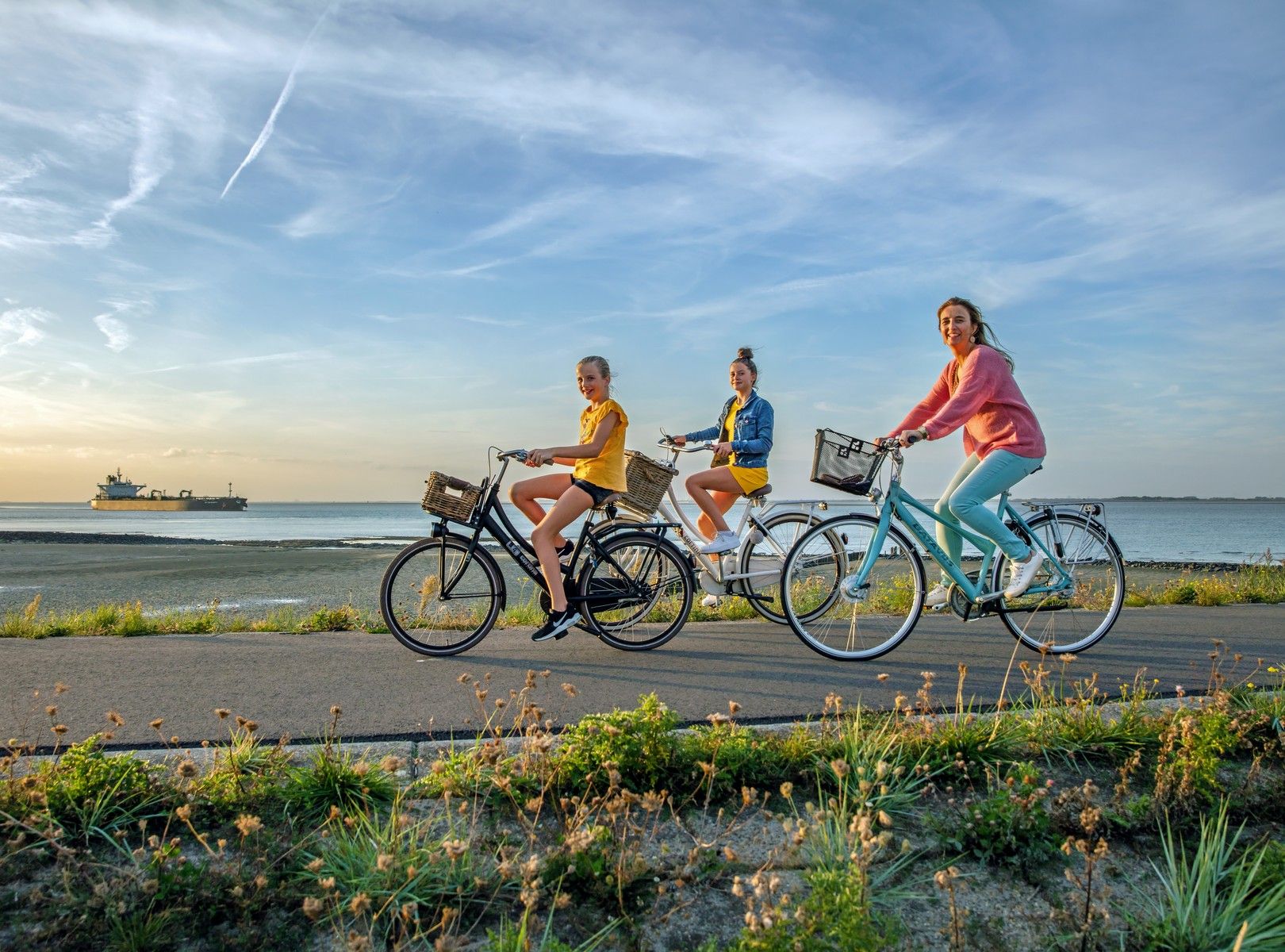
Endless beaches, great views, beautiful bike path.
1
0
Frequently Asked Questions
What types of water bodies can I explore near Goes?
Near Goes, you can explore two significant water bodies: the Veerse Meer, a brackish-water lagoon ideal for water sports and island hopping, and the Oosterschelde National Park, a vast tidal estuary known for its rich biodiversity and marine life. Both offer unique natural experiences.
What are the most popular viewpoints around the Veerse Meer?
Visitors particularly enjoy the View of the North Sea and the Veerse Meer from the Veerse Gatdam, which offers wide, car-free cycle paths and views of both the North Sea and the Veerse Meer. Another favorite is the general View of the Veerse Meer, a scenic spot along its banks.
What water sports can I do on the Veerse Meer?
The Veerse Meer is a water sports paradise. You can enjoy sailing, windsurfing, kitesurfing, canoeing, and stand-up paddleboarding. Waterskiing and wakeboarding are also popular, with equipment rental and lessons widely available. Many visitors also rent boats to explore the lake's numerous islands.
Are there cycling routes around the lakes near Goes?
Yes, there are many beautiful cycling routes. The Veerse Meer Waterfront Route offers magnificent views, sometimes passing through small wooded areas. Another popular option is the Trail between the Veerse Meer and the North Sea, which provides views of both water bodies. For more cycling options, you can explore the Cycling around Goes guide.
Can I go hiking or running near the lakes?
Absolutely. The areas around both the Veerse Meer and the Oosterschelde offer opportunities for walking and running. The Oosterschelde National Park, with its dynamic tidal landscape, is particularly suited for exploring on foot. You can find various routes in the Running Trails around Goes guide.
What unique activities does the Oosterschelde National Park offer?
The Oosterschelde National Park is a prime destination for marine wildlife spotting, including seals basking on sandbanks and porpoises in the water. It's also recognized as a major diving hotspot due to its clear waters and abundant underwater life. You can also visit information points to learn about its unique ecology and the impressive Oosterschelde Barrier.
What kind of wildlife can I spot in the Oosterschelde National Park?
The Oosterschelde is a rich ecosystem. You can spot seals on sandbanks at low tide and even porpoises (small whales) in the waters. It's also a crucial area for thousands of species of plants, birds like oystercatchers and spoonbills, and diverse marine life, making it a fantastic spot for nature observation.
Are there any islands to explore in the Veerse Meer?
Yes, the Veerse Meer is home to 17 small islands. Five of these are designated as bird sanctuaries, while the remaining islands are accessible to visitors. They feature recreational areas and walking paths, perfect for picnics or leisurely strolls, and can be reached by boat.
Are the lakes around Goes suitable for families with children?
Both the Veerse Meer and the Oosterschelde offer family-friendly options. The Veerse Meer, with its shallow banks, is ideal for families with children, offering safe swimming and water sports. Many viewpoints and cycle paths around both water bodies are also suitable for family outings.
What is the best time of year to visit the lakes near Goes?
The spring and summer months (April to September) are generally the best time to visit, offering pleasant weather for water sports, cycling, hiking, and wildlife spotting. However, the Oosterschelde's dynamic landscape and birdlife can be enjoyed year-round, with different species present in various seasons.
How were the Veerse Meer and Oosterschelde formed or influenced by human activity?
Both water bodies were significantly influenced by the Delta Works, a series of construction projects in the Netherlands. The Veerse Meer was formed in 1961 when it was separated from the North Sea by the Veerse Gatdam. The Oosterschelde, while still a tidal estuary, features the impressive Oosterschelde Barrier, a key part of the Delta Works designed to protect against flooding.
Are there opportunities for diving in the area?
Yes, the Oosterschelde National Park is renowned as a major diving hotspot. Its clear waters and abundant underwater life, including anemones, seaweeds, cuttlefish, and even seahorses, attract divers from all over. Special tidal troughs allow for observation of the underwater world even without diving.
Most popular attractions around Goes

Get inspired with the komoot mobile app


Explore more
Still not found your perfect lake around Goes? Check out the guides of these regions to see even more beautiful places.
